



Trending
€57.50
€62.50

€35.95
€62.50
€62.50
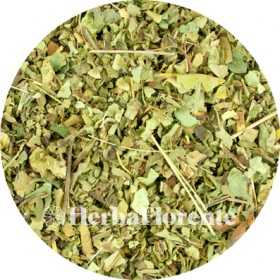
Lungwort - Pulmonaria officinalis
€5.91 €6.95 -15%
Echinacea (Red Coneflower) - 350 mg
€15.96 €19.95 -20%
A, B, C, D, E
There are 11 products.
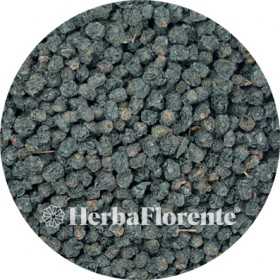
Aronia berry - Arnoia melanocarpa - Whole
Aronia berries, also known as black chokeberries, grow on compact bushes that reach a height of about 1 to 3 meters. The berries have a deep purple to black color and have long been used in various cultures.
The berries contain various natural plant compounds, including anthocyanins and polyphenols. These compounds contribute to the fruit's characteristic color and protect the seed inside. Compared to blueberries, aronia berries contain relatively high levels of anthocyanins.
Aronia berries are a popular ingredient in juices, teas, and jams, for example, because of their rich color and flavor.
The berries contain various natural plant compounds, including anthocyanins and polyphenols. These compounds contribute to the fruit's characteristic color and protect the seed inside. Compared to blueberries, aronia berries contain relatively high levels of anthocyanins.
Aronia berries are a popular ingredient in juices, teas, and jams, for example, because of their rich color and flavor.
€2.40
From: €2.40
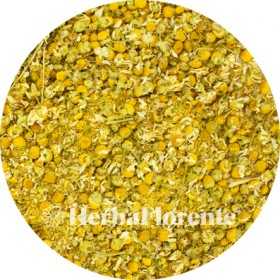
Chamomile (Flower) - Matricaria recutita, Chamomillae europ. - Whole
Chamomile (Matricaria chamomilla, synonym Matricaria recutita) is an annual, aromatic plant from the Asteraceae family. Originally native to large parts of Europe, it is now widely cultivated, including in Hungary and several Eastern European countries.
Chamomile has a long cultural and historical background. In ancient Egypt, the plant was symbolically worshipped and associated with the sun god Ra. Throughout the centuries, chamomile has been frequently described in botanical and historical sources, contributing to its fame and spread.
Chamomile has a long cultural and historical background. In ancient Egypt, the plant was symbolically worshipped and associated with the sun god Ra. Throughout the centuries, chamomile has been frequently described in botanical and historical sources, contributing to its fame and spread.
€3.20
From: €3.20
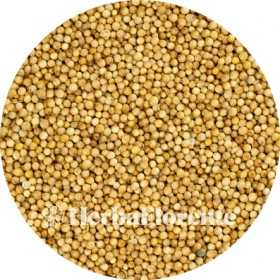
Coriander - Coriandrum sativum - Whole
Coriander seeds have been used for thousands of years in various cultures and cuisines worldwide. Traditionally, the seeds are part of spice blends and are prized for their warm, slightly citrusy, and spicy aroma. This long-standing use has led to coriander seeds holding a permanent place in both culinary and traditional herbal practices to this day.
Coriander (Coriandrum sativum) is a versatile plant, with both the leaves and seeds used. The seeds are distinguished by their specific composition and concentrated aromatic compounds. They naturally contain various vitamins and minerals, including vitamins A, C, and K, folic acid, and minerals such as iron, manganese, potassium, magnesium, and calcium.
Coriander (Coriandrum sativum) is a versatile plant, with both the leaves and seeds used. The seeds are distinguished by their specific composition and concentrated aromatic compounds. They naturally contain various vitamins and minerals, including vitamins A, C, and K, folic acid, and minerals such as iron, manganese, potassium, magnesium, and calcium.
€2.00
From: €2.00
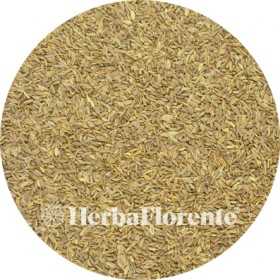
Dill - Anethum graveolens
Dill seed has a refreshing, spicy flavor reminiscent of anise and fennel, and it is more powerful in flavor than dill tops. Whole dill seeds retain their aroma and flavor longer than ground dill seeds. Our dried dill seed is completely natural and free of additives.
Dill is an indispensable seasoning in the kitchen and is often used for preserving vegetables, salmon, mayonnaise and potato salad. It is also delicious in bread, stews, salads, soups, on fish, peas, beans, carrots, pumpkin, beets and potatoes.
Dill is an indispensable seasoning in the kitchen and is often used for preserving vegetables, salmon, mayonnaise and potato salad. It is also delicious in bread, stews, salads, soups, on fish, peas, beans, carrots, pumpkin, beets and potatoes.
€2.50
From: €2.50
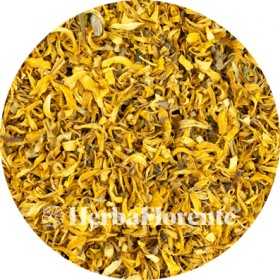
Flowers Sweet - Citrus aurantium dulce
Out-of-Stock
Orange blossom is a delicious addition to tea, which gives a subtle sweet taste.
Orange blossom, from Citrus aurantium dulce, adds a delicious sweet touch to your favorite tea. It is the ideal way to enrich your tea experience.
Orange blossom, from Citrus aurantium dulce, adds a delicious sweet touch to your favorite tea. It is the ideal way to enrich your tea experience.
€20.00
From: €20.00
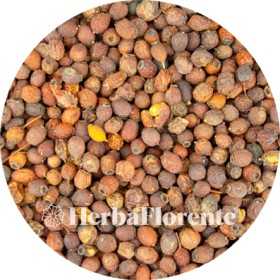
Hawthorn berry - Crataegus monogyna (Crataegus oxycantha)
The two-styled hawthorn (Crataegus laevigata) is a thorny shrub or small tree native to much of Europe. In spring, it blooms with white flowers, while in autumn it produces dark red, spherical or egg-shaped berries, also known as "whitebeans."
The leaves, flowers, and berries of the hawthorn naturally contain a rich composition of plant compounds, including flavonoids, procyanidins, vitamin C, tannins, and glycosides. Because of this composition, hawthorn is traditionally used in various herbal products and supplements.
The leaves, flowers, and berries of the hawthorn naturally contain a rich composition of plant compounds, including flavonoids, procyanidins, vitamin C, tannins, and glycosides. Because of this composition, hawthorn is traditionally used in various herbal products and supplements.
€2.20
From: €2.20
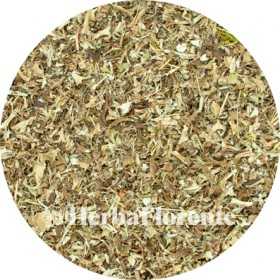
Iceland moss - Cetraria islandicus
Iceland moss (Cetraria islandica), also known by the basic name Lichen islandicus, is a shrubby lichen belonging to the Parmeliaceae family (shell mosses). The species is native to cold and mountainous regions and is extremely rare in the Netherlands. For this reason, Iceland moss is listed on the Dutch Red List as critically endangered.
Iceland moss has a long cultural and historical background. Botanical and historical sources from the 17th century describe the lichen as part of the botanical knowledge of the time. During that period, the lichen was collected whole and used in traditional practices. These uses are part of historical and folklore.
Iceland moss has a long cultural and historical background. Botanical and historical sources from the 17th century describe the lichen as part of the botanical knowledge of the time. During that period, the lichen was collected whole and used in traditional practices. These uses are part of historical and folklore.
€3.00
From: €3.00
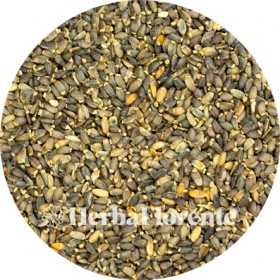
Milk Thistle (Seed) - Sylibum marianum, Cardui Mariae - Whole
Milk thistle (Silybum marianum), also known as milk thistle, is a spiny plant in the Asteraceae family. It originates in the Mediterranean region, but also grows in temperate regions such as the Netherlands and Belgium.
The plant is known for its striking, white-flecked leaves and purple flower heads. Milk thistle seeds contain natural compounds, including silymarin, a group of bioactive compounds considered antioxidants. Because of this composition, milk thistle is traditionally used in various food and herbal products.
The plant is known for its striking, white-flecked leaves and purple flower heads. Milk thistle seeds contain natural compounds, including silymarin, a group of bioactive compounds considered antioxidants. Because of this composition, milk thistle is traditionally used in various food and herbal products.
€2.00
From: €2.00
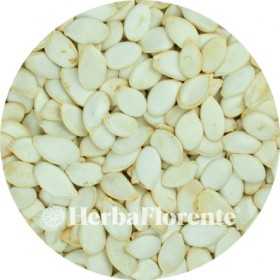
Pumpkin Seeds - Cucurbitae incortis
Pumpkin seeds are rich in nutrients and calories, with a particularly high fat content (especially linoleic acid and oleic acid), protein, dietary fiber and numerous micronutrients. Pumpkin seeds are a common ingredient in Mexican cuisine and are also roasted and served as a snack.
€2.00
From: €2.00
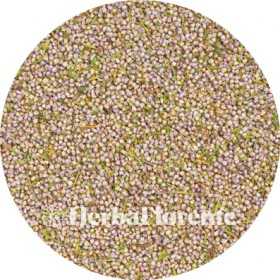
Shrub Heather (Flower) - Erica vulgaris
The Heather (Erica vulgaris - Calluna vulgaris) belongs to the heath family (Ericaceae) and grows throughout Europe, especially in Central and Northern Europe. It even reaches Western Siberia in the east. In the nineteenth century, Scottish immigrants brought the heather to Canada, from where it spread throughout North America. It is the only species in the genus Calluna, meaning it is a monotypic genus.
The shrub heath can grow to a height of 10-100 cm, sometimes even up to 150 cm in certain places. It has hermaphroditic, symmetrical flowers, with the calyx and petals being the same color. Purple flowers appear towards the end of the branches, creating the purple heaths from late July to early September.
The shrub heath can grow to a height of 10-100 cm, sometimes even up to 150 cm in certain places. It has hermaphroditic, symmetrical flowers, with the calyx and petals being the same color. Purple flowers appear towards the end of the branches, creating the purple heaths from late July to early September.
€2.80
From: €2.80
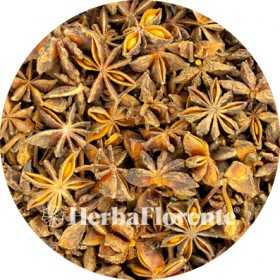
Star Anise - Anisi stell.
Star anise is a tree or shrub whose fruits serve as a spice. Originally from southern China and Vietnam, it is now also grown in Cambodia, Laos, Japan and the Philippines. Best known for its eight-armed fruits, this tree has been known as a spice in Europe since the 17th century, but is best known for its Asian flavor profile. Star anise thrives in warm tropical areas.
The fruits are often used whole or ground into an easily dosed powder. The spicy taste is not in the seeds, but in the lignified peel of the fruit. Star anise has an intense scent of anise due to the large amount of anethole in the essential oil. The taste of the fruit is richer and firmer than that of the anise plant.
The fruits are often used whole or ground into an easily dosed powder. The spicy taste is not in the seeds, but in the lignified peel of the fruit. Star anise has an intense scent of anise due to the large amount of anethole in the essential oil. The taste of the fruit is richer and firmer than that of the anise plant.
€6.00
From: €6.00