



Trending
€57.50
€62.50
€35.95
€62.50
€62.50
Lungwort - Pulmonaria officinalis
€5.91 €6.95 -15%
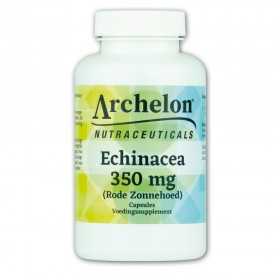
Echinacea (Red Coneflower) - 350 mg
€15.96 €19.95 -20%
Prostate
There are 38 products.
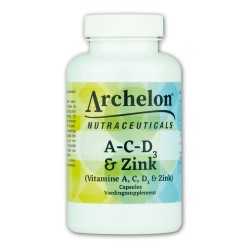
A-C-D3 & Zinc
A combination of vitamins A, C, D3, and zinc that supplements your daily diet. This supplement contains nutrients that contribute to the normal functioning of the immune system, the maintenance of bones, teeth, skin, and muscles, and various metabolic processes. Suitable as part of a varied diet.
€35.95
Bearberry - Arctostaphylos uva-ursi
The bearberry (Arctostaphylos uva-ursi) is a low-growing, evergreen plant in the heather family (Ericaceae). The Dutch name "berendruif" (bear grape) refers to an old folk belief that bears enjoy eating the fruit of this plant.
The scientific name is a tautology, composed of both Greek and Latin words. Arktos (Greek) and ursus (Latin) both mean "bear," while staphyle and uva both mean "grape." The name thus emphasizes the same meaning twice.
Bearberry has been mentioned in historical herbals since the Middle Ages and is part of the European herbal tradition. Within this context, the plant was described and valued for its special place in traditional use.
The scientific name is a tautology, composed of both Greek and Latin words. Arktos (Greek) and ursus (Latin) both mean "bear," while staphyle and uva both mean "grape." The name thus emphasizes the same meaning twice.
Bearberry has been mentioned in historical herbals since the Middle Ages and is part of the European herbal tradition. Within this context, the plant was described and valued for its special place in traditional use.
€2.40
From: €2.40
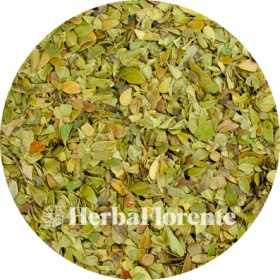
Bearberry - Arctostaphylos uva-ursi - Cut
The bearberry (Arctostaphylos uva-ursi) is a low-growing, evergreen plant in the heather family (Ericaceae). The Dutch name "berendruif" (bear grape) refers to an old folk belief that bears enjoy eating the fruit of this plant.
The scientific name is a tautology, composed of both Greek and Latin words. Arktos (Greek) and ursus (Latin) both mean "bear," while staphyle and uva both mean "grape." The name thus emphasizes the same meaning twice.
Bearberry has been mentioned in historical herbals since the Middle Ages and is part of the European herbal tradition. Within this context, the plant was described and valued for its special place in traditional use.
The scientific name is a tautology, composed of both Greek and Latin words. Arktos (Greek) and ursus (Latin) both mean "bear," while staphyle and uva both mean "grape." The name thus emphasizes the same meaning twice.
Bearberry has been mentioned in historical herbals since the Middle Ages and is part of the European herbal tradition. Within this context, the plant was described and valued for its special place in traditional use.
€2.40
From: €2.40
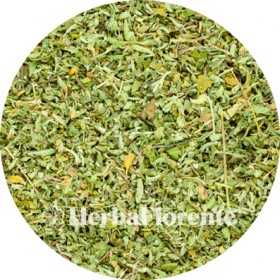
Damiana - Damianae mex. (Turnera diffusa) - Cut
Damiana (Turnera diffusa) is a shrub native to southern Texas, Mexico, Central and South America, and the Caribbean. The plant belongs to the Passifloraceae family and is known for its aromatic leaves.
In Mexico and other parts of Latin America, damiana has been used for centuries in culinary and cultural traditions. The leaves are made into herbal teas and sometimes smoked, among other things. Damiana is also a traditional ingredient in Mexican liqueurs and is sometimes used in cocktails, such as margaritas, where it complements the flavor or replaces part of the liqueur.
Damiana leaves naturally contain various plant compounds, such as beta-sitosterol, arbutin, and various alkaloids.
In Mexico and other parts of Latin America, damiana has been used for centuries in culinary and cultural traditions. The leaves are made into herbal teas and sometimes smoked, among other things. Damiana is also a traditional ingredient in Mexican liqueurs and is sometimes used in cocktails, such as margaritas, where it complements the flavor or replaces part of the liqueur.
Damiana leaves naturally contain various plant compounds, such as beta-sitosterol, arbutin, and various alkaloids.
€4.60
From: €4.60
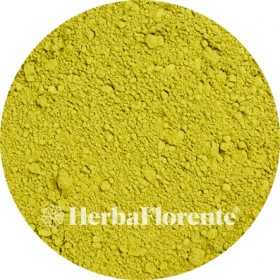
Damiana - Damianae mex. (Turnera diffusa) - Grounded
Damiana (Turnera diffusa) is a shrub native to southern Texas, Mexico, Central and South America, and the Caribbean. The plant belongs to the Passifloraceae family and is known for its aromatic leaves.
In Mexico and other parts of Latin America, damiana has been used for centuries in culinary and cultural traditions. The leaves are made into herbal teas and sometimes smoked, among other things. Damiana is also a traditional ingredient in Mexican liqueurs and is sometimes used in cocktails, such as margaritas, where it complements the flavor or replaces part of the liqueur.
Damiana leaves naturally contain various plant compounds, such as beta-sitosterol, arbutin, and various alkaloids.
In Mexico and other parts of Latin America, damiana has been used for centuries in culinary and cultural traditions. The leaves are made into herbal teas and sometimes smoked, among other things. Damiana is also a traditional ingredient in Mexican liqueurs and is sometimes used in cocktails, such as margaritas, where it complements the flavor or replaces part of the liqueur.
Damiana leaves naturally contain various plant compounds, such as beta-sitosterol, arbutin, and various alkaloids.
€4.40
From: €4.40
Echinacea (Red Coneflower) - 350 mg
Purple coneflower is a perennial plant native to North America and cultivated worldwide. The Latin name Echinacea refers to the Greek word echinos, meaning "hedgehog," because of its spiky flower cone. Indigenous tribes used the plant traditionally, and knowledge about it was later adopted by colonists. Today, Echinacea purpurea is often used in supplements and herbal preparations.
€15.96
€19.95
Eleutherococcus (Siberian Ginseng) - Eleutherococcus
Siberian ginseng (Eleutherococcus senticosus) is a shrubby plant native to parts of Russia, China, Korea, and Japan. The plant belongs to the Araliaceae family and is botanically related to, but distinct from, the better-known Panax species such as Korean ginseng (Panax ginseng) and American ginseng (Panax quinquefolius).
The roots of Siberian ginseng have long been mentioned in East Asian and Russian botanical literature. These historical and cultural sources describe the plant as part of traditional practices. This long history of use has also led to Siberian ginseng becoming known beyond its native range.
The roots of Siberian ginseng have long been mentioned in East Asian and Russian botanical literature. These historical and cultural sources describe the plant as part of traditional practices. This long history of use has also led to Siberian ginseng becoming known beyond its native range.
€2.80
From: €2.80
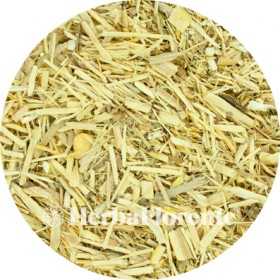
Eleutherococcus (Siberian Ginseng) - Eleutherococcus - Cut
Siberian ginseng (Eleutherococcus senticosus) is a shrubby plant native to parts of Russia, China, Korea, and Japan. The plant belongs to the Araliaceae family and is botanically related to, but distinct from, the better-known Panax species such as Korean ginseng (Panax ginseng) and American ginseng (Panax quinquefolius).
The roots of Siberian ginseng have long been mentioned in East Asian and Russian botanical literature. These historical and cultural sources describe the plant as part of traditional practices. This long history of use has also led to Siberian ginseng becoming known beyond its native range.
The roots of Siberian ginseng have long been mentioned in East Asian and Russian botanical literature. These historical and cultural sources describe the plant as part of traditional practices. This long history of use has also led to Siberian ginseng becoming known beyond its native range.
€2.20
From: €2.20
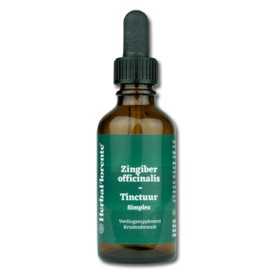
Ginger Tincture - Zingiber officinalis Tincture
Single herbal tincture made with dried root of Zingiber officinalis (Ginger).
Ginger comes from the root of the ginger plant (Zingiber officinale) and is used worldwide as a spice for its characteristic flavor. The root contains natural compounds such as gingerol, shogaol, and zingiberene, which contribute to ginger's characteristic aromas and flavors.
Ginger is a versatile plant used in cuisines around the world, both fresh and dried, and can be incorporated into teas, spice blends, or dishes.
Ginger comes from the root of the ginger plant (Zingiber officinale) and is used worldwide as a spice for its characteristic flavor. The root contains natural compounds such as gingerol, shogaol, and zingiberene, which contribute to ginger's characteristic aromas and flavors.
Ginger is a versatile plant used in cuisines around the world, both fresh and dried, and can be incorporated into teas, spice blends, or dishes.
€10.95
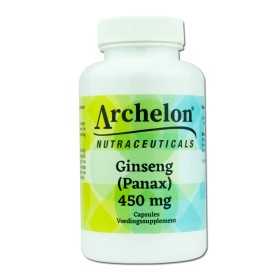
Ginseng (Panax) - 450 mg
Panax Ginseng is a slow-growing plant with a sturdy root, native to the mountainous regions of East Asia. This root has been used for thousands of years in traditional Chinese herbal practice and is considered one of the best-known and most researched ginseng varieties in the world. The name "Panax" comes from the Greek word "panacea," meaning "all-healer," and refers to the root's versatile uses in historical sources.
Panax Ginseng root contains a unique composition of bioactive compounds, the most characteristic of which are ginsenosides. These steroid-like compounds are found exclusively in true Panax Ginseng.
Panax Ginseng root contains a unique composition of bioactive compounds, the most characteristic of which are ginsenosides. These steroid-like compounds are found exclusively in true Panax Ginseng.
€42.95
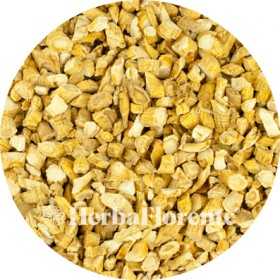
Ginseng (Panax) - Ginseng Panax - Cut
Panax ginseng is a plant with a slow-growing, sturdy root and belongs to the Araliaceae family. It is one of the most well-known plants in traditional Chinese medicine and has been used in Asia for thousands of years.
The name "Panax" comes from the Greek word for "all-healer," referring to the plant's historical reputation in traditional medicine. Panax ginseng contains unique compounds called ginsenosides, which are found only in this plant.
Other plants with "ginseng" in their names, such as Siberian ginseng (Eleutherococcus senticosus) or Indian ginseng/Ashwagandha (Withania somnifera), belong to different plant families and do not contain these specific ginsenosides.
The name "Panax" comes from the Greek word for "all-healer," referring to the plant's historical reputation in traditional medicine. Panax ginseng contains unique compounds called ginsenosides, which are found only in this plant.
Other plants with "ginseng" in their names, such as Siberian ginseng (Eleutherococcus senticosus) or Indian ginseng/Ashwagandha (Withania somnifera), belong to different plant families and do not contain these specific ginsenosides.
€16.00
From: €16.00
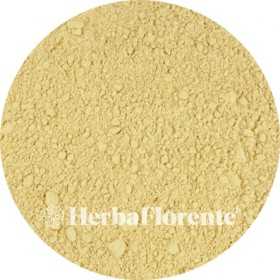
Ginseng (Panax) - Panax ginseng
Panax ginseng is a plant with a slow-growing, sturdy root and belongs to the Araliaceae family. It is one of the most well-known plants in traditional Chinese medicine and has been used in Asia for thousands of years.
The name "Panax" comes from the Greek word for "all-healer," referring to the plant's historical reputation in traditional medicine. Panax ginseng contains unique compounds called ginsenosides, which are found only in this plant.
Other plants with "ginseng" in their names, such as Siberian ginseng (Eleutherococcus senticosus) or Indian ginseng/Ashwagandha (Withania somnifera), belong to different plant families and do not contain these specific ginsenosides.
The name "Panax" comes from the Greek word for "all-healer," referring to the plant's historical reputation in traditional medicine. Panax ginseng contains unique compounds called ginsenosides, which are found only in this plant.
Other plants with "ginseng" in their names, such as Siberian ginseng (Eleutherococcus senticosus) or Indian ginseng/Ashwagandha (Withania somnifera), belong to different plant families and do not contain these specific ginsenosides.
€16.00
From: €16.00
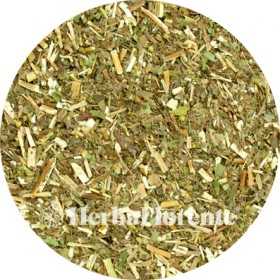
Goldenrod - Solidago virgaurea - Cut
Goldenrod (Solidago virgaurea), also known as goldenrod, is a native plant traditionally found in Europe and Asia. The plant is striking for its golden-yellow blooms and was once a familiar part of traditional Dutch herb gardens.
Historically, goldenrod flowers were widely harvested, dried, and ground. These were used, among other things, as a natural raw material for making yellow dyes. The plant is frequently mentioned in historical and botanical sources for its striking appearance and wide use in craft and cultural traditions.
Today, goldenrod is primarily valued for its botanical characteristics and its role in European plant history.
Historically, goldenrod flowers were widely harvested, dried, and ground. These were used, among other things, as a natural raw material for making yellow dyes. The plant is frequently mentioned in historical and botanical sources for its striking appearance and wide use in craft and cultural traditions.
Today, goldenrod is primarily valued for its botanical characteristics and its role in European plant history.
€2.00
From: €2.00
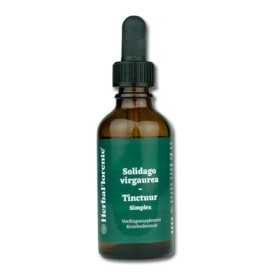
Goldenrod Tincture - Solidago virgaurea Tincture
Single herbal tincture made with dried herb of Solidago virgaurea (Goldenrod).
Goldenrod (Solidago virgaurea), also known as goldenrod, is a native plant traditionally found in Europe and Asia. The plant is striking for its golden-yellow blooms and was once a familiar part of traditional Dutch herb gardens.
Historically, goldenrod flowers were widely harvested, dried, and ground. These were used, among other things, as a natural raw material for making yellow dyes. The plant is frequently mentioned in historical and botanical sources for its striking appearance and wide use in craft and cultural traditions.
Today, goldenrod is primarily valued for its botanical characteristics and its role in European plant history.
Goldenrod (Solidago virgaurea), also known as goldenrod, is a native plant traditionally found in Europe and Asia. The plant is striking for its golden-yellow blooms and was once a familiar part of traditional Dutch herb gardens.
Historically, goldenrod flowers were widely harvested, dried, and ground. These were used, among other things, as a natural raw material for making yellow dyes. The plant is frequently mentioned in historical and botanical sources for its striking appearance and wide use in craft and cultural traditions.
Today, goldenrod is primarily valued for its botanical characteristics and its role in European plant history.
€10.95
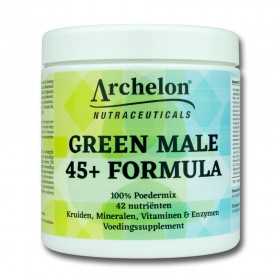
Green Male 45+ Formula
Green Male 45+ Formula is a carefully formulated powder mix containing 41 nutrients, including herbs, vitamins, minerals, and enzymes. The formula was developed to complement a varied diet and a conscious lifestyle for men aged 45 and over.
The ingredients have been selected with an eye for balance and coherence, making Green Male 45+ Formula easy to take and flexible for daily use. The powder form makes the product practical to use.
Green Male 45+ Formula is suitable for men who value a comprehensive, plant-based formula without unnecessary additives.
The ingredients have been selected with an eye for balance and coherence, making Green Male 45+ Formula easy to take and flexible for daily use. The powder form makes the product practical to use.
Green Male 45+ Formula is suitable for men who value a comprehensive, plant-based formula without unnecessary additives.
€62.50
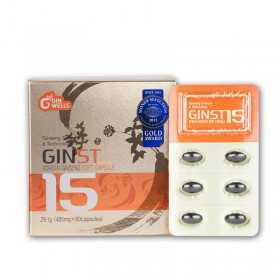
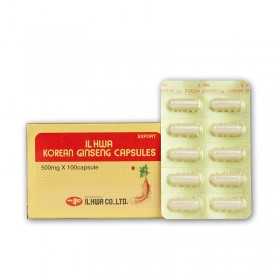
ILHWA GINST15 Korean Ginseng Soft Capsules - 60 caps
These soft capsules contain hydrolyzed ginseng extract (GINST15) and are easy to swallow, ideal for those who prefer to avoid the taste or smell of Panax Ginseng. The capsules are packaged in blister packs of six, making them easy to carry.
Panax Ginseng is a slow-growing plant with a sturdy root that has been part of traditional Chinese medicine for thousands of years. The name Panax comes from the Greek "panacea," meaning "all-healer." Only true Panax Ginseng contains unique substances, ginsenosides. Other plants with "ginseng" in their name, such as Siberian ginseng, Ashwagandha, or Brazilian ginseng, do not contain these specific substances.
Panax Ginseng is a slow-growing plant with a sturdy root that has been part of traditional Chinese medicine for thousands of years. The name Panax comes from the Greek "panacea," meaning "all-healer." Only true Panax Ginseng contains unique substances, ginsenosides. Other plants with "ginseng" in their name, such as Siberian ginseng, Ashwagandha, or Brazilian ginseng, do not contain these specific substances.
€58.95
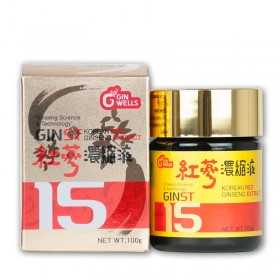
ILHWA GINST15 Korean Red Ginseng Extract
This product contains Panax Ginseng root extract with GINST15 , a fermented extract that enhances the availability of ginsenosides.
Panax Ginseng is a slow-growing plant with a robust root and has a long history in traditional Chinese herbal medicine. It is valued worldwide as a component of food and supplements for its unique ginsenoside composition.
GINST15 is a fermented ginseng extract that distinguishes itself from other ginseng varieties, such as Siberian Ginseng, Indian Ginseng (Ashwagandha), and Brazilian Ginseng (Suma). Only Panax Ginseng contains the specific ginsenosides that characterize this extract.
Panax Ginseng is a slow-growing plant with a robust root and has a long history in traditional Chinese herbal medicine. It is valued worldwide as a component of food and supplements for its unique ginsenoside composition.
GINST15 is a fermented ginseng extract that distinguishes itself from other ginseng varieties, such as Siberian Ginseng, Indian Ginseng (Ashwagandha), and Brazilian Ginseng (Suma). Only Panax Ginseng contains the specific ginsenosides that characterize this extract.
€81.95
From: €81.95
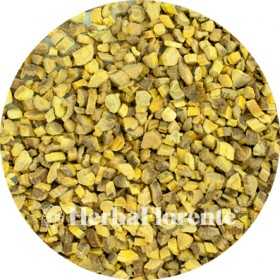
Licorice (Without Bark) - Glycyrrhiza glabra, Liquiritiae
Licorice (Glycyrrhiza glabra) is a versatile herb that has been used for centuries in various traditions, including Ayurvedic culture. The plant is cultivated in various parts of the world, such as Europe, Asia, and the Middle East, and can also grow in the Netherlands. The roots take three to four years to mature before they can be harvested.
Besides the roots, licorice leaves are also used, for example, in making tea. Licorice is known for its characteristic sweet flavor, which is due in part to the natural substance glycyrrhizin. It is widely used in foods and herbal preparations.
Besides the roots, licorice leaves are also used, for example, in making tea. Licorice is known for its characteristic sweet flavor, which is due in part to the natural substance glycyrrhizin. It is widely used in foods and herbal preparations.
€2.25
From: €2.25
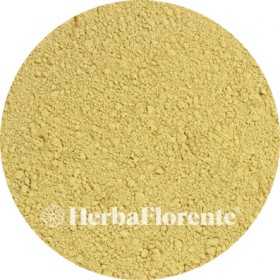
Licorice - Glycyrrhiza glabra, Liquiritiae
Licorice (Glycyrrhiza glabra) is a versatile herb that has been used for centuries in various traditions, including Ayurvedic culture. The plant is cultivated in various parts of the world, such as Europe, Asia, and the Middle East, and can also grow in the Netherlands. The roots take three to four years to mature before they can be harvested.
Besides the roots, licorice leaves are also used, for example, in making tea. Licorice is known for its characteristic sweet flavor, which is due in part to the natural substance glycyrrhizin. It is widely used in foods and herbal preparations.
Besides the roots, licorice leaves are also used, for example, in making tea. Licorice is known for its characteristic sweet flavor, which is due in part to the natural substance glycyrrhizin. It is widely used in foods and herbal preparations.
€2.40
From: €2.40
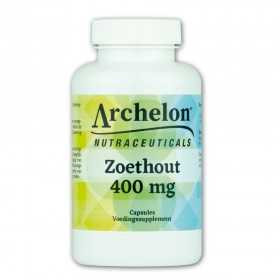
Licorice Root - 400 mg
Licorice (Glycyrrhiza glabra) is a versatile herb traditionally used in various traditional healing methods, including Ayurvedic medicine. It is cultivated worldwide, including in Europe, Asia, and the Middle East, and is a hardy plant that can also grow in the Netherlands. The roots of the plant take three to four years to mature before they can be harvested. Licorice is used in culinary applications as well as in dietary supplements and pharmaceuticals for its natural sweetness. This sweetness is due to the substance glycyrrhizin, which is naturally present in the roots. The leaves can also be used, for example, to make tea.
€17.95
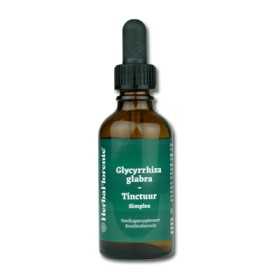
Licorice Tincture - Glycyrrhiza glabra Tincture
Single herbal tincture made with dried root of Glycyrrhiza glabra (Licorice).
Licorice (Glycyrrhiza glabra) is a versatile herb that has been used for centuries in various traditions, including Ayurvedic culture. The plant is cultivated in various parts of the world, such as Europe, Asia, and the Middle East, and can also grow in the Netherlands. The roots take three to four years to mature before they can be harvested.
Besides the roots, licorice leaves are also used, for example, in making tea. Licorice is known for its characteristic sweet flavor, which is due in part to the natural substance glycyrrhizin. It is widely used in foods and herbal preparations.
Licorice (Glycyrrhiza glabra) is a versatile herb that has been used for centuries in various traditions, including Ayurvedic culture. The plant is cultivated in various parts of the world, such as Europe, Asia, and the Middle East, and can also grow in the Netherlands. The roots take three to four years to mature before they can be harvested.
Besides the roots, licorice leaves are also used, for example, in making tea. Licorice is known for its characteristic sweet flavor, which is due in part to the natural substance glycyrrhizin. It is widely used in foods and herbal preparations.
€9.95
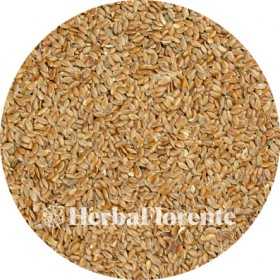
Lijnzaad - Linum usitatissimum
Flaxseed is a nutritious seed known for its rich composition of fatty acids and other natural components. It contains a high level of omega-3 fatty acids, of which approximately 55% consists of alpha-linolenic acid (ALA). In addition, approximately 20% of the fatty acid profile consists of omega-9 (oleic acid).
In addition to fatty acids, flaxseed also contains lignans (phytosterols), as well as tocopherols, carotenoids, and various minerals. This combination makes flaxseed a valuable plant-based food source.
According to the Netherlands Nutrition Centre, omega-3 fatty acids contribute to the maintenance of normal cardiovascular function when consumed as part of a varied and balanced diet.
In addition to fatty acids, flaxseed also contains lignans (phytosterols), as well as tocopherols, carotenoids, and various minerals. This combination makes flaxseed a valuable plant-based food source.
According to the Netherlands Nutrition Centre, omega-3 fatty acids contribute to the maintenance of normal cardiovascular function when consumed as part of a varied and balanced diet.
€2.00
From: €2.00
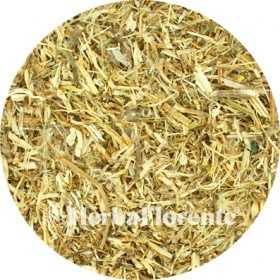
Nettle (Root) - Urticae dioica
Nettle (Urtica dioica) is a herbaceous plant found in many places and known for its stinging hairs when touched. Despite this characteristic, the plant has long been valued and used in various cultures. Nettle is used in culinary preparations such as soup and herbal tea.
The plant is native to large parts of Europe, Asia, and Africa. The Latin name Urtica dioica refers to the plant's stinging properties. Historical and botanical sources describe both the leaves and the roots as being traditionally collected and processed.
Both nettle leaf and root hold a firm place in herbal tradition.
The plant is native to large parts of Europe, Asia, and Africa. The Latin name Urtica dioica refers to the plant's stinging properties. Historical and botanical sources describe both the leaves and the roots as being traditionally collected and processed.
Both nettle leaf and root hold a firm place in herbal tradition.
€2.20
From: €2.20
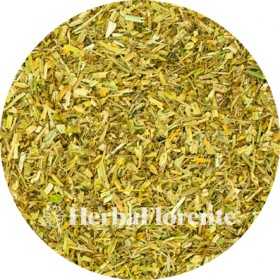
Pansy, Herb trinit Herb - Viola tricolor - Cut
The pansy (Viola tricolor), also known as the wild violet, is an ornamental plant that has been part of European botanical knowledge for centuries. The tricolor violet belongs to the pansy family (Violaceae) and is native to Europe, from Lapland to the Mediterranean, and even to Siberia.
This plant, which is annual but can sometimes be perennial, grows to a height of 30 cm and has roots that can reach depths of up to 45 cm. Its flowering period extends from May to October. The flowers are at least 1 cm wide, but usually larger, with an average diameter of 1.5 cm. The plant was first described by the renowned botanist Rembert Dodoens in 1554.
This plant, which is annual but can sometimes be perennial, grows to a height of 30 cm and has roots that can reach depths of up to 45 cm. Its flowering period extends from May to October. The flowers are at least 1 cm wide, but usually larger, with an average diameter of 1.5 cm. The plant was first described by the renowned botanist Rembert Dodoens in 1554.
€2.00
From: €2.00