



Trending
€57.50
€62.50

€35.95
€62.50
€62.50
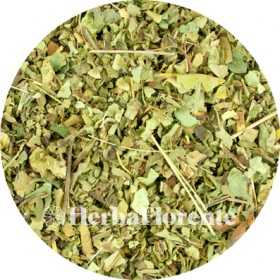
Lungwort - Pulmonaria officinalis
€5.91 €6.95 -15%
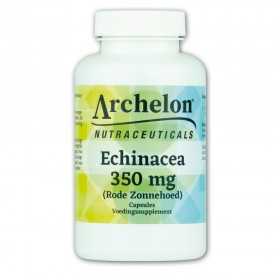
Echinacea (Red Coneflower) - 350 mg
€15.96 €19.95 -20%
Digestion
There are 267 products.
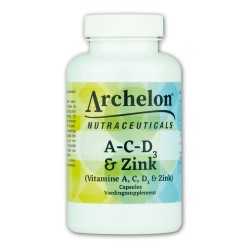
A-C-D3 & Zinc
A combination of vitamins A, C, D3, and zinc that supplements your daily diet. This supplement contains nutrients that contribute to the normal functioning of the immune system, the maintenance of bones, teeth, skin, and muscles, and various metabolic processes. Suitable as part of a varied diet.
€35.95
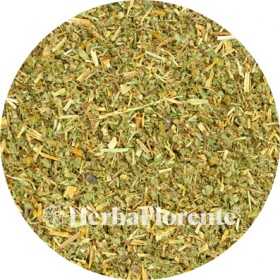
Agremonie (Common) (Church Steeples) - Agrimonia eupatoria
The common agrimony (Agrimonia eupatoria) is a herbaceous plant belonging to the rose family (Rosaceae). This plant, with its bright yellow flowers in long, slender spikes, is quite common on calcareous roadsides and dikes in Belgium and the Netherlands.
The most common use is as a tea, but the herb can also be made into a tincture.
The most common use is as a tea, but the herb can also be made into a tincture.
€2.00
From: €2.00
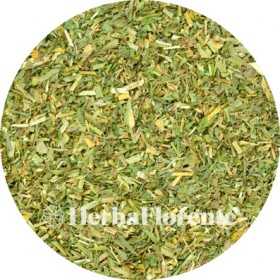
Alfalfa - Medicago sativa
Lucerne (Medicago sativa), also known as alfalfa, is a perennial plant that can live between five and twelve years, depending on the variety and climate. With a height of up to one meter and clusters of small purple flowers, the plant resembles clover. The plant has a deep and powerful root system that can extend up to 4.5 meters.
Lucerne is native to Europe and is grown worldwide as animal feed. In the Netherlands, alfalfa is mainly dried artificially for the production of protein-rich animal feed.
Lucerne is native to Europe and is grown worldwide as animal feed. In the Netherlands, alfalfa is mainly dried artificially for the production of protein-rich animal feed.
€2.00
From: €2.00
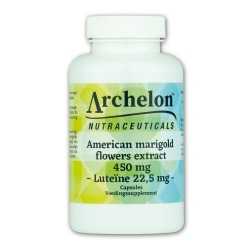
American Marigold Flowers Extract 450 mg – Lutein 22.5 mg
Lutein is a natural carotenoid pigment produced by plants and found in colorful fruits and vegetables. Our product is made from marigolds, which contain a broad spectrum of carotenoids.
Lutein is also found in dark green leafy vegetables such as spinach, kale, and broccoli, in various fruits, corn, carrots, and egg yolks. In the human body, lutein is one of the dominant pigments in the macula of the eye and the lens. Lutein is also used as a natural yellow dye and has a long history of use in foods and supplements.
Lutein is also found in dark green leafy vegetables such as spinach, kale, and broccoli, in various fruits, corn, carrots, and egg yolks. In the human body, lutein is one of the dominant pigments in the macula of the eye and the lens. Lutein is also used as a natural yellow dye and has a long history of use in foods and supplements.
€26.95
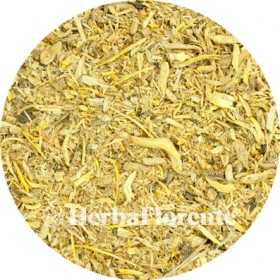
Angelica - Angelica angelicae
The great angelica, also known as archangelica, belongs to the Apiaceae family. The plant grows naturally in moist, nutrient-rich soil along waterfronts, such as those near Lake IJssel, riverbanks, and willow groves, and is also cultivated in gardens.
The plant is traditionally cultivated in various regions, from central Germany to Turkestan. An aromatic oil, known as angelica oil, is extracted from the seeds and roots and is used in cosmetics, baking, and distilling. The stems and petioles can be candied for their sweet and fragrant flavor.
The plant is traditionally cultivated in various regions, from central Germany to Turkestan. An aromatic oil, known as angelica oil, is extracted from the seeds and roots and is used in cosmetics, baking, and distilling. The stems and petioles can be candied for their sweet and fragrant flavor.
€2.60
From: €2.60
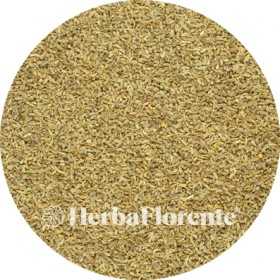
Anise - Pimpinella anisum
Anise seed has a naturally sweet, warm taste reminiscent of licorice. It is a versatile seasoning that can be used in both sweet and savory dishes. All over the world, anise seed is used in confectionery, and it is also often added to liqueurs, such as Ouzo.
You can add anise seeds to bread, pastries, cookies, fruit and gingerbread. In Indian cuisine, anise is indispensable in curries and fish dishes, and it gives a delicious flavor to vegetables such as pumpkin and carrot. In the Netherlands it is a tradition to use anise seed on rusk with mice at birth.
Anise seed tea has a warm, mild flavor and is popular as an after-dinner tea.
You can add anise seeds to bread, pastries, cookies, fruit and gingerbread. In Indian cuisine, anise is indispensable in curries and fish dishes, and it gives a delicious flavor to vegetables such as pumpkin and carrot. In the Netherlands it is a tradition to use anise seed on rusk with mice at birth.
Anise seed tea has a warm, mild flavor and is popular as an after-dinner tea.
€2.95
From: €2.95

Aniseed - Anisi Vulgaris (Pimpinella anisum)
Anise seed has a naturally sweet, warm taste reminiscent of licorice. It is a versatile seasoning that can be used in both sweet and savory dishes. All over the world, anise seed is used in confectionery, and it is also often added to liqueurs, such as Ouzo.
You can add anise seeds to bread, pastries, cookies, fruit and gingerbread. In Indian cuisine, anise is indispensable in curries and fish dishes, and it gives a delicious flavor to vegetables such as pumpkin and carrot. In the Netherlands it is a tradition to use anise seed on rusk with mice at birth.
Anise seed tea has a warm, mild flavor and is popular as an after-dinner tea.
You can add anise seeds to bread, pastries, cookies, fruit and gingerbread. In Indian cuisine, anise is indispensable in curries and fish dishes, and it gives a delicious flavor to vegetables such as pumpkin and carrot. In the Netherlands it is a tradition to use anise seed on rusk with mice at birth.
Anise seed tea has a warm, mild flavor and is popular as an after-dinner tea.
€2.80
From: €2.80
Artichoke - Cynaria scolmycus
The artichoke (Cynara scolymus) is a plant native to the Mediterranean region. The green or purple flower buds are often eaten as a vegetable and are known for their slightly bitter, aromatic flavor. The plant has been used for centuries in various cuisines and preparations.
Artichokes contain a wide range of nutrients and phytonutrients. These include beta-carotene, vitamin C, vitamin B, and minerals such as calcium, magnesium, and potassium. They also contain flavonoids, enzymes, and tannins, which contribute to the characteristic color and flavor of the flower buds.
Thanks to their rich flavor and unique texture, artichokes are popular in salads, soups, pastas, and various culinary dishes.
Artichokes contain a wide range of nutrients and phytonutrients. These include beta-carotene, vitamin C, vitamin B, and minerals such as calcium, magnesium, and potassium. They also contain flavonoids, enzymes, and tannins, which contribute to the characteristic color and flavor of the flower buds.
Thanks to their rich flavor and unique texture, artichokes are popular in salads, soups, pastas, and various culinary dishes.
€3.30
From: €3.30
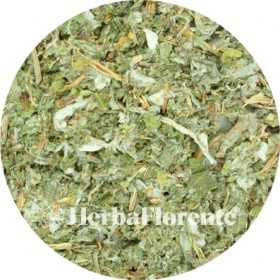
Artichoke - Cynaria scolmycus - Cut
The artichoke (Cynara scolymus) is a plant native to the Mediterranean region. The green or purple flower buds are often eaten as a vegetable and are known for their slightly bitter, aromatic flavor. The plant has been used for centuries in various cuisines and preparations.
Artichokes contain a wide range of nutrients and phytonutrients. These include beta-carotene, vitamin C, vitamin B, and minerals such as calcium, magnesium, and potassium. They also contain flavonoids, enzymes, and tannins, which contribute to the characteristic color and flavor of the flower buds.
Thanks to their rich flavor and unique texture, artichokes are popular in salads, soups, pastas, and various culinary dishes.
Artichokes contain a wide range of nutrients and phytonutrients. These include beta-carotene, vitamin C, vitamin B, and minerals such as calcium, magnesium, and potassium. They also contain flavonoids, enzymes, and tannins, which contribute to the characteristic color and flavor of the flower buds.
Thanks to their rich flavor and unique texture, artichokes are popular in salads, soups, pastas, and various culinary dishes.
€2.00
From: €2.00
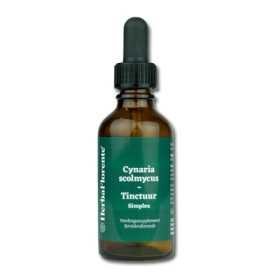
Artichoke Tincture - Cynaria scolmycus Tincture
Single herbal tincture made with dried leaf of Cynaria scolmycus (Artichoke).
The artichoke is a plant native to the Mediterranean region. The green or purple flower buds are often eaten as a vegetable and are known for their slightly bitter, aromatic flavor. The plant has been used for centuries in various cuisines and preparations.
Artichokes contain a wide range of nutrients and phytonutrients. They contain beta-carotene, vitamin C, vitamin B, and minerals such as calcium, magnesium, and potassium. They also contain flavonoids, enzymes, and tannins, which contribute to the characteristic color and flavor of the flower buds.
Thanks to their rich flavor and unique texture, artichokes are popular in salads, soups, pastas, and various culinary dishes.
The artichoke is a plant native to the Mediterranean region. The green or purple flower buds are often eaten as a vegetable and are known for their slightly bitter, aromatic flavor. The plant has been used for centuries in various cuisines and preparations.
Artichokes contain a wide range of nutrients and phytonutrients. They contain beta-carotene, vitamin C, vitamin B, and minerals such as calcium, magnesium, and potassium. They also contain flavonoids, enzymes, and tannins, which contribute to the characteristic color and flavor of the flower buds.
Thanks to their rich flavor and unique texture, artichokes are popular in salads, soups, pastas, and various culinary dishes.
€9.95
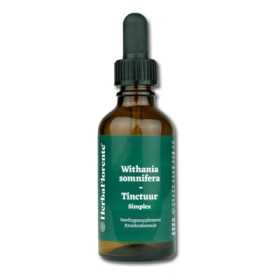
Ashwagandha (Winter Cherry) Tincture - Withania somnifera Tincture
Single herbal tincture made with dried root of Withania somnifera (Ashwagandha/Winter Cherry).
Ashwagandha, officially known as Withania somnifera, is a plant that has been used for centuries in the Ayurvedic tradition of India. Within this traditional teaching, ashwagandha is referred to as a rasayana, a term used in Ayurveda for herbs with special cultural and historical significance.
The plant belongs to the Magnoliophyta family and is also known as Indian ginseng and winter cherry. The root of the plant is traditionally used most often.
The name ashwagandha literally means "horse scent," a reference to the characteristic, earthy aroma of the fresh root.
Ashwagandha, officially known as Withania somnifera, is a plant that has been used for centuries in the Ayurvedic tradition of India. Within this traditional teaching, ashwagandha is referred to as a rasayana, a term used in Ayurveda for herbs with special cultural and historical significance.
The plant belongs to the Magnoliophyta family and is also known as Indian ginseng and winter cherry. The root of the plant is traditionally used most often.
The name ashwagandha literally means "horse scent," a reference to the characteristic, earthy aroma of the fresh root.
€10.95
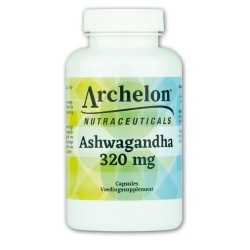
Ashwagandha - 320 mg
Ashwagandha, officially known as Withania somnifera, is a plant native to India and belongs to the Magnoliophyta family. The herb is also known as "Indian ginseng" and "winter cherry."
The name ashwagandha derives from Sanskrit and literally means "horse scent," a reference to the root's characteristic, earthy aroma. In the Ayurvedic tradition, ashwagandha is classified as a "rasayana," a term used within this tradition for certain plants.
The Latin species name somnifera means "sleep-bearing" and refers to the plant's historical name. Ashwagandha has been used in traditional herbal preparations for centuries.
The name ashwagandha derives from Sanskrit and literally means "horse scent," a reference to the root's characteristic, earthy aroma. In the Ayurvedic tradition, ashwagandha is classified as a "rasayana," a term used within this tradition for certain plants.
The Latin species name somnifera means "sleep-bearing" and refers to the plant's historical name. Ashwagandha has been used in traditional herbal preparations for centuries.
€17.95
Ashwagandha - Withania somnifera
Ashwagandha, officially known as Withania somnifera, is a plant that has been used for centuries in the Ayurvedic tradition of India. Within this traditional teaching, ashwagandha is referred to as a rasayana, a term used in Ayurveda for herbs with special cultural and historical significance.
The plant belongs to the Magnoliophyta family and is also known as Indian ginseng and winter cherry. The root of the plant is traditionally used most often.
The name ashwagandha literally means "horse scent," a reference to the characteristic, earthy aroma of the fresh root. In Indian culture, the herb is often symbolically associated with strength and vitality, similar to that of a horse.
The plant belongs to the Magnoliophyta family and is also known as Indian ginseng and winter cherry. The root of the plant is traditionally used most often.
The name ashwagandha literally means "horse scent," a reference to the characteristic, earthy aroma of the fresh root. In Indian culture, the herb is often symbolically associated with strength and vitality, similar to that of a horse.
€4.40
From: €4.40
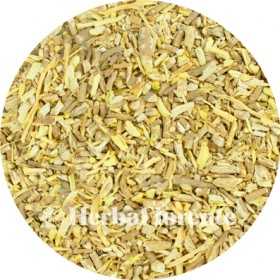
Ashwagandha - Withania somnifera - Cut
Ashwagandha, officially known as Withania somnifera, is a plant that has been used for centuries in the Ayurvedic tradition of India. Within this traditional teaching, ashwagandha is referred to as a rasayana, a term used in Ayurveda for herbs with special cultural and historical significance.
The plant belongs to the Magnoliophyta family and is also known as Indian ginseng and winter cherry. The root of the plant is traditionally used most often.
The name ashwagandha literally means "horse scent," a reference to the characteristic, earthy aroma of the fresh root. In Indian culture, the herb is often symbolically associated with strength and vitality, similar to that of a horse.
The plant belongs to the Magnoliophyta family and is also known as Indian ginseng and winter cherry. The root of the plant is traditionally used most often.
The name ashwagandha literally means "horse scent," a reference to the characteristic, earthy aroma of the fresh root. In Indian culture, the herb is often symbolically associated with strength and vitality, similar to that of a horse.
€3.00
From: €3.00
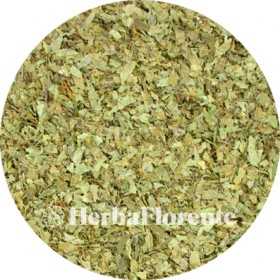
Asian Pennywort (Gotu kola) - Hydrocotyles Folium (Centella asiatica)
Centella asiatica, also known as Gotu kola (Centella asiatica), is a low-growing plant native to parts of Southeast Asia. It prefers humid areas and has played an important role in traditional systems such as Ayurveda for centuries.
Within these traditions, Centella asiatica is valued for its long history and diverse cultural applications. Due to the presence of various natural plant compounds, the plant has earned a permanent place in Asian herbal traditions.
Centella asiatica is recognizable by its creeping stems and small, rounded leaves. During the flowering period, small white to light pink flowers appear. Traditionally, the above-ground parts of the plant are primarily used.
Within these traditions, Centella asiatica is valued for its long history and diverse cultural applications. Due to the presence of various natural plant compounds, the plant has earned a permanent place in Asian herbal traditions.
Centella asiatica is recognizable by its creeping stems and small, rounded leaves. During the flowering period, small white to light pink flowers appear. Traditionally, the above-ground parts of the plant are primarily used.
€3.50
From: €3.50
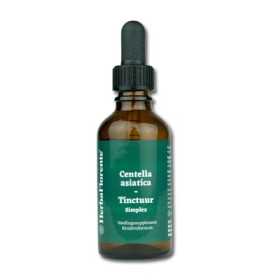
Asiatic Pennywort Tincture - Centella asiatica (Hydrocotyles) Tincture
Single herbal tincture made with dried herb of Centella asiatica (Hydrocotyles) (Asiatic Pennywort) (Gotu kola).
Centella asiatica, also known as Gotu kola (Centella asiatica), is a low-growing plant native to parts of Southeast Asia. It prefers humid areas and has played an important role in traditional systems such as Ayurveda for centuries.
Within these traditions, Centella asiatica is valued for its long history and diverse cultural applications. Due to the presence of various natural plant compounds, the plant has earned a permanent place in Asian herbal traditions.
Centella asiatica is recognizable by its creeping stems and small, rounded leaves. During the flowering period, small white to light pink flowers appear. Traditionally, the above-ground parts of the plant are primarily used.
Centella asiatica, also known as Gotu kola (Centella asiatica), is a low-growing plant native to parts of Southeast Asia. It prefers humid areas and has played an important role in traditional systems such as Ayurveda for centuries.
Within these traditions, Centella asiatica is valued for its long history and diverse cultural applications. Due to the presence of various natural plant compounds, the plant has earned a permanent place in Asian herbal traditions.
Centella asiatica is recognizable by its creeping stems and small, rounded leaves. During the flowering period, small white to light pink flowers appear. Traditionally, the above-ground parts of the plant are primarily used.
€9.95
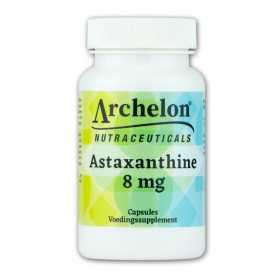
Astaxanthin - 8 mg
Astaxanthin is a naturally occurring carotenoid found in algae (Haematococcus pluvialis), as well as in various vegetables, fruits, herbs, and plants. It is a deep red pigment that belongs to the carotenoid group.
The algae Haematococcus pluvialis is known for its high natural astaxanthin content and is also called "blood rain algae" because of its color. Aquatic animals that consume this algae, such as krill, salmon, char, shrimp, lobster, and crab, acquire their characteristic pinkish-red color from it.
Astaxanthin is used as a colorant and ingredient in foods and supplements and is naturally derived.
The algae Haematococcus pluvialis is known for its high natural astaxanthin content and is also called "blood rain algae" because of its color. Aquatic animals that consume this algae, such as krill, salmon, char, shrimp, lobster, and crab, acquire their characteristic pinkish-red color from it.
Astaxanthin is used as a colorant and ingredient in foods and supplements and is naturally derived.
€32.95
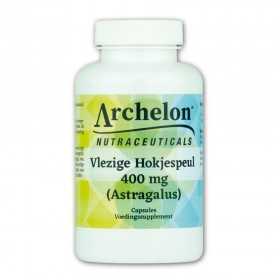
Astragalus - 400 mg
Astragalus (Astragalus membranaceus), also known as fleshy pod, is a plant native to Asia. Astragalus roots have been used in traditional Chinese herbal medicine for centuries. The plant is known for its characteristic pods and root structure. Astragalus is available in various forms, including dried root, powder, and capsules, and is widely used in herbal formulas and dietary supplements.
€15.96
€19.95
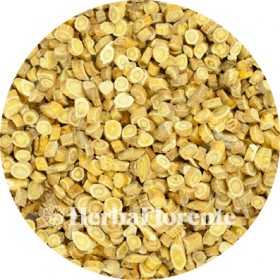
Astragalus - Astragalus chinensis membranus - Cut
Astragalus, also known as fleshy box pod (Astragalus membranaceus), is a plant native to Asia. The root of the plant has been used in traditional Chinese culture for thousands of years.
Astragalus holds an important place in this tradition and is associated with the concept of "qi," which represents life energy. Astragalus is used in a variety of applications, such as herbal teas, powders, and other herbal preparations.
The root contains various natural plant compounds and is valued for its long history of traditional use.
Astragalus holds an important place in this tradition and is associated with the concept of "qi," which represents life energy. Astragalus is used in a variety of applications, such as herbal teas, powders, and other herbal preparations.
The root contains various natural plant compounds and is valued for its long history of traditional use.
€2.60
From: €2.60
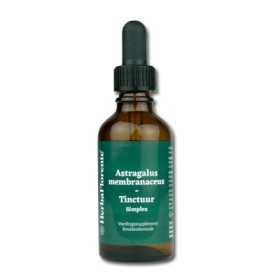
Astragalus Tincture - Astragalus membranaceus Tincture
Single herbal tincture made with dried root of Astragalus membranaceus (Astragalus).
Astragalus, also known as fleshy box pod (Astragalus membranaceus), is a plant native to Asia. The root of the plant has been used in traditional Chinese culture for thousands of years.
Astragalus holds an important place in this tradition and is associated with the concept of "qi," which represents life energy. Astragalus is used in a variety of applications, such as herbal teas, powders, and other herbal preparations.
The root contains various natural plant compounds and is valued for its long history of traditional use.
Astragalus, also known as fleshy box pod (Astragalus membranaceus), is a plant native to Asia. The root of the plant has been used in traditional Chinese culture for thousands of years.
Astragalus holds an important place in this tradition and is associated with the concept of "qi," which represents life energy. Astragalus is used in a variety of applications, such as herbal teas, powders, and other herbal preparations.
The root contains various natural plant compounds and is valued for its long history of traditional use.
€9.95
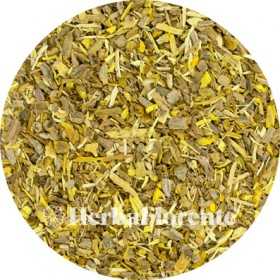
Barberry - Berberidi vulgaris
The barberry (Berberis vulgaris) is a deciduous shrub belonging to the barberry family (Berberidaceae). The plant is native to large parts of Eurasia and prefers relatively dry, often calcareous soils, such as along forest edges and in thickets.
The shrub is known for its thorny branches, yellow flowers, and elongated, bright red berries. The roots, bark, leaves, and fruits naturally contain various plant compounds, including berberine. This compound is characteristic of plants in the Berberis genus.
Barberries have long been valued in various cultures for their culinary uses.
The shrub is known for its thorny branches, yellow flowers, and elongated, bright red berries. The roots, bark, leaves, and fruits naturally contain various plant compounds, including berberine. This compound is characteristic of plants in the Berberis genus.
Barberries have long been valued in various cultures for their culinary uses.
€2.20
From: €2.20
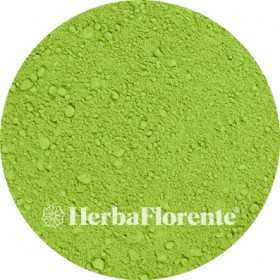
Barley grass - Hordeum vulgare
Barley grass is obtained by allowing barley to fully germinate and cutting off the green shoots when they are 20–30 cm tall. The grass is often dried and processed into powder.
Barley grass contains natural nutrients such as bioflavonoids, beta-carotene, a range of vitamins (A, B1, B2, B3, B6, B12, C, E, and K), and minerals such as calcium, phosphorus, potassium, iron, and zinc. It is also rich in chlorophyll and contains all the essential amino acids.
Barley grass contains natural nutrients such as bioflavonoids, beta-carotene, a range of vitamins (A, B1, B2, B3, B6, B12, C, E, and K), and minerals such as calcium, phosphorus, potassium, iron, and zinc. It is also rich in chlorophyll and contains all the essential amino acids.
€3.30
From: €3.30
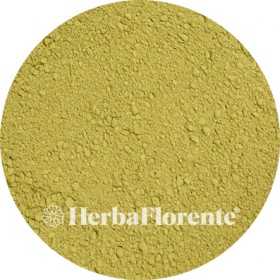
Basil - Basilici
Basil (Ocimum basilicum) is an aromatic plant in the Lamiaceae family. The name basil is derived from the Ancient Greek word basileus, meaning "king." This origin also underlies the alternative name "king's herb." Basil is native to regions between Central Africa and Southeast Asia, where it has long been valued.
Basil appears in various traditional systems and historical sources as part of cultural and herbal uses. Ancient texts and pharmacopoeias mention the plant in a variety of contexts, giving it a special place in the history of herbal traditions.
Basil is recognizable by its soft, green leaves and characteristic aroma. The plant naturally contains various aromatic and plant compounds, including essential oils and polyphenols.
Basil appears in various traditional systems and historical sources as part of cultural and herbal uses. Ancient texts and pharmacopoeias mention the plant in a variety of contexts, giving it a special place in the history of herbal traditions.
Basil is recognizable by its soft, green leaves and characteristic aroma. The plant naturally contains various aromatic and plant compounds, including essential oils and polyphenols.
€2.00
From: €2.00
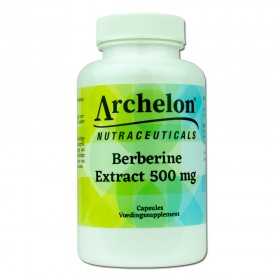
Berberine Extract - 500 mg
Berberine is a plant compound found naturally in various plants, including Berberis aristata. This shrub belongs to the Berberidaceae family and is also known as Indian barberry, chutro, or tree turmeric. Various parts of this plant are used in traditional herbal systems, such as Ayurveda.
Our berberine extract is obtained from the root of Berberis aristata. The root bark naturally contains the alkaloid berberine, a characteristic bittering agent. The extract is standardized to 97% berberine salts, ensuring a consistent and controlled composition.
Berberine has long been used in traditional herbalism and is now popular as an ingredient in nutritional supplements.
Our berberine extract is obtained from the root of Berberis aristata. The root bark naturally contains the alkaloid berberine, a characteristic bittering agent. The extract is standardized to 97% berberine salts, ensuring a consistent and controlled composition.
Berberine has long been used in traditional herbalism and is now popular as an ingredient in nutritional supplements.
€49.95