



Trending
€57.50
€62.50

€35.95
€62.50
€62.50
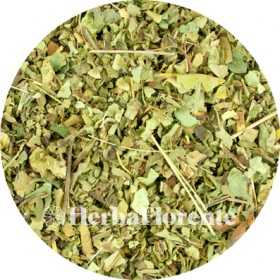
Lungwort - Pulmonaria officinalis
€5.91 €6.95 -15%
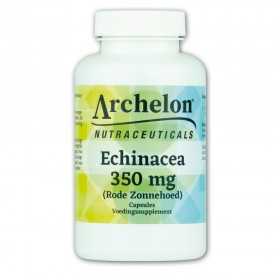
Echinacea (Red Coneflower) - 350 mg
€15.96 €19.95 -20%
Pregnancy
There are 14 products.
Barley grass - Hordeum vulgare
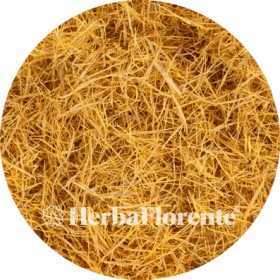
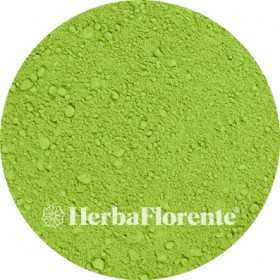
Barley grass is obtained by allowing barley to fully germinate and cutting off the green shoots when they are 20–30 cm tall. The grass is often dried and processed into powder.
Barley grass contains natural nutrients such as bioflavonoids, beta-carotene, a range of vitamins (A, B1, B2, B3, B6, B12, C, E, and K), and minerals such as calcium, phosphorus, potassium, iron, and zinc. It is also rich in chlorophyll and contains all the essential amino acids.
Barley grass contains natural nutrients such as bioflavonoids, beta-carotene, a range of vitamins (A, B1, B2, B3, B6, B12, C, E, and K), and minerals such as calcium, phosphorus, potassium, iron, and zinc. It is also rich in chlorophyll and contains all the essential amino acids.
€3.30
From: €3.30
Biotin - 1,000 mcg
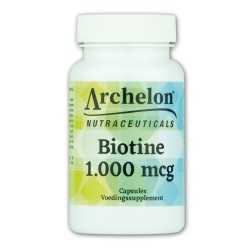
La biotine contribue au métabolisme énergétique normal et au fonctionnement normal du système nerveux. Elle contribue également au bon fonctionnement psychologique et au maintien de cheveux, d'une peau et de muqueuses normales.
€14.95
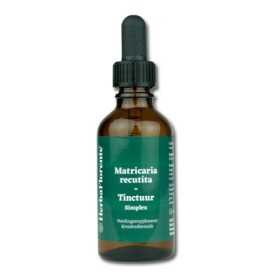
Chamomile Tincture - Matricaria recutita Tincture
Single herbal tincture made with dried flower of Matricaria recutita (True Chamomile).
Chamomile (Matricaria chamomilla, synonym Matricaria recutita) is an annual, aromatic plant from the Asteraceae family. The plant is native to large parts of Europe and is now widely cultivated, including in Hungary and several Eastern European countries.
Chamomile has a long cultural and historical background. In ancient Egypt, the plant was symbolically worshipped and associated with the sun god Ra. Throughout the centuries, chamomile has been frequently described in botanical and historical sources, contributing to its fame and spread.
Chamomile (Matricaria chamomilla, synonym Matricaria recutita) is an annual, aromatic plant from the Asteraceae family. The plant is native to large parts of Europe and is now widely cultivated, including in Hungary and several Eastern European countries.
Chamomile has a long cultural and historical background. In ancient Egypt, the plant was symbolically worshipped and associated with the sun god Ra. Throughout the centuries, chamomile has been frequently described in botanical and historical sources, contributing to its fame and spread.
€11.95
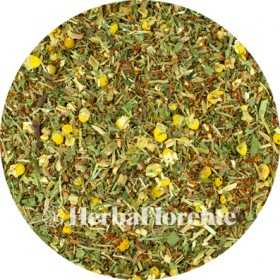
Early Morning Herbal Tea
Herbal tea composed of various herbs
Nice for early morning
Nice for early morning
€3.95
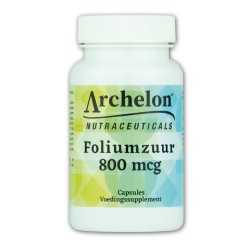
Folic Acid - 800 mcg
Folic acid, also known as vitamin B9 or B11, is a water-soluble vitamin found naturally in green leafy vegetables, legumes, nuts, and whole grains. It plays a role in the formation of cells and tissues and is involved in processes such as cell division and blood formation.
Folic acid is especially important for women who are trying to conceive or are pregnant, as timely intake can contribute to the normal development of the unborn child. It is recommended to start taking folic acid several weeks before conception and continue this throughout the first few weeks of pregnancy.
Folic acid is especially important for women who are trying to conceive or are pregnant, as timely intake can contribute to the normal development of the unborn child. It is recommended to start taking folic acid several weeks before conception and continue this throughout the first few weeks of pregnancy.
€14.95

Heartwort - Leonurus cardiaca
Heartwort (Leonurus cardiaca) is a fragrant perennial plant that belongs to the Lamiaceae family. Originating in Central Asia, this plant has spread throughout the world.
The leaves are suitable for seasoning pea and lentil soup, and were also used in the past to brew beer.
The plant grows to a height of 30-90 cm and forms rhizomes and square stems with scattered hairs. The leaves, which are medium green in color, have three to seven lobes and are downy hairy on the underside.
The leaves are suitable for seasoning pea and lentil soup, and were also used in the past to brew beer.
The plant grows to a height of 30-90 cm and forms rhizomes and square stems with scattered hairs. The leaves, which are medium green in color, have three to seven lobes and are downy hairy on the underside.
€2.00
From: €2.00
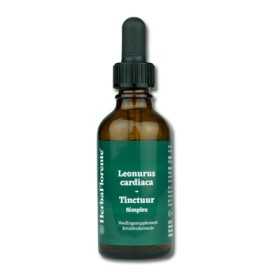
Heartwort Tincture - Leonurus cardiaca Tincture
Single herbal tincture made with dried herb of Leonurus cardiaca (Heartwort).
Heartwort (Leonurus cardiaca) is a fragrant perennial plant that belongs to the Lamiaceae family. Originating in Central Asia, this plant has spread throughout the world.
The leaves are suitable for seasoning pea and lentil soup, and were also used in the past to brew beer.
The plant grows to a height of 30-90 cm and forms rhizomes and square stems with scattered hairs. The leaves, which are medium green in color, have three to seven lobes and are downy hairy on the underside.
Heartwort (Leonurus cardiaca) is a fragrant perennial plant that belongs to the Lamiaceae family. Originating in Central Asia, this plant has spread throughout the world.
The leaves are suitable for seasoning pea and lentil soup, and were also used in the past to brew beer.
The plant grows to a height of 30-90 cm and forms rhizomes and square stems with scattered hairs. The leaves, which are medium green in color, have three to seven lobes and are downy hairy on the underside.
€10.95
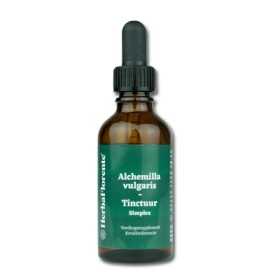
Lady's Mantle Tincture - Alchemilla vulgaris Tincture
Single herbal tincture made with dried herb of Alchemilla vulgaris (Lady's Mantle).
Lady's mantle (Alchemilla vulgaris) belongs to a genus of approximately one thousand species of perennial herbaceous and shrubby plants within the rose family (Rosaceae). The plant is primarily found in Europe and Asia, with some species in mountainous regions of Africa and North and South America. It prefers to grow in damp and disturbed places, such as forest edges, wet grasslands, and roadsides.
Lady's mantle (Alchemilla vulgaris) belongs to a genus of approximately one thousand species of perennial herbaceous and shrubby plants within the rose family (Rosaceae). The plant is primarily found in Europe and Asia, with some species in mountainous regions of Africa and North and South America. It prefers to grow in damp and disturbed places, such as forest edges, wet grasslands, and roadsides.
€12.95
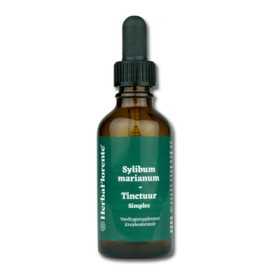
Milk Thistle Tincture - Sylibum marianum (Cardui Mariae) Tincture
Single herbal tincture made with dried seed of Sylibum marianum (Cardui Mariae) (Milk thistle).
Milk thistle, also known as milk thistle, is a spiny plant in the Asteraceae family. It originates in the Mediterranean region, but also grows in temperate regions such as the Netherlands and Belgium.
The plant is known for its striking, white-flecked leaves and purple flower heads. Milk thistle seeds contain natural compounds, including silymarin, a group of bioactive compounds considered antioxidants. Because of this composition, milk thistle is traditionally used in various food and herbal products.
Milk thistle, also known as milk thistle, is a spiny plant in the Asteraceae family. It originates in the Mediterranean region, but also grows in temperate regions such as the Netherlands and Belgium.
The plant is known for its striking, white-flecked leaves and purple flower heads. Milk thistle seeds contain natural compounds, including silymarin, a group of bioactive compounds considered antioxidants. Because of this composition, milk thistle is traditionally used in various food and herbal products.
€9.95
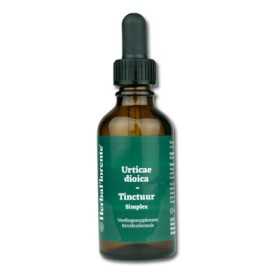
Nettle Tincture - Urticae dioica Tincture
Single herbal tincture made with dried herb of Urticae dioica (Nettle).
The stinging nettle (Urtica dioica) is a herbaceous plant found in many places and known for its stinging hairs, which cause a tingling sensation when touched. Despite this characteristic, the plant has been valued and used in various cultures for centuries. It is used in culinary preparations such as soup and herbal tea.
The plant is native to large parts of Europe, Asia, and Africa. The Latin name Urtica dioica refers to the plant's pungent nature. Historical and botanical sources describe both the leaves and roots as being traditionally collected and processed.
The stinging nettle (Urtica dioica) is a herbaceous plant found in many places and known for its stinging hairs, which cause a tingling sensation when touched. Despite this characteristic, the plant has been valued and used in various cultures for centuries. It is used in culinary preparations such as soup and herbal tea.
The plant is native to large parts of Europe, Asia, and Africa. The Latin name Urtica dioica refers to the plant's pungent nature. Historical and botanical sources describe both the leaves and roots as being traditionally collected and processed.
€10.95
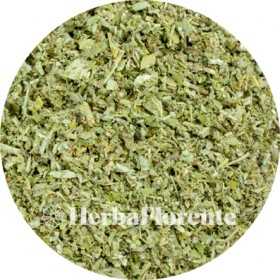
Sage - Salviae officinalis - Cut
Common sage (Salvia officinalis L.) is a well-known herb that has been used for centuries, from China to ancient Rome. Symbolic and magical properties were even attributed to the purple flowers.
Sage belongs to the Lamiaceae family and is prized for its aromatic leaves and characteristic scent. The herb naturally contains various plant compounds, including antioxidants, which contribute to sage's characteristic properties.
Sage is traditionally used in culinary applications, such as sauces, meat dishes, and herbal teas. The leaves can be used fresh or dried and are also popular in aromatic oils and spice blends.
Sage belongs to the Lamiaceae family and is prized for its aromatic leaves and characteristic scent. The herb naturally contains various plant compounds, including antioxidants, which contribute to sage's characteristic properties.
Sage is traditionally used in culinary applications, such as sauces, meat dishes, and herbal teas. The leaves can be used fresh or dried and are also popular in aromatic oils and spice blends.
€2.30
From: €2.30
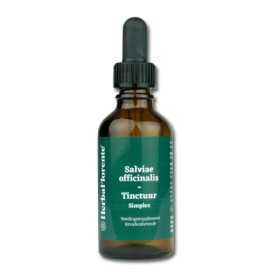
Sage Tincture - Salviae officinalis Tincture
Single herbal tincture made with dried herb of Salviae officinalis (Sage).
Common sage (Salvia officinalis L.) is a well-known herb that has been used for centuries, from China to ancient Rome. Symbolic and magical properties were even attributed to the purple flowers.
Sage belongs to the Lamiaceae family and is prized for its aromatic leaves and characteristic scent. The herb naturally contains various plant compounds, including antioxidants, which contribute to sage's characteristic properties.
Sage is traditionally used in culinary applications, such as sauces, meat dishes, and herbal teas. The leaves can be used fresh or dried and are also popular in aromatic oils and spice blends.
Common sage (Salvia officinalis L.) is a well-known herb that has been used for centuries, from China to ancient Rome. Symbolic and magical properties were even attributed to the purple flowers.
Sage belongs to the Lamiaceae family and is prized for its aromatic leaves and characteristic scent. The herb naturally contains various plant compounds, including antioxidants, which contribute to sage's characteristic properties.
Sage is traditionally used in culinary applications, such as sauces, meat dishes, and herbal teas. The leaves can be used fresh or dried and are also popular in aromatic oils and spice blends.
€11.95
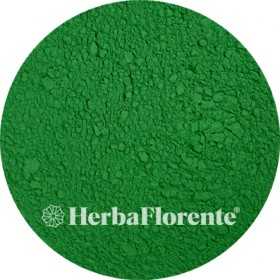
Spirulina - Spirulina platensis
Spirulina is a type of single-celled algae that contains both chlorophyll (a green pigment) and phycocyanin (a blue pigment). The algae forms spiral-shaped microscopic strands and grows naturally in warm, freshwater.
Spirulina contains various nutrients, including protein, vitamins (such as B-complex and E), carotenoids, iron, manganese, zinc, and some fatty acids. Because of this composition, spirulina is often used as part of a varied diet.
The algae can grow in warm environments and retain many of their nutrients, even during processing at higher temperatures..
Spirulina contains various nutrients, including protein, vitamins (such as B-complex and E), carotenoids, iron, manganese, zinc, and some fatty acids. Because of this composition, spirulina is often used as part of a varied diet.
The algae can grow in warm environments and retain many of their nutrients, even during processing at higher temperatures..
€2.80
From: €2.80
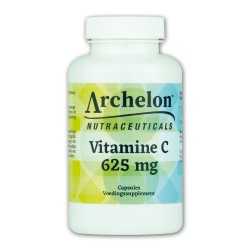
Vitamin C (Sodium Ascorbic Acid) - 625 mg
Vitamin C (ascorbic acid) is the pure form of vitamin C. There are also buffered forms of ascorbic acid, which are generally more easily tolerated by the gastrointestinal tract. Vitamin C is a water-soluble vitamin found naturally in various fruits and vegetables, such as citrus fruits, kiwi, bell peppers, and broccoli. Vitamin C is often added to dietary supplements in powder, tablet, or capsule form to supplement daily intake.
€17.95