



Trending
€57.50
€62.50

€35.95
€62.50
€62.50
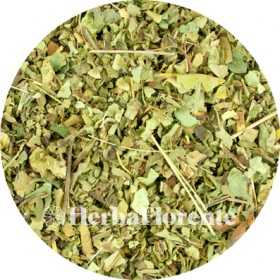
Lungwort - Pulmonaria officinalis
€5.91 €6.95 -15%
Echinacea (Red Coneflower) - 350 mg
€15.96 €19.95 -20%
Airways
There are 159 products.
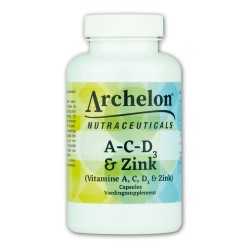
A-C-D3 & Zinc
A combination of vitamins A, C, D3, and zinc that supplements your daily diet. This supplement contains nutrients that contribute to the normal functioning of the immune system, the maintenance of bones, teeth, skin, and muscles, and various metabolic processes. Suitable as part of a varied diet.
€35.95
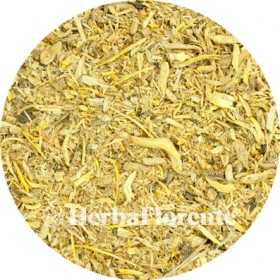
Angelica - Angelica angelicae
The great angelica, also known as archangelica, belongs to the Apiaceae family. The plant grows naturally in moist, nutrient-rich soil along waterfronts, such as those near Lake IJssel, riverbanks, and willow groves, and is also cultivated in gardens.
The plant is traditionally cultivated in various regions, from central Germany to Turkestan. An aromatic oil, known as angelica oil, is extracted from the seeds and roots and is used in cosmetics, baking, and distilling. The stems and petioles can be candied for their sweet and fragrant flavor.
The plant is traditionally cultivated in various regions, from central Germany to Turkestan. An aromatic oil, known as angelica oil, is extracted from the seeds and roots and is used in cosmetics, baking, and distilling. The stems and petioles can be candied for their sweet and fragrant flavor.
€2.60
From: €2.60
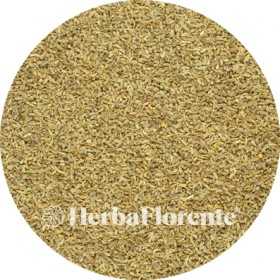
Anise - Pimpinella anisum
Anise seed has a naturally sweet, warm taste reminiscent of licorice. It is a versatile seasoning that can be used in both sweet and savory dishes. All over the world, anise seed is used in confectionery, and it is also often added to liqueurs, such as Ouzo.
You can add anise seeds to bread, pastries, cookies, fruit and gingerbread. In Indian cuisine, anise is indispensable in curries and fish dishes, and it gives a delicious flavor to vegetables such as pumpkin and carrot. In the Netherlands it is a tradition to use anise seed on rusk with mice at birth.
Anise seed tea has a warm, mild flavor and is popular as an after-dinner tea.
You can add anise seeds to bread, pastries, cookies, fruit and gingerbread. In Indian cuisine, anise is indispensable in curries and fish dishes, and it gives a delicious flavor to vegetables such as pumpkin and carrot. In the Netherlands it is a tradition to use anise seed on rusk with mice at birth.
Anise seed tea has a warm, mild flavor and is popular as an after-dinner tea.
€2.95
From: €2.95

Aniseed - Anisi Vulgaris (Pimpinella anisum)
Anise seed has a naturally sweet, warm taste reminiscent of licorice. It is a versatile seasoning that can be used in both sweet and savory dishes. All over the world, anise seed is used in confectionery, and it is also often added to liqueurs, such as Ouzo.
You can add anise seeds to bread, pastries, cookies, fruit and gingerbread. In Indian cuisine, anise is indispensable in curries and fish dishes, and it gives a delicious flavor to vegetables such as pumpkin and carrot. In the Netherlands it is a tradition to use anise seed on rusk with mice at birth.
Anise seed tea has a warm, mild flavor and is popular as an after-dinner tea.
You can add anise seeds to bread, pastries, cookies, fruit and gingerbread. In Indian cuisine, anise is indispensable in curries and fish dishes, and it gives a delicious flavor to vegetables such as pumpkin and carrot. In the Netherlands it is a tradition to use anise seed on rusk with mice at birth.
Anise seed tea has a warm, mild flavor and is popular as an after-dinner tea.
€2.80
From: €2.80
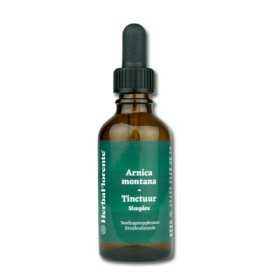
Arnica Tincture - Arnica montana Tincture
Single herbal tincture made with dried flower of Arnica montana (Arnica).
Arnica montana, also known as arnica montana, is a perennial plant belonging to the Asteraceae family. This plant is native to mountainous regions such as the Alps, the Pyrenees, and the Balkans, as well as southern Scandinavia. It can also be found in the eastern Netherlands and the Belgian Ardennes.
The plant grows to a height of approximately 20 to 45 centimeters and has a sparsely branched stem. The leaves are opposite and 2 to 4 centimeters wide. The lower leaves are elliptical to obovate-lanceolate, while the upper pair of leaves has a more linear-lanceolate shape.
Arnica montana, also known as arnica montana, is a perennial plant belonging to the Asteraceae family. This plant is native to mountainous regions such as the Alps, the Pyrenees, and the Balkans, as well as southern Scandinavia. It can also be found in the eastern Netherlands and the Belgian Ardennes.
The plant grows to a height of approximately 20 to 45 centimeters and has a sparsely branched stem. The leaves are opposite and 2 to 4 centimeters wide. The lower leaves are elliptical to obovate-lanceolate, while the upper pair of leaves has a more linear-lanceolate shape.
€27.86
€30.95
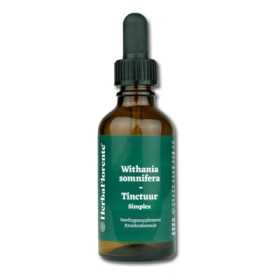
Ashwagandha (Winter Cherry) Tincture - Withania somnifera Tincture
Single herbal tincture made with dried root of Withania somnifera (Ashwagandha/Winter Cherry).
Ashwagandha, officially known as Withania somnifera, is a plant that has been used for centuries in the Ayurvedic tradition of India. Within this traditional teaching, ashwagandha is referred to as a rasayana, a term used in Ayurveda for herbs with special cultural and historical significance.
The plant belongs to the Magnoliophyta family and is also known as Indian ginseng and winter cherry. The root of the plant is traditionally used most often.
The name ashwagandha literally means "horse scent," a reference to the characteristic, earthy aroma of the fresh root.
Ashwagandha, officially known as Withania somnifera, is a plant that has been used for centuries in the Ayurvedic tradition of India. Within this traditional teaching, ashwagandha is referred to as a rasayana, a term used in Ayurveda for herbs with special cultural and historical significance.
The plant belongs to the Magnoliophyta family and is also known as Indian ginseng and winter cherry. The root of the plant is traditionally used most often.
The name ashwagandha literally means "horse scent," a reference to the characteristic, earthy aroma of the fresh root.
€10.95
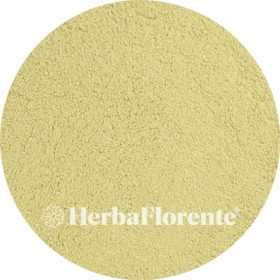
Ashwagandha - Withania somnifera
Ashwagandha, officially known as Withania somnifera, is a plant that has been used for centuries in the Ayurvedic tradition of India. Within this traditional teaching, ashwagandha is referred to as a rasayana, a term used in Ayurveda for herbs with special cultural and historical significance.
The plant belongs to the Magnoliophyta family and is also known as Indian ginseng and winter cherry. The root of the plant is traditionally used most often.
The name ashwagandha literally means "horse scent," a reference to the characteristic, earthy aroma of the fresh root. In Indian culture, the herb is often symbolically associated with strength and vitality, similar to that of a horse.
The plant belongs to the Magnoliophyta family and is also known as Indian ginseng and winter cherry. The root of the plant is traditionally used most often.
The name ashwagandha literally means "horse scent," a reference to the characteristic, earthy aroma of the fresh root. In Indian culture, the herb is often symbolically associated with strength and vitality, similar to that of a horse.
€4.40
From: €4.40
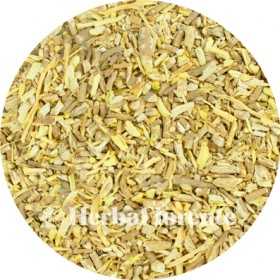
Ashwagandha - Withania somnifera - Cut
Ashwagandha, officially known as Withania somnifera, is a plant that has been used for centuries in the Ayurvedic tradition of India. Within this traditional teaching, ashwagandha is referred to as a rasayana, a term used in Ayurveda for herbs with special cultural and historical significance.
The plant belongs to the Magnoliophyta family and is also known as Indian ginseng and winter cherry. The root of the plant is traditionally used most often.
The name ashwagandha literally means "horse scent," a reference to the characteristic, earthy aroma of the fresh root. In Indian culture, the herb is often symbolically associated with strength and vitality, similar to that of a horse.
The plant belongs to the Magnoliophyta family and is also known as Indian ginseng and winter cherry. The root of the plant is traditionally used most often.
The name ashwagandha literally means "horse scent," a reference to the characteristic, earthy aroma of the fresh root. In Indian culture, the herb is often symbolically associated with strength and vitality, similar to that of a horse.
€3.00
From: €3.00
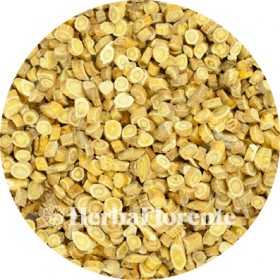
Astragalus - Astragalus chinensis membranus - Cut
Astragalus, also known as fleshy box pod (Astragalus membranaceus), is a plant native to Asia. The root of the plant has been used in traditional Chinese culture for thousands of years.
Astragalus holds an important place in this tradition and is associated with the concept of "qi," which represents life energy. Astragalus is used in a variety of applications, such as herbal teas, powders, and other herbal preparations.
The root contains various natural plant compounds and is valued for its long history of traditional use.
Astragalus holds an important place in this tradition and is associated with the concept of "qi," which represents life energy. Astragalus is used in a variety of applications, such as herbal teas, powders, and other herbal preparations.
The root contains various natural plant compounds and is valued for its long history of traditional use.
€2.60
From: €2.60
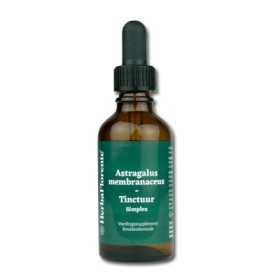
Astragalus Tincture - Astragalus membranaceus Tincture
Single herbal tincture made with dried root of Astragalus membranaceus (Astragalus).
Astragalus, also known as fleshy box pod (Astragalus membranaceus), is a plant native to Asia. The root of the plant has been used in traditional Chinese culture for thousands of years.
Astragalus holds an important place in this tradition and is associated with the concept of "qi," which represents life energy. Astragalus is used in a variety of applications, such as herbal teas, powders, and other herbal preparations.
The root contains various natural plant compounds and is valued for its long history of traditional use.
Astragalus, also known as fleshy box pod (Astragalus membranaceus), is a plant native to Asia. The root of the plant has been used in traditional Chinese culture for thousands of years.
Astragalus holds an important place in this tradition and is associated with the concept of "qi," which represents life energy. Astragalus is used in a variety of applications, such as herbal teas, powders, and other herbal preparations.
The root contains various natural plant compounds and is valued for its long history of traditional use.
€9.95
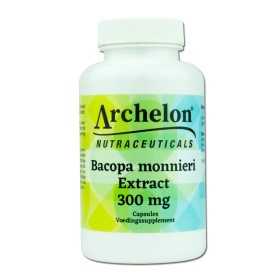
Bacopa monnieri Extract - 300 mg
Bacopa monnieri is a plant that has been used for thousands of years in the Ayurvedic tradition. In India, the herb is known as Brahmi, a Sanskrit term that refers to awareness and wisdom.
Our Bacopa monnieri capsules contain an extract standardized to 50% bacosides, the characteristic plant compounds of Bacopa monnieri. The extract is carefully produced to ensure a consistent composition.
Bacopa monnieri is a herb native to humid regions and is traditionally valued in various herbal systems.
Our Bacopa monnieri capsules contain an extract standardized to 50% bacosides, the characteristic plant compounds of Bacopa monnieri. The extract is carefully produced to ensure a consistent composition.
Bacopa monnieri is a herb native to humid regions and is traditionally valued in various herbal systems.
€26.95
Bearberry - Arctostaphylos uva-ursi
The bearberry (Arctostaphylos uva-ursi) is a low-growing, evergreen plant in the heather family (Ericaceae). The Dutch name "berendruif" (bear grape) refers to an old folk belief that bears enjoy eating the fruit of this plant.
The scientific name is a tautology, composed of both Greek and Latin words. Arktos (Greek) and ursus (Latin) both mean "bear," while staphyle and uva both mean "grape." The name thus emphasizes the same meaning twice.
Bearberry has been mentioned in historical herbals since the Middle Ages and is part of the European herbal tradition. Within this context, the plant was described and valued for its special place in traditional use.
The scientific name is a tautology, composed of both Greek and Latin words. Arktos (Greek) and ursus (Latin) both mean "bear," while staphyle and uva both mean "grape." The name thus emphasizes the same meaning twice.
Bearberry has been mentioned in historical herbals since the Middle Ages and is part of the European herbal tradition. Within this context, the plant was described and valued for its special place in traditional use.
€2.40
From: €2.40
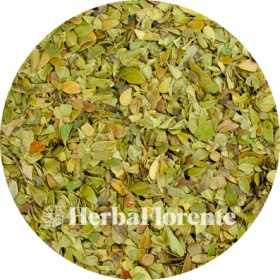
Bearberry - Arctostaphylos uva-ursi - Cut
The bearberry (Arctostaphylos uva-ursi) is a low-growing, evergreen plant in the heather family (Ericaceae). The Dutch name "berendruif" (bear grape) refers to an old folk belief that bears enjoy eating the fruit of this plant.
The scientific name is a tautology, composed of both Greek and Latin words. Arktos (Greek) and ursus (Latin) both mean "bear," while staphyle and uva both mean "grape." The name thus emphasizes the same meaning twice.
Bearberry has been mentioned in historical herbals since the Middle Ages and is part of the European herbal tradition. Within this context, the plant was described and valued for its special place in traditional use.
The scientific name is a tautology, composed of both Greek and Latin words. Arktos (Greek) and ursus (Latin) both mean "bear," while staphyle and uva both mean "grape." The name thus emphasizes the same meaning twice.
Bearberry has been mentioned in historical herbals since the Middle Ages and is part of the European herbal tradition. Within this context, the plant was described and valued for its special place in traditional use.
€2.40
From: €2.40
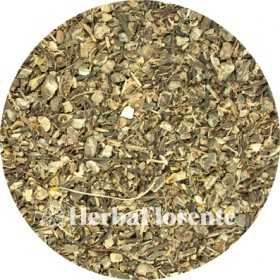
Black Cohosh - Cimicifuga Racemosa
Black cohosh (Cimicifuga racemosa), also known as black cohosh, is a plant that has been used for centuries in traditional North American herbal medicine. The roots were used by various North American tribes and are known as "squawroot."
The plant is known today for its long history of use and cultural significance. Black cohosh is increasingly sold in the Netherlands, especially as an ingredient in herbal teas, supplements, and traditional herbal blends.
The plant is known today for its long history of use and cultural significance. Black cohosh is increasingly sold in the Netherlands, especially as an ingredient in herbal teas, supplements, and traditional herbal blends.
€9.80
From: €9.80
Cat's Claw - Uncaria tomentosa - Cut
Cat's claw (Uncaria tomentosa), also known as cat's claw, is a climbing plant native to the Amazon region of Brazil and Peru, among other places. The plant grows in rainforests and can cling to trees with its characteristic, claw-shaped thorns. These thorns, located at the base of the leaves, give the plant its name and enable it to climb to great heights.
In the Peruvian Amazon, cat's claw has special cultural significance and is considered part of traditional plant knowledge. Due to its origins and ecological importance, the species is a protected plant in certain regions.
In the Peruvian Amazon, cat's claw has special cultural significance and is considered part of traditional plant knowledge. Due to its origins and ecological importance, the species is a protected plant in certain regions.
€2.40
From: €2.40
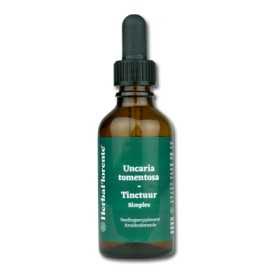
Cat's Claw Tincture - Uncaria tomentosa Tincture
Single herbal tincture made with dried bark of Uncaria tomentosa (Cat's Claw).
Cat's claw (Uncaria tomentosa), also known as cat's claw, is a climbing plant native to the Amazon region of Brazil and Peru, among other places. The plant grows in rainforests and can cling to trees with its characteristic, claw-shaped thorns. These thorns, located at the base of the leaves, give the plant its name and enable it to climb to great heights.
In the Peruvian Amazon, cat's claw has special cultural significance and is considered part of traditional plant knowledge. Due to its origins and ecological importance, the species is a protected plant in certain regions.
Cat's claw (Uncaria tomentosa), also known as cat's claw, is a climbing plant native to the Amazon region of Brazil and Peru, among other places. The plant grows in rainforests and can cling to trees with its characteristic, claw-shaped thorns. These thorns, located at the base of the leaves, give the plant its name and enable it to climb to great heights.
In the Peruvian Amazon, cat's claw has special cultural significance and is considered part of traditional plant knowledge. Due to its origins and ecological importance, the species is a protected plant in certain regions.
€9.95
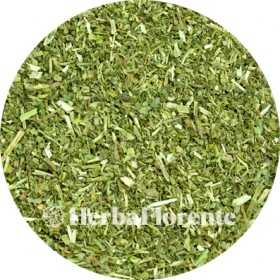
Catnip - Nepetae catariae
Wild catnip (Nepeta cataria) belongs to a genus of 250 species in the family Lamiaceae. The genus is closely related to Glechoma, Stachys and Prunella. This genus originally occurs in Europe and Asia. The stems grow in nodes and often form dense carpets on the ground. The leaves are coarsely toothed and feel soft because of the hairs. The erect stems bear small, tubular flowers in pairs that are located in the axils of the leaves.
€2.20
From: €2.20
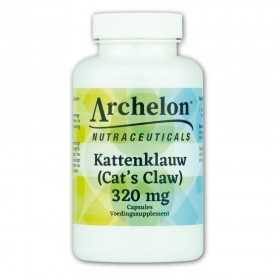
Cat’s Claw - 320 mg
Cat's claw (Uncaria tomentosa) is a woody vine native to the Amazon region of Peru, Brazil, and other parts of the world. The plant grows in tropical rainforests and can cling to trees with small, hooked thorns. These thorns, which resemble cat claws, give the plant its name. Cat's claw can reach great heights and is part of the rainforest's rich biodiversity.
Among indigenous cultures in the Amazon region, the bark and root of Uncaria tomentosa have been used for centuries in traditional herbal preparations. The plant is considered culturally valuable there and is protected in some regions.
Among indigenous cultures in the Amazon region, the bark and root of Uncaria tomentosa have been used for centuries in traditional herbal preparations. The plant is considered culturally valuable there and is protected in some regions.
€19.95
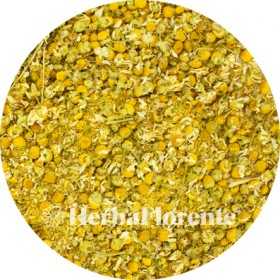
Chamomile (Flower) - Matricaria recutita, Chamomillae europ. - Whole
Chamomile (Matricaria chamomilla, synonym Matricaria recutita) is an annual, aromatic plant from the Asteraceae family. Originally native to large parts of Europe, it is now widely cultivated, including in Hungary and several Eastern European countries.
Chamomile has a long cultural and historical background. In ancient Egypt, the plant was symbolically worshipped and associated with the sun god Ra. Throughout the centuries, chamomile has been frequently described in botanical and historical sources, contributing to its fame and spread.
Chamomile has a long cultural and historical background. In ancient Egypt, the plant was symbolically worshipped and associated with the sun god Ra. Throughout the centuries, chamomile has been frequently described in botanical and historical sources, contributing to its fame and spread.
€3.20
From: €3.20
Chamomile - Matricaria recutita, Chamomillae europ.
Chamomile (Matricaria chamomilla, synonym Matricaria recutita) is an annual, aromatic plant from the Asteraceae family. Originally native to large parts of Europe, it is now widely cultivated, including in Hungary and several Eastern European countries.
Chamomile has a long cultural and historical background. In ancient Egypt, the plant was symbolically worshipped and associated with the sun god Ra. Throughout the centuries, chamomile has been frequently described in botanical and historical sources, contributing to its fame and spread.
Chamomile has a long cultural and historical background. In ancient Egypt, the plant was symbolically worshipped and associated with the sun god Ra. Throughout the centuries, chamomile has been frequently described in botanical and historical sources, contributing to its fame and spread.
€3.40
From: €3.40
Chlorella - Chlorella
Chlorella is a single-celled green algae belonging to the green algae group. This microscopic algae occurs naturally in freshwater environments such as lakes and rivers and is cultivated worldwide. The name chlorella is derived from the Greek words chloros (green) and ella (small), which refers to its color and size.
Chlorella is known for its natural composition and is described in nutritional and botanical sources as an algae that naturally contains various nutrients, including proteins, vitamins, minerals, and fatty acids. In addition, chlorella contains chlorophyll, the green pigment that plays an essential role in photosynthesis.
Furthermore, descriptions of chlorella often mention plant-based compounds such as beta-carotene and lutein.
Chlorella is known for its natural composition and is described in nutritional and botanical sources as an algae that naturally contains various nutrients, including proteins, vitamins, minerals, and fatty acids. In addition, chlorella contains chlorophyll, the green pigment that plays an essential role in photosynthesis.
Furthermore, descriptions of chlorella often mention plant-based compounds such as beta-carotene and lutein.
€4.60
From: €4.60
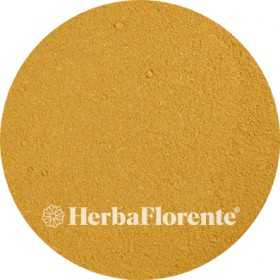
Cinnamon - Cinnamomi ceylon
Cinnamon (Cinnamomum ceylon) is an ancient spice extracted from the bark of the cinnamon tree. A section of the bark is carefully cut away, after which the rough outer layer is removed. The familiar cinnamon sticks or cinnamon powder are created from the inner layer of the bark. Cinnamon has been valued for centuries for its culinary and cultural uses.
In Asian and other cultures, cinnamon is traditionally used for various purposes, with its delightful aroma playing a significant role. This aroma is primarily determined by the volatile oil cinnamaldehyde. Cinnamon also naturally contains substances such as eugenol, coumarins, tannins, OPCs, and terpenes.
In Asian and other cultures, cinnamon is traditionally used for various purposes, with its delightful aroma playing a significant role. This aroma is primarily determined by the volatile oil cinnamaldehyde. Cinnamon also naturally contains substances such as eugenol, coumarins, tannins, OPCs, and terpenes.
€2.95
From: €2.95
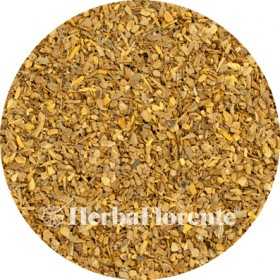
Cinnamon - Cinnamomi ceylon - Cut
Cinnamon (Cinnamomum ceylon) is an ancient spice extracted from the bark of the cinnamon tree. A section of the bark is carefully cut away, after which the rough outer layer is removed. The familiar cinnamon sticks or cinnamon powder are created from the inner layer of the bark. Cinnamon has been valued for centuries for its culinary and cultural uses.
In Asian and other cultures, cinnamon is traditionally used for various purposes, with its delightful aroma playing a significant role. This aroma is primarily determined by the volatile oil cinnamaldehyde. Cinnamon also naturally contains substances such as eugenol, coumarins, tannins, OPCs, and terpenes.
In Asian and other cultures, cinnamon is traditionally used for various purposes, with its delightful aroma playing a significant role. This aroma is primarily determined by the volatile oil cinnamaldehyde. Cinnamon also naturally contains substances such as eugenol, coumarins, tannins, OPCs, and terpenes.
€3.00
From: €3.00
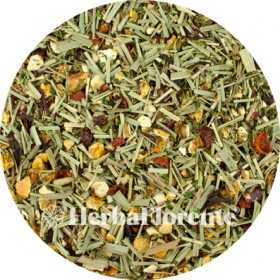
Citrus Blend Herbal Tea
Herbal tea composed of various herbs
Delicious for every moment
Delicious for every moment
€3.95