



Trending

€57.50

€62.50


€35.95
€62.50
€62.50

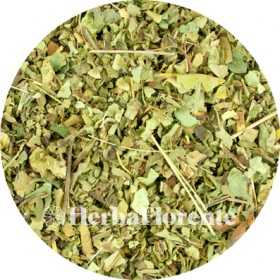
Lungwort - Pulmonaria officinalis
€5.91 €6.95 -15%
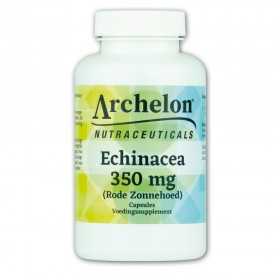
Echinacea (Red Coneflower) - 350 mg
€15.96 €19.95 -20%
Joints
There are 110 products.
A-C-D3 & Zinc
A combination of vitamins A, C, D3, and zinc that supplements your daily diet. This supplement contains nutrients that contribute to the normal functioning of the immune system, the maintenance of bones, teeth, skin, and muscles, and various metabolic processes. Suitable as part of a varied diet.
€35.95
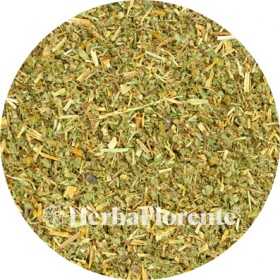
Agremonie (Common) (Church Steeples) - Agrimonia eupatoria
The common agrimony (Agrimonia eupatoria) is a herbaceous plant belonging to the rose family (Rosaceae). This plant, with its bright yellow flowers in long, slender spikes, is quite common on calcareous roadsides and dikes in Belgium and the Netherlands.
The most common use is as a tea, but the herb can also be made into a tincture.
The most common use is as a tea, but the herb can also be made into a tincture.
€2.00
From: €2.00
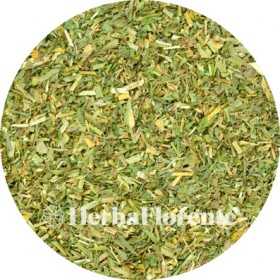
Alfalfa - Medicago sativa
Lucerne (Medicago sativa), also known as alfalfa, is a perennial plant that can live between five and twelve years, depending on the variety and climate. With a height of up to one meter and clusters of small purple flowers, the plant resembles clover. The plant has a deep and powerful root system that can extend up to 4.5 meters.
Lucerne is native to Europe and is grown worldwide as animal feed. In the Netherlands, alfalfa is mainly dried artificially for the production of protein-rich animal feed.
Lucerne is native to Europe and is grown worldwide as animal feed. In the Netherlands, alfalfa is mainly dried artificially for the production of protein-rich animal feed.
€2.00
From: €2.00
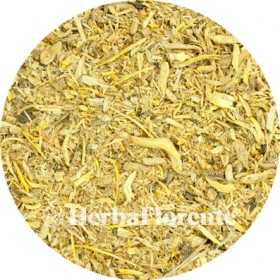
Angelica - Angelica angelicae
The great angelica, also known as archangelica, belongs to the Apiaceae family. The plant grows naturally in moist, nutrient-rich soil along waterfronts, such as those near Lake IJssel, riverbanks, and willow groves, and is also cultivated in gardens.
The plant is traditionally cultivated in various regions, from central Germany to Turkestan. An aromatic oil, known as angelica oil, is extracted from the seeds and roots and is used in cosmetics, baking, and distilling. The stems and petioles can be candied for their sweet and fragrant flavor.
The plant is traditionally cultivated in various regions, from central Germany to Turkestan. An aromatic oil, known as angelica oil, is extracted from the seeds and roots and is used in cosmetics, baking, and distilling. The stems and petioles can be candied for their sweet and fragrant flavor.
€2.60
From: €2.60
Artichoke - Cynaria scolmycus
The artichoke (Cynara scolymus) is a plant native to the Mediterranean region. The green or purple flower buds are often eaten as a vegetable and are known for their slightly bitter, aromatic flavor. The plant has been used for centuries in various cuisines and preparations.
Artichokes contain a wide range of nutrients and phytonutrients. These include beta-carotene, vitamin C, vitamin B, and minerals such as calcium, magnesium, and potassium. They also contain flavonoids, enzymes, and tannins, which contribute to the characteristic color and flavor of the flower buds.
Thanks to their rich flavor and unique texture, artichokes are popular in salads, soups, pastas, and various culinary dishes.
Artichokes contain a wide range of nutrients and phytonutrients. These include beta-carotene, vitamin C, vitamin B, and minerals such as calcium, magnesium, and potassium. They also contain flavonoids, enzymes, and tannins, which contribute to the characteristic color and flavor of the flower buds.
Thanks to their rich flavor and unique texture, artichokes are popular in salads, soups, pastas, and various culinary dishes.
€3.30
From: €3.30
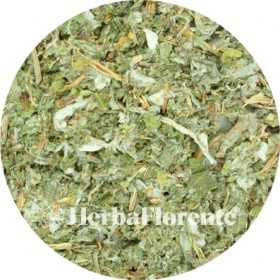
Artichoke - Cynaria scolmycus - Cut
The artichoke (Cynara scolymus) is a plant native to the Mediterranean region. The green or purple flower buds are often eaten as a vegetable and are known for their slightly bitter, aromatic flavor. The plant has been used for centuries in various cuisines and preparations.
Artichokes contain a wide range of nutrients and phytonutrients. These include beta-carotene, vitamin C, vitamin B, and minerals such as calcium, magnesium, and potassium. They also contain flavonoids, enzymes, and tannins, which contribute to the characteristic color and flavor of the flower buds.
Thanks to their rich flavor and unique texture, artichokes are popular in salads, soups, pastas, and various culinary dishes.
Artichokes contain a wide range of nutrients and phytonutrients. These include beta-carotene, vitamin C, vitamin B, and minerals such as calcium, magnesium, and potassium. They also contain flavonoids, enzymes, and tannins, which contribute to the characteristic color and flavor of the flower buds.
Thanks to their rich flavor and unique texture, artichokes are popular in salads, soups, pastas, and various culinary dishes.
€2.00
From: €2.00
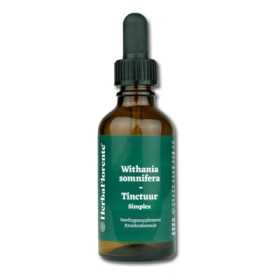
Ashwagandha (Winter Cherry) Tincture - Withania somnifera Tincture
Single herbal tincture made with dried root of Withania somnifera (Ashwagandha/Winter Cherry).
Ashwagandha, officially known as Withania somnifera, is a plant that has been used for centuries in the Ayurvedic tradition of India. Within this traditional teaching, ashwagandha is referred to as a rasayana, a term used in Ayurveda for herbs with special cultural and historical significance.
The plant belongs to the Magnoliophyta family and is also known as Indian ginseng and winter cherry. The root of the plant is traditionally used most often.
The name ashwagandha literally means "horse scent," a reference to the characteristic, earthy aroma of the fresh root.
Ashwagandha, officially known as Withania somnifera, is a plant that has been used for centuries in the Ayurvedic tradition of India. Within this traditional teaching, ashwagandha is referred to as a rasayana, a term used in Ayurveda for herbs with special cultural and historical significance.
The plant belongs to the Magnoliophyta family and is also known as Indian ginseng and winter cherry. The root of the plant is traditionally used most often.
The name ashwagandha literally means "horse scent," a reference to the characteristic, earthy aroma of the fresh root.
€10.95

Ashwagandha - 320 mg
Ashwagandha, officially known as Withania somnifera, is a plant native to India and belongs to the Magnoliophyta family. The herb is also known as "Indian ginseng" and "winter cherry."
The name ashwagandha derives from Sanskrit and literally means "horse scent," a reference to the root's characteristic, earthy aroma. In the Ayurvedic tradition, ashwagandha is classified as a "rasayana," a term used within this tradition for certain plants.
The Latin species name somnifera means "sleep-bearing" and refers to the plant's historical name. Ashwagandha has been used in traditional herbal preparations for centuries.
The name ashwagandha derives from Sanskrit and literally means "horse scent," a reference to the root's characteristic, earthy aroma. In the Ayurvedic tradition, ashwagandha is classified as a "rasayana," a term used within this tradition for certain plants.
The Latin species name somnifera means "sleep-bearing" and refers to the plant's historical name. Ashwagandha has been used in traditional herbal preparations for centuries.
€17.95
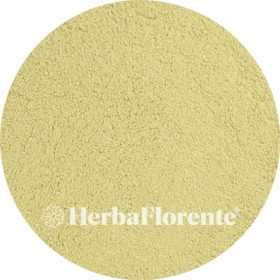
Ashwagandha - Withania somnifera
Ashwagandha, officially known as Withania somnifera, is a plant that has been used for centuries in the Ayurvedic tradition of India. Within this traditional teaching, ashwagandha is referred to as a rasayana, a term used in Ayurveda for herbs with special cultural and historical significance.
The plant belongs to the Magnoliophyta family and is also known as Indian ginseng and winter cherry. The root of the plant is traditionally used most often.
The name ashwagandha literally means "horse scent," a reference to the characteristic, earthy aroma of the fresh root. In Indian culture, the herb is often symbolically associated with strength and vitality, similar to that of a horse.
The plant belongs to the Magnoliophyta family and is also known as Indian ginseng and winter cherry. The root of the plant is traditionally used most often.
The name ashwagandha literally means "horse scent," a reference to the characteristic, earthy aroma of the fresh root. In Indian culture, the herb is often symbolically associated with strength and vitality, similar to that of a horse.
€4.40
From: €4.40
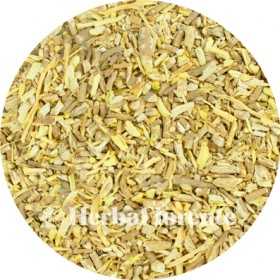
Ashwagandha - Withania somnifera - Cut
Ashwagandha, officially known as Withania somnifera, is a plant that has been used for centuries in the Ayurvedic tradition of India. Within this traditional teaching, ashwagandha is referred to as a rasayana, a term used in Ayurveda for herbs with special cultural and historical significance.
The plant belongs to the Magnoliophyta family and is also known as Indian ginseng and winter cherry. The root of the plant is traditionally used most often.
The name ashwagandha literally means "horse scent," a reference to the characteristic, earthy aroma of the fresh root. In Indian culture, the herb is often symbolically associated with strength and vitality, similar to that of a horse.
The plant belongs to the Magnoliophyta family and is also known as Indian ginseng and winter cherry. The root of the plant is traditionally used most often.
The name ashwagandha literally means "horse scent," a reference to the characteristic, earthy aroma of the fresh root. In Indian culture, the herb is often symbolically associated with strength and vitality, similar to that of a horse.
€3.00
From: €3.00
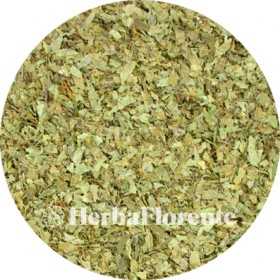
Asian Pennywort (Gotu kola) - Hydrocotyles Folium (Centella asiatica)
Centella asiatica, also known as Gotu kola (Centella asiatica), is a low-growing plant native to parts of Southeast Asia. It prefers humid areas and has played an important role in traditional systems such as Ayurveda for centuries.
Within these traditions, Centella asiatica is valued for its long history and diverse cultural applications. Due to the presence of various natural plant compounds, the plant has earned a permanent place in Asian herbal traditions.
Centella asiatica is recognizable by its creeping stems and small, rounded leaves. During the flowering period, small white to light pink flowers appear. Traditionally, the above-ground parts of the plant are primarily used.
Within these traditions, Centella asiatica is valued for its long history and diverse cultural applications. Due to the presence of various natural plant compounds, the plant has earned a permanent place in Asian herbal traditions.
Centella asiatica is recognizable by its creeping stems and small, rounded leaves. During the flowering period, small white to light pink flowers appear. Traditionally, the above-ground parts of the plant are primarily used.
€3.50
From: €3.50
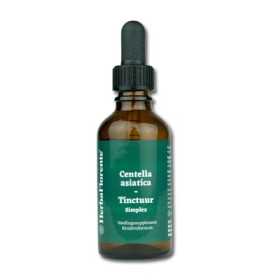
Asiatic Pennywort Tincture - Centella asiatica (Hydrocotyles) Tincture
Single herbal tincture made with dried herb of Centella asiatica (Hydrocotyles) (Asiatic Pennywort) (Gotu kola).
Centella asiatica, also known as Gotu kola (Centella asiatica), is a low-growing plant native to parts of Southeast Asia. It prefers humid areas and has played an important role in traditional systems such as Ayurveda for centuries.
Within these traditions, Centella asiatica is valued for its long history and diverse cultural applications. Due to the presence of various natural plant compounds, the plant has earned a permanent place in Asian herbal traditions.
Centella asiatica is recognizable by its creeping stems and small, rounded leaves. During the flowering period, small white to light pink flowers appear. Traditionally, the above-ground parts of the plant are primarily used.
Centella asiatica, also known as Gotu kola (Centella asiatica), is a low-growing plant native to parts of Southeast Asia. It prefers humid areas and has played an important role in traditional systems such as Ayurveda for centuries.
Within these traditions, Centella asiatica is valued for its long history and diverse cultural applications. Due to the presence of various natural plant compounds, the plant has earned a permanent place in Asian herbal traditions.
Centella asiatica is recognizable by its creeping stems and small, rounded leaves. During the flowering period, small white to light pink flowers appear. Traditionally, the above-ground parts of the plant are primarily used.
€9.95
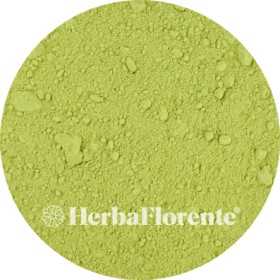
Berk - Betula pendula Roth, Betulae (Leaf Grounded)
The birch (Betula) is a tree that has held a special place in European cultures and traditions for centuries. Historically, the birch was sometimes seen as a symbolic or even sacred tree, partly due to its role in seasonal rituals and folk customs.
In early spring, just before the tree begins to bud, birch sap can be tapped. This time coincides with the period when the sap flow is most active. Young birch leaves are also traditionally collected during this phase. Both the sap and the leaves are part of ancient customs and have long been described in botanical and herbal sources.
Birch leaves naturally contain various plant compounds, including flavonoids, saponins, and tannins.
In early spring, just before the tree begins to bud, birch sap can be tapped. This time coincides with the period when the sap flow is most active. Young birch leaves are also traditionally collected during this phase. Both the sap and the leaves are part of ancient customs and have long been described in botanical and herbal sources.
Birch leaves naturally contain various plant compounds, including flavonoids, saponins, and tannins.
€2.10
From: €2.10
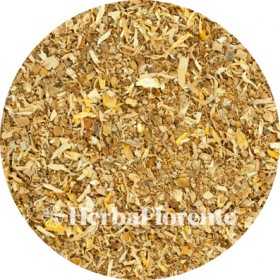
Birch - Butla alba, Betulae (Bark Cut)
The birch (Betula) is a tree that has held a special place in European cultures and traditions for centuries. Historically, the birch was sometimes seen as a symbolic or even sacred tree, partly due to its role in seasonal rituals and folk customs.
In early spring, just before the tree begins to bud, birch sap can be tapped. This time coincides with the period when the sap flow is most active. Young birch leaves are also traditionally collected during this phase. Both the sap and the leaves are part of ancient customs and have long been described in botanical and herbal sources.
Birch leaves naturally contain various plant compounds, including flavonoids, saponins, and tannins.
In early spring, just before the tree begins to bud, birch sap can be tapped. This time coincides with the period when the sap flow is most active. Young birch leaves are also traditionally collected during this phase. Both the sap and the leaves are part of ancient customs and have long been described in botanical and herbal sources.
Birch leaves naturally contain various plant compounds, including flavonoids, saponins, and tannins.
€2.00
From: €2.00
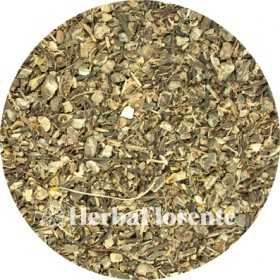
Black Cohosh - Cimicifuga Racemosa
Black cohosh (Cimicifuga racemosa), also known as black cohosh, is a plant that has been used for centuries in traditional North American herbal medicine. The roots were used by various North American tribes and are known as "squawroot."
The plant is known today for its long history of use and cultural significance. Black cohosh is increasingly sold in the Netherlands, especially as an ingredient in herbal teas, supplements, and traditional herbal blends.
The plant is known today for its long history of use and cultural significance. Black cohosh is increasingly sold in the Netherlands, especially as an ingredient in herbal teas, supplements, and traditional herbal blends.
€9.80
From: €9.80
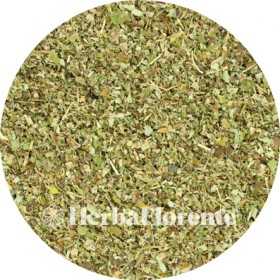
Blackberry (Leaf) - Rubus fructicosus, Frucus Rubi
The genus Blackberry (Rubus) belongs to the rose family and has more than 1400 species worldwide. More than 200 of these species grow in the Netherlands and Belgium.
Blackberries are prized primarily for their fruits, which range in color from red to dark blue. They have a sweet taste and can be eaten fresh or processed into jam, for example.
The leaves of the blackberry can be used to make herbal tea. After picking, the leaves should be dried in a dry and airy place, after which they can be used to make tea.
Blackberries are prized primarily for their fruits, which range in color from red to dark blue. They have a sweet taste and can be eaten fresh or processed into jam, for example.
The leaves of the blackberry can be used to make herbal tea. After picking, the leaves should be dried in a dry and airy place, after which they can be used to make tea.
€2.00
From: €2.00
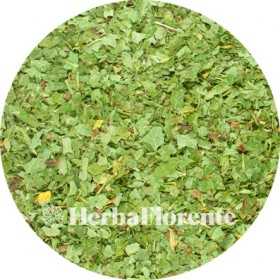
Blackcurrant - Ribes nigrum
The blackcurrant (Ribes nigrum L.) is a plant native to Northern Asia, Northern Europe, and Central Europe. The name "nigrum" refers to the dark color of the berries, while "ribes" refers to the berries themselves.
The blackcurrant thrives in moist, nutrient-rich soil and is resistant to cold and humidity. It is common in the Netherlands and Belgium.
Various parts of the plant are traditionally used, including the berries, seeds, and leaves. The berries contain vitamins and minerals, while the leaves are rich in natural plant compounds such as bioflavonoids, anthocyanins, and tannins. The use of blackcurrant leaf (Folium Ribis nigri) has a long history in culinary and traditional applications.
The blackcurrant thrives in moist, nutrient-rich soil and is resistant to cold and humidity. It is common in the Netherlands and Belgium.
Various parts of the plant are traditionally used, including the berries, seeds, and leaves. The berries contain vitamins and minerals, while the leaves are rich in natural plant compounds such as bioflavonoids, anthocyanins, and tannins. The use of blackcurrant leaf (Folium Ribis nigri) has a long history in culinary and traditional applications.
€2.95
From: €2.95
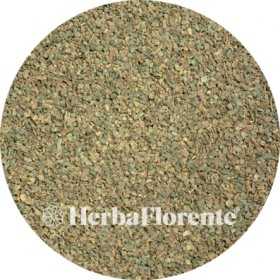
Bladderwrack Fine - Fucus vesiculosus
Bladderwrack (Fucus vesiculosus) is a species of brown algae in the genus Fucus. It is found along the northern coasts of the Atlantic and Pacific Oceans and in the North Sea and Baltic Sea, often in kelp forests. The plant is notable for the air bladders that some varieties possess, which serve as flotation devices; however, there are also varieties without these bladders.
Bladderwrack belongs to the brown algae and naturally contains various polyphenols, including phlorotannins. The plant also contains minerals such as iodine, potassium, magnesium, calcium, and iron. Because of this natural composition, bladderwrack has been included in botanical and historical descriptions of seaweeds.
Bladderwrack belongs to the brown algae and naturally contains various polyphenols, including phlorotannins. The plant also contains minerals such as iodine, potassium, magnesium, calcium, and iron. Because of this natural composition, bladderwrack has been included in botanical and historical descriptions of seaweeds.
€2.50
From: €2.50
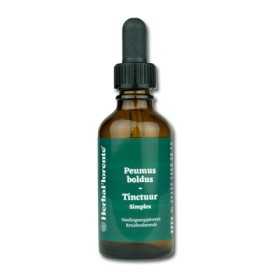
Boldo Tincture - Peumus boldus Tincture
Single herbal tincture made with dried leaf of Peumus boldus (Boldo).
Boldo (Peumus boldus) is an evergreen tree native to South America and other warmer regions, including Chile, Peru, Brazil, Ecuador, Argentina, and North Africa. It prefers sunny, dry locations and can reach a height of 8 meters and a width of 5 meters. Female trees produce drupes that were traditionally used as a spice.
Boldo leaves naturally contain various plant compounds, such as alkaloids, essential oils, flavonoids, and tannins. In Chile, the leaves have been mentioned in traditional customs for centuries and described in historical texts. Today, boldo is valued worldwide for its distinctive leaves, botanical characteristics, and cultural significance.
Boldo (Peumus boldus) is an evergreen tree native to South America and other warmer regions, including Chile, Peru, Brazil, Ecuador, Argentina, and North Africa. It prefers sunny, dry locations and can reach a height of 8 meters and a width of 5 meters. Female trees produce drupes that were traditionally used as a spice.
Boldo leaves naturally contain various plant compounds, such as alkaloids, essential oils, flavonoids, and tannins. In Chile, the leaves have been mentioned in traditional customs for centuries and described in historical texts. Today, boldo is valued worldwide for its distinctive leaves, botanical characteristics, and cultural significance.
€10.95
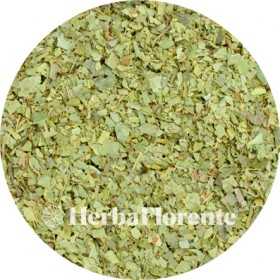
Boldoblad - Peumus boldus
Boldo (Peumus boldus) is an evergreen tree native to South America and other warmer regions, including Chile, Peru, Brazil, Ecuador, Argentina, and North Africa. It prefers sunny, dry locations and can reach a height of 8 meters and a width of 5 meters. Female trees produce drupes that were traditionally used as a spice.
Boldo leaves naturally contain various plant compounds, such as alkaloids, essential oils, flavonoids, and tannins. In Chile, the leaves have been mentioned in traditional customs for centuries and described in historical texts. Today, boldo is valued worldwide for its distinctive leaves, botanical characteristics, and cultural significance.
Boldo leaves naturally contain various plant compounds, such as alkaloids, essential oils, flavonoids, and tannins. In Chile, the leaves have been mentioned in traditional customs for centuries and described in historical texts. Today, boldo is valued worldwide for its distinctive leaves, botanical characteristics, and cultural significance.
€2.60
From: €2.60
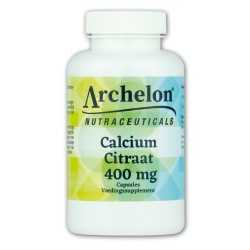
Calcium Citrate - 400 mg
Calcium is a mineral available in various forms, including calcium citrate and calcium bisglycinate. Calcium bisglycinate is a chelated form of calcium, bound to two glycine molecules, and is known for its good bioavailability. This form is widely used in dietary supplements and can be included as part of a varied and balanced diet.
€17.95
Cat's Claw - Uncaria tomentosa - Cut
Cat's claw (Uncaria tomentosa), also known as cat's claw, is a climbing plant native to the Amazon region of Brazil and Peru, among other places. The plant grows in rainforests and can cling to trees with its characteristic, claw-shaped thorns. These thorns, located at the base of the leaves, give the plant its name and enable it to climb to great heights.
In the Peruvian Amazon, cat's claw has special cultural significance and is considered part of traditional plant knowledge. Due to its origins and ecological importance, the species is a protected plant in certain regions.
In the Peruvian Amazon, cat's claw has special cultural significance and is considered part of traditional plant knowledge. Due to its origins and ecological importance, the species is a protected plant in certain regions.
€2.40
From: €2.40
Cat's Claw Tincture - Uncaria tomentosa Tincture
Single herbal tincture made with dried bark of Uncaria tomentosa (Cat's Claw).
Cat's claw (Uncaria tomentosa), also known as cat's claw, is a climbing plant native to the Amazon region of Brazil and Peru, among other places. The plant grows in rainforests and can cling to trees with its characteristic, claw-shaped thorns. These thorns, located at the base of the leaves, give the plant its name and enable it to climb to great heights.
In the Peruvian Amazon, cat's claw has special cultural significance and is considered part of traditional plant knowledge. Due to its origins and ecological importance, the species is a protected plant in certain regions.
Cat's claw (Uncaria tomentosa), also known as cat's claw, is a climbing plant native to the Amazon region of Brazil and Peru, among other places. The plant grows in rainforests and can cling to trees with its characteristic, claw-shaped thorns. These thorns, located at the base of the leaves, give the plant its name and enable it to climb to great heights.
In the Peruvian Amazon, cat's claw has special cultural significance and is considered part of traditional plant knowledge. Due to its origins and ecological importance, the species is a protected plant in certain regions.
€9.95
Cat's whiskers Tincture - Orthosiphon aristatus Tincture
Single herbal tincture made with dried herb of Orthosiphon aristatus (Cat's whiskers).
Cat's whiskers, also known as Kumis Kutjing, is a plant traditionally used in various Asian herbal traditions. The species belongs to the Lamiaceae family and is native to tropical and subtropical regions, particularly Southeast Asia, including Malaysia and Java.
The plant prefers moist habitats, such as wetlands, riverbanks, and swampy areas. Cat's whiskers is most recognizable by its white to pale lilac flowers with strikingly long, thread-like stamens that can grow up to approximately three centimeters long. These characteristics have led to the Dutch name "kattensnor" (cat's whiskers).
Cat's whiskers, also known as Kumis Kutjing, is a plant traditionally used in various Asian herbal traditions. The species belongs to the Lamiaceae family and is native to tropical and subtropical regions, particularly Southeast Asia, including Malaysia and Java.
The plant prefers moist habitats, such as wetlands, riverbanks, and swampy areas. Cat's whiskers is most recognizable by its white to pale lilac flowers with strikingly long, thread-like stamens that can grow up to approximately three centimeters long. These characteristics have led to the Dutch name "kattensnor" (cat's whiskers).
€10.95