



Trending
€57.50
€62.50
€35.95
€62.50
€62.50
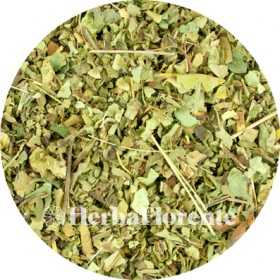
Lungwort - Pulmonaria officinalis
€5.91 €6.95 -15%
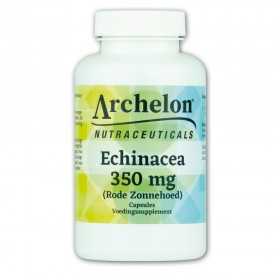
Echinacea (Red Coneflower) - 350 mg
€15.96 €19.95 -20%
Fatigue
There are 176 products.
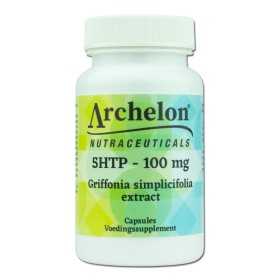
5HTP - 100 mg
5-HTP (5-hydroxytryptophan) is a natural substance extracted from the seeds of the Griffonia simplicifolia plant. Chemically related to tryptophan, 5-HTP is used as an ingredient in dietary supplements.
The body can naturally produce 5-HTP from tryptophan, but this process occurs in the body through normal metabolic pathways. 5-HTP is sold as an extract and is included in various supplements and nutritional products.
The body can naturally produce 5-HTP from tryptophan, but this process occurs in the body through normal metabolic pathways. 5-HTP is sold as an extract and is included in various supplements and nutritional products.
€26.95
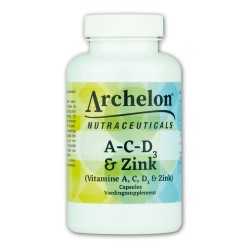
A-C-D3 & Zinc
A combination of vitamins A, C, D3, and zinc that supplements your daily diet. This supplement contains nutrients that contribute to the normal functioning of the immune system, the maintenance of bones, teeth, skin, and muscles, and various metabolic processes. Suitable as part of a varied diet.
€35.95
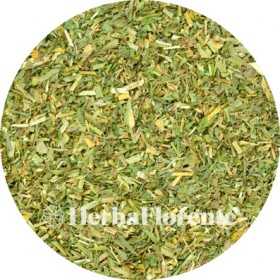
Alfalfa - Medicago sativa
Lucerne (Medicago sativa), also known as alfalfa, is a perennial plant that can live between five and twelve years, depending on the variety and climate. With a height of up to one meter and clusters of small purple flowers, the plant resembles clover. The plant has a deep and powerful root system that can extend up to 4.5 meters.
Lucerne is native to Europe and is grown worldwide as animal feed. In the Netherlands, alfalfa is mainly dried artificially for the production of protein-rich animal feed.
Lucerne is native to Europe and is grown worldwide as animal feed. In the Netherlands, alfalfa is mainly dried artificially for the production of protein-rich animal feed.
€2.00
From: €2.00
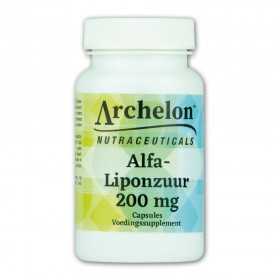
Alpha Lipoic Acid - 200 mg
Alpha-lipoic acid is a sulfur-containing, unsaturated organic acid that occurs naturally in the body. It is also found in small amounts in foods such as potatoes, broccoli, and spinach.
Alpha-lipoic acid can be produced naturally in the body, but is also found in various supplements and food products.
Alpha-lipoic acid can be produced naturally in the body, but is also found in various supplements and food products.
€40.95
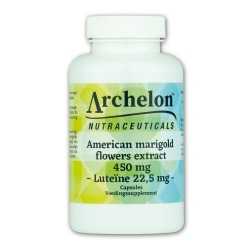
American Marigold Flowers Extract 450 mg – Lutein 22.5 mg
Lutein is a natural carotenoid pigment produced by plants and found in colorful fruits and vegetables. Our product is made from marigolds, which contain a broad spectrum of carotenoids.
Lutein is also found in dark green leafy vegetables such as spinach, kale, and broccoli, in various fruits, corn, carrots, and egg yolks. In the human body, lutein is one of the dominant pigments in the macula of the eye and the lens. Lutein is also used as a natural yellow dye and has a long history of use in foods and supplements.
Lutein is also found in dark green leafy vegetables such as spinach, kale, and broccoli, in various fruits, corn, carrots, and egg yolks. In the human body, lutein is one of the dominant pigments in the macula of the eye and the lens. Lutein is also used as a natural yellow dye and has a long history of use in foods and supplements.
€26.95
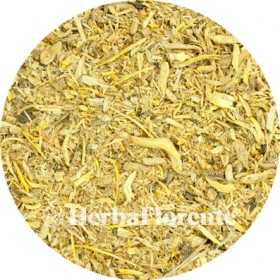
Angelica - Angelica angelicae
The great angelica, also known as archangelica, belongs to the Apiaceae family. The plant grows naturally in moist, nutrient-rich soil along waterfronts, such as those near Lake IJssel, riverbanks, and willow groves, and is also cultivated in gardens.
The plant is traditionally cultivated in various regions, from central Germany to Turkestan. An aromatic oil, known as angelica oil, is extracted from the seeds and roots and is used in cosmetics, baking, and distilling. The stems and petioles can be candied for their sweet and fragrant flavor.
The plant is traditionally cultivated in various regions, from central Germany to Turkestan. An aromatic oil, known as angelica oil, is extracted from the seeds and roots and is used in cosmetics, baking, and distilling. The stems and petioles can be candied for their sweet and fragrant flavor.
€2.60
From: €2.60
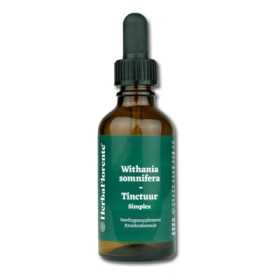
Ashwagandha (Winter Cherry) Tincture - Withania somnifera Tincture
Single herbal tincture made with dried root of Withania somnifera (Ashwagandha/Winter Cherry).
Ashwagandha, officially known as Withania somnifera, is a plant that has been used for centuries in the Ayurvedic tradition of India. Within this traditional teaching, ashwagandha is referred to as a rasayana, a term used in Ayurveda for herbs with special cultural and historical significance.
The plant belongs to the Magnoliophyta family and is also known as Indian ginseng and winter cherry. The root of the plant is traditionally used most often.
The name ashwagandha literally means "horse scent," a reference to the characteristic, earthy aroma of the fresh root.
Ashwagandha, officially known as Withania somnifera, is a plant that has been used for centuries in the Ayurvedic tradition of India. Within this traditional teaching, ashwagandha is referred to as a rasayana, a term used in Ayurveda for herbs with special cultural and historical significance.
The plant belongs to the Magnoliophyta family and is also known as Indian ginseng and winter cherry. The root of the plant is traditionally used most often.
The name ashwagandha literally means "horse scent," a reference to the characteristic, earthy aroma of the fresh root.
€10.95
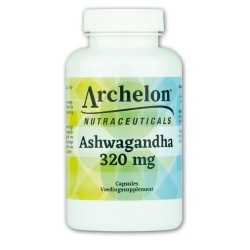
Ashwagandha - 320 mg
Ashwagandha, officially known as Withania somnifera, is a plant native to India and belongs to the Magnoliophyta family. The herb is also known as "Indian ginseng" and "winter cherry."
The name ashwagandha derives from Sanskrit and literally means "horse scent," a reference to the root's characteristic, earthy aroma. In the Ayurvedic tradition, ashwagandha is classified as a "rasayana," a term used within this tradition for certain plants.
The Latin species name somnifera means "sleep-bearing" and refers to the plant's historical name. Ashwagandha has been used in traditional herbal preparations for centuries.
The name ashwagandha derives from Sanskrit and literally means "horse scent," a reference to the root's characteristic, earthy aroma. In the Ayurvedic tradition, ashwagandha is classified as a "rasayana," a term used within this tradition for certain plants.
The Latin species name somnifera means "sleep-bearing" and refers to the plant's historical name. Ashwagandha has been used in traditional herbal preparations for centuries.
€17.95
Ashwagandha - Withania somnifera
Ashwagandha, officially known as Withania somnifera, is a plant that has been used for centuries in the Ayurvedic tradition of India. Within this traditional teaching, ashwagandha is referred to as a rasayana, a term used in Ayurveda for herbs with special cultural and historical significance.
The plant belongs to the Magnoliophyta family and is also known as Indian ginseng and winter cherry. The root of the plant is traditionally used most often.
The name ashwagandha literally means "horse scent," a reference to the characteristic, earthy aroma of the fresh root. In Indian culture, the herb is often symbolically associated with strength and vitality, similar to that of a horse.
The plant belongs to the Magnoliophyta family and is also known as Indian ginseng and winter cherry. The root of the plant is traditionally used most often.
The name ashwagandha literally means "horse scent," a reference to the characteristic, earthy aroma of the fresh root. In Indian culture, the herb is often symbolically associated with strength and vitality, similar to that of a horse.
€4.40
From: €4.40
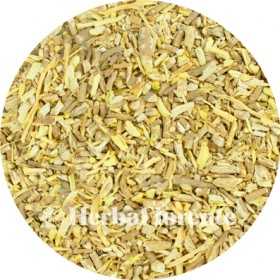
Ashwagandha - Withania somnifera - Cut
Ashwagandha, officially known as Withania somnifera, is a plant that has been used for centuries in the Ayurvedic tradition of India. Within this traditional teaching, ashwagandha is referred to as a rasayana, a term used in Ayurveda for herbs with special cultural and historical significance.
The plant belongs to the Magnoliophyta family and is also known as Indian ginseng and winter cherry. The root of the plant is traditionally used most often.
The name ashwagandha literally means "horse scent," a reference to the characteristic, earthy aroma of the fresh root. In Indian culture, the herb is often symbolically associated with strength and vitality, similar to that of a horse.
The plant belongs to the Magnoliophyta family and is also known as Indian ginseng and winter cherry. The root of the plant is traditionally used most often.
The name ashwagandha literally means "horse scent," a reference to the characteristic, earthy aroma of the fresh root. In Indian culture, the herb is often symbolically associated with strength and vitality, similar to that of a horse.
€3.00
From: €3.00
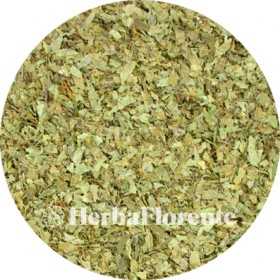
Asian Pennywort (Gotu kola) - Hydrocotyles Folium (Centella asiatica)
Centella asiatica, also known as Gotu kola (Centella asiatica), is a low-growing plant native to parts of Southeast Asia. It prefers humid areas and has played an important role in traditional systems such as Ayurveda for centuries.
Within these traditions, Centella asiatica is valued for its long history and diverse cultural applications. Due to the presence of various natural plant compounds, the plant has earned a permanent place in Asian herbal traditions.
Centella asiatica is recognizable by its creeping stems and small, rounded leaves. During the flowering period, small white to light pink flowers appear. Traditionally, the above-ground parts of the plant are primarily used.
Within these traditions, Centella asiatica is valued for its long history and diverse cultural applications. Due to the presence of various natural plant compounds, the plant has earned a permanent place in Asian herbal traditions.
Centella asiatica is recognizable by its creeping stems and small, rounded leaves. During the flowering period, small white to light pink flowers appear. Traditionally, the above-ground parts of the plant are primarily used.
€3.50
From: €3.50
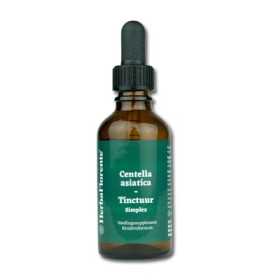
Asiatic Pennywort Tincture - Centella asiatica (Hydrocotyles) Tincture
Single herbal tincture made with dried herb of Centella asiatica (Hydrocotyles) (Asiatic Pennywort) (Gotu kola).
Centella asiatica, also known as Gotu kola (Centella asiatica), is a low-growing plant native to parts of Southeast Asia. It prefers humid areas and has played an important role in traditional systems such as Ayurveda for centuries.
Within these traditions, Centella asiatica is valued for its long history and diverse cultural applications. Due to the presence of various natural plant compounds, the plant has earned a permanent place in Asian herbal traditions.
Centella asiatica is recognizable by its creeping stems and small, rounded leaves. During the flowering period, small white to light pink flowers appear. Traditionally, the above-ground parts of the plant are primarily used.
Centella asiatica, also known as Gotu kola (Centella asiatica), is a low-growing plant native to parts of Southeast Asia. It prefers humid areas and has played an important role in traditional systems such as Ayurveda for centuries.
Within these traditions, Centella asiatica is valued for its long history and diverse cultural applications. Due to the presence of various natural plant compounds, the plant has earned a permanent place in Asian herbal traditions.
Centella asiatica is recognizable by its creeping stems and small, rounded leaves. During the flowering period, small white to light pink flowers appear. Traditionally, the above-ground parts of the plant are primarily used.
€9.95
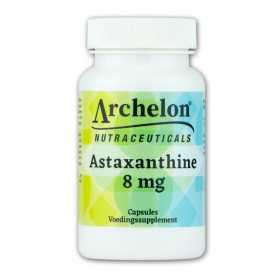
Astaxanthin - 8 mg
Astaxanthin is a naturally occurring carotenoid found in algae (Haematococcus pluvialis), as well as in various vegetables, fruits, herbs, and plants. It is a deep red pigment that belongs to the carotenoid group.
The algae Haematococcus pluvialis is known for its high natural astaxanthin content and is also called "blood rain algae" because of its color. Aquatic animals that consume this algae, such as krill, salmon, char, shrimp, lobster, and crab, acquire their characteristic pinkish-red color from it.
Astaxanthin is used as a colorant and ingredient in foods and supplements and is naturally derived.
The algae Haematococcus pluvialis is known for its high natural astaxanthin content and is also called "blood rain algae" because of its color. Aquatic animals that consume this algae, such as krill, salmon, char, shrimp, lobster, and crab, acquire their characteristic pinkish-red color from it.
Astaxanthin is used as a colorant and ingredient in foods and supplements and is naturally derived.
€32.95
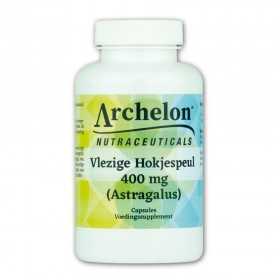
Astragalus - 400 mg
Astragalus (Astragalus membranaceus), also known as fleshy pod, is a plant native to Asia. Astragalus roots have been used in traditional Chinese herbal medicine for centuries. The plant is known for its characteristic pods and root structure. Astragalus is available in various forms, including dried root, powder, and capsules, and is widely used in herbal formulas and dietary supplements.
€15.96
€19.95
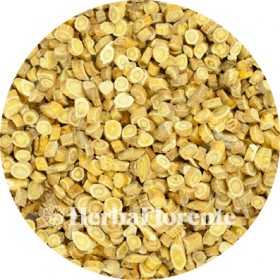
Astragalus - Astragalus chinensis membranus - Cut
Astragalus, also known as fleshy box pod (Astragalus membranaceus), is a plant native to Asia. The root of the plant has been used in traditional Chinese culture for thousands of years.
Astragalus holds an important place in this tradition and is associated with the concept of "qi," which represents life energy. Astragalus is used in a variety of applications, such as herbal teas, powders, and other herbal preparations.
The root contains various natural plant compounds and is valued for its long history of traditional use.
Astragalus holds an important place in this tradition and is associated with the concept of "qi," which represents life energy. Astragalus is used in a variety of applications, such as herbal teas, powders, and other herbal preparations.
The root contains various natural plant compounds and is valued for its long history of traditional use.
€2.60
From: €2.60
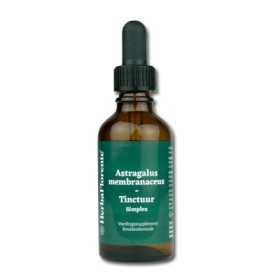
Astragalus Tincture - Astragalus membranaceus Tincture
Single herbal tincture made with dried root of Astragalus membranaceus (Astragalus).
Astragalus, also known as fleshy box pod (Astragalus membranaceus), is a plant native to Asia. The root of the plant has been used in traditional Chinese culture for thousands of years.
Astragalus holds an important place in this tradition and is associated with the concept of "qi," which represents life energy. Astragalus is used in a variety of applications, such as herbal teas, powders, and other herbal preparations.
The root contains various natural plant compounds and is valued for its long history of traditional use.
Astragalus, also known as fleshy box pod (Astragalus membranaceus), is a plant native to Asia. The root of the plant has been used in traditional Chinese culture for thousands of years.
Astragalus holds an important place in this tradition and is associated with the concept of "qi," which represents life energy. Astragalus is used in a variety of applications, such as herbal teas, powders, and other herbal preparations.
The root contains various natural plant compounds and is valued for its long history of traditional use.
€9.95
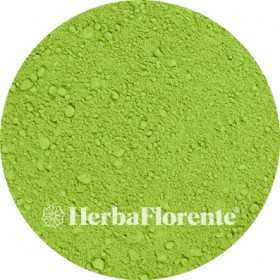
Barley grass - Hordeum vulgare
Barley grass is obtained by allowing barley to fully germinate and cutting off the green shoots when they are 20–30 cm tall. The grass is often dried and processed into powder.
Barley grass contains natural nutrients such as bioflavonoids, beta-carotene, a range of vitamins (A, B1, B2, B3, B6, B12, C, E, and K), and minerals such as calcium, phosphorus, potassium, iron, and zinc. It is also rich in chlorophyll and contains all the essential amino acids.
Barley grass contains natural nutrients such as bioflavonoids, beta-carotene, a range of vitamins (A, B1, B2, B3, B6, B12, C, E, and K), and minerals such as calcium, phosphorus, potassium, iron, and zinc. It is also rich in chlorophyll and contains all the essential amino acids.
€3.30
From: €3.30
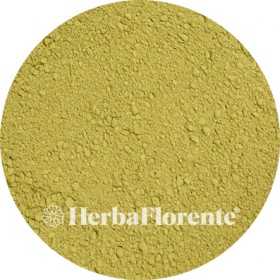
Basil - Basilici
Basil (Ocimum basilicum) is an aromatic plant in the Lamiaceae family. The name basil is derived from the Ancient Greek word basileus, meaning "king." This origin also underlies the alternative name "king's herb." Basil is native to regions between Central Africa and Southeast Asia, where it has long been valued.
Basil appears in various traditional systems and historical sources as part of cultural and herbal uses. Ancient texts and pharmacopoeias mention the plant in a variety of contexts, giving it a special place in the history of herbal traditions.
Basil is recognizable by its soft, green leaves and characteristic aroma. The plant naturally contains various aromatic and plant compounds, including essential oils and polyphenols.
Basil appears in various traditional systems and historical sources as part of cultural and herbal uses. Ancient texts and pharmacopoeias mention the plant in a variety of contexts, giving it a special place in the history of herbal traditions.
Basil is recognizable by its soft, green leaves and characteristic aroma. The plant naturally contains various aromatic and plant compounds, including essential oils and polyphenols.
€2.00
From: €2.00
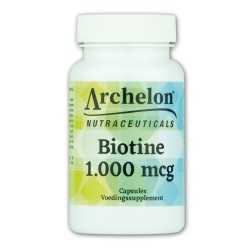
Biotin - 1,000 mcg
La biotine contribue au métabolisme énergétique normal et au fonctionnement normal du système nerveux. Elle contribue également au bon fonctionnement psychologique et au maintien de cheveux, d'une peau et de muqueuses normales.
€14.95
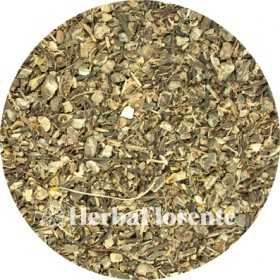
Black Cohosh - Cimicifuga Racemosa
Black cohosh (Cimicifuga racemosa), also known as black cohosh, is a plant that has been used for centuries in traditional North American herbal medicine. The roots were used by various North American tribes and are known as "squawroot."
The plant is known today for its long history of use and cultural significance. Black cohosh is increasingly sold in the Netherlands, especially as an ingredient in herbal teas, supplements, and traditional herbal blends.
The plant is known today for its long history of use and cultural significance. Black cohosh is increasingly sold in the Netherlands, especially as an ingredient in herbal teas, supplements, and traditional herbal blends.
€9.80
From: €9.80
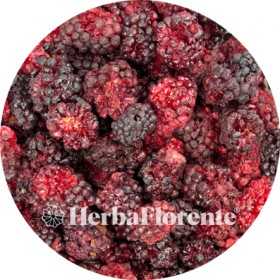
Blackberry (Fruit) - Rubus fructicosus, Frucus Rubi
Out-of-Stock
Blackberries are the dark purple to black fruits of plants in the Rubus genus. They grow naturally in temperate regions and are common along forest edges, hedgerows, and open fields. The berries are known for their full flavor and are prized worldwide in a wide variety of culinary applications.
Blackberries are traditionally used in jams, juices, desserts, pastries, and sauces, among other things. They are also eaten fresh or used as an ingredient in both classic and modern recipes. Their deep color and characteristic flavor have earned them a permanent place in the kitchen.
The striking purple color of blackberries is due to the presence of natural plant pigments, including anthocyanins.
Blackberries are traditionally used in jams, juices, desserts, pastries, and sauces, among other things. They are also eaten fresh or used as an ingredient in both classic and modern recipes. Their deep color and characteristic flavor have earned them a permanent place in the kitchen.
The striking purple color of blackberries is due to the presence of natural plant pigments, including anthocyanins.
€10.00
From: €10.00
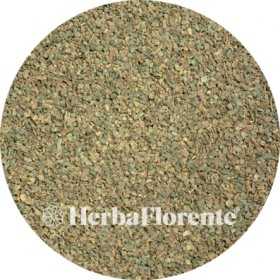
Bladderwrack Fine - Fucus vesiculosus
Bladderwrack (Fucus vesiculosus) is a species of brown algae in the genus Fucus. It is found along the northern coasts of the Atlantic and Pacific Oceans and in the North Sea and Baltic Sea, often in kelp forests. The plant is notable for the air bladders that some varieties possess, which serve as flotation devices; however, there are also varieties without these bladders.
Bladderwrack belongs to the brown algae and naturally contains various polyphenols, including phlorotannins. The plant also contains minerals such as iodine, potassium, magnesium, calcium, and iron. Because of this natural composition, bladderwrack has been included in botanical and historical descriptions of seaweeds.
Bladderwrack belongs to the brown algae and naturally contains various polyphenols, including phlorotannins. The plant also contains minerals such as iodine, potassium, magnesium, calcium, and iron. Because of this natural composition, bladderwrack has been included in botanical and historical descriptions of seaweeds.
€2.50
From: €2.50

Brain Complex - Ultra Neuro-Nootropic Formula
Brain Complex is a carefully formulated powder mix of herbs, vitamins, minerals, and enzymes. This formula was developed to complement a varied diet and a conscious lifestyle.
The ingredients have been selected with an eye for balance and coherence, resulting in a complete and user-friendly formula. Brain Complex is suitable for daily use and fits into a variety of routines, such as study, work, or an active lifestyle.
The ingredients have been selected with an eye for balance and coherence, resulting in a complete and user-friendly formula. Brain Complex is suitable for daily use and fits into a variety of routines, such as study, work, or an active lifestyle.
€149.95
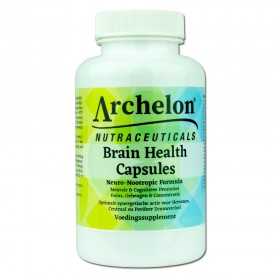
Brain Health Capsules
Brain Health Capsules are a carefully formulated combination of herbs, vitamins, minerals, and enzymes. These capsules are designed to complement a varied diet and a healthy lifestyle.
The ingredients are selected with an eye for balance and coherence, making Brain Health Capsules easy to take and flexible to fit into your daily routine. These capsules are suitable for people who value a comprehensive, plant-based formula without unnecessary additives.
The ingredients are selected with an eye for balance and coherence, making Brain Health Capsules easy to take and flexible to fit into your daily routine. These capsules are suitable for people who value a comprehensive, plant-based formula without unnecessary additives.
€54.95