



Trending
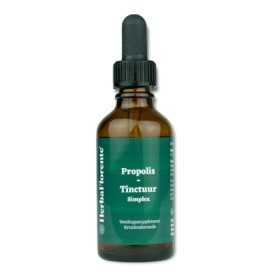
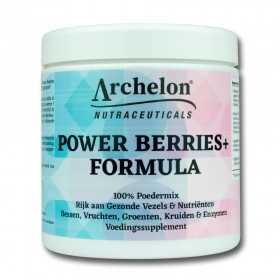
€57.50
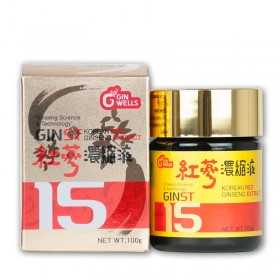
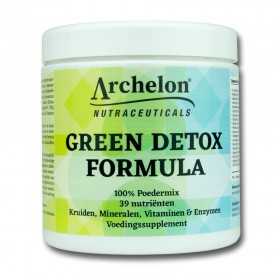
€62.50
€35.95
€62.50
€62.50
Lungwort - Pulmonaria officinalis
€5.91 €6.95 -15%
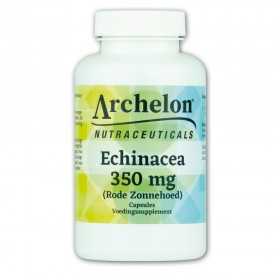
Echinacea (Red Coneflower) - 350 mg
€15.96 €19.95 -20%
Muscles
There are 78 products.
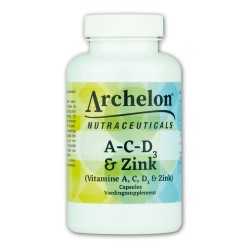
A-C-D3 & Zinc
A combination of vitamins A, C, D3, and zinc that supplements your daily diet. This supplement contains nutrients that contribute to the normal functioning of the immune system, the maintenance of bones, teeth, skin, and muscles, and various metabolic processes. Suitable as part of a varied diet.
€35.95
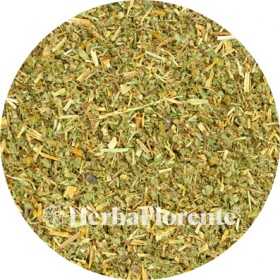
Agremonie (Common) (Church Steeples) - Agrimonia eupatoria
The common agrimony (Agrimonia eupatoria) is a herbaceous plant belonging to the rose family (Rosaceae). This plant, with its bright yellow flowers in long, slender spikes, is quite common on calcareous roadsides and dikes in Belgium and the Netherlands.
The most common use is as a tea, but the herb can also be made into a tincture.
The most common use is as a tea, but the herb can also be made into a tincture.
€2.00
From: €2.00
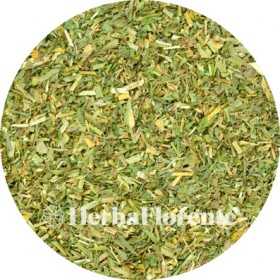
Alfalfa - Medicago sativa
Lucerne (Medicago sativa), also known as alfalfa, is a perennial plant that can live between five and twelve years, depending on the variety and climate. With a height of up to one meter and clusters of small purple flowers, the plant resembles clover. The plant has a deep and powerful root system that can extend up to 4.5 meters.
Lucerne is native to Europe and is grown worldwide as animal feed. In the Netherlands, alfalfa is mainly dried artificially for the production of protein-rich animal feed.
Lucerne is native to Europe and is grown worldwide as animal feed. In the Netherlands, alfalfa is mainly dried artificially for the production of protein-rich animal feed.
€2.00
From: €2.00
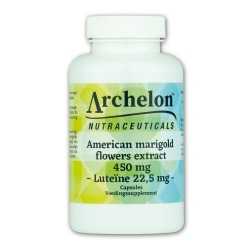
American Marigold Flowers Extract 450 mg – Lutein 22.5 mg
Lutein is a natural carotenoid pigment produced by plants and found in colorful fruits and vegetables. Our product is made from marigolds, which contain a broad spectrum of carotenoids.
Lutein is also found in dark green leafy vegetables such as spinach, kale, and broccoli, in various fruits, corn, carrots, and egg yolks. In the human body, lutein is one of the dominant pigments in the macula of the eye and the lens. Lutein is also used as a natural yellow dye and has a long history of use in foods and supplements.
Lutein is also found in dark green leafy vegetables such as spinach, kale, and broccoli, in various fruits, corn, carrots, and egg yolks. In the human body, lutein is one of the dominant pigments in the macula of the eye and the lens. Lutein is also used as a natural yellow dye and has a long history of use in foods and supplements.
€26.95
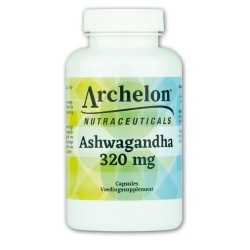
Ashwagandha - 320 mg
Ashwagandha, officially known as Withania somnifera, is a plant native to India and belongs to the Magnoliophyta family. The herb is also known as "Indian ginseng" and "winter cherry."
The name ashwagandha derives from Sanskrit and literally means "horse scent," a reference to the root's characteristic, earthy aroma. In the Ayurvedic tradition, ashwagandha is classified as a "rasayana," a term used within this tradition for certain plants.
The Latin species name somnifera means "sleep-bearing" and refers to the plant's historical name. Ashwagandha has been used in traditional herbal preparations for centuries.
The name ashwagandha derives from Sanskrit and literally means "horse scent," a reference to the root's characteristic, earthy aroma. In the Ayurvedic tradition, ashwagandha is classified as a "rasayana," a term used within this tradition for certain plants.
The Latin species name somnifera means "sleep-bearing" and refers to the plant's historical name. Ashwagandha has been used in traditional herbal preparations for centuries.
€17.95
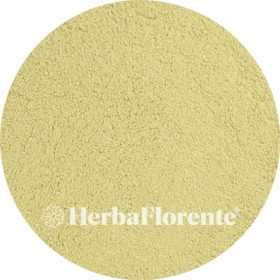
Ashwagandha - Withania somnifera
Ashwagandha, officially known as Withania somnifera, is a plant that has been used for centuries in the Ayurvedic tradition of India. Within this traditional teaching, ashwagandha is referred to as a rasayana, a term used in Ayurveda for herbs with special cultural and historical significance.
The plant belongs to the Magnoliophyta family and is also known as Indian ginseng and winter cherry. The root of the plant is traditionally used most often.
The name ashwagandha literally means "horse scent," a reference to the characteristic, earthy aroma of the fresh root. In Indian culture, the herb is often symbolically associated with strength and vitality, similar to that of a horse.
The plant belongs to the Magnoliophyta family and is also known as Indian ginseng and winter cherry. The root of the plant is traditionally used most often.
The name ashwagandha literally means "horse scent," a reference to the characteristic, earthy aroma of the fresh root. In Indian culture, the herb is often symbolically associated with strength and vitality, similar to that of a horse.
€4.40
From: €4.40
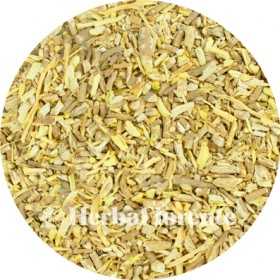
Ashwagandha - Withania somnifera - Cut
Ashwagandha, officially known as Withania somnifera, is a plant that has been used for centuries in the Ayurvedic tradition of India. Within this traditional teaching, ashwagandha is referred to as a rasayana, a term used in Ayurveda for herbs with special cultural and historical significance.
The plant belongs to the Magnoliophyta family and is also known as Indian ginseng and winter cherry. The root of the plant is traditionally used most often.
The name ashwagandha literally means "horse scent," a reference to the characteristic, earthy aroma of the fresh root. In Indian culture, the herb is often symbolically associated with strength and vitality, similar to that of a horse.
The plant belongs to the Magnoliophyta family and is also known as Indian ginseng and winter cherry. The root of the plant is traditionally used most often.
The name ashwagandha literally means "horse scent," a reference to the characteristic, earthy aroma of the fresh root. In Indian culture, the herb is often symbolically associated with strength and vitality, similar to that of a horse.
€3.00
From: €3.00
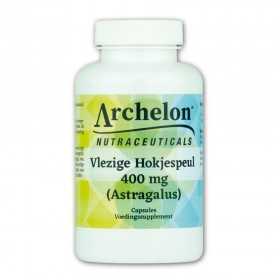
Astragalus - 400 mg
Astragalus (Astragalus membranaceus), also known as fleshy pod, is a plant native to Asia. Astragalus roots have been used in traditional Chinese herbal medicine for centuries. The plant is known for its characteristic pods and root structure. Astragalus is available in various forms, including dried root, powder, and capsules, and is widely used in herbal formulas and dietary supplements.
€15.96
€19.95
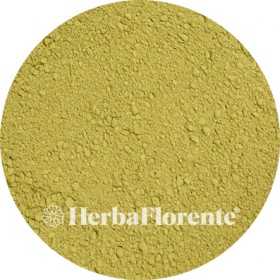
Basil - Basilici
Basil (Ocimum basilicum) is an aromatic plant in the Lamiaceae family. The name basil is derived from the Ancient Greek word basileus, meaning "king." This origin also underlies the alternative name "king's herb." Basil is native to regions between Central Africa and Southeast Asia, where it has long been valued.
Basil appears in various traditional systems and historical sources as part of cultural and herbal uses. Ancient texts and pharmacopoeias mention the plant in a variety of contexts, giving it a special place in the history of herbal traditions.
Basil is recognizable by its soft, green leaves and characteristic aroma. The plant naturally contains various aromatic and plant compounds, including essential oils and polyphenols.
Basil appears in various traditional systems and historical sources as part of cultural and herbal uses. Ancient texts and pharmacopoeias mention the plant in a variety of contexts, giving it a special place in the history of herbal traditions.
Basil is recognizable by its soft, green leaves and characteristic aroma. The plant naturally contains various aromatic and plant compounds, including essential oils and polyphenols.
€2.00
From: €2.00
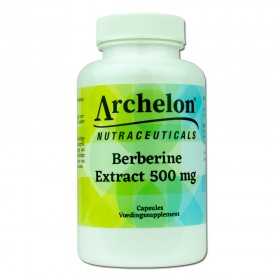
Berberine Extract - 500 mg
Berberine is a plant compound found naturally in various plants, including Berberis aristata. This shrub belongs to the Berberidaceae family and is also known as Indian barberry, chutro, or tree turmeric. Various parts of this plant are used in traditional herbal systems, such as Ayurveda.
Our berberine extract is obtained from the root of Berberis aristata. The root bark naturally contains the alkaloid berberine, a characteristic bittering agent. The extract is standardized to 97% berberine salts, ensuring a consistent and controlled composition.
Berberine has long been used in traditional herbalism and is now popular as an ingredient in nutritional supplements.
Our berberine extract is obtained from the root of Berberis aristata. The root bark naturally contains the alkaloid berberine, a characteristic bittering agent. The extract is standardized to 97% berberine salts, ensuring a consistent and controlled composition.
Berberine has long been used in traditional herbalism and is now popular as an ingredient in nutritional supplements.
€49.95
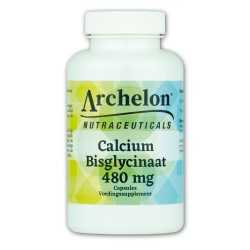
Calcium Bisglycinate - 480 mg
Calcium is an essential mineral found in the body and involved in various normal bodily processes. Calcium bisglycinate is a mineral-amino acid chelate in which calcium is bound to two glycine molecules. This form is known for its good bioavailability and is efficiently absorbed in the digestive system. Calcium bisglycinate is often chosen as part of a balanced diet and a healthy lifestyle.
€23.95
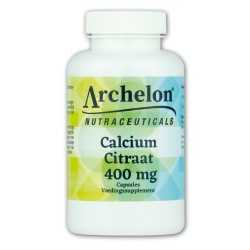
Calcium Citrate - 400 mg
Calcium is a mineral available in various forms, including calcium citrate and calcium bisglycinate. Calcium bisglycinate is a chelated form of calcium, bound to two glycine molecules, and is known for its good bioavailability. This form is widely used in dietary supplements and can be included as part of a varied and balanced diet.
€17.95
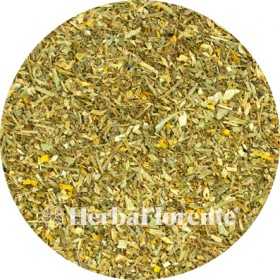
California Poppy - Eschscholzia californica
California poppy, also known as golden poppy (Eschscholtzia californica), is a plant with golden-yellow flowers belonging to the poppy family. The plant is native to California, which explains its name.
The aerial parts of the golden poppy contain various natural compounds, including quinolide alkaloids, rutin, phytosterols, carotenoids, and cyanogen glycosides. Indigenous peoples in North America used the plant for their traditional purposes.
Today, California poppy is used in herbal teas and other herbal preparations and is valued for its botanical characteristics and aromatic properties.
The aerial parts of the golden poppy contain various natural compounds, including quinolide alkaloids, rutin, phytosterols, carotenoids, and cyanogen glycosides. Indigenous peoples in North America used the plant for their traditional purposes.
Today, California poppy is used in herbal teas and other herbal preparations and is valued for its botanical characteristics and aromatic properties.
€2.40
From: €2.40
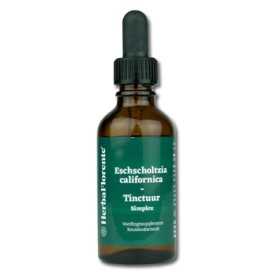
California Poppy Tincture - Eschscholtzia californica Tincture
Single herbal tincture made with dried herb of Eschscholtzia californica (California Poppy).
California poppy, also known as golden poppy (Eschscholtzia californica), is a plant with golden-yellow flowers belonging to the poppy family. The plant is native to California, which explains its name.
The aerial parts of the golden poppy contain various natural compounds, including quinolide alkaloids, rutin, phytosterols, carotenoids, and cyanogen glycosides. Indigenous peoples in North America used the plant for their traditional purposes.
Today, California poppy is used in herbal teas and other herbal preparations and is valued for its botanical characteristics and aromatic properties.
California poppy, also known as golden poppy (Eschscholtzia californica), is a plant with golden-yellow flowers belonging to the poppy family. The plant is native to California, which explains its name.
The aerial parts of the golden poppy contain various natural compounds, including quinolide alkaloids, rutin, phytosterols, carotenoids, and cyanogen glycosides. Indigenous peoples in North America used the plant for their traditional purposes.
Today, California poppy is used in herbal teas and other herbal preparations and is valued for its botanical characteristics and aromatic properties.
€10.95
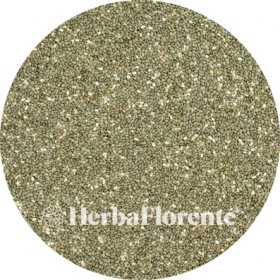
Chia seeds - Salviae Sem. Hispanica nigri albi
Chia, also known as Salvia hispanica, is a plant from the Lamiaceae family, originally from central and southern Mexico and Guatemala. The Aztecs cultivated this plant even before Columbus discovered America, and chia seeds were used as currency to the rulers. Today, chia is still prized in Mexico and Guatemala; the ground seeds are used in dishes, while whole seeds are often added to nutritious drinks.
The main purpose of growing chia is for its seeds, which are rich in omega-3 fatty acids. About 25-30% of the seed contains vegetable oil, including alpha-linolenic acid (ALA). Chia seeds are small and oval, about 1 mm in diameter, and have a color palette of brown, gray-black and white.
The main purpose of growing chia is for its seeds, which are rich in omega-3 fatty acids. About 25-30% of the seed contains vegetable oil, including alpha-linolenic acid (ALA). Chia seeds are small and oval, about 1 mm in diameter, and have a color palette of brown, gray-black and white.
€2.00
From: €2.00
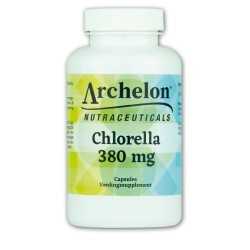
Chlorella - 380 mg
Chlorella is a single-celled green algae from the green algae family, native to lakes and rivers in Southeast Asia. The name "chlorella" comes from the Greek words chloros (green) and ella (small).
This microscopic algae naturally contains a broad spectrum of nutrients, including proteins, vitamins (such as A, B1, C, E, and K), trace elements, beta-carotene, lutein, omega-3 fatty acids, and chlorophyll. Chlorella is often used as an ingredient in nutritional supplements and is suitable for a varied and balanced diet, including vegetarians and vegans.
This microscopic algae naturally contains a broad spectrum of nutrients, including proteins, vitamins (such as A, B1, C, E, and K), trace elements, beta-carotene, lutein, omega-3 fatty acids, and chlorophyll. Chlorella is often used as an ingredient in nutritional supplements and is suitable for a varied and balanced diet, including vegetarians and vegans.
€17.95
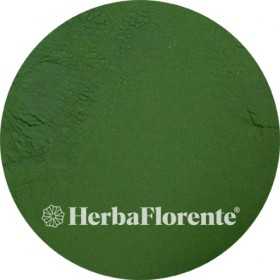
Chlorella - Chlorella
Chlorella is a single-celled green algae belonging to the green algae group. This microscopic algae occurs naturally in freshwater environments such as lakes and rivers and is cultivated worldwide. The name chlorella is derived from the Greek words chloros (green) and ella (small), which refers to its color and size.
Chlorella is known for its natural composition and is described in nutritional and botanical sources as an algae that naturally contains various nutrients, including proteins, vitamins, minerals, and fatty acids. In addition, chlorella contains chlorophyll, the green pigment that plays an essential role in photosynthesis.
Furthermore, descriptions of chlorella often mention plant-based compounds such as beta-carotene and lutein.
Chlorella is known for its natural composition and is described in nutritional and botanical sources as an algae that naturally contains various nutrients, including proteins, vitamins, minerals, and fatty acids. In addition, chlorella contains chlorophyll, the green pigment that plays an essential role in photosynthesis.
Furthermore, descriptions of chlorella often mention plant-based compounds such as beta-carotene and lutein.
€4.60
From: €4.60
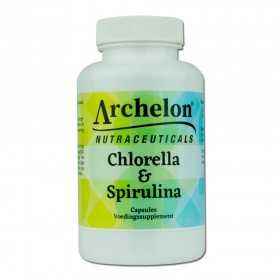
Chlorella 200 mg & Spirulina 200 mg
This dietary supplement combines chlorella and spirulina, two single-celled algae naturally rich in nutrients such as protein, vitamins, and minerals. Together, they form a natural source of diverse nutrients and can be included as part of a varied and balanced diet.
€19.95
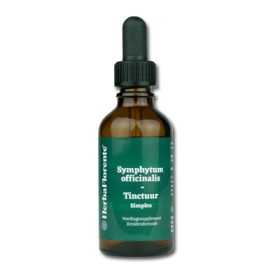
Comfrey Tincture - Symphytum officinalis Tincture
Single herbal tincture made with dried root of Symphytum officinalis (Comfrey).
Common comfrey (Symphytum officinale) is common in the Netherlands and Belgium. It belongs to the Boraginaceae family, a genus of primarily perennial herbs. The flowers have a calyx that is quarter- or completely incised, while the leaves are oblong to lance-shaped and spread out along the stem.
Traditionally, comfrey was used in folk medicine to make ointments, poultices, and compresses.
Common comfrey (Symphytum officinale) is common in the Netherlands and Belgium. It belongs to the Boraginaceae family, a genus of primarily perennial herbs. The flowers have a calyx that is quarter- or completely incised, while the leaves are oblong to lance-shaped and spread out along the stem.
Traditionally, comfrey was used in folk medicine to make ointments, poultices, and compresses.
€12.95
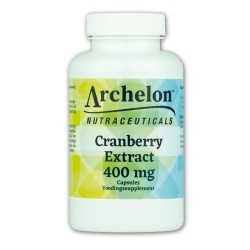
Cranberry Extract - 400 mg
Cranberry (Vaccinium macrocarpon). Cranberries are small, red berries that naturally contain anthocyanins, pigments belonging to the flavonoid family and responsible for their vibrant color. Anthocyanins are found in many vegetables, fruits, and herbs. Cranberries also provide a wide range of nutrients, including vitamins, minerals, and antioxidants, and are often included in dietary supplements as part of a varied and balanced diet.
€34.95
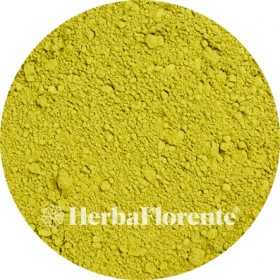
Damiana - Damianae mex. (Turnera diffusa) - Grounded
Damiana (Turnera diffusa) is a shrub native to southern Texas, Mexico, Central and South America, and the Caribbean. The plant belongs to the Passifloraceae family and is known for its aromatic leaves.
In Mexico and other parts of Latin America, damiana has been used for centuries in culinary and cultural traditions. The leaves are made into herbal teas and sometimes smoked, among other things. Damiana is also a traditional ingredient in Mexican liqueurs and is sometimes used in cocktails, such as margaritas, where it complements the flavor or replaces part of the liqueur.
Damiana leaves naturally contain various plant compounds, such as beta-sitosterol, arbutin, and various alkaloids.
In Mexico and other parts of Latin America, damiana has been used for centuries in culinary and cultural traditions. The leaves are made into herbal teas and sometimes smoked, among other things. Damiana is also a traditional ingredient in Mexican liqueurs and is sometimes used in cocktails, such as margaritas, where it complements the flavor or replaces part of the liqueur.
Damiana leaves naturally contain various plant compounds, such as beta-sitosterol, arbutin, and various alkaloids.
€4.40
From: €4.40
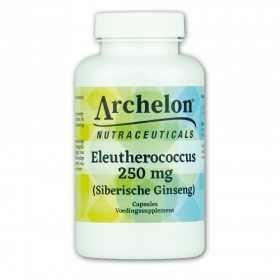
Eleutherococcus (Siberian Ginseng) - 250 mg
Siberian ginseng is a perennial plant native to Russia, Japan, Korea, and China. The roots of the plant have been used in traditional herbal medicine for centuries. Siberian ginseng is often used in supplements and herbal preparations. It is important not to confuse this species with Korean ginseng (Panax ginseng) or American ginseng (Panax quinquefolius), as they are different plants.
€14.36
€17.95
Eleutherococcus (Siberian Ginseng) - Eleutherococcus
Siberian ginseng (Eleutherococcus senticosus) is a shrubby plant native to parts of Russia, China, Korea, and Japan. The plant belongs to the Araliaceae family and is botanically related to, but distinct from, the better-known Panax species such as Korean ginseng (Panax ginseng) and American ginseng (Panax quinquefolius).
The roots of Siberian ginseng have long been mentioned in East Asian and Russian botanical literature. These historical and cultural sources describe the plant as part of traditional practices. This long history of use has also led to Siberian ginseng becoming known beyond its native range.
The roots of Siberian ginseng have long been mentioned in East Asian and Russian botanical literature. These historical and cultural sources describe the plant as part of traditional practices. This long history of use has also led to Siberian ginseng becoming known beyond its native range.
€2.80
From: €2.80
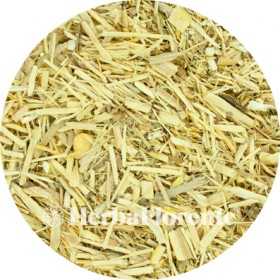
Eleutherococcus (Siberian Ginseng) - Eleutherococcus - Cut
Siberian ginseng (Eleutherococcus senticosus) is a shrubby plant native to parts of Russia, China, Korea, and Japan. The plant belongs to the Araliaceae family and is botanically related to, but distinct from, the better-known Panax species such as Korean ginseng (Panax ginseng) and American ginseng (Panax quinquefolius).
The roots of Siberian ginseng have long been mentioned in East Asian and Russian botanical literature. These historical and cultural sources describe the plant as part of traditional practices. This long history of use has also led to Siberian ginseng becoming known beyond its native range.
The roots of Siberian ginseng have long been mentioned in East Asian and Russian botanical literature. These historical and cultural sources describe the plant as part of traditional practices. This long history of use has also led to Siberian ginseng becoming known beyond its native range.
€2.20
From: €2.20