



Trending
€57.50
€62.50

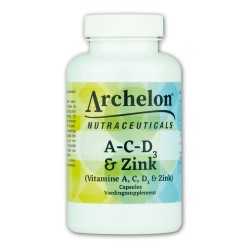
€35.95
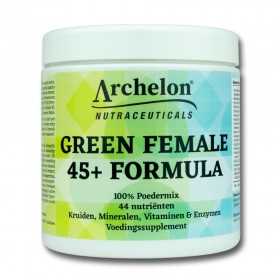
€62.50
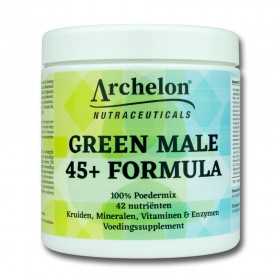
€62.50
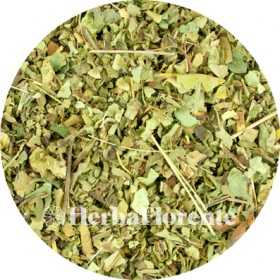
Lungwort - Pulmonaria officinalis
€5.91 €6.95 -15%
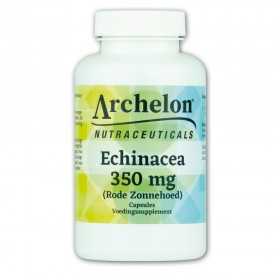
Echinacea (Red Coneflower) - 350 mg
€15.96 €19.95 -20%
Blood sugar
There are 90 products.
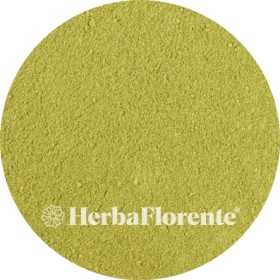
Artichoke - Cynaria scolmycus
The artichoke (Cynara scolymus) is a plant native to the Mediterranean region. The green or purple flower buds are often eaten as a vegetable and are known for their slightly bitter, aromatic flavor. The plant has been used for centuries in various cuisines and preparations.
Artichokes contain a wide range of nutrients and phytonutrients. These include beta-carotene, vitamin C, vitamin B, and minerals such as calcium, magnesium, and potassium. They also contain flavonoids, enzymes, and tannins, which contribute to the characteristic color and flavor of the flower buds.
Thanks to their rich flavor and unique texture, artichokes are popular in salads, soups, pastas, and various culinary dishes.
Artichokes contain a wide range of nutrients and phytonutrients. These include beta-carotene, vitamin C, vitamin B, and minerals such as calcium, magnesium, and potassium. They also contain flavonoids, enzymes, and tannins, which contribute to the characteristic color and flavor of the flower buds.
Thanks to their rich flavor and unique texture, artichokes are popular in salads, soups, pastas, and various culinary dishes.
€3.30
From: €3.30
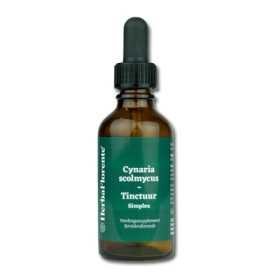
Artichoke Tincture - Cynaria scolmycus Tincture
Single herbal tincture made with dried leaf of Cynaria scolmycus (Artichoke).
The artichoke is a plant native to the Mediterranean region. The green or purple flower buds are often eaten as a vegetable and are known for their slightly bitter, aromatic flavor. The plant has been used for centuries in various cuisines and preparations.
Artichokes contain a wide range of nutrients and phytonutrients. They contain beta-carotene, vitamin C, vitamin B, and minerals such as calcium, magnesium, and potassium. They also contain flavonoids, enzymes, and tannins, which contribute to the characteristic color and flavor of the flower buds.
Thanks to their rich flavor and unique texture, artichokes are popular in salads, soups, pastas, and various culinary dishes.
The artichoke is a plant native to the Mediterranean region. The green or purple flower buds are often eaten as a vegetable and are known for their slightly bitter, aromatic flavor. The plant has been used for centuries in various cuisines and preparations.
Artichokes contain a wide range of nutrients and phytonutrients. They contain beta-carotene, vitamin C, vitamin B, and minerals such as calcium, magnesium, and potassium. They also contain flavonoids, enzymes, and tannins, which contribute to the characteristic color and flavor of the flower buds.
Thanks to their rich flavor and unique texture, artichokes are popular in salads, soups, pastas, and various culinary dishes.
€9.95
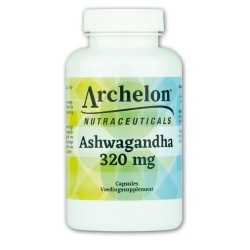
Ashwagandha - 320 mg
Ashwagandha, officially known as Withania somnifera, is a plant native to India and belongs to the Magnoliophyta family. The herb is also known as "Indian ginseng" and "winter cherry."
The name ashwagandha derives from Sanskrit and literally means "horse scent," a reference to the root's characteristic, earthy aroma. In the Ayurvedic tradition, ashwagandha is classified as a "rasayana," a term used within this tradition for certain plants.
The Latin species name somnifera means "sleep-bearing" and refers to the plant's historical name. Ashwagandha has been used in traditional herbal preparations for centuries.
The name ashwagandha derives from Sanskrit and literally means "horse scent," a reference to the root's characteristic, earthy aroma. In the Ayurvedic tradition, ashwagandha is classified as a "rasayana," a term used within this tradition for certain plants.
The Latin species name somnifera means "sleep-bearing" and refers to the plant's historical name. Ashwagandha has been used in traditional herbal preparations for centuries.
€17.95
Ashwagandha - Withania somnifera
Ashwagandha, officially known as Withania somnifera, is a plant that has been used for centuries in the Ayurvedic tradition of India. Within this traditional teaching, ashwagandha is referred to as a rasayana, a term used in Ayurveda for herbs with special cultural and historical significance.
The plant belongs to the Magnoliophyta family and is also known as Indian ginseng and winter cherry. The root of the plant is traditionally used most often.
The name ashwagandha literally means "horse scent," a reference to the characteristic, earthy aroma of the fresh root. In Indian culture, the herb is often symbolically associated with strength and vitality, similar to that of a horse.
The plant belongs to the Magnoliophyta family and is also known as Indian ginseng and winter cherry. The root of the plant is traditionally used most often.
The name ashwagandha literally means "horse scent," a reference to the characteristic, earthy aroma of the fresh root. In Indian culture, the herb is often symbolically associated with strength and vitality, similar to that of a horse.
€4.40
From: €4.40
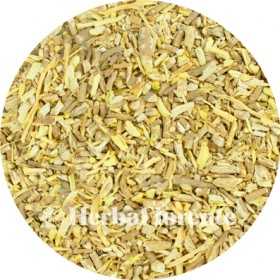
Ashwagandha - Withania somnifera - Cut
Ashwagandha, officially known as Withania somnifera, is a plant that has been used for centuries in the Ayurvedic tradition of India. Within this traditional teaching, ashwagandha is referred to as a rasayana, a term used in Ayurveda for herbs with special cultural and historical significance.
The plant belongs to the Magnoliophyta family and is also known as Indian ginseng and winter cherry. The root of the plant is traditionally used most often.
The name ashwagandha literally means "horse scent," a reference to the characteristic, earthy aroma of the fresh root. In Indian culture, the herb is often symbolically associated with strength and vitality, similar to that of a horse.
The plant belongs to the Magnoliophyta family and is also known as Indian ginseng and winter cherry. The root of the plant is traditionally used most often.
The name ashwagandha literally means "horse scent," a reference to the characteristic, earthy aroma of the fresh root. In Indian culture, the herb is often symbolically associated with strength and vitality, similar to that of a horse.
€3.00
From: €3.00
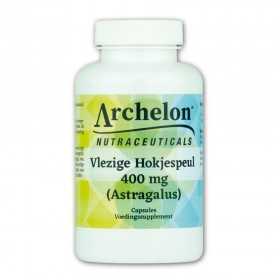
Astragalus - 400 mg
Astragalus (Astragalus membranaceus), also known as fleshy pod, is a plant native to Asia. Astragalus roots have been used in traditional Chinese herbal medicine for centuries. The plant is known for its characteristic pods and root structure. Astragalus is available in various forms, including dried root, powder, and capsules, and is widely used in herbal formulas and dietary supplements.
€15.96
€19.95
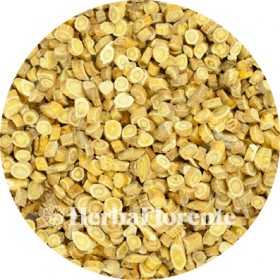
Astragalus - Astragalus chinensis membranus - Cut
Astragalus, also known as fleshy box pod (Astragalus membranaceus), is a plant native to Asia. The root of the plant has been used in traditional Chinese culture for thousands of years.
Astragalus holds an important place in this tradition and is associated with the concept of "qi," which represents life energy. Astragalus is used in a variety of applications, such as herbal teas, powders, and other herbal preparations.
The root contains various natural plant compounds and is valued for its long history of traditional use.
Astragalus holds an important place in this tradition and is associated with the concept of "qi," which represents life energy. Astragalus is used in a variety of applications, such as herbal teas, powders, and other herbal preparations.
The root contains various natural plant compounds and is valued for its long history of traditional use.
€2.60
From: €2.60
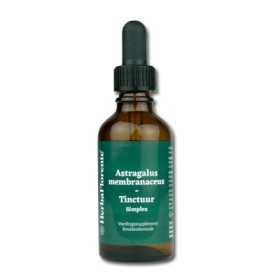
Astragalus Tincture - Astragalus membranaceus Tincture
Single herbal tincture made with dried root of Astragalus membranaceus (Astragalus).
Astragalus, also known as fleshy box pod (Astragalus membranaceus), is a plant native to Asia. The root of the plant has been used in traditional Chinese culture for thousands of years.
Astragalus holds an important place in this tradition and is associated with the concept of "qi," which represents life energy. Astragalus is used in a variety of applications, such as herbal teas, powders, and other herbal preparations.
The root contains various natural plant compounds and is valued for its long history of traditional use.
Astragalus, also known as fleshy box pod (Astragalus membranaceus), is a plant native to Asia. The root of the plant has been used in traditional Chinese culture for thousands of years.
Astragalus holds an important place in this tradition and is associated with the concept of "qi," which represents life energy. Astragalus is used in a variety of applications, such as herbal teas, powders, and other herbal preparations.
The root contains various natural plant compounds and is valued for its long history of traditional use.
€9.95
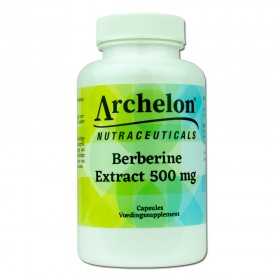
Berberine Extract - 500 mg
Berberine is a plant compound found naturally in various plants, including Berberis aristata. This shrub belongs to the Berberidaceae family and is also known as Indian barberry, chutro, or tree turmeric. Various parts of this plant are used in traditional herbal systems, such as Ayurveda.
Our berberine extract is obtained from the root of Berberis aristata. The root bark naturally contains the alkaloid berberine, a characteristic bittering agent. The extract is standardized to 97% berberine salts, ensuring a consistent and controlled composition.
Berberine has long been used in traditional herbalism and is now popular as an ingredient in nutritional supplements.
Our berberine extract is obtained from the root of Berberis aristata. The root bark naturally contains the alkaloid berberine, a characteristic bittering agent. The extract is standardized to 97% berberine salts, ensuring a consistent and controlled composition.
Berberine has long been used in traditional herbalism and is now popular as an ingredient in nutritional supplements.
€49.95
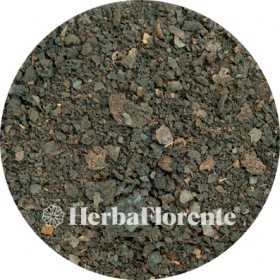
Black Walnut - Juglandis nigrum
The shell of the black walnut (Juglans nigra) is obtained from the immature fruit of the tree. The black walnut, also known as the "black nut," is a type of walnut native to the United States and Canada. The tree belongs to the walnut family.
The black walnut fruit is dark brown and has a distinctive aroma that differs from that of European walnuts. They are sometimes processed into extracts or tinctures, preserving their natural compounds. The fruit is edible and contains polyphenols, tannins, juglone, tannins, and omega fatty acids, among other nutrients.
The common walnut (Juglans regia) is widely used in food and culinary applications for its edible nuts.
The black walnut fruit is dark brown and has a distinctive aroma that differs from that of European walnuts. They are sometimes processed into extracts or tinctures, preserving their natural compounds. The fruit is edible and contains polyphenols, tannins, juglone, tannins, and omega fatty acids, among other nutrients.
The common walnut (Juglans regia) is widely used in food and culinary applications for its edible nuts.
€2.50
From: €2.50
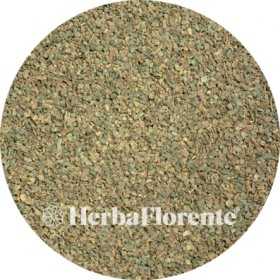
Bladderwrack Fine - Fucus vesiculosus
Bladderwrack (Fucus vesiculosus) is a species of brown algae in the genus Fucus. It is found along the northern coasts of the Atlantic and Pacific Oceans and in the North Sea and Baltic Sea, often in kelp forests. The plant is notable for the air bladders that some varieties possess, which serve as flotation devices; however, there are also varieties without these bladders.
Bladderwrack belongs to the brown algae and naturally contains various polyphenols, including phlorotannins. The plant also contains minerals such as iodine, potassium, magnesium, calcium, and iron. Because of this natural composition, bladderwrack has been included in botanical and historical descriptions of seaweeds.
Bladderwrack belongs to the brown algae and naturally contains various polyphenols, including phlorotannins. The plant also contains minerals such as iodine, potassium, magnesium, calcium, and iron. Because of this natural composition, bladderwrack has been included in botanical and historical descriptions of seaweeds.
€2.50
From: €2.50
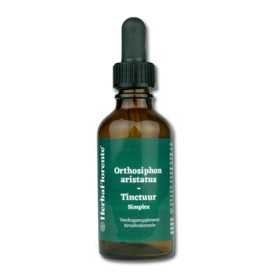
Cat's whiskers Tincture - Orthosiphon aristatus Tincture
Single herbal tincture made with dried herb of Orthosiphon aristatus (Cat's whiskers).
Cat's whiskers, also known as Kumis Kutjing, is a plant traditionally used in various Asian herbal traditions. The species belongs to the Lamiaceae family and is native to tropical and subtropical regions, particularly Southeast Asia, including Malaysia and Java.
The plant prefers moist habitats, such as wetlands, riverbanks, and swampy areas. Cat's whiskers is most recognizable by its white to pale lilac flowers with strikingly long, thread-like stamens that can grow up to approximately three centimeters long. These characteristics have led to the Dutch name "kattensnor" (cat's whiskers).
Cat's whiskers, also known as Kumis Kutjing, is a plant traditionally used in various Asian herbal traditions. The species belongs to the Lamiaceae family and is native to tropical and subtropical regions, particularly Southeast Asia, including Malaysia and Java.
The plant prefers moist habitats, such as wetlands, riverbanks, and swampy areas. Cat's whiskers is most recognizable by its white to pale lilac flowers with strikingly long, thread-like stamens that can grow up to approximately three centimeters long. These characteristics have led to the Dutch name "kattensnor" (cat's whiskers).
€10.95
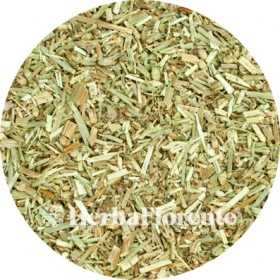
Chicory (Herb) - Cichorium Intybus
Chicory (Cichorium) belongs to the composite family (Compositae or Asteraceae) and includes well-known vegetables such as chicory and endive. It is mainly consumed for health reasons.
Since the late years of the twentieth century, chicory roots have been cultivated not only for chicory, but also for the production of inulin and sweeteners, especially fructose. Both inulin (a dietary fiber) and fructose are widely used in the food industry.
Roasted chicory root is used as a coffee substitute or as an ingredient in coffee brewing. In the past, this was done out of necessity, such as during the Napoleonic blockade during the French occupation.
Since the late years of the twentieth century, chicory roots have been cultivated not only for chicory, but also for the production of inulin and sweeteners, especially fructose. Both inulin (a dietary fiber) and fructose are widely used in the food industry.
Roasted chicory root is used as a coffee substitute or as an ingredient in coffee brewing. In the past, this was done out of necessity, such as during the Napoleonic blockade during the French occupation.
€2.00
From: €2.00
Chlorella - Chlorella
Chlorella is a single-celled green algae belonging to the green algae group. This microscopic algae occurs naturally in freshwater environments such as lakes and rivers and is cultivated worldwide. The name chlorella is derived from the Greek words chloros (green) and ella (small), which refers to its color and size.
Chlorella is known for its natural composition and is described in nutritional and botanical sources as an algae that naturally contains various nutrients, including proteins, vitamins, minerals, and fatty acids. In addition, chlorella contains chlorophyll, the green pigment that plays an essential role in photosynthesis.
Furthermore, descriptions of chlorella often mention plant-based compounds such as beta-carotene and lutein.
Chlorella is known for its natural composition and is described in nutritional and botanical sources as an algae that naturally contains various nutrients, including proteins, vitamins, minerals, and fatty acids. In addition, chlorella contains chlorophyll, the green pigment that plays an essential role in photosynthesis.
Furthermore, descriptions of chlorella often mention plant-based compounds such as beta-carotene and lutein.
€4.60
From: €4.60
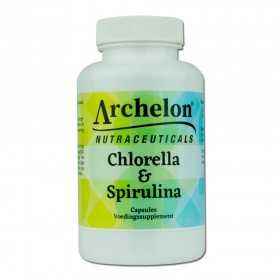
Chlorella 200 mg & Spirulina 200 mg
This dietary supplement combines chlorella and spirulina, two single-celled algae naturally rich in nutrients such as protein, vitamins, and minerals. Together, they form a natural source of diverse nutrients and can be included as part of a varied and balanced diet.
€19.95
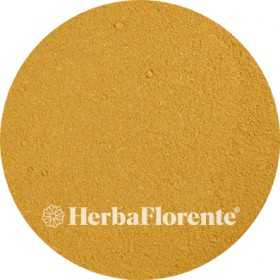
Cinnamon - Cinnamomi ceylon
Cinnamon (Cinnamomum ceylon) is an ancient spice extracted from the bark of the cinnamon tree. A section of the bark is carefully cut away, after which the rough outer layer is removed. The familiar cinnamon sticks or cinnamon powder are created from the inner layer of the bark. Cinnamon has been valued for centuries for its culinary and cultural uses.
In Asian and other cultures, cinnamon is traditionally used for various purposes, with its delightful aroma playing a significant role. This aroma is primarily determined by the volatile oil cinnamaldehyde. Cinnamon also naturally contains substances such as eugenol, coumarins, tannins, OPCs, and terpenes.
In Asian and other cultures, cinnamon is traditionally used for various purposes, with its delightful aroma playing a significant role. This aroma is primarily determined by the volatile oil cinnamaldehyde. Cinnamon also naturally contains substances such as eugenol, coumarins, tannins, OPCs, and terpenes.
€2.95
From: €2.95
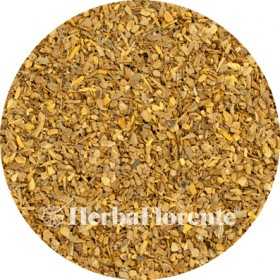
Cinnamon - Cinnamomi ceylon - Cut
Cinnamon (Cinnamomum ceylon) is an ancient spice extracted from the bark of the cinnamon tree. A section of the bark is carefully cut away, after which the rough outer layer is removed. The familiar cinnamon sticks or cinnamon powder are created from the inner layer of the bark. Cinnamon has been valued for centuries for its culinary and cultural uses.
In Asian and other cultures, cinnamon is traditionally used for various purposes, with its delightful aroma playing a significant role. This aroma is primarily determined by the volatile oil cinnamaldehyde. Cinnamon also naturally contains substances such as eugenol, coumarins, tannins, OPCs, and terpenes.
In Asian and other cultures, cinnamon is traditionally used for various purposes, with its delightful aroma playing a significant role. This aroma is primarily determined by the volatile oil cinnamaldehyde. Cinnamon also naturally contains substances such as eugenol, coumarins, tannins, OPCs, and terpenes.
€3.00
From: €3.00
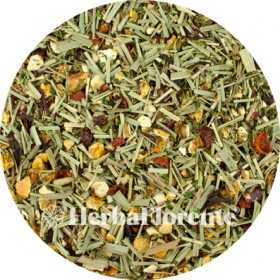
Citrus Blend Herbal Tea
Herbal tea composed of various herbs
Delicious for every moment
Delicious for every moment
€3.95
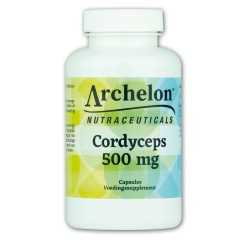
Cordyceps - 500 mg
Cordyceps (Cordyceps sinensis) is a mushroom native to the Far East and belongs to the fungus family. This fungus lives as a parasite on the caterpillars of certain moths, from which the characteristic club-shaped fruiting bodies develop. The name "Cordyceps" is derived from the Latin "cordy" (club) and "ceps" (head), while "sinensis" means "Chinese." In the Netherlands, this mushroom is also known as "caterpillar fungus" or "Chinese caterpillar killer." Cordyceps is offered in nutritional supplements as part of a varied and balanced diet.
€34.95
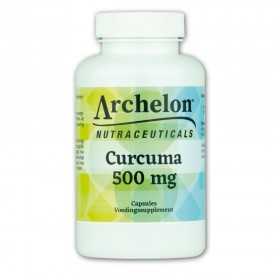
Curcuma - 500 mg
Turmeric, also known as yellow root, is a spice native to the tropical regions of India and Southeast Asia. The root powder is widely used in Asian cuisine and is known in the Netherlands as yellow root because of the striking yellow color it can impart to dishes like curry and mustard. Turmeric contains natural pigments and bioactive compounds and is used in nutritional supplements as part of a varied and balanced diet.
€19.95
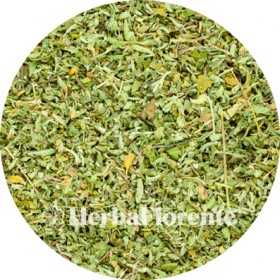
Damiana - Damianae mex. (Turnera diffusa) - Cut
Damiana (Turnera diffusa) is a shrub native to southern Texas, Mexico, Central and South America, and the Caribbean. The plant belongs to the Passifloraceae family and is known for its aromatic leaves.
In Mexico and other parts of Latin America, damiana has been used for centuries in culinary and cultural traditions. The leaves are made into herbal teas and sometimes smoked, among other things. Damiana is also a traditional ingredient in Mexican liqueurs and is sometimes used in cocktails, such as margaritas, where it complements the flavor or replaces part of the liqueur.
Damiana leaves naturally contain various plant compounds, such as beta-sitosterol, arbutin, and various alkaloids.
In Mexico and other parts of Latin America, damiana has been used for centuries in culinary and cultural traditions. The leaves are made into herbal teas and sometimes smoked, among other things. Damiana is also a traditional ingredient in Mexican liqueurs and is sometimes used in cocktails, such as margaritas, where it complements the flavor or replaces part of the liqueur.
Damiana leaves naturally contain various plant compounds, such as beta-sitosterol, arbutin, and various alkaloids.
€4.60
From: €4.60
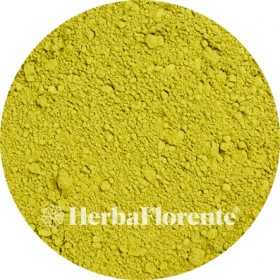
Damiana - Damianae mex. (Turnera diffusa) - Grounded
Damiana (Turnera diffusa) is a shrub native to southern Texas, Mexico, Central and South America, and the Caribbean. The plant belongs to the Passifloraceae family and is known for its aromatic leaves.
In Mexico and other parts of Latin America, damiana has been used for centuries in culinary and cultural traditions. The leaves are made into herbal teas and sometimes smoked, among other things. Damiana is also a traditional ingredient in Mexican liqueurs and is sometimes used in cocktails, such as margaritas, where it complements the flavor or replaces part of the liqueur.
Damiana leaves naturally contain various plant compounds, such as beta-sitosterol, arbutin, and various alkaloids.
In Mexico and other parts of Latin America, damiana has been used for centuries in culinary and cultural traditions. The leaves are made into herbal teas and sometimes smoked, among other things. Damiana is also a traditional ingredient in Mexican liqueurs and is sometimes used in cocktails, such as margaritas, where it complements the flavor or replaces part of the liqueur.
Damiana leaves naturally contain various plant compounds, such as beta-sitosterol, arbutin, and various alkaloids.
€4.40
From: €4.40
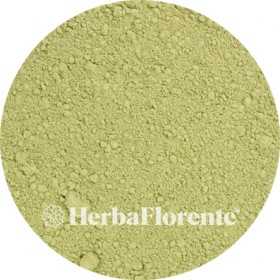
Dandelion (Herb & Root) - Taraxum officinale
Dandelion (Taraxacum officinale) is a plant that has been used for centuries in various cultures. Both the root and the aerial parts of the plant are used and are known for their versatile uses.
The young leaves of the dandelion are traditionally used in dishes such as salads, especially in spring. The yellow flowers can be used as decoration and are also suitable for drying and making into herbal tea.
Dandelions naturally contain various plant compounds, including bitter substances, flavonoids, and fatty acids. They are also a source of vitamins, such as B vitamins and vitamin C, and contain minerals such as calcium, magnesium, zinc, and manganese. Because of this composition, the dandelion is valued as an edible wild plant in herbal culture.
The young leaves of the dandelion are traditionally used in dishes such as salads, especially in spring. The yellow flowers can be used as decoration and are also suitable for drying and making into herbal tea.
Dandelions naturally contain various plant compounds, including bitter substances, flavonoids, and fatty acids. They are also a source of vitamins, such as B vitamins and vitamin C, and contain minerals such as calcium, magnesium, zinc, and manganese. Because of this composition, the dandelion is valued as an edible wild plant in herbal culture.
€2.40
From: €2.40
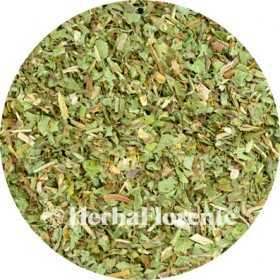
Dandelion (Herb) - Taraxum officinale - Cut
Dandelion (Taraxacum officinale) is a plant that has been used for centuries in various cultures. Both the root and the aerial parts of the plant are used and are known for their versatile uses.
The young leaves of the dandelion are traditionally used in dishes such as salads, especially in spring. The yellow flowers can be used as decoration and are also suitable for drying and making into herbal tea.
Dandelions naturally contain various plant compounds, including bitter substances, flavonoids, and fatty acids. They are also a source of vitamins, such as B vitamins and vitamin C, and contain minerals such as calcium, magnesium, zinc, and manganese. Because of this composition, the dandelion is valued as an edible wild plant in herbal culture.
The young leaves of the dandelion are traditionally used in dishes such as salads, especially in spring. The yellow flowers can be used as decoration and are also suitable for drying and making into herbal tea.
Dandelions naturally contain various plant compounds, including bitter substances, flavonoids, and fatty acids. They are also a source of vitamins, such as B vitamins and vitamin C, and contain minerals such as calcium, magnesium, zinc, and manganese. Because of this composition, the dandelion is valued as an edible wild plant in herbal culture.
€2.50
From: €2.50