



Trending
€57.50
€62.50

€35.95
€62.50
€62.50
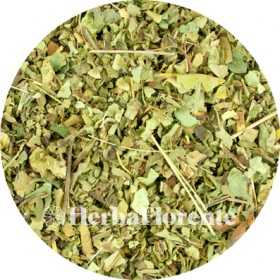
Lungwort - Pulmonaria officinalis
€5.91 €6.95 -15%
Echinacea (Red Coneflower) - 350 mg
€15.96 €19.95 -20%
Lose weight
There are 45 products.
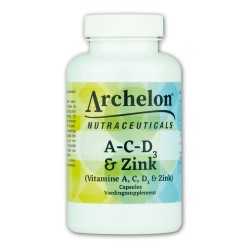
A-C-D3 & Zinc
A combination of vitamins A, C, D3, and zinc that supplements your daily diet. This supplement contains nutrients that contribute to the normal functioning of the immune system, the maintenance of bones, teeth, skin, and muscles, and various metabolic processes. Suitable as part of a varied diet.
€35.95
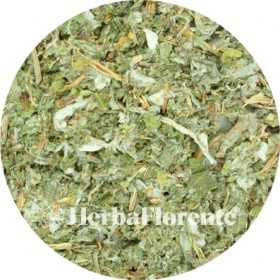
Artichoke - Cynaria scolmycus - Cut
The artichoke (Cynara scolymus) is a plant native to the Mediterranean region. The green or purple flower buds are often eaten as a vegetable and are known for their slightly bitter, aromatic flavor. The plant has been used for centuries in various cuisines and preparations.
Artichokes contain a wide range of nutrients and phytonutrients. These include beta-carotene, vitamin C, vitamin B, and minerals such as calcium, magnesium, and potassium. They also contain flavonoids, enzymes, and tannins, which contribute to the characteristic color and flavor of the flower buds.
Thanks to their rich flavor and unique texture, artichokes are popular in salads, soups, pastas, and various culinary dishes.
Artichokes contain a wide range of nutrients and phytonutrients. These include beta-carotene, vitamin C, vitamin B, and minerals such as calcium, magnesium, and potassium. They also contain flavonoids, enzymes, and tannins, which contribute to the characteristic color and flavor of the flower buds.
Thanks to their rich flavor and unique texture, artichokes are popular in salads, soups, pastas, and various culinary dishes.
€2.00
From: €2.00
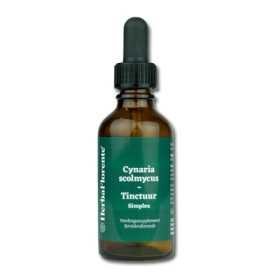
Artichoke Tincture - Cynaria scolmycus Tincture
Single herbal tincture made with dried leaf of Cynaria scolmycus (Artichoke).
The artichoke is a plant native to the Mediterranean region. The green or purple flower buds are often eaten as a vegetable and are known for their slightly bitter, aromatic flavor. The plant has been used for centuries in various cuisines and preparations.
Artichokes contain a wide range of nutrients and phytonutrients. They contain beta-carotene, vitamin C, vitamin B, and minerals such as calcium, magnesium, and potassium. They also contain flavonoids, enzymes, and tannins, which contribute to the characteristic color and flavor of the flower buds.
Thanks to their rich flavor and unique texture, artichokes are popular in salads, soups, pastas, and various culinary dishes.
The artichoke is a plant native to the Mediterranean region. The green or purple flower buds are often eaten as a vegetable and are known for their slightly bitter, aromatic flavor. The plant has been used for centuries in various cuisines and preparations.
Artichokes contain a wide range of nutrients and phytonutrients. They contain beta-carotene, vitamin C, vitamin B, and minerals such as calcium, magnesium, and potassium. They also contain flavonoids, enzymes, and tannins, which contribute to the characteristic color and flavor of the flower buds.
Thanks to their rich flavor and unique texture, artichokes are popular in salads, soups, pastas, and various culinary dishes.
€9.95
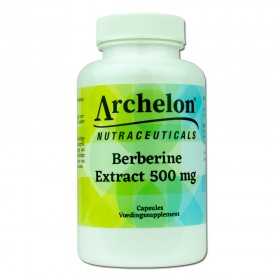
Berberine Extract - 500 mg
Berberine is a plant compound found naturally in various plants, including Berberis aristata. This shrub belongs to the Berberidaceae family and is also known as Indian barberry, chutro, or tree turmeric. Various parts of this plant are used in traditional herbal systems, such as Ayurveda.
Our berberine extract is obtained from the root of Berberis aristata. The root bark naturally contains the alkaloid berberine, a characteristic bittering agent. The extract is standardized to 97% berberine salts, ensuring a consistent and controlled composition.
Berberine has long been used in traditional herbalism and is now popular as an ingredient in nutritional supplements.
Our berberine extract is obtained from the root of Berberis aristata. The root bark naturally contains the alkaloid berberine, a characteristic bittering agent. The extract is standardized to 97% berberine salts, ensuring a consistent and controlled composition.
Berberine has long been used in traditional herbalism and is now popular as an ingredient in nutritional supplements.
€49.95
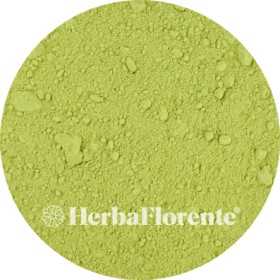
Berk - Betula pendula Roth, Betulae (Leaf Grounded)
The birch (Betula) is a tree that has held a special place in European cultures and traditions for centuries. Historically, the birch was sometimes seen as a symbolic or even sacred tree, partly due to its role in seasonal rituals and folk customs.
In early spring, just before the tree begins to bud, birch sap can be tapped. This time coincides with the period when the sap flow is most active. Young birch leaves are also traditionally collected during this phase. Both the sap and the leaves are part of ancient customs and have long been described in botanical and herbal sources.
Birch leaves naturally contain various plant compounds, including flavonoids, saponins, and tannins.
In early spring, just before the tree begins to bud, birch sap can be tapped. This time coincides with the period when the sap flow is most active. Young birch leaves are also traditionally collected during this phase. Both the sap and the leaves are part of ancient customs and have long been described in botanical and herbal sources.
Birch leaves naturally contain various plant compounds, including flavonoids, saponins, and tannins.
€2.10
From: €2.10
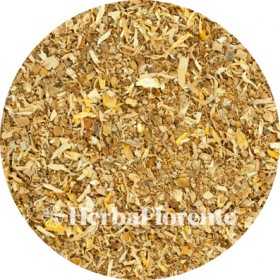
Birch - Butla alba, Betulae (Bark Cut)
The birch (Betula) is a tree that has held a special place in European cultures and traditions for centuries. Historically, the birch was sometimes seen as a symbolic or even sacred tree, partly due to its role in seasonal rituals and folk customs.
In early spring, just before the tree begins to bud, birch sap can be tapped. This time coincides with the period when the sap flow is most active. Young birch leaves are also traditionally collected during this phase. Both the sap and the leaves are part of ancient customs and have long been described in botanical and herbal sources.
Birch leaves naturally contain various plant compounds, including flavonoids, saponins, and tannins.
In early spring, just before the tree begins to bud, birch sap can be tapped. This time coincides with the period when the sap flow is most active. Young birch leaves are also traditionally collected during this phase. Both the sap and the leaves are part of ancient customs and have long been described in botanical and herbal sources.
Birch leaves naturally contain various plant compounds, including flavonoids, saponins, and tannins.
€2.00
From: €2.00
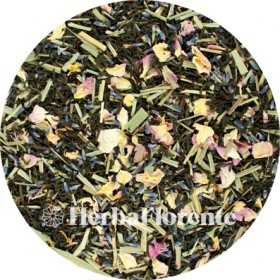
Black Tea - Flowers Herbal Tea
Herbal tea composed of various herbs
Delicious for every moment
Delicious for every moment
€3.95
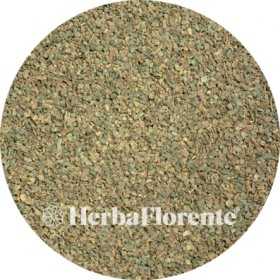
Bladderwrack Fine - Fucus vesiculosus
Bladderwrack (Fucus vesiculosus) is a species of brown algae in the genus Fucus. It is found along the northern coasts of the Atlantic and Pacific Oceans and in the North Sea and Baltic Sea, often in kelp forests. The plant is notable for the air bladders that some varieties possess, which serve as flotation devices; however, there are also varieties without these bladders.
Bladderwrack belongs to the brown algae and naturally contains various polyphenols, including phlorotannins. The plant also contains minerals such as iodine, potassium, magnesium, calcium, and iron. Because of this natural composition, bladderwrack has been included in botanical and historical descriptions of seaweeds.
Bladderwrack belongs to the brown algae and naturally contains various polyphenols, including phlorotannins. The plant also contains minerals such as iodine, potassium, magnesium, calcium, and iron. Because of this natural composition, bladderwrack has been included in botanical and historical descriptions of seaweeds.
€2.50
From: €2.50
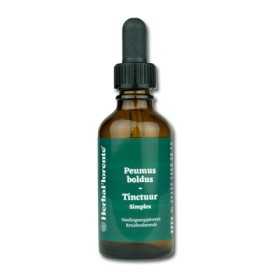
Boldo Tincture - Peumus boldus Tincture
Single herbal tincture made with dried leaf of Peumus boldus (Boldo).
Boldo (Peumus boldus) is an evergreen tree native to South America and other warmer regions, including Chile, Peru, Brazil, Ecuador, Argentina, and North Africa. It prefers sunny, dry locations and can reach a height of 8 meters and a width of 5 meters. Female trees produce drupes that were traditionally used as a spice.
Boldo leaves naturally contain various plant compounds, such as alkaloids, essential oils, flavonoids, and tannins. In Chile, the leaves have been mentioned in traditional customs for centuries and described in historical texts. Today, boldo is valued worldwide for its distinctive leaves, botanical characteristics, and cultural significance.
Boldo (Peumus boldus) is an evergreen tree native to South America and other warmer regions, including Chile, Peru, Brazil, Ecuador, Argentina, and North Africa. It prefers sunny, dry locations and can reach a height of 8 meters and a width of 5 meters. Female trees produce drupes that were traditionally used as a spice.
Boldo leaves naturally contain various plant compounds, such as alkaloids, essential oils, flavonoids, and tannins. In Chile, the leaves have been mentioned in traditional customs for centuries and described in historical texts. Today, boldo is valued worldwide for its distinctive leaves, botanical characteristics, and cultural significance.
€10.95
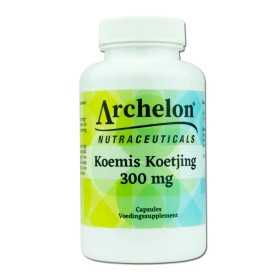
Cat's whiskers - Koemis Koetjing - 300 mg
Cat's whiskers (Orthosiphon aristatus), also known as Kumis Kutjing or koemis koetjing, is a plant traditionally used in various herbal cultures in Southeast Asia. The plant belongs to the Lamiaceae family and grows naturally in tropical and subtropical regions, particularly in countries such as Malaysia and Indonesia (Java). Orthosiphon aristatus is particularly prevalent in moist habitats such as riverbanks, wetlands, and swampy areas.
The Dutch name "kattensnor" (cat's whiskers) refers to the striking appearance of the flowers. These are white to light purple in color and have long, thread-like stamens that can resemble a cat's whiskers.
The Dutch name "kattensnor" (cat's whiskers) refers to the striking appearance of the flowers. These are white to light purple in color and have long, thread-like stamens that can resemble a cat's whiskers.
€19.95
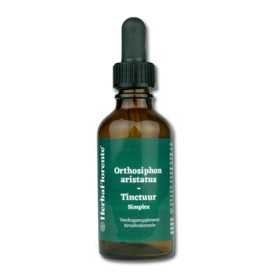
Cat's whiskers Tincture - Orthosiphon aristatus Tincture
Single herbal tincture made with dried herb of Orthosiphon aristatus (Cat's whiskers).
Cat's whiskers, also known as Kumis Kutjing, is a plant traditionally used in various Asian herbal traditions. The species belongs to the Lamiaceae family and is native to tropical and subtropical regions, particularly Southeast Asia, including Malaysia and Java.
The plant prefers moist habitats, such as wetlands, riverbanks, and swampy areas. Cat's whiskers is most recognizable by its white to pale lilac flowers with strikingly long, thread-like stamens that can grow up to approximately three centimeters long. These characteristics have led to the Dutch name "kattensnor" (cat's whiskers).
Cat's whiskers, also known as Kumis Kutjing, is a plant traditionally used in various Asian herbal traditions. The species belongs to the Lamiaceae family and is native to tropical and subtropical regions, particularly Southeast Asia, including Malaysia and Java.
The plant prefers moist habitats, such as wetlands, riverbanks, and swampy areas. Cat's whiskers is most recognizable by its white to pale lilac flowers with strikingly long, thread-like stamens that can grow up to approximately three centimeters long. These characteristics have led to the Dutch name "kattensnor" (cat's whiskers).
€10.95
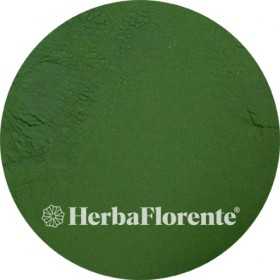
Chlorella - Chlorella
Chlorella is a single-celled green algae belonging to the green algae group. This microscopic algae occurs naturally in freshwater environments such as lakes and rivers and is cultivated worldwide. The name chlorella is derived from the Greek words chloros (green) and ella (small), which refers to its color and size.
Chlorella is known for its natural composition and is described in nutritional and botanical sources as an algae that naturally contains various nutrients, including proteins, vitamins, minerals, and fatty acids. In addition, chlorella contains chlorophyll, the green pigment that plays an essential role in photosynthesis.
Furthermore, descriptions of chlorella often mention plant-based compounds such as beta-carotene and lutein.
Chlorella is known for its natural composition and is described in nutritional and botanical sources as an algae that naturally contains various nutrients, including proteins, vitamins, minerals, and fatty acids. In addition, chlorella contains chlorophyll, the green pigment that plays an essential role in photosynthesis.
Furthermore, descriptions of chlorella often mention plant-based compounds such as beta-carotene and lutein.
€4.60
From: €4.60
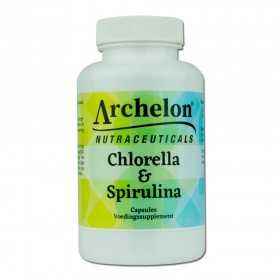
Chlorella 200 mg & Spirulina 200 mg
This dietary supplement combines chlorella and spirulina, two single-celled algae naturally rich in nutrients such as protein, vitamins, and minerals. Together, they form a natural source of diverse nutrients and can be included as part of a varied and balanced diet.
€19.95
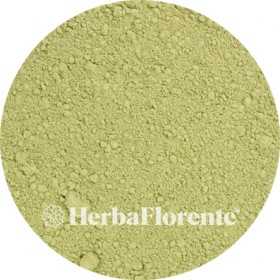
Dandelion (Herb & Root) - Taraxum officinale
Dandelion (Taraxacum officinale) is a plant that has been used for centuries in various cultures. Both the root and the aerial parts of the plant are used and are known for their versatile uses.
The young leaves of the dandelion are traditionally used in dishes such as salads, especially in spring. The yellow flowers can be used as decoration and are also suitable for drying and making into herbal tea.
Dandelions naturally contain various plant compounds, including bitter substances, flavonoids, and fatty acids. They are also a source of vitamins, such as B vitamins and vitamin C, and contain minerals such as calcium, magnesium, zinc, and manganese. Because of this composition, the dandelion is valued as an edible wild plant in herbal culture.
The young leaves of the dandelion are traditionally used in dishes such as salads, especially in spring. The yellow flowers can be used as decoration and are also suitable for drying and making into herbal tea.
Dandelions naturally contain various plant compounds, including bitter substances, flavonoids, and fatty acids. They are also a source of vitamins, such as B vitamins and vitamin C, and contain minerals such as calcium, magnesium, zinc, and manganese. Because of this composition, the dandelion is valued as an edible wild plant in herbal culture.
€2.40
From: €2.40
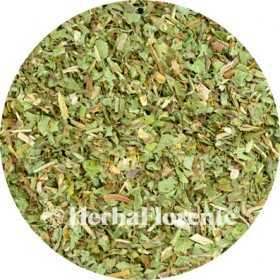
Dandelion (Herb) - Taraxum officinale - Cut
Dandelion (Taraxacum officinale) is a plant that has been used for centuries in various cultures. Both the root and the aerial parts of the plant are used and are known for their versatile uses.
The young leaves of the dandelion are traditionally used in dishes such as salads, especially in spring. The yellow flowers can be used as decoration and are also suitable for drying and making into herbal tea.
Dandelions naturally contain various plant compounds, including bitter substances, flavonoids, and fatty acids. They are also a source of vitamins, such as B vitamins and vitamin C, and contain minerals such as calcium, magnesium, zinc, and manganese. Because of this composition, the dandelion is valued as an edible wild plant in herbal culture.
The young leaves of the dandelion are traditionally used in dishes such as salads, especially in spring. The yellow flowers can be used as decoration and are also suitable for drying and making into herbal tea.
Dandelions naturally contain various plant compounds, including bitter substances, flavonoids, and fatty acids. They are also a source of vitamins, such as B vitamins and vitamin C, and contain minerals such as calcium, magnesium, zinc, and manganese. Because of this composition, the dandelion is valued as an edible wild plant in herbal culture.
€2.50
From: €2.50
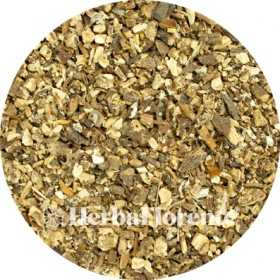
Dandelion (Root) - Taraxum officinale
Dandelion (Taraxacum officinale) is a plant that has been used for centuries in various cultures. Both the root and the aerial parts of the plant are used and are known for their versatile uses.
The young leaves of the dandelion are traditionally used in dishes such as salads, especially in spring. The yellow flowers can be used as decoration and are also suitable for drying and making into herbal tea.
Dandelions naturally contain various plant compounds, including bitter substances, flavonoids, and fatty acids. They are also a source of vitamins, such as B vitamins and vitamin C, and contain minerals such as calcium, magnesium, zinc, and manganese.
The young leaves of the dandelion are traditionally used in dishes such as salads, especially in spring. The yellow flowers can be used as decoration and are also suitable for drying and making into herbal tea.
Dandelions naturally contain various plant compounds, including bitter substances, flavonoids, and fatty acids. They are also a source of vitamins, such as B vitamins and vitamin C, and contain minerals such as calcium, magnesium, zinc, and manganese.
€2.70
From: €2.70
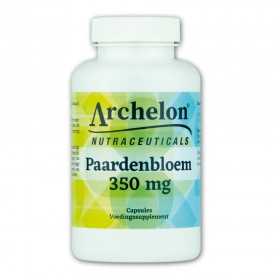
Dandelion - 350 mg
Dandelion (Taraxacum officinale) is a plant known for centuries and used both in its wild form and in nutritional supplements. Both the root and the above-ground parts contain a wide range of natural substances. Dandelion contains bitter substances, phytosterols, fatty acids such as linoleic acid, linolenic acid, palmitic acid, and oleic acid, flavonoids, various B vitamins, vitamin C, beta-carotene, and minerals such as calcium, chromium, magnesium, zinc, manganese, selenium, and sulfur.
€19.95
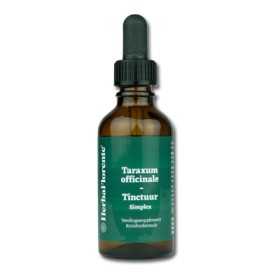
Dandelion Tincture - Taraxum officinale Tincture
Single herbal tincture made with dried herb & root of Taraxum officinale (Dandelion).
Dandelion (Taraxacum officinale) is a plant that has been used for centuries in various cultures. Both the root and the aerial parts of the plant are used and are known for their versatile uses.
The young leaves of the dandelion are traditionally used in dishes such as salads, especially in spring. The yellow flowers can be used as decoration and are also suitable for drying and making into herbal tea.
Dandelion (Taraxacum officinale) is a plant that has been used for centuries in various cultures. Both the root and the aerial parts of the plant are used and are known for their versatile uses.
The young leaves of the dandelion are traditionally used in dishes such as salads, especially in spring. The yellow flowers can be used as decoration and are also suitable for drying and making into herbal tea.
€9.95
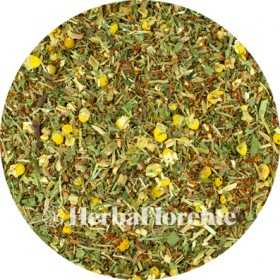
Early Morning Herbal Tea
Herbal tea composed of various herbs
Nice for early morning
Nice for early morning
€3.95
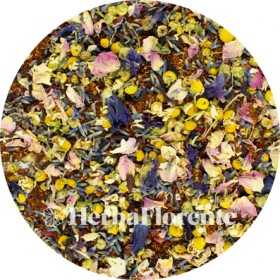
Flowers Herbal Tea
Herbal tea composed of various herbs
Nice for a floral moment
Nice for a floral moment
€3.95
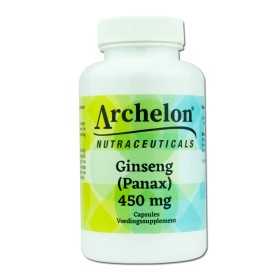
Ginseng (Panax) - 450 mg
Panax Ginseng is a slow-growing plant with a sturdy root, native to the mountainous regions of East Asia. This root has been used for thousands of years in traditional Chinese herbal practice and is considered one of the best-known and most researched ginseng varieties in the world. The name "Panax" comes from the Greek word "panacea," meaning "all-healer," and refers to the root's versatile uses in historical sources.
Panax Ginseng root contains a unique composition of bioactive compounds, the most characteristic of which are ginsenosides. These steroid-like compounds are found exclusively in true Panax Ginseng.
Panax Ginseng root contains a unique composition of bioactive compounds, the most characteristic of which are ginsenosides. These steroid-like compounds are found exclusively in true Panax Ginseng.
€42.95
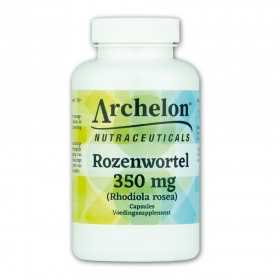
Golden Root (Rhodiola) - 350 mg
Rhodiola rosea (Rhodiola rosea), also known as "golden root," is a succulent plant found in cold, rocky regions around the world. The roots exude a characteristic rose-like scent. Rhodiola rosea has long been used in traditional herbal medicine.
The roots contain natural plant compounds such as rosavin and salidroside. These compounds contribute to the unique composition and characteristics of Rhodiola rosea. Rhodiola rosea is used in various nutritional products and supplements, including capsules and extracts, for those interested in herbal products.
The roots contain natural plant compounds such as rosavin and salidroside. These compounds contribute to the unique composition and characteristics of Rhodiola rosea. Rhodiola rosea is used in various nutritional products and supplements, including capsules and extracts, for those interested in herbal products.
€34.95
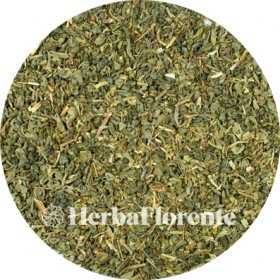
Green Tea Mint Herbal Tea
Herbal tea composed of various herbs
Delicious for every moment
Delicious for every moment
€4.95
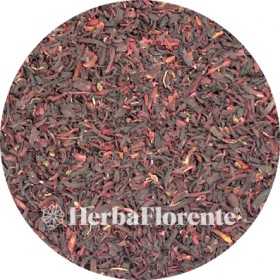
Hibiscus - Hibiscus sabdariff
Hibiscus (Hibiscus sabdariffa), also known as roselle, is used worldwide in both hot and cold beverages and as a natural flavoring and coloring agent in the food industry. The plant is especially prized for its fresh, tart flavor and striking deep red color.
Hibiscus sabdariffa L. is an annual shrub that can reach a height of over two meters. The plant typically has smooth, red-tinged stems and creamy to light yellow flowers that turn pink at the end of the day. After flowering, a characteristic red calyx develops, which is fleshy, crisp, and juicy. When this calyx fully develops and dries, it turns brown and bursts open.
Hibiscus sabdariffa L. is an annual shrub that can reach a height of over two meters. The plant typically has smooth, red-tinged stems and creamy to light yellow flowers that turn pink at the end of the day. After flowering, a characteristic red calyx develops, which is fleshy, crisp, and juicy. When this calyx fully develops and dries, it turns brown and bursts open.
€2.25
From: €2.25