



Trending
€57.50
€62.50

€35.95
€62.50
€62.50
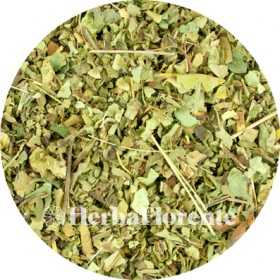
Lungwort - Pulmonaria officinalis
€5.91 €6.95 -15%
Echinacea (Red Coneflower) - 350 mg
€15.96 €19.95 -20%
A, B, C, .... X, Y, Z
There are 37 products.
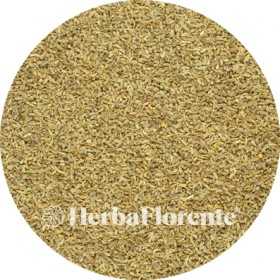
Anise - Pimpinella anisum
Anise seed has a naturally sweet, warm taste reminiscent of licorice. It is a versatile seasoning that can be used in both sweet and savory dishes. All over the world, anise seed is used in confectionery, and it is also often added to liqueurs, such as Ouzo.
You can add anise seeds to bread, pastries, cookies, fruit and gingerbread. In Indian cuisine, anise is indispensable in curries and fish dishes, and it gives a delicious flavor to vegetables such as pumpkin and carrot. In the Netherlands it is a tradition to use anise seed on rusk with mice at birth.
Anise seed tea has a warm, mild flavor and is popular as an after-dinner tea.
You can add anise seeds to bread, pastries, cookies, fruit and gingerbread. In Indian cuisine, anise is indispensable in curries and fish dishes, and it gives a delicious flavor to vegetables such as pumpkin and carrot. In the Netherlands it is a tradition to use anise seed on rusk with mice at birth.
Anise seed tea has a warm, mild flavor and is popular as an after-dinner tea.
€2.95
From: €2.95
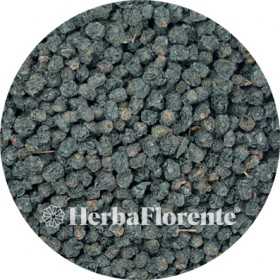
Aronia berry - Arnoia melanocarpa - Whole
Aronia berries, also known as black chokeberries, grow on compact bushes that reach a height of about 1 to 3 meters. The berries have a deep purple to black color and have long been used in various cultures.
The berries contain various natural plant compounds, including anthocyanins and polyphenols. These compounds contribute to the fruit's characteristic color and protect the seed inside. Compared to blueberries, aronia berries contain relatively high levels of anthocyanins.
Aronia berries are a popular ingredient in juices, teas, and jams, for example, because of their rich color and flavor.
The berries contain various natural plant compounds, including anthocyanins and polyphenols. These compounds contribute to the fruit's characteristic color and protect the seed inside. Compared to blueberries, aronia berries contain relatively high levels of anthocyanins.
Aronia berries are a popular ingredient in juices, teas, and jams, for example, because of their rich color and flavor.
€2.40
From: €2.40
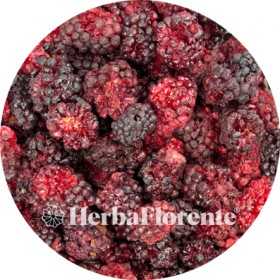
Blackberry (Fruit) - Rubus fructicosus, Frucus Rubi
Out-of-Stock
Blackberries are the dark purple to black fruits of plants in the Rubus genus. They grow naturally in temperate regions and are common along forest edges, hedgerows, and open fields. The berries are known for their full flavor and are prized worldwide in a wide variety of culinary applications.
Blackberries are traditionally used in jams, juices, desserts, pastries, and sauces, among other things. They are also eaten fresh or used as an ingredient in both classic and modern recipes. Their deep color and characteristic flavor have earned them a permanent place in the kitchen.
The striking purple color of blackberries is due to the presence of natural plant pigments, including anthocyanins.
Blackberries are traditionally used in jams, juices, desserts, pastries, and sauces, among other things. They are also eaten fresh or used as an ingredient in both classic and modern recipes. Their deep color and characteristic flavor have earned them a permanent place in the kitchen.
The striking purple color of blackberries is due to the presence of natural plant pigments, including anthocyanins.
€10.00
From: €10.00
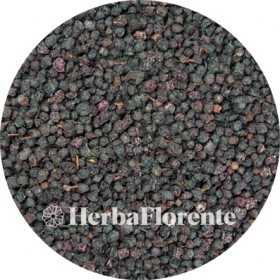
Blue Berrie - Vaccinium mytrillus, Frucus myrtilli
Out-of-Stock
The bilberry (Vaccinium myrtillus) is a small, dark blue berry native to wooded areas of Europe and Northern Asia. The plant belongs to the heather family (Ericaceae) and is known for its characteristic flavor and wide range of uses in food.
Bilberries have long been valued in culinary traditions and are used in products such as jams, juices, desserts, and baked goods. Their deep color and natural composition make them a familiar ingredient in both traditional and modern cuisines.
The berries naturally contain various plant compounds, including flavonoids and anthocyanins, as well as fiber and other nutritional components. This composition is often mentioned in botanical and nutritional descriptions of the plant.
Bilberries have long been valued in culinary traditions and are used in products such as jams, juices, desserts, and baked goods. Their deep color and natural composition make them a familiar ingredient in both traditional and modern cuisines.
The berries naturally contain various plant compounds, including flavonoids and anthocyanins, as well as fiber and other nutritional components. This composition is often mentioned in botanical and nutritional descriptions of the plant.
€8.20
From: €8.20
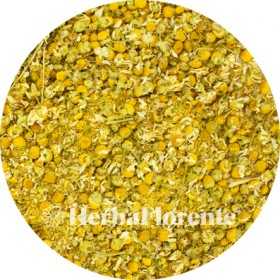
Chamomile (Flower) - Matricaria recutita, Chamomillae europ. - Whole
Chamomile (Matricaria chamomilla, synonym Matricaria recutita) is an annual, aromatic plant from the Asteraceae family. Originally native to large parts of Europe, it is now widely cultivated, including in Hungary and several Eastern European countries.
Chamomile has a long cultural and historical background. In ancient Egypt, the plant was symbolically worshipped and associated with the sun god Ra. Throughout the centuries, chamomile has been frequently described in botanical and historical sources, contributing to its fame and spread.
Chamomile has a long cultural and historical background. In ancient Egypt, the plant was symbolically worshipped and associated with the sun god Ra. Throughout the centuries, chamomile has been frequently described in botanical and historical sources, contributing to its fame and spread.
€3.20
From: €3.20
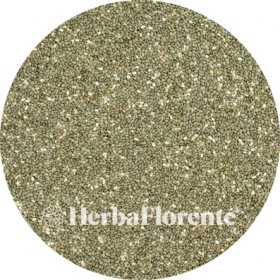
Chia seeds - Salviae Sem. Hispanica nigri albi
Chia, also known as Salvia hispanica, is a plant from the Lamiaceae family, originally from central and southern Mexico and Guatemala. The Aztecs cultivated this plant even before Columbus discovered America, and chia seeds were used as currency to the rulers. Today, chia is still prized in Mexico and Guatemala; the ground seeds are used in dishes, while whole seeds are often added to nutritious drinks.
The main purpose of growing chia is for its seeds, which are rich in omega-3 fatty acids. About 25-30% of the seed contains vegetable oil, including alpha-linolenic acid (ALA). Chia seeds are small and oval, about 1 mm in diameter, and have a color palette of brown, gray-black and white.
The main purpose of growing chia is for its seeds, which are rich in omega-3 fatty acids. About 25-30% of the seed contains vegetable oil, including alpha-linolenic acid (ALA). Chia seeds are small and oval, about 1 mm in diameter, and have a color palette of brown, gray-black and white.
€2.00
From: €2.00
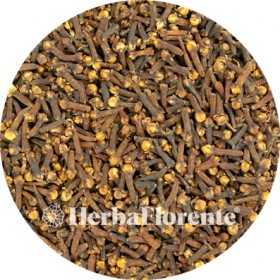
Clove - Syzygium aromaticum - Whole
Cloves are the dried flower buds of the clove tree (Syzygium aromaticum), an evergreen tree native to the Moluccas. The flower buds are harvested before they fully open and then dried. This drying process gives them their characteristic dark color and intensely aromatic scent.
The spice is characterized by its strong flavor and warm, spicy aroma. These properties are primarily due to the presence of essential oils, of which eugenol is the most important component. Eugenol largely determines the scent and flavor profile of cloves and contributes to the stability of the product.
The spice is characterized by its strong flavor and warm, spicy aroma. These properties are primarily due to the presence of essential oils, of which eugenol is the most important component. Eugenol largely determines the scent and flavor profile of cloves and contributes to the stability of the product.
€3.00
From: €3.00
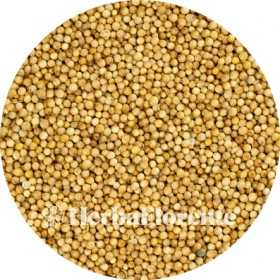
Coriander - Coriandrum sativum - Whole
Coriander seeds have been used for thousands of years in various cultures and cuisines worldwide. Traditionally, the seeds are part of spice blends and are prized for their warm, slightly citrusy, and spicy aroma. This long-standing use has led to coriander seeds holding a permanent place in both culinary and traditional herbal practices to this day.
Coriander (Coriandrum sativum) is a versatile plant, with both the leaves and seeds used. The seeds are distinguished by their specific composition and concentrated aromatic compounds. They naturally contain various vitamins and minerals, including vitamins A, C, and K, folic acid, and minerals such as iron, manganese, potassium, magnesium, and calcium.
Coriander (Coriandrum sativum) is a versatile plant, with both the leaves and seeds used. The seeds are distinguished by their specific composition and concentrated aromatic compounds. They naturally contain various vitamins and minerals, including vitamins A, C, and K, folic acid, and minerals such as iron, manganese, potassium, magnesium, and calcium.
€2.00
From: €2.00
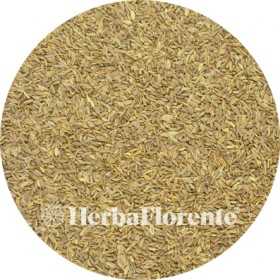
Dill - Anethum graveolens
Dill seed has a refreshing, spicy flavor reminiscent of anise and fennel, and it is more powerful in flavor than dill tops. Whole dill seeds retain their aroma and flavor longer than ground dill seeds. Our dried dill seed is completely natural and free of additives.
Dill is an indispensable seasoning in the kitchen and is often used for preserving vegetables, salmon, mayonnaise and potato salad. It is also delicious in bread, stews, salads, soups, on fish, peas, beans, carrots, pumpkin, beets and potatoes.
Dill is an indispensable seasoning in the kitchen and is often used for preserving vegetables, salmon, mayonnaise and potato salad. It is also delicious in bread, stews, salads, soups, on fish, peas, beans, carrots, pumpkin, beets and potatoes.
€2.50
From: €2.50
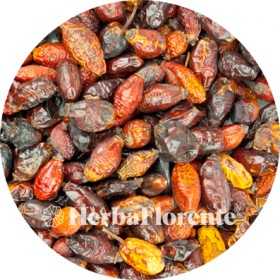
Dogrose - Rosa canina
The dog rose (Rosa canina) is a native rose species in the Benelux region and is native to Europe, Northwest Africa, and West Asia. It was later introduced to North America. The plant often grows along forest edges, hedgerows, and thickets.
It is a large, upright shrub that can reach a height of approximately 1 to 4 meters. The long, arching branches can partially arch. The glandless leaves and branches are green and sometimes have a reddish tinge.
Flowering occurs from June to July. The flowers are usually light pink, sometimes white, and are approximately 3.5 to 4.5 centimeters in diameter. They appear singly or in small clusters of one to ten flowers.
It is a large, upright shrub that can reach a height of approximately 1 to 4 meters. The long, arching branches can partially arch. The glandless leaves and branches are green and sometimes have a reddish tinge.
Flowering occurs from June to July. The flowers are usually light pink, sometimes white, and are approximately 3.5 to 4.5 centimeters in diameter. They appear singly or in small clusters of one to ten flowers.
€2.00
From: €2.00
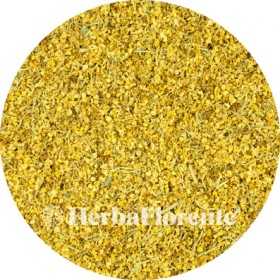
Elder - Sambuci nigri
The elderberry (Sambucus nigra L.) is a native tree or shrub that grows widely in the Netherlands. It grows in a variety of locations, such as along roads, in forest edges, and in gardens.
At the end of May, the elderberry blooms with large umbels of small, creamy-white flowers that exude a sweet, floral fragrance. These blossoms are traditionally used to make elderflower liqueur, syrup, and pancakes, among other things.
The flowers contain various natural plant compounds, including flavonoids such as rutin, quercetin, and astragalin. They also contain tannins, triterpenes, fatty acids, and essential oils.
At the end of May, the elderberry blooms with large umbels of small, creamy-white flowers that exude a sweet, floral fragrance. These blossoms are traditionally used to make elderflower liqueur, syrup, and pancakes, among other things.
The flowers contain various natural plant compounds, including flavonoids such as rutin, quercetin, and astragalin. They also contain tannins, triterpenes, fatty acids, and essential oils.
€3.60
From: €3.60
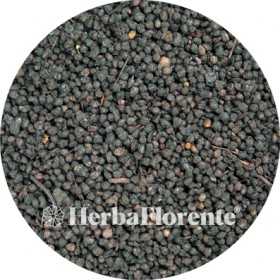
Elder - Sambuci nigri
The elderberry (Sambucus nigra L.) is a native tree or shrub that grows widely in the Netherlands. It grows in a variety of locations, such as along roads, in forest edges, and in gardens.
At the end of May, the elderberry blooms with large umbels of small, creamy-white flowers that exude a sweet, floral fragrance. These blossoms are traditionally used to make elderflower liqueur, syrup, and pancakes, among other things.
The flowers contain various natural plant compounds, including flavonoids such as rutin, quercetin, and astragalin. They also contain tannins, triterpenes, fatty acids, and essential oils.
At the end of May, the elderberry blooms with large umbels of small, creamy-white flowers that exude a sweet, floral fragrance. These blossoms are traditionally used to make elderflower liqueur, syrup, and pancakes, among other things.
The flowers contain various natural plant compounds, including flavonoids such as rutin, quercetin, and astragalin. They also contain tannins, triterpenes, fatty acids, and essential oils.
€3.00
From: €3.00
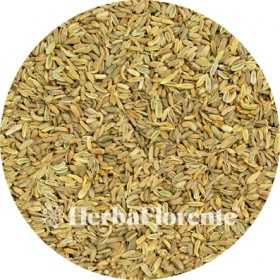
Fennel - Foeniculum vulgare - Whole
Fennel (Foeniculum vulgare) is a plant that belongs to the Apiaceae family. The plant has a characteristic, anise-like flavor. Both the thread-like leaves and the seeds are used as herbs and spices in various cuisines.
Fennel originates from Asia and the Mediterranean and was introduced to Europe via medieval trade routes. Fennel is particularly widely cultivated in Southern Europe, where it is frequently used in salads and cooked dishes.
Fennel seed has a long history of traditional use. In the past, chewing fennel seeds was part of certain customs and rituals, including religious traditions.
Fennel seeds are used in a variety of applications, such as spice blends, teas, and aromatic extracts. Fennel oil, which is used for its characteristic aroma, can also be extracted from the seeds.
Fennel originates from Asia and the Mediterranean and was introduced to Europe via medieval trade routes. Fennel is particularly widely cultivated in Southern Europe, where it is frequently used in salads and cooked dishes.
Fennel seed has a long history of traditional use. In the past, chewing fennel seeds was part of certain customs and rituals, including religious traditions.
Fennel seeds are used in a variety of applications, such as spice blends, teas, and aromatic extracts. Fennel oil, which is used for its characteristic aroma, can also be extracted from the seeds.
€2.00
From: €2.00
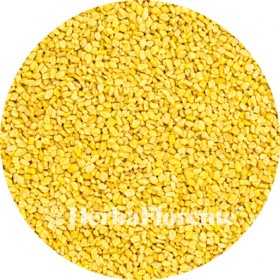
Fenugreek - Foenugraeci graecum - Whole
Fenugreek (Trigonella foenum-graecum), also known as fenugreek, fenugreek, or Greek hay, is a versatile plant native to the Mediterranean and later became popular in parts of Asia.
The aromatic seeds and leaves are widely used as a spice in Indian cuisine and can help soften bitter flavors in dishes or products. Fenugreek contains minerals such as iron and copper, and naturally occurring compounds like saponins and coumarins, the latter contributing to its characteristic hay-like aroma.
The aromatic seeds and leaves are widely used as a spice in Indian cuisine and can help soften bitter flavors in dishes or products. Fenugreek contains minerals such as iron and copper, and naturally occurring compounds like saponins and coumarins, the latter contributing to its characteristic hay-like aroma.
€1.95
From: €1.95
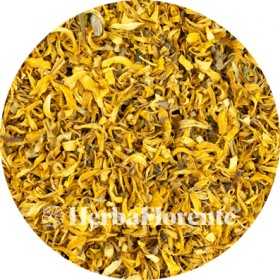
Flowers Sweet - Citrus aurantium dulce
Out-of-Stock
Orange blossom is a delicious addition to tea, which gives a subtle sweet taste.
Orange blossom, from Citrus aurantium dulce, adds a delicious sweet touch to your favorite tea. It is the ideal way to enrich your tea experience.
Orange blossom, from Citrus aurantium dulce, adds a delicious sweet touch to your favorite tea. It is the ideal way to enrich your tea experience.
€20.00
From: €20.00
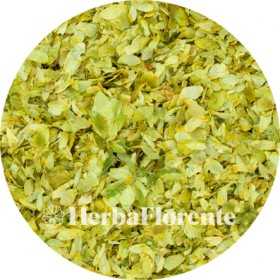
Hop - Humulus lupulus
Hops (Humulus lupulus) are a hardy, perennial climbing plant belonging to the hemp family (Cannabaceae). The name lupulus may be derived from the Latin word lupus (wolf), which refers to the way the plant twines itself around other plants.
Hops have a long cultural history. The plant was already valued by the ancient Babylonians and Egyptians for its aromatic properties. Later, hops became a staple ingredient in beer production, where they continue to play an important role today due to their characteristic flavor and aroma. Hops were also frequently described in herbals and other historical sources during the Middle Ages.
Hops have a long cultural history. The plant was already valued by the ancient Babylonians and Egyptians for its aromatic properties. Later, hops became a staple ingredient in beer production, where they continue to play an important role today due to their characteristic flavor and aroma. Hops were also frequently described in herbals and other historical sources during the Middle Ages.
€2.95
From: €2.95
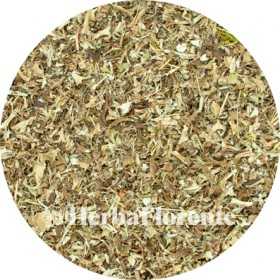
Iceland moss - Cetraria islandicus
Iceland moss (Cetraria islandica), also known by the basic name Lichen islandicus, is a shrubby lichen belonging to the Parmeliaceae family (shell mosses). The species is native to cold and mountainous regions and is extremely rare in the Netherlands. For this reason, Iceland moss is listed on the Dutch Red List as critically endangered.
Iceland moss has a long cultural and historical background. Botanical and historical sources from the 17th century describe the lichen as part of the botanical knowledge of the time. During that period, the lichen was collected whole and used in traditional practices. These uses are part of historical and folklore.
Iceland moss has a long cultural and historical background. Botanical and historical sources from the 17th century describe the lichen as part of the botanical knowledge of the time. During that period, the lichen was collected whole and used in traditional practices. These uses are part of historical and folklore.
€3.00
From: €3.00
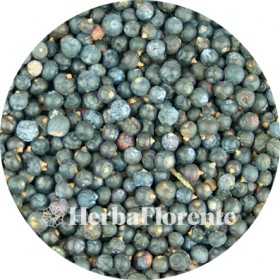
Juniper Berries - Juniper communis - Whole
The juniper (Juniperus communis) is a conifer native to Europe, Asia, and North America. The plant bears both flowers and berries, which vary in color from green to black as they ripen. The name Juniperus derives from the Celtic word juneprus, meaning rough, prickly, or bitter, while communis means "common."
The black berries of the juniper have a characteristically bitter and aromatic flavor. It takes about three years for the berries to fully ripen: in the first year, the flowers appear, in the second year they turn green, and in the third year they turn blue and then black or dark purple.
The black berries of the juniper have a characteristically bitter and aromatic flavor. It takes about three years for the berries to fully ripen: in the first year, the flowers appear, in the second year they turn green, and in the third year they turn blue and then black or dark purple.
€2.40
From: €2.40
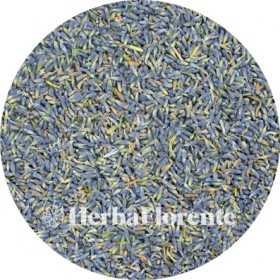
Lavender - Lavendula angustifolia
Lavender (Lavandula) is a genus of aromatic dwarf shrubs belonging to the Lamiaceae family. These plants are especially beloved for their characteristic purple flowers and pleasant fragrance and are widely planted in gardens, borders, and lavender fields.
An important use of lavender is the extraction of lavender oil from the flowering tops. This essential oil is widely used as a fragrance in cosmetic products such as soaps, creams, and perfumes, and also plays a role in aromatic applications.
Lavender also finds its way into the kitchen. The flowers, both fresh and dried, are used as a flavoring and are included in Provençal herb blends, among other things. Lavender can be added to dishes such as cheeses, vegetables, and sweet preparations.
An important use of lavender is the extraction of lavender oil from the flowering tops. This essential oil is widely used as a fragrance in cosmetic products such as soaps, creams, and perfumes, and also plays a role in aromatic applications.
Lavender also finds its way into the kitchen. The flowers, both fresh and dried, are used as a flavoring and are included in Provençal herb blends, among other things. Lavender can be added to dishes such as cheeses, vegetables, and sweet preparations.
€5.00
From: €5.00
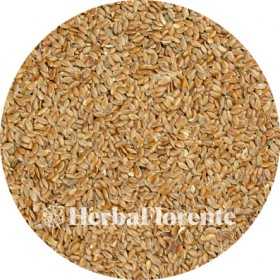
Lijnzaad - Linum usitatissimum
Flaxseed is a nutritious seed known for its rich composition of fatty acids and other natural components. It contains a high level of omega-3 fatty acids, of which approximately 55% consists of alpha-linolenic acid (ALA). In addition, approximately 20% of the fatty acid profile consists of omega-9 (oleic acid).
In addition to fatty acids, flaxseed also contains lignans (phytosterols), as well as tocopherols, carotenoids, and various minerals. This combination makes flaxseed a valuable plant-based food source.
According to the Netherlands Nutrition Centre, omega-3 fatty acids contribute to the maintenance of normal cardiovascular function when consumed as part of a varied and balanced diet.
In addition to fatty acids, flaxseed also contains lignans (phytosterols), as well as tocopherols, carotenoids, and various minerals. This combination makes flaxseed a valuable plant-based food source.
According to the Netherlands Nutrition Centre, omega-3 fatty acids contribute to the maintenance of normal cardiovascular function when consumed as part of a varied and balanced diet.
€2.00
From: €2.00
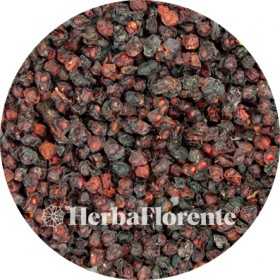
Magnolia Berry (Schisandra) - Schisandrae chinensis - Whole
Schisandra, also known as the schisandra berry (Schisandra chinensis), is a plant that has been used in traditional Chinese herbalism for over 2,000 years. The plant produces dark red berries, of which only the seeds are used. These are traditionally harvested after the first frost and then dried.
The schisandra berry naturally contains various plant compounds, including antioxidants. Due to its unique composition and long history, schisandra is often used in herbal blends and teas for traditional purposes.
Within traditional Chinese culture, schisandra is valued and frequently used in herbal formulas. Today, the berry is also used outside of Asia as an ingredient in various herbal preparations.
The schisandra berry naturally contains various plant compounds, including antioxidants. Due to its unique composition and long history, schisandra is often used in herbal blends and teas for traditional purposes.
Within traditional Chinese culture, schisandra is valued and frequently used in herbal formulas. Today, the berry is also used outside of Asia as an ingredient in various herbal preparations.
€6.95
From: €6.95
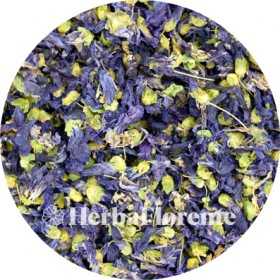
Mallow Large - Malvacea Sylvestris
Mallow (Malva) is a genus of herbaceous plants in the Malvaceae family. It comprises approximately thirty species found in temperate, subtropical, and tropical regions of Africa and Eurasia.
The flowers and leaves of mallow are highly recognizable and traditionally valued in various cultures. The plant produces mucilaginous substances, which were historically mentioned in botanical and folklore sources.
The fruit of the mallow is a schizocarp and owes its name to its flat, rounded shape, which resembles a small cheese. This fruit contains contiguous seeds and is a characteristic botanical element of the genus.
Mallow is primarily valued today for its botanical properties, its ornamental flowers, and its cultural significance in traditional botanical lore.
The flowers and leaves of mallow are highly recognizable and traditionally valued in various cultures. The plant produces mucilaginous substances, which were historically mentioned in botanical and folklore sources.
The fruit of the mallow is a schizocarp and owes its name to its flat, rounded shape, which resembles a small cheese. This fruit contains contiguous seeds and is a characteristic botanical element of the genus.
Mallow is primarily valued today for its botanical properties, its ornamental flowers, and its cultural significance in traditional botanical lore.
€8.00
From: €8.00
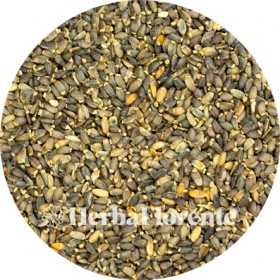
Milk Thistle (Seed) - Sylibum marianum, Cardui Mariae - Whole
Milk thistle (Silybum marianum), also known as milk thistle, is a spiny plant in the Asteraceae family. It originates in the Mediterranean region, but also grows in temperate regions such as the Netherlands and Belgium.
The plant is known for its striking, white-flecked leaves and purple flower heads. Milk thistle seeds contain natural compounds, including silymarin, a group of bioactive compounds considered antioxidants. Because of this composition, milk thistle is traditionally used in various food and herbal products.
The plant is known for its striking, white-flecked leaves and purple flower heads. Milk thistle seeds contain natural compounds, including silymarin, a group of bioactive compounds considered antioxidants. Because of this composition, milk thistle is traditionally used in various food and herbal products.
€2.00
From: €2.00
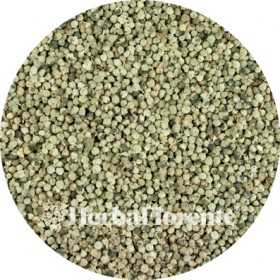
Monk's Pepper - Vitex agnus castus
Chasteberry (Vitex agnus castus L.), also known as chaste tree berries, is a plant native to the Mediterranean region. The name "chasteberry" refers to its historical use by monks, who used the herb for its supposed effects on physical desire.
Today, chasteberry is widely used in herbal products and supplements. The plant's fruits contain various plant compounds, including flavonoids and iridoids, which give the herb its unique properties. Chasteberry is popular in traditional herbalism and is valued for its long history of use.
Today, chasteberry is widely used in herbal products and supplements. The plant's fruits contain various plant compounds, including flavonoids and iridoids, which give the herb its unique properties. Chasteberry is popular in traditional herbalism and is valued for its long history of use.
€2.00
From: €2.00