



Trending
€57.50
€62.50

€35.95
€62.50
€62.50
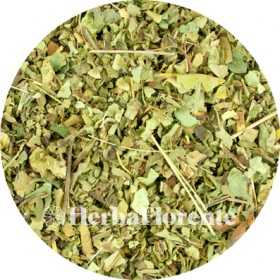
Lungwort - Pulmonaria officinalis
€5.91 €6.95 -15%
Echinacea (Red Coneflower) - 350 mg
€15.96 €19.95 -20%
Blood vessels
There are 205 products.
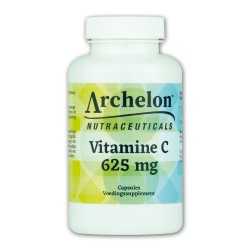
Vitamin C (Sodium Ascorbic Acid) - 625 mg
Vitamin C (ascorbic acid) is the pure form of vitamin C. There are also buffered forms of ascorbic acid, which are generally more easily tolerated by the gastrointestinal tract. Vitamin C is a water-soluble vitamin found naturally in various fruits and vegetables, such as citrus fruits, kiwi, bell peppers, and broccoli. Vitamin C is often added to dietary supplements in powder, tablet, or capsule form to supplement daily intake.
€17.95
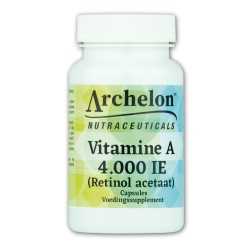
Vitamine A (acétate de rétinol) - 4,000 UI - 1,200 mcg
Vitamin A is a fat-soluble vitamin found in foods such as liver, eggs, dairy products, carrots, spinach, and other orange or green vegetables. In the body, vitamin A is involved in various biochemical processes and is present in cells. It can be found in various forms, such as retinol in animal products and carotenoids in plant foods. Vitamin A is stored in the liver and can be supplemented with food. It is an important part of a varied diet.
€15.95
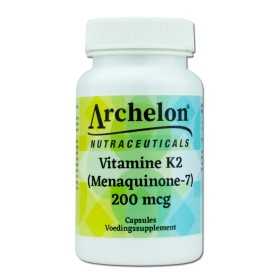
Vitamine K2 (Menaquinone-7) - 200 mcg
Vitamin K2 in the form of menaquinone-7 is a form of vitamin K that remains in the body for a long time. Vitamin K2 is found in foods such as fermented cheese, eggs, and meat.
€24.95
Vlezige Hokjespeul (Astragalus) - Astragalus chinensis membranus
Astragalus, also known as fleshy box pod (Astragalus membranaceus), is a plant native to Asia. The root of the plant has been used in traditional Chinese culture for thousands of years.
Astragalus holds an important place in this tradition and is associated with the concept of "qi," which represents life energy. Astragalus is used in a variety of applications, such as herbal teas, powders, and other herbal preparations.
The root contains various natural plant compounds and is valued for its long history of traditional use.
Astragalus holds an important place in this tradition and is associated with the concept of "qi," which represents life energy. Astragalus is used in a variety of applications, such as herbal teas, powders, and other herbal preparations.
The root contains various natural plant compounds and is valued for its long history of traditional use.
€2.90
From: €2.90
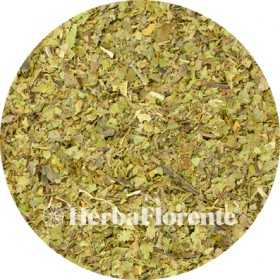
Walnut - Juglans regia
The Juglans regia, also known as walnut, walnut or walnut, belongs to the walnut family (Juglandaceae). This species is also known as common walnut or Persian walnut, to avoid confusion with the genus Juglans. Other species in the genus Juglans include the white walnut and the black walnut.
This deciduous tree can reach a height of up to 30 meters with a crown that can be more than 10 meters wide. The leaves are odd-pinnate and can be 25-40 cm long, consisting of five to nine leaflets per compound leaf. The three largest leaflets are located at the end of the leaf and measure 10-18 cm long and 6-8 cm wide. The leaflets at the base of the leaf are smaller, usually 5-8 cm long.
This deciduous tree can reach a height of up to 30 meters with a crown that can be more than 10 meters wide. The leaves are odd-pinnate and can be 25-40 cm long, consisting of five to nine leaflets per compound leaf. The three largest leaflets are located at the end of the leaf and measure 10-18 cm long and 6-8 cm wide. The leaflets at the base of the leaf are smaller, usually 5-8 cm long.
€2.00
From: €2.00
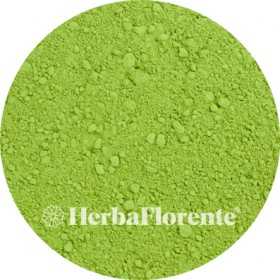
Wheatgrass - Triticum aestivum
Wheatgrass is a plant that naturally contains vitamins A, C, and E, as well as minerals like calcium, magnesium, and iron. It also contains chlorophyll and natural enzymes. The chlorophyll content of wheatgrass is significant.
€2.00
From: €2.00
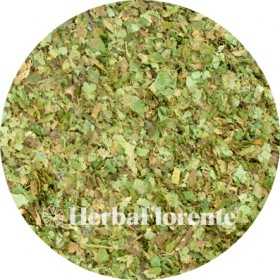
Witch Hazel (Leaf) - Hamamelis virginiana
The American witch hazel (Hamamelis virginiana) is a shrub belonging to the family Hamamelidaceae, native to North America from Nova Scotia to Minnesota, and from southern and central Florida to eastern Texas.
The shrub can reach a height of 6 to sometimes even 10 meters, with a bushy growth thanks to the many branches that arise just above the ground. The bark is light brown, smooth but somewhat flaky, and shows a reddish-purple color on the inside.
Blooming from September through October, the flowers of the American witch hazel display clusters of 4 stamens. They usually range from pale yellow to bright yellow, although orange or red hues also occur. The petals are ribbon-shaped and measure 10-20 mm in length.
The shrub can reach a height of 6 to sometimes even 10 meters, with a bushy growth thanks to the many branches that arise just above the ground. The bark is light brown, smooth but somewhat flaky, and shows a reddish-purple color on the inside.
Blooming from September through October, the flowers of the American witch hazel display clusters of 4 stamens. They usually range from pale yellow to bright yellow, although orange or red hues also occur. The petals are ribbon-shaped and measure 10-20 mm in length.
€5.00
From: €5.00
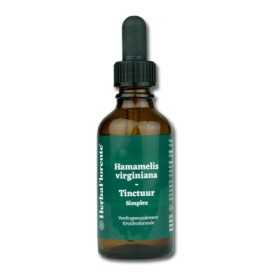
Witch Hazel Tincture - Hamamelis virginiana Tincture
Single herbal tincture made with dried bark of Hamamelis virginiana (Witch Hazel).
The American witch hazel (Hamamelis virginiana) is a shrub belonging to the family Hamamelidaceae, native to North America from Nova Scotia to Minnesota, and from southern and central Florida to eastern Texas.
The shrub can reach a height of 6 to sometimes even 10 meters, with a bushy growth thanks to the many branches that arise just above the ground. The bark is light brown, smooth but somewhat flaky, and shows a reddish-purple color on the inside.
The American witch hazel (Hamamelis virginiana) is a shrub belonging to the family Hamamelidaceae, native to North America from Nova Scotia to Minnesota, and from southern and central Florida to eastern Texas.
The shrub can reach a height of 6 to sometimes even 10 meters, with a bushy growth thanks to the many branches that arise just above the ground. The bark is light brown, smooth but somewhat flaky, and shows a reddish-purple color on the inside.
€10.95
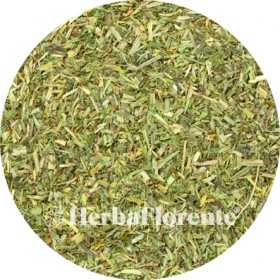
Woddruff Sweet - Galium aparine
Woddruff Sweet (Galium aparine) belongs to the star-leaved family (Rubiaceae). This plant is known for its ability to cling to objects it comes into contact with, thanks to the numerous hooks on both the stem and fruits. This causes plants and fruits to get caught in the fur of animals, resulting in widespread dispersal over great distances.
Cleaver leaves are widest above the middle and have one central vein. They grow together in whorls of seven. These leaves also have hooks, albeit less than the rest of the plant. The stem is thickened at the tips.
Cleaver leaves are widest above the middle and have one central vein. They grow together in whorls of seven. These leaves also have hooks, albeit less than the rest of the plant. The stem is thickened at the tips.
€2.50
From: €2.50
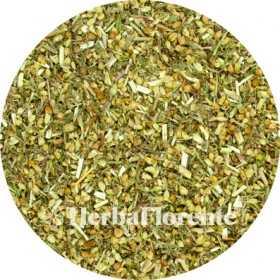
Yarrow - Achillea millefolii
Yarrow (Achillea millefolium) is a herbaceous plant in the daisy family (Asteraceae). It is a hardy perennial species common in the Netherlands and other parts of Europe. The plant is recognizable by its finely divided, feathery leaves and small flower heads, which are usually white but sometimes have a light pink tinge.
Yarrow has a long history and has been described in botanical and historical sources for centuries. The plant is named after the Greek hero Achilles, who, according to tradition, used yarrow, contributing to the herb's fame in classical antiquity.
Yarrow has a long history and has been described in botanical and historical sources for centuries. The plant is named after the Greek hero Achilles, who, according to tradition, used yarrow, contributing to the herb's fame in classical antiquity.
€2.00
From: €2.00
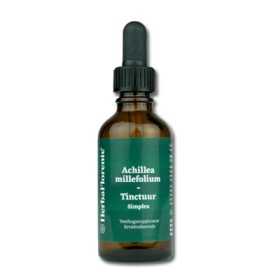
Yarrow Tincture - Achillea millefolium Tincture
Single herbal tincture made with dried herb of Achillea millefolium (Yarrow).
Yarrow (Achillea millefolium) is a herbaceous plant in the daisy family (Asteraceae). It is a hardy perennial species common in the Netherlands and other parts of Europe. The plant is recognizable by its finely divided, feathery leaves and small flower heads, which are usually white but sometimes have a light pink tinge.
Yarrow has a long history and has been described in botanical and historical sources for centuries. The plant is named after the Greek hero Achilles, who, according to tradition, used yarrow, contributing to the herb's fame in classical antiquity.
Yarrow (Achillea millefolium) is a herbaceous plant in the daisy family (Asteraceae). It is a hardy perennial species common in the Netherlands and other parts of Europe. The plant is recognizable by its finely divided, feathery leaves and small flower heads, which are usually white but sometimes have a light pink tinge.
Yarrow has a long history and has been described in botanical and historical sources for centuries. The plant is named after the Greek hero Achilles, who, according to tradition, used yarrow, contributing to the herb's fame in classical antiquity.
€11.95
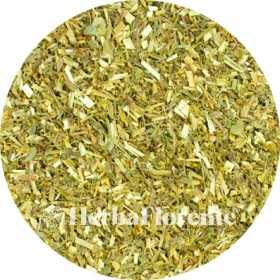
Yellow Sweet Slover - Melilotus officinalis
The Yellow Sweet Slover (Melilotus officinalis) is a biennial or perennial plant from the legume family (Leguminosae). Originally from Southern Europe, this plant has now spread worldwide. It is a slender, hairless plant that is frequently found along roads and on arable land, and is also found in dune areas. The lemon yellow honey clover reaches a height of 30 to 150 cm and blooms from July to October.
€2.00
From: €2.00
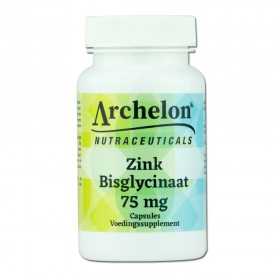
Zinc Bisglycinate - 75 mg
Zinc bisglycinate is a chelated form of zinc, in which the mineral is bound to two molecules of the amino acid glycine. This form is known for its good bioavailability. Zinc occurs naturally in foods such as meat, fish, nuts, seeds, and whole grains, and is available in various supplement forms. Zinc bisglycinate is a stable, easily absorbed source of zinc.
€16.95