



Trending
€57.50
€62.50
€35.95
€62.50
€62.50
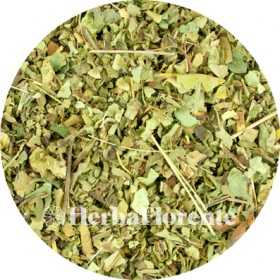
Lungwort - Pulmonaria officinalis
€5.91 €6.95 -15%
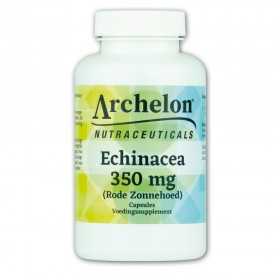
Echinacea (Red Coneflower) - 350 mg
€15.96 €19.95 -20%
Cholesterol
There are 93 products.
Kumis Kutjing - Cat's whiskers - Orthosiphon aristatus
Cat's whiskers (Orthosiphon aristatus), also known as Kumis Kutjing, is a plant traditionally used in various Asian herbal traditions. The species belongs to the Lamiaceae family and is native to tropical and subtropical regions, particularly Southeast Asia, including Malaysia and Java.
The plant prefers moist habitats, such as wetlands, riverbanks, and swampy areas. Cat's whiskers are particularly recognizable by their white to pale lilac flowers with conspicuously long, thread-like stamens that can grow up to approximately three centimeters long. These characteristics have led to the Dutch name "kattensnor" (cat's whiskers).
The plant prefers moist habitats, such as wetlands, riverbanks, and swampy areas. Cat's whiskers are particularly recognizable by their white to pale lilac flowers with conspicuously long, thread-like stamens that can grow up to approximately three centimeters long. These characteristics have led to the Dutch name "kattensnor" (cat's whiskers).
€2.30
From: €2.30
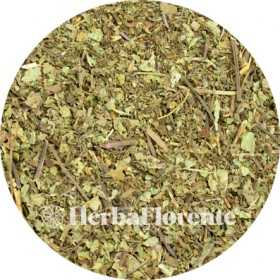
Kumis Kutjing - Cat's whiskers - Orthosiphon aristatus - Cut
Cat's whiskers (Orthosiphon aristatus), also known as Kumis Kutjing, is a plant traditionally used in various Asian herbal traditions. The species belongs to the Lamiaceae family and is native to tropical and subtropical regions, particularly Southeast Asia, including Malaysia and Java.
The plant prefers moist habitats, such as wetlands, riverbanks, and swampy areas. Cat's whiskers are particularly recognizable by their white to pale lilac flowers with conspicuously long, thread-like stamens that can grow up to approximately three centimeters long. These characteristics have led to the Dutch name "kattensnor" (cat's whiskers).
The plant prefers moist habitats, such as wetlands, riverbanks, and swampy areas. Cat's whiskers are particularly recognizable by their white to pale lilac flowers with conspicuously long, thread-like stamens that can grow up to approximately three centimeters long. These characteristics have led to the Dutch name "kattensnor" (cat's whiskers).
€4.50
From: €4.50
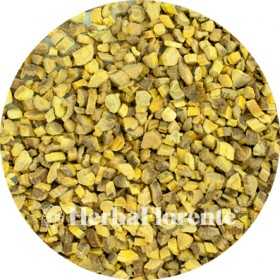
Licorice (Without Bark) - Glycyrrhiza glabra, Liquiritiae
Licorice (Glycyrrhiza glabra) is a versatile herb that has been used for centuries in various traditions, including Ayurvedic culture. The plant is cultivated in various parts of the world, such as Europe, Asia, and the Middle East, and can also grow in the Netherlands. The roots take three to four years to mature before they can be harvested.
Besides the roots, licorice leaves are also used, for example, in making tea. Licorice is known for its characteristic sweet flavor, which is due in part to the natural substance glycyrrhizin. It is widely used in foods and herbal preparations.
Besides the roots, licorice leaves are also used, for example, in making tea. Licorice is known for its characteristic sweet flavor, which is due in part to the natural substance glycyrrhizin. It is widely used in foods and herbal preparations.
€2.25
From: €2.25
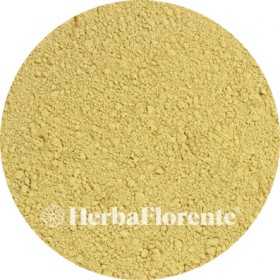
Licorice - Glycyrrhiza glabra, Liquiritiae
Licorice (Glycyrrhiza glabra) is a versatile herb that has been used for centuries in various traditions, including Ayurvedic culture. The plant is cultivated in various parts of the world, such as Europe, Asia, and the Middle East, and can also grow in the Netherlands. The roots take three to four years to mature before they can be harvested.
Besides the roots, licorice leaves are also used, for example, in making tea. Licorice is known for its characteristic sweet flavor, which is due in part to the natural substance glycyrrhizin. It is widely used in foods and herbal preparations.
Besides the roots, licorice leaves are also used, for example, in making tea. Licorice is known for its characteristic sweet flavor, which is due in part to the natural substance glycyrrhizin. It is widely used in foods and herbal preparations.
€2.40
From: €2.40
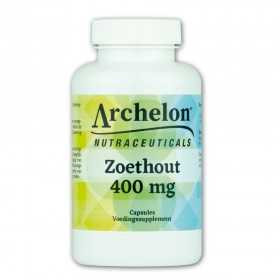
Licorice Root - 400 mg
Licorice (Glycyrrhiza glabra) is a versatile herb traditionally used in various traditional healing methods, including Ayurvedic medicine. It is cultivated worldwide, including in Europe, Asia, and the Middle East, and is a hardy plant that can also grow in the Netherlands. The roots of the plant take three to four years to mature before they can be harvested. Licorice is used in culinary applications as well as in dietary supplements and pharmaceuticals for its natural sweetness. This sweetness is due to the substance glycyrrhizin, which is naturally present in the roots. The leaves can also be used, for example, to make tea.
€17.95
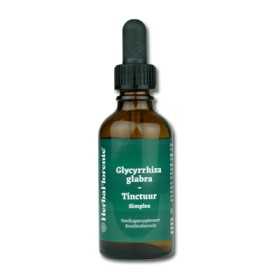
Licorice Tincture - Glycyrrhiza glabra Tincture
Single herbal tincture made with dried root of Glycyrrhiza glabra (Licorice).
Licorice (Glycyrrhiza glabra) is a versatile herb that has been used for centuries in various traditions, including Ayurvedic culture. The plant is cultivated in various parts of the world, such as Europe, Asia, and the Middle East, and can also grow in the Netherlands. The roots take three to four years to mature before they can be harvested.
Besides the roots, licorice leaves are also used, for example, in making tea. Licorice is known for its characteristic sweet flavor, which is due in part to the natural substance glycyrrhizin. It is widely used in foods and herbal preparations.
Licorice (Glycyrrhiza glabra) is a versatile herb that has been used for centuries in various traditions, including Ayurvedic culture. The plant is cultivated in various parts of the world, such as Europe, Asia, and the Middle East, and can also grow in the Netherlands. The roots take three to four years to mature before they can be harvested.
Besides the roots, licorice leaves are also used, for example, in making tea. Licorice is known for its characteristic sweet flavor, which is due in part to the natural substance glycyrrhizin. It is widely used in foods and herbal preparations.
€9.95
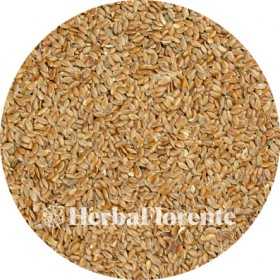
Lijnzaad - Linum usitatissimum
Flaxseed is a nutritious seed known for its rich composition of fatty acids and other natural components. It contains a high level of omega-3 fatty acids, of which approximately 55% consists of alpha-linolenic acid (ALA). In addition, approximately 20% of the fatty acid profile consists of omega-9 (oleic acid).
In addition to fatty acids, flaxseed also contains lignans (phytosterols), as well as tocopherols, carotenoids, and various minerals. This combination makes flaxseed a valuable plant-based food source.
According to the Netherlands Nutrition Centre, omega-3 fatty acids contribute to the maintenance of normal cardiovascular function when consumed as part of a varied and balanced diet.
In addition to fatty acids, flaxseed also contains lignans (phytosterols), as well as tocopherols, carotenoids, and various minerals. This combination makes flaxseed a valuable plant-based food source.
According to the Netherlands Nutrition Centre, omega-3 fatty acids contribute to the maintenance of normal cardiovascular function when consumed as part of a varied and balanced diet.
€2.00
From: €2.00
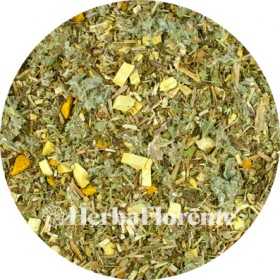
Liver Herbal Tea
Herbal tea composed of various herbs
€4.95
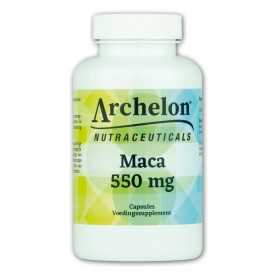
Maca - 550 mg
Maca (Lepidium meyenii) is a herbaceous biennial plant that grows naturally in the central Andes of Peru, at altitudes of over 4,000 meters. The plant is best known for its tuber, which has been harvested and used as a food source by local people for centuries.
The maca tuber naturally contains various nutrients, including vitamins, minerals, and other plant compounds. This composition makes maca suitable for supplementing the diet via capsules, powders, or extracts. Maca is used in supplements to support the easy absorption of these plant compounds into the daily diet.
The maca tuber naturally contains various nutrients, including vitamins, minerals, and other plant compounds. This composition makes maca suitable for supplementing the diet via capsules, powders, or extracts. Maca is used in supplements to support the easy absorption of these plant compounds into the daily diet.
€21.95
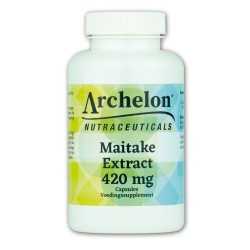
Maitake Extract - 420 mg
Maitake (Grifola frondosa), also known as oak hare, originates in the Far East and plays an important role in Chinese herbalism. This fungus, rich in various bioactive substances, is versatile for various applications. The name "maitake" comes from Japanese and literally means 'dancing mushroom', referring to the joy people experienced when finding it.
In nature, maitake mainly grows as a parasite on the roots or stumps of deciduous trees. For thousands of years, maitake has been valued in traditional Chinese herbalism for its nutritional value. This brown, lush fungus can sometimes weigh up to twenty kilos. With its delicious, aromatic flavor, maitake is a popular fungus in Japanese cuisine.
In nature, maitake mainly grows as a parasite on the roots or stumps of deciduous trees. For thousands of years, maitake has been valued in traditional Chinese herbalism for its nutritional value. This brown, lush fungus can sometimes weigh up to twenty kilos. With its delicious, aromatic flavor, maitake is a popular fungus in Japanese cuisine.
€34.95
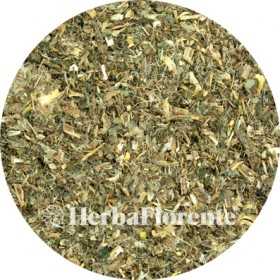
Milk Thistle (Herb) - Sylibum marianum, Cardui Mariae - Cut
Milk thistle (Silybum marianum), also known as milk thistle, is a spiny plant in the Asteraceae family. It originates in the Mediterranean region, but also grows in temperate regions such as the Netherlands and Belgium.
The plant is known for its striking, white-flecked leaves and purple flower heads. Milk thistle seeds contain natural compounds, including silymarin, a group of bioactive compounds considered antioxidants. Because of this composition, milk thistle is traditionally used in various food and herbal products.
The plant is known for its striking, white-flecked leaves and purple flower heads. Milk thistle seeds contain natural compounds, including silymarin, a group of bioactive compounds considered antioxidants. Because of this composition, milk thistle is traditionally used in various food and herbal products.
€2.20
From: €2.20
Milk Thistle (Seed) - Sylibum marianum, Cardui Mariae
Milk thistle (Silybum marianum), also known as milk thistle, is a spiny plant in the Asteraceae family. It originates in the Mediterranean region, but also grows in temperate regions such as the Netherlands and Belgium.
The plant is known for its striking, white-flecked leaves and purple flower heads. Milk thistle seeds contain natural compounds, including silymarin, a group of bioactive compounds considered antioxidants. Because of this composition, milk thistle is traditionally used in various food and herbal products.
The plant is known for its striking, white-flecked leaves and purple flower heads. Milk thistle seeds contain natural compounds, including silymarin, a group of bioactive compounds considered antioxidants. Because of this composition, milk thistle is traditionally used in various food and herbal products.
€2.00
From: €2.00
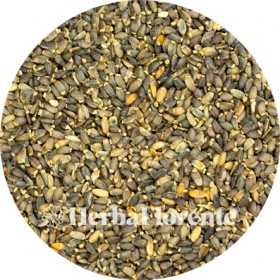
Milk Thistle (Seed) - Sylibum marianum, Cardui Mariae - Whole
Milk thistle (Silybum marianum), also known as milk thistle, is a spiny plant in the Asteraceae family. It originates in the Mediterranean region, but also grows in temperate regions such as the Netherlands and Belgium.
The plant is known for its striking, white-flecked leaves and purple flower heads. Milk thistle seeds contain natural compounds, including silymarin, a group of bioactive compounds considered antioxidants. Because of this composition, milk thistle is traditionally used in various food and herbal products.
The plant is known for its striking, white-flecked leaves and purple flower heads. Milk thistle seeds contain natural compounds, including silymarin, a group of bioactive compounds considered antioxidants. Because of this composition, milk thistle is traditionally used in various food and herbal products.
€2.00
From: €2.00
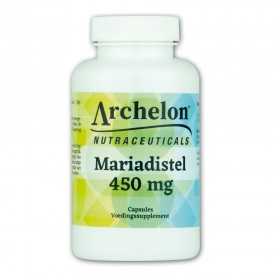
Milk Thistle - 450 mg
Milk thistle (Silybum marianum), also known as milk thistle, is a spiny plant from the Asteraceae family that is native to the Mediterranean region but also grows in other parts of Europe. The plant is best known for its characteristic purple-pink flowers and spotted leaves.
The seeds of the milk thistle are primarily used for supplements. These seeds naturally contain silymarin, a complex of flavonolignans found naturally in this plant. Silymarin is a plant compound often used in dietary supplements based on herbal extracts.
The seeds of the milk thistle are primarily used for supplements. These seeds naturally contain silymarin, a complex of flavonolignans found naturally in this plant. Silymarin is a plant compound often used in dietary supplements based on herbal extracts.
€17.95
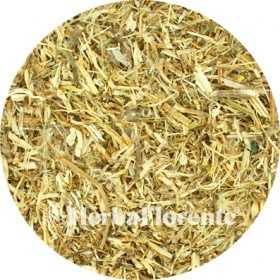
Nettle (Root) - Urticae dioica
Nettle (Urtica dioica) is a herbaceous plant found in many places and known for its stinging hairs when touched. Despite this characteristic, the plant has long been valued and used in various cultures. Nettle is used in culinary preparations such as soup and herbal tea.
The plant is native to large parts of Europe, Asia, and Africa. The Latin name Urtica dioica refers to the plant's stinging properties. Historical and botanical sources describe both the leaves and the roots as being traditionally collected and processed.
Both nettle leaf and root hold a firm place in herbal tradition.
The plant is native to large parts of Europe, Asia, and Africa. The Latin name Urtica dioica refers to the plant's stinging properties. Historical and botanical sources describe both the leaves and the roots as being traditionally collected and processed.
Both nettle leaf and root hold a firm place in herbal tradition.
€2.20
From: €2.20
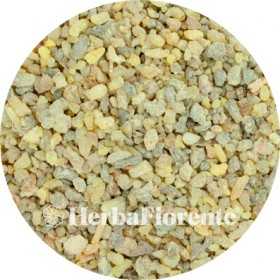
Olibanum Idian - Boswelia serrata
Iceland moss (Cetraria islandica), also known by the basic name Lichen islandicus, is a shrubby lichen belonging to the Parmeliaceae family (shell mosses). The species is native to cold and mountainous regions and is extremely rare in the Netherlands. For this reason, Iceland moss is listed on the Dutch Red List as critically endangered.
Iceland moss has a long cultural and historical background. Botanical and historical sources from the 17th century describe the lichen as part of the botanical knowledge of the time. During that period, the lichen was collected whole and used in traditional practices. These uses are part of historical and folklore.
Iceland moss has a long cultural and historical background. Botanical and historical sources from the 17th century describe the lichen as part of the botanical knowledge of the time. During that period, the lichen was collected whole and used in traditional practices. These uses are part of historical and folklore.
€2.80
From: €2.80
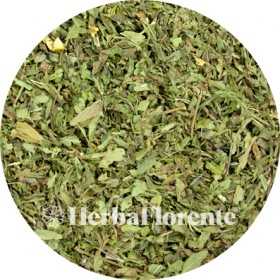
Peppermint - Menthae piperita
Peppermint oil is extracted from the leaves of the peppermint plant (Mentha piperita), a cross between water mint (Mentha aquatica) and spearmint (Mentha spicata). Peppermint belongs to the Lamiaceae family, which also includes other aromatic herbs such as basil and rosemary.
The plant was recognized as a distinct species in England in the 17th century and has been widely cultivated ever since. Peppermint naturally contains several essential oils, including menthol, menthone, and cineole, which together contribute to its characteristic fresh scent and flavor.
Peppermint oil is used as an ingredient in a variety of products, such as peppermint candy, flavorings, and herbal preparations. The leaves of the peppermint plant are also traditionally made into tea.
The plant was recognized as a distinct species in England in the 17th century and has been widely cultivated ever since. Peppermint naturally contains several essential oils, including menthol, menthone, and cineole, which together contribute to its characteristic fresh scent and flavor.
Peppermint oil is used as an ingredient in a variety of products, such as peppermint candy, flavorings, and herbal preparations. The leaves of the peppermint plant are also traditionally made into tea.
€2.00
From: €2.00
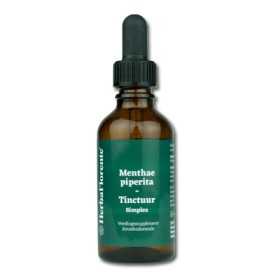
Peppermint Tincture - Menthae piperita Tincture
Single herbal tincture made with dried herb of Menthae piperita (Peppermint).
Peppermint oil is extracted from the leaves of the peppermint plant (Mentha piperita), a cross between water mint (Mentha aquatica) and spearmint (Mentha spicata). Peppermint belongs to the Lamiaceae family, which also includes other aromatic herbs such as basil and rosemary.
The plant was recognized as a distinct species in England in the 17th century and has been widely cultivated ever since. Peppermint naturally contains several essential oils, including menthol, menthone, and cineole, which together contribute to its characteristic fresh scent and flavor.
Peppermint oil is extracted from the leaves of the peppermint plant (Mentha piperita), a cross between water mint (Mentha aquatica) and spearmint (Mentha spicata). Peppermint belongs to the Lamiaceae family, which also includes other aromatic herbs such as basil and rosemary.
The plant was recognized as a distinct species in England in the 17th century and has been widely cultivated ever since. Peppermint naturally contains several essential oils, including menthol, menthone, and cineole, which together contribute to its characteristic fresh scent and flavor.
€11.95
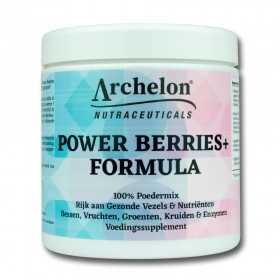
Power Berries+ Formula
Power Berries+ Formula is a carefully formulated powder mix with a broad combination of berries, fruits, vegetables, herbs, vitamins, and enzymes. The formula also contains polyphenols, phytonutrients, and antioxidants and was developed to complement a varied diet and a healthy lifestyle.
The ingredients have been selected with an eye for balance and coherence, making Power Berries+ Formula easy to take and flexible to fit into your daily routine. The powder form makes it easy to mix with water, juice, or smoothies.
Power Berries+ Formula is suitable for vegans and vegetarians, and contains no additives or preservatives.
The ingredients have been selected with an eye for balance and coherence, making Power Berries+ Formula easy to take and flexible to fit into your daily routine. The powder form makes it easy to mix with water, juice, or smoothies.
Power Berries+ Formula is suitable for vegans and vegetarians, and contains no additives or preservatives.
€57.50
Psyllium husks (Premium Psyllium Fiber) - Psylli flavum Testa
Psyllium husk comes from the seeds of the Plantago psyllium plant. These seeds are largely fiber-rich and are often used as an ingredient in nutritional products and supplements. Psyllium contains both soluble and insoluble fiber.
The seed consists of over 80% fiber, of which approximately 70% is soluble and 30% is insoluble. When psyllium husk comes into contact with water, it forms a gel-like substance that can absorb a significant amount of fluid. Therefore, it is important to drink plenty of water when using psyllium.
Because of these properties, psyllium is often used in products intended to supplement daily fiber intake.
The seed consists of over 80% fiber, of which approximately 70% is soluble and 30% is insoluble. When psyllium husk comes into contact with water, it forms a gel-like substance that can absorb a significant amount of fluid. Therefore, it is important to drink plenty of water when using psyllium.
Because of these properties, psyllium is often used in products intended to supplement daily fiber intake.
€2.80
From: €2.80
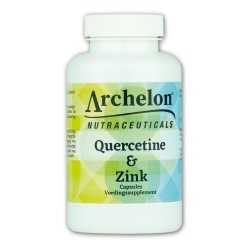
Quercetin & Zinc
Quercetin is a flavonoid (also called a bioflavonoid) that occurs naturally in various plants, fruits, and vegetables. Flavonoids are responsible for the vibrant colors in plants and contribute to various biochemical processes, such as regulating growth and protecting against UV light, oxidation, and heat.
Zinc is available in different forms. Zinc bisglycinate has a very good bioavailability. It is a chelated form of zinc bound to two (bis) molecules of the amino acid glycine which has more benefits for the body. Zinc has a very wide range of action and is involved in many body processes. Zinc is essential for the activity of more than 300 enzymes that have the zinc ion as a cofactor.
Zinc is available in different forms. Zinc bisglycinate has a very good bioavailability. It is a chelated form of zinc bound to two (bis) molecules of the amino acid glycine which has more benefits for the body. Zinc has a very wide range of action and is involved in many body processes. Zinc is essential for the activity of more than 300 enzymes that have the zinc ion as a cofactor.
€34.95
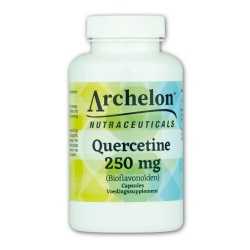
Quercetin - 250 mg
Quercetin is a flavonoid (also called a bioflavonoid) that occurs naturally in various plants, fruits, and vegetables. Flavonoids are responsible for the vibrant colors in plants and contribute to various biochemical processes, such as regulating growth and protecting against UV light, oxidation, and heat.
€27.95
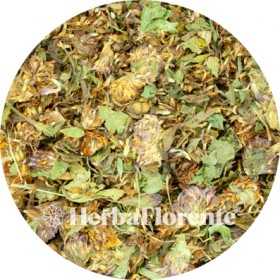
Red Clover (Flower) - Trifolii Rubr. pratense - Whole
Red clover (Trifolium pratense) is a plant native to Europe and Central Asia. It is characterized by its compound leaves, which usually consist of three leaflets, and its light purple flower heads.
Red clover flower heads naturally contain various plant compounds, including isoflavones. Isoflavones belong to the polyphenol group and are part of the plant's natural composition. Red clover also contains vitamins such as vitamin C, B1, B2, B3, beta-carotene, and choline.
Red clover has a long history of use in various cultures and is now incorporated into a variety of herbal preparations, such as teas and other plant products.
Red clover flower heads naturally contain various plant compounds, including isoflavones. Isoflavones belong to the polyphenol group and are part of the plant's natural composition. Red clover also contains vitamins such as vitamin C, B1, B2, B3, beta-carotene, and choline.
Red clover has a long history of use in various cultures and is now incorporated into a variety of herbal preparations, such as teas and other plant products.
€3.60
From: €3.60
Red Clover - Trifolii Rubr. pratense
Red clover (Trifolium pratense) is a plant native to Europe and Central Asia. It is characterized by its compound leaves, which usually consist of three leaflets, and its light purple flower heads.
Red clover flower heads naturally contain various plant compounds, including isoflavones. Isoflavones belong to the polyphenol group and are part of the plant's natural composition. Red clover also contains vitamins such as vitamin C, B1, B2, B3, beta-carotene, and choline.
Red clover has a long history of use in various cultures and is now incorporated into a variety of herbal preparations, such as teas and other plant products.
Red clover flower heads naturally contain various plant compounds, including isoflavones. Isoflavones belong to the polyphenol group and are part of the plant's natural composition. Red clover also contains vitamins such as vitamin C, B1, B2, B3, beta-carotene, and choline.
Red clover has a long history of use in various cultures and is now incorporated into a variety of herbal preparations, such as teas and other plant products.
€4.20
From: €4.20