



Trending
€57.50
€62.50

€35.95
€62.50
€62.50
Lungwort - Pulmonaria officinalis
€5.91 €6.95 -15%
Echinacea (Red Coneflower) - 350 mg
€15.96 €19.95 -20%
Deacidification
There are 102 products.
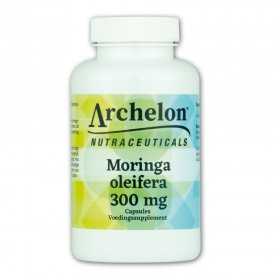
Moringa oleifera - 300 mg
Moringa oleifera is a fast-growing tree native to parts of Africa and Asia. Also known as the "moringa tree," it is traditionally used as a food source in various cultures. The leaves, in particular, are valued for their diverse range of natural nutrients.
Moringa leaves naturally contain a variety of nutrients, including plant proteins, fiber, vitamins, minerals, amino acids, and plant compounds such as polyphenols and carotenoids. This versatile composition means moringa is used worldwide in powders, capsules, and other food products.
Moringa leaves naturally contain a variety of nutrients, including plant proteins, fiber, vitamins, minerals, amino acids, and plant compounds such as polyphenols and carotenoids. This versatile composition means moringa is used worldwide in powders, capsules, and other food products.
€19.95
Nettle (Herb) - Urticae dioica
Nettle (Urtica dioica) is a herbaceous plant found in many places and known for its stinging hairs when touched. Despite this characteristic, the plant has long been valued and used in various cultures. Nettle is used in culinary preparations such as soup and herbal tea.
The plant is native to large parts of Europe, Asia, and Africa. The Latin name Urtica dioica refers to the plant's stinging properties. Historical and botanical sources describe both the leaves and the roots as being traditionally collected and processed.
Both nettle leaf and root hold a firm place in herbal tradition. Due to their natural composition and long history, these parts of the plant have been mentioned for centuries in ethnobotanical and historical accounts.
The plant is native to large parts of Europe, Asia, and Africa. The Latin name Urtica dioica refers to the plant's stinging properties. Historical and botanical sources describe both the leaves and the roots as being traditionally collected and processed.
Both nettle leaf and root hold a firm place in herbal tradition. Due to their natural composition and long history, these parts of the plant have been mentioned for centuries in ethnobotanical and historical accounts.
€2.00
From: €2.00
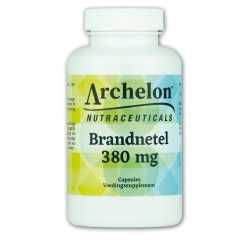
Nettle - 380 mg
Nettle is a versatile plant that has been used for centuries in European herbal traditions. Both the leaves and the roots are used in herbal preparations. Nettle is valued for its wide range of uses and natural composition, making it a suitable addition to a varied and balanced diet. The plant is also widely used in teas and culinary applications, such as soups.
€17.95
Nettle - Urticae dioica
Nettle (Urtica dioica) is a herbaceous plant found in many places and known for its stinging hairs when touched. Despite this characteristic, the plant has long been valued and used in various cultures. Nettle is used in culinary preparations such as soup and herbal tea.
The plant is native to large parts of Europe, Asia, and Africa. The Latin name Urtica dioica refers to the plant's stinging properties. Historical and botanical sources describe both the leaves and the roots as being traditionally collected and processed.
Both nettle leaf and root hold a firm place in herbal tradition. Due to their natural composition and long history, these parts of the plant have been mentioned for centuries in ethnobotanical and historical accounts.
The plant is native to large parts of Europe, Asia, and Africa. The Latin name Urtica dioica refers to the plant's stinging properties. Historical and botanical sources describe both the leaves and the roots as being traditionally collected and processed.
Both nettle leaf and root hold a firm place in herbal tradition. Due to their natural composition and long history, these parts of the plant have been mentioned for centuries in ethnobotanical and historical accounts.
€2.40
From: €2.40
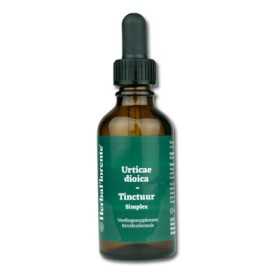
Nettle Tincture - Urticae dioica Tincture
Single herbal tincture made with dried herb of Urticae dioica (Nettle).
The stinging nettle (Urtica dioica) is a herbaceous plant found in many places and known for its stinging hairs, which cause a tingling sensation when touched. Despite this characteristic, the plant has been valued and used in various cultures for centuries. It is used in culinary preparations such as soup and herbal tea.
The plant is native to large parts of Europe, Asia, and Africa. The Latin name Urtica dioica refers to the plant's pungent nature. Historical and botanical sources describe both the leaves and roots as being traditionally collected and processed.
The stinging nettle (Urtica dioica) is a herbaceous plant found in many places and known for its stinging hairs, which cause a tingling sensation when touched. Despite this characteristic, the plant has been valued and used in various cultures for centuries. It is used in culinary preparations such as soup and herbal tea.
The plant is native to large parts of Europe, Asia, and Africa. The Latin name Urtica dioica refers to the plant's pungent nature. Historical and botanical sources describe both the leaves and roots as being traditionally collected and processed.
€10.95
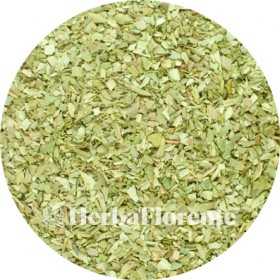
Olive - Olea europaea
Out-of-Stock
Olive leaves come from the wild olive tree (Olea europaea) and naturally contain antioxidants. These trees are native to Western Asia, Egypt, and Syria, and are now also found in the Mediterranean, South America, the southern United States, southern Australia, and the tropics.
Olive leaves have been used for centuries in the Mediterranean region, for example, as a tea. They contain various plant compounds, including oleuropein, secoiridoids, and flavonoids. Olive leaves have a rich history in traditional cuisine and folk herbalism and are often associated with the olive tree, also known as the "tree of life."
Olive leaves have been used for centuries in the Mediterranean region, for example, as a tea. They contain various plant compounds, including oleuropein, secoiridoids, and flavonoids. Olive leaves have a rich history in traditional cuisine and folk herbalism and are often associated with the olive tree, also known as the "tree of life."
€2.25
From: €2.25
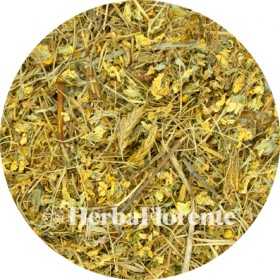
Pansy, Herb trinit (Flower) - Viola tricolor
Out-of-Stock
The pansy (Viola tricolor), also known as the wild violet, is an ornamental plant that has been part of European botanical knowledge for centuries. The tricolor violet belongs to the pansy family (Violaceae) and is native to Europe, from Lapland to the Mediterranean, and even to Siberia.
This plant, which is annual but can sometimes be perennial, grows to a height of 30 cm and has roots that can reach depths of up to 45 cm. Its flowering period extends from May to October. The flowers are at least 1 cm wide, but usually larger, with an average diameter of 1.5 cm. The plant was first described by the renowned botanist Rembert Dodoens in 1554.
This plant, which is annual but can sometimes be perennial, grows to a height of 30 cm and has roots that can reach depths of up to 45 cm. Its flowering period extends from May to October. The flowers are at least 1 cm wide, but usually larger, with an average diameter of 1.5 cm. The plant was first described by the renowned botanist Rembert Dodoens in 1554.
€7.00
From: €7.00
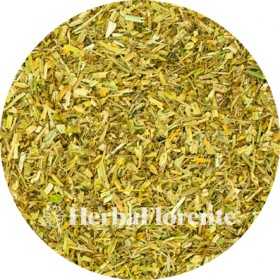
Pansy, Herb trinit Herb - Viola tricolor - Cut
The pansy (Viola tricolor), also known as the wild violet, is an ornamental plant that has been part of European botanical knowledge for centuries. The tricolor violet belongs to the pansy family (Violaceae) and is native to Europe, from Lapland to the Mediterranean, and even to Siberia.
This plant, which is annual but can sometimes be perennial, grows to a height of 30 cm and has roots that can reach depths of up to 45 cm. Its flowering period extends from May to October. The flowers are at least 1 cm wide, but usually larger, with an average diameter of 1.5 cm. The plant was first described by the renowned botanist Rembert Dodoens in 1554.
This plant, which is annual but can sometimes be perennial, grows to a height of 30 cm and has roots that can reach depths of up to 45 cm. Its flowering period extends from May to October. The flowers are at least 1 cm wide, but usually larger, with an average diameter of 1.5 cm. The plant was first described by the renowned botanist Rembert Dodoens in 1554.
€2.00
From: €2.00
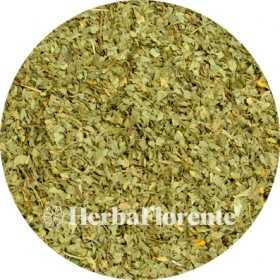
Parsley - Petroselini - Cut
Parsley (Petroselinum crispum) is a biennial, hardy herbaceous plant from the Apiaceae family. The herb is widely used in European, American, and Middle Eastern cuisine for its fresh, aromatic flavor.
In ancient times, parsley had symbolic meaning. For the ancient Greeks, the herb symbolized joy and was frequently used in rituals and traditions. The Romans spread the use of parsley throughout Western Europe. In the Middle Ages, parsley was eaten and cultivated as both an herb and a vegetable, including in the gardens of Charlemagne.
For culinary use, the leaves are primarily used, preferably just before serving. Parsley is often combined with garlic in herb butter, used in salads, and incorporated into a variety of dishes. The seeds can also be ground and used as a spice.
In ancient times, parsley had symbolic meaning. For the ancient Greeks, the herb symbolized joy and was frequently used in rituals and traditions. The Romans spread the use of parsley throughout Western Europe. In the Middle Ages, parsley was eaten and cultivated as both an herb and a vegetable, including in the gardens of Charlemagne.
For culinary use, the leaves are primarily used, preferably just before serving. Parsley is often combined with garlic in herb butter, used in salads, and incorporated into a variety of dishes. The seeds can also be ground and used as a spice.
€2.20
From: €2.20
Pau D'arco - Tabeuiae
Pau d’arco (Tabebuia avellanedae) is a tree native to the Amazon region. Traditionally, the inner layer of the bark is primarily used. This bark has a long history within various cultures in South America.
Pau d’arco bark naturally contains various plant compounds, including flavonoids and quinones. More than twenty different quinone compounds have been identified in the bark, including lapachol and beta-lapachone. These compounds contribute to the characteristic composition of pau d’arco.
Pau d’arco is traditionally made into tea or other herbal preparations and is valued for its natural origins and rich plant profile.
Pau d’arco bark naturally contains various plant compounds, including flavonoids and quinones. More than twenty different quinone compounds have been identified in the bark, including lapachol and beta-lapachone. These compounds contribute to the characteristic composition of pau d’arco.
Pau d’arco is traditionally made into tea or other herbal preparations and is valued for its natural origins and rich plant profile.
€2.60
From: €2.60
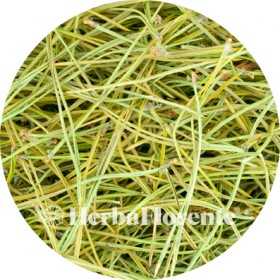
Pine (Needles) - Pinus silvestris
The Scots pine (Pinus sylvestris) belongs to the pine family (Pinaceae) and can reach an age of 200 to 300 years. This tree is known for its rich resin content and characteristic pine scent.
The needles and buds of the Scots pine contain natural compounds such as tannins, flavonoids, and vitamins. The tree's resin contains turpentine and a large number of monoterpenes, including α-pinene, β-pinene, and limonene, which are components of the tree's essential oil.
Scots pine is traditionally used in various applications, such as in aromatic products and in the production of pine oil. Both needles and buds are used in some traditional preparations for their fragrance and flavor.
The needles and buds of the Scots pine contain natural compounds such as tannins, flavonoids, and vitamins. The tree's resin contains turpentine and a large number of monoterpenes, including α-pinene, β-pinene, and limonene, which are components of the tree's essential oil.
Scots pine is traditionally used in various applications, such as in aromatic products and in the production of pine oil. Both needles and buds are used in some traditional preparations for their fragrance and flavor.
€2.00
From: €2.00
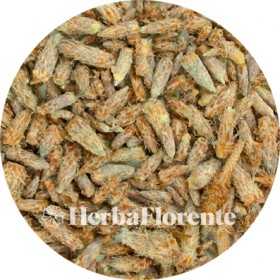
Pine (Seedlings) - Pinus silvestris
The Scots pine (Pinus sylvestris) belongs to the pine family (Pinaceae) and can reach an age of 200 to 300 years. This tree is known for its rich resin content and characteristic pine scent.
The needles and buds of the Scots pine contain natural compounds such as tannins, flavonoids, and vitamins. The tree's resin contains turpentine and a large number of monoterpenes, including α-pinene, β-pinene, and limonene, which are components of the tree's essential oil.
Scots pine is traditionally used in various applications, such as in aromatic products and in the production of pine oil. Both needles and buds are used in some traditional preparations for their fragrance and flavor.
The needles and buds of the Scots pine contain natural compounds such as tannins, flavonoids, and vitamins. The tree's resin contains turpentine and a large number of monoterpenes, including α-pinene, β-pinene, and limonene, which are components of the tree's essential oil.
Scots pine is traditionally used in various applications, such as in aromatic products and in the production of pine oil. Both needles and buds are used in some traditional preparations for their fragrance and flavor.
€2.80
From: €2.80
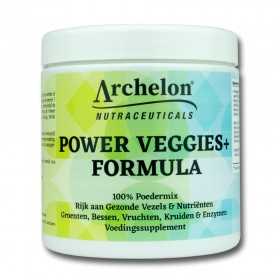
Power Veggies+ Formula
Power Veggies+ Formula is a carefully formulated powder mix containing a combination of vegetables, berries, fruits, herbs, vitamins, and enzymes. The formula also contains polyphenols, phytonutrients, and antioxidants and was developed to complement a varied diet and a healthy lifestyle.
The ingredients have been selected with an eye for balance and coherence, making Power Veggies+ Formula easy to take and flexible to fit into your daily routine. The powder form makes it easy to mix with water, juice, or smoothies.
Power Veggies+ Formula is suitable for vegans and vegetarians, and contains no additives or preservatives.
The ingredients have been selected with an eye for balance and coherence, making Power Veggies+ Formula easy to take and flexible to fit into your daily routine. The powder form makes it easy to mix with water, juice, or smoothies.
Power Veggies+ Formula is suitable for vegans and vegetarians, and contains no additives or preservatives.
€59.50
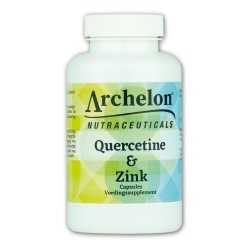
Quercetin & Zinc
Quercetin is a flavonoid (also called a bioflavonoid) that occurs naturally in various plants, fruits, and vegetables. Flavonoids are responsible for the vibrant colors in plants and contribute to various biochemical processes, such as regulating growth and protecting against UV light, oxidation, and heat.
Zinc is available in different forms. Zinc bisglycinate has a very good bioavailability. It is a chelated form of zinc bound to two (bis) molecules of the amino acid glycine which has more benefits for the body. Zinc has a very wide range of action and is involved in many body processes. Zinc is essential for the activity of more than 300 enzymes that have the zinc ion as a cofactor.
Zinc is available in different forms. Zinc bisglycinate has a very good bioavailability. It is a chelated form of zinc bound to two (bis) molecules of the amino acid glycine which has more benefits for the body. Zinc has a very wide range of action and is involved in many body processes. Zinc is essential for the activity of more than 300 enzymes that have the zinc ion as a cofactor.
€34.95
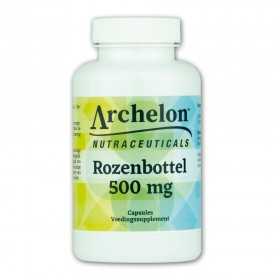
Rosehip - 500 mg
The dog rose (Rosa canina) is a native rose species in the Benelux, found in Europe, Northwest Africa and West Asia. This species has been introduced into North America.
After flowering, a rose hip develops, a fleshy flower base with nutty fruits inside. The rose hip is oval or ovoid, red-orange in color, and measures 1-2.5 cm long and 1-1.8 cm wide.
Rose hips are often used for making jam because of their high vitamin C content. They also contain carotene, vitamin B1 and vitamin B2.
After flowering, a rose hip develops, a fleshy flower base with nutty fruits inside. The rose hip is oval or ovoid, red-orange in color, and measures 1-2.5 cm long and 1-1.8 cm wide.
Rose hips are often used for making jam because of their high vitamin C content. They also contain carotene, vitamin B1 and vitamin B2.
€19.95
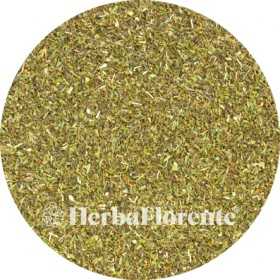
Savory Wort - Satureja hortensis
Savory (Satureja), also known as winter or summer savory, belongs to the Lamiaceae or Labiatae family. The scientific name is derived from the Latin word "satyr."
Historical and Cultural Context
During Roman times, savory was often used in rituals and cultural practices. It was incorporated into wreaths and jewelry and featured in traditional dishes. Historical sources describe it as playing an important role in Roman cuisine.
Culinary Uses
Savory is traditionally used as a seasoning in a variety of dishes. In ancient times, it was used in sauces for fish and meat, stuffings for veal, and in sausages or pork pies. Over the centuries, chefs have developed their own recipes using this aromatic herb.
Historical and Cultural Context
During Roman times, savory was often used in rituals and cultural practices. It was incorporated into wreaths and jewelry and featured in traditional dishes. Historical sources describe it as playing an important role in Roman cuisine.
Culinary Uses
Savory is traditionally used as a seasoning in a variety of dishes. In ancient times, it was used in sauces for fish and meat, stuffings for veal, and in sausages or pork pies. Over the centuries, chefs have developed their own recipes using this aromatic herb.
€2.00
From: €2.00
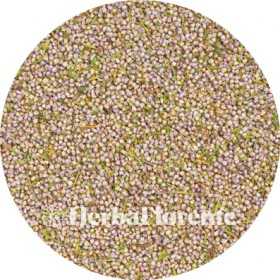
Shrub Heather (Flower) - Erica vulgaris
The Heather (Erica vulgaris - Calluna vulgaris) belongs to the heath family (Ericaceae) and grows throughout Europe, especially in Central and Northern Europe. It even reaches Western Siberia in the east. In the nineteenth century, Scottish immigrants brought the heather to Canada, from where it spread throughout North America. It is the only species in the genus Calluna, meaning it is a monotypic genus.
The shrub heath can grow to a height of 10-100 cm, sometimes even up to 150 cm in certain places. It has hermaphroditic, symmetrical flowers, with the calyx and petals being the same color. Purple flowers appear towards the end of the branches, creating the purple heaths from late July to early September.
The shrub heath can grow to a height of 10-100 cm, sometimes even up to 150 cm in certain places. It has hermaphroditic, symmetrical flowers, with the calyx and petals being the same color. Purple flowers appear towards the end of the branches, creating the purple heaths from late July to early September.
€2.80
From: €2.80
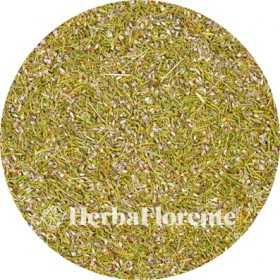
Shrub Heather - Erica vulgaris
The Heather (Erica vulgaris - Calluna vulgaris) belongs to the heath family (Ericaceae) and grows throughout Europe, especially in Central and Northern Europe. It even reaches Western Siberia in the east. In the nineteenth century, Scottish immigrants brought the heather to Canada, from where it spread throughout North America. It is the only species in the genus Calluna, meaning it is a monotypic genus.
The shrub heath can grow to a height of 10-100 cm, sometimes even up to 150 cm in certain places. It has hermaphroditic, symmetrical flowers, with the calyx and petals being the same color. Purple flowers appear towards the end of the branches, creating the purple heaths from late July to early September.
The shrub heath can grow to a height of 10-100 cm, sometimes even up to 150 cm in certain places. It has hermaphroditic, symmetrical flowers, with the calyx and petals being the same color. Purple flowers appear towards the end of the branches, creating the purple heaths from late July to early September.
€2.20
From: €2.20
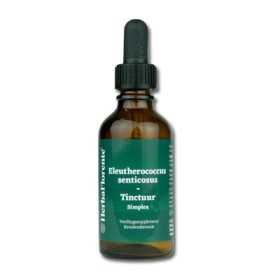
Siberian Ginseng Tincture - Eleutherococcus senticosus Tincture
Single herbal tincture made with dried root of Eleutherococcus senticosus (Siberian ginseng).
Siberian ginseng (Eleutherococcus senticosus) is a shrubby plant native to parts of Russia, China, Korea, and Japan. The plant belongs to the Araliaceae family and is botanically related to, but distinct from, the better-known Panax species such as Korean ginseng (Panax ginseng) and American ginseng (Panax quinquefolius).
The roots of Siberian ginseng have long been mentioned in East Asian and Russian botanical literature. These historical and cultural sources describe the plant as part of traditional practices. This long history of use has also led to Siberian ginseng becoming known beyond its native range.
Siberian ginseng (Eleutherococcus senticosus) is a shrubby plant native to parts of Russia, China, Korea, and Japan. The plant belongs to the Araliaceae family and is botanically related to, but distinct from, the better-known Panax species such as Korean ginseng (Panax ginseng) and American ginseng (Panax quinquefolius).
The roots of Siberian ginseng have long been mentioned in East Asian and Russian botanical literature. These historical and cultural sources describe the plant as part of traditional practices. This long history of use has also led to Siberian ginseng becoming known beyond its native range.
€9.95
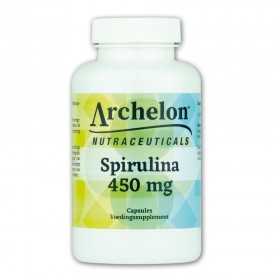
Spirulina - 450 mg
Spirulina is a blue-green, single-celled algae that grows in warm, freshwater. This microscopic algae has spiral-shaped strands and contains natural pigments such as chlorophyll (green) and phycocyanin (blue).
Spirulina naturally contains a broad spectrum of nutrients, including protein, B-complex vitamins, vitamin E, carotenoids, iron, manganese, zinc, and essential fatty acids such as gamma-linolenic acid. It is known as a rich source of beta-carotene and other carotenoids. Spirulina is often included in nutritional supplements and can be included as part of a varied and balanced diet.
Spirulina naturally contains a broad spectrum of nutrients, including protein, B-complex vitamins, vitamin E, carotenoids, iron, manganese, zinc, and essential fatty acids such as gamma-linolenic acid. It is known as a rich source of beta-carotene and other carotenoids. Spirulina is often included in nutritional supplements and can be included as part of a varied and balanced diet.
€19.95
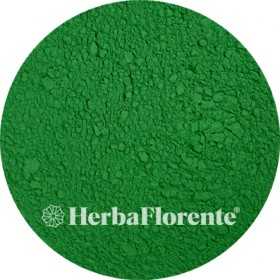
Spirulina - Spirulina platensis
Spirulina is a type of single-celled algae that contains both chlorophyll (a green pigment) and phycocyanin (a blue pigment). The algae forms spiral-shaped microscopic strands and grows naturally in warm, freshwater.
Spirulina contains various nutrients, including protein, vitamins (such as B-complex and E), carotenoids, iron, manganese, zinc, and some fatty acids. Because of this composition, spirulina is often used as part of a varied diet.
The algae can grow in warm environments and retain many of their nutrients, even during processing at higher temperatures..
Spirulina contains various nutrients, including protein, vitamins (such as B-complex and E), carotenoids, iron, manganese, zinc, and some fatty acids. Because of this composition, spirulina is often used as part of a varied diet.
The algae can grow in warm environments and retain many of their nutrients, even during processing at higher temperatures..
€2.80
From: €2.80
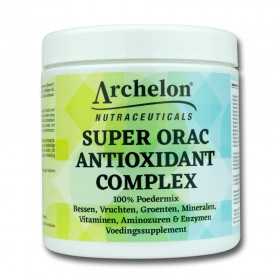
Super ORAC Antioxidant Complex
Super ORAC Antioxidant Complex is a carefully formulated powder mix containing a combination of vegetables, berries, fruits, vitamins, minerals, amino acids, and enzymes. The formula also contains polyphenols, phytonutrients, and antioxidants and was developed to complement a varied diet and a healthy lifestyle.
The ingredients have been selected with an eye for balance and coherence, making Super ORAC Antioxidant Complex easy to take and flexible to fit into your daily routine. The powder form makes it easy to mix with water, juice, or smoothies.
Super ORAC Antioxidant Complex is suitable for vegans and vegetarians, and contains no additives or preservatives.
The ingredients have been selected with an eye for balance and coherence, making Super ORAC Antioxidant Complex easy to take and flexible to fit into your daily routine. The powder form makes it easy to mix with water, juice, or smoothies.
Super ORAC Antioxidant Complex is suitable for vegans and vegetarians, and contains no additives or preservatives.
€79.50
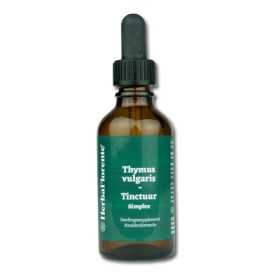
Thyme Tincture - Thymus vulgaris Tincture
Single herbal tincture made with dried herb of Thymus vulgaris (Thyme).
Thyme is a herb valued in both cooking and traditional applications. It is recognizable by its distinctive aroma and can be used in teas, spice blends, syrups, or as a seasoning in dishes.
Thyme grows naturally in Europe, Asia, and Africa, forming hardy shrubs approximately 40 centimeters tall. The herb thrives in dry and stony soils. Both the leaves and flowers of thyme contain various plant compounds, including essential oils and flavonoids.
Thyme was used by the Greeks and Romans since ancient times, primarily for its aroma and culinary uses. Today, thyme is still valued for its fragrance and flavor.
Thyme is a herb valued in both cooking and traditional applications. It is recognizable by its distinctive aroma and can be used in teas, spice blends, syrups, or as a seasoning in dishes.
Thyme grows naturally in Europe, Asia, and Africa, forming hardy shrubs approximately 40 centimeters tall. The herb thrives in dry and stony soils. Both the leaves and flowers of thyme contain various plant compounds, including essential oils and flavonoids.
Thyme was used by the Greeks and Romans since ancient times, primarily for its aroma and culinary uses. Today, thyme is still valued for its fragrance and flavor.
€10.95
Tumeric long. - Curcumae longae
Turmeric, also known as turmeric (Curcuma longa), is a tropical plant native to India and Southeast Asia. The root has been used for centuries and is best known in powdered form. In the Netherlands, it is often called "geelwortel" (yellow root) because of its bright yellow color, which is used in curry mixtures, mustard, and other culinary preparations.
Turmeric plays an important role in various Asian cuisines, where it is valued for its color, aroma, and distinctive flavor. The root is found in historical and cultural sources and was traditionally incorporated into dishes and spice blends.
Turmeric plays an important role in various Asian cuisines, where it is valued for its color, aroma, and distinctive flavor. The root is found in historical and cultural sources and was traditionally incorporated into dishes and spice blends.
€2.00
From: €2.00