



Trending
€57.50
€62.50
€35.95
€62.50
€62.50
Lungwort - Pulmonaria officinalis
€5.91 €6.95 -15%
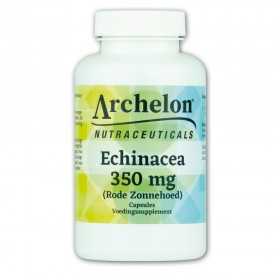
Echinacea (Red Coneflower) - 350 mg
€15.96 €19.95 -20%
Dejected
There are 88 products.
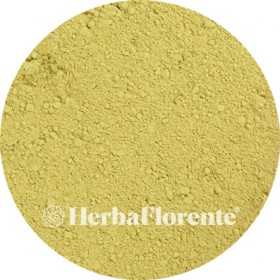
Thyme - Thymii vulgaris
Thyme is a herb valued in both cooking and traditional applications. It is recognizable by its distinctive aroma and can be used in teas, spice blends, syrups, or as a seasoning in dishes.
Thyme grows naturally in Europe, Asia, and Africa, forming hardy shrubs approximately 40 centimeters tall. The herb thrives in dry and stony soils. Both the leaves and flowers of thyme contain various plant compounds, including essential oils and flavonoids.
Thyme was used by the Greeks and Romans since ancient times, primarily for its aroma and culinary uses. Today, thyme is still valued for its fragrance and flavor.
Thyme grows naturally in Europe, Asia, and Africa, forming hardy shrubs approximately 40 centimeters tall. The herb thrives in dry and stony soils. Both the leaves and flowers of thyme contain various plant compounds, including essential oils and flavonoids.
Thyme was used by the Greeks and Romans since ancient times, primarily for its aroma and culinary uses. Today, thyme is still valued for its fragrance and flavor.
€2.20
From: €2.20
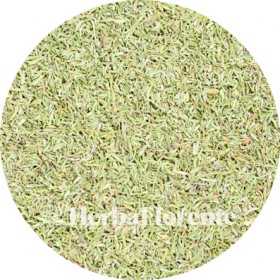
Thyme - Thymii vulgaris - Cut
Thyme is a herb valued in both cooking and traditional applications. It is recognizable by its distinctive aroma and can be used in teas, spice blends, syrups, or as a seasoning in dishes.
Thyme grows naturally in Europe, Asia, and Africa, forming hardy shrubs approximately 40 centimeters tall. The herb thrives in dry and stony soils. Both the leaves and flowers of thyme contain various plant compounds, including essential oils and flavonoids.
Thyme was used by the Greeks and Romans since ancient times, primarily for its aroma and culinary uses. Today, thyme is still valued for its fragrance and flavor.
Thyme grows naturally in Europe, Asia, and Africa, forming hardy shrubs approximately 40 centimeters tall. The herb thrives in dry and stony soils. Both the leaves and flowers of thyme contain various plant compounds, including essential oils and flavonoids.
Thyme was used by the Greeks and Romans since ancient times, primarily for its aroma and culinary uses. Today, thyme is still valued for its fragrance and flavor.
€2.20
From: €2.20
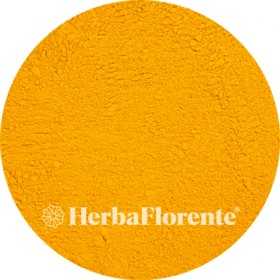
Tumeric long. - Curcumae longae
Turmeric, also known as turmeric (Curcuma longa), is a tropical plant native to India and Southeast Asia. The root has been used for centuries and is best known in powdered form. In the Netherlands, it is often called "geelwortel" (yellow root) because of its bright yellow color, which is used in curry mixtures, mustard, and other culinary preparations.
Turmeric plays an important role in various Asian cuisines, where it is valued for its color, aroma, and distinctive flavor. The root is found in historical and cultural sources and was traditionally incorporated into dishes and spice blends.
Turmeric plays an important role in various Asian cuisines, where it is valued for its color, aroma, and distinctive flavor. The root is found in historical and cultural sources and was traditionally incorporated into dishes and spice blends.
€2.00
From: €2.00
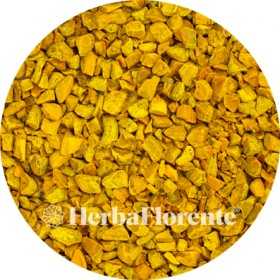
Tumeric long. - Curcumae longae - Cut
Turmeric, also known as turmeric (Curcuma longa), is a tropical plant native to India and Southeast Asia. The root has been used for centuries and is best known in powdered form. In the Netherlands, it is often called "geelwortel" (yellow root) because of its bright yellow color, which is used in curry mixtures, mustard, and other culinary preparations.
Turmeric plays an important role in various Asian cuisines, where it is valued for its color, aroma, and distinctive flavor. The root is found in historical and cultural sources and was traditionally incorporated into dishes and spice blends.
Turmeric plays an important role in various Asian cuisines, where it is valued for its color, aroma, and distinctive flavor. The root is found in historical and cultural sources and was traditionally incorporated into dishes and spice blends.
€2.00
From: €2.00
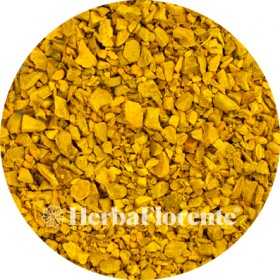
Tumeric zanth. - Curcumae zanthorrhizae - Cut
Turmeric, also known as Javanese ginger (Curcuma xanthorrhiza), is a tropical plant native to India and Southeast Asia. The root of this plant has been used for centuries and is best known in powdered form. In the Netherlands, turmeric is also known as yellow root (gelukkigroot) because of its intense yellow color, which is used in curry mixtures and mustard, among other things.
Turmeric plays an important role in various Asian cuisines, where it is valued for its color, aroma, and characteristic flavor. Besides its culinary uses, turmeric is traditionally described in historical and cultural sources from India and Indonesia, where the root played an integral role in daily life.
Turmeric plays an important role in various Asian cuisines, where it is valued for its color, aroma, and characteristic flavor. Besides its culinary uses, turmeric is traditionally described in historical and cultural sources from India and Indonesia, where the root played an integral role in daily life.
€2.00
From: €2.00
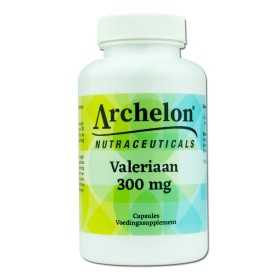
Valerian - 300 mg
Valerian (Valeriana officinalis) is a perennial plant native to the Netherlands, particularly in well-drained, moist soil. The roots have a distinctive, strong odor. The name "valerian" may derive from the Latin valere, meaning "strong." Historically, valerian was used in various traditions: bridal couples wore wreaths of valerian leaves, while farmers associated the herb with protecting their livestock. The aroma of the roots is due to various natural compounds found in the plant. Valerian is often prepared in dried roots, powders, and supplements.
€19.95
Valerian - Valerianae officinalis
Valerian (Valeriana officinalis) is a plant with a long history of use in Europe. It is still common in the Netherlands and prefers airy, moist soil. The roots of the plant, in particular, are known for their strong and distinctive odor, which attracts cats, among other things.
Valerian has been used in folk customs and traditions since ancient times. Our ancestors employed the herb in rituals and symbolic practices, for example, to ward off evil. Brides and grooms wore wreaths of valerian leaves, and farmers used the herb in traditional agricultural practices.
Valerian's distinct scent is due to the natural plant compounds found in the root. Today, valerian is primarily valued for its characteristic properties and historical significance.
Valerian has been used in folk customs and traditions since ancient times. Our ancestors employed the herb in rituals and symbolic practices, for example, to ward off evil. Brides and grooms wore wreaths of valerian leaves, and farmers used the herb in traditional agricultural practices.
Valerian's distinct scent is due to the natural plant compounds found in the root. Today, valerian is primarily valued for its characteristic properties and historical significance.
€3.70
From: €3.70
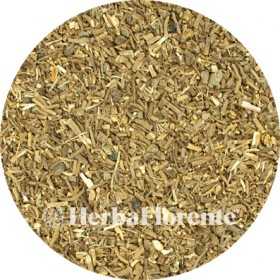
Valerian - Valerianae officinalis - Cut
Valerian (Valeriana officinalis) is a plant with a long history of use in Europe. It is still common in the Netherlands and prefers airy, moist soil. The roots of the plant, in particular, are known for their strong and distinctive odor, which attracts cats, among other things.
Valerian has been used in folk customs and traditions since ancient times. Our ancestors employed the herb in rituals and symbolic practices, for example, to ward off evil. Brides and grooms wore wreaths of valerian leaves, and farmers used the herb in traditional agricultural practices.
Valerian's distinct scent is due to the natural plant compounds found in the root. Today, valerian is primarily valued for its characteristic properties and historical significance.
Valerian has been used in folk customs and traditions since ancient times. Our ancestors employed the herb in rituals and symbolic practices, for example, to ward off evil. Brides and grooms wore wreaths of valerian leaves, and farmers used the herb in traditional agricultural practices.
Valerian's distinct scent is due to the natural plant compounds found in the root. Today, valerian is primarily valued for its characteristic properties and historical significance.
€2.40
From: €2.40
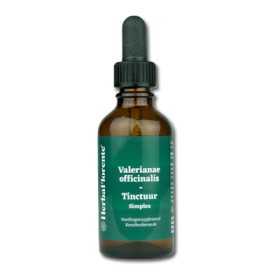
Valerian Tincture - Valerianae officinalis Tincture
Single herbal tincture made with dried root of Valerianae officinalis (Valerian).
Valerian (Valeriana officinalis) is a plant with a long history of use in Europe. It is still common in the Netherlands and prefers airy, moist soil. The roots of the plant, in particular, are known for their strong and distinctive odor, which attracts cats, among other things.
Valerian has been used in folk customs and traditions since ancient times. Our ancestors employed the herb in rituals and symbolic practices, for example, to ward off evil. Brides and grooms wore wreaths of valerian leaves, and farmers used the herb in traditional agricultural practices.
Valerian (Valeriana officinalis) is a plant with a long history of use in Europe. It is still common in the Netherlands and prefers airy, moist soil. The roots of the plant, in particular, are known for their strong and distinctive odor, which attracts cats, among other things.
Valerian has been used in folk customs and traditions since ancient times. Our ancestors employed the herb in rituals and symbolic practices, for example, to ward off evil. Brides and grooms wore wreaths of valerian leaves, and farmers used the herb in traditional agricultural practices.
€10.95
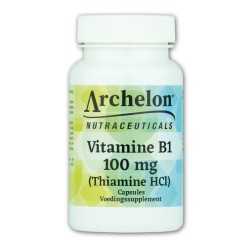
Vitamin B1 (Thiamine HCl) - 100 mg
Vitamin B1 (Thiamine) is a water-soluble vitamin found in foods such as whole grains, legumes, nuts, pork, and some vegetables. In the body, vitamin B1 is converted to its active form, thiamine pyrophosphate (TTP), in which magnesium plays a role. TTP is a form of thiamine found in cells and is involved in various biochemical reactions. Vitamin B1 is stored in small amounts in the liver and can be supplemented through food or supplements.
€19.95
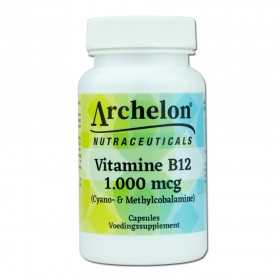
Vitamin B12 (Cyano- & Methylcoblamin) - 1,000 mcg
Vitamin B12 is a water-soluble vitamin found naturally in foods such as meat, fish, eggs, and dairy. It's a nutrient absorbed by the body through food or supplements. Vitamin B12 is stored in the liver and can be transported to cells via the bloodstream, where it becomes part of the natural composition of nutrients.
€19.95
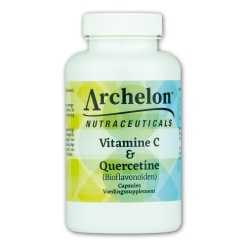
Vitamin C & Quercetin (Bioflavonoids)
Vitamin C (ascorbic acid) is the pure form of vitamin C. Buffered forms of ascorbic acid also exist, which are generally more easily tolerated by the gastrointestinal tract. Vitamin C is a water-soluble vitamin found naturally in various fruits and vegetables, such as citrus fruits, kiwi, bell peppers, and broccoli. Vitamin C is often added to dietary supplements in powder, tablet, or capsule form to supplement daily intake.
Quercetin is a flavonoid (also called a bioflavonoid) found naturally in various plants, fruits, and vegetables. Flavonoids are responsible for the vibrant colors in plants and contribute to various biochemical processes, such as regulating growth and protecting against UV light, oxidation, and heat.
Quercetin is a flavonoid (also called a bioflavonoid) found naturally in various plants, fruits, and vegetables. Flavonoids are responsible for the vibrant colors in plants and contribute to various biochemical processes, such as regulating growth and protecting against UV light, oxidation, and heat.
€29.95
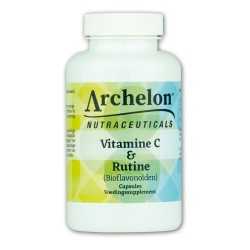
Vitamin C & Rutin (Bioflavonoids)
Vitamin C (ascorbic acid) is the pure form of vitamin C. Buffered forms of ascorbic acid also exist, which are generally more easily tolerated by the gastrointestinal tract. Vitamin C is a water-soluble vitamin found naturally in various fruits and vegetables, such as citrus fruits, kiwi, bell peppers, and broccoli. Vitamin C is often added to dietary supplements in powder, tablet, or capsule form to supplement daily intake.
Rutin is also a flavonoid found in citrus fruits, grapes, apple and pear peel, apricots, raspberries, onions, asparagus, tea, rhubarb, blueberries, and elderberries. Like other flavonoids, rutin contributes to the color and pigmentation of plants and plays a role in their metabolism and protection against environmental influences.
Rutin is also a flavonoid found in citrus fruits, grapes, apple and pear peel, apricots, raspberries, onions, asparagus, tea, rhubarb, blueberries, and elderberries. Like other flavonoids, rutin contributes to the color and pigmentation of plants and plays a role in their metabolism and protection against environmental influences.
€29.95
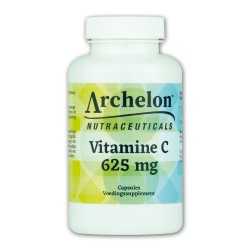
Vitamin C (Sodium Ascorbic Acid) - 625 mg
Vitamin C (ascorbic acid) is the pure form of vitamin C. There are also buffered forms of ascorbic acid, which are generally more easily tolerated by the gastrointestinal tract. Vitamin C is a water-soluble vitamin found naturally in various fruits and vegetables, such as citrus fruits, kiwi, bell peppers, and broccoli. Vitamin C is often added to dietary supplements in powder, tablet, or capsule form to supplement daily intake.
€17.95
Wormwood Herb - Artemisia absinthium
Absinthe wormwood (Artemisia absinthium) is a plant from the composite family (Asteraceae). This species is on the Dutch Red List of plants as quite rare and moderately reduced in numbers. It is a perennial plant that grows naturally on dry, calcareous, nitrogen-rich and cultivated soils in temperate regions of Europe, Asia and North Africa. The genus name Artemisia is derived from the Greek hunting goddess Artemis.
The bitter extract of these buds is an important ingredient in drinks such as vermouth and classic absinthe. The most important flavorings are absinthine and the menthol-smelling terpene thujone.
The bitter extract of these buds is an important ingredient in drinks such as vermouth and classic absinthe. The most important flavorings are absinthine and the menthol-smelling terpene thujone.
€2.00
From: €2.00
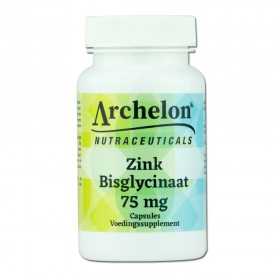
Zinc Bisglycinate - 75 mg
Zinc bisglycinate is a chelated form of zinc, in which the mineral is bound to two molecules of the amino acid glycine. This form is known for its good bioavailability. Zinc occurs naturally in foods such as meat, fish, nuts, seeds, and whole grains, and is available in various supplement forms. Zinc bisglycinate is a stable, easily absorbed source of zinc.
€16.95