



Trending
€57.50
€62.50
€35.95
€62.50
€62.50
Lungwort - Pulmonaria officinalis
€5.91 €6.95 -15%
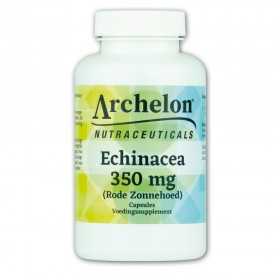
Echinacea (Red Coneflower) - 350 mg
€15.96 €19.95 -20%
Home
There are 406 products.
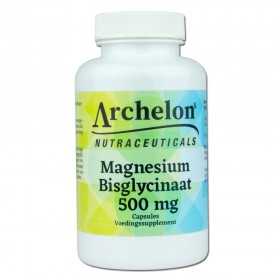
Magnesium Bisglycinate - 500 mg
Magnesium bisglycinate is an organic form of magnesium in which the mineral is bound to the amino acid glycine. This chelate bond creates a stable compound suitable for use in dietary supplements. Magnesium bisglycinate is widely used due to its composition and practical application within a daily diet.
€25.95
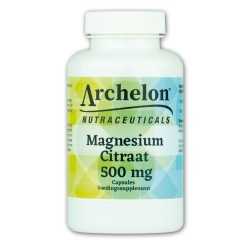
Magnesium Citrate - 500 mg
Magnesium is available in various organic forms, including magnesium citrate and magnesium malate. These forms are widely used in dietary supplements due to their chemical composition. Magnesium is an essential mineral involved in numerous processes in the body.
The mineral contributes to normal energy-yielding metabolism and supports the normal functioning of muscles and the nervous system. Magnesium also contributes to normal protein synthesis, proper electrolyte balance, and normal psychological function. Magnesium also plays a role in normal cell division and contributes to the maintenance of normal bones and teeth.
This makes magnesium an important mineral to supplement a varied and balanced diet.
The mineral contributes to normal energy-yielding metabolism and supports the normal functioning of muscles and the nervous system. Magnesium also contributes to normal protein synthesis, proper electrolyte balance, and normal psychological function. Magnesium also plays a role in normal cell division and contributes to the maintenance of normal bones and teeth.
This makes magnesium an important mineral to supplement a varied and balanced diet.
€17.95
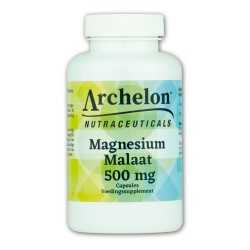
Magnesium Malate - 500 mg
Magnesium malate is an organic form of magnesium bound to malic acid (malate). This compound is widely used in dietary supplements due to its chemical stability and composition. Malic acid is a substance naturally found in fruits and plays a role in various biochemical processes.
Magnesium is an essential mineral found in all cells of the body. It contributes to normal energy-yielding metabolism and supports the normal functioning of muscles and the nervous system. Magnesium also contributes to proper electrolyte balance and normal protein synthesis. The mineral also plays a role in normal psychological function and normal cell division.
Magnesium is an essential mineral found in all cells of the body. It contributes to normal energy-yielding metabolism and supports the normal functioning of muscles and the nervous system. Magnesium also contributes to proper electrolyte balance and normal protein synthesis. The mineral also plays a role in normal psychological function and normal cell division.
€25.95
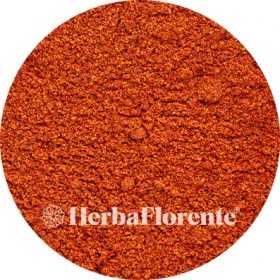
Magnolia Berry (Schisandra) - Schisandrae chinensis
Schisandra, also known as the schisandra berry (Schisandra chinensis), is a plant that has been used in traditional Chinese herbalism for over 2,000 years. The plant produces dark red berries, of which only the seeds are used. These are traditionally harvested after the first frost and then dried.
The schisandra berry naturally contains various plant compounds, including antioxidants. Due to its unique composition and long history, schisandra is often used in herbal blends and teas for traditional purposes.
Within traditional Chinese culture, schisandra is valued and frequently used in herbal formulas. Today, the berry is also used outside of Asia as an ingredient in various herbal preparations.
The schisandra berry naturally contains various plant compounds, including antioxidants. Due to its unique composition and long history, schisandra is often used in herbal blends and teas for traditional purposes.
Within traditional Chinese culture, schisandra is valued and frequently used in herbal formulas. Today, the berry is also used outside of Asia as an ingredient in various herbal preparations.
€7.50
From: €7.50
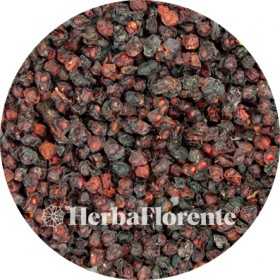
Magnolia Berry (Schisandra) - Schisandrae chinensis - Whole
Schisandra, also known as the schisandra berry (Schisandra chinensis), is a plant that has been used in traditional Chinese herbalism for over 2,000 years. The plant produces dark red berries, of which only the seeds are used. These are traditionally harvested after the first frost and then dried.
The schisandra berry naturally contains various plant compounds, including antioxidants. Due to its unique composition and long history, schisandra is often used in herbal blends and teas for traditional purposes.
Within traditional Chinese culture, schisandra is valued and frequently used in herbal formulas. Today, the berry is also used outside of Asia as an ingredient in various herbal preparations.
The schisandra berry naturally contains various plant compounds, including antioxidants. Due to its unique composition and long history, schisandra is often used in herbal blends and teas for traditional purposes.
Within traditional Chinese culture, schisandra is valued and frequently used in herbal formulas. Today, the berry is also used outside of Asia as an ingredient in various herbal preparations.
€6.95
From: €6.95
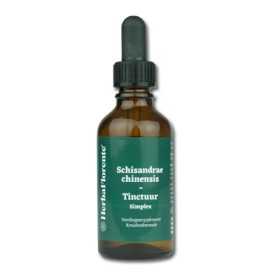
Magnolia Berry Tincture - Schisandrae chinensis Tincture
Single herbal tincture made with dried berries of Schisandrae chinensis (Magnolia Berry).
Schisandra, also known as the schisandra berry (Schisandra chinensis), is a plant that has been used in traditional Chinese herbalism for over 2,000 years. The plant produces dark red berries, of which only the seeds are used. These are traditionally harvested after the first frost and then dried.
The schisandra berry naturally contains various plant compounds, including antioxidants. Due to its unique composition and long history, schisandra is often used in herbal blends and teas for traditional purposes.
Within traditional Chinese culture, schisandra is valued and frequently used in herbal formulas. Today, the berry is also used outside of Asia as an ingredient in various herbal preparations.
Schisandra, also known as the schisandra berry (Schisandra chinensis), is a plant that has been used in traditional Chinese herbalism for over 2,000 years. The plant produces dark red berries, of which only the seeds are used. These are traditionally harvested after the first frost and then dried.
The schisandra berry naturally contains various plant compounds, including antioxidants. Due to its unique composition and long history, schisandra is often used in herbal blends and teas for traditional purposes.
Within traditional Chinese culture, schisandra is valued and frequently used in herbal formulas. Today, the berry is also used outside of Asia as an ingredient in various herbal preparations.
€12.95
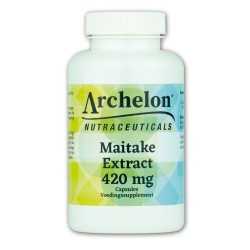
Maitake Extract - 420 mg
Maitake (Grifola frondosa), also known as oak hare, originates in the Far East and plays an important role in Chinese herbalism. This fungus, rich in various bioactive substances, is versatile for various applications. The name "maitake" comes from Japanese and literally means 'dancing mushroom', referring to the joy people experienced when finding it.
In nature, maitake mainly grows as a parasite on the roots or stumps of deciduous trees. For thousands of years, maitake has been valued in traditional Chinese herbalism for its nutritional value. This brown, lush fungus can sometimes weigh up to twenty kilos. With its delicious, aromatic flavor, maitake is a popular fungus in Japanese cuisine.
In nature, maitake mainly grows as a parasite on the roots or stumps of deciduous trees. For thousands of years, maitake has been valued in traditional Chinese herbalism for its nutritional value. This brown, lush fungus can sometimes weigh up to twenty kilos. With its delicious, aromatic flavor, maitake is a popular fungus in Japanese cuisine.
€34.95
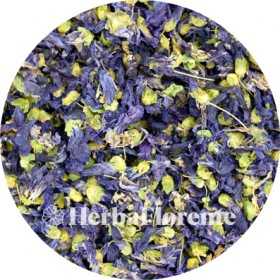
Mallow Large - Malvacea Sylvestris
Mallow (Malva) is a genus of herbaceous plants in the Malvaceae family. It comprises approximately thirty species found in temperate, subtropical, and tropical regions of Africa and Eurasia.
The flowers and leaves of mallow are highly recognizable and traditionally valued in various cultures. The plant produces mucilaginous substances, which were historically mentioned in botanical and folklore sources.
The fruit of the mallow is a schizocarp and owes its name to its flat, rounded shape, which resembles a small cheese. This fruit contains contiguous seeds and is a characteristic botanical element of the genus.
Mallow is primarily valued today for its botanical properties, its ornamental flowers, and its cultural significance in traditional botanical lore.
The flowers and leaves of mallow are highly recognizable and traditionally valued in various cultures. The plant produces mucilaginous substances, which were historically mentioned in botanical and folklore sources.
The fruit of the mallow is a schizocarp and owes its name to its flat, rounded shape, which resembles a small cheese. This fruit contains contiguous seeds and is a characteristic botanical element of the genus.
Mallow is primarily valued today for its botanical properties, its ornamental flowers, and its cultural significance in traditional botanical lore.
€8.00
From: €8.00
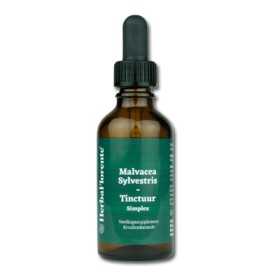
Mallow Large Tincture - Malvacea Sylvestris Tincture
Single herbal tincture made with dried flower of Malvacea Sylvestris (Mallow Large).
Mallow (Malva) is a genus of herbaceous plants in the Malvaceae family. It comprises approximately thirty species found in temperate, subtropical, and tropical regions of Africa and Eurasia.
The flowers and leaves of mallow are highly recognizable and traditionally valued in various cultures. The plant produces mucilaginous substances, which were historically mentioned in botanical and folklore sources.
The fruit of the mallow is a schizocarp and owes its name to its flat, rounded shape, which resembles a small cheese. This fruit contains contiguous seeds and is a characteristic botanical element of the genus.
Mallow (Malva) is a genus of herbaceous plants in the Malvaceae family. It comprises approximately thirty species found in temperate, subtropical, and tropical regions of Africa and Eurasia.
The flowers and leaves of mallow are highly recognizable and traditionally valued in various cultures. The plant produces mucilaginous substances, which were historically mentioned in botanical and folklore sources.
The fruit of the mallow is a schizocarp and owes its name to its flat, rounded shape, which resembles a small cheese. This fruit contains contiguous seeds and is a characteristic botanical element of the genus.
€13.95

Manganese gluconate - 10 mg
This product contains manganese in the form of organic manganese gluconate, a highly absorbable compound in which manganese is bound to gluconic acid. Manganese is an essential trace element that naturally occurs in small amounts in the body and must be supplied through food.
Manganese contributes to normal energy-yielding metabolism and supports the normal functioning of the nervous system. Manganese also contributes to the maintenance of normal bones and the normal formation of connective tissue. The mineral also plays a role in protecting cells from oxidative stress.
Manganese contributes to normal energy-yielding metabolism and supports the normal functioning of the nervous system. Manganese also contributes to the maintenance of normal bones and the normal formation of connective tissue. The mineral also plays a role in protecting cells from oxidative stress.
€15.95
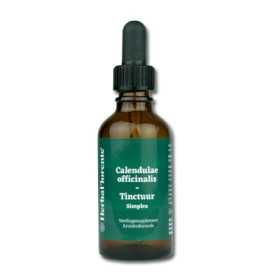
Marigold Tincture - Calendulae officinalis Tincture
Single herbal tincture made with dried flower of Calendulae officinalis (marigold).
The marigold, or Calendula officinalis, belongs to the Asteraceae family (Compositae) and is often cultivated in ornamental gardens. It originates from Southern Europe.
It is an annual plant with usually orange flowers, sometimes yellow, that can reach a height of 30–45 cm. The flowering period runs from May to November, and the fruits are often curved and boat-shaped.
Both fresh and dried flowers can be used in soups and as a natural coloring for cheese, butter, and other foods. Historically, the petals were also used to simulate saffron.
In addition, marigold petals are used in products such as ointments and tinctures. The flowers contain essential oils that are used in the processing of these products.
The marigold, or Calendula officinalis, belongs to the Asteraceae family (Compositae) and is often cultivated in ornamental gardens. It originates from Southern Europe.
It is an annual plant with usually orange flowers, sometimes yellow, that can reach a height of 30–45 cm. The flowering period runs from May to November, and the fruits are often curved and boat-shaped.
Both fresh and dried flowers can be used in soups and as a natural coloring for cheese, butter, and other foods. Historically, the petals were also used to simulate saffron.
In addition, marigold petals are used in products such as ointments and tinctures. The flowers contain essential oils that are used in the processing of these products.
€9.95
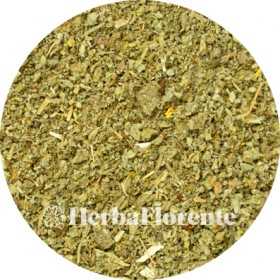
Marshmallow (Leaf) - Altheae officinalis
Marshmallow (Althaea officinalis) belongs to the mallow family (Malvaceae) and has been spread worldwide by human activity, especially to areas with suitable soil, humidity and climate.
The starch in the carrot, mixed with proteinaceous substances, was formerly used in making marshmallows and bacon. The leaves can be eaten cooked and the flowers can be used raw in salads.
The starch in the carrot, mixed with proteinaceous substances, was formerly used in making marshmallows and bacon. The leaves can be eaten cooked and the flowers can be used raw in salads.
€2.00
From: €2.00
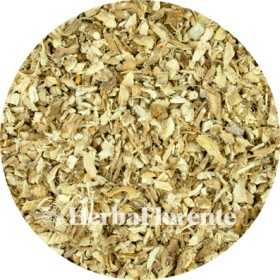
Marshmallow (Root) - Althaea officinalis
Marshmallow (Althaea officinalis) belongs to the mallow family (Malvaceae) and has been spread worldwide by human activity, especially to areas with suitable soil, humidity and climate.
The starch in the carrot, mixed with proteinaceous substances, was formerly used in making marshmallows and bacon. The leaves can be eaten cooked and the flowers can be used raw in salads.
The starch in the carrot, mixed with proteinaceous substances, was formerly used in making marshmallows and bacon. The leaves can be eaten cooked and the flowers can be used raw in salads.
€2.50
From: €2.50
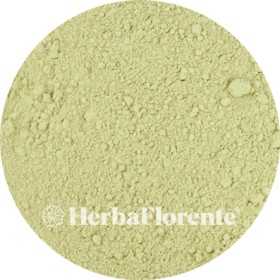
Marshmallow - Althaea officinalis
Marshmallow (Althaea officinalis) belongs to the mallow family (Malvaceae) and has been spread worldwide by human activity, especially to areas with suitable soil, humidity and climate.
The starch in the carrot, mixed with proteinaceous substances, was formerly used in making marshmallows and bacon. The leaves can be eaten cooked and the flowers can be used raw in salads.
The starch in the carrot, mixed with proteinaceous substances, was formerly used in making marshmallows and bacon. The leaves can be eaten cooked and the flowers can be used raw in salads.
€2.75
From: €2.75
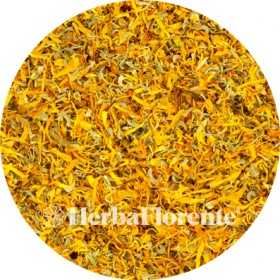
Marygold (Calendula) - Calendulae officinalis
The marigold, or Calendula officinalis, belongs to the Asteraceae family (Compositae) and is often cultivated in ornamental gardens. It originates from Southern Europe.
It is an annual plant with usually orange flowers, sometimes yellow, that can reach a height of 30–45 cm. The flowering period runs from May to November, and the fruits are often curved and boat-shaped.
Both fresh and dried flowers can be used in soups and as a natural coloring for cheese, butter, and other foods. Historically, the petals were also used to simulate saffron.
In addition, marigold petals are used in products such as ointments and tinctures. The flowers contain essential oils that are used in the processing of these products.
It is an annual plant with usually orange flowers, sometimes yellow, that can reach a height of 30–45 cm. The flowering period runs from May to November, and the fruits are often curved and boat-shaped.
Both fresh and dried flowers can be used in soups and as a natural coloring for cheese, butter, and other foods. Historically, the petals were also used to simulate saffron.
In addition, marigold petals are used in products such as ointments and tinctures. The flowers contain essential oils that are used in the processing of these products.
€2.60
From: €2.60
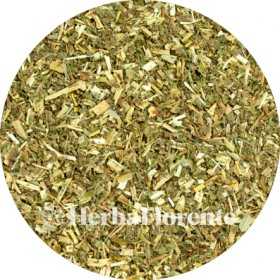
Meadowsweet - Filipendulae ulmaria
The meadowsweet (Filipendula ulmaria) is a perennial plant belonging to the rose family (Rosaceae). It is an erect plant that can reach a height of 0.6 to 2 meters. The flowers of the meadowsweet are numerous and cream-colored, with a width of 0.4 to 1 cm and each consisting of five petals, which have a strong almond scent. The leaves are pinnately compound, with a large top leaflet that is palmately split.
€2.00
From: €2.00
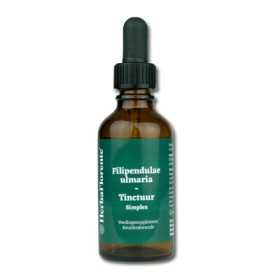
Meadowsweet Tincture - Filipendulae ulmaria Tincture
Single herbal tincture made with dried herb of Filipendulae ulmaria (Meadsweet).
The meadowsweet (Filipendula ulmaria) is a perennial plant belonging to the rose family (Rosaceae). It is an erect plant that can reach a height of 0.6 to 2 meters. The flowers of the meadowsweet are numerous and cream-colored, with a width of 0.4 to 1 cm and each consisting of five petals, which have a strong almond scent. The leaves are pinnately compound, with a large top leaflet that is palmately split.
The meadowsweet (Filipendula ulmaria) is a perennial plant belonging to the rose family (Rosaceae). It is an erect plant that can reach a height of 0.6 to 2 meters. The flowers of the meadowsweet are numerous and cream-colored, with a width of 0.4 to 1 cm and each consisting of five petals, which have a strong almond scent. The leaves are pinnately compound, with a large top leaflet that is palmately split.
€10.95
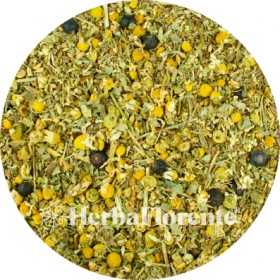
Menstrual Cramp Herbal Tea
Herbal tea composed of various herbs
€3.95
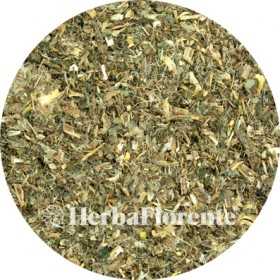
Milk Thistle (Herb) - Sylibum marianum, Cardui Mariae - Cut
Milk thistle (Silybum marianum), also known as milk thistle, is a spiny plant in the Asteraceae family. It originates in the Mediterranean region, but also grows in temperate regions such as the Netherlands and Belgium.
The plant is known for its striking, white-flecked leaves and purple flower heads. Milk thistle seeds contain natural compounds, including silymarin, a group of bioactive compounds considered antioxidants. Because of this composition, milk thistle is traditionally used in various food and herbal products.
The plant is known for its striking, white-flecked leaves and purple flower heads. Milk thistle seeds contain natural compounds, including silymarin, a group of bioactive compounds considered antioxidants. Because of this composition, milk thistle is traditionally used in various food and herbal products.
€2.20
From: €2.20
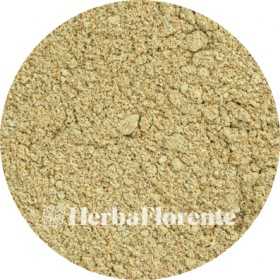
Milk Thistle (Seed) - Sylibum marianum, Cardui Mariae
Milk thistle (Silybum marianum), also known as milk thistle, is a spiny plant in the Asteraceae family. It originates in the Mediterranean region, but also grows in temperate regions such as the Netherlands and Belgium.
The plant is known for its striking, white-flecked leaves and purple flower heads. Milk thistle seeds contain natural compounds, including silymarin, a group of bioactive compounds considered antioxidants. Because of this composition, milk thistle is traditionally used in various food and herbal products.
The plant is known for its striking, white-flecked leaves and purple flower heads. Milk thistle seeds contain natural compounds, including silymarin, a group of bioactive compounds considered antioxidants. Because of this composition, milk thistle is traditionally used in various food and herbal products.
€2.00
From: €2.00
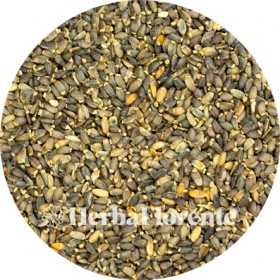
Milk Thistle (Seed) - Sylibum marianum, Cardui Mariae - Whole
Milk thistle (Silybum marianum), also known as milk thistle, is a spiny plant in the Asteraceae family. It originates in the Mediterranean region, but also grows in temperate regions such as the Netherlands and Belgium.
The plant is known for its striking, white-flecked leaves and purple flower heads. Milk thistle seeds contain natural compounds, including silymarin, a group of bioactive compounds considered antioxidants. Because of this composition, milk thistle is traditionally used in various food and herbal products.
The plant is known for its striking, white-flecked leaves and purple flower heads. Milk thistle seeds contain natural compounds, including silymarin, a group of bioactive compounds considered antioxidants. Because of this composition, milk thistle is traditionally used in various food and herbal products.
€2.00
From: €2.00
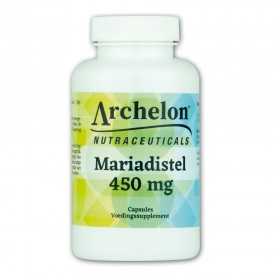
Milk Thistle - 450 mg
Milk thistle (Silybum marianum), also known as milk thistle, is a spiny plant from the Asteraceae family that is native to the Mediterranean region but also grows in other parts of Europe. The plant is best known for its characteristic purple-pink flowers and spotted leaves.
The seeds of the milk thistle are primarily used for supplements. These seeds naturally contain silymarin, a complex of flavonolignans found naturally in this plant. Silymarin is a plant compound often used in dietary supplements based on herbal extracts.
The seeds of the milk thistle are primarily used for supplements. These seeds naturally contain silymarin, a complex of flavonolignans found naturally in this plant. Silymarin is a plant compound often used in dietary supplements based on herbal extracts.
€17.95
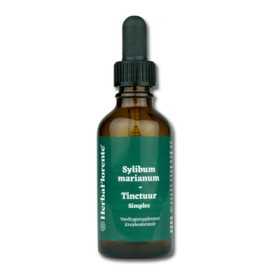
Milk Thistle Tincture - Sylibum marianum (Cardui Mariae) Tincture
Single herbal tincture made with dried seed of Sylibum marianum (Cardui Mariae) (Milk thistle).
Milk thistle, also known as milk thistle, is a spiny plant in the Asteraceae family. It originates in the Mediterranean region, but also grows in temperate regions such as the Netherlands and Belgium.
The plant is known for its striking, white-flecked leaves and purple flower heads. Milk thistle seeds contain natural compounds, including silymarin, a group of bioactive compounds considered antioxidants. Because of this composition, milk thistle is traditionally used in various food and herbal products.
Milk thistle, also known as milk thistle, is a spiny plant in the Asteraceae family. It originates in the Mediterranean region, but also grows in temperate regions such as the Netherlands and Belgium.
The plant is known for its striking, white-flecked leaves and purple flower heads. Milk thistle seeds contain natural compounds, including silymarin, a group of bioactive compounds considered antioxidants. Because of this composition, milk thistle is traditionally used in various food and herbal products.
€9.95
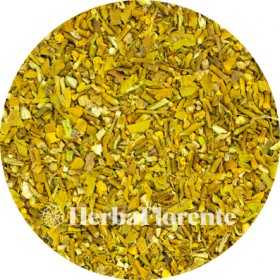
Mistletoe - Viscum alba
Mistletoe (Viscum album) is an evergreen plant belonging to the sandalwood family (Santalaceae). It is also known by common names such as mistletoe, mistletoe, and birdlime. Mistletoe is native to Europe, Northwest Africa, and West and Central Asia. It is a semi-parasitic plant that grows on various types of trees and shrubs, where it extracts water and minerals while photosynthesizing.
Throughout the centuries, mistletoe has become deeply intertwined with legends, rituals, and symbolism. Druids considered mistletoe growing on an oak tree sacred and associated it with the new year, fertility, and prosperity.
Throughout the centuries, mistletoe has become deeply intertwined with legends, rituals, and symbolism. Druids considered mistletoe growing on an oak tree sacred and associated it with the new year, fertility, and prosperity.
€2.00
From: €2.00