



Trending
€57.50
€62.50

€35.95
€62.50
€62.50
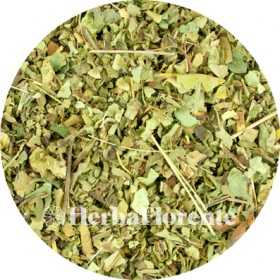
Lungwort - Pulmonaria officinalis
€5.91 €6.95 -15%
Echinacea (Red Coneflower) - 350 mg
€15.96 €19.95 -20%
Kidneys
There are 183 products.
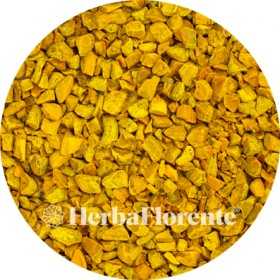
Tumeric long. - Curcumae longae - Cut
Turmeric, also known as turmeric (Curcuma longa), is a tropical plant native to India and Southeast Asia. The root has been used for centuries and is best known in powdered form. In the Netherlands, it is often called "geelwortel" (yellow root) because of its bright yellow color, which is used in curry mixtures, mustard, and other culinary preparations.
Turmeric plays an important role in various Asian cuisines, where it is valued for its color, aroma, and distinctive flavor. The root is found in historical and cultural sources and was traditionally incorporated into dishes and spice blends.
Turmeric plays an important role in various Asian cuisines, where it is valued for its color, aroma, and distinctive flavor. The root is found in historical and cultural sources and was traditionally incorporated into dishes and spice blends.
€2.00
From: €2.00
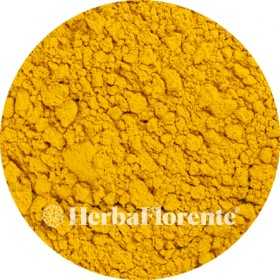
Tumeric zanth. - Curcumae zanthorrhizae
Turmeric, also known as Javanese ginger (Curcuma xanthorrhiza), is a tropical plant native to India and Southeast Asia. The root of this plant has been used for centuries and is best known in powdered form. In the Netherlands, turmeric is also known as yellow root (gelukkigroot) because of its intense yellow color, which is used in curry mixtures and mustard, among other things.
Turmeric plays an important role in various Asian cuisines, where it is valued for its color, aroma, and characteristic flavor. Besides its culinary uses, turmeric is traditionally described in historical and cultural sources from India and Indonesia, where the root played an integral role in daily life.
Turmeric plays an important role in various Asian cuisines, where it is valued for its color, aroma, and characteristic flavor. Besides its culinary uses, turmeric is traditionally described in historical and cultural sources from India and Indonesia, where the root played an integral role in daily life.
€2.40
From: €2.40
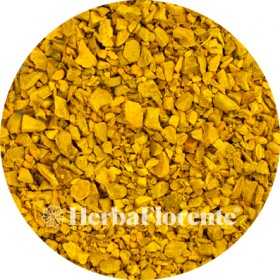
Tumeric zanth. - Curcumae zanthorrhizae - Cut
Turmeric, also known as Javanese ginger (Curcuma xanthorrhiza), is a tropical plant native to India and Southeast Asia. The root of this plant has been used for centuries and is best known in powdered form. In the Netherlands, turmeric is also known as yellow root (gelukkigroot) because of its intense yellow color, which is used in curry mixtures and mustard, among other things.
Turmeric plays an important role in various Asian cuisines, where it is valued for its color, aroma, and characteristic flavor. Besides its culinary uses, turmeric is traditionally described in historical and cultural sources from India and Indonesia, where the root played an integral role in daily life.
Turmeric plays an important role in various Asian cuisines, where it is valued for its color, aroma, and characteristic flavor. Besides its culinary uses, turmeric is traditionally described in historical and cultural sources from India and Indonesia, where the root played an integral role in daily life.
€2.00
From: €2.00
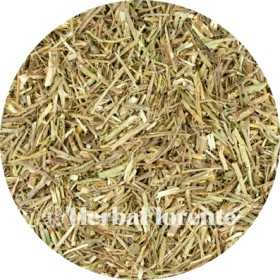
Vervain - Verbena officinalis
Verbena (Verbena officinalis) is a plant that belongs to the Verbena family. It is a perennial herbaceous plant, sometimes annual, with a thin, erect stem that can grow up to 100 cm in height, with the bottom of the stem becoming lignified. The leaves of vervain are hairy and can take different shapes. This plant has no distinctive odor and tastes bitter raw and untreated.
The flowers of vervain appear in spike-shaped clusters in the leaf axils. They are trumpet shaped and vary in color from soft pink to violet. The flowering period extends from June to autumn. The flower spikes are slender yet sturdy and flexible. The fruit of vervain is a split fruit.
The flowers of vervain appear in spike-shaped clusters in the leaf axils. They are trumpet shaped and vary in color from soft pink to violet. The flowering period extends from June to autumn. The flower spikes are slender yet sturdy and flexible. The fruit of vervain is a split fruit.
€2.00
From: €2.00
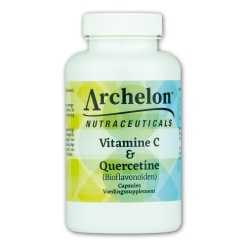
Vitamin C & Quercetin (Bioflavonoids)
Vitamin C (ascorbic acid) is the pure form of vitamin C. Buffered forms of ascorbic acid also exist, which are generally more easily tolerated by the gastrointestinal tract. Vitamin C is a water-soluble vitamin found naturally in various fruits and vegetables, such as citrus fruits, kiwi, bell peppers, and broccoli. Vitamin C is often added to dietary supplements in powder, tablet, or capsule form to supplement daily intake.
Quercetin is a flavonoid (also called a bioflavonoid) found naturally in various plants, fruits, and vegetables. Flavonoids are responsible for the vibrant colors in plants and contribute to various biochemical processes, such as regulating growth and protecting against UV light, oxidation, and heat.
Quercetin is a flavonoid (also called a bioflavonoid) found naturally in various plants, fruits, and vegetables. Flavonoids are responsible for the vibrant colors in plants and contribute to various biochemical processes, such as regulating growth and protecting against UV light, oxidation, and heat.
€29.95
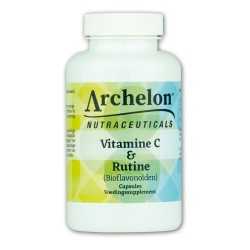
Vitamin C & Rutin (Bioflavonoids)
Vitamin C (ascorbic acid) is the pure form of vitamin C. Buffered forms of ascorbic acid also exist, which are generally more easily tolerated by the gastrointestinal tract. Vitamin C is a water-soluble vitamin found naturally in various fruits and vegetables, such as citrus fruits, kiwi, bell peppers, and broccoli. Vitamin C is often added to dietary supplements in powder, tablet, or capsule form to supplement daily intake.
Rutin is also a flavonoid found in citrus fruits, grapes, apple and pear peel, apricots, raspberries, onions, asparagus, tea, rhubarb, blueberries, and elderberries. Like other flavonoids, rutin contributes to the color and pigmentation of plants and plays a role in their metabolism and protection against environmental influences.
Rutin is also a flavonoid found in citrus fruits, grapes, apple and pear peel, apricots, raspberries, onions, asparagus, tea, rhubarb, blueberries, and elderberries. Like other flavonoids, rutin contributes to the color and pigmentation of plants and plays a role in their metabolism and protection against environmental influences.
€29.95
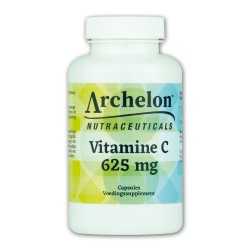
Vitamin C (Sodium Ascorbic Acid) - 625 mg
Vitamin C (ascorbic acid) is the pure form of vitamin C. There are also buffered forms of ascorbic acid, which are generally more easily tolerated by the gastrointestinal tract. Vitamin C is a water-soluble vitamin found naturally in various fruits and vegetables, such as citrus fruits, kiwi, bell peppers, and broccoli. Vitamin C is often added to dietary supplements in powder, tablet, or capsule form to supplement daily intake.
€17.95
Vlezige Hokjespeul (Astragalus) - Astragalus chinensis membranus
Astragalus, also known as fleshy box pod (Astragalus membranaceus), is a plant native to Asia. The root of the plant has been used in traditional Chinese culture for thousands of years.
Astragalus holds an important place in this tradition and is associated with the concept of "qi," which represents life energy. Astragalus is used in a variety of applications, such as herbal teas, powders, and other herbal preparations.
The root contains various natural plant compounds and is valued for its long history of traditional use.
Astragalus holds an important place in this tradition and is associated with the concept of "qi," which represents life energy. Astragalus is used in a variety of applications, such as herbal teas, powders, and other herbal preparations.
The root contains various natural plant compounds and is valued for its long history of traditional use.
€2.90
From: €2.90
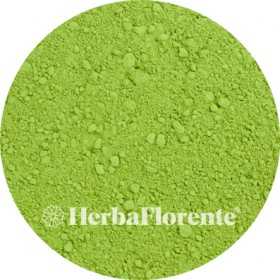
Wheatgrass - Triticum aestivum
Wheatgrass is a plant that naturally contains vitamins A, C, and E, as well as minerals like calcium, magnesium, and iron. It also contains chlorophyll and natural enzymes. The chlorophyll content of wheatgrass is significant.
€2.00
From: €2.00
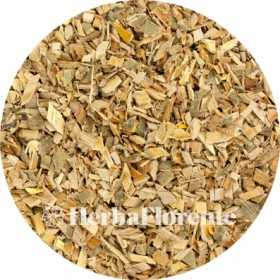
Willow - Salicis alba
The white willow (Salix alba), also known as the "white willow" in English, is a common tree in the Netherlands. The bark of the willow naturally contains salicin, a glycoside identified as early as 1828 by the German pharmacist Johann Andreas Buchner.
The white willow is valued for its long history of use and is botanically interesting for its characteristic leaves and growth habit.
The white willow is valued for its long history of use and is botanically interesting for its characteristic leaves and growth habit.
€2.00
From: €2.00
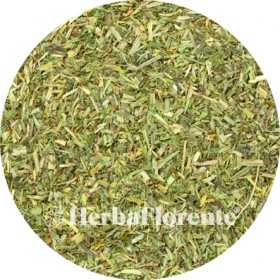
Woddruff Sweet - Galium aparine
Woddruff Sweet (Galium aparine) belongs to the star-leaved family (Rubiaceae). This plant is known for its ability to cling to objects it comes into contact with, thanks to the numerous hooks on both the stem and fruits. This causes plants and fruits to get caught in the fur of animals, resulting in widespread dispersal over great distances.
Cleaver leaves are widest above the middle and have one central vein. They grow together in whorls of seven. These leaves also have hooks, albeit less than the rest of the plant. The stem is thickened at the tips.
Cleaver leaves are widest above the middle and have one central vein. They grow together in whorls of seven. These leaves also have hooks, albeit less than the rest of the plant. The stem is thickened at the tips.
€2.50
From: €2.50
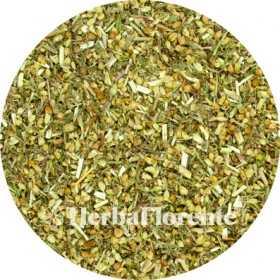
Yarrow - Achillea millefolii
Yarrow (Achillea millefolium) is a herbaceous plant in the daisy family (Asteraceae). It is a hardy perennial species common in the Netherlands and other parts of Europe. The plant is recognizable by its finely divided, feathery leaves and small flower heads, which are usually white but sometimes have a light pink tinge.
Yarrow has a long history and has been described in botanical and historical sources for centuries. The plant is named after the Greek hero Achilles, who, according to tradition, used yarrow, contributing to the herb's fame in classical antiquity.
Yarrow has a long history and has been described in botanical and historical sources for centuries. The plant is named after the Greek hero Achilles, who, according to tradition, used yarrow, contributing to the herb's fame in classical antiquity.
€2.00
From: €2.00
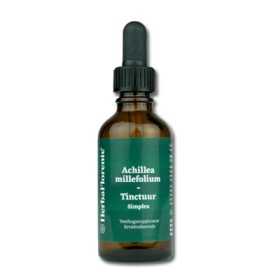
Yarrow Tincture - Achillea millefolium Tincture
Single herbal tincture made with dried herb of Achillea millefolium (Yarrow).
Yarrow (Achillea millefolium) is a herbaceous plant in the daisy family (Asteraceae). It is a hardy perennial species common in the Netherlands and other parts of Europe. The plant is recognizable by its finely divided, feathery leaves and small flower heads, which are usually white but sometimes have a light pink tinge.
Yarrow has a long history and has been described in botanical and historical sources for centuries. The plant is named after the Greek hero Achilles, who, according to tradition, used yarrow, contributing to the herb's fame in classical antiquity.
Yarrow (Achillea millefolium) is a herbaceous plant in the daisy family (Asteraceae). It is a hardy perennial species common in the Netherlands and other parts of Europe. The plant is recognizable by its finely divided, feathery leaves and small flower heads, which are usually white but sometimes have a light pink tinge.
Yarrow has a long history and has been described in botanical and historical sources for centuries. The plant is named after the Greek hero Achilles, who, according to tradition, used yarrow, contributing to the herb's fame in classical antiquity.
€11.95
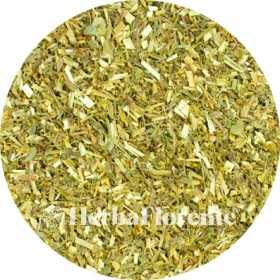
Yellow Sweet Slover - Melilotus officinalis
The Yellow Sweet Slover (Melilotus officinalis) is a biennial or perennial plant from the legume family (Leguminosae). Originally from Southern Europe, this plant has now spread worldwide. It is a slender, hairless plant that is frequently found along roads and on arable land, and is also found in dune areas. The lemon yellow honey clover reaches a height of 30 to 150 cm and blooms from July to October.
€2.00
From: €2.00
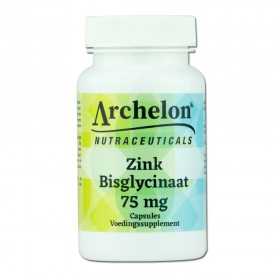
Zinc Bisglycinate - 75 mg
Zinc bisglycinate is a chelated form of zinc, in which the mineral is bound to two molecules of the amino acid glycine. This form is known for its good bioavailability. Zinc occurs naturally in foods such as meat, fish, nuts, seeds, and whole grains, and is available in various supplement forms. Zinc bisglycinate is a stable, easily absorbed source of zinc.
€16.95