



Trending
€57.50
€62.50

€35.95
€62.50
€62.50
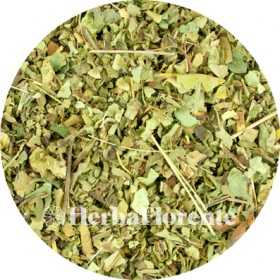
Lungwort - Pulmonaria officinalis
€5.91 €6.95 -15%
Echinacea (Red Coneflower) - 350 mg
€15.96 €19.95 -20%
Lose weight
There are 45 products.
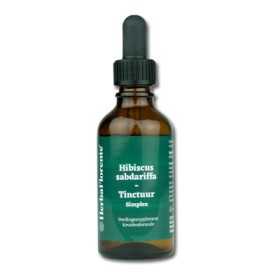
Hibiscus Tincture - Hibiscus sabdariffa Tincture
Single herbal tincture made with dried flower of Hibiscus sabdariffa (Hibiscus).
Hibiscus (Hibiscus sabdariffa), also known as roselle, is used worldwide in both hot and cold beverages and as a natural flavoring and coloring agent in the food industry. The plant is especially prized for its fresh, tart flavor and striking deep red color.
Hibiscus sabdariffa L. is an annual shrub that can reach a height of over two meters. The plant typically has smooth, red-tinged stems and creamy to light yellow flowers that turn pink at the end of the day. After flowering, a characteristic red calyx develops, which is fleshy, crisp, and juicy. When this calyx fully develops and dries, it turns brown and bursts open.
Hibiscus (Hibiscus sabdariffa), also known as roselle, is used worldwide in both hot and cold beverages and as a natural flavoring and coloring agent in the food industry. The plant is especially prized for its fresh, tart flavor and striking deep red color.
Hibiscus sabdariffa L. is an annual shrub that can reach a height of over two meters. The plant typically has smooth, red-tinged stems and creamy to light yellow flowers that turn pink at the end of the day. After flowering, a characteristic red calyx develops, which is fleshy, crisp, and juicy. When this calyx fully develops and dries, it turns brown and bursts open.
€9.95
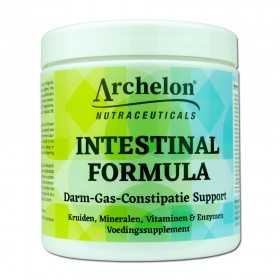
Intestinal Formula
Intestinal Formula is a carefully formulated powder mix containing a combination of herbs, vitamins, minerals, and enzymes. The formula was developed to complement a varied diet and a healthy lifestyle.
The ingredients have been selected with an eye for balance and coherence, making Intestinal Formula easy to take and flexible to fit into your daily routine. The powder form makes it easy to mix with water or other beverages.
Intestinal Formula is suitable for anyone who values a complete, plant-based formula without unnecessary additives.
The ingredients have been selected with an eye for balance and coherence, making Intestinal Formula easy to take and flexible to fit into your daily routine. The powder form makes it easy to mix with water or other beverages.
Intestinal Formula is suitable for anyone who values a complete, plant-based formula without unnecessary additives.
€62.50
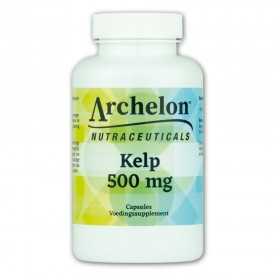
Kelp - 500 mg
Kelp is a large seaweed belonging to the brown algae family (Laminariales) that grows in cold, nutrient-rich seas. This algae is found in the oceans of Asia, North America, and Europe, among other places. Kelp is known for its impressive growth rate and can grow several meters per day under favorable conditions, making it one of the largest plants in the world.
In countries like Japan, China, and Korea, kelp has been a traditional food for centuries. A well-known variety is kombu (Laminaria japonica), which is often used in soups, broths, and rice dishes. In addition to culinary uses, kelp is also processed into powders, capsules, and extracts.
In countries like Japan, China, and Korea, kelp has been a traditional food for centuries. A well-known variety is kombu (Laminaria japonica), which is often used in soups, broths, and rice dishes. In addition to culinary uses, kelp is also processed into powders, capsules, and extracts.
€17.95
Kelp - Laminariales
Kelp, a member of the brown algae (Laminariales) family, thrives in the cold waters of the major oceans. This large species of seaweed is an excellent source of iodine, an essential element for healthy thyroid function in humans.
In Asia, especially Japan, seaweed has been an integral part of the daily diet for centuries. A well-known kelp species is kombu (Laminaria japonica), which is often cooked with rice for sushi. In addition to being one of the largest plants in the world, kelp is known for growing extremely quickly, sometimes up to three meters per day.
In Asia, especially Japan, seaweed has been an integral part of the daily diet for centuries. A well-known kelp species is kombu (Laminaria japonica), which is often cooked with rice for sushi. In addition to being one of the largest plants in the world, kelp is known for growing extremely quickly, sometimes up to three meters per day.
€2.70
From: €2.70
Kumis Kutjing - Cat's whiskers - Orthosiphon aristatus
Cat's whiskers (Orthosiphon aristatus), also known as Kumis Kutjing, is a plant traditionally used in various Asian herbal traditions. The species belongs to the Lamiaceae family and is native to tropical and subtropical regions, particularly Southeast Asia, including Malaysia and Java.
The plant prefers moist habitats, such as wetlands, riverbanks, and swampy areas. Cat's whiskers are particularly recognizable by their white to pale lilac flowers with conspicuously long, thread-like stamens that can grow up to approximately three centimeters long. These characteristics have led to the Dutch name "kattensnor" (cat's whiskers).
The plant prefers moist habitats, such as wetlands, riverbanks, and swampy areas. Cat's whiskers are particularly recognizable by their white to pale lilac flowers with conspicuously long, thread-like stamens that can grow up to approximately three centimeters long. These characteristics have led to the Dutch name "kattensnor" (cat's whiskers).
€2.30
From: €2.30
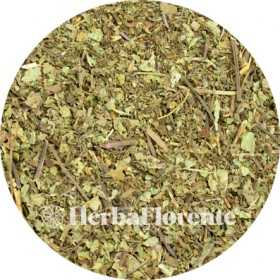
Kumis Kutjing - Cat's whiskers - Orthosiphon aristatus - Cut
Cat's whiskers (Orthosiphon aristatus), also known as Kumis Kutjing, is a plant traditionally used in various Asian herbal traditions. The species belongs to the Lamiaceae family and is native to tropical and subtropical regions, particularly Southeast Asia, including Malaysia and Java.
The plant prefers moist habitats, such as wetlands, riverbanks, and swampy areas. Cat's whiskers are particularly recognizable by their white to pale lilac flowers with conspicuously long, thread-like stamens that can grow up to approximately three centimeters long. These characteristics have led to the Dutch name "kattensnor" (cat's whiskers).
The plant prefers moist habitats, such as wetlands, riverbanks, and swampy areas. Cat's whiskers are particularly recognizable by their white to pale lilac flowers with conspicuously long, thread-like stamens that can grow up to approximately three centimeters long. These characteristics have led to the Dutch name "kattensnor" (cat's whiskers).
€4.50
From: €4.50
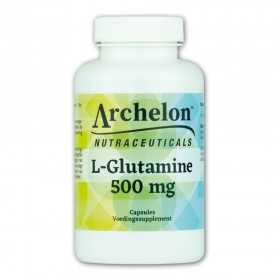
L-Glutamine - 500 mg
L-Glutamine is a semi-essential amino acid that occurs naturally in many foods and is an important building block of proteins. Amino acids like glutamine are organic compounds that form part of the structure of proteins in food and in the body. The "L" in L-Glutamine refers to the levorotatory form, which is most common in nature and in food sources.
€24.95
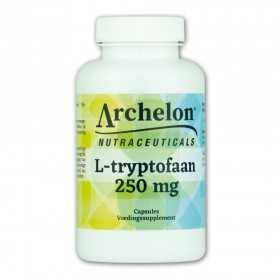
L-Tryptophan - 250 mg
Tryptophan is an essential amino acid, which means that the body cannot produce it itself and must therefore get it from food or supplementation. Tryptophan is found in meat, vegetables and fruit, among other things. Tryptophan is the only precursor of the neurotransmitter serotonin. Tryptophan also has several other functions.
€24.95
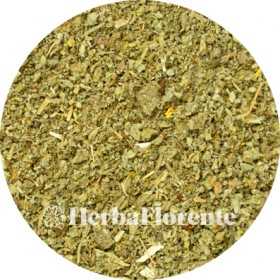
Marshmallow (Leaf) - Altheae officinalis
Marshmallow (Althaea officinalis) belongs to the mallow family (Malvaceae) and has been spread worldwide by human activity, especially to areas with suitable soil, humidity and climate.
The starch in the carrot, mixed with proteinaceous substances, was formerly used in making marshmallows and bacon. The leaves can be eaten cooked and the flowers can be used raw in salads.
The starch in the carrot, mixed with proteinaceous substances, was formerly used in making marshmallows and bacon. The leaves can be eaten cooked and the flowers can be used raw in salads.
€2.00
From: €2.00
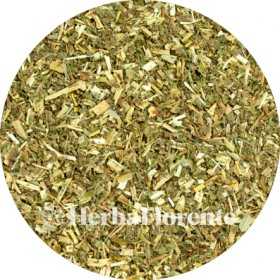
Meadowsweet - Filipendulae ulmaria
The meadowsweet (Filipendula ulmaria) is a perennial plant belonging to the rose family (Rosaceae). It is an erect plant that can reach a height of 0.6 to 2 meters. The flowers of the meadowsweet are numerous and cream-colored, with a width of 0.4 to 1 cm and each consisting of five petals, which have a strong almond scent. The leaves are pinnately compound, with a large top leaflet that is palmately split.
€2.00
From: €2.00
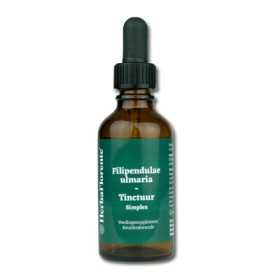
Meadowsweet Tincture - Filipendulae ulmaria Tincture
Single herbal tincture made with dried herb of Filipendulae ulmaria (Meadsweet).
The meadowsweet (Filipendula ulmaria) is a perennial plant belonging to the rose family (Rosaceae). It is an erect plant that can reach a height of 0.6 to 2 meters. The flowers of the meadowsweet are numerous and cream-colored, with a width of 0.4 to 1 cm and each consisting of five petals, which have a strong almond scent. The leaves are pinnately compound, with a large top leaflet that is palmately split.
The meadowsweet (Filipendula ulmaria) is a perennial plant belonging to the rose family (Rosaceae). It is an erect plant that can reach a height of 0.6 to 2 meters. The flowers of the meadowsweet are numerous and cream-colored, with a width of 0.4 to 1 cm and each consisting of five petals, which have a strong almond scent. The leaves are pinnately compound, with a large top leaflet that is palmately split.
€10.95
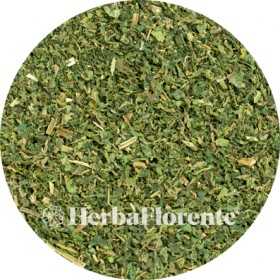
Nettle (Herb) - Urticae dioica
Nettle (Urtica dioica) is a herbaceous plant found in many places and known for its stinging hairs when touched. Despite this characteristic, the plant has long been valued and used in various cultures. Nettle is used in culinary preparations such as soup and herbal tea.
The plant is native to large parts of Europe, Asia, and Africa. The Latin name Urtica dioica refers to the plant's stinging properties. Historical and botanical sources describe both the leaves and the roots as being traditionally collected and processed.
Both nettle leaf and root hold a firm place in herbal tradition. Due to their natural composition and long history, these parts of the plant have been mentioned for centuries in ethnobotanical and historical accounts.
The plant is native to large parts of Europe, Asia, and Africa. The Latin name Urtica dioica refers to the plant's stinging properties. Historical and botanical sources describe both the leaves and the roots as being traditionally collected and processed.
Both nettle leaf and root hold a firm place in herbal tradition. Due to their natural composition and long history, these parts of the plant have been mentioned for centuries in ethnobotanical and historical accounts.
€2.00
From: €2.00
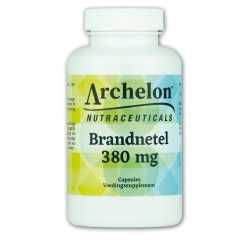
Nettle - 380 mg
Nettle is a versatile plant that has been used for centuries in European herbal traditions. Both the leaves and the roots are used in herbal preparations. Nettle is valued for its wide range of uses and natural composition, making it a suitable addition to a varied and balanced diet. The plant is also widely used in teas and culinary applications, such as soups.
€17.95
Nettle - Urticae dioica
Nettle (Urtica dioica) is a herbaceous plant found in many places and known for its stinging hairs when touched. Despite this characteristic, the plant has long been valued and used in various cultures. Nettle is used in culinary preparations such as soup and herbal tea.
The plant is native to large parts of Europe, Asia, and Africa. The Latin name Urtica dioica refers to the plant's stinging properties. Historical and botanical sources describe both the leaves and the roots as being traditionally collected and processed.
Both nettle leaf and root hold a firm place in herbal tradition. Due to their natural composition and long history, these parts of the plant have been mentioned for centuries in ethnobotanical and historical accounts.
The plant is native to large parts of Europe, Asia, and Africa. The Latin name Urtica dioica refers to the plant's stinging properties. Historical and botanical sources describe both the leaves and the roots as being traditionally collected and processed.
Both nettle leaf and root hold a firm place in herbal tradition. Due to their natural composition and long history, these parts of the plant have been mentioned for centuries in ethnobotanical and historical accounts.
€2.40
From: €2.40
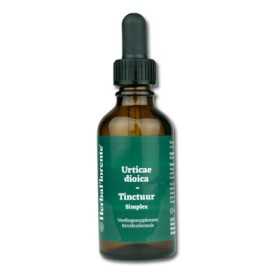
Nettle Tincture - Urticae dioica Tincture
Single herbal tincture made with dried herb of Urticae dioica (Nettle).
The stinging nettle (Urtica dioica) is a herbaceous plant found in many places and known for its stinging hairs, which cause a tingling sensation when touched. Despite this characteristic, the plant has been valued and used in various cultures for centuries. It is used in culinary preparations such as soup and herbal tea.
The plant is native to large parts of Europe, Asia, and Africa. The Latin name Urtica dioica refers to the plant's pungent nature. Historical and botanical sources describe both the leaves and roots as being traditionally collected and processed.
The stinging nettle (Urtica dioica) is a herbaceous plant found in many places and known for its stinging hairs, which cause a tingling sensation when touched. Despite this characteristic, the plant has been valued and used in various cultures for centuries. It is used in culinary preparations such as soup and herbal tea.
The plant is native to large parts of Europe, Asia, and Africa. The Latin name Urtica dioica refers to the plant's pungent nature. Historical and botanical sources describe both the leaves and roots as being traditionally collected and processed.
€10.95
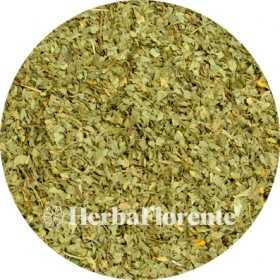
Parsley - Petroselini - Cut
Parsley (Petroselinum crispum) is a biennial, hardy herbaceous plant from the Apiaceae family. The herb is widely used in European, American, and Middle Eastern cuisine for its fresh, aromatic flavor.
In ancient times, parsley had symbolic meaning. For the ancient Greeks, the herb symbolized joy and was frequently used in rituals and traditions. The Romans spread the use of parsley throughout Western Europe. In the Middle Ages, parsley was eaten and cultivated as both an herb and a vegetable, including in the gardens of Charlemagne.
For culinary use, the leaves are primarily used, preferably just before serving. Parsley is often combined with garlic in herb butter, used in salads, and incorporated into a variety of dishes. The seeds can also be ground and used as a spice.
In ancient times, parsley had symbolic meaning. For the ancient Greeks, the herb symbolized joy and was frequently used in rituals and traditions. The Romans spread the use of parsley throughout Western Europe. In the Middle Ages, parsley was eaten and cultivated as both an herb and a vegetable, including in the gardens of Charlemagne.
For culinary use, the leaves are primarily used, preferably just before serving. Parsley is often combined with garlic in herb butter, used in salads, and incorporated into a variety of dishes. The seeds can also be ground and used as a spice.
€2.20
From: €2.20
Psyllium husks (Premium Psyllium Fiber) - Psylli flavum Testa
Psyllium husk comes from the seeds of the Plantago psyllium plant. These seeds are largely fiber-rich and are often used as an ingredient in nutritional products and supplements. Psyllium contains both soluble and insoluble fiber.
The seed consists of over 80% fiber, of which approximately 70% is soluble and 30% is insoluble. When psyllium husk comes into contact with water, it forms a gel-like substance that can absorb a significant amount of fluid. Therefore, it is important to drink plenty of water when using psyllium.
Because of these properties, psyllium is often used in products intended to supplement daily fiber intake.
The seed consists of over 80% fiber, of which approximately 70% is soluble and 30% is insoluble. When psyllium husk comes into contact with water, it forms a gel-like substance that can absorb a significant amount of fluid. Therefore, it is important to drink plenty of water when using psyllium.
Because of these properties, psyllium is often used in products intended to supplement daily fiber intake.
€2.80
From: €2.80
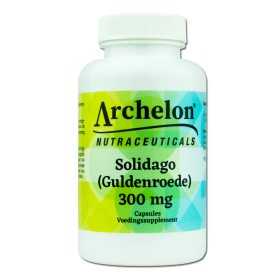
Solidago (Goldenrod) - 300 mg
Solidago virgaurea, also known as Goldenrod, is a native plant traditionally found in Europe and Asia. It produces golden-yellow flowers and was traditionally cultivated in herb gardens. Historically, the flowers were dried and ground for various uses, including natural dyes. Solidago extracts are used in food products and supplements due to their presence of specific plant compounds, such as flavonoids and saponins.
€19.95
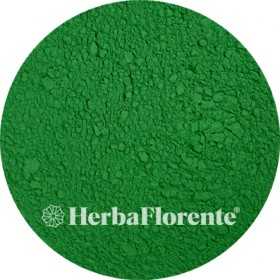
Spirulina - Spirulina platensis
Spirulina is a type of single-celled algae that contains both chlorophyll (a green pigment) and phycocyanin (a blue pigment). The algae forms spiral-shaped microscopic strands and grows naturally in warm, freshwater.
Spirulina contains various nutrients, including protein, vitamins (such as B-complex and E), carotenoids, iron, manganese, zinc, and some fatty acids. Because of this composition, spirulina is often used as part of a varied diet.
The algae can grow in warm environments and retain many of their nutrients, even during processing at higher temperatures..
Spirulina contains various nutrients, including protein, vitamins (such as B-complex and E), carotenoids, iron, manganese, zinc, and some fatty acids. Because of this composition, spirulina is often used as part of a varied diet.
The algae can grow in warm environments and retain many of their nutrients, even during processing at higher temperatures..
€2.80
From: €2.80
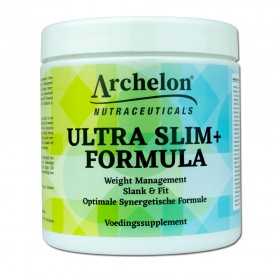
Ultra Slim+ Formula
Ultra Slim+ Formula is a carefully formulated powder mix containing a combination of herbs, vitamins, minerals, and enzymes. The formula was developed to complement a varied diet and a healthy lifestyle.
The ingredients have been selected with an eye for balance and cohesion, making Ultra Slim+ Formula easy to take and flexible to fit into your daily routine. The powder form makes it easy to mix with water, juice, or smoothies.
Ultra Slim+ Formula is suitable for vegans and vegetarians, and contains no additives or preservatives.
The ingredients have been selected with an eye for balance and cohesion, making Ultra Slim+ Formula easy to take and flexible to fit into your daily routine. The powder form makes it easy to mix with water, juice, or smoothies.
Ultra Slim+ Formula is suitable for vegans and vegetarians, and contains no additives or preservatives.
€79.95
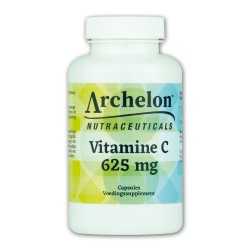
Vitamin C (Sodium Ascorbic Acid) - 625 mg
Vitamin C (ascorbic acid) is the pure form of vitamin C. There are also buffered forms of ascorbic acid, which are generally more easily tolerated by the gastrointestinal tract. Vitamin C is a water-soluble vitamin found naturally in various fruits and vegetables, such as citrus fruits, kiwi, bell peppers, and broccoli. Vitamin C is often added to dietary supplements in powder, tablet, or capsule form to supplement daily intake.
€17.95