



Trending
€57.50
€62.50
€35.95
€62.50
€62.50
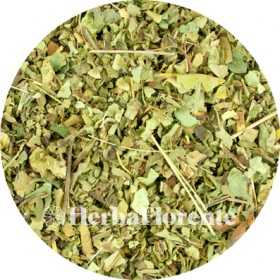
Lungwort - Pulmonaria officinalis
€5.91 €6.95 -15%
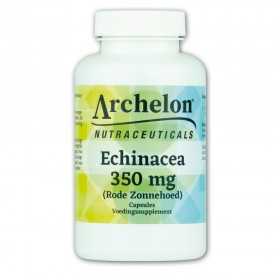
Echinacea (Red Coneflower) - 350 mg
€15.96 €19.95 -20%
Metabolism
There are 166 products.
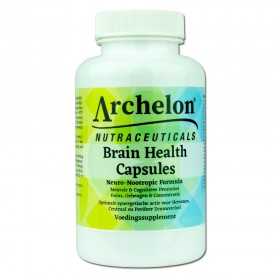
Brain Health Capsules
Brain Health Capsules are a carefully formulated combination of herbs, vitamins, minerals, and enzymes. These capsules are designed to complement a varied diet and a healthy lifestyle.
The ingredients are selected with an eye for balance and coherence, making Brain Health Capsules easy to take and flexible to fit into your daily routine. These capsules are suitable for people who value a comprehensive, plant-based formula without unnecessary additives.
The ingredients are selected with an eye for balance and coherence, making Brain Health Capsules easy to take and flexible to fit into your daily routine. These capsules are suitable for people who value a comprehensive, plant-based formula without unnecessary additives.
€54.95
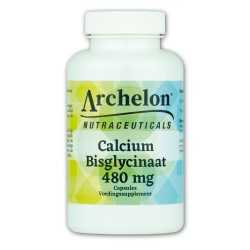
Calcium Bisglycinate - 480 mg
Calcium is an essential mineral found in the body and involved in various normal bodily processes. Calcium bisglycinate is a mineral-amino acid chelate in which calcium is bound to two glycine molecules. This form is known for its good bioavailability and is efficiently absorbed in the digestive system. Calcium bisglycinate is often chosen as part of a balanced diet and a healthy lifestyle.
€23.95
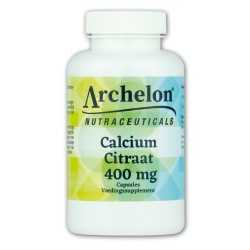
Calcium Citrate - 400 mg
Calcium is a mineral available in various forms, including calcium citrate and calcium bisglycinate. Calcium bisglycinate is a chelated form of calcium, bound to two glycine molecules, and is known for its good bioavailability. This form is widely used in dietary supplements and can be included as part of a varied and balanced diet.
€17.95
Cat's Claw - Uncaria tomentosa
Cat's claw (Uncaria tomentosa), also known as cat's claw, is a climbing plant native to the Amazon region of Brazil and Peru, among other places. The plant grows in rainforests and can cling to trees with its characteristic, claw-shaped thorns. These thorns, located at the base of the leaves, give the plant its name and enable it to climb to great heights.
In the Peruvian Amazon, cat's claw has special cultural significance and is considered part of traditional plant knowledge. Due to its origins and ecological importance, the species is a protected plant in certain regions.
In the Peruvian Amazon, cat's claw has special cultural significance and is considered part of traditional plant knowledge. Due to its origins and ecological importance, the species is a protected plant in certain regions.
€2.60
From: €2.60
Cat's Claw - Uncaria tomentosa - Cut
Cat's claw (Uncaria tomentosa), also known as cat's claw, is a climbing plant native to the Amazon region of Brazil and Peru, among other places. The plant grows in rainforests and can cling to trees with its characteristic, claw-shaped thorns. These thorns, located at the base of the leaves, give the plant its name and enable it to climb to great heights.
In the Peruvian Amazon, cat's claw has special cultural significance and is considered part of traditional plant knowledge. Due to its origins and ecological importance, the species is a protected plant in certain regions.
In the Peruvian Amazon, cat's claw has special cultural significance and is considered part of traditional plant knowledge. Due to its origins and ecological importance, the species is a protected plant in certain regions.
€2.40
From: €2.40
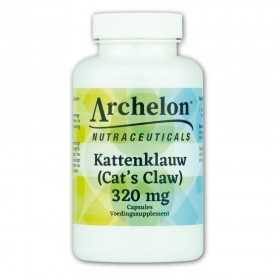
Cat’s Claw - 320 mg
Cat's claw (Uncaria tomentosa) is a woody vine native to the Amazon region of Peru, Brazil, and other parts of the world. The plant grows in tropical rainforests and can cling to trees with small, hooked thorns. These thorns, which resemble cat claws, give the plant its name. Cat's claw can reach great heights and is part of the rainforest's rich biodiversity.
Among indigenous cultures in the Amazon region, the bark and root of Uncaria tomentosa have been used for centuries in traditional herbal preparations. The plant is considered culturally valuable there and is protected in some regions.
Among indigenous cultures in the Amazon region, the bark and root of Uncaria tomentosa have been used for centuries in traditional herbal preparations. The plant is considered culturally valuable there and is protected in some regions.
€19.95
Chia seeds - Salviae Sem. Hispanica nigri albi
Chia, also known as Salvia hispanica, is a plant from the Lamiaceae family, originally from central and southern Mexico and Guatemala. The Aztecs cultivated this plant even before Columbus discovered America, and chia seeds were used as currency to the rulers. Today, chia is still prized in Mexico and Guatemala; the ground seeds are used in dishes, while whole seeds are often added to nutritious drinks.
The main purpose of growing chia is for its seeds, which are rich in omega-3 fatty acids. About 25-30% of the seed contains vegetable oil, including alpha-linolenic acid (ALA). Chia seeds are small and oval, about 1 mm in diameter, and have a color palette of brown, gray-black and white.
The main purpose of growing chia is for its seeds, which are rich in omega-3 fatty acids. About 25-30% of the seed contains vegetable oil, including alpha-linolenic acid (ALA). Chia seeds are small and oval, about 1 mm in diameter, and have a color palette of brown, gray-black and white.
€2.00
From: €2.00
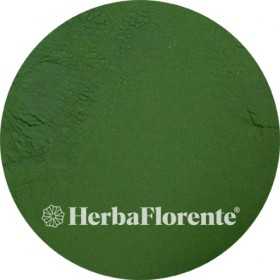
Chlorella - Chlorella
Chlorella is a single-celled green algae belonging to the green algae group. This microscopic algae occurs naturally in freshwater environments such as lakes and rivers and is cultivated worldwide. The name chlorella is derived from the Greek words chloros (green) and ella (small), which refers to its color and size.
Chlorella is known for its natural composition and is described in nutritional and botanical sources as an algae that naturally contains various nutrients, including proteins, vitamins, minerals, and fatty acids. In addition, chlorella contains chlorophyll, the green pigment that plays an essential role in photosynthesis.
Furthermore, descriptions of chlorella often mention plant-based compounds such as beta-carotene and lutein.
Chlorella is known for its natural composition and is described in nutritional and botanical sources as an algae that naturally contains various nutrients, including proteins, vitamins, minerals, and fatty acids. In addition, chlorella contains chlorophyll, the green pigment that plays an essential role in photosynthesis.
Furthermore, descriptions of chlorella often mention plant-based compounds such as beta-carotene and lutein.
€4.60
From: €4.60
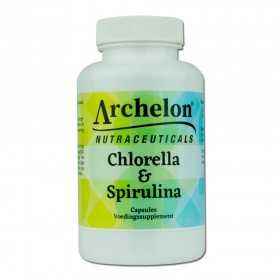
Chlorella 200 mg & Spirulina 200 mg
This dietary supplement combines chlorella and spirulina, two single-celled algae naturally rich in nutrients such as protein, vitamins, and minerals. Together, they form a natural source of diverse nutrients and can be included as part of a varied and balanced diet.
€19.95
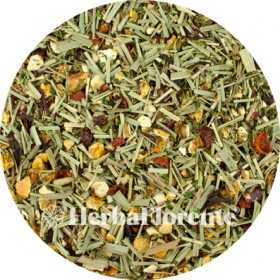
Citrus Blend Herbal Tea
Herbal tea composed of various herbs
Delicious for every moment
Delicious for every moment
€3.95
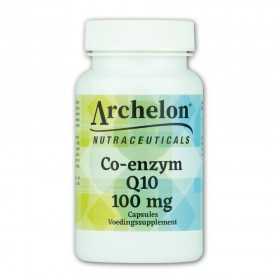
Co-enzyme Q10 - 100 mg
Coenzyme Q10, also known as ubiquinone, is a fat-soluble compound that occurs naturally in the human body. It is found in the mitochondria of cells and is present in foods such as meat, fish, grains, and nuts. The amount of CoQ10 in food can vary, and supplements are often offered as part of a varied and balanced diet.
€42.95
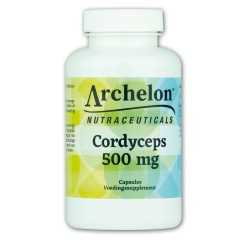
Cordyceps - 500 mg
Cordyceps (Cordyceps sinensis) is a mushroom native to the Far East and belongs to the fungus family. This fungus lives as a parasite on the caterpillars of certain moths, from which the characteristic club-shaped fruiting bodies develop. The name "Cordyceps" is derived from the Latin "cordy" (club) and "ceps" (head), while "sinensis" means "Chinese." In the Netherlands, this mushroom is also known as "caterpillar fungus" or "Chinese caterpillar killer." Cordyceps is offered in nutritional supplements as part of a varied and balanced diet.
€34.95
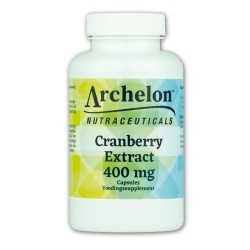
Cranberry Extract - 400 mg
Cranberry (Vaccinium macrocarpon). Cranberries are small, red berries that naturally contain anthocyanins, pigments belonging to the flavonoid family and responsible for their vibrant color. Anthocyanins are found in many vegetables, fruits, and herbs. Cranberries also provide a wide range of nutrients, including vitamins, minerals, and antioxidants, and are often included in dietary supplements as part of a varied and balanced diet.
€34.95
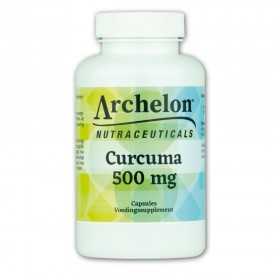
Curcuma - 500 mg
Turmeric, also known as yellow root, is a spice native to the tropical regions of India and Southeast Asia. The root powder is widely used in Asian cuisine and is known in the Netherlands as yellow root because of the striking yellow color it can impart to dishes like curry and mustard. Turmeric contains natural pigments and bioactive compounds and is used in nutritional supplements as part of a varied and balanced diet.
€19.95
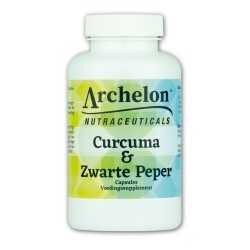
Curcuma 480 mg & Black Pepper 20 mg
Turmeric, also known as yellow root, is a spice native to the tropical regions of India and Southeast Asia. The root powder is widely used in Asian cuisine and is known in the Netherlands as yellow root because of the striking yellow color it can impart to dishes like curry and mustard. Turmeric contains natural pigments and bioactive compounds and is used in nutritional supplements as part of a varied and balanced diet.
€21.95
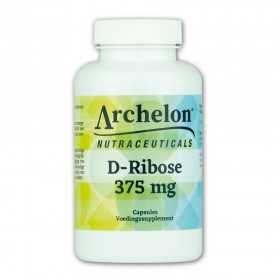
D-Ribose - 375 mg
D-Ribose is a simple sugar (monosaccharide) with five carbon atoms, also known as a pentose sugar. It occurs naturally in foods such as red meat, poultry, fish, and nuts. D-Ribose is produced in the body and is a component of cellular structures such as DNA and RNA. D-Ribose is offered in dietary supplements as part of a varied and balanced diet.
€21.95
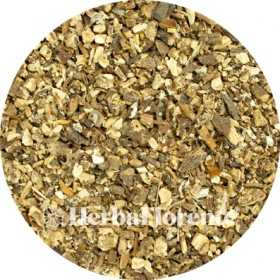
Dandelion (Root) - Taraxum officinale
Dandelion (Taraxacum officinale) is a plant that has been used for centuries in various cultures. Both the root and the aerial parts of the plant are used and are known for their versatile uses.
The young leaves of the dandelion are traditionally used in dishes such as salads, especially in spring. The yellow flowers can be used as decoration and are also suitable for drying and making into herbal tea.
Dandelions naturally contain various plant compounds, including bitter substances, flavonoids, and fatty acids. They are also a source of vitamins, such as B vitamins and vitamin C, and contain minerals such as calcium, magnesium, zinc, and manganese.
The young leaves of the dandelion are traditionally used in dishes such as salads, especially in spring. The yellow flowers can be used as decoration and are also suitable for drying and making into herbal tea.
Dandelions naturally contain various plant compounds, including bitter substances, flavonoids, and fatty acids. They are also a source of vitamins, such as B vitamins and vitamin C, and contain minerals such as calcium, magnesium, zinc, and manganese.
€2.70
From: €2.70
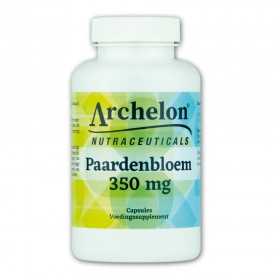
Dandelion - 350 mg
Dandelion (Taraxacum officinale) is a plant known for centuries and used both in its wild form and in nutritional supplements. Both the root and the above-ground parts contain a wide range of natural substances. Dandelion contains bitter substances, phytosterols, fatty acids such as linoleic acid, linolenic acid, palmitic acid, and oleic acid, flavonoids, various B vitamins, vitamin C, beta-carotene, and minerals such as calcium, chromium, magnesium, zinc, manganese, selenium, and sulfur.
€19.95
Echinacea (Red Coneflower) - 350 mg
Purple coneflower is a perennial plant native to North America and cultivated worldwide. The Latin name Echinacea refers to the Greek word echinos, meaning "hedgehog," because of its spiky flower cone. Indigenous tribes used the plant traditionally, and knowledge about it was later adopted by colonists. Today, Echinacea purpurea is often used in supplements and herbal preparations.
€15.96
€19.95
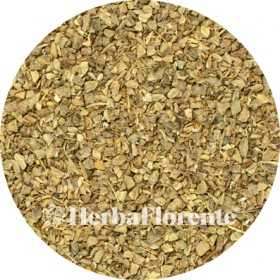
Elecampane - Inula helenium
The Elecampane (Inula helenium) is a perennial plant that belongs to the composite family (Compositae or Asteraceae). This plant is naturally found in Western and Central Asia and has been known for its culinary and medicinal uses since ancient times.
The ancient Greeks called the plant helenion, which means "the radiant, the splendid." This name is related to hèlios, which means "sun". There are several myths surrounding the naming. The Romans adopted the Greek name and called the plant inula. When Linnaeus introduced the scientific Latin name Inula helenium in 1753, he combined the Roman genus name with the Greek specific name.
The ancient Greeks called the plant helenion, which means "the radiant, the splendid." This name is related to hèlios, which means "sun". There are several myths surrounding the naming. The Romans adopted the Greek name and called the plant inula. When Linnaeus introduced the scientific Latin name Inula helenium in 1753, he combined the Roman genus name with the Greek specific name.
€2.20
From: €2.20
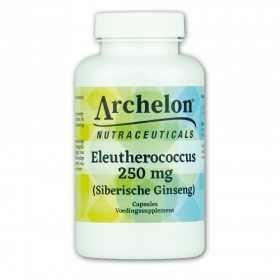
Eleutherococcus (Siberian Ginseng) - 250 mg
Siberian ginseng is a perennial plant native to Russia, Japan, Korea, and China. The roots of the plant have been used in traditional herbal medicine for centuries. Siberian ginseng is often used in supplements and herbal preparations. It is important not to confuse this species with Korean ginseng (Panax ginseng) or American ginseng (Panax quinquefolius), as they are different plants.
€14.36
€17.95
Eleutherococcus (Siberian Ginseng) - Eleutherococcus
Siberian ginseng (Eleutherococcus senticosus) is a shrubby plant native to parts of Russia, China, Korea, and Japan. The plant belongs to the Araliaceae family and is botanically related to, but distinct from, the better-known Panax species such as Korean ginseng (Panax ginseng) and American ginseng (Panax quinquefolius).
The roots of Siberian ginseng have long been mentioned in East Asian and Russian botanical literature. These historical and cultural sources describe the plant as part of traditional practices. This long history of use has also led to Siberian ginseng becoming known beyond its native range.
The roots of Siberian ginseng have long been mentioned in East Asian and Russian botanical literature. These historical and cultural sources describe the plant as part of traditional practices. This long history of use has also led to Siberian ginseng becoming known beyond its native range.
€2.80
From: €2.80
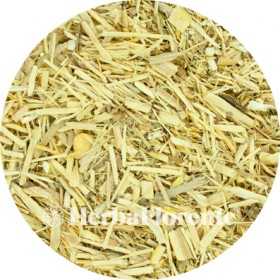
Eleutherococcus (Siberian Ginseng) - Eleutherococcus - Cut
Siberian ginseng (Eleutherococcus senticosus) is a shrubby plant native to parts of Russia, China, Korea, and Japan. The plant belongs to the Araliaceae family and is botanically related to, but distinct from, the better-known Panax species such as Korean ginseng (Panax ginseng) and American ginseng (Panax quinquefolius).
The roots of Siberian ginseng have long been mentioned in East Asian and Russian botanical literature. These historical and cultural sources describe the plant as part of traditional practices. This long history of use has also led to Siberian ginseng becoming known beyond its native range.
The roots of Siberian ginseng have long been mentioned in East Asian and Russian botanical literature. These historical and cultural sources describe the plant as part of traditional practices. This long history of use has also led to Siberian ginseng becoming known beyond its native range.
€2.20
From: €2.20
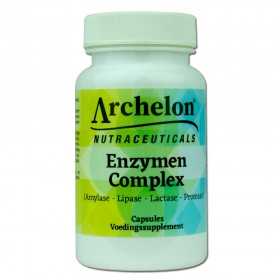
Enzymes - Complex
Our Enzyme Complex is a dietary supplement containing five plant-based enzymes: protease, amylase, lactase, lipase, and cellulase. The enzyme complex is derived from DigeZyme® and consists entirely of natural plant-based ingredients.
Enzymes occur naturally in the body and in foods. This supplement contains a combination of enzymes that are also found in food sources.
Enzymes occur naturally in the body and in foods. This supplement contains a combination of enzymes that are also found in food sources.
€32.95