



Trending
€57.50
€62.50

€35.95
€62.50
€62.50
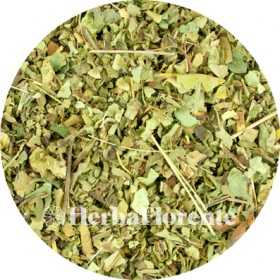
Lungwort - Pulmonaria officinalis
€5.91 €6.95 -15%
Echinacea (Red Coneflower) - 350 mg
€15.96 €19.95 -20%
Skin
There are 83 products.
Echinacea (Red Coneflower) - 350 mg
Purple coneflower is a perennial plant native to North America and cultivated worldwide. The Latin name Echinacea refers to the Greek word echinos, meaning "hedgehog," because of its spiky flower cone. Indigenous tribes used the plant traditionally, and knowledge about it was later adopted by colonists. Today, Echinacea purpurea is often used in supplements and herbal preparations.
€15.96
€19.95
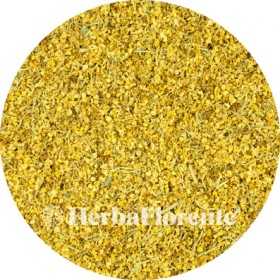
Elder - Sambuci nigri
The elderberry (Sambucus nigra L.) is a native tree or shrub that grows widely in the Netherlands. It grows in a variety of locations, such as along roads, in forest edges, and in gardens.
At the end of May, the elderberry blooms with large umbels of small, creamy-white flowers that exude a sweet, floral fragrance. These blossoms are traditionally used to make elderflower liqueur, syrup, and pancakes, among other things.
The flowers contain various natural plant compounds, including flavonoids such as rutin, quercetin, and astragalin. They also contain tannins, triterpenes, fatty acids, and essential oils.
At the end of May, the elderberry blooms with large umbels of small, creamy-white flowers that exude a sweet, floral fragrance. These blossoms are traditionally used to make elderflower liqueur, syrup, and pancakes, among other things.
The flowers contain various natural plant compounds, including flavonoids such as rutin, quercetin, and astragalin. They also contain tannins, triterpenes, fatty acids, and essential oils.
€3.60
From: €3.60
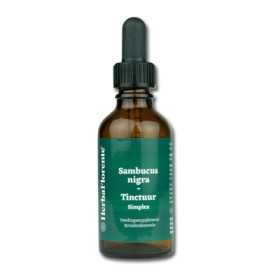
Elderberry Tincture - Sambucus nigra Tincture
Single herbal tincture made with dried blossom herb of Sambucus nigra (elderberry).
The elderberry (Sambucus nigra L.) is a native tree or shrub that grows widely in the Netherlands. It grows in a variety of locations, such as along roads, in forest edges, and in gardens.
At the end of May, the elderberry blooms with large umbels of small, creamy-white flowers that exude a sweet, floral fragrance. These blossoms are traditionally used to make elderflower liqueur, syrup, and pancakes, among other things.
The flowers contain various natural plant compounds, including flavonoids such as rutin, quercetin, and astragalin. They also contain tannins, triterpenes, fatty acids, and essential oils.
The elderberry (Sambucus nigra L.) is a native tree or shrub that grows widely in the Netherlands. It grows in a variety of locations, such as along roads, in forest edges, and in gardens.
At the end of May, the elderberry blooms with large umbels of small, creamy-white flowers that exude a sweet, floral fragrance. These blossoms are traditionally used to make elderflower liqueur, syrup, and pancakes, among other things.
The flowers contain various natural plant compounds, including flavonoids such as rutin, quercetin, and astragalin. They also contain tannins, triterpenes, fatty acids, and essential oils.
€10.95
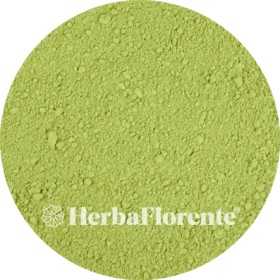
Field Horsetail - Equisetum arvense
Horsetail (Equisetum arvense), also known as horsetail because of its characteristic appearance, belongs to the horsetail family (Equisetaceae). The plant is common in Europe and grows in a variety of locations, such as meadows, along roads, on fallow land, and on slopes.
Horsetail is one of the oldest plant species on earth, having existed for approximately 390 million years. The plant is distinguished by its deep root system, which allows it to absorb nutrients from deeper soil layers. As a result, horsetail naturally contains various plant compounds, including minerals, fiber, and silicon.
Horsetail is one of the oldest plant species on earth, having existed for approximately 390 million years. The plant is distinguished by its deep root system, which allows it to absorb nutrients from deeper soil layers. As a result, horsetail naturally contains various plant compounds, including minerals, fiber, and silicon.
€4.75
From: €4.75
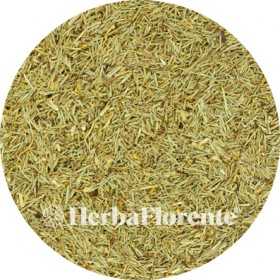
Field Horsetail - Equisetum arvense - Cut
Horsetail (Equisetum arvense), also known as horsetail because of its characteristic appearance, belongs to the horsetail family (Equisetaceae). The plant is common in Europe and grows in a variety of locations, such as meadows, along roads, on fallow land, and on slopes.
Horsetail is one of the oldest plant species on earth, having existed for approximately 390 million years. The plant is distinguished by its deep root system, which allows it to absorb nutrients from deeper soil layers. As a result, horsetail naturally contains various plant compounds, including minerals, fiber, and silicon.
Horsetail is one of the oldest plant species on earth, having existed for approximately 390 million years. The plant is distinguished by its deep root system, which allows it to absorb nutrients from deeper soil layers. As a result, horsetail naturally contains various plant compounds, including minerals, fiber, and silicon.
€3.95
From: €3.95
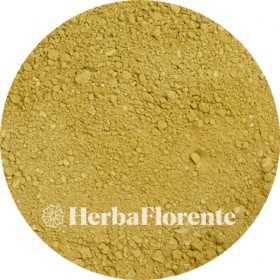
Ginkgo (Maidenhair tree) - Ginkgo bilobae
The Ginkgo biloba (Maidenhair tree), also known as the Japanese temple tree, is a unique deciduous tree with a very long history. The species has been mentioned for centuries in botanical and cultural sources from East Asia and is native to China.
Ginkgo biloba is unique within the plant kingdom and is considered a species with no direct relatives. For this reason, Charles Darwin called the ginkgo a "living fossil." The tree has existed for approximately 250 million years and has survived several mass extinctions. Today, it is planted worldwide as an ornamental and avenue tree.
Ginkgo biloba is unique within the plant kingdom and is considered a species with no direct relatives. For this reason, Charles Darwin called the ginkgo a "living fossil." The tree has existed for approximately 250 million years and has survived several mass extinctions. Today, it is planted worldwide as an ornamental and avenue tree.
€3.20
From: €3.20
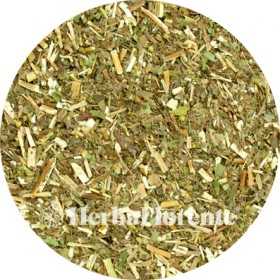
Goldenrod - Solidago virgaurea - Cut
Goldenrod (Solidago virgaurea), also known as goldenrod, is a native plant traditionally found in Europe and Asia. The plant is striking for its golden-yellow blooms and was once a familiar part of traditional Dutch herb gardens.
Historically, goldenrod flowers were widely harvested, dried, and ground. These were used, among other things, as a natural raw material for making yellow dyes. The plant is frequently mentioned in historical and botanical sources for its striking appearance and wide use in craft and cultural traditions.
Today, goldenrod is primarily valued for its botanical characteristics and its role in European plant history.
Historically, goldenrod flowers were widely harvested, dried, and ground. These were used, among other things, as a natural raw material for making yellow dyes. The plant is frequently mentioned in historical and botanical sources for its striking appearance and wide use in craft and cultural traditions.
Today, goldenrod is primarily valued for its botanical characteristics and its role in European plant history.
€2.00
From: €2.00
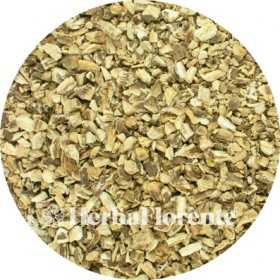
Great Burdock - Arctium lappa
Burdock (also known as greater burdock root in English) belongs to the Asteraceae family. The root grows best in moist, nitrate-rich soils, preferably in sun or light shade, and in temperate climates. Burdock can be found near houses and fields, on ruins, roadsides, fallow land, forest clearings, at the edges of forests, and in hedgerows. The root can grow to over a meter long.
Burdock has been used for centuries in various traditional herbal systems, such as Ayurveda and Chinese herbal medicine. The root contains various vitamins (C, B1, B2, B3, B6, B12, and E), beta-carotene, biotin, phenolic acids, polyacetylenes, bitter compounds, and phytosterols. The plant is versatile and is used in both culinary and herbal products.
Burdock has been used for centuries in various traditional herbal systems, such as Ayurveda and Chinese herbal medicine. The root contains various vitamins (C, B1, B2, B3, B6, B12, and E), beta-carotene, biotin, phenolic acids, polyacetylenes, bitter compounds, and phytosterols. The plant is versatile and is used in both culinary and herbal products.
€2.50
From: €2.50
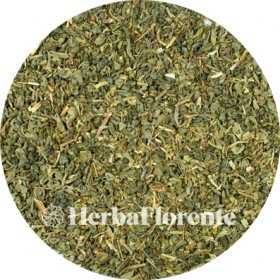
Green Tea Mint Herbal Tea
Herbal tea composed of various herbs
Delicious for every moment
Delicious for every moment
€4.95
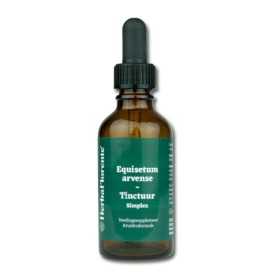
Horsetail Tincture - Equisetum arvense Tincture
Single herbal tincture made with dried herb of Equisetum arvense (Horsetail).
Horsetail (Equisetum arvense), also known as horsetail because of its characteristic appearance, belongs to the horsetail family (Equisetaceae). The plant is common in Europe and grows in a variety of locations, such as meadows, along roads, on fallow land, and on slopes.
Horsetail is one of the oldest plant species on earth, having existed for approximately 390 million years. The plant is distinguished by its deep root system, which allows it to absorb nutrients from deeper soil layers. As a result, horsetail naturally contains various plant compounds, including minerals, fiber, and silicon.
Horsetail (Equisetum arvense), also known as horsetail because of its characteristic appearance, belongs to the horsetail family (Equisetaceae). The plant is common in Europe and grows in a variety of locations, such as meadows, along roads, on fallow land, and on slopes.
Horsetail is one of the oldest plant species on earth, having existed for approximately 390 million years. The plant is distinguished by its deep root system, which allows it to absorb nutrients from deeper soil layers. As a result, horsetail naturally contains various plant compounds, including minerals, fiber, and silicon.
€12.95
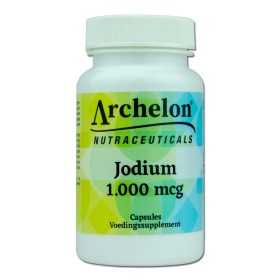
Iodine - 1,000 mcg
Iodine is an essential mineral required for the normal production of thyroid hormones and normal thyroid function. Thyroid hormones play a key role in various bodily processes.
Iodine contributes to normal energy-yielding metabolism and also supports the normal functioning of the nervous system. Iodine also contributes to normal cognitive function and the maintenance of normal skin.
This supplement is intended as a supplement to a varied, balanced diet and a healthy lifestyle.
Iodine contributes to normal energy-yielding metabolism and also supports the normal functioning of the nervous system. Iodine also contributes to normal cognitive function and the maintenance of normal skin.
This supplement is intended as a supplement to a varied, balanced diet and a healthy lifestyle.
€29.95

Juniper Berries - Juniper communis
The juniper (Juniperus communis) is a conifer native to Europe, Asia, and North America. The plant bears both flowers and berries, which vary in color from green to black as they ripen. The name Juniperus derives from the Celtic word juneprus, meaning rough, prickly, or bitter, while communis means "common."
The black berries of the juniper have a characteristically bitter and aromatic flavor. It takes about three years for the berries to fully ripen: in the first year, the flowers appear, in the second year they turn green, and in the third year they turn blue and then black or dark purple.
The black berries of the juniper have a characteristically bitter and aromatic flavor. It takes about three years for the berries to fully ripen: in the first year, the flowers appear, in the second year they turn green, and in the third year they turn blue and then black or dark purple.
€2.80
From: €2.80
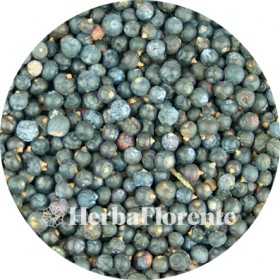
Juniper Berries - Juniper communis - Whole
The juniper (Juniperus communis) is a conifer native to Europe, Asia, and North America. The plant bears both flowers and berries, which vary in color from green to black as they ripen. The name Juniperus derives from the Celtic word juneprus, meaning rough, prickly, or bitter, while communis means "common."
The black berries of the juniper have a characteristically bitter and aromatic flavor. It takes about three years for the berries to fully ripen: in the first year, the flowers appear, in the second year they turn green, and in the third year they turn blue and then black or dark purple.
The black berries of the juniper have a characteristically bitter and aromatic flavor. It takes about three years for the berries to fully ripen: in the first year, the flowers appear, in the second year they turn green, and in the third year they turn blue and then black or dark purple.
€2.40
From: €2.40
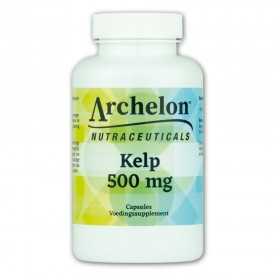
Kelp - 500 mg
Kelp is a large seaweed belonging to the brown algae family (Laminariales) that grows in cold, nutrient-rich seas. This algae is found in the oceans of Asia, North America, and Europe, among other places. Kelp is known for its impressive growth rate and can grow several meters per day under favorable conditions, making it one of the largest plants in the world.
In countries like Japan, China, and Korea, kelp has been a traditional food for centuries. A well-known variety is kombu (Laminaria japonica), which is often used in soups, broths, and rice dishes. In addition to culinary uses, kelp is also processed into powders, capsules, and extracts.
In countries like Japan, China, and Korea, kelp has been a traditional food for centuries. A well-known variety is kombu (Laminaria japonica), which is often used in soups, broths, and rice dishes. In addition to culinary uses, kelp is also processed into powders, capsules, and extracts.
€17.95

L-Arginine - 420 mg
ArgArginine, also called L-arginine, is a semi-essential amino acid that occurs naturally in the human body. It can be synthesized by the body from other amino acids, such as glutamine and proline, but in certain situations, production is limited. Therefore, supplementation through food or supplements can be a practical way to support intake as part of a varied diet.
This amino acid is present in many foods, including nuts, seeds, legumes, meat, and fish. Arginine was first isolated from food in the nineteenth century and has since been studied for its role in various metabolic processes. In supplement form, arginine is usually offered as pure L-arginine, often in capsules or powders, so it can be easily incorporated into the daily diet.
This amino acid is present in many foods, including nuts, seeds, legumes, meat, and fish. Arginine was first isolated from food in the nineteenth century and has since been studied for its role in various metabolic processes. In supplement form, arginine is usually offered as pure L-arginine, often in capsules or powders, so it can be easily incorporated into the daily diet.
€21.95
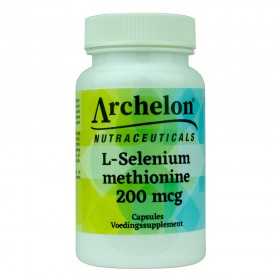
L-Selenium methionine - 200 mcg
Selenium is an essential mineral that occurs naturally in food, both in plant and animal sources. The amount in plants depends on the selenium concentration in the soil. Our L-selenomethionine supplement provides a standardized source of selenium, reducing the impact of dietary variation.
L-selenomethionine is an organic form of selenium, bound to the amino acid methionine, which is readily absorbed during protein metabolism. Compared to some other forms, such as selenium from yeast, L-selenomethionine is absorbed directly as part of amino acid combinations. The capsules are easy to take and can be incorporated into a varied diet.
L-selenomethionine is an organic form of selenium, bound to the amino acid methionine, which is readily absorbed during protein metabolism. Compared to some other forms, such as selenium from yeast, L-selenomethionine is absorbed directly as part of amino acid combinations. The capsules are easy to take and can be incorporated into a varied diet.
€17.95
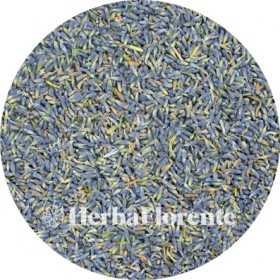
Lavender - Lavendula angustifolia
Lavender (Lavandula) is a genus of aromatic dwarf shrubs belonging to the Lamiaceae family. These plants are especially beloved for their characteristic purple flowers and pleasant fragrance and are widely planted in gardens, borders, and lavender fields.
An important use of lavender is the extraction of lavender oil from the flowering tops. This essential oil is widely used as a fragrance in cosmetic products such as soaps, creams, and perfumes, and also plays a role in aromatic applications.
Lavender also finds its way into the kitchen. The flowers, both fresh and dried, are used as a flavoring and are included in Provençal herb blends, among other things. Lavender can be added to dishes such as cheeses, vegetables, and sweet preparations.
An important use of lavender is the extraction of lavender oil from the flowering tops. This essential oil is widely used as a fragrance in cosmetic products such as soaps, creams, and perfumes, and also plays a role in aromatic applications.
Lavender also finds its way into the kitchen. The flowers, both fresh and dried, are used as a flavoring and are included in Provençal herb blends, among other things. Lavender can be added to dishes such as cheeses, vegetables, and sweet preparations.
€5.00
From: €5.00
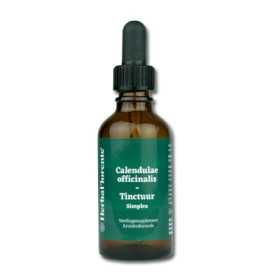
Marigold Tincture - Calendulae officinalis Tincture
Single herbal tincture made with dried flower of Calendulae officinalis (marigold).
The marigold, or Calendula officinalis, belongs to the Asteraceae family (Compositae) and is often cultivated in ornamental gardens. It originates from Southern Europe.
It is an annual plant with usually orange flowers, sometimes yellow, that can reach a height of 30–45 cm. The flowering period runs from May to November, and the fruits are often curved and boat-shaped.
Both fresh and dried flowers can be used in soups and as a natural coloring for cheese, butter, and other foods. Historically, the petals were also used to simulate saffron.
In addition, marigold petals are used in products such as ointments and tinctures. The flowers contain essential oils that are used in the processing of these products.
The marigold, or Calendula officinalis, belongs to the Asteraceae family (Compositae) and is often cultivated in ornamental gardens. It originates from Southern Europe.
It is an annual plant with usually orange flowers, sometimes yellow, that can reach a height of 30–45 cm. The flowering period runs from May to November, and the fruits are often curved and boat-shaped.
Both fresh and dried flowers can be used in soups and as a natural coloring for cheese, butter, and other foods. Historically, the petals were also used to simulate saffron.
In addition, marigold petals are used in products such as ointments and tinctures. The flowers contain essential oils that are used in the processing of these products.
€9.95
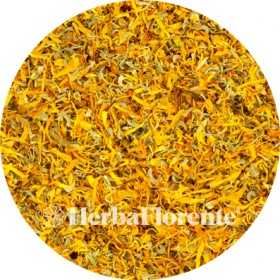
Marygold (Calendula) - Calendulae officinalis
The marigold, or Calendula officinalis, belongs to the Asteraceae family (Compositae) and is often cultivated in ornamental gardens. It originates from Southern Europe.
It is an annual plant with usually orange flowers, sometimes yellow, that can reach a height of 30–45 cm. The flowering period runs from May to November, and the fruits are often curved and boat-shaped.
Both fresh and dried flowers can be used in soups and as a natural coloring for cheese, butter, and other foods. Historically, the petals were also used to simulate saffron.
In addition, marigold petals are used in products such as ointments and tinctures. The flowers contain essential oils that are used in the processing of these products.
It is an annual plant with usually orange flowers, sometimes yellow, that can reach a height of 30–45 cm. The flowering period runs from May to November, and the fruits are often curved and boat-shaped.
Both fresh and dried flowers can be used in soups and as a natural coloring for cheese, butter, and other foods. Historically, the petals were also used to simulate saffron.
In addition, marigold petals are used in products such as ointments and tinctures. The flowers contain essential oils that are used in the processing of these products.
€2.60
From: €2.60
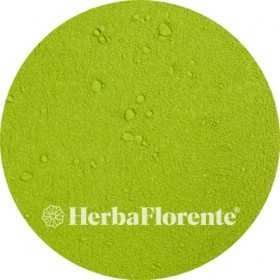
Moringa Tree - Moringa oleifera (Leaf Grounded)
Moringa oleifera, often called the "tree of life," is a plant native to parts of Africa and Asia. The leaves of the moringa tree contain various nutrients, such as vitamins, minerals, proteins, and antioxidants.
In many Asian and African cultures, moringa has been used for centuries as part of the daily diet. The leaves can be incorporated into meals or used as a supplement for their nutritional value.
In many Asian and African cultures, moringa has been used for centuries as part of the daily diet. The leaves can be incorporated into meals or used as a supplement for their nutritional value.
€3.20
From: €3.20
NAC (N-Acetyl-L-Cysteine) - 500 mg
N-acetyl-cysteine (NAC) is a form of the sulfur-containing semi-essential amino acid L-cysteine. It is found in dairy, meat, fruit and vegetables, but this is often insufficient and can best be supplemented through supplementation. The advantage that N-acetyl-cysteine has over cysteine is that it is better and more easily absorbed by our body. Furthermore, N-acetyl-cysteine supports production of the important tripeptide glutathione in our body. Glutathione plays a role in protecting our cells against oxidative stress.
€24.95
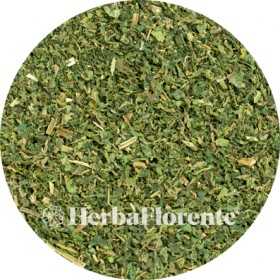
Nettle (Herb) - Urticae dioica
Nettle (Urtica dioica) is a herbaceous plant found in many places and known for its stinging hairs when touched. Despite this characteristic, the plant has long been valued and used in various cultures. Nettle is used in culinary preparations such as soup and herbal tea.
The plant is native to large parts of Europe, Asia, and Africa. The Latin name Urtica dioica refers to the plant's stinging properties. Historical and botanical sources describe both the leaves and the roots as being traditionally collected and processed.
Both nettle leaf and root hold a firm place in herbal tradition. Due to their natural composition and long history, these parts of the plant have been mentioned for centuries in ethnobotanical and historical accounts.
The plant is native to large parts of Europe, Asia, and Africa. The Latin name Urtica dioica refers to the plant's stinging properties. Historical and botanical sources describe both the leaves and the roots as being traditionally collected and processed.
Both nettle leaf and root hold a firm place in herbal tradition. Due to their natural composition and long history, these parts of the plant have been mentioned for centuries in ethnobotanical and historical accounts.
€2.00
From: €2.00
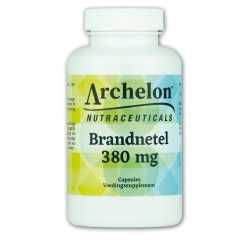
Nettle - 380 mg
Nettle is a versatile plant that has been used for centuries in European herbal traditions. Both the leaves and the roots are used in herbal preparations. Nettle is valued for its wide range of uses and natural composition, making it a suitable addition to a varied and balanced diet. The plant is also widely used in teas and culinary applications, such as soups.
€17.95
Nettle - Urticae dioica
Nettle (Urtica dioica) is a herbaceous plant found in many places and known for its stinging hairs when touched. Despite this characteristic, the plant has long been valued and used in various cultures. Nettle is used in culinary preparations such as soup and herbal tea.
The plant is native to large parts of Europe, Asia, and Africa. The Latin name Urtica dioica refers to the plant's stinging properties. Historical and botanical sources describe both the leaves and the roots as being traditionally collected and processed.
Both nettle leaf and root hold a firm place in herbal tradition. Due to their natural composition and long history, these parts of the plant have been mentioned for centuries in ethnobotanical and historical accounts.
The plant is native to large parts of Europe, Asia, and Africa. The Latin name Urtica dioica refers to the plant's stinging properties. Historical and botanical sources describe both the leaves and the roots as being traditionally collected and processed.
Both nettle leaf and root hold a firm place in herbal tradition. Due to their natural composition and long history, these parts of the plant have been mentioned for centuries in ethnobotanical and historical accounts.
€2.40
From: €2.40