



Trending
€57.50
€62.50

€35.95
€62.50
€62.50

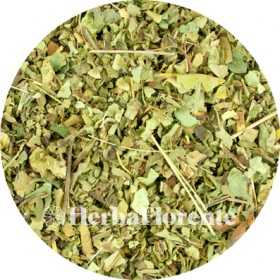
Lungwort - Pulmonaria officinalis
€5.91 €6.95 -15%
Echinacea (Red Coneflower) - 350 mg
€15.96 €19.95 -20%
A, B, C, .... X, Y, Z
There are 54 products.
Algae (Clubweed) - Ascophyllum nodosum
Ascophyllum nodosum, better known as clubweed, is a type of brown algae characterized by the presence of small blisters with slimy contents on the stems, in which the reproductive organs are located. These stems also contain large, gas-filled tubercles that help the plant stand upright under water. Knotweed varies in color from olive green to golden brown. The thallus can reach a length of 30 to 60 cm and is flexible, so that it can sway with the powerful movements of the water.
€2.00
From: €2.00

Aniseed - Anisi Vulgaris (Pimpinella anisum)
Anise seed has a naturally sweet, warm taste reminiscent of licorice. It is a versatile seasoning that can be used in both sweet and savory dishes. All over the world, anise seed is used in confectionery, and it is also often added to liqueurs, such as Ouzo.
You can add anise seeds to bread, pastries, cookies, fruit and gingerbread. In Indian cuisine, anise is indispensable in curries and fish dishes, and it gives a delicious flavor to vegetables such as pumpkin and carrot. In the Netherlands it is a tradition to use anise seed on rusk with mice at birth.
Anise seed tea has a warm, mild flavor and is popular as an after-dinner tea.
You can add anise seeds to bread, pastries, cookies, fruit and gingerbread. In Indian cuisine, anise is indispensable in curries and fish dishes, and it gives a delicious flavor to vegetables such as pumpkin and carrot. In the Netherlands it is a tradition to use anise seed on rusk with mice at birth.
Anise seed tea has a warm, mild flavor and is popular as an after-dinner tea.
€2.80
From: €2.80
Aronia berry - Arnoia melanocarpa
Aronia berries, also known as black chokeberries, grow on compact bushes that reach a height of about 1 to 3 meters. The berries have a deep purple to black color and have long been used in various cultures.
The berries contain various natural plant compounds, including anthocyanins and polyphenols. These compounds contribute to the fruit's characteristic color and protect the seed inside. Compared to blueberries, aronia berries contain relatively high levels of anthocyanins.
Aronia berries are a popular ingredient in juices, teas, and jams, for example, because of their rich color and flavor.
The berries contain various natural plant compounds, including anthocyanins and polyphenols. These compounds contribute to the fruit's characteristic color and protect the seed inside. Compared to blueberries, aronia berries contain relatively high levels of anthocyanins.
Aronia berries are a popular ingredient in juices, teas, and jams, for example, because of their rich color and flavor.
€2.90
From: €2.90
Artichoke - Cynaria scolmycus
The artichoke (Cynara scolymus) is a plant native to the Mediterranean region. The green or purple flower buds are often eaten as a vegetable and are known for their slightly bitter, aromatic flavor. The plant has been used for centuries in various cuisines and preparations.
Artichokes contain a wide range of nutrients and phytonutrients. These include beta-carotene, vitamin C, vitamin B, and minerals such as calcium, magnesium, and potassium. They also contain flavonoids, enzymes, and tannins, which contribute to the characteristic color and flavor of the flower buds.
Thanks to their rich flavor and unique texture, artichokes are popular in salads, soups, pastas, and various culinary dishes.
Artichokes contain a wide range of nutrients and phytonutrients. These include beta-carotene, vitamin C, vitamin B, and minerals such as calcium, magnesium, and potassium. They also contain flavonoids, enzymes, and tannins, which contribute to the characteristic color and flavor of the flower buds.
Thanks to their rich flavor and unique texture, artichokes are popular in salads, soups, pastas, and various culinary dishes.
€3.30
From: €3.30
Ashwagandha - Withania somnifera
Ashwagandha, officially known as Withania somnifera, is a plant that has been used for centuries in the Ayurvedic tradition of India. Within this traditional teaching, ashwagandha is referred to as a rasayana, a term used in Ayurveda for herbs with special cultural and historical significance.
The plant belongs to the Magnoliophyta family and is also known as Indian ginseng and winter cherry. The root of the plant is traditionally used most often.
The name ashwagandha literally means "horse scent," a reference to the characteristic, earthy aroma of the fresh root. In Indian culture, the herb is often symbolically associated with strength and vitality, similar to that of a horse.
The plant belongs to the Magnoliophyta family and is also known as Indian ginseng and winter cherry. The root of the plant is traditionally used most often.
The name ashwagandha literally means "horse scent," a reference to the characteristic, earthy aroma of the fresh root. In Indian culture, the herb is often symbolically associated with strength and vitality, similar to that of a horse.
€4.40
From: €4.40
Barley grass - Hordeum vulgare
Barley grass is obtained by allowing barley to fully germinate and cutting off the green shoots when they are 20–30 cm tall. The grass is often dried and processed into powder.
Barley grass contains natural nutrients such as bioflavonoids, beta-carotene, a range of vitamins (A, B1, B2, B3, B6, B12, C, E, and K), and minerals such as calcium, phosphorus, potassium, iron, and zinc. It is also rich in chlorophyll and contains all the essential amino acids.
Barley grass contains natural nutrients such as bioflavonoids, beta-carotene, a range of vitamins (A, B1, B2, B3, B6, B12, C, E, and K), and minerals such as calcium, phosphorus, potassium, iron, and zinc. It is also rich in chlorophyll and contains all the essential amino acids.
€3.30
From: €3.30
Basil - Basilici
Basil (Ocimum basilicum) is an aromatic plant in the Lamiaceae family. The name basil is derived from the Ancient Greek word basileus, meaning "king." This origin also underlies the alternative name "king's herb." Basil is native to regions between Central Africa and Southeast Asia, where it has long been valued.
Basil appears in various traditional systems and historical sources as part of cultural and herbal uses. Ancient texts and pharmacopoeias mention the plant in a variety of contexts, giving it a special place in the history of herbal traditions.
Basil is recognizable by its soft, green leaves and characteristic aroma. The plant naturally contains various aromatic and plant compounds, including essential oils and polyphenols.
Basil appears in various traditional systems and historical sources as part of cultural and herbal uses. Ancient texts and pharmacopoeias mention the plant in a variety of contexts, giving it a special place in the history of herbal traditions.
Basil is recognizable by its soft, green leaves and characteristic aroma. The plant naturally contains various aromatic and plant compounds, including essential oils and polyphenols.
€2.00
From: €2.00
Bearberry - Arctostaphylos uva-ursi
The bearberry (Arctostaphylos uva-ursi) is a low-growing, evergreen plant in the heather family (Ericaceae). The Dutch name "berendruif" (bear grape) refers to an old folk belief that bears enjoy eating the fruit of this plant.
The scientific name is a tautology, composed of both Greek and Latin words. Arktos (Greek) and ursus (Latin) both mean "bear," while staphyle and uva both mean "grape." The name thus emphasizes the same meaning twice.
Bearberry has been mentioned in historical herbals since the Middle Ages and is part of the European herbal tradition. Within this context, the plant was described and valued for its special place in traditional use.
The scientific name is a tautology, composed of both Greek and Latin words. Arktos (Greek) and ursus (Latin) both mean "bear," while staphyle and uva both mean "grape." The name thus emphasizes the same meaning twice.
Bearberry has been mentioned in historical herbals since the Middle Ages and is part of the European herbal tradition. Within this context, the plant was described and valued for its special place in traditional use.
€2.40
From: €2.40
Berk - Betula pendula Roth, Betulae (Leaf Grounded)
The birch (Betula) is a tree that has held a special place in European cultures and traditions for centuries. Historically, the birch was sometimes seen as a symbolic or even sacred tree, partly due to its role in seasonal rituals and folk customs.
In early spring, just before the tree begins to bud, birch sap can be tapped. This time coincides with the period when the sap flow is most active. Young birch leaves are also traditionally collected during this phase. Both the sap and the leaves are part of ancient customs and have long been described in botanical and herbal sources.
Birch leaves naturally contain various plant compounds, including flavonoids, saponins, and tannins.
In early spring, just before the tree begins to bud, birch sap can be tapped. This time coincides with the period when the sap flow is most active. Young birch leaves are also traditionally collected during this phase. Both the sap and the leaves are part of ancient customs and have long been described in botanical and herbal sources.
Birch leaves naturally contain various plant compounds, including flavonoids, saponins, and tannins.
€2.10
From: €2.10
Bitterhout - Quassiae
Bitterwood, known in Suriname as kwasibita, is the heartwood of Quassia amara, a plant species in the Quassia genus, belonging to the Simaroubaceae family. The plant is native to tropical South America.
Quassia amara is a small, evergreen shrub found in regions including the Guyanas, northern Brazil, and Venezuela. The plant grows primarily in the rainforest understory. Its striking bright red flowers, which are primarily pollinated by hummingbirds, are a striking feature. Because of these decorative flowers, the plant is also cultivated outside its natural habitat as an ornamental.
Quassia amara is a small, evergreen shrub found in regions including the Guyanas, northern Brazil, and Venezuela. The plant grows primarily in the rainforest understory. Its striking bright red flowers, which are primarily pollinated by hummingbirds, are a striking feature. Because of these decorative flowers, the plant is also cultivated outside its natural habitat as an ornamental.
€2.80
From: €2.80
Black Pepper - Piper nigrum
Pepper is a commonly used spice in cooking, known for its sharp taste. It is obtained from the berries of the tropical pepper plant, Piper nigrum. The pungency of black peppercorns comes from the component piperine. Pepper comes in different colors, including black, white and green.
It can be used in virtually any dish and enhances the flavor of meat while adding a spicy note to soups and purees. Sometimes pepper is also used in baking products, such as gingerbread, albeit in moderate amounts. Whole peppercorns, dried berries of the pepper plant, are used in some dishes. Although pepper is also available ground, many gourmets prefer freshly ground pepper. In addition, pepper is also often used fresh. In India, pepper is added to the spiciest curry mixtures.
It can be used in virtually any dish and enhances the flavor of meat while adding a spicy note to soups and purees. Sometimes pepper is also used in baking products, such as gingerbread, albeit in moderate amounts. Whole peppercorns, dried berries of the pepper plant, are used in some dishes. Although pepper is also available ground, many gourmets prefer freshly ground pepper. In addition, pepper is also often used fresh. In India, pepper is added to the spiciest curry mixtures.
€3.00
From: €3.00
Cat's Claw - Uncaria tomentosa
Cat's claw (Uncaria tomentosa), also known as cat's claw, is a climbing plant native to the Amazon region of Brazil and Peru, among other places. The plant grows in rainforests and can cling to trees with its characteristic, claw-shaped thorns. These thorns, located at the base of the leaves, give the plant its name and enable it to climb to great heights.
In the Peruvian Amazon, cat's claw has special cultural significance and is considered part of traditional plant knowledge. Due to its origins and ecological importance, the species is a protected plant in certain regions.
In the Peruvian Amazon, cat's claw has special cultural significance and is considered part of traditional plant knowledge. Due to its origins and ecological importance, the species is a protected plant in certain regions.
€2.60
From: €2.60
Chamomile - Matricaria recutita, Chamomillae europ.
Chamomile (Matricaria chamomilla, synonym Matricaria recutita) is an annual, aromatic plant from the Asteraceae family. Originally native to large parts of Europe, it is now widely cultivated, including in Hungary and several Eastern European countries.
Chamomile has a long cultural and historical background. In ancient Egypt, the plant was symbolically worshipped and associated with the sun god Ra. Throughout the centuries, chamomile has been frequently described in botanical and historical sources, contributing to its fame and spread.
Chamomile has a long cultural and historical background. In ancient Egypt, the plant was symbolically worshipped and associated with the sun god Ra. Throughout the centuries, chamomile has been frequently described in botanical and historical sources, contributing to its fame and spread.
€3.40
From: €3.40
Chlorella - Chlorella
Chlorella is a single-celled green algae belonging to the green algae group. This microscopic algae occurs naturally in freshwater environments such as lakes and rivers and is cultivated worldwide. The name chlorella is derived from the Greek words chloros (green) and ella (small), which refers to its color and size.
Chlorella is known for its natural composition and is described in nutritional and botanical sources as an algae that naturally contains various nutrients, including proteins, vitamins, minerals, and fatty acids. In addition, chlorella contains chlorophyll, the green pigment that plays an essential role in photosynthesis.
Furthermore, descriptions of chlorella often mention plant-based compounds such as beta-carotene and lutein.
Chlorella is known for its natural composition and is described in nutritional and botanical sources as an algae that naturally contains various nutrients, including proteins, vitamins, minerals, and fatty acids. In addition, chlorella contains chlorophyll, the green pigment that plays an essential role in photosynthesis.
Furthermore, descriptions of chlorella often mention plant-based compounds such as beta-carotene and lutein.
€4.60
From: €4.60
Cinnamon - Cinnamomi ceylon
Cinnamon (Cinnamomum ceylon) is an ancient spice extracted from the bark of the cinnamon tree. A section of the bark is carefully cut away, after which the rough outer layer is removed. The familiar cinnamon sticks or cinnamon powder are created from the inner layer of the bark. Cinnamon has been valued for centuries for its culinary and cultural uses.
In Asian and other cultures, cinnamon is traditionally used for various purposes, with its delightful aroma playing a significant role. This aroma is primarily determined by the volatile oil cinnamaldehyde. Cinnamon also naturally contains substances such as eugenol, coumarins, tannins, OPCs, and terpenes.
In Asian and other cultures, cinnamon is traditionally used for various purposes, with its delightful aroma playing a significant role. This aroma is primarily determined by the volatile oil cinnamaldehyde. Cinnamon also naturally contains substances such as eugenol, coumarins, tannins, OPCs, and terpenes.
€2.95
From: €2.95
Clove - Syzygium aromaticum
Cloves are the dried flower buds of the clove tree (Syzygium aromaticum), an evergreen tree native to the Moluccas. The flower buds are harvested before they fully open and then dried. This drying process gives them their characteristic dark color and intensely aromatic scent.
The spice is characterized by its strong flavor and warm, spicy aroma. These properties are primarily due to the presence of essential oils, of which eugenol is the most important component. Eugenol largely determines the scent and flavor profile of cloves and contributes to the stability of the product.
The spice is characterized by its strong flavor and warm, spicy aroma. These properties are primarily due to the presence of essential oils, of which eugenol is the most important component. Eugenol largely determines the scent and flavor profile of cloves and contributes to the stability of the product.
€3.10
From: €3.10
Coriander - Coriandrum sativum
Coriander seeds have been used for thousands of years in various cultures and cuisines worldwide. Traditionally, the seeds are part of spice blends and are prized for their warm, slightly citrusy, and spicy aroma. This long-standing use has led to coriander seeds holding a permanent place in both culinary and traditional herbal practices to this day.
Coriander (Coriandrum sativum) is a versatile plant, with both the leaves and seeds used. The seeds are distinguished by their specific composition and concentrated aromatic compounds. They naturally contain various vitamins and minerals, including vitamins A, C, and K, folic acid, and minerals such as iron, manganese, potassium, magnesium, and calcium.
Coriander (Coriandrum sativum) is a versatile plant, with both the leaves and seeds used. The seeds are distinguished by their specific composition and concentrated aromatic compounds. They naturally contain various vitamins and minerals, including vitamins A, C, and K, folic acid, and minerals such as iron, manganese, potassium, magnesium, and calcium.
€2.00
From: €2.00
Damiana - Damianae mex. (Turnera diffusa) - Grounded
Damiana (Turnera diffusa) is a shrub native to southern Texas, Mexico, Central and South America, and the Caribbean. The plant belongs to the Passifloraceae family and is known for its aromatic leaves.
In Mexico and other parts of Latin America, damiana has been used for centuries in culinary and cultural traditions. The leaves are made into herbal teas and sometimes smoked, among other things. Damiana is also a traditional ingredient in Mexican liqueurs and is sometimes used in cocktails, such as margaritas, where it complements the flavor or replaces part of the liqueur.
Damiana leaves naturally contain various plant compounds, such as beta-sitosterol, arbutin, and various alkaloids.
In Mexico and other parts of Latin America, damiana has been used for centuries in culinary and cultural traditions. The leaves are made into herbal teas and sometimes smoked, among other things. Damiana is also a traditional ingredient in Mexican liqueurs and is sometimes used in cocktails, such as margaritas, where it complements the flavor or replaces part of the liqueur.
Damiana leaves naturally contain various plant compounds, such as beta-sitosterol, arbutin, and various alkaloids.
€4.40
From: €4.40
Dandelion (Herb & Root) - Taraxum officinale
Dandelion (Taraxacum officinale) is a plant that has been used for centuries in various cultures. Both the root and the aerial parts of the plant are used and are known for their versatile uses.
The young leaves of the dandelion are traditionally used in dishes such as salads, especially in spring. The yellow flowers can be used as decoration and are also suitable for drying and making into herbal tea.
Dandelions naturally contain various plant compounds, including bitter substances, flavonoids, and fatty acids. They are also a source of vitamins, such as B vitamins and vitamin C, and contain minerals such as calcium, magnesium, zinc, and manganese. Because of this composition, the dandelion is valued as an edible wild plant in herbal culture.
The young leaves of the dandelion are traditionally used in dishes such as salads, especially in spring. The yellow flowers can be used as decoration and are also suitable for drying and making into herbal tea.
Dandelions naturally contain various plant compounds, including bitter substances, flavonoids, and fatty acids. They are also a source of vitamins, such as B vitamins and vitamin C, and contain minerals such as calcium, magnesium, zinc, and manganese. Because of this composition, the dandelion is valued as an edible wild plant in herbal culture.
€2.40
From: €2.40
Echinacea (Coneflower) - Echinaceae purp.
The purple coneflower (Echinacea purpurea) is a perennial plant belonging to the Asteraceae family. The genus name Echinacea is derived from the Greek word echinos, meaning "hedgehog," and refers to the spiky flower cone that characterizes this plant.
Echinacea purpurea is native to North America and is now cultivated worldwide. The plant has striking purplish-pink flowers and is valued for its ornamental appearance and botanical properties. Since the early twentieth century, there has been considerable interest in this species in Europe, leading to extensive botanical and historical research.
Echinacea purpurea is native to North America and is now cultivated worldwide. The plant has striking purplish-pink flowers and is valued for its ornamental appearance and botanical properties. Since the early twentieth century, there has been considerable interest in this species in Europe, leading to extensive botanical and historical research.
€4.00
From: €4.00
Eleutherococcus (Siberian Ginseng) - Eleutherococcus
Siberian ginseng (Eleutherococcus senticosus) is a shrubby plant native to parts of Russia, China, Korea, and Japan. The plant belongs to the Araliaceae family and is botanically related to, but distinct from, the better-known Panax species such as Korean ginseng (Panax ginseng) and American ginseng (Panax quinquefolius).
The roots of Siberian ginseng have long been mentioned in East Asian and Russian botanical literature. These historical and cultural sources describe the plant as part of traditional practices. This long history of use has also led to Siberian ginseng becoming known beyond its native range.
The roots of Siberian ginseng have long been mentioned in East Asian and Russian botanical literature. These historical and cultural sources describe the plant as part of traditional practices. This long history of use has also led to Siberian ginseng becoming known beyond its native range.
€2.80
From: €2.80
Fennel - Foeniculum vulgare - Grounded
Fennel (Foeniculum vulgare) is a plant that belongs to the Apiaceae family. The plant has a characteristic, anise-like flavor. Both the thread-like leaves and the seeds are used as herbs and spices in various cuisines.
Fennel originates from Asia and the Mediterranean and was introduced to Europe via medieval trade routes. Fennel is particularly widely cultivated in Southern Europe, where it is frequently used in salads and cooked dishes.
Fennel seed has a long history of traditional use. In the past, chewing fennel seeds was part of certain customs and rituals, including religious traditions.
Fennel originates from Asia and the Mediterranean and was introduced to Europe via medieval trade routes. Fennel is particularly widely cultivated in Southern Europe, where it is frequently used in salads and cooked dishes.
Fennel seed has a long history of traditional use. In the past, chewing fennel seeds was part of certain customs and rituals, including religious traditions.
€2.60
From: €2.60
Fenugreek - Foenugraeci graecum
Fenugreek (Trigonella foenum-graecum), also known as fenugreek, fenugreek, or Greek hay, is a versatile plant native to the Mediterranean and later became popular in parts of Asia.
The aromatic seeds and leaves are widely used as a spice in Indian cuisine and can help soften bitter flavors in dishes or products. Fenugreek contains minerals such as iron and copper, and naturally occurring compounds like saponins and coumarins, the latter contributing to its characteristic hay-like aroma.
The aromatic seeds and leaves are widely used as a spice in Indian cuisine and can help soften bitter flavors in dishes or products. Fenugreek contains minerals such as iron and copper, and naturally occurring compounds like saponins and coumarins, the latter contributing to its characteristic hay-like aroma.
€2.00
From: €2.00
Field Horsetail - Equisetum arvense
Horsetail (Equisetum arvense), also known as horsetail because of its characteristic appearance, belongs to the horsetail family (Equisetaceae). The plant is common in Europe and grows in a variety of locations, such as meadows, along roads, on fallow land, and on slopes.
Horsetail is one of the oldest plant species on earth, having existed for approximately 390 million years. The plant is distinguished by its deep root system, which allows it to absorb nutrients from deeper soil layers. As a result, horsetail naturally contains various plant compounds, including minerals, fiber, and silicon.
Horsetail is one of the oldest plant species on earth, having existed for approximately 390 million years. The plant is distinguished by its deep root system, which allows it to absorb nutrients from deeper soil layers. As a result, horsetail naturally contains various plant compounds, including minerals, fiber, and silicon.
€4.75
From: €4.75