



Trending
€57.50
€62.50

€35.95
€62.50
€62.50
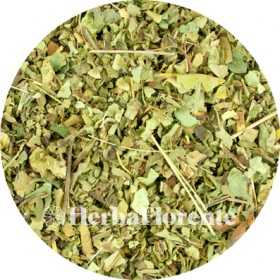
Lungwort - Pulmonaria officinalis
€5.91 €6.95 -15%
Echinacea (Red Coneflower) - 350 mg
€15.96 €19.95 -20%
Latest Blog


Best sellers
There are 368 products.
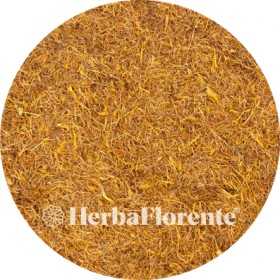
Corn Silk - Zea mays Conc.
Corn hair, also called corn beard, consists of the fine stigmas of the corn plant. When fresh, these threads are green; after drying, they turn dark brown to black.
Cornflour is traditionally used in various herbal and food preparations. It is prized for its mild flavor and has long been used in various traditional applications.
Cornflour is traditionally used in various herbal and food preparations. It is prized for its mild flavor and has long been used in various traditional applications.
€2.00
From: €2.00
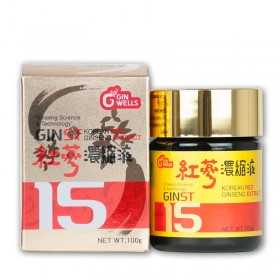
Ginseng (Panax) - Panax ginseng
Panax ginseng is a plant with a slow-growing, sturdy root and belongs to the Araliaceae family. It is one of the most well-known plants in traditional Chinese medicine and has been used in Asia for thousands of years.
The name "Panax" comes from the Greek word for "all-healer," referring to the plant's historical reputation in traditional medicine. Panax ginseng contains unique compounds called ginsenosides, which are found only in this plant.
Other plants with "ginseng" in their names, such as Siberian ginseng (Eleutherococcus senticosus) or Indian ginseng/Ashwagandha (Withania somnifera), belong to different plant families and do not contain these specific ginsenosides.
The name "Panax" comes from the Greek word for "all-healer," referring to the plant's historical reputation in traditional medicine. Panax ginseng contains unique compounds called ginsenosides, which are found only in this plant.
Other plants with "ginseng" in their names, such as Siberian ginseng (Eleutherococcus senticosus) or Indian ginseng/Ashwagandha (Withania somnifera), belong to different plant families and do not contain these specific ginsenosides.
€16.00
From: €16.00
Bearberry - Arctostaphylos uva-ursi
The bearberry (Arctostaphylos uva-ursi) is a low-growing, evergreen plant in the heather family (Ericaceae). The Dutch name "berendruif" (bear grape) refers to an old folk belief that bears enjoy eating the fruit of this plant.
The scientific name is a tautology, composed of both Greek and Latin words. Arktos (Greek) and ursus (Latin) both mean "bear," while staphyle and uva both mean "grape." The name thus emphasizes the same meaning twice.
Bearberry has been mentioned in historical herbals since the Middle Ages and is part of the European herbal tradition. Within this context, the plant was described and valued for its special place in traditional use.
The scientific name is a tautology, composed of both Greek and Latin words. Arktos (Greek) and ursus (Latin) both mean "bear," while staphyle and uva both mean "grape." The name thus emphasizes the same meaning twice.
Bearberry has been mentioned in historical herbals since the Middle Ages and is part of the European herbal tradition. Within this context, the plant was described and valued for its special place in traditional use.
€2.40
From: €2.40
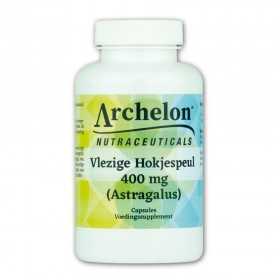
Astragalus - 400 mg
Astragalus (Astragalus membranaceus), also known as fleshy pod, is a plant native to Asia. Astragalus roots have been used in traditional Chinese herbal medicine for centuries. The plant is known for its characteristic pods and root structure. Astragalus is available in various forms, including dried root, powder, and capsules, and is widely used in herbal formulas and dietary supplements.
€15.96
€19.95
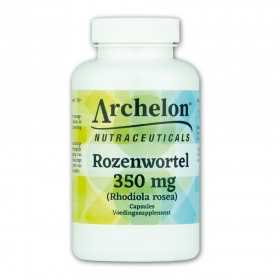
Golden Root (Rhodiola) - 350 mg
Rhodiola rosea (Rhodiola rosea), also known as "golden root," is a succulent plant found in cold, rocky regions around the world. The roots exude a characteristic rose-like scent. Rhodiola rosea has long been used in traditional herbal medicine.
The roots contain natural plant compounds such as rosavin and salidroside. These compounds contribute to the unique composition and characteristics of Rhodiola rosea. Rhodiola rosea is used in various nutritional products and supplements, including capsules and extracts, for those interested in herbal products.
The roots contain natural plant compounds such as rosavin and salidroside. These compounds contribute to the unique composition and characteristics of Rhodiola rosea. Rhodiola rosea is used in various nutritional products and supplements, including capsules and extracts, for those interested in herbal products.
€34.95
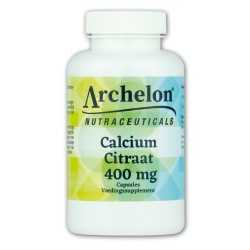
Calcium Citrate - 400 mg
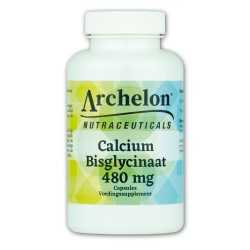
Calcium is a mineral available in various forms, including calcium citrate and calcium bisglycinate. Calcium bisglycinate is a chelated form of calcium, bound to two glycine molecules, and is known for its good bioavailability. This form is widely used in dietary supplements and can be included as part of a varied and balanced diet.
€17.95
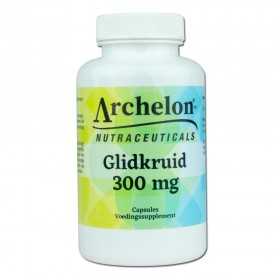
Skullcap - 300 mg
Skullcap (Scutellaria) is a versatile genus of both annual and perennial plants, belonging to the Lamiaceae family. The genus includes about two hundred species, all of which are characterized by their characteristic, calyx-shaped flowers. These flowers are distinguished by clearly visible upper and lower lips. The name "Scutellaria" is derived from the Latin word "scutella", which means "small shield" or "saucer", and refers to the shape of the calyx.
€21.95
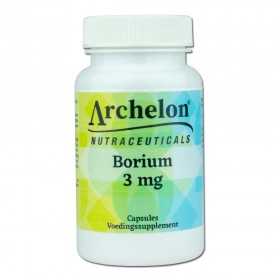
Boron - 3 mg
Boron is a trace element found naturally in various foods such as fruits, vegetables, nuts, and legumes. Trace element intake can vary in a daily diet, especially with a diet consisting largely of processed foods. A boron supplement is a practical addition to a varied and balanced diet and is often combined with minerals such as calcium and magnesium.
€15.95
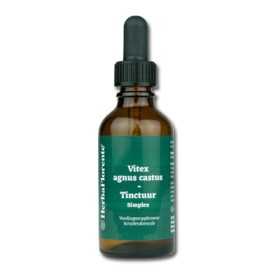
Monk's Pepper Tincture - Vitex agnus castus Tincture
Single herbal tincture made with dried seed of Vitex agnus castus (Monk's Pepper).
Chasteberry (Vitex agnus castus L.), also known as chaste tree berries, is a plant native to the Mediterranean region. The name "chasteberry" refers to its historical use by monks, who used the herb for its supposed effects on physical desire.
Today, chasteberry is widely used in herbal products and supplements. The plant's fruits contain various plant compounds, including flavonoids and iridoids, which give the herb its unique properties. Chasteberry is popular in traditional herbalism and is valued for its long history of use.
Chasteberry (Vitex agnus castus L.), also known as chaste tree berries, is a plant native to the Mediterranean region. The name "chasteberry" refers to its historical use by monks, who used the herb for its supposed effects on physical desire.
Today, chasteberry is widely used in herbal products and supplements. The plant's fruits contain various plant compounds, including flavonoids and iridoids, which give the herb its unique properties. Chasteberry is popular in traditional herbalism and is valued for its long history of use.
€9.95
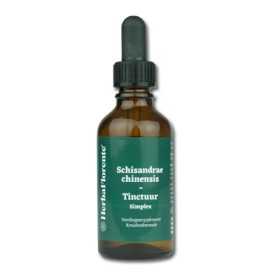
Magnolia Berry Tincture - Schisandrae chinensis Tincture
Single herbal tincture made with dried berries of Schisandrae chinensis (Magnolia Berry).
Schisandra, also known as the schisandra berry (Schisandra chinensis), is a plant that has been used in traditional Chinese herbalism for over 2,000 years. The plant produces dark red berries, of which only the seeds are used. These are traditionally harvested after the first frost and then dried.
The schisandra berry naturally contains various plant compounds, including antioxidants. Due to its unique composition and long history, schisandra is often used in herbal blends and teas for traditional purposes.
Within traditional Chinese culture, schisandra is valued and frequently used in herbal formulas. Today, the berry is also used outside of Asia as an ingredient in various herbal preparations.
Schisandra, also known as the schisandra berry (Schisandra chinensis), is a plant that has been used in traditional Chinese herbalism for over 2,000 years. The plant produces dark red berries, of which only the seeds are used. These are traditionally harvested after the first frost and then dried.
The schisandra berry naturally contains various plant compounds, including antioxidants. Due to its unique composition and long history, schisandra is often used in herbal blends and teas for traditional purposes.
Within traditional Chinese culture, schisandra is valued and frequently used in herbal formulas. Today, the berry is also used outside of Asia as an ingredient in various herbal preparations.
€12.95
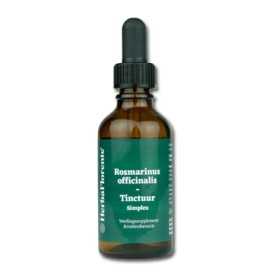
Rosemary Tincture - Rosmarinus officinalis Tincture
Single herbal tincture made with dried leaf of Rosmarinus officinalis (Rosemary).
Rosemary (Rosmarinus officinalis L.) is a fragrant, compact shrub from the Lamiaceae family. Native to the Mediterranean region, it is known for its aromatic leaves and lavender-blue flowers that appear in spring.
The name "rosemary" derives from the Latin: ros meaning "dew" and marinus meaning "sea," together meaning "dew of the sea." Rosemary has been prized for centuries in diverse cultures, from the ancient Greeks to the Romans, and is used in culinary dishes and herbal teas.
Rosemary (Rosmarinus officinalis L.) is a fragrant, compact shrub from the Lamiaceae family. Native to the Mediterranean region, it is known for its aromatic leaves and lavender-blue flowers that appear in spring.
The name "rosemary" derives from the Latin: ros meaning "dew" and marinus meaning "sea," together meaning "dew of the sea." Rosemary has been prized for centuries in diverse cultures, from the ancient Greeks to the Romans, and is used in culinary dishes and herbal teas.
€10.95
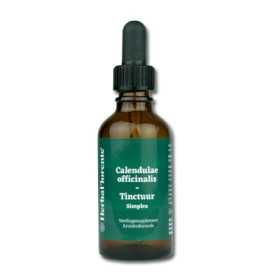
Marigold Tincture - Calendulae officinalis Tincture
Single herbal tincture made with dried flower of Calendulae officinalis (marigold).
The marigold, or Calendula officinalis, belongs to the Asteraceae family (Compositae) and is often cultivated in ornamental gardens. It originates from Southern Europe.
It is an annual plant with usually orange flowers, sometimes yellow, that can reach a height of 30–45 cm. The flowering period runs from May to November, and the fruits are often curved and boat-shaped.
Both fresh and dried flowers can be used in soups and as a natural coloring for cheese, butter, and other foods. Historically, the petals were also used to simulate saffron.
In addition, marigold petals are used in products such as ointments and tinctures. The flowers contain essential oils that are used in the processing of these products.
The marigold, or Calendula officinalis, belongs to the Asteraceae family (Compositae) and is often cultivated in ornamental gardens. It originates from Southern Europe.
It is an annual plant with usually orange flowers, sometimes yellow, that can reach a height of 30–45 cm. The flowering period runs from May to November, and the fruits are often curved and boat-shaped.
Both fresh and dried flowers can be used in soups and as a natural coloring for cheese, butter, and other foods. Historically, the petals were also used to simulate saffron.
In addition, marigold petals are used in products such as ointments and tinctures. The flowers contain essential oils that are used in the processing of these products.
€9.95
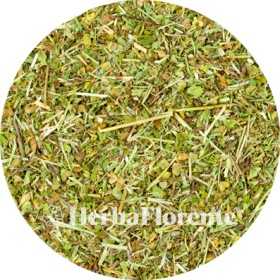
Speedwell - Veronica officinalis
Speedwell (Veronica officinalis) is a perennial plant that forms a dense sward and belongs to the plantain family (Plantaginaceae). This plant occurs naturally in Eurasia.
The plant reaches a height of 10-50 cm and has stems that spread horizontally and then grow upwards. The stems are evenly hairy. The leaves, short-stalked, are elliptical or obovate in shape, with slightly toothed or serrate edges.
Male speedwell blooms from May to August with light blue flowers, which are darkly veined and have a size of 6-8 mm. There are also variants of the plant with dark blue, pink or white flowers. The flowers grow in bunches.
The plant reaches a height of 10-50 cm and has stems that spread horizontally and then grow upwards. The stems are evenly hairy. The leaves, short-stalked, are elliptical or obovate in shape, with slightly toothed or serrate edges.
Male speedwell blooms from May to August with light blue flowers, which are darkly veined and have a size of 6-8 mm. There are also variants of the plant with dark blue, pink or white flowers. The flowers grow in bunches.
€3.80
From: €3.80
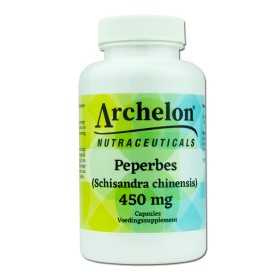
Schisandra chinensis - 450 mg
Schisandra (Schisandra chinensis), also known as the Schisandra berry, is a plant that has been used in traditional Chinese herbal medicine for over 2,000 years. Only the berries and their seeds are harvested, preferably after the first frost, and then dried in the sun. Schisandra berries contain various natural compounds, such as lignans and antioxidants, and are used in supplements, teas, and herbal blends. The berries are dark red and prized for their versatile uses in herbal culture. Our Schisandra product is carefully prepared to preserve the natural composition of the berries and is completely plant-based, suitable for vegetarians and vegans. It can easily be incorporated into a varied diet as part of a daily routine.
€28.95
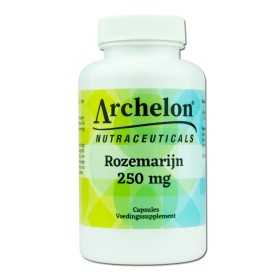
Rosemary - 250 mg
Rosemary (Rosmarinus officinalis L.) is a fragrant, compact shrub from the Lamiaceae family. This versatile herb has been used for centuries in cooking and for various purposes. Native to Mediterranean regions, rosemary blooms in spring with small, lavender-blue flowers.
The name "rosemary" comes from the Latin ros ("dew") and marinus ("sea"), which together mean "dew of the sea." Rosemary contains various natural plant compounds and aromas that contribute to its characteristic scent and flavor. It is used in herb blends, teas, and food products.
The name "rosemary" comes from the Latin ros ("dew") and marinus ("sea"), which together mean "dew of the sea." Rosemary contains various natural plant compounds and aromas that contribute to its characteristic scent and flavor. It is used in herb blends, teas, and food products.
€19.95
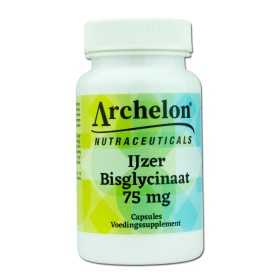
Iron Bisglycinate - 75mg
Iron bisglycinate is a highly absorbable, chelated form of iron in which the mineral is bound to two (bis) molecules of the amino acid glycine. This bond creates a stable composition that is well-suited for use in nutritional supplements.
Iron is an essential mineral that contributes to the normal formation of red blood cells and hemoglobin. Iron also contributes to normal oxygen transport in the body. Iron also plays a role in normal energy-yielding metabolism.
This supplement has been developed to complement a varied and balanced diet and a healthy lifestyle.
Iron is an essential mineral that contributes to the normal formation of red blood cells and hemoglobin. Iron also contributes to normal oxygen transport in the body. Iron also plays a role in normal energy-yielding metabolism.
This supplement has been developed to complement a varied and balanced diet and a healthy lifestyle.
€16.95
Psyllium husks (Premium Psyllium Fiber) - Psylli flavum Testa
Psyllium husk comes from the seeds of the Plantago psyllium plant. These seeds are largely fiber-rich and are often used as an ingredient in nutritional products and supplements. Psyllium contains both soluble and insoluble fiber.
The seed consists of over 80% fiber, of which approximately 70% is soluble and 30% is insoluble. When psyllium husk comes into contact with water, it forms a gel-like substance that can absorb a significant amount of fluid. Therefore, it is important to drink plenty of water when using psyllium.
Because of these properties, psyllium is often used in products intended to supplement daily fiber intake.
The seed consists of over 80% fiber, of which approximately 70% is soluble and 30% is insoluble. When psyllium husk comes into contact with water, it forms a gel-like substance that can absorb a significant amount of fluid. Therefore, it is important to drink plenty of water when using psyllium.
Because of these properties, psyllium is often used in products intended to supplement daily fiber intake.
€2.80
From: €2.80
Shrub Heather - Erica vulgaris
The Heather (Erica vulgaris - Calluna vulgaris) belongs to the heath family (Ericaceae) and grows throughout Europe, especially in Central and Northern Europe. It even reaches Western Siberia in the east. In the nineteenth century, Scottish immigrants brought the heather to Canada, from where it spread throughout North America. It is the only species in the genus Calluna, meaning it is a monotypic genus.
The shrub heath can grow to a height of 10-100 cm, sometimes even up to 150 cm in certain places. It has hermaphroditic, symmetrical flowers, with the calyx and petals being the same color. Purple flowers appear towards the end of the branches, creating the purple heaths from late July to early September.
The shrub heath can grow to a height of 10-100 cm, sometimes even up to 150 cm in certain places. It has hermaphroditic, symmetrical flowers, with the calyx and petals being the same color. Purple flowers appear towards the end of the branches, creating the purple heaths from late July to early September.
€2.20
From: €2.20
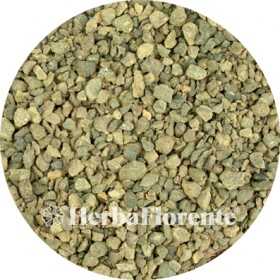
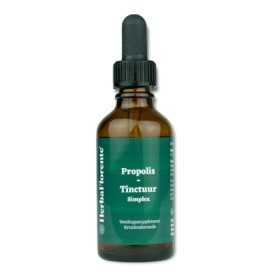
Propolis - Propolis
Propolis is a natural, reddish-brown substance produced by honeybees. Within the hive, bees use propolis as a building and sealing material, among other things, to close openings and strengthen the hive's structure.
Honeybees collect propolis starting in the summer on warm days by gathering resins from the buds and leaves of trees and other plants. These resins are mixed with beeswax and processed with saliva and the bees' legs, creating propolis.
Propolis consists of a combination of plant resins, beeswax, essential oils, and pollen, along with small amounts of vitamins and minerals. The composition can vary depending on the plants in the hive's environment.
Honeybees collect propolis starting in the summer on warm days by gathering resins from the buds and leaves of trees and other plants. These resins are mixed with beeswax and processed with saliva and the bees' legs, creating propolis.
Propolis consists of a combination of plant resins, beeswax, essential oils, and pollen, along with small amounts of vitamins and minerals. The composition can vary depending on the plants in the hive's environment.
€44.00
From: €44.00
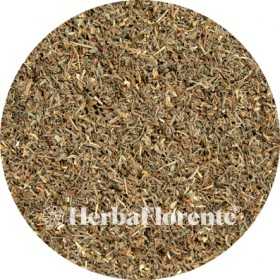
Long Leaved Sundew - Droserae longifolia
The long sundew (Drosera longifolia) is a perennial carnivorous plant belonging to the sundew family (Droseraceae).
The plant grows to a height of 5-20 cm and forms a rosette of leaves. The leaves have long stems and are upright, oblong to lanceolate, with the widest point above the center. They are covered with numerous red, sticky tentacles containing glandular tissue. These tentacles catch small insects such as Simuliidae. Once an insect touches the tentacles, the leaf coils around the insect and secretes digestive enzymes. The released nutrients, including nitrogen, are absorbed by the plant.
The plant grows to a height of 5-20 cm and forms a rosette of leaves. The leaves have long stems and are upright, oblong to lanceolate, with the widest point above the center. They are covered with numerous red, sticky tentacles containing glandular tissue. These tentacles catch small insects such as Simuliidae. Once an insect touches the tentacles, the leaf coils around the insect and secretes digestive enzymes. The released nutrients, including nitrogen, are absorbed by the plant.
€5.40
From: €5.40
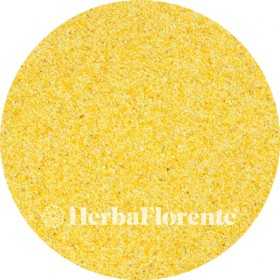
Garlic (Fine) - Allium sativi
Garlic (Allium sativum) belongs to the Alliaceae family and is one of the oldest cultivated plants in the world. The plant develops a leafy, round flower shaft from the bulb in spring. Garlic is prized worldwide for both its characteristic flavor and distinct aroma.
The use of garlic has a long history in various cultures. Since ancient times, the plant has been part of traditional cuisines and herbal lore. Its intense aroma makes garlic a common ingredient in a wide variety of dishes.
The use of garlic has a long history in various cultures. Since ancient times, the plant has been part of traditional cuisines and herbal lore. Its intense aroma makes garlic a common ingredient in a wide variety of dishes.
€2.00
From: €2.00
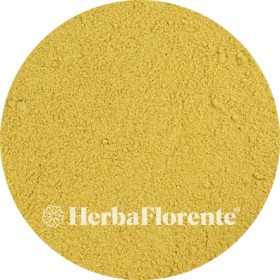
Chamomile - Matricaria recutita, Chamomillae europ.
Chamomile (Matricaria chamomilla, synonym Matricaria recutita) is an annual, aromatic plant from the Asteraceae family. Originally native to large parts of Europe, it is now widely cultivated, including in Hungary and several Eastern European countries.
Chamomile has a long cultural and historical background. In ancient Egypt, the plant was symbolically worshipped and associated with the sun god Ra. Throughout the centuries, chamomile has been frequently described in botanical and historical sources, contributing to its fame and spread.
Chamomile has a long cultural and historical background. In ancient Egypt, the plant was symbolically worshipped and associated with the sun god Ra. Throughout the centuries, chamomile has been frequently described in botanical and historical sources, contributing to its fame and spread.
€3.40
From: €3.40

Juniper Berries - Juniper communis
The juniper (Juniperus communis) is a conifer native to Europe, Asia, and North America. The plant bears both flowers and berries, which vary in color from green to black as they ripen. The name Juniperus derives from the Celtic word juneprus, meaning rough, prickly, or bitter, while communis means "common."
The black berries of the juniper have a characteristically bitter and aromatic flavor. It takes about three years for the berries to fully ripen: in the first year, the flowers appear, in the second year they turn green, and in the third year they turn blue and then black or dark purple.
The black berries of the juniper have a characteristically bitter and aromatic flavor. It takes about three years for the berries to fully ripen: in the first year, the flowers appear, in the second year they turn green, and in the third year they turn blue and then black or dark purple.
€2.80
From: €2.80
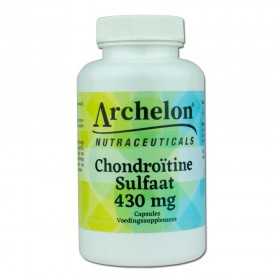
Chondroitin Sulfate - 430 mg
Chondroitin is a naturally occurring compound in the human body, consisting of complex sugar chains (polysaccharides). In dietary supplements, chondroitin is often combined with other ingredients, such as MSM and glucosamine, as part of a varied and balanced diet.
€42.95