



Trending
€57.50
€62.50

€35.95
€62.50
€62.50
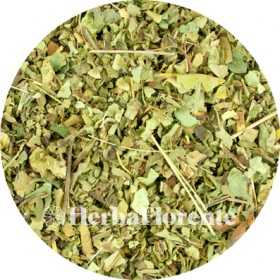
Lungwort - Pulmonaria officinalis
€5.91 €6.95 -15%
Echinacea (Red Coneflower) - 350 mg
€15.96 €19.95 -20%
Latest Blog


Best sellers
There are 368 products.
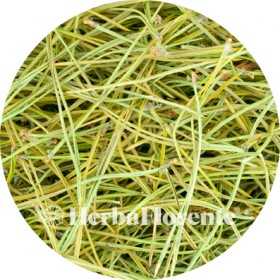
Pine (Needles) - Pinus silvestris
The Scots pine (Pinus sylvestris) belongs to the pine family (Pinaceae) and can reach an age of 200 to 300 years. This tree is known for its rich resin content and characteristic pine scent.
The needles and buds of the Scots pine contain natural compounds such as tannins, flavonoids, and vitamins. The tree's resin contains turpentine and a large number of monoterpenes, including α-pinene, β-pinene, and limonene, which are components of the tree's essential oil.
Scots pine is traditionally used in various applications, such as in aromatic products and in the production of pine oil. Both needles and buds are used in some traditional preparations for their fragrance and flavor.
The needles and buds of the Scots pine contain natural compounds such as tannins, flavonoids, and vitamins. The tree's resin contains turpentine and a large number of monoterpenes, including α-pinene, β-pinene, and limonene, which are components of the tree's essential oil.
Scots pine is traditionally used in various applications, such as in aromatic products and in the production of pine oil. Both needles and buds are used in some traditional preparations for their fragrance and flavor.
€2.00
From: €2.00
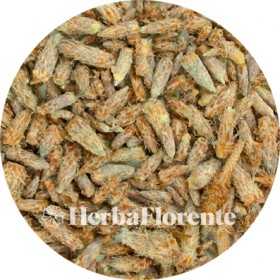
Pine (Seedlings) - Pinus silvestris
The Scots pine (Pinus sylvestris) belongs to the pine family (Pinaceae) and can reach an age of 200 to 300 years. This tree is known for its rich resin content and characteristic pine scent.
The needles and buds of the Scots pine contain natural compounds such as tannins, flavonoids, and vitamins. The tree's resin contains turpentine and a large number of monoterpenes, including α-pinene, β-pinene, and limonene, which are components of the tree's essential oil.
Scots pine is traditionally used in various applications, such as in aromatic products and in the production of pine oil. Both needles and buds are used in some traditional preparations for their fragrance and flavor.
The needles and buds of the Scots pine contain natural compounds such as tannins, flavonoids, and vitamins. The tree's resin contains turpentine and a large number of monoterpenes, including α-pinene, β-pinene, and limonene, which are components of the tree's essential oil.
Scots pine is traditionally used in various applications, such as in aromatic products and in the production of pine oil. Both needles and buds are used in some traditional preparations for their fragrance and flavor.
€2.80
From: €2.80
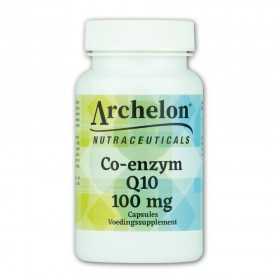
Co-enzyme Q10 - 100 mg
Coenzyme Q10, also known as ubiquinone, is a fat-soluble compound that occurs naturally in the human body. It is found in the mitochondria of cells and is present in foods such as meat, fish, grains, and nuts. The amount of CoQ10 in food can vary, and supplements are often offered as part of a varied and balanced diet.
€42.95
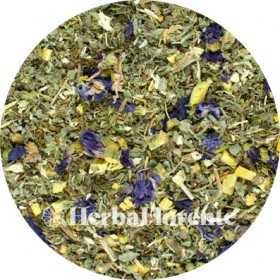
Throat-Airway Herbal Tea
Herbal tea composed of various herbs.
€3.95
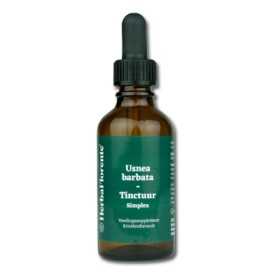
Old Man's Beard Tincture - Usnea barbata Tincture
Single herbal tincture made with dried herb of Usnea barbata (Old Man's Beard).
Usnea barbata, sometimes also called 'old man's beard', is a genus of lichens belonging to the ascomycetes. They are found in moist forests around the world, where they usually hang from tree branches. In rare cases they are also found on the bottom or on rocks. The genus belongs to the family of Parmeliaceae. Beard mosses are characterized by a shrub-like structure and a central axis from which branches arise. In areas free of air pollution they can grow 10 to 20 cm tall.
Usnea barbata, sometimes also called 'old man's beard', is a genus of lichens belonging to the ascomycetes. They are found in moist forests around the world, where they usually hang from tree branches. In rare cases they are also found on the bottom or on rocks. The genus belongs to the family of Parmeliaceae. Beard mosses are characterized by a shrub-like structure and a central axis from which branches arise. In areas free of air pollution they can grow 10 to 20 cm tall.
€9.95
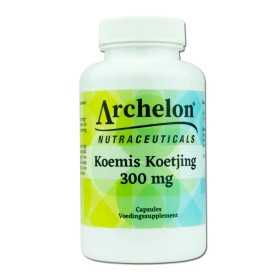
Cat's whiskers - Koemis Koetjing - 300 mg
Cat's whiskers (Orthosiphon aristatus), also known as Kumis Kutjing or koemis koetjing, is a plant traditionally used in various herbal cultures in Southeast Asia. The plant belongs to the Lamiaceae family and grows naturally in tropical and subtropical regions, particularly in countries such as Malaysia and Indonesia (Java). Orthosiphon aristatus is particularly prevalent in moist habitats such as riverbanks, wetlands, and swampy areas.
The Dutch name "kattensnor" (cat's whiskers) refers to the striking appearance of the flowers. These are white to light purple in color and have long, thread-like stamens that can resemble a cat's whiskers.
The Dutch name "kattensnor" (cat's whiskers) refers to the striking appearance of the flowers. These are white to light purple in color and have long, thread-like stamens that can resemble a cat's whiskers.
€19.95
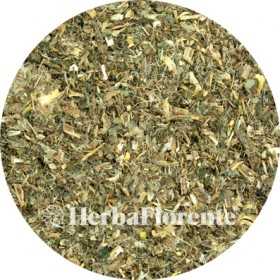
Milk Thistle (Herb) - Sylibum marianum, Cardui Mariae - Cut
Milk thistle (Silybum marianum), also known as milk thistle, is a spiny plant in the Asteraceae family. It originates in the Mediterranean region, but also grows in temperate regions such as the Netherlands and Belgium.
The plant is known for its striking, white-flecked leaves and purple flower heads. Milk thistle seeds contain natural compounds, including silymarin, a group of bioactive compounds considered antioxidants. Because of this composition, milk thistle is traditionally used in various food and herbal products.
The plant is known for its striking, white-flecked leaves and purple flower heads. Milk thistle seeds contain natural compounds, including silymarin, a group of bioactive compounds considered antioxidants. Because of this composition, milk thistle is traditionally used in various food and herbal products.
€2.20
From: €2.20
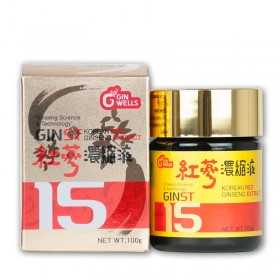
ILHWA GINST15 Korean Red Ginseng Extract
This product contains Panax Ginseng root extract with GINST15 , a fermented extract that enhances the availability of ginsenosides.
Panax Ginseng is a slow-growing plant with a robust root and has a long history in traditional Chinese herbal medicine. It is valued worldwide as a component of food and supplements for its unique ginsenoside composition.
GINST15 is a fermented ginseng extract that distinguishes itself from other ginseng varieties, such as Siberian Ginseng, Indian Ginseng (Ashwagandha), and Brazilian Ginseng (Suma). Only Panax Ginseng contains the specific ginsenosides that characterize this extract.
Panax Ginseng is a slow-growing plant with a robust root and has a long history in traditional Chinese herbal medicine. It is valued worldwide as a component of food and supplements for its unique ginsenoside composition.
GINST15 is a fermented ginseng extract that distinguishes itself from other ginseng varieties, such as Siberian Ginseng, Indian Ginseng (Ashwagandha), and Brazilian Ginseng (Suma). Only Panax Ginseng contains the specific ginsenosides that characterize this extract.
€81.95
From: €81.95
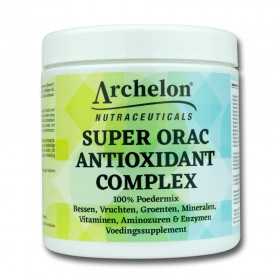
Super ORAC Antioxidant Complex
Super ORAC Antioxidant Complex is a carefully formulated powder mix containing a combination of vegetables, berries, fruits, vitamins, minerals, amino acids, and enzymes. The formula also contains polyphenols, phytonutrients, and antioxidants and was developed to complement a varied diet and a healthy lifestyle.
The ingredients have been selected with an eye for balance and coherence, making Super ORAC Antioxidant Complex easy to take and flexible to fit into your daily routine. The powder form makes it easy to mix with water, juice, or smoothies.
Super ORAC Antioxidant Complex is suitable for vegans and vegetarians, and contains no additives or preservatives.
The ingredients have been selected with an eye for balance and coherence, making Super ORAC Antioxidant Complex easy to take and flexible to fit into your daily routine. The powder form makes it easy to mix with water, juice, or smoothies.
Super ORAC Antioxidant Complex is suitable for vegans and vegetarians, and contains no additives or preservatives.
€79.50
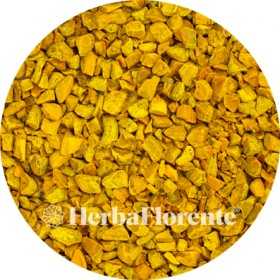
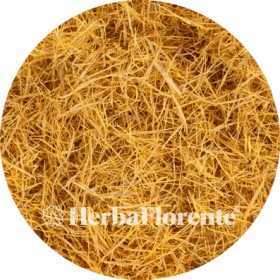
Tumeric long. - Curcumae longae - Cut
Turmeric, also known as turmeric (Curcuma longa), is a tropical plant native to India and Southeast Asia. The root has been used for centuries and is best known in powdered form. In the Netherlands, it is often called "geelwortel" (yellow root) because of its bright yellow color, which is used in curry mixtures, mustard, and other culinary preparations.
Turmeric plays an important role in various Asian cuisines, where it is valued for its color, aroma, and distinctive flavor. The root is found in historical and cultural sources and was traditionally incorporated into dishes and spice blends.
Turmeric plays an important role in various Asian cuisines, where it is valued for its color, aroma, and distinctive flavor. The root is found in historical and cultural sources and was traditionally incorporated into dishes and spice blends.
€2.00
From: €2.00
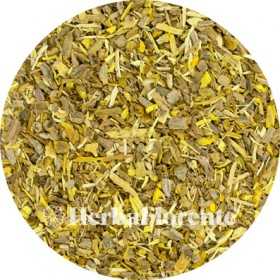
Barberry - Berberidi vulgaris
The barberry (Berberis vulgaris) is a deciduous shrub belonging to the barberry family (Berberidaceae). The plant is native to large parts of Eurasia and prefers relatively dry, often calcareous soils, such as along forest edges and in thickets.
The shrub is known for its thorny branches, yellow flowers, and elongated, bright red berries. The roots, bark, leaves, and fruits naturally contain various plant compounds, including berberine. This compound is characteristic of plants in the Berberis genus.
Barberries have long been valued in various cultures for their culinary uses.
The shrub is known for its thorny branches, yellow flowers, and elongated, bright red berries. The roots, bark, leaves, and fruits naturally contain various plant compounds, including berberine. This compound is characteristic of plants in the Berberis genus.
Barberries have long been valued in various cultures for their culinary uses.
€2.20
From: €2.20
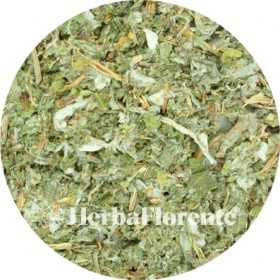
Artichoke - Cynaria scolmycus - Cut
The artichoke (Cynara scolymus) is a plant native to the Mediterranean region. The green or purple flower buds are often eaten as a vegetable and are known for their slightly bitter, aromatic flavor. The plant has been used for centuries in various cuisines and preparations.
Artichokes contain a wide range of nutrients and phytonutrients. These include beta-carotene, vitamin C, vitamin B, and minerals such as calcium, magnesium, and potassium. They also contain flavonoids, enzymes, and tannins, which contribute to the characteristic color and flavor of the flower buds.
Thanks to their rich flavor and unique texture, artichokes are popular in salads, soups, pastas, and various culinary dishes.
Artichokes contain a wide range of nutrients and phytonutrients. These include beta-carotene, vitamin C, vitamin B, and minerals such as calcium, magnesium, and potassium. They also contain flavonoids, enzymes, and tannins, which contribute to the characteristic color and flavor of the flower buds.
Thanks to their rich flavor and unique texture, artichokes are popular in salads, soups, pastas, and various culinary dishes.
€2.00
From: €2.00
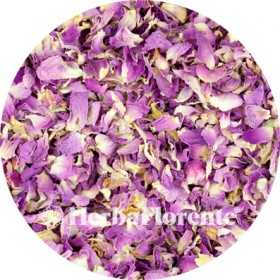
Rose - Rosae damascena
Rosae damascena, also known as the damask rose, is a versatile flower with many names, including the Iranian rose, Bulgarian rose, Taif rose, Ispahan rose and Castile rose.
These flowers are known for their delicate fragrance and are grown commercially for rose oil, both "rose otto" and "rose absolute", which is widely used in perfumery. They are also used to make rose water and "rose concrete". The petals are even edible and are used to flavor dishes, as a garnish, to make herbal tea and to preserve gulkand in sugar. Moreover, the damask rose is the national flower of Iran.
These flowers are known for their delicate fragrance and are grown commercially for rose oil, both "rose otto" and "rose absolute", which is widely used in perfumery. They are also used to make rose water and "rose concrete". The petals are even edible and are used to flavor dishes, as a garnish, to make herbal tea and to preserve gulkand in sugar. Moreover, the damask rose is the national flower of Iran.
€12.50
From: €12.50
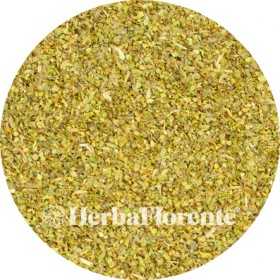
Oregano - Origani vulgaris
Oregano (Origanum vulgare), also known as wild marjoram, is an aromatic herb that has been used for thousands of years in various cuisines and cultures. The herb belongs to the Lamiaceae family, which also includes rosemary, thyme, and mint.
Oregano naturally contains several plant compounds, including carvacrol, which is responsible for its characteristic spicy and slightly bitter flavor. This compound contributes to oregano's distinct aroma.
The most aromatic oregano grows naturally in Mediterranean mountain regions on calcareous soils. Wild oregano blooms in spring, after which it is traditionally harvested. Thanks to its flavor and composition, oregano is widely used in culinary applications and herbal teas.
Oregano naturally contains several plant compounds, including carvacrol, which is responsible for its characteristic spicy and slightly bitter flavor. This compound contributes to oregano's distinct aroma.
The most aromatic oregano grows naturally in Mediterranean mountain regions on calcareous soils. Wild oregano blooms in spring, after which it is traditionally harvested. Thanks to its flavor and composition, oregano is widely used in culinary applications and herbal teas.
€2.80
From: €2.80
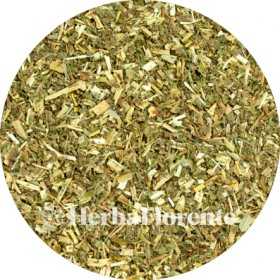
Meadowsweet - Filipendulae ulmaria
The meadowsweet (Filipendula ulmaria) is a perennial plant belonging to the rose family (Rosaceae). It is an erect plant that can reach a height of 0.6 to 2 meters. The flowers of the meadowsweet are numerous and cream-colored, with a width of 0.4 to 1 cm and each consisting of five petals, which have a strong almond scent. The leaves are pinnately compound, with a large top leaflet that is palmately split.
€2.00
From: €2.00
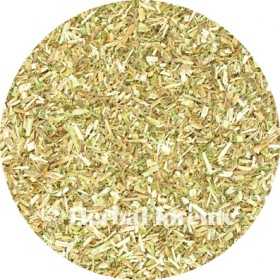
Hyssop - Hyssopus officinalis
Hyssop (Hyssopus officinalis) belongs to the Lamiaceae family and is an herb with valuable essential oils.
This striking shrub reaches a height of 30 to 60 cm and has a woody base with ascending branches. The dark green lanceolate leaves are about 2 to 2.5 cm long. During the flowering period, from July to September, hyssop produces small blue/lilac-like lipped flowers that grow in whorls, although some specimens may be white or pink.
This striking shrub reaches a height of 30 to 60 cm and has a woody base with ascending branches. The dark green lanceolate leaves are about 2 to 2.5 cm long. During the flowering period, from July to September, hyssop produces small blue/lilac-like lipped flowers that grow in whorls, although some specimens may be white or pink.
€1.95
From: €1.95
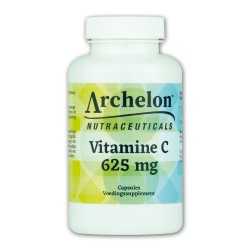
Vitamin C (Sodium Ascorbic Acid) - 625 mg
Vitamin C (ascorbic acid) is the pure form of vitamin C. There are also buffered forms of ascorbic acid, which are generally more easily tolerated by the gastrointestinal tract. Vitamin C is a water-soluble vitamin found naturally in various fruits and vegetables, such as citrus fruits, kiwi, bell peppers, and broccoli. Vitamin C is often added to dietary supplements in powder, tablet, or capsule form to supplement daily intake.
€17.95
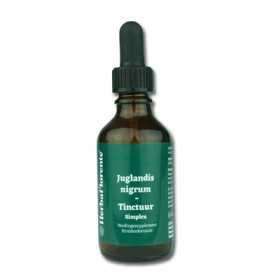
Black Walnut Tincture - Juglandis nigrum Tincture
Out-of-Stock
Single herbal tincture made with the dried husk of Juglandis nigrum (Black Walnut).
The shell of the black walnut (Juglans nigra) is obtained from the immature fruit of the tree. The black walnut, also known as the "black nut," is a type of walnut native to the United States and Canada. The tree belongs to the walnut family.
The black walnut fruit is dark brown and has a distinctive aroma that differs from that of European walnuts. They are sometimes processed into extracts or tinctures, preserving their natural compounds. The fruit is edible and contains polyphenols, tannins, juglone, tannins, and omega fatty acids, among other nutrients.
The common walnut (Juglans regia) is widely used in food and culinary applications for its edible nuts.
The shell of the black walnut (Juglans nigra) is obtained from the immature fruit of the tree. The black walnut, also known as the "black nut," is a type of walnut native to the United States and Canada. The tree belongs to the walnut family.
The black walnut fruit is dark brown and has a distinctive aroma that differs from that of European walnuts. They are sometimes processed into extracts or tinctures, preserving their natural compounds. The fruit is edible and contains polyphenols, tannins, juglone, tannins, and omega fatty acids, among other nutrients.
The common walnut (Juglans regia) is widely used in food and culinary applications for its edible nuts.
€10.95
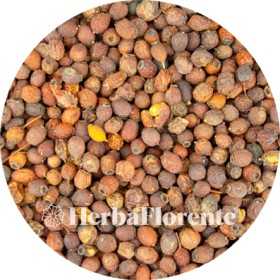
Hawthorn berry - Crataegus monogyna (Crataegus oxycantha)
The two-styled hawthorn (Crataegus laevigata) is a thorny shrub or small tree native to much of Europe. In spring, it blooms with white flowers, while in autumn it produces dark red, spherical or egg-shaped berries, also known as "whitebeans."
The leaves, flowers, and berries of the hawthorn naturally contain a rich composition of plant compounds, including flavonoids, procyanidins, vitamin C, tannins, and glycosides. Because of this composition, hawthorn is traditionally used in various herbal products and supplements.
The leaves, flowers, and berries of the hawthorn naturally contain a rich composition of plant compounds, including flavonoids, procyanidins, vitamin C, tannins, and glycosides. Because of this composition, hawthorn is traditionally used in various herbal products and supplements.
€2.20
From: €2.20
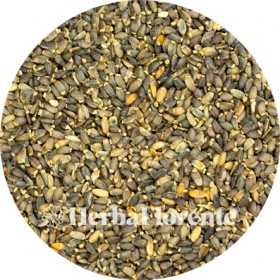
Milk Thistle (Seed) - Sylibum marianum, Cardui Mariae - Whole
Milk thistle (Silybum marianum), also known as milk thistle, is a spiny plant in the Asteraceae family. It originates in the Mediterranean region, but also grows in temperate regions such as the Netherlands and Belgium.
The plant is known for its striking, white-flecked leaves and purple flower heads. Milk thistle seeds contain natural compounds, including silymarin, a group of bioactive compounds considered antioxidants. Because of this composition, milk thistle is traditionally used in various food and herbal products.
The plant is known for its striking, white-flecked leaves and purple flower heads. Milk thistle seeds contain natural compounds, including silymarin, a group of bioactive compounds considered antioxidants. Because of this composition, milk thistle is traditionally used in various food and herbal products.
€2.00
From: €2.00
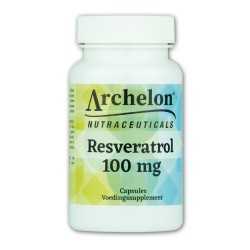
Resveratrol - 100 mg
Reishi (Ganoderma lucidum) is a mushroom that has been used in Japanese and Chinese herbalism for over two thousand years. Today, reishi is cultivated under controlled conditions in greenhouses, ensuring consistent quality comparable to wild reishi. The mushroom contains various natural compounds, including polysaccharides, triterpenes, peptides, antioxidants, iron, and selenium. Reishi is often used in powders, capsules, and other food products because of this composition.
€32.95
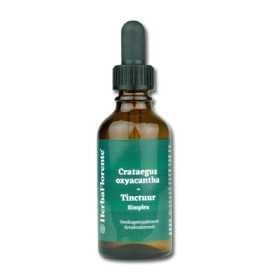
Hawthorn Tincture - Crataegus oxyacantha Tincture
Single herbal tincture made with dried leaves & flowers of Crataegus (Hawthorn).
The two-styled hawthorn (Crataegus laevigata) is a thorny shrub or small tree native to much of Europe. In spring, it blooms with white flowers, while in autumn it produces dark red, spherical or egg-shaped berries, also known as "whitebeans."
The leaves, flowers, and berries of the hawthorn naturally contain a rich composition of plant compounds, including flavonoids, procyanidins, vitamin C, tannins, and glycosides. Because of this composition, hawthorn is traditionally used in various herbal products and supplements.
The two-styled hawthorn (Crataegus laevigata) is a thorny shrub or small tree native to much of Europe. In spring, it blooms with white flowers, while in autumn it produces dark red, spherical or egg-shaped berries, also known as "whitebeans."
The leaves, flowers, and berries of the hawthorn naturally contain a rich composition of plant compounds, including flavonoids, procyanidins, vitamin C, tannins, and glycosides. Because of this composition, hawthorn is traditionally used in various herbal products and supplements.
€9.95
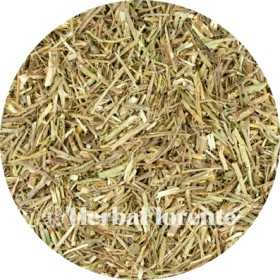
Vervain - Verbena officinalis
Verbena (Verbena officinalis) is a plant that belongs to the Verbena family. It is a perennial herbaceous plant, sometimes annual, with a thin, erect stem that can grow up to 100 cm in height, with the bottom of the stem becoming lignified. The leaves of vervain are hairy and can take different shapes. This plant has no distinctive odor and tastes bitter raw and untreated.
The flowers of vervain appear in spike-shaped clusters in the leaf axils. They are trumpet shaped and vary in color from soft pink to violet. The flowering period extends from June to autumn. The flower spikes are slender yet sturdy and flexible. The fruit of vervain is a split fruit.
The flowers of vervain appear in spike-shaped clusters in the leaf axils. They are trumpet shaped and vary in color from soft pink to violet. The flowering period extends from June to autumn. The flower spikes are slender yet sturdy and flexible. The fruit of vervain is a split fruit.
€2.00
From: €2.00
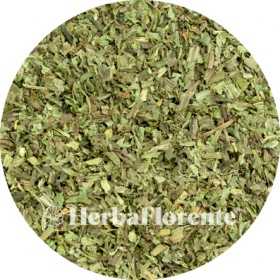
Ribwort Plantain - Plantaginis lanceolata - Cut
Ribwort plantain (Plantago lanceolata) is a native plant found in Europe, parts of Asia, North Africa, and North America. It prefers moist, sandy soil and can be found in grasslands, along roads and railways, and even between paving stones.
Ribwort plantain can reach a height of about 75 centimeters and has long, narrow leaves. Starting in May, the plant blooms with light green flower spikes bearing striking white stamens.
The young leaves contain various natural plant compounds, including mucilage, tannins, bitter substances, and flavonoids, as well as minerals such as potassium and zinc. Ribwort plantain has a long history of traditional and folklore uses and is often considered a common wild plant.
Ribwort plantain can reach a height of about 75 centimeters and has long, narrow leaves. Starting in May, the plant blooms with light green flower spikes bearing striking white stamens.
The young leaves contain various natural plant compounds, including mucilage, tannins, bitter substances, and flavonoids, as well as minerals such as potassium and zinc. Ribwort plantain has a long history of traditional and folklore uses and is often considered a common wild plant.
€2.00
From: €2.00