



Trending
€57.50
€62.50

€35.95
€62.50
€62.50

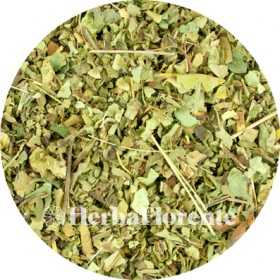
Lungwort - Pulmonaria officinalis
€5.91 €6.95 -15%
Echinacea (Red Coneflower) - 350 mg
€15.96 €19.95 -20%
Bladder
There are 110 products.
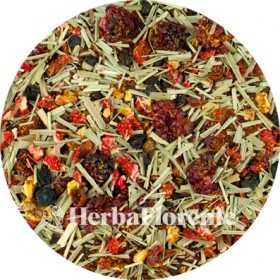
Fruits Herbal Tea
Herbal tea composed of various herbs
Delicious for every moment
Delicious for every moment
€3.95
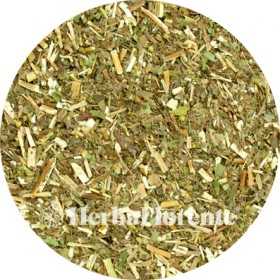
Goldenrod - Solidago virgaurea - Cut
Goldenrod (Solidago virgaurea), also known as goldenrod, is a native plant traditionally found in Europe and Asia. The plant is striking for its golden-yellow blooms and was once a familiar part of traditional Dutch herb gardens.
Historically, goldenrod flowers were widely harvested, dried, and ground. These were used, among other things, as a natural raw material for making yellow dyes. The plant is frequently mentioned in historical and botanical sources for its striking appearance and wide use in craft and cultural traditions.
Today, goldenrod is primarily valued for its botanical characteristics and its role in European plant history.
Historically, goldenrod flowers were widely harvested, dried, and ground. These were used, among other things, as a natural raw material for making yellow dyes. The plant is frequently mentioned in historical and botanical sources for its striking appearance and wide use in craft and cultural traditions.
Today, goldenrod is primarily valued for its botanical characteristics and its role in European plant history.
€2.00
From: €2.00
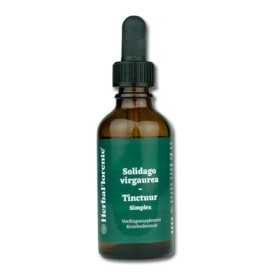
Goldenrod Tincture - Solidago virgaurea Tincture
Single herbal tincture made with dried herb of Solidago virgaurea (Goldenrod).
Goldenrod (Solidago virgaurea), also known as goldenrod, is a native plant traditionally found in Europe and Asia. The plant is striking for its golden-yellow blooms and was once a familiar part of traditional Dutch herb gardens.
Historically, goldenrod flowers were widely harvested, dried, and ground. These were used, among other things, as a natural raw material for making yellow dyes. The plant is frequently mentioned in historical and botanical sources for its striking appearance and wide use in craft and cultural traditions.
Today, goldenrod is primarily valued for its botanical characteristics and its role in European plant history.
Goldenrod (Solidago virgaurea), also known as goldenrod, is a native plant traditionally found in Europe and Asia. The plant is striking for its golden-yellow blooms and was once a familiar part of traditional Dutch herb gardens.
Historically, goldenrod flowers were widely harvested, dried, and ground. These were used, among other things, as a natural raw material for making yellow dyes. The plant is frequently mentioned in historical and botanical sources for its striking appearance and wide use in craft and cultural traditions.
Today, goldenrod is primarily valued for its botanical characteristics and its role in European plant history.
€10.95
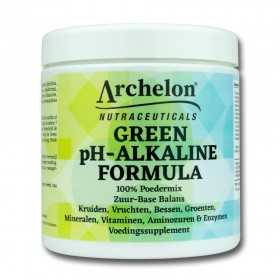
Green pH-Alkaline Formula
Green pH-Alkaline Formula is a carefully formulated powder mix with a broad combination of herbs, fruits, berries, vegetables, vitamins, minerals, amino acids, and enzymes. The formula was developed to complement a varied diet and a conscious lifestyle.
The mix includes wheat and barley grass, along with various herbal ingredients that work synergistically within a single, complete powder mix. The powder form makes it easy to mix with your favorite drink or smoothie, making it flexible and practical to use.
Green pH-Alkaline Formula is suitable for vegetarians. No additives or preservatives have been used, ensuring a pure and natural supplement.
The mix includes wheat and barley grass, along with various herbal ingredients that work synergistically within a single, complete powder mix. The powder form makes it easy to mix with your favorite drink or smoothie, making it flexible and practical to use.
Green pH-Alkaline Formula is suitable for vegetarians. No additives or preservatives have been used, ensuring a pure and natural supplement.
€45.50
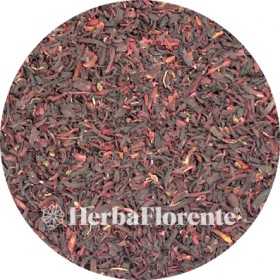
Hibiscus - Hibiscus sabdariff
Hibiscus (Hibiscus sabdariffa), also known as roselle, is used worldwide in both hot and cold beverages and as a natural flavoring and coloring agent in the food industry. The plant is especially prized for its fresh, tart flavor and striking deep red color.
Hibiscus sabdariffa L. is an annual shrub that can reach a height of over two meters. The plant typically has smooth, red-tinged stems and creamy to light yellow flowers that turn pink at the end of the day. After flowering, a characteristic red calyx develops, which is fleshy, crisp, and juicy. When this calyx fully develops and dries, it turns brown and bursts open.
Hibiscus sabdariffa L. is an annual shrub that can reach a height of over two meters. The plant typically has smooth, red-tinged stems and creamy to light yellow flowers that turn pink at the end of the day. After flowering, a characteristic red calyx develops, which is fleshy, crisp, and juicy. When this calyx fully develops and dries, it turns brown and bursts open.
€2.25
From: €2.25
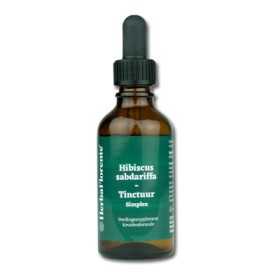
Hibiscus Tincture - Hibiscus sabdariffa Tincture
Single herbal tincture made with dried flower of Hibiscus sabdariffa (Hibiscus).
Hibiscus (Hibiscus sabdariffa), also known as roselle, is used worldwide in both hot and cold beverages and as a natural flavoring and coloring agent in the food industry. The plant is especially prized for its fresh, tart flavor and striking deep red color.
Hibiscus sabdariffa L. is an annual shrub that can reach a height of over two meters. The plant typically has smooth, red-tinged stems and creamy to light yellow flowers that turn pink at the end of the day. After flowering, a characteristic red calyx develops, which is fleshy, crisp, and juicy. When this calyx fully develops and dries, it turns brown and bursts open.
Hibiscus (Hibiscus sabdariffa), also known as roselle, is used worldwide in both hot and cold beverages and as a natural flavoring and coloring agent in the food industry. The plant is especially prized for its fresh, tart flavor and striking deep red color.
Hibiscus sabdariffa L. is an annual shrub that can reach a height of over two meters. The plant typically has smooth, red-tinged stems and creamy to light yellow flowers that turn pink at the end of the day. After flowering, a characteristic red calyx develops, which is fleshy, crisp, and juicy. When this calyx fully develops and dries, it turns brown and bursts open.
€9.95
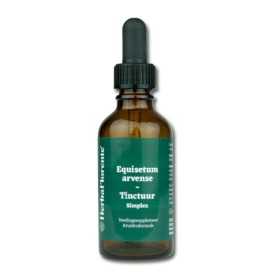
Horsetail Tincture - Equisetum arvense Tincture
Single herbal tincture made with dried herb of Equisetum arvense (Horsetail).
Horsetail (Equisetum arvense), also known as horsetail because of its characteristic appearance, belongs to the horsetail family (Equisetaceae). The plant is common in Europe and grows in a variety of locations, such as meadows, along roads, on fallow land, and on slopes.
Horsetail is one of the oldest plant species on earth, having existed for approximately 390 million years. The plant is distinguished by its deep root system, which allows it to absorb nutrients from deeper soil layers. As a result, horsetail naturally contains various plant compounds, including minerals, fiber, and silicon.
Horsetail (Equisetum arvense), also known as horsetail because of its characteristic appearance, belongs to the horsetail family (Equisetaceae). The plant is common in Europe and grows in a variety of locations, such as meadows, along roads, on fallow land, and on slopes.
Horsetail is one of the oldest plant species on earth, having existed for approximately 390 million years. The plant is distinguished by its deep root system, which allows it to absorb nutrients from deeper soil layers. As a result, horsetail naturally contains various plant compounds, including minerals, fiber, and silicon.
€12.95

Juniper Berries - Juniper communis
The juniper (Juniperus communis) is a conifer native to Europe, Asia, and North America. The plant bears both flowers and berries, which vary in color from green to black as they ripen. The name Juniperus derives from the Celtic word juneprus, meaning rough, prickly, or bitter, while communis means "common."
The black berries of the juniper have a characteristically bitter and aromatic flavor. It takes about three years for the berries to fully ripen: in the first year, the flowers appear, in the second year they turn green, and in the third year they turn blue and then black or dark purple.
The black berries of the juniper have a characteristically bitter and aromatic flavor. It takes about three years for the berries to fully ripen: in the first year, the flowers appear, in the second year they turn green, and in the third year they turn blue and then black or dark purple.
€2.80
From: €2.80
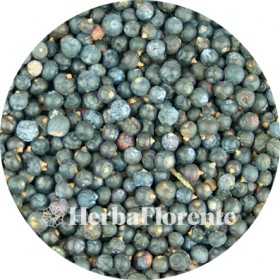
Juniper Berries - Juniper communis - Whole
The juniper (Juniperus communis) is a conifer native to Europe, Asia, and North America. The plant bears both flowers and berries, which vary in color from green to black as they ripen. The name Juniperus derives from the Celtic word juneprus, meaning rough, prickly, or bitter, while communis means "common."
The black berries of the juniper have a characteristically bitter and aromatic flavor. It takes about three years for the berries to fully ripen: in the first year, the flowers appear, in the second year they turn green, and in the third year they turn blue and then black or dark purple.
The black berries of the juniper have a characteristically bitter and aromatic flavor. It takes about three years for the berries to fully ripen: in the first year, the flowers appear, in the second year they turn green, and in the third year they turn blue and then black or dark purple.
€2.40
From: €2.40
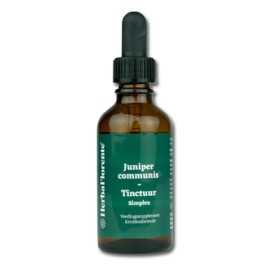
Juniper Tincture - Juniper communis Tincture
Single herbal tincture made with dried berries of Juniper communis (Juniper).
The juniper (Juniperus communis) is a conifer native to Europe, Asia, and North America. The plant bears both flowers and berries, which vary in color from green to black as they ripen. The name Juniperus derives from the Celtic word juneprus, meaning rough, prickly, or bitter, while communis means "common."
The black berries of the juniper have a characteristically bitter and aromatic flavor. It takes about three years for the berries to fully ripen: in the first year, the flowers appear, in the second year they turn green, and in the third year they turn blue and then black or dark purple.
The juniper (Juniperus communis) is a conifer native to Europe, Asia, and North America. The plant bears both flowers and berries, which vary in color from green to black as they ripen. The name Juniperus derives from the Celtic word juneprus, meaning rough, prickly, or bitter, while communis means "common."
The black berries of the juniper have a characteristically bitter and aromatic flavor. It takes about three years for the berries to fully ripen: in the first year, the flowers appear, in the second year they turn green, and in the third year they turn blue and then black or dark purple.
€9.95
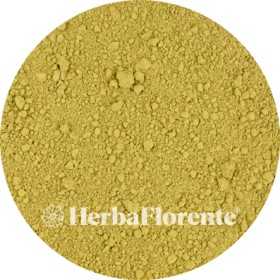
Kumis Kutjing - Cat's whiskers - Orthosiphon aristatus
Cat's whiskers (Orthosiphon aristatus), also known as Kumis Kutjing, is a plant traditionally used in various Asian herbal traditions. The species belongs to the Lamiaceae family and is native to tropical and subtropical regions, particularly Southeast Asia, including Malaysia and Java.
The plant prefers moist habitats, such as wetlands, riverbanks, and swampy areas. Cat's whiskers are particularly recognizable by their white to pale lilac flowers with conspicuously long, thread-like stamens that can grow up to approximately three centimeters long. These characteristics have led to the Dutch name "kattensnor" (cat's whiskers).
The plant prefers moist habitats, such as wetlands, riverbanks, and swampy areas. Cat's whiskers are particularly recognizable by their white to pale lilac flowers with conspicuously long, thread-like stamens that can grow up to approximately three centimeters long. These characteristics have led to the Dutch name "kattensnor" (cat's whiskers).
€2.30
From: €2.30
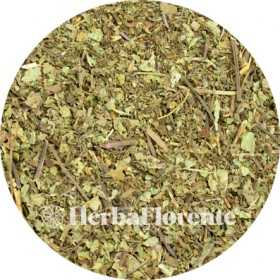
Kumis Kutjing - Cat's whiskers - Orthosiphon aristatus - Cut
Cat's whiskers (Orthosiphon aristatus), also known as Kumis Kutjing, is a plant traditionally used in various Asian herbal traditions. The species belongs to the Lamiaceae family and is native to tropical and subtropical regions, particularly Southeast Asia, including Malaysia and Java.
The plant prefers moist habitats, such as wetlands, riverbanks, and swampy areas. Cat's whiskers are particularly recognizable by their white to pale lilac flowers with conspicuously long, thread-like stamens that can grow up to approximately three centimeters long. These characteristics have led to the Dutch name "kattensnor" (cat's whiskers).
The plant prefers moist habitats, such as wetlands, riverbanks, and swampy areas. Cat's whiskers are particularly recognizable by their white to pale lilac flowers with conspicuously long, thread-like stamens that can grow up to approximately three centimeters long. These characteristics have led to the Dutch name "kattensnor" (cat's whiskers).
€4.50
From: €4.50
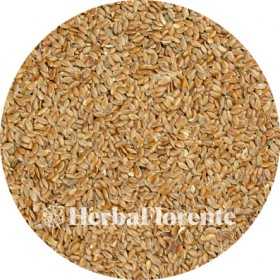
Lijnzaad - Linum usitatissimum
Flaxseed is a nutritious seed known for its rich composition of fatty acids and other natural components. It contains a high level of omega-3 fatty acids, of which approximately 55% consists of alpha-linolenic acid (ALA). In addition, approximately 20% of the fatty acid profile consists of omega-9 (oleic acid).
In addition to fatty acids, flaxseed also contains lignans (phytosterols), as well as tocopherols, carotenoids, and various minerals. This combination makes flaxseed a valuable plant-based food source.
According to the Netherlands Nutrition Centre, omega-3 fatty acids contribute to the maintenance of normal cardiovascular function when consumed as part of a varied and balanced diet.
In addition to fatty acids, flaxseed also contains lignans (phytosterols), as well as tocopherols, carotenoids, and various minerals. This combination makes flaxseed a valuable plant-based food source.
According to the Netherlands Nutrition Centre, omega-3 fatty acids contribute to the maintenance of normal cardiovascular function when consumed as part of a varied and balanced diet.
€2.00
From: €2.00

Lime tree Tincture - Tiliae officinalis Tincture
Single herbal tincture made with dried flower of Tiliae officinalis (Lime tree).
The lime tree (Tilia) is native to the Benelux and is known for its remarkable lifespan, which can easily exceed 1000 years. This majestic tree can reach a height of 20 to 30 meters, depending on its growing conditions. The Latin name for the lime tree is Tilia.
Although the lime tree is widespread in Europe, it is not found in the northernmost and southernmost parts of the continent. Outside Europe, the lime is also found in parts of Asia, but to a much lesser extent.
The tree blooms in the months of June and July. The lime blossom produces a lot of honey, and the flowers can be used to make herbal tea.
The lime tree (Tilia) is native to the Benelux and is known for its remarkable lifespan, which can easily exceed 1000 years. This majestic tree can reach a height of 20 to 30 meters, depending on its growing conditions. The Latin name for the lime tree is Tilia.
Although the lime tree is widespread in Europe, it is not found in the northernmost and southernmost parts of the continent. Outside Europe, the lime is also found in parts of Asia, but to a much lesser extent.
The tree blooms in the months of June and July. The lime blossom produces a lot of honey, and the flowers can be used to make herbal tea.
€11.95
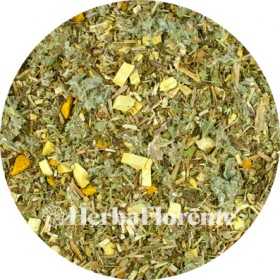
Liver Herbal Tea
Herbal tea composed of various herbs
€4.95
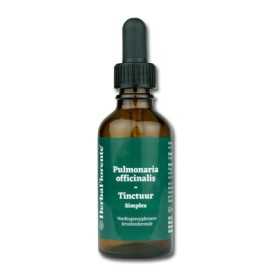
Lungwort Tincture - Pulmonaria officinalis Tinctuur
Single herbal tincture made with dried leaf of Pulmonaria officinalis (Lungwort).
Lungwort belongs to the genus Pulmonaria within the borage family (Boraginaceae). The botanical name is derived from the Latin word pulmo, meaning "lung." This name refers to the striking leaf markings of some species, such as spotted lungwort, which were once compared to the appearance of human lungs.
This association played an important role in the theory of signatures, a traditional doctrine in which it was believed that a plant's appearance provided clues to its intended use. Based on this line of thought, lungwort was historically used for conditions associated with the lungs.
Lungwort belongs to the genus Pulmonaria within the borage family (Boraginaceae). The botanical name is derived from the Latin word pulmo, meaning "lung." This name refers to the striking leaf markings of some species, such as spotted lungwort, which were once compared to the appearance of human lungs.
This association played an important role in the theory of signatures, a traditional doctrine in which it was believed that a plant's appearance provided clues to its intended use. Based on this line of thought, lungwort was historically used for conditions associated with the lungs.
€11.95
Magnolia Berry (Schisandra) - Schisandrae chinensis
Schisandra, also known as the schisandra berry (Schisandra chinensis), is a plant that has been used in traditional Chinese herbalism for over 2,000 years. The plant produces dark red berries, of which only the seeds are used. These are traditionally harvested after the first frost and then dried.
The schisandra berry naturally contains various plant compounds, including antioxidants. Due to its unique composition and long history, schisandra is often used in herbal blends and teas for traditional purposes.
Within traditional Chinese culture, schisandra is valued and frequently used in herbal formulas. Today, the berry is also used outside of Asia as an ingredient in various herbal preparations.
The schisandra berry naturally contains various plant compounds, including antioxidants. Due to its unique composition and long history, schisandra is often used in herbal blends and teas for traditional purposes.
Within traditional Chinese culture, schisandra is valued and frequently used in herbal formulas. Today, the berry is also used outside of Asia as an ingredient in various herbal preparations.
€7.50
From: €7.50
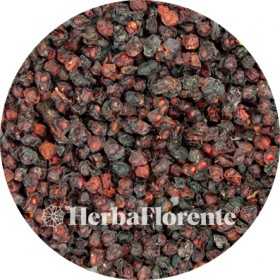
Magnolia Berry (Schisandra) - Schisandrae chinensis - Whole
Schisandra, also known as the schisandra berry (Schisandra chinensis), is a plant that has been used in traditional Chinese herbalism for over 2,000 years. The plant produces dark red berries, of which only the seeds are used. These are traditionally harvested after the first frost and then dried.
The schisandra berry naturally contains various plant compounds, including antioxidants. Due to its unique composition and long history, schisandra is often used in herbal blends and teas for traditional purposes.
Within traditional Chinese culture, schisandra is valued and frequently used in herbal formulas. Today, the berry is also used outside of Asia as an ingredient in various herbal preparations.
The schisandra berry naturally contains various plant compounds, including antioxidants. Due to its unique composition and long history, schisandra is often used in herbal blends and teas for traditional purposes.
Within traditional Chinese culture, schisandra is valued and frequently used in herbal formulas. Today, the berry is also used outside of Asia as an ingredient in various herbal preparations.
€6.95
From: €6.95
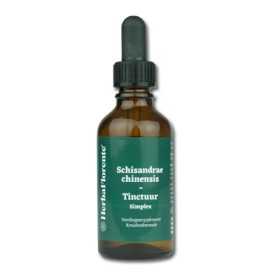
Magnolia Berry Tincture - Schisandrae chinensis Tincture
Single herbal tincture made with dried berries of Schisandrae chinensis (Magnolia Berry).
Schisandra, also known as the schisandra berry (Schisandra chinensis), is a plant that has been used in traditional Chinese herbalism for over 2,000 years. The plant produces dark red berries, of which only the seeds are used. These are traditionally harvested after the first frost and then dried.
The schisandra berry naturally contains various plant compounds, including antioxidants. Due to its unique composition and long history, schisandra is often used in herbal blends and teas for traditional purposes.
Within traditional Chinese culture, schisandra is valued and frequently used in herbal formulas. Today, the berry is also used outside of Asia as an ingredient in various herbal preparations.
Schisandra, also known as the schisandra berry (Schisandra chinensis), is a plant that has been used in traditional Chinese herbalism for over 2,000 years. The plant produces dark red berries, of which only the seeds are used. These are traditionally harvested after the first frost and then dried.
The schisandra berry naturally contains various plant compounds, including antioxidants. Due to its unique composition and long history, schisandra is often used in herbal blends and teas for traditional purposes.
Within traditional Chinese culture, schisandra is valued and frequently used in herbal formulas. Today, the berry is also used outside of Asia as an ingredient in various herbal preparations.
€12.95
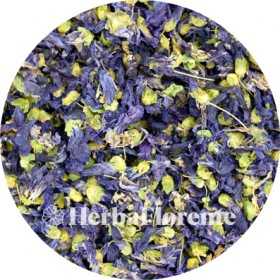
Mallow Large - Malvacea Sylvestris
Mallow (Malva) is a genus of herbaceous plants in the Malvaceae family. It comprises approximately thirty species found in temperate, subtropical, and tropical regions of Africa and Eurasia.
The flowers and leaves of mallow are highly recognizable and traditionally valued in various cultures. The plant produces mucilaginous substances, which were historically mentioned in botanical and folklore sources.
The fruit of the mallow is a schizocarp and owes its name to its flat, rounded shape, which resembles a small cheese. This fruit contains contiguous seeds and is a characteristic botanical element of the genus.
Mallow is primarily valued today for its botanical properties, its ornamental flowers, and its cultural significance in traditional botanical lore.
The flowers and leaves of mallow are highly recognizable and traditionally valued in various cultures. The plant produces mucilaginous substances, which were historically mentioned in botanical and folklore sources.
The fruit of the mallow is a schizocarp and owes its name to its flat, rounded shape, which resembles a small cheese. This fruit contains contiguous seeds and is a characteristic botanical element of the genus.
Mallow is primarily valued today for its botanical properties, its ornamental flowers, and its cultural significance in traditional botanical lore.
€8.00
From: €8.00
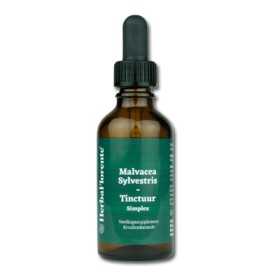
Mallow Large Tincture - Malvacea Sylvestris Tincture
Single herbal tincture made with dried flower of Malvacea Sylvestris (Mallow Large).
Mallow (Malva) is a genus of herbaceous plants in the Malvaceae family. It comprises approximately thirty species found in temperate, subtropical, and tropical regions of Africa and Eurasia.
The flowers and leaves of mallow are highly recognizable and traditionally valued in various cultures. The plant produces mucilaginous substances, which were historically mentioned in botanical and folklore sources.
The fruit of the mallow is a schizocarp and owes its name to its flat, rounded shape, which resembles a small cheese. This fruit contains contiguous seeds and is a characteristic botanical element of the genus.
Mallow (Malva) is a genus of herbaceous plants in the Malvaceae family. It comprises approximately thirty species found in temperate, subtropical, and tropical regions of Africa and Eurasia.
The flowers and leaves of mallow are highly recognizable and traditionally valued in various cultures. The plant produces mucilaginous substances, which were historically mentioned in botanical and folklore sources.
The fruit of the mallow is a schizocarp and owes its name to its flat, rounded shape, which resembles a small cheese. This fruit contains contiguous seeds and is a characteristic botanical element of the genus.
€13.95
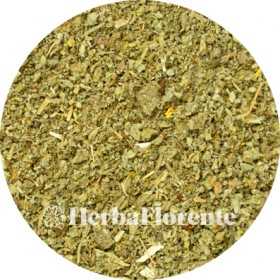
Marshmallow (Leaf) - Altheae officinalis
Marshmallow (Althaea officinalis) belongs to the mallow family (Malvaceae) and has been spread worldwide by human activity, especially to areas with suitable soil, humidity and climate.
The starch in the carrot, mixed with proteinaceous substances, was formerly used in making marshmallows and bacon. The leaves can be eaten cooked and the flowers can be used raw in salads.
The starch in the carrot, mixed with proteinaceous substances, was formerly used in making marshmallows and bacon. The leaves can be eaten cooked and the flowers can be used raw in salads.
€2.00
From: €2.00
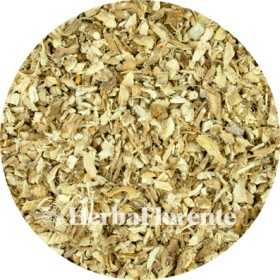
Marshmallow (Root) - Althaea officinalis
Marshmallow (Althaea officinalis) belongs to the mallow family (Malvaceae) and has been spread worldwide by human activity, especially to areas with suitable soil, humidity and climate.
The starch in the carrot, mixed with proteinaceous substances, was formerly used in making marshmallows and bacon. The leaves can be eaten cooked and the flowers can be used raw in salads.
The starch in the carrot, mixed with proteinaceous substances, was formerly used in making marshmallows and bacon. The leaves can be eaten cooked and the flowers can be used raw in salads.
€2.50
From: €2.50
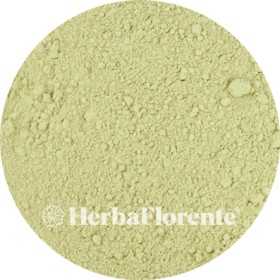
Marshmallow - Althaea officinalis
Marshmallow (Althaea officinalis) belongs to the mallow family (Malvaceae) and has been spread worldwide by human activity, especially to areas with suitable soil, humidity and climate.
The starch in the carrot, mixed with proteinaceous substances, was formerly used in making marshmallows and bacon. The leaves can be eaten cooked and the flowers can be used raw in salads.
The starch in the carrot, mixed with proteinaceous substances, was formerly used in making marshmallows and bacon. The leaves can be eaten cooked and the flowers can be used raw in salads.
€2.75
From: €2.75