



Trending
€57.50
€62.50

€35.95
€62.50
€62.50
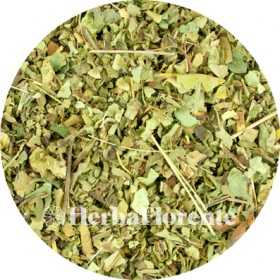
Lungwort - Pulmonaria officinalis
€5.91 €6.95 -15%
Echinacea (Red Coneflower) - 350 mg
€15.96 €19.95 -20%
Blood sugar
There are 90 products.

Juniper Berries - Juniper communis
The juniper (Juniperus communis) is a conifer native to Europe, Asia, and North America. The plant bears both flowers and berries, which vary in color from green to black as they ripen. The name Juniperus derives from the Celtic word juneprus, meaning rough, prickly, or bitter, while communis means "common."
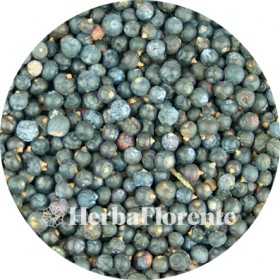
The black berries of the juniper have a characteristically bitter and aromatic flavor. It takes about three years for the berries to fully ripen: in the first year, the flowers appear, in the second year they turn green, and in the third year they turn blue and then black or dark purple.
The black berries of the juniper have a characteristically bitter and aromatic flavor. It takes about three years for the berries to fully ripen: in the first year, the flowers appear, in the second year they turn green, and in the third year they turn blue and then black or dark purple.
€2.80
From: €2.80
Juniper Berries - Juniper communis - Whole
The juniper (Juniperus communis) is a conifer native to Europe, Asia, and North America. The plant bears both flowers and berries, which vary in color from green to black as they ripen. The name Juniperus derives from the Celtic word juneprus, meaning rough, prickly, or bitter, while communis means "common."
The black berries of the juniper have a characteristically bitter and aromatic flavor. It takes about three years for the berries to fully ripen: in the first year, the flowers appear, in the second year they turn green, and in the third year they turn blue and then black or dark purple.
The black berries of the juniper have a characteristically bitter and aromatic flavor. It takes about three years for the berries to fully ripen: in the first year, the flowers appear, in the second year they turn green, and in the third year they turn blue and then black or dark purple.
€2.40
From: €2.40
Kelp - 500 mg
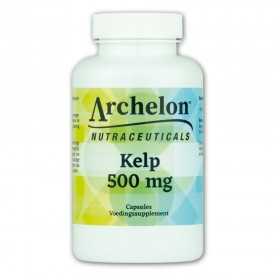
Kelp is a large seaweed belonging to the brown algae family (Laminariales) that grows in cold, nutrient-rich seas. This algae is found in the oceans of Asia, North America, and Europe, among other places. Kelp is known for its impressive growth rate and can grow several meters per day under favorable conditions, making it one of the largest plants in the world.
In countries like Japan, China, and Korea, kelp has been a traditional food for centuries. A well-known variety is kombu (Laminaria japonica), which is often used in soups, broths, and rice dishes. In addition to culinary uses, kelp is also processed into powders, capsules, and extracts.
In countries like Japan, China, and Korea, kelp has been a traditional food for centuries. A well-known variety is kombu (Laminaria japonica), which is often used in soups, broths, and rice dishes. In addition to culinary uses, kelp is also processed into powders, capsules, and extracts.
€17.95
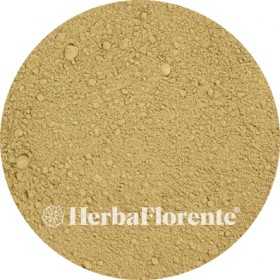
Kelp - Laminariales
Kelp, a member of the brown algae (Laminariales) family, thrives in the cold waters of the major oceans. This large species of seaweed is an excellent source of iodine, an essential element for healthy thyroid function in humans.
In Asia, especially Japan, seaweed has been an integral part of the daily diet for centuries. A well-known kelp species is kombu (Laminaria japonica), which is often cooked with rice for sushi. In addition to being one of the largest plants in the world, kelp is known for growing extremely quickly, sometimes up to three meters per day.
In Asia, especially Japan, seaweed has been an integral part of the daily diet for centuries. A well-known kelp species is kombu (Laminaria japonica), which is often cooked with rice for sushi. In addition to being one of the largest plants in the world, kelp is known for growing extremely quickly, sometimes up to three meters per day.
€2.70
From: €2.70
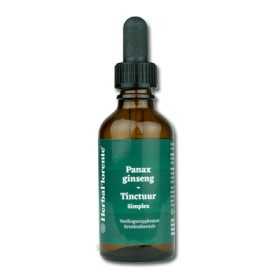
Korean ginseng Tincture - Panax ginseng Tincture
Single herbal tincture made with dried root of Panax ginseng (Korean ginseng).
Panax ginseng is a plant with a slow-growing, sturdy root and belongs to the Araliaceae family. It is one of the most well-known plants in traditional Chinese medicine and has been used in Asia for thousands of years.
The name "Panax" comes from the Greek word for "all-healer," referring to the plant's historical reputation in traditional medicine. Panax ginseng contains unique compounds called ginsenosides, which are found only in this plant.
Panax ginseng is a plant with a slow-growing, sturdy root and belongs to the Araliaceae family. It is one of the most well-known plants in traditional Chinese medicine and has been used in Asia for thousands of years.
The name "Panax" comes from the Greek word for "all-healer," referring to the plant's historical reputation in traditional medicine. Panax ginseng contains unique compounds called ginsenosides, which are found only in this plant.
€14.95
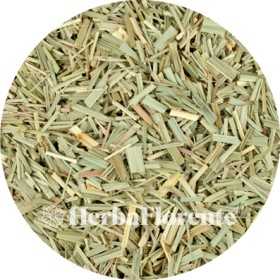
Lemongrass - Cymbopogon citratus
Lemongrass, also known as sereh (Cymbopogon citratus), belongs to the grass family (Poaceae). This plant is widely used in Asian cuisine, especially in dishes from Thailand, India, Vietnam and Indonesia. Lemongrass thrives in several regions, including India, Africa, Vietnam, Australia and America. In Indonesia it is known as sereh, and this name is also often used in the Netherlands.
The leaves of the lemongrass plant are the culinary stars. They have a refreshing, lemony taste and are not consumed raw. Pieces of lemongrass are often added to dishes during cooking or stewing, after which they are removed before serving.
The leaves of the lemongrass plant are the culinary stars. They have a refreshing, lemony taste and are not consumed raw. Pieces of lemongrass are often added to dishes during cooking or stewing, after which they are removed before serving.
€2.00
From: €2.00
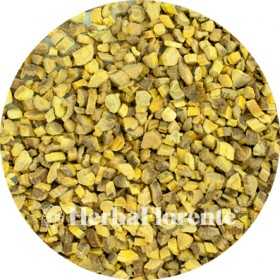
Licorice (Without Bark) - Glycyrrhiza glabra, Liquiritiae
Licorice (Glycyrrhiza glabra) is a versatile herb that has been used for centuries in various traditions, including Ayurvedic culture. The plant is cultivated in various parts of the world, such as Europe, Asia, and the Middle East, and can also grow in the Netherlands. The roots take three to four years to mature before they can be harvested.
Besides the roots, licorice leaves are also used, for example, in making tea. Licorice is known for its characteristic sweet flavor, which is due in part to the natural substance glycyrrhizin. It is widely used in foods and herbal preparations.
Besides the roots, licorice leaves are also used, for example, in making tea. Licorice is known for its characteristic sweet flavor, which is due in part to the natural substance glycyrrhizin. It is widely used in foods and herbal preparations.
€2.25
From: €2.25
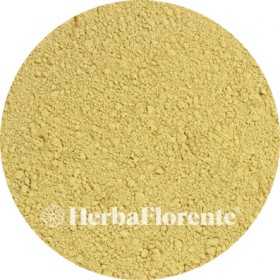
Licorice - Glycyrrhiza glabra, Liquiritiae
Licorice (Glycyrrhiza glabra) is a versatile herb that has been used for centuries in various traditions, including Ayurvedic culture. The plant is cultivated in various parts of the world, such as Europe, Asia, and the Middle East, and can also grow in the Netherlands. The roots take three to four years to mature before they can be harvested.
Besides the roots, licorice leaves are also used, for example, in making tea. Licorice is known for its characteristic sweet flavor, which is due in part to the natural substance glycyrrhizin. It is widely used in foods and herbal preparations.
Besides the roots, licorice leaves are also used, for example, in making tea. Licorice is known for its characteristic sweet flavor, which is due in part to the natural substance glycyrrhizin. It is widely used in foods and herbal preparations.
€2.40
From: €2.40

Maitake Extract - 420 mg
Maitake (Grifola frondosa), also known as oak hare, originates in the Far East and plays an important role in Chinese herbalism. This fungus, rich in various bioactive substances, is versatile for various applications. The name "maitake" comes from Japanese and literally means 'dancing mushroom', referring to the joy people experienced when finding it.
In nature, maitake mainly grows as a parasite on the roots or stumps of deciduous trees. For thousands of years, maitake has been valued in traditional Chinese herbalism for its nutritional value. This brown, lush fungus can sometimes weigh up to twenty kilos. With its delicious, aromatic flavor, maitake is a popular fungus in Japanese cuisine.
In nature, maitake mainly grows as a parasite on the roots or stumps of deciduous trees. For thousands of years, maitake has been valued in traditional Chinese herbalism for its nutritional value. This brown, lush fungus can sometimes weigh up to twenty kilos. With its delicious, aromatic flavor, maitake is a popular fungus in Japanese cuisine.
€34.95
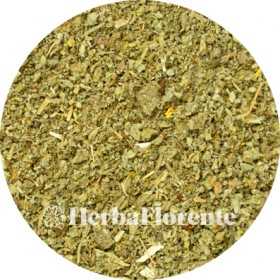
Marshmallow (Leaf) - Altheae officinalis
Marshmallow (Althaea officinalis) belongs to the mallow family (Malvaceae) and has been spread worldwide by human activity, especially to areas with suitable soil, humidity and climate.
The starch in the carrot, mixed with proteinaceous substances, was formerly used in making marshmallows and bacon. The leaves can be eaten cooked and the flowers can be used raw in salads.
The starch in the carrot, mixed with proteinaceous substances, was formerly used in making marshmallows and bacon. The leaves can be eaten cooked and the flowers can be used raw in salads.
€2.00
From: €2.00
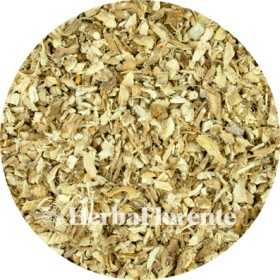
Marshmallow (Root) - Althaea officinalis
Marshmallow (Althaea officinalis) belongs to the mallow family (Malvaceae) and has been spread worldwide by human activity, especially to areas with suitable soil, humidity and climate.
The starch in the carrot, mixed with proteinaceous substances, was formerly used in making marshmallows and bacon. The leaves can be eaten cooked and the flowers can be used raw in salads.
The starch in the carrot, mixed with proteinaceous substances, was formerly used in making marshmallows and bacon. The leaves can be eaten cooked and the flowers can be used raw in salads.
€2.50
From: €2.50
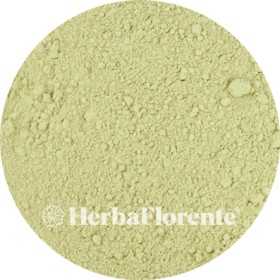
Marshmallow - Althaea officinalis
Marshmallow (Althaea officinalis) belongs to the mallow family (Malvaceae) and has been spread worldwide by human activity, especially to areas with suitable soil, humidity and climate.
The starch in the carrot, mixed with proteinaceous substances, was formerly used in making marshmallows and bacon. The leaves can be eaten cooked and the flowers can be used raw in salads.
The starch in the carrot, mixed with proteinaceous substances, was formerly used in making marshmallows and bacon. The leaves can be eaten cooked and the flowers can be used raw in salads.
€2.75
From: €2.75
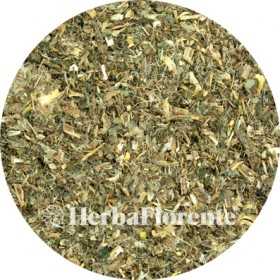
Milk Thistle (Herb) - Sylibum marianum, Cardui Mariae - Cut
Milk thistle (Silybum marianum), also known as milk thistle, is a spiny plant in the Asteraceae family. It originates in the Mediterranean region, but also grows in temperate regions such as the Netherlands and Belgium.
The plant is known for its striking, white-flecked leaves and purple flower heads. Milk thistle seeds contain natural compounds, including silymarin, a group of bioactive compounds considered antioxidants. Because of this composition, milk thistle is traditionally used in various food and herbal products.
The plant is known for its striking, white-flecked leaves and purple flower heads. Milk thistle seeds contain natural compounds, including silymarin, a group of bioactive compounds considered antioxidants. Because of this composition, milk thistle is traditionally used in various food and herbal products.
€2.20
From: €2.20
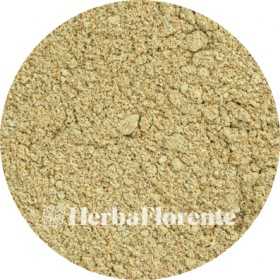
Milk Thistle (Seed) - Sylibum marianum, Cardui Mariae
Milk thistle (Silybum marianum), also known as milk thistle, is a spiny plant in the Asteraceae family. It originates in the Mediterranean region, but also grows in temperate regions such as the Netherlands and Belgium.
The plant is known for its striking, white-flecked leaves and purple flower heads. Milk thistle seeds contain natural compounds, including silymarin, a group of bioactive compounds considered antioxidants. Because of this composition, milk thistle is traditionally used in various food and herbal products.
The plant is known for its striking, white-flecked leaves and purple flower heads. Milk thistle seeds contain natural compounds, including silymarin, a group of bioactive compounds considered antioxidants. Because of this composition, milk thistle is traditionally used in various food and herbal products.
€2.00
From: €2.00
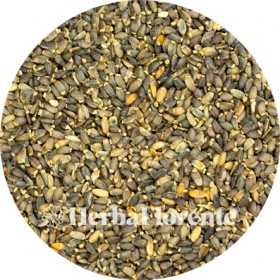
Milk Thistle (Seed) - Sylibum marianum, Cardui Mariae - Whole
Milk thistle (Silybum marianum), also known as milk thistle, is a spiny plant in the Asteraceae family. It originates in the Mediterranean region, but also grows in temperate regions such as the Netherlands and Belgium.
The plant is known for its striking, white-flecked leaves and purple flower heads. Milk thistle seeds contain natural compounds, including silymarin, a group of bioactive compounds considered antioxidants. Because of this composition, milk thistle is traditionally used in various food and herbal products.
The plant is known for its striking, white-flecked leaves and purple flower heads. Milk thistle seeds contain natural compounds, including silymarin, a group of bioactive compounds considered antioxidants. Because of this composition, milk thistle is traditionally used in various food and herbal products.
€2.00
From: €2.00

Milk Thistle - 450 mg
Milk thistle (Silybum marianum), also known as milk thistle, is a spiny plant from the Asteraceae family that is native to the Mediterranean region but also grows in other parts of Europe. The plant is best known for its characteristic purple-pink flowers and spotted leaves.
The seeds of the milk thistle are primarily used for supplements. These seeds naturally contain silymarin, a complex of flavonolignans found naturally in this plant. Silymarin is a plant compound often used in dietary supplements based on herbal extracts.
The seeds of the milk thistle are primarily used for supplements. These seeds naturally contain silymarin, a complex of flavonolignans found naturally in this plant. Silymarin is a plant compound often used in dietary supplements based on herbal extracts.
€17.95
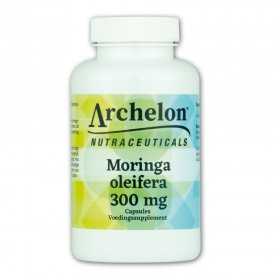
Moringa oleifera - 300 mg
Moringa oleifera is a fast-growing tree native to parts of Africa and Asia. Also known as the "moringa tree," it is traditionally used as a food source in various cultures. The leaves, in particular, are valued for their diverse range of natural nutrients.
Moringa leaves naturally contain a variety of nutrients, including plant proteins, fiber, vitamins, minerals, amino acids, and plant compounds such as polyphenols and carotenoids. This versatile composition means moringa is used worldwide in powders, capsules, and other food products.
Moringa leaves naturally contain a variety of nutrients, including plant proteins, fiber, vitamins, minerals, amino acids, and plant compounds such as polyphenols and carotenoids. This versatile composition means moringa is used worldwide in powders, capsules, and other food products.
€19.95

Nettle - 380 mg
Nettle is a versatile plant that has been used for centuries in European herbal traditions. Both the leaves and the roots are used in herbal preparations. Nettle is valued for its wide range of uses and natural composition, making it a suitable addition to a varied and balanced diet. The plant is also widely used in teas and culinary applications, such as soups.
€17.95
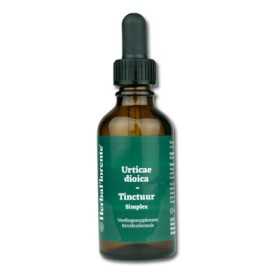
Nettle Tincture - Urticae dioica Tincture
Single herbal tincture made with dried herb of Urticae dioica (Nettle).
The stinging nettle (Urtica dioica) is a herbaceous plant found in many places and known for its stinging hairs, which cause a tingling sensation when touched. Despite this characteristic, the plant has been valued and used in various cultures for centuries. It is used in culinary preparations such as soup and herbal tea.
The plant is native to large parts of Europe, Asia, and Africa. The Latin name Urtica dioica refers to the plant's pungent nature. Historical and botanical sources describe both the leaves and roots as being traditionally collected and processed.
The stinging nettle (Urtica dioica) is a herbaceous plant found in many places and known for its stinging hairs, which cause a tingling sensation when touched. Despite this characteristic, the plant has been valued and used in various cultures for centuries. It is used in culinary preparations such as soup and herbal tea.
The plant is native to large parts of Europe, Asia, and Africa. The Latin name Urtica dioica refers to the plant's pungent nature. Historical and botanical sources describe both the leaves and roots as being traditionally collected and processed.
€10.95
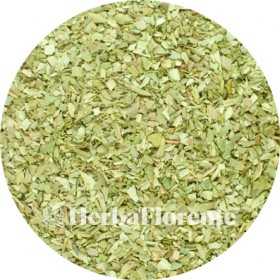
Olive - Olea europaea
Out-of-Stock
Olive leaves come from the wild olive tree (Olea europaea) and naturally contain antioxidants. These trees are native to Western Asia, Egypt, and Syria, and are now also found in the Mediterranean, South America, the southern United States, southern Australia, and the tropics.
Olive leaves have been used for centuries in the Mediterranean region, for example, as a tea. They contain various plant compounds, including oleuropein, secoiridoids, and flavonoids. Olive leaves have a rich history in traditional cuisine and folk herbalism and are often associated with the olive tree, also known as the "tree of life."
Olive leaves have been used for centuries in the Mediterranean region, for example, as a tea. They contain various plant compounds, including oleuropein, secoiridoids, and flavonoids. Olive leaves have a rich history in traditional cuisine and folk herbalism and are often associated with the olive tree, also known as the "tree of life."
€2.25
From: €2.25
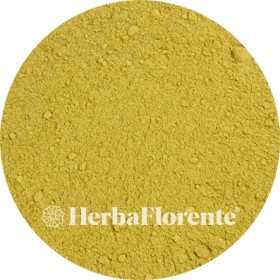
Oregano - Origani cetici
Oregano (Origanum vulgare), also known as wild marjoram, is an aromatic herb that has been used for thousands of years in various cuisines and cultures. The herb belongs to the Lamiaceae family, which also includes rosemary, thyme, and mint.
Oregano naturally contains several plant compounds, including carvacrol, which is responsible for its characteristic spicy and slightly bitter flavor. This compound contributes to oregano's distinct aroma.
The most aromatic oregano grows naturally in Mediterranean mountain regions on calcareous soils. Wild oregano blooms in spring, after which it is traditionally harvested. Thanks to its flavor and composition, oregano is widely used in culinary applications and herbal teas.
Oregano naturally contains several plant compounds, including carvacrol, which is responsible for its characteristic spicy and slightly bitter flavor. This compound contributes to oregano's distinct aroma.
The most aromatic oregano grows naturally in Mediterranean mountain regions on calcareous soils. Wild oregano blooms in spring, after which it is traditionally harvested. Thanks to its flavor and composition, oregano is widely used in culinary applications and herbal teas.
€3.00
From: €3.00
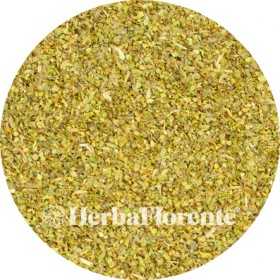
Oregano - Origani vulgaris
Oregano (Origanum vulgare), also known as wild marjoram, is an aromatic herb that has been used for thousands of years in various cuisines and cultures. The herb belongs to the Lamiaceae family, which also includes rosemary, thyme, and mint.
Oregano naturally contains several plant compounds, including carvacrol, which is responsible for its characteristic spicy and slightly bitter flavor. This compound contributes to oregano's distinct aroma.
The most aromatic oregano grows naturally in Mediterranean mountain regions on calcareous soils. Wild oregano blooms in spring, after which it is traditionally harvested. Thanks to its flavor and composition, oregano is widely used in culinary applications and herbal teas.
Oregano naturally contains several plant compounds, including carvacrol, which is responsible for its characteristic spicy and slightly bitter flavor. This compound contributes to oregano's distinct aroma.
The most aromatic oregano grows naturally in Mediterranean mountain regions on calcareous soils. Wild oregano blooms in spring, after which it is traditionally harvested. Thanks to its flavor and composition, oregano is widely used in culinary applications and herbal teas.
€2.80
From: €2.80
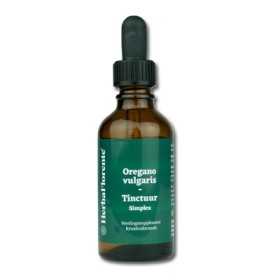
Oregano Tincture - Oregano vulgaris Tincture
Single herbal tincture made with dried herb of Oregano vulgaris (Oregano).
Oregano (Origanum vulgare), also known as wild marjoram, is an aromatic herb that has been used for thousands of years in various cuisines and cultures. The herb belongs to the Lamiaceae family, which also includes rosemary, thyme, and mint.
Oregano naturally contains several plant compounds, including carvacrol, which is responsible for its characteristic spicy and slightly bitter flavor. This compound contributes to oregano's distinct aroma.
The most aromatic oregano grows naturally in Mediterranean mountain regions on calcareous soils. Wild oregano blooms in spring, after which it is traditionally harvested.
Oregano (Origanum vulgare), also known as wild marjoram, is an aromatic herb that has been used for thousands of years in various cuisines and cultures. The herb belongs to the Lamiaceae family, which also includes rosemary, thyme, and mint.
Oregano naturally contains several plant compounds, including carvacrol, which is responsible for its characteristic spicy and slightly bitter flavor. This compound contributes to oregano's distinct aroma.
The most aromatic oregano grows naturally in Mediterranean mountain regions on calcareous soils. Wild oregano blooms in spring, after which it is traditionally harvested.
€10.95
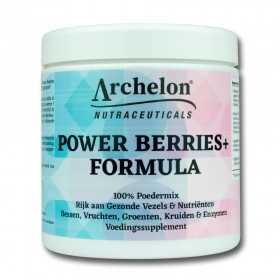
Power Berries+ Formula
Power Berries+ Formula is a carefully formulated powder mix with a broad combination of berries, fruits, vegetables, herbs, vitamins, and enzymes. The formula also contains polyphenols, phytonutrients, and antioxidants and was developed to complement a varied diet and a healthy lifestyle.
The ingredients have been selected with an eye for balance and coherence, making Power Berries+ Formula easy to take and flexible to fit into your daily routine. The powder form makes it easy to mix with water, juice, or smoothies.
Power Berries+ Formula is suitable for vegans and vegetarians, and contains no additives or preservatives.
The ingredients have been selected with an eye for balance and coherence, making Power Berries+ Formula easy to take and flexible to fit into your daily routine. The powder form makes it easy to mix with water, juice, or smoothies.
Power Berries+ Formula is suitable for vegans and vegetarians, and contains no additives or preservatives.
€57.50