



Trending
€57.50
€62.50
€35.95
€62.50
€62.50
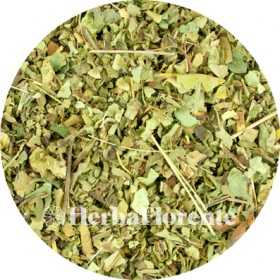
Lungwort - Pulmonaria officinalis
€5.91 €6.95 -15%
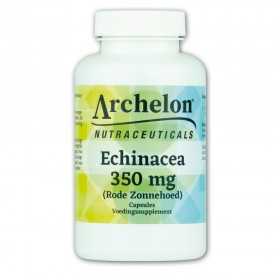
Echinacea (Red Coneflower) - 350 mg
€15.96 €19.95 -20%
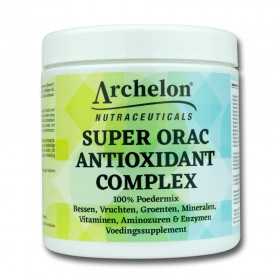
Digestion
There are 267 products.
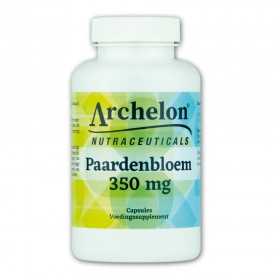
Dandelion - 350 mg
Dandelion (Taraxacum officinale) is a plant known for centuries and used both in its wild form and in nutritional supplements. Both the root and the above-ground parts contain a wide range of natural substances. Dandelion contains bitter substances, phytosterols, fatty acids such as linoleic acid, linolenic acid, palmitic acid, and oleic acid, flavonoids, various B vitamins, vitamin C, beta-carotene, and minerals such as calcium, chromium, magnesium, zinc, manganese, selenium, and sulfur.
€19.95
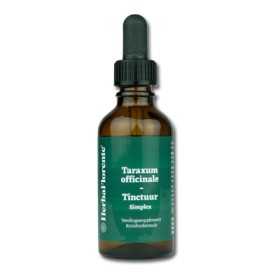
Dandelion Tincture - Taraxum officinale Tincture
Single herbal tincture made with dried herb & root of Taraxum officinale (Dandelion).
Dandelion (Taraxacum officinale) is a plant that has been used for centuries in various cultures. Both the root and the aerial parts of the plant are used and are known for their versatile uses.
The young leaves of the dandelion are traditionally used in dishes such as salads, especially in spring. The yellow flowers can be used as decoration and are also suitable for drying and making into herbal tea.
Dandelion (Taraxacum officinale) is a plant that has been used for centuries in various cultures. Both the root and the aerial parts of the plant are used and are known for their versatile uses.
The young leaves of the dandelion are traditionally used in dishes such as salads, especially in spring. The yellow flowers can be used as decoration and are also suitable for drying and making into herbal tea.
€9.95
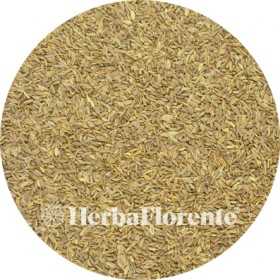
Dill - Anethum graveolens
Dill seed has a refreshing, spicy flavor reminiscent of anise and fennel, and it is more powerful in flavor than dill tops. Whole dill seeds retain their aroma and flavor longer than ground dill seeds. Our dried dill seed is completely natural and free of additives.
Dill is an indispensable seasoning in the kitchen and is often used for preserving vegetables, salmon, mayonnaise and potato salad. It is also delicious in bread, stews, salads, soups, on fish, peas, beans, carrots, pumpkin, beets and potatoes.
Dill is an indispensable seasoning in the kitchen and is often used for preserving vegetables, salmon, mayonnaise and potato salad. It is also delicious in bread, stews, salads, soups, on fish, peas, beans, carrots, pumpkin, beets and potatoes.
€2.50
From: €2.50
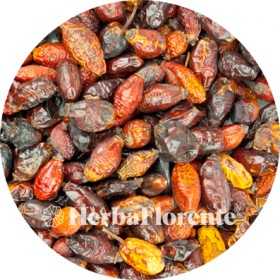
Dogrose - Rosa canina
The dog rose (Rosa canina) is a native rose species in the Benelux region and is native to Europe, Northwest Africa, and West Asia. It was later introduced to North America. The plant often grows along forest edges, hedgerows, and thickets.
It is a large, upright shrub that can reach a height of approximately 1 to 4 meters. The long, arching branches can partially arch. The glandless leaves and branches are green and sometimes have a reddish tinge.
Flowering occurs from June to July. The flowers are usually light pink, sometimes white, and are approximately 3.5 to 4.5 centimeters in diameter. They appear singly or in small clusters of one to ten flowers.
It is a large, upright shrub that can reach a height of approximately 1 to 4 meters. The long, arching branches can partially arch. The glandless leaves and branches are green and sometimes have a reddish tinge.
Flowering occurs from June to July. The flowers are usually light pink, sometimes white, and are approximately 3.5 to 4.5 centimeters in diameter. They appear singly or in small clusters of one to ten flowers.
€2.00
From: €2.00
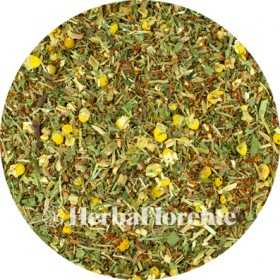
Early Morning Herbal Tea
Herbal tea composed of various herbs
Nice for early morning
Nice for early morning
€3.95
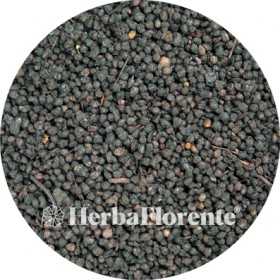
Elder - Sambuci nigri
The elderberry (Sambucus nigra L.) is a native tree or shrub that grows widely in the Netherlands. It grows in a variety of locations, such as along roads, in forest edges, and in gardens.
At the end of May, the elderberry blooms with large umbels of small, creamy-white flowers that exude a sweet, floral fragrance. These blossoms are traditionally used to make elderflower liqueur, syrup, and pancakes, among other things.
The flowers contain various natural plant compounds, including flavonoids such as rutin, quercetin, and astragalin. They also contain tannins, triterpenes, fatty acids, and essential oils.
At the end of May, the elderberry blooms with large umbels of small, creamy-white flowers that exude a sweet, floral fragrance. These blossoms are traditionally used to make elderflower liqueur, syrup, and pancakes, among other things.
The flowers contain various natural plant compounds, including flavonoids such as rutin, quercetin, and astragalin. They also contain tannins, triterpenes, fatty acids, and essential oils.
€3.00
From: €3.00
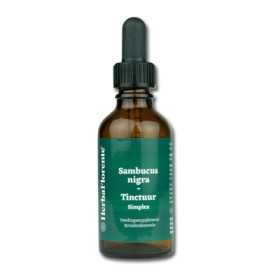
Elderberry Tincture - Sambucus nigra Tincture
Single herbal tincture made with dried blossom herb of Sambucus nigra (elderberry).
The elderberry (Sambucus nigra L.) is a native tree or shrub that grows widely in the Netherlands. It grows in a variety of locations, such as along roads, in forest edges, and in gardens.
At the end of May, the elderberry blooms with large umbels of small, creamy-white flowers that exude a sweet, floral fragrance. These blossoms are traditionally used to make elderflower liqueur, syrup, and pancakes, among other things.
The flowers contain various natural plant compounds, including flavonoids such as rutin, quercetin, and astragalin. They also contain tannins, triterpenes, fatty acids, and essential oils.
The elderberry (Sambucus nigra L.) is a native tree or shrub that grows widely in the Netherlands. It grows in a variety of locations, such as along roads, in forest edges, and in gardens.
At the end of May, the elderberry blooms with large umbels of small, creamy-white flowers that exude a sweet, floral fragrance. These blossoms are traditionally used to make elderflower liqueur, syrup, and pancakes, among other things.
The flowers contain various natural plant compounds, including flavonoids such as rutin, quercetin, and astragalin. They also contain tannins, triterpenes, fatty acids, and essential oils.
€10.95
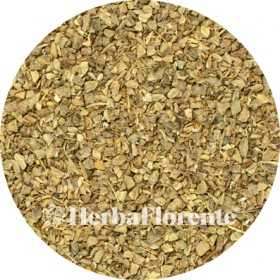
Elecampane - Inula helenium
The Elecampane (Inula helenium) is a perennial plant that belongs to the composite family (Compositae or Asteraceae). This plant is naturally found in Western and Central Asia and has been known for its culinary and medicinal uses since ancient times.
The ancient Greeks called the plant helenion, which means "the radiant, the splendid." This name is related to hèlios, which means "sun". There are several myths surrounding the naming. The Romans adopted the Greek name and called the plant inula. When Linnaeus introduced the scientific Latin name Inula helenium in 1753, he combined the Roman genus name with the Greek specific name.
The ancient Greeks called the plant helenion, which means "the radiant, the splendid." This name is related to hèlios, which means "sun". There are several myths surrounding the naming. The Romans adopted the Greek name and called the plant inula. When Linnaeus introduced the scientific Latin name Inula helenium in 1753, he combined the Roman genus name with the Greek specific name.
€2.20
From: €2.20
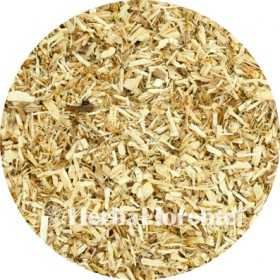
Elm - Ulmi camp. - Cut
The elm (Ulmus), also known as olm, is a genus of deciduous trees. These trees have feather-veined leaves with a serrate or double-serrate leaf edge. They bloom before the leaves appear, with small green perianths whose petals are fused together. Above the perianths are the stamens with purple anthers and the pistil. The seeds of the elm are flattened and have a broad, winged edge. Elms thrive best in fairly nutrient-rich, moist and calcareous soil.
€2.00
From: €2.00
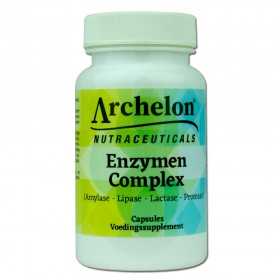
Enzymes - Complex
Our Enzyme Complex is a dietary supplement containing five plant-based enzymes: protease, amylase, lactase, lipase, and cellulase. The enzyme complex is derived from DigeZyme® and consists entirely of natural plant-based ingredients.
Enzymes occur naturally in the body and in foods. This supplement contains a combination of enzymes that are also found in food sources.
Enzymes occur naturally in the body and in foods. This supplement contains a combination of enzymes that are also found in food sources.
€32.95
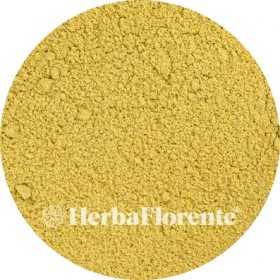
Fennel - Foeniculum vulgare - Grounded
Fennel (Foeniculum vulgare) is a plant that belongs to the Apiaceae family. The plant has a characteristic, anise-like flavor. Both the thread-like leaves and the seeds are used as herbs and spices in various cuisines.
Fennel originates from Asia and the Mediterranean and was introduced to Europe via medieval trade routes. Fennel is particularly widely cultivated in Southern Europe, where it is frequently used in salads and cooked dishes.
Fennel seed has a long history of traditional use. In the past, chewing fennel seeds was part of certain customs and rituals, including religious traditions.
Fennel originates from Asia and the Mediterranean and was introduced to Europe via medieval trade routes. Fennel is particularly widely cultivated in Southern Europe, where it is frequently used in salads and cooked dishes.
Fennel seed has a long history of traditional use. In the past, chewing fennel seeds was part of certain customs and rituals, including religious traditions.
€2.60
From: €2.60
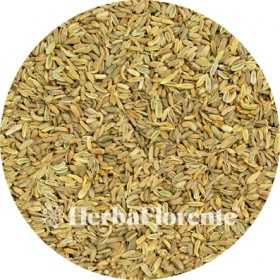
Fennel - Foeniculum vulgare - Whole
Fennel (Foeniculum vulgare) is a plant that belongs to the Apiaceae family. The plant has a characteristic, anise-like flavor. Both the thread-like leaves and the seeds are used as herbs and spices in various cuisines.
Fennel originates from Asia and the Mediterranean and was introduced to Europe via medieval trade routes. Fennel is particularly widely cultivated in Southern Europe, where it is frequently used in salads and cooked dishes.
Fennel seed has a long history of traditional use. In the past, chewing fennel seeds was part of certain customs and rituals, including religious traditions.
Fennel seeds are used in a variety of applications, such as spice blends, teas, and aromatic extracts. Fennel oil, which is used for its characteristic aroma, can also be extracted from the seeds.
Fennel originates from Asia and the Mediterranean and was introduced to Europe via medieval trade routes. Fennel is particularly widely cultivated in Southern Europe, where it is frequently used in salads and cooked dishes.
Fennel seed has a long history of traditional use. In the past, chewing fennel seeds was part of certain customs and rituals, including religious traditions.
Fennel seeds are used in a variety of applications, such as spice blends, teas, and aromatic extracts. Fennel oil, which is used for its characteristic aroma, can also be extracted from the seeds.
€2.00
From: €2.00
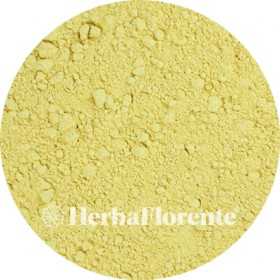
Fenugreek - Foenugraeci graecum
Fenugreek (Trigonella foenum-graecum), also known as fenugreek, fenugreek, or Greek hay, is a versatile plant native to the Mediterranean and later became popular in parts of Asia.
The aromatic seeds and leaves are widely used as a spice in Indian cuisine and can help soften bitter flavors in dishes or products. Fenugreek contains minerals such as iron and copper, and naturally occurring compounds like saponins and coumarins, the latter contributing to its characteristic hay-like aroma.
The aromatic seeds and leaves are widely used as a spice in Indian cuisine and can help soften bitter flavors in dishes or products. Fenugreek contains minerals such as iron and copper, and naturally occurring compounds like saponins and coumarins, the latter contributing to its characteristic hay-like aroma.
€2.00
From: €2.00
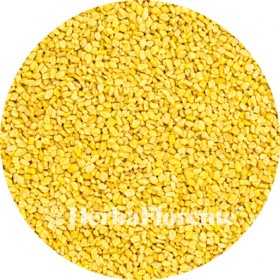
Fenugreek - Foenugraeci graecum - Whole
Fenugreek (Trigonella foenum-graecum), also known as fenugreek, fenugreek, or Greek hay, is a versatile plant native to the Mediterranean and later became popular in parts of Asia.
The aromatic seeds and leaves are widely used as a spice in Indian cuisine and can help soften bitter flavors in dishes or products. Fenugreek contains minerals such as iron and copper, and naturally occurring compounds like saponins and coumarins, the latter contributing to its characteristic hay-like aroma.
The aromatic seeds and leaves are widely used as a spice in Indian cuisine and can help soften bitter flavors in dishes or products. Fenugreek contains minerals such as iron and copper, and naturally occurring compounds like saponins and coumarins, the latter contributing to its characteristic hay-like aroma.
€1.95
From: €1.95
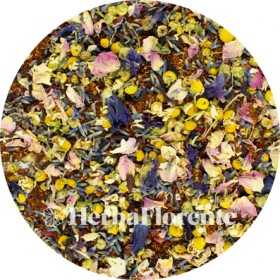
Flowers Herbal Tea
Herbal tea composed of various herbs
Nice for a floral moment
Nice for a floral moment
€3.95
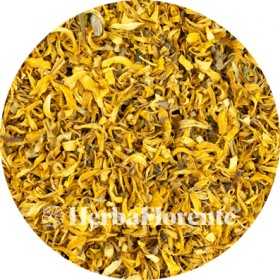
Flowers Sweet - Citrus aurantium dulce
Out-of-Stock
Orange blossom is a delicious addition to tea, which gives a subtle sweet taste.
Orange blossom, from Citrus aurantium dulce, adds a delicious sweet touch to your favorite tea. It is the ideal way to enrich your tea experience.
Orange blossom, from Citrus aurantium dulce, adds a delicious sweet touch to your favorite tea. It is the ideal way to enrich your tea experience.
€20.00
From: €20.00
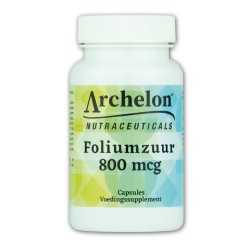
Folic Acid - 800 mcg
Folic acid, also known as vitamin B9 or B11, is a water-soluble vitamin found naturally in green leafy vegetables, legumes, nuts, and whole grains. It plays a role in the formation of cells and tissues and is involved in processes such as cell division and blood formation.
Folic acid is especially important for women who are trying to conceive or are pregnant, as timely intake can contribute to the normal development of the unborn child. It is recommended to start taking folic acid several weeks before conception and continue this throughout the first few weeks of pregnancy.
Folic acid is especially important for women who are trying to conceive or are pregnant, as timely intake can contribute to the normal development of the unborn child. It is recommended to start taking folic acid several weeks before conception and continue this throughout the first few weeks of pregnancy.
€14.95
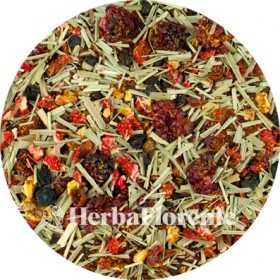
Fruits Herbal Tea
Herbal tea composed of various herbs
Delicious for every moment
Delicious for every moment
€3.95
Garlic (Fine) - Allium sativi
Garlic (Allium sativum) belongs to the Alliaceae family and is one of the oldest cultivated plants in the world. The plant develops a leafy, round flower shaft from the bulb in spring. Garlic is prized worldwide for both its characteristic flavor and distinct aroma.
The use of garlic has a long history in various cultures. Since ancient times, the plant has been part of traditional cuisines and herbal lore. Its intense aroma makes garlic a common ingredient in a wide variety of dishes.
The use of garlic has a long history in various cultures. Since ancient times, the plant has been part of traditional cuisines and herbal lore. Its intense aroma makes garlic a common ingredient in a wide variety of dishes.
€2.00
From: €2.00
Garlic - Allium sativi
Garlic (Allium sativum) belongs to the Alliaceae family and is one of the oldest cultivated plants in the world. The plant develops a leafy, round flower shaft from the bulb in spring. Garlic is prized worldwide for both its characteristic flavor and distinct aroma.
The use of garlic has a long history in various cultures. Since ancient times, the plant has been part of traditional cuisines and herbal lore. Its intense aroma makes garlic a common ingredient in a wide variety of dishes.
The use of garlic has a long history in various cultures. Since ancient times, the plant has been part of traditional cuisines and herbal lore. Its intense aroma makes garlic a common ingredient in a wide variety of dishes.
€2.00
From: €2.00
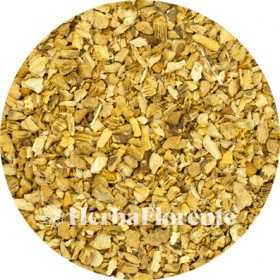
Gentian (Yellow) - Gentiana lutea
The great yellow gentian, also known as Gentiana lutea, is a perennial plant in the gentian family (Gentianaceae). It grows naturally in European mountains, primarily at altitudes up to 2200 meters.
The plant can reach a height of 0.5–1.5 meters. Its opposite leaves have five to seven arching veins. The large yellow flowers appear in clusters of three to ten in the axils of the upper leaves, but the plant only blooms after seven to ten years and can then live for 40 to 60 years.
The rhizome of the great yellow gentian can grow up to 1 meter long and is fleshy and thickened to 5 cm. The root contains sugars such as gentiobiose and natural bitter substances, as well as phytosterols, phenolic acids, oligosaccharides, and pectins.
The plant can reach a height of 0.5–1.5 meters. Its opposite leaves have five to seven arching veins. The large yellow flowers appear in clusters of three to ten in the axils of the upper leaves, but the plant only blooms after seven to ten years and can then live for 40 to 60 years.
The rhizome of the great yellow gentian can grow up to 1 meter long and is fleshy and thickened to 5 cm. The root contains sugars such as gentiobiose and natural bitter substances, as well as phytosterols, phenolic acids, oligosaccharides, and pectins.
€4.80
From: €4.80
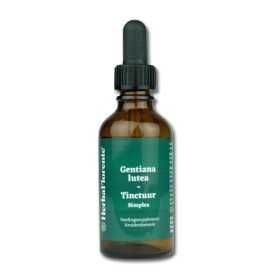
Gentian Large Yellow Tincture - Gentiana lutea Tincture
Single herbal tincture made with dried root of Gentiana lutea (Gentian Large Yellow).
The great yellow gentian, also known as Gentiana lutea, is a perennial plant in the gentian family (Gentianaceae). It grows naturally in European mountains, primarily at altitudes up to 2200 meters.
The plant can reach a height of 0.5–1.5 meters. Its opposite leaves have five to seven arching veins. The large yellow flowers appear in clusters of three to ten in the axils of the upper leaves, but the plant only blooms after seven to ten years and can then live for 40 to 60 years.
The great yellow gentian, also known as Gentiana lutea, is a perennial plant in the gentian family (Gentianaceae). It grows naturally in European mountains, primarily at altitudes up to 2200 meters.
The plant can reach a height of 0.5–1.5 meters. Its opposite leaves have five to seven arching veins. The large yellow flowers appear in clusters of three to ten in the axils of the upper leaves, but the plant only blooms after seven to ten years and can then live for 40 to 60 years.
€11.95
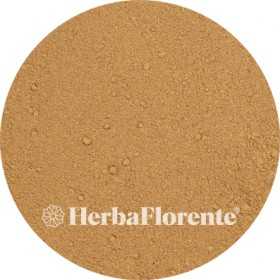
Geranium - Pelargonium sidoides
The Cape geranium (Pelargonium sidoides), known locally as "umckaloabo," is a native geranium species from South Africa. It grows wild among tall grasses and aromatic flower beds on the slopes of the Cape coast and in the grasslands of Lesotho.
The Cape geranium has soft, velvety gray-green leaves and deep magenta flowers. The plant's rhizomes turn dark red when dried and ground.
The Cape geranium has soft, velvety gray-green leaves and deep magenta flowers. The plant's rhizomes turn dark red when dried and ground.
€5.00
From: €5.00
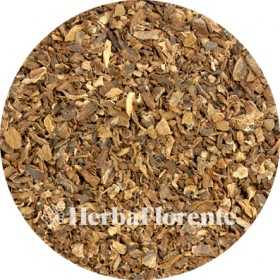
Geranium - Pelargonium sidoides - Cut
The Cape geranium (Pelargonium sidoides), known locally as "umckaloabo," is a native geranium species from South Africa. It grows wild among tall grasses and aromatic flower beds on the slopes of the Cape coast and in the grasslands of Lesotho.
The Cape geranium has soft, velvety gray-green leaves and deep magenta flowers. The plant's rhizomes turn dark red when dried and ground.
Pelargonium sidoides belongs to the Geraniaceae family. Originally, the Pelargoniums brought to Europe closely resembled common garden geraniums, but botanically, there appears to be a clear difference between this South African species and the geraniums grown in gardens. In the wild, the plant occurs only in a few small areas of South Africa, but today it is also cultivated on plantations.
The Cape geranium has soft, velvety gray-green leaves and deep magenta flowers. The plant's rhizomes turn dark red when dried and ground.
Pelargonium sidoides belongs to the Geraniaceae family. Originally, the Pelargoniums brought to Europe closely resembled common garden geraniums, but botanically, there appears to be a clear difference between this South African species and the geraniums grown in gardens. In the wild, the plant occurs only in a few small areas of South Africa, but today it is also cultivated on plantations.
€4.40
From: €4.40