



Trending

€57.50

€62.50


€35.95
€62.50
€62.50

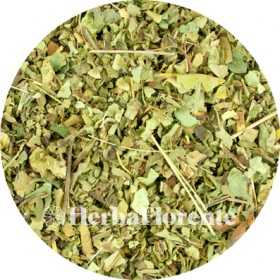
Lungwort - Pulmonaria officinalis
€5.91 €6.95 -15%

Echinacea (Red Coneflower) - 350 mg
€15.96 €19.95 -20%
F, G, H, I, J
There are 7 products.
Barley grass - Hordeum vulgare
Barley grass is obtained by allowing barley to fully germinate and cutting off the green shoots when they are 20–30 cm tall. The grass is often dried and processed into powder.
Barley grass contains natural nutrients such as bioflavonoids, beta-carotene, a range of vitamins (A, B1, B2, B3, B6, B12, C, E, and K), and minerals such as calcium, phosphorus, potassium, iron, and zinc. It is also rich in chlorophyll and contains all the essential amino acids.
Barley grass contains natural nutrients such as bioflavonoids, beta-carotene, a range of vitamins (A, B1, B2, B3, B6, B12, C, E, and K), and minerals such as calcium, phosphorus, potassium, iron, and zinc. It is also rich in chlorophyll and contains all the essential amino acids.
€3.30
From: €3.30
Fennel - Foeniculum vulgare - Grounded
Fennel (Foeniculum vulgare) is a plant that belongs to the Apiaceae family. The plant has a characteristic, anise-like flavor. Both the thread-like leaves and the seeds are used as herbs and spices in various cuisines.
Fennel originates from Asia and the Mediterranean and was introduced to Europe via medieval trade routes. Fennel is particularly widely cultivated in Southern Europe, where it is frequently used in salads and cooked dishes.
Fennel seed has a long history of traditional use. In the past, chewing fennel seeds was part of certain customs and rituals, including religious traditions.
Fennel originates from Asia and the Mediterranean and was introduced to Europe via medieval trade routes. Fennel is particularly widely cultivated in Southern Europe, where it is frequently used in salads and cooked dishes.
Fennel seed has a long history of traditional use. In the past, chewing fennel seeds was part of certain customs and rituals, including religious traditions.
€2.60
From: €2.60
Fenugreek - Foenugraeci graecum
Fenugreek (Trigonella foenum-graecum), also known as fenugreek, fenugreek, or Greek hay, is a versatile plant native to the Mediterranean and later became popular in parts of Asia.
The aromatic seeds and leaves are widely used as a spice in Indian cuisine and can help soften bitter flavors in dishes or products. Fenugreek contains minerals such as iron and copper, and naturally occurring compounds like saponins and coumarins, the latter contributing to its characteristic hay-like aroma.
The aromatic seeds and leaves are widely used as a spice in Indian cuisine and can help soften bitter flavors in dishes or products. Fenugreek contains minerals such as iron and copper, and naturally occurring compounds like saponins and coumarins, the latter contributing to its characteristic hay-like aroma.
€2.00
From: €2.00
Ginkgo (Maidenhair tree) - Ginkgo bilobae
The Ginkgo biloba (Maidenhair tree), also known as the Japanese temple tree, is a unique deciduous tree with a very long history. The species has been mentioned for centuries in botanical and cultural sources from East Asia and is native to China.
Ginkgo biloba is unique within the plant kingdom and is considered a species with no direct relatives. For this reason, Charles Darwin called the ginkgo a "living fossil." The tree has existed for approximately 250 million years and has survived several mass extinctions. Today, it is planted worldwide as an ornamental and avenue tree.
Ginkgo biloba is unique within the plant kingdom and is considered a species with no direct relatives. For this reason, Charles Darwin called the ginkgo a "living fossil." The tree has existed for approximately 250 million years and has survived several mass extinctions. Today, it is planted worldwide as an ornamental and avenue tree.
€3.20
From: €3.20
Ginseng (Panax) - Panax ginseng
Panax ginseng is a plant with a slow-growing, sturdy root and belongs to the Araliaceae family. It is one of the most well-known plants in traditional Chinese medicine and has been used in Asia for thousands of years.
The name "Panax" comes from the Greek word for "all-healer," referring to the plant's historical reputation in traditional medicine. Panax ginseng contains unique compounds called ginsenosides, which are found only in this plant.
Other plants with "ginseng" in their names, such as Siberian ginseng (Eleutherococcus senticosus) or Indian ginseng/Ashwagandha (Withania somnifera), belong to different plant families and do not contain these specific ginsenosides.
The name "Panax" comes from the Greek word for "all-healer," referring to the plant's historical reputation in traditional medicine. Panax ginseng contains unique compounds called ginsenosides, which are found only in this plant.
Other plants with "ginseng" in their names, such as Siberian ginseng (Eleutherococcus senticosus) or Indian ginseng/Ashwagandha (Withania somnifera), belong to different plant families and do not contain these specific ginsenosides.
€16.00
From: €16.00

Juniper Berries - Juniper communis
The juniper (Juniperus communis) is a conifer native to Europe, Asia, and North America. The plant bears both flowers and berries, which vary in color from green to black as they ripen. The name Juniperus derives from the Celtic word juneprus, meaning rough, prickly, or bitter, while communis means "common."
The black berries of the juniper have a characteristically bitter and aromatic flavor. It takes about three years for the berries to fully ripen: in the first year, the flowers appear, in the second year they turn green, and in the third year they turn blue and then black or dark purple.
The black berries of the juniper have a characteristically bitter and aromatic flavor. It takes about three years for the berries to fully ripen: in the first year, the flowers appear, in the second year they turn green, and in the third year they turn blue and then black or dark purple.
€2.80
From: €2.80
Licorice - Glycyrrhiza glabra, Liquiritiae
Licorice (Glycyrrhiza glabra) is a versatile herb that has been used for centuries in various traditions, including Ayurvedic culture. The plant is cultivated in various parts of the world, such as Europe, Asia, and the Middle East, and can also grow in the Netherlands. The roots take three to four years to mature before they can be harvested.
Besides the roots, licorice leaves are also used, for example, in making tea. Licorice is known for its characteristic sweet flavor, which is due in part to the natural substance glycyrrhizin. It is widely used in foods and herbal preparations.
Besides the roots, licorice leaves are also used, for example, in making tea. Licorice is known for its characteristic sweet flavor, which is due in part to the natural substance glycyrrhizin. It is widely used in foods and herbal preparations.
€2.40
From: €2.40