



Trending
€57.50

€62.50


€35.95
€62.50
€62.50

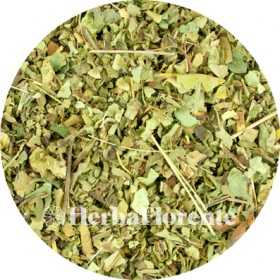
Lungwort - Pulmonaria officinalis
€5.91 €6.95 -15%

Echinacea (Red Coneflower) - 350 mg
€15.96 €19.95 -20%
Home
There are 406 products.
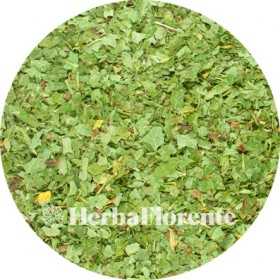
Blackcurrant - Ribes nigrum
The blackcurrant (Ribes nigrum L.) is a plant native to Northern Asia, Northern Europe, and Central Europe. The name "nigrum" refers to the dark color of the berries, while "ribes" refers to the berries themselves.
The blackcurrant thrives in moist, nutrient-rich soil and is resistant to cold and humidity. It is common in the Netherlands and Belgium.
Various parts of the plant are traditionally used, including the berries, seeds, and leaves. The berries contain vitamins and minerals, while the leaves are rich in natural plant compounds such as bioflavonoids, anthocyanins, and tannins. The use of blackcurrant leaf (Folium Ribis nigri) has a long history in culinary and traditional applications.
The blackcurrant thrives in moist, nutrient-rich soil and is resistant to cold and humidity. It is common in the Netherlands and Belgium.
Various parts of the plant are traditionally used, including the berries, seeds, and leaves. The berries contain vitamins and minerals, while the leaves are rich in natural plant compounds such as bioflavonoids, anthocyanins, and tannins. The use of blackcurrant leaf (Folium Ribis nigri) has a long history in culinary and traditional applications.
€2.95
From: €2.95
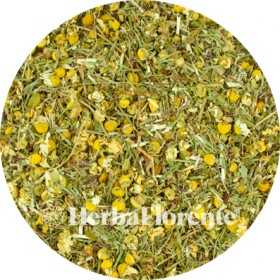
Bladder Herbal Tea
Herbal tea composed of various herbs
€3.95
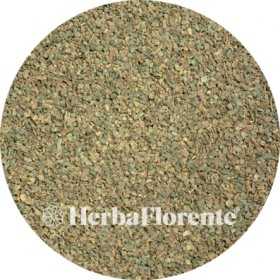
Bladderwrack Fine - Fucus vesiculosus
Bladderwrack (Fucus vesiculosus) is a species of brown algae in the genus Fucus. It is found along the northern coasts of the Atlantic and Pacific Oceans and in the North Sea and Baltic Sea, often in kelp forests. The plant is notable for the air bladders that some varieties possess, which serve as flotation devices; however, there are also varieties without these bladders.
Bladderwrack belongs to the brown algae and naturally contains various polyphenols, including phlorotannins. The plant also contains minerals such as iodine, potassium, magnesium, calcium, and iron. Because of this natural composition, bladderwrack has been included in botanical and historical descriptions of seaweeds.
Bladderwrack belongs to the brown algae and naturally contains various polyphenols, including phlorotannins. The plant also contains minerals such as iodine, potassium, magnesium, calcium, and iron. Because of this natural composition, bladderwrack has been included in botanical and historical descriptions of seaweeds.
€2.50
From: €2.50
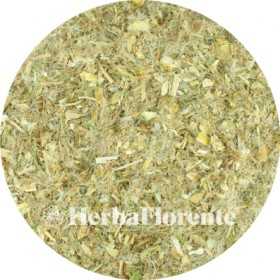
Blessed Thistle - Centaurea benedicta
Centaurea benedicta, commonly known as St. Benedict's Thistle, blessed thistle, holy thistle, spotted thistle or dissolved knapweed, is a thistle-like plant belonging to the family Asteraceae. Originally native to the Mediterranean region, it ranges from Portugal and southern France to Iran. Outside its native habitat it is often found as a systematic species and in some regions such as North America it is observed as a conventional weed.
This annual plant grows up to 60 cm tall and has leathery, hairy leaves that can reach 30 cm long and 8 cm wide.
This annual plant grows up to 60 cm tall and has leathery, hairy leaves that can reach 30 cm long and 8 cm wide.
€2.25
From: €2.25
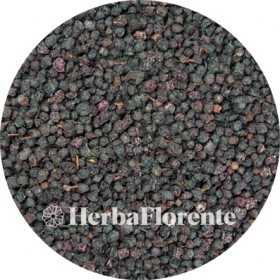
Blue Berrie - Vaccinium mytrillus, Frucus myrtilli
Out-of-Stock
The bilberry (Vaccinium myrtillus) is a small, dark blue berry native to wooded areas of Europe and Northern Asia. The plant belongs to the heather family (Ericaceae) and is known for its characteristic flavor and wide range of uses in food.
Bilberries have long been valued in culinary traditions and are used in products such as jams, juices, desserts, and baked goods. Their deep color and natural composition make them a familiar ingredient in both traditional and modern cuisines.
The berries naturally contain various plant compounds, including flavonoids and anthocyanins, as well as fiber and other nutritional components. This composition is often mentioned in botanical and nutritional descriptions of the plant.
Bilberries have long been valued in culinary traditions and are used in products such as jams, juices, desserts, and baked goods. Their deep color and natural composition make them a familiar ingredient in both traditional and modern cuisines.
The berries naturally contain various plant compounds, including flavonoids and anthocyanins, as well as fiber and other nutritional components. This composition is often mentioned in botanical and nutritional descriptions of the plant.
€8.20
From: €8.20

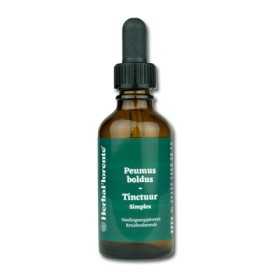
Boldo Tincture - Peumus boldus Tincture
Single herbal tincture made with dried leaf of Peumus boldus (Boldo).
Boldo (Peumus boldus) is an evergreen tree native to South America and other warmer regions, including Chile, Peru, Brazil, Ecuador, Argentina, and North Africa. It prefers sunny, dry locations and can reach a height of 8 meters and a width of 5 meters. Female trees produce drupes that were traditionally used as a spice.
Boldo leaves naturally contain various plant compounds, such as alkaloids, essential oils, flavonoids, and tannins. In Chile, the leaves have been mentioned in traditional customs for centuries and described in historical texts. Today, boldo is valued worldwide for its distinctive leaves, botanical characteristics, and cultural significance.
Boldo (Peumus boldus) is an evergreen tree native to South America and other warmer regions, including Chile, Peru, Brazil, Ecuador, Argentina, and North Africa. It prefers sunny, dry locations and can reach a height of 8 meters and a width of 5 meters. Female trees produce drupes that were traditionally used as a spice.
Boldo leaves naturally contain various plant compounds, such as alkaloids, essential oils, flavonoids, and tannins. In Chile, the leaves have been mentioned in traditional customs for centuries and described in historical texts. Today, boldo is valued worldwide for its distinctive leaves, botanical characteristics, and cultural significance.
€10.95
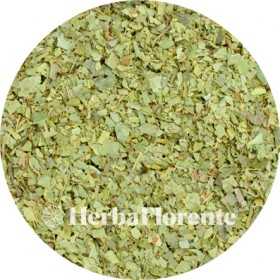
Boldoblad - Peumus boldus
Boldo (Peumus boldus) is an evergreen tree native to South America and other warmer regions, including Chile, Peru, Brazil, Ecuador, Argentina, and North Africa. It prefers sunny, dry locations and can reach a height of 8 meters and a width of 5 meters. Female trees produce drupes that were traditionally used as a spice.
Boldo leaves naturally contain various plant compounds, such as alkaloids, essential oils, flavonoids, and tannins. In Chile, the leaves have been mentioned in traditional customs for centuries and described in historical texts. Today, boldo is valued worldwide for its distinctive leaves, botanical characteristics, and cultural significance.
Boldo leaves naturally contain various plant compounds, such as alkaloids, essential oils, flavonoids, and tannins. In Chile, the leaves have been mentioned in traditional customs for centuries and described in historical texts. Today, boldo is valued worldwide for its distinctive leaves, botanical characteristics, and cultural significance.
€2.60
From: €2.60
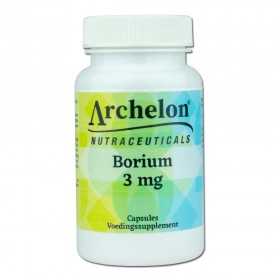
Boron - 3 mg
Boron is a trace element found naturally in various foods such as fruits, vegetables, nuts, and legumes. Trace element intake can vary in a daily diet, especially with a diet consisting largely of processed foods. A boron supplement is a practical addition to a varied and balanced diet and is often combined with minerals such as calcium and magnesium.
€15.95

Brain Complex - Ultra Neuro-Nootropic Formula
Brain Complex is a carefully formulated powder mix of herbs, vitamins, minerals, and enzymes. This formula was developed to complement a varied diet and a conscious lifestyle.
The ingredients have been selected with an eye for balance and coherence, resulting in a complete and user-friendly formula. Brain Complex is suitable for daily use and fits into a variety of routines, such as study, work, or an active lifestyle.
The ingredients have been selected with an eye for balance and coherence, resulting in a complete and user-friendly formula. Brain Complex is suitable for daily use and fits into a variety of routines, such as study, work, or an active lifestyle.
€149.95

Brain Health Capsules
Brain Health Capsules are a carefully formulated combination of herbs, vitamins, minerals, and enzymes. These capsules are designed to complement a varied diet and a healthy lifestyle.
The ingredients are selected with an eye for balance and coherence, making Brain Health Capsules easy to take and flexible to fit into your daily routine. These capsules are suitable for people who value a comprehensive, plant-based formula without unnecessary additives.
The ingredients are selected with an eye for balance and coherence, making Brain Health Capsules easy to take and flexible to fit into your daily routine. These capsules are suitable for people who value a comprehensive, plant-based formula without unnecessary additives.
€54.95

Bromelaïne - 500 mg
Bromelain is a natural enzyme complex derived from the stem of the pineapple plant (Ananas comosus). It consists of several enzymes involved in protein breakdown. Because of these enzymatic properties, bromelain is often used in dietary supplements as part of a varied and balanced diet.
Our bromelain capsules have a concentration of 1200 GDU (Gelatin Digesting Unit) per gram. GDU indicates the activity of the enzyme.
Our bromelain capsules have a concentration of 1200 GDU (Gelatin Digesting Unit) per gram. GDU indicates the activity of the enzyme.
€29.95
Calcium Bisglycinate - 480 mg
Calcium is an essential mineral found in the body and involved in various normal bodily processes. Calcium bisglycinate is a mineral-amino acid chelate in which calcium is bound to two glycine molecules. This form is known for its good bioavailability and is efficiently absorbed in the digestive system. Calcium bisglycinate is often chosen as part of a balanced diet and a healthy lifestyle.
€23.95
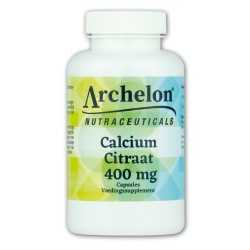
Calcium Citrate - 400 mg
Calcium is a mineral available in various forms, including calcium citrate and calcium bisglycinate. Calcium bisglycinate is a chelated form of calcium, bound to two glycine molecules, and is known for its good bioavailability. This form is widely used in dietary supplements and can be included as part of a varied and balanced diet.
€17.95
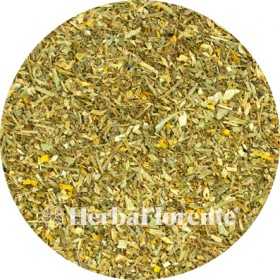
California Poppy - Eschscholzia californica
California poppy, also known as golden poppy (Eschscholtzia californica), is a plant with golden-yellow flowers belonging to the poppy family. The plant is native to California, which explains its name.
The aerial parts of the golden poppy contain various natural compounds, including quinolide alkaloids, rutin, phytosterols, carotenoids, and cyanogen glycosides. Indigenous peoples in North America used the plant for their traditional purposes.
Today, California poppy is used in herbal teas and other herbal preparations and is valued for its botanical characteristics and aromatic properties.
The aerial parts of the golden poppy contain various natural compounds, including quinolide alkaloids, rutin, phytosterols, carotenoids, and cyanogen glycosides. Indigenous peoples in North America used the plant for their traditional purposes.
Today, California poppy is used in herbal teas and other herbal preparations and is valued for its botanical characteristics and aromatic properties.
€2.40
From: €2.40
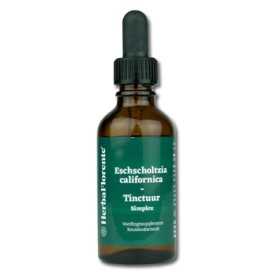
California Poppy Tincture - Eschscholtzia californica Tincture
Single herbal tincture made with dried herb of Eschscholtzia californica (California Poppy).
California poppy, also known as golden poppy (Eschscholtzia californica), is a plant with golden-yellow flowers belonging to the poppy family. The plant is native to California, which explains its name.
The aerial parts of the golden poppy contain various natural compounds, including quinolide alkaloids, rutin, phytosterols, carotenoids, and cyanogen glycosides. Indigenous peoples in North America used the plant for their traditional purposes.
Today, California poppy is used in herbal teas and other herbal preparations and is valued for its botanical characteristics and aromatic properties.
California poppy, also known as golden poppy (Eschscholtzia californica), is a plant with golden-yellow flowers belonging to the poppy family. The plant is native to California, which explains its name.
The aerial parts of the golden poppy contain various natural compounds, including quinolide alkaloids, rutin, phytosterols, carotenoids, and cyanogen glycosides. Indigenous peoples in North America used the plant for their traditional purposes.
Today, California poppy is used in herbal teas and other herbal preparations and is valued for its botanical characteristics and aromatic properties.
€10.95
Cat's Claw - Uncaria tomentosa
Cat's claw (Uncaria tomentosa), also known as cat's claw, is a climbing plant native to the Amazon region of Brazil and Peru, among other places. The plant grows in rainforests and can cling to trees with its characteristic, claw-shaped thorns. These thorns, located at the base of the leaves, give the plant its name and enable it to climb to great heights.
In the Peruvian Amazon, cat's claw has special cultural significance and is considered part of traditional plant knowledge. Due to its origins and ecological importance, the species is a protected plant in certain regions.
In the Peruvian Amazon, cat's claw has special cultural significance and is considered part of traditional plant knowledge. Due to its origins and ecological importance, the species is a protected plant in certain regions.
€2.60
From: €2.60
Cat's Claw - Uncaria tomentosa - Cut
Cat's claw (Uncaria tomentosa), also known as cat's claw, is a climbing plant native to the Amazon region of Brazil and Peru, among other places. The plant grows in rainforests and can cling to trees with its characteristic, claw-shaped thorns. These thorns, located at the base of the leaves, give the plant its name and enable it to climb to great heights.
In the Peruvian Amazon, cat's claw has special cultural significance and is considered part of traditional plant knowledge. Due to its origins and ecological importance, the species is a protected plant in certain regions.
In the Peruvian Amazon, cat's claw has special cultural significance and is considered part of traditional plant knowledge. Due to its origins and ecological importance, the species is a protected plant in certain regions.
€2.40
From: €2.40
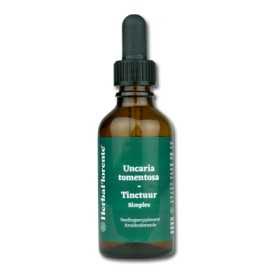
Cat's Claw Tincture - Uncaria tomentosa Tincture
Single herbal tincture made with dried bark of Uncaria tomentosa (Cat's Claw).
Cat's claw (Uncaria tomentosa), also known as cat's claw, is a climbing plant native to the Amazon region of Brazil and Peru, among other places. The plant grows in rainforests and can cling to trees with its characteristic, claw-shaped thorns. These thorns, located at the base of the leaves, give the plant its name and enable it to climb to great heights.
In the Peruvian Amazon, cat's claw has special cultural significance and is considered part of traditional plant knowledge. Due to its origins and ecological importance, the species is a protected plant in certain regions.
Cat's claw (Uncaria tomentosa), also known as cat's claw, is a climbing plant native to the Amazon region of Brazil and Peru, among other places. The plant grows in rainforests and can cling to trees with its characteristic, claw-shaped thorns. These thorns, located at the base of the leaves, give the plant its name and enable it to climb to great heights.
In the Peruvian Amazon, cat's claw has special cultural significance and is considered part of traditional plant knowledge. Due to its origins and ecological importance, the species is a protected plant in certain regions.
€9.95
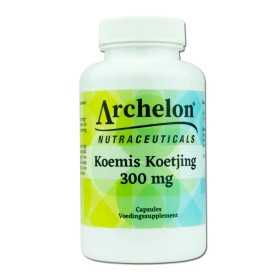
Cat's whiskers - Koemis Koetjing - 300 mg
Cat's whiskers (Orthosiphon aristatus), also known as Kumis Kutjing or koemis koetjing, is a plant traditionally used in various herbal cultures in Southeast Asia. The plant belongs to the Lamiaceae family and grows naturally in tropical and subtropical regions, particularly in countries such as Malaysia and Indonesia (Java). Orthosiphon aristatus is particularly prevalent in moist habitats such as riverbanks, wetlands, and swampy areas.
The Dutch name "kattensnor" (cat's whiskers) refers to the striking appearance of the flowers. These are white to light purple in color and have long, thread-like stamens that can resemble a cat's whiskers.
The Dutch name "kattensnor" (cat's whiskers) refers to the striking appearance of the flowers. These are white to light purple in color and have long, thread-like stamens that can resemble a cat's whiskers.
€19.95
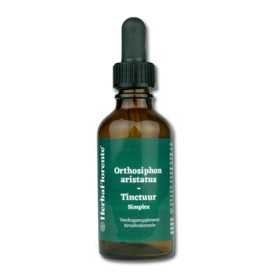
Cat's whiskers Tincture - Orthosiphon aristatus Tincture
Single herbal tincture made with dried herb of Orthosiphon aristatus (Cat's whiskers).
Cat's whiskers, also known as Kumis Kutjing, is a plant traditionally used in various Asian herbal traditions. The species belongs to the Lamiaceae family and is native to tropical and subtropical regions, particularly Southeast Asia, including Malaysia and Java.
The plant prefers moist habitats, such as wetlands, riverbanks, and swampy areas. Cat's whiskers is most recognizable by its white to pale lilac flowers with strikingly long, thread-like stamens that can grow up to approximately three centimeters long. These characteristics have led to the Dutch name "kattensnor" (cat's whiskers).
Cat's whiskers, also known as Kumis Kutjing, is a plant traditionally used in various Asian herbal traditions. The species belongs to the Lamiaceae family and is native to tropical and subtropical regions, particularly Southeast Asia, including Malaysia and Java.
The plant prefers moist habitats, such as wetlands, riverbanks, and swampy areas. Cat's whiskers is most recognizable by its white to pale lilac flowers with strikingly long, thread-like stamens that can grow up to approximately three centimeters long. These characteristics have led to the Dutch name "kattensnor" (cat's whiskers).
€10.95
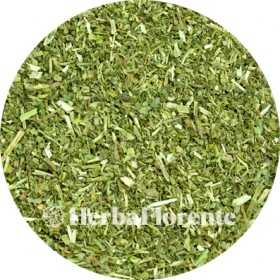
Catnip - Nepetae catariae
Wild catnip (Nepeta cataria) belongs to a genus of 250 species in the family Lamiaceae. The genus is closely related to Glechoma, Stachys and Prunella. This genus originally occurs in Europe and Asia. The stems grow in nodes and often form dense carpets on the ground. The leaves are coarsely toothed and feel soft because of the hairs. The erect stems bear small, tubular flowers in pairs that are located in the axils of the leaves.
€2.20
From: €2.20
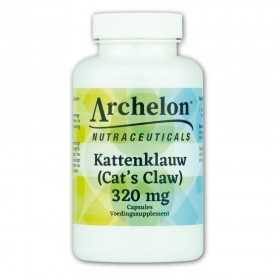
Cat’s Claw - 320 mg
Cat's claw (Uncaria tomentosa) is a woody vine native to the Amazon region of Peru, Brazil, and other parts of the world. The plant grows in tropical rainforests and can cling to trees with small, hooked thorns. These thorns, which resemble cat claws, give the plant its name. Cat's claw can reach great heights and is part of the rainforest's rich biodiversity.
Among indigenous cultures in the Amazon region, the bark and root of Uncaria tomentosa have been used for centuries in traditional herbal preparations. The plant is considered culturally valuable there and is protected in some regions.
Among indigenous cultures in the Amazon region, the bark and root of Uncaria tomentosa have been used for centuries in traditional herbal preparations. The plant is considered culturally valuable there and is protected in some regions.
€19.95
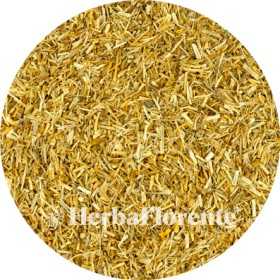
Centaury - Centaurium erythraea
Centaury is the Dutch name for various herbaceous plants from the genus Centaurium (synonym: Erythraea), belonging to the gentian family (Gentianaceae). The genus contains approximately fifty species. The botanical name is often associated with the centaur Chiron from Greek mythology, who was known for his knowledge of plants. Another explanation refers to the Latin centum (hundred) and aurum (gold), possibly indicating the historical value attributed to the herb.
Centaury is native to large parts of Europe and the Mediterranean region. The plants prefer sunny and slightly moist locations, such as dunes, grasslands, forest edges, and meadows.
Centaury is native to large parts of Europe and the Mediterranean region. The plants prefer sunny and slightly moist locations, such as dunes, grasslands, forest edges, and meadows.
€2.50
From: €2.50