


Trending
€57.50
€62.50
€35.95
€62.50
€62.50
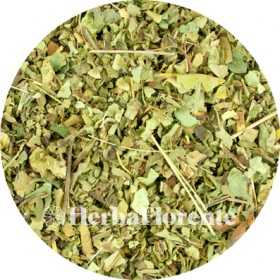
Lungwort - Pulmonaria officinalis
€5.91 €6.95 -15%
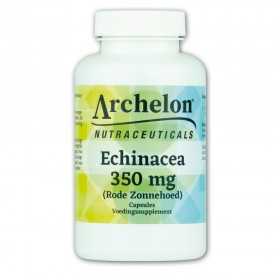
Echinacea (Red Coneflower) - 350 mg
€15.96 €19.95 -20%
Immune system
There are 212 products.
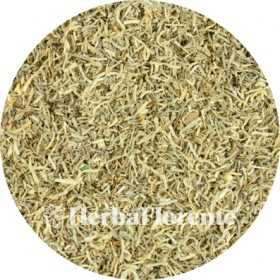
Old Men's Beard - Usnea barbata
Usnea barbata, sometimes also called 'old man's beard', is a genus of lichens belonging to the ascomycetes. They are found in moist forests around the world, where they usually hang from tree branches. In rare cases they are also found on the bottom or on rocks. The genus belongs to the family of Parmeliaceae. Beard mosses are characterized by a shrub-like structure and a central axis from which branches arise. In areas free of air pollution they can grow 10 to 20 cm tall.
€5.50
From: €5.50
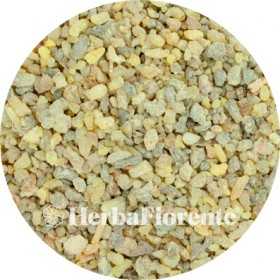
Olibanum Idian - Boswelia serrata
Iceland moss (Cetraria islandica), also known by the basic name Lichen islandicus, is a shrubby lichen belonging to the Parmeliaceae family (shell mosses). The species is native to cold and mountainous regions and is extremely rare in the Netherlands. For this reason, Iceland moss is listed on the Dutch Red List as critically endangered.
Iceland moss has a long cultural and historical background. Botanical and historical sources from the 17th century describe the lichen as part of the botanical knowledge of the time. During that period, the lichen was collected whole and used in traditional practices. These uses are part of historical and folklore.
Iceland moss has a long cultural and historical background. Botanical and historical sources from the 17th century describe the lichen as part of the botanical knowledge of the time. During that period, the lichen was collected whole and used in traditional practices. These uses are part of historical and folklore.
€2.80
From: €2.80
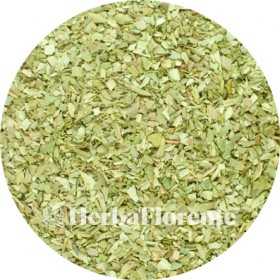
Olive - Olea europaea
Out-of-Stock
Olive leaves come from the wild olive tree (Olea europaea) and naturally contain antioxidants. These trees are native to Western Asia, Egypt, and Syria, and are now also found in the Mediterranean, South America, the southern United States, southern Australia, and the tropics.
Olive leaves have been used for centuries in the Mediterranean region, for example, as a tea. They contain various plant compounds, including oleuropein, secoiridoids, and flavonoids. Olive leaves have a rich history in traditional cuisine and folk herbalism and are often associated with the olive tree, also known as the "tree of life."
Olive leaves have been used for centuries in the Mediterranean region, for example, as a tea. They contain various plant compounds, including oleuropein, secoiridoids, and flavonoids. Olive leaves have a rich history in traditional cuisine and folk herbalism and are often associated with the olive tree, also known as the "tree of life."
€2.25
From: €2.25
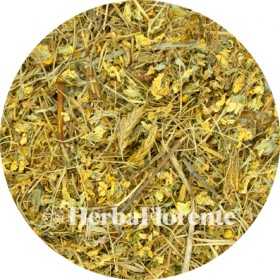
Pansy, Herb trinit (Flower) - Viola tricolor
Out-of-Stock
The pansy (Viola tricolor), also known as the wild violet, is an ornamental plant that has been part of European botanical knowledge for centuries. The tricolor violet belongs to the pansy family (Violaceae) and is native to Europe, from Lapland to the Mediterranean, and even to Siberia.
This plant, which is annual but can sometimes be perennial, grows to a height of 30 cm and has roots that can reach depths of up to 45 cm. Its flowering period extends from May to October. The flowers are at least 1 cm wide, but usually larger, with an average diameter of 1.5 cm. The plant was first described by the renowned botanist Rembert Dodoens in 1554.
This plant, which is annual but can sometimes be perennial, grows to a height of 30 cm and has roots that can reach depths of up to 45 cm. Its flowering period extends from May to October. The flowers are at least 1 cm wide, but usually larger, with an average diameter of 1.5 cm. The plant was first described by the renowned botanist Rembert Dodoens in 1554.
€7.00
From: €7.00
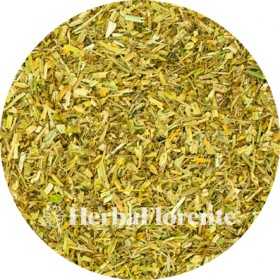
Pansy, Herb trinit Herb - Viola tricolor - Cut
The pansy (Viola tricolor), also known as the wild violet, is an ornamental plant that has been part of European botanical knowledge for centuries. The tricolor violet belongs to the pansy family (Violaceae) and is native to Europe, from Lapland to the Mediterranean, and even to Siberia.
This plant, which is annual but can sometimes be perennial, grows to a height of 30 cm and has roots that can reach depths of up to 45 cm. Its flowering period extends from May to October. The flowers are at least 1 cm wide, but usually larger, with an average diameter of 1.5 cm. The plant was first described by the renowned botanist Rembert Dodoens in 1554.
This plant, which is annual but can sometimes be perennial, grows to a height of 30 cm and has roots that can reach depths of up to 45 cm. Its flowering period extends from May to October. The flowers are at least 1 cm wide, but usually larger, with an average diameter of 1.5 cm. The plant was first described by the renowned botanist Rembert Dodoens in 1554.
€2.00
From: €2.00
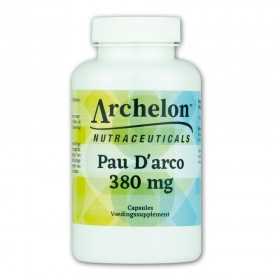
Pau D'arco - 380 mg
Pau d’Arco (Tabebuia avellanedae) is a tree native to the Amazon rainforest in South America. The bark of the tree, especially the inner layer, contains various natural compounds such as flavonoids and quinones, including lapachol and beta-lapachone. These substances are traditionally extracted and processed into herbal teas and supplements. Pau d’Arco bark has been used for centuries in traditional herbal medicine. Our Pau d’Arco product is carefully prepared to preserve the natural components and can easily be added to a varied diet. The capsules are completely plant-based and suitable for vegetarians and vegans, making them a versatile supplement for those who want to incorporate natural plant substances into their daily routine.
€19.95
Pau D'arco - Tabeuiae
Pau d’arco (Tabebuia avellanedae) is a tree native to the Amazon region. Traditionally, the inner layer of the bark is primarily used. This bark has a long history within various cultures in South America.
Pau d’arco bark naturally contains various plant compounds, including flavonoids and quinones. More than twenty different quinone compounds have been identified in the bark, including lapachol and beta-lapachone. These compounds contribute to the characteristic composition of pau d’arco.
Pau d’arco is traditionally made into tea or other herbal preparations and is valued for its natural origins and rich plant profile.
Pau d’arco bark naturally contains various plant compounds, including flavonoids and quinones. More than twenty different quinone compounds have been identified in the bark, including lapachol and beta-lapachone. These compounds contribute to the characteristic composition of pau d’arco.
Pau d’arco is traditionally made into tea or other herbal preparations and is valued for its natural origins and rich plant profile.
€2.60
From: €2.60
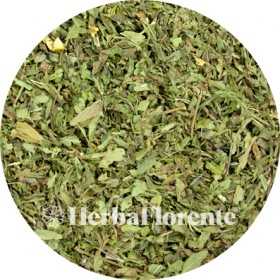
Peppermint - Menthae piperita
Peppermint oil is extracted from the leaves of the peppermint plant (Mentha piperita), a cross between water mint (Mentha aquatica) and spearmint (Mentha spicata). Peppermint belongs to the Lamiaceae family, which also includes other aromatic herbs such as basil and rosemary.
The plant was recognized as a distinct species in England in the 17th century and has been widely cultivated ever since. Peppermint naturally contains several essential oils, including menthol, menthone, and cineole, which together contribute to its characteristic fresh scent and flavor.
Peppermint oil is used as an ingredient in a variety of products, such as peppermint candy, flavorings, and herbal preparations. The leaves of the peppermint plant are also traditionally made into tea.
The plant was recognized as a distinct species in England in the 17th century and has been widely cultivated ever since. Peppermint naturally contains several essential oils, including menthol, menthone, and cineole, which together contribute to its characteristic fresh scent and flavor.
Peppermint oil is used as an ingredient in a variety of products, such as peppermint candy, flavorings, and herbal preparations. The leaves of the peppermint plant are also traditionally made into tea.
€2.00
From: €2.00
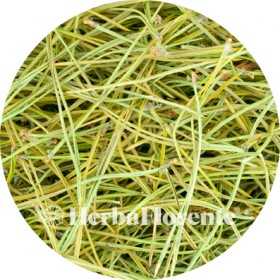
Pine (Needles) - Pinus silvestris
The Scots pine (Pinus sylvestris) belongs to the pine family (Pinaceae) and can reach an age of 200 to 300 years. This tree is known for its rich resin content and characteristic pine scent.
The needles and buds of the Scots pine contain natural compounds such as tannins, flavonoids, and vitamins. The tree's resin contains turpentine and a large number of monoterpenes, including α-pinene, β-pinene, and limonene, which are components of the tree's essential oil.
Scots pine is traditionally used in various applications, such as in aromatic products and in the production of pine oil. Both needles and buds are used in some traditional preparations for their fragrance and flavor.
The needles and buds of the Scots pine contain natural compounds such as tannins, flavonoids, and vitamins. The tree's resin contains turpentine and a large number of monoterpenes, including α-pinene, β-pinene, and limonene, which are components of the tree's essential oil.
Scots pine is traditionally used in various applications, such as in aromatic products and in the production of pine oil. Both needles and buds are used in some traditional preparations for their fragrance and flavor.
€2.00
From: €2.00
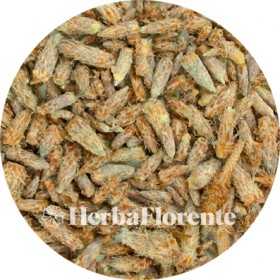
Pine (Seedlings) - Pinus silvestris
The Scots pine (Pinus sylvestris) belongs to the pine family (Pinaceae) and can reach an age of 200 to 300 years. This tree is known for its rich resin content and characteristic pine scent.
The needles and buds of the Scots pine contain natural compounds such as tannins, flavonoids, and vitamins. The tree's resin contains turpentine and a large number of monoterpenes, including α-pinene, β-pinene, and limonene, which are components of the tree's essential oil.
Scots pine is traditionally used in various applications, such as in aromatic products and in the production of pine oil. Both needles and buds are used in some traditional preparations for their fragrance and flavor.
The needles and buds of the Scots pine contain natural compounds such as tannins, flavonoids, and vitamins. The tree's resin contains turpentine and a large number of monoterpenes, including α-pinene, β-pinene, and limonene, which are components of the tree's essential oil.
Scots pine is traditionally used in various applications, such as in aromatic products and in the production of pine oil. Both needles and buds are used in some traditional preparations for their fragrance and flavor.
€2.80
From: €2.80
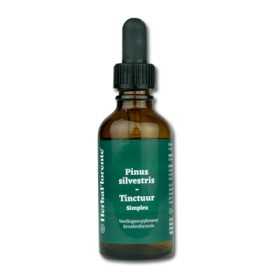
Pine Tincture - Pinus silvestris Tincture
Single herbal tincture made with dried needle of Pinus silvestris (Pine).
The Scots pine (Pinus sylvestris) belongs to the pine family (Pinaceae) and can reach an age of 200 to 300 years. This tree is known for its rich resin content and characteristic pine scent.
The needles and buds of the Scots pine contain natural compounds such as tannins, flavonoids, and vitamins. The tree's resin contains turpentine and a large number of monoterpenes, including α-pinene, β-pinene, and limonene, which are components of the tree's essential oil.
Scots pine is traditionally used in various applications, such as in aromatic products and in the production of pine oil.
The Scots pine (Pinus sylvestris) belongs to the pine family (Pinaceae) and can reach an age of 200 to 300 years. This tree is known for its rich resin content and characteristic pine scent.
The needles and buds of the Scots pine contain natural compounds such as tannins, flavonoids, and vitamins. The tree's resin contains turpentine and a large number of monoterpenes, including α-pinene, β-pinene, and limonene, which are components of the tree's essential oil.
Scots pine is traditionally used in various applications, such as in aromatic products and in the production of pine oil.
€9.95
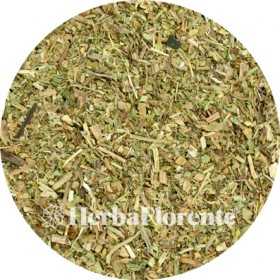
Plantain Broadleaf - Plantaginis major
The Plantain Broadleaf (Plantago major) is a plant belonging to the plantain family (Plantaginaceae) and varies in size from 10 to 50 cm. It forms a dense leaf rosette that is resistant to foot traffic, which is why it is often considered a weed. This plant species is common in gardens, along roads and paths, and is sometimes derisively called the "white man's footprint". Nevertheless, there is a cultivated variety known as Plantago major 'Rosularis'.
€2.00
From: €2.00
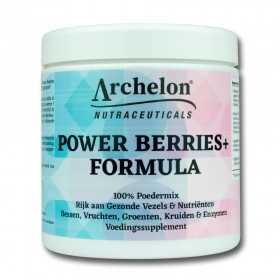
Power Berries+ Formula
Power Berries+ Formula is a carefully formulated powder mix with a broad combination of berries, fruits, vegetables, herbs, vitamins, and enzymes. The formula also contains polyphenols, phytonutrients, and antioxidants and was developed to complement a varied diet and a healthy lifestyle.
The ingredients have been selected with an eye for balance and coherence, making Power Berries+ Formula easy to take and flexible to fit into your daily routine. The powder form makes it easy to mix with water, juice, or smoothies.
Power Berries+ Formula is suitable for vegans and vegetarians, and contains no additives or preservatives.
The ingredients have been selected with an eye for balance and coherence, making Power Berries+ Formula easy to take and flexible to fit into your daily routine. The powder form makes it easy to mix with water, juice, or smoothies.
Power Berries+ Formula is suitable for vegans and vegetarians, and contains no additives or preservatives.
€57.50
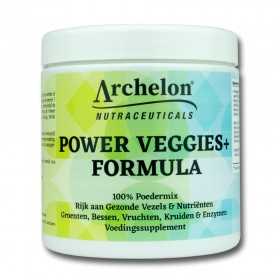
Power Veggies+ Formula
Power Veggies+ Formula is a carefully formulated powder mix containing a combination of vegetables, berries, fruits, herbs, vitamins, and enzymes. The formula also contains polyphenols, phytonutrients, and antioxidants and was developed to complement a varied diet and a healthy lifestyle.
The ingredients have been selected with an eye for balance and coherence, making Power Veggies+ Formula easy to take and flexible to fit into your daily routine. The powder form makes it easy to mix with water, juice, or smoothies.
Power Veggies+ Formula is suitable for vegans and vegetarians, and contains no additives or preservatives.
The ingredients have been selected with an eye for balance and coherence, making Power Veggies+ Formula easy to take and flexible to fit into your daily routine. The powder form makes it easy to mix with water, juice, or smoothies.
Power Veggies+ Formula is suitable for vegans and vegetarians, and contains no additives or preservatives.
€59.50
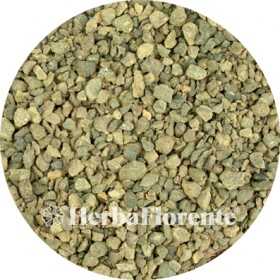
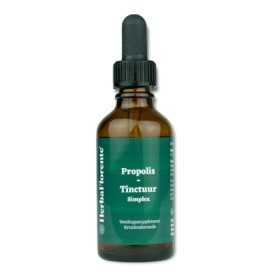
Propolis - Propolis
Propolis is a natural, reddish-brown substance produced by honeybees. Within the hive, bees use propolis as a building and sealing material, among other things, to close openings and strengthen the hive's structure.
Honeybees collect propolis starting in the summer on warm days by gathering resins from the buds and leaves of trees and other plants. These resins are mixed with beeswax and processed with saliva and the bees' legs, creating propolis.
Propolis consists of a combination of plant resins, beeswax, essential oils, and pollen, along with small amounts of vitamins and minerals. The composition can vary depending on the plants in the hive's environment.
Honeybees collect propolis starting in the summer on warm days by gathering resins from the buds and leaves of trees and other plants. These resins are mixed with beeswax and processed with saliva and the bees' legs, creating propolis.
Propolis consists of a combination of plant resins, beeswax, essential oils, and pollen, along with small amounts of vitamins and minerals. The composition can vary depending on the plants in the hive's environment.
€44.00
From: €44.00
Propolis Tincture - Propolis Tincture
Single tincture made with Propolis.
Propolis is a natural, reddish-brown substance produced by honeybees. Within the hive, bees use propolis as a building and sealing material, among other things, to close openings and strengthen the hive's structure.
Honeybees collect propolis starting in the summer on warm days by gathering resins from the buds and leaves of trees and other plants. These resins are mixed with beeswax and processed with saliva and the bees' legs, creating propolis.
Propolis is a natural, reddish-brown substance produced by honeybees. Within the hive, bees use propolis as a building and sealing material, among other things, to close openings and strengthen the hive's structure.
Honeybees collect propolis starting in the summer on warm days by gathering resins from the buds and leaves of trees and other plants. These resins are mixed with beeswax and processed with saliva and the bees' legs, creating propolis.
€20.95
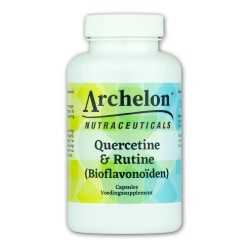
Quercetin & Rutin (Bioflavonoids)
Quercetin is a flavonoid (also called a bioflavonoid) that occurs naturally in various plants, fruits, and vegetables. Flavonoids are responsible for the vibrant colors in plants and contribute to various biochemical processes, such as regulating growth and protecting against UV light, oxidation, and heat.
Rutin is also a flavonoid found in citrus fruits, grapes, apple and pear peels, apricots, raspberries, onions, asparagus, tea, rhubarb, blueberries, and elderberries. Like other flavonoids, rutin contributes to the color and pigmentation of plants and plays a role in their metabolism and protection from environmental influences.
Quercetin and rutin are often studied together because of their presence in many fruits and vegetables and their role as natural plant compounds.
Rutin is also a flavonoid found in citrus fruits, grapes, apple and pear peels, apricots, raspberries, onions, asparagus, tea, rhubarb, blueberries, and elderberries. Like other flavonoids, rutin contributes to the color and pigmentation of plants and plays a role in their metabolism and protection from environmental influences.
Quercetin and rutin are often studied together because of their presence in many fruits and vegetables and their role as natural plant compounds.
€32.95
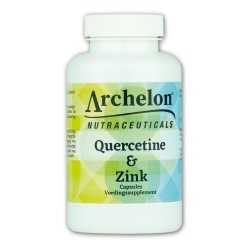
Quercetin & Zinc
Quercetin is a flavonoid (also called a bioflavonoid) that occurs naturally in various plants, fruits, and vegetables. Flavonoids are responsible for the vibrant colors in plants and contribute to various biochemical processes, such as regulating growth and protecting against UV light, oxidation, and heat.
Zinc is available in different forms. Zinc bisglycinate has a very good bioavailability. It is a chelated form of zinc bound to two (bis) molecules of the amino acid glycine which has more benefits for the body. Zinc has a very wide range of action and is involved in many body processes. Zinc is essential for the activity of more than 300 enzymes that have the zinc ion as a cofactor.
Zinc is available in different forms. Zinc bisglycinate has a very good bioavailability. It is a chelated form of zinc bound to two (bis) molecules of the amino acid glycine which has more benefits for the body. Zinc has a very wide range of action and is involved in many body processes. Zinc is essential for the activity of more than 300 enzymes that have the zinc ion as a cofactor.
€34.95
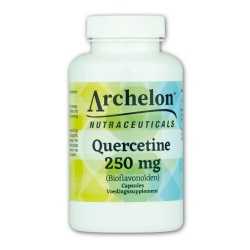
Quercetin - 250 mg
Quercetin is a flavonoid (also called a bioflavonoid) that occurs naturally in various plants, fruits, and vegetables. Flavonoids are responsible for the vibrant colors in plants and contribute to various biochemical processes, such as regulating growth and protecting against UV light, oxidation, and heat.
€27.95
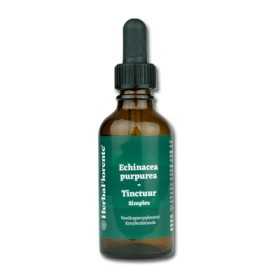
Red Coneflower Tincture - Echinacea purpurea Tincture
Single herbal tincture made with dried herb & root of Echinacea purpurea (Red Coneflower).
The purple coneflower (Echinacea purpurea) is a perennial plant belonging to the Asteraceae family. The genus name Echinacea is derived from the Greek word echinos, meaning "hedgehog," and refers to the spiky flower cone that characterizes this plant.
Echinacea purpurea is native to North America and is now cultivated worldwide. The plant has striking purplish-pink flowers and is valued for its ornamental appearance and botanical properties. Since the early twentieth century, there has been considerable interest in this species in Europe, leading to extensive botanical and historical research.
The purple coneflower (Echinacea purpurea) is a perennial plant belonging to the Asteraceae family. The genus name Echinacea is derived from the Greek word echinos, meaning "hedgehog," and refers to the spiky flower cone that characterizes this plant.
Echinacea purpurea is native to North America and is now cultivated worldwide. The plant has striking purplish-pink flowers and is valued for its ornamental appearance and botanical properties. Since the early twentieth century, there has been considerable interest in this species in Europe, leading to extensive botanical and historical research.
€12.95
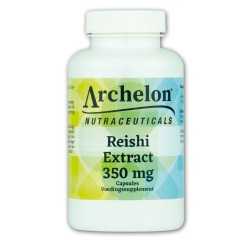
Reishi Extract - 350 mg
Reishi (Ganoderma lucidum) is a mushroom that has been used in Japanese and Chinese herbalism for over two thousand years. Today, reishi is cultivated under controlled conditions in greenhouses, ensuring consistent quality comparable to wild reishi. The mushroom contains various natural compounds, including polysaccharides, triterpenes, peptides, antioxidants, iron, and selenium. Reishi is often used in powders, capsules, and other food products because of this composition.
€34.95
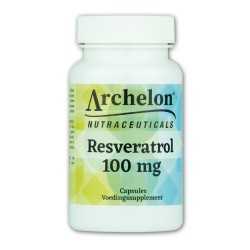
Resveratrol - 100 mg
Reishi (Ganoderma lucidum) is a mushroom that has been used in Japanese and Chinese herbalism for over two thousand years. Today, reishi is cultivated under controlled conditions in greenhouses, ensuring consistent quality comparable to wild reishi. The mushroom contains various natural compounds, including polysaccharides, triterpenes, peptides, antioxidants, iron, and selenium. Reishi is often used in powders, capsules, and other food products because of this composition.
€32.95
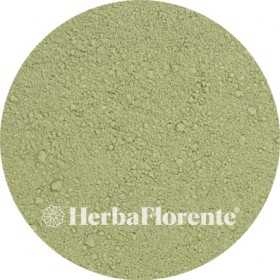
Ribwort Plantain - Plantaginis lanceolata
Ribwort plantain (Plantago lanceolata) is a native plant found in Europe, parts of Asia, North Africa, and North America. It prefers moist, sandy soil and can be found in grasslands, along roads and railways, and even between paving stones.
Ribwort plantain can reach a height of about 75 centimeters and has long, narrow leaves. Starting in May, the plant blooms with light green flower spikes bearing striking white stamens.
The young leaves contain various natural plant compounds, including mucilage, tannins, bitter substances, and flavonoids, as well as minerals such as potassium and zinc. Ribwort plantain has a long history of traditional and folklore uses and is often considered a common wild plant.
Ribwort plantain can reach a height of about 75 centimeters and has long, narrow leaves. Starting in May, the plant blooms with light green flower spikes bearing striking white stamens.
The young leaves contain various natural plant compounds, including mucilage, tannins, bitter substances, and flavonoids, as well as minerals such as potassium and zinc. Ribwort plantain has a long history of traditional and folklore uses and is often considered a common wild plant.
€2.40
From: €2.40
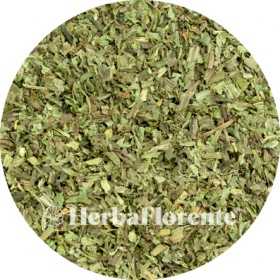
Ribwort Plantain - Plantaginis lanceolata - Cut
Ribwort plantain (Plantago lanceolata) is a native plant found in Europe, parts of Asia, North Africa, and North America. It prefers moist, sandy soil and can be found in grasslands, along roads and railways, and even between paving stones.
Ribwort plantain can reach a height of about 75 centimeters and has long, narrow leaves. Starting in May, the plant blooms with light green flower spikes bearing striking white stamens.
The young leaves contain various natural plant compounds, including mucilage, tannins, bitter substances, and flavonoids, as well as minerals such as potassium and zinc. Ribwort plantain has a long history of traditional and folklore uses and is often considered a common wild plant.
Ribwort plantain can reach a height of about 75 centimeters and has long, narrow leaves. Starting in May, the plant blooms with light green flower spikes bearing striking white stamens.
The young leaves contain various natural plant compounds, including mucilage, tannins, bitter substances, and flavonoids, as well as minerals such as potassium and zinc. Ribwort plantain has a long history of traditional and folklore uses and is often considered a common wild plant.
€2.00
From: €2.00