



Trending
€57.50
€62.50
€35.95
€62.50
€62.50
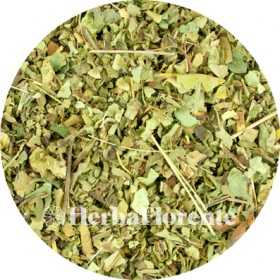
Lungwort - Pulmonaria officinalis
€5.91 €6.95 -15%
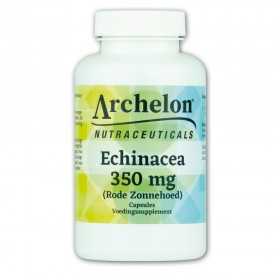
Echinacea (Red Coneflower) - 350 mg
€15.96 €19.95 -20%
K, L, M, N, O
There are 4 products.
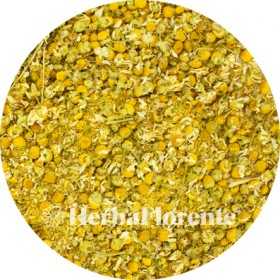
Chamomile (Flower) - Matricaria recutita, Chamomillae europ. - Whole
Chamomile (Matricaria chamomilla, synonym Matricaria recutita) is an annual, aromatic plant from the Asteraceae family. Originally native to large parts of Europe, it is now widely cultivated, including in Hungary and several Eastern European countries.
Chamomile has a long cultural and historical background. In ancient Egypt, the plant was symbolically worshipped and associated with the sun god Ra. Throughout the centuries, chamomile has been frequently described in botanical and historical sources, contributing to its fame and spread.
Chamomile has a long cultural and historical background. In ancient Egypt, the plant was symbolically worshipped and associated with the sun god Ra. Throughout the centuries, chamomile has been frequently described in botanical and historical sources, contributing to its fame and spread.
€3.20
From: €3.20
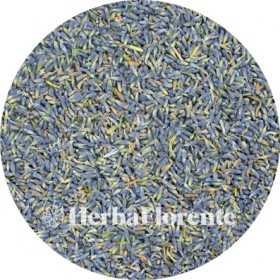
Lavender - Lavendula angustifolia
Lavender (Lavandula) is a genus of aromatic dwarf shrubs belonging to the Lamiaceae family. These plants are especially beloved for their characteristic purple flowers and pleasant fragrance and are widely planted in gardens, borders, and lavender fields.
An important use of lavender is the extraction of lavender oil from the flowering tops. This essential oil is widely used as a fragrance in cosmetic products such as soaps, creams, and perfumes, and also plays a role in aromatic applications.
Lavender also finds its way into the kitchen. The flowers, both fresh and dried, are used as a flavoring and are included in Provençal herb blends, among other things. Lavender can be added to dishes such as cheeses, vegetables, and sweet preparations.
An important use of lavender is the extraction of lavender oil from the flowering tops. This essential oil is widely used as a fragrance in cosmetic products such as soaps, creams, and perfumes, and also plays a role in aromatic applications.
Lavender also finds its way into the kitchen. The flowers, both fresh and dried, are used as a flavoring and are included in Provençal herb blends, among other things. Lavender can be added to dishes such as cheeses, vegetables, and sweet preparations.
€5.00
From: €5.00
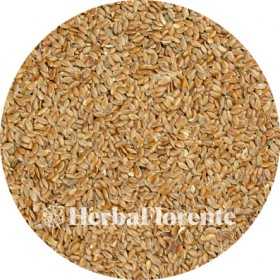
Lijnzaad - Linum usitatissimum
Flaxseed is a nutritious seed known for its rich composition of fatty acids and other natural components. It contains a high level of omega-3 fatty acids, of which approximately 55% consists of alpha-linolenic acid (ALA). In addition, approximately 20% of the fatty acid profile consists of omega-9 (oleic acid).
In addition to fatty acids, flaxseed also contains lignans (phytosterols), as well as tocopherols, carotenoids, and various minerals. This combination makes flaxseed a valuable plant-based food source.
According to the Netherlands Nutrition Centre, omega-3 fatty acids contribute to the maintenance of normal cardiovascular function when consumed as part of a varied and balanced diet.
In addition to fatty acids, flaxseed also contains lignans (phytosterols), as well as tocopherols, carotenoids, and various minerals. This combination makes flaxseed a valuable plant-based food source.
According to the Netherlands Nutrition Centre, omega-3 fatty acids contribute to the maintenance of normal cardiovascular function when consumed as part of a varied and balanced diet.
€2.00
From: €2.00
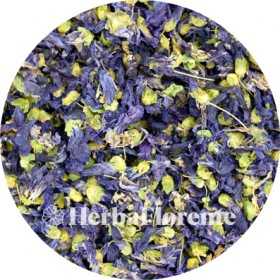
Mallow Large - Malvacea Sylvestris
Mallow (Malva) is a genus of herbaceous plants in the Malvaceae family. It comprises approximately thirty species found in temperate, subtropical, and tropical regions of Africa and Eurasia.
The flowers and leaves of mallow are highly recognizable and traditionally valued in various cultures. The plant produces mucilaginous substances, which were historically mentioned in botanical and folklore sources.
The fruit of the mallow is a schizocarp and owes its name to its flat, rounded shape, which resembles a small cheese. This fruit contains contiguous seeds and is a characteristic botanical element of the genus.
Mallow is primarily valued today for its botanical properties, its ornamental flowers, and its cultural significance in traditional botanical lore.
The flowers and leaves of mallow are highly recognizable and traditionally valued in various cultures. The plant produces mucilaginous substances, which were historically mentioned in botanical and folklore sources.
The fruit of the mallow is a schizocarp and owes its name to its flat, rounded shape, which resembles a small cheese. This fruit contains contiguous seeds and is a characteristic botanical element of the genus.
Mallow is primarily valued today for its botanical properties, its ornamental flowers, and its cultural significance in traditional botanical lore.
€8.00
From: €8.00