



Trending
€57.50
€62.50

€35.95
€62.50
€62.50
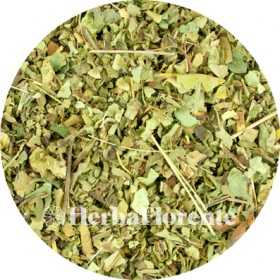
Lungwort - Pulmonaria officinalis
€5.91 €6.95 -15%
Echinacea (Red Coneflower) - 350 mg
€15.96 €19.95 -20%
Kidneys
There are 183 products.
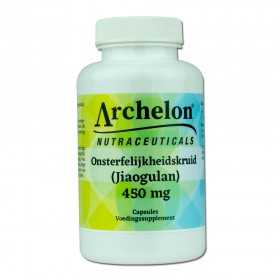
Jiaogulan – 450 mg
Immortality herb (Gynostemma pentaphyllum), also known as jiaogulan, is a climbing vine native to Japan, Southeast China, and Thailand. In the Netherlands, this plant is known as "immortality herb" or "eternal life herb." Gynostemma pentaphyllum has been used for centuries in traditional Chinese herbal medicine. The plant contains various natural compounds, including saponins and antioxidants, and is often prepared in capsules, teas, or extracts. Using these supplements can be a way to expand the intake of these plant compounds as part of a varied diet and healthy lifestyle.
€21.95

Juniper Berries - Juniper communis
The juniper (Juniperus communis) is a conifer native to Europe, Asia, and North America. The plant bears both flowers and berries, which vary in color from green to black as they ripen. The name Juniperus derives from the Celtic word juneprus, meaning rough, prickly, or bitter, while communis means "common."
The black berries of the juniper have a characteristically bitter and aromatic flavor. It takes about three years for the berries to fully ripen: in the first year, the flowers appear, in the second year they turn green, and in the third year they turn blue and then black or dark purple.
The black berries of the juniper have a characteristically bitter and aromatic flavor. It takes about three years for the berries to fully ripen: in the first year, the flowers appear, in the second year they turn green, and in the third year they turn blue and then black or dark purple.
€2.80
From: €2.80
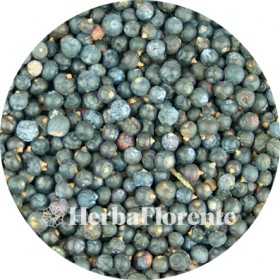
Juniper Berries - Juniper communis - Whole
The juniper (Juniperus communis) is a conifer native to Europe, Asia, and North America. The plant bears both flowers and berries, which vary in color from green to black as they ripen. The name Juniperus derives from the Celtic word juneprus, meaning rough, prickly, or bitter, while communis means "common."
The black berries of the juniper have a characteristically bitter and aromatic flavor. It takes about three years for the berries to fully ripen: in the first year, the flowers appear, in the second year they turn green, and in the third year they turn blue and then black or dark purple.
The black berries of the juniper have a characteristically bitter and aromatic flavor. It takes about three years for the berries to fully ripen: in the first year, the flowers appear, in the second year they turn green, and in the third year they turn blue and then black or dark purple.
€2.40
From: €2.40
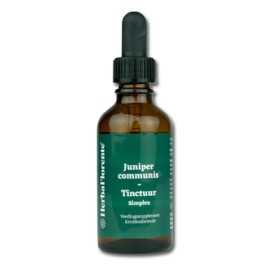
Juniper Tincture - Juniper communis Tincture
Single herbal tincture made with dried berries of Juniper communis (Juniper).
The juniper (Juniperus communis) is a conifer native to Europe, Asia, and North America. The plant bears both flowers and berries, which vary in color from green to black as they ripen. The name Juniperus derives from the Celtic word juneprus, meaning rough, prickly, or bitter, while communis means "common."
The black berries of the juniper have a characteristically bitter and aromatic flavor. It takes about three years for the berries to fully ripen: in the first year, the flowers appear, in the second year they turn green, and in the third year they turn blue and then black or dark purple.
The juniper (Juniperus communis) is a conifer native to Europe, Asia, and North America. The plant bears both flowers and berries, which vary in color from green to black as they ripen. The name Juniperus derives from the Celtic word juneprus, meaning rough, prickly, or bitter, while communis means "common."
The black berries of the juniper have a characteristically bitter and aromatic flavor. It takes about three years for the berries to fully ripen: in the first year, the flowers appear, in the second year they turn green, and in the third year they turn blue and then black or dark purple.
€9.95
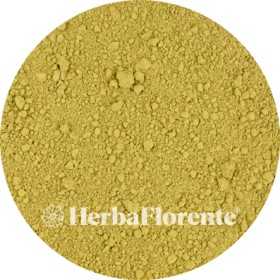
Kumis Kutjing - Cat's whiskers - Orthosiphon aristatus
Cat's whiskers (Orthosiphon aristatus), also known as Kumis Kutjing, is a plant traditionally used in various Asian herbal traditions. The species belongs to the Lamiaceae family and is native to tropical and subtropical regions, particularly Southeast Asia, including Malaysia and Java.
The plant prefers moist habitats, such as wetlands, riverbanks, and swampy areas. Cat's whiskers are particularly recognizable by their white to pale lilac flowers with conspicuously long, thread-like stamens that can grow up to approximately three centimeters long. These characteristics have led to the Dutch name "kattensnor" (cat's whiskers).
The plant prefers moist habitats, such as wetlands, riverbanks, and swampy areas. Cat's whiskers are particularly recognizable by their white to pale lilac flowers with conspicuously long, thread-like stamens that can grow up to approximately three centimeters long. These characteristics have led to the Dutch name "kattensnor" (cat's whiskers).
€2.30
From: €2.30
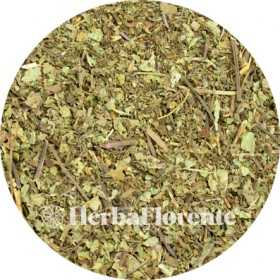
Kumis Kutjing - Cat's whiskers - Orthosiphon aristatus - Cut
Cat's whiskers (Orthosiphon aristatus), also known as Kumis Kutjing, is a plant traditionally used in various Asian herbal traditions. The species belongs to the Lamiaceae family and is native to tropical and subtropical regions, particularly Southeast Asia, including Malaysia and Java.
The plant prefers moist habitats, such as wetlands, riverbanks, and swampy areas. Cat's whiskers are particularly recognizable by their white to pale lilac flowers with conspicuously long, thread-like stamens that can grow up to approximately three centimeters long. These characteristics have led to the Dutch name "kattensnor" (cat's whiskers).
The plant prefers moist habitats, such as wetlands, riverbanks, and swampy areas. Cat's whiskers are particularly recognizable by their white to pale lilac flowers with conspicuously long, thread-like stamens that can grow up to approximately three centimeters long. These characteristics have led to the Dutch name "kattensnor" (cat's whiskers).
€4.50
From: €4.50

L-Arginine - 420 mg
ArgArginine, also called L-arginine, is a semi-essential amino acid that occurs naturally in the human body. It can be synthesized by the body from other amino acids, such as glutamine and proline, but in certain situations, production is limited. Therefore, supplementation through food or supplements can be a practical way to support intake as part of a varied diet.
This amino acid is present in many foods, including nuts, seeds, legumes, meat, and fish. Arginine was first isolated from food in the nineteenth century and has since been studied for its role in various metabolic processes. In supplement form, arginine is usually offered as pure L-arginine, often in capsules or powders, so it can be easily incorporated into the daily diet.
This amino acid is present in many foods, including nuts, seeds, legumes, meat, and fish. Arginine was first isolated from food in the nineteenth century and has since been studied for its role in various metabolic processes. In supplement form, arginine is usually offered as pure L-arginine, often in capsules or powders, so it can be easily incorporated into the daily diet.
€21.95
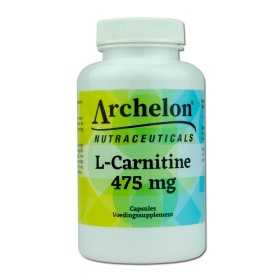
L-Carnitine - 475 mg
L-Carnitine is a natural compound often classified as an amino acid due to its similar molecular structure. It occurs naturally in the body and in foods, particularly meat and animal products. Plant sources generally contain very little L-Carnitine. The body can produce L-Carnitine from the amino acids lysine and methionine, but this production depends on factors such as age, gender, and diet.
Men generally have a higher daily requirement for L-Carnitine than women because the body uses it primarily in tissues with high energy demands, such as the heart and skeletal muscle. L-Carnitine is closely related to the B vitamins and is present in all cells of the body. It is stored in skeletal muscle, cardiac muscle, and liver, with concentrations varying depending on age, diet, and body mass.
Men generally have a higher daily requirement for L-Carnitine than women because the body uses it primarily in tissues with high energy demands, such as the heart and skeletal muscle. L-Carnitine is closely related to the B vitamins and is present in all cells of the body. It is stored in skeletal muscle, cardiac muscle, and liver, with concentrations varying depending on age, diet, and body mass.
€24.95
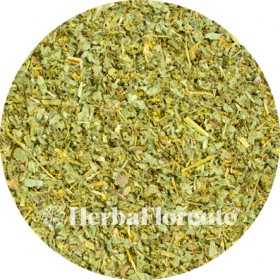
Lady's Mantle - Alchemilla vulgaris
Lady's mantle (Alchemilla vulgaris) belongs to a genus of approximately one thousand species of perennial herbaceous and shrubby plants within the rose family (Rosaceae). The plant is primarily found in Europe and Asia, with some species in mountainous regions of Africa and North and South America. It prefers to grow in damp and disturbed places, such as forest edges, wet grasslands, and roadsides.
€2.50
From: €2.50
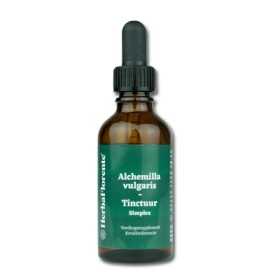
Lady's Mantle Tincture - Alchemilla vulgaris Tincture
Single herbal tincture made with dried herb of Alchemilla vulgaris (Lady's Mantle).
Lady's mantle (Alchemilla vulgaris) belongs to a genus of approximately one thousand species of perennial herbaceous and shrubby plants within the rose family (Rosaceae). The plant is primarily found in Europe and Asia, with some species in mountainous regions of Africa and North and South America. It prefers to grow in damp and disturbed places, such as forest edges, wet grasslands, and roadsides.
Lady's mantle (Alchemilla vulgaris) belongs to a genus of approximately one thousand species of perennial herbaceous and shrubby plants within the rose family (Rosaceae). The plant is primarily found in Europe and Asia, with some species in mountainous regions of Africa and North and South America. It prefers to grow in damp and disturbed places, such as forest edges, wet grasslands, and roadsides.
€12.95
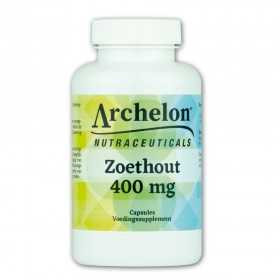
Licorice Root - 400 mg
Licorice (Glycyrrhiza glabra) is a versatile herb traditionally used in various traditional healing methods, including Ayurvedic medicine. It is cultivated worldwide, including in Europe, Asia, and the Middle East, and is a hardy plant that can also grow in the Netherlands. The roots of the plant take three to four years to mature before they can be harvested. Licorice is used in culinary applications as well as in dietary supplements and pharmaceuticals for its natural sweetness. This sweetness is due to the substance glycyrrhizin, which is naturally present in the roots. The leaves can also be used, for example, to make tea.
€17.95
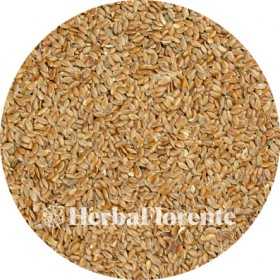
Lijnzaad - Linum usitatissimum
Flaxseed is a nutritious seed known for its rich composition of fatty acids and other natural components. It contains a high level of omega-3 fatty acids, of which approximately 55% consists of alpha-linolenic acid (ALA). In addition, approximately 20% of the fatty acid profile consists of omega-9 (oleic acid).
In addition to fatty acids, flaxseed also contains lignans (phytosterols), as well as tocopherols, carotenoids, and various minerals. This combination makes flaxseed a valuable plant-based food source.
According to the Netherlands Nutrition Centre, omega-3 fatty acids contribute to the maintenance of normal cardiovascular function when consumed as part of a varied and balanced diet.
In addition to fatty acids, flaxseed also contains lignans (phytosterols), as well as tocopherols, carotenoids, and various minerals. This combination makes flaxseed a valuable plant-based food source.
According to the Netherlands Nutrition Centre, omega-3 fatty acids contribute to the maintenance of normal cardiovascular function when consumed as part of a varied and balanced diet.
€2.00
From: €2.00
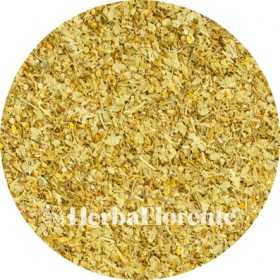
Lime tree Blossom - Tiliae officinalis
The lime tree (Tilia) is native to the Benelux and is known for its remarkable lifespan, which can easily exceed 1000 years. This majestic tree can reach a height of 20 to 30 meters, depending on its growing conditions. The Latin name for the lime tree is Tilia.
Although the lime tree is widespread in Europe, it is not found in the northernmost and southernmost parts of the continent. Outside Europe, the lime is also found in parts of Asia, but to a much lesser extent.
The tree blooms in the months of June and July. The lime blossom produces a lot of honey, and the flowers can be used to make herbal tea.
Although the lime tree is widespread in Europe, it is not found in the northernmost and southernmost parts of the continent. Outside Europe, the lime is also found in parts of Asia, but to a much lesser extent.
The tree blooms in the months of June and July. The lime blossom produces a lot of honey, and the flowers can be used to make herbal tea.
€5.00
From: €5.00

Lime tree Tincture - Tiliae officinalis Tincture
Single herbal tincture made with dried flower of Tiliae officinalis (Lime tree).
The lime tree (Tilia) is native to the Benelux and is known for its remarkable lifespan, which can easily exceed 1000 years. This majestic tree can reach a height of 20 to 30 meters, depending on its growing conditions. The Latin name for the lime tree is Tilia.
Although the lime tree is widespread in Europe, it is not found in the northernmost and southernmost parts of the continent. Outside Europe, the lime is also found in parts of Asia, but to a much lesser extent.
The tree blooms in the months of June and July. The lime blossom produces a lot of honey, and the flowers can be used to make herbal tea.
The lime tree (Tilia) is native to the Benelux and is known for its remarkable lifespan, which can easily exceed 1000 years. This majestic tree can reach a height of 20 to 30 meters, depending on its growing conditions. The Latin name for the lime tree is Tilia.
Although the lime tree is widespread in Europe, it is not found in the northernmost and southernmost parts of the continent. Outside Europe, the lime is also found in parts of Asia, but to a much lesser extent.
The tree blooms in the months of June and July. The lime blossom produces a lot of honey, and the flowers can be used to make herbal tea.
€11.95
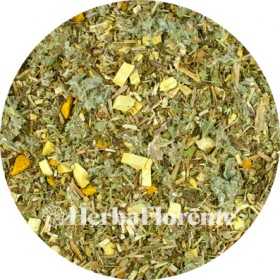
Liver Herbal Tea
Herbal tea composed of various herbs
€4.95
Long Leaved Sundew - Droserae longifolia
The long sundew (Drosera longifolia) is a perennial carnivorous plant belonging to the sundew family (Droseraceae).
The plant grows to a height of 5-20 cm and forms a rosette of leaves. The leaves have long stems and are upright, oblong to lanceolate, with the widest point above the center. They are covered with numerous red, sticky tentacles containing glandular tissue. These tentacles catch small insects such as Simuliidae. Once an insect touches the tentacles, the leaf coils around the insect and secretes digestive enzymes. The released nutrients, including nitrogen, are absorbed by the plant.
The plant grows to a height of 5-20 cm and forms a rosette of leaves. The leaves have long stems and are upright, oblong to lanceolate, with the widest point above the center. They are covered with numerous red, sticky tentacles containing glandular tissue. These tentacles catch small insects such as Simuliidae. Once an insect touches the tentacles, the leaf coils around the insect and secretes digestive enzymes. The released nutrients, including nitrogen, are absorbed by the plant.
€5.40
From: €5.40
Lungwort - Pulmonaria officinalis
Lungwort belongs to the genus Pulmonaria within the borage family (Boraginaceae). The botanical name is derived from the Latin word pulmo, meaning "lung." This name refers to the striking leaf markings of some species, such as spotted lungwort, which were once compared to the appearance of human lungs.
This association played an important role in the theory of signatures, a traditional doctrine in which it was believed that a plant's appearance provided clues to its intended use. Based on this line of thought, lungwort was historically used for conditions associated with the lungs.
The Dutch name lungwort is derived directly from the botanical name. Similar names also appear in other Western European languages, indicating the plant's wide cultural and historical renown.
This association played an important role in the theory of signatures, a traditional doctrine in which it was believed that a plant's appearance provided clues to its intended use. Based on this line of thought, lungwort was historically used for conditions associated with the lungs.
The Dutch name lungwort is derived directly from the botanical name. Similar names also appear in other Western European languages, indicating the plant's wide cultural and historical renown.
€5.91
€6.95
From: €5.91
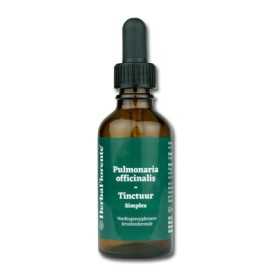
Lungwort Tincture - Pulmonaria officinalis Tinctuur
Single herbal tincture made with dried leaf of Pulmonaria officinalis (Lungwort).
Lungwort belongs to the genus Pulmonaria within the borage family (Boraginaceae). The botanical name is derived from the Latin word pulmo, meaning "lung." This name refers to the striking leaf markings of some species, such as spotted lungwort, which were once compared to the appearance of human lungs.
This association played an important role in the theory of signatures, a traditional doctrine in which it was believed that a plant's appearance provided clues to its intended use. Based on this line of thought, lungwort was historically used for conditions associated with the lungs.
Lungwort belongs to the genus Pulmonaria within the borage family (Boraginaceae). The botanical name is derived from the Latin word pulmo, meaning "lung." This name refers to the striking leaf markings of some species, such as spotted lungwort, which were once compared to the appearance of human lungs.
This association played an important role in the theory of signatures, a traditional doctrine in which it was believed that a plant's appearance provided clues to its intended use. Based on this line of thought, lungwort was historically used for conditions associated with the lungs.
€11.95
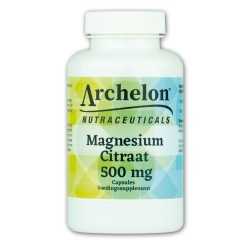
Magnesium Citrate - 500 mg
Magnesium is available in various organic forms, including magnesium citrate and magnesium malate. These forms are widely used in dietary supplements due to their chemical composition. Magnesium is an essential mineral involved in numerous processes in the body.
The mineral contributes to normal energy-yielding metabolism and supports the normal functioning of muscles and the nervous system. Magnesium also contributes to normal protein synthesis, proper electrolyte balance, and normal psychological function. Magnesium also plays a role in normal cell division and contributes to the maintenance of normal bones and teeth.
This makes magnesium an important mineral to supplement a varied and balanced diet.
The mineral contributes to normal energy-yielding metabolism and supports the normal functioning of muscles and the nervous system. Magnesium also contributes to normal protein synthesis, proper electrolyte balance, and normal psychological function. Magnesium also plays a role in normal cell division and contributes to the maintenance of normal bones and teeth.
This makes magnesium an important mineral to supplement a varied and balanced diet.
€17.95
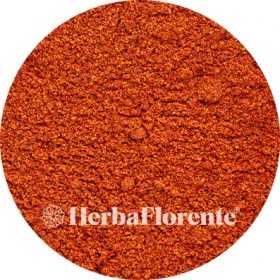
Magnolia Berry (Schisandra) - Schisandrae chinensis
Schisandra, also known as the schisandra berry (Schisandra chinensis), is a plant that has been used in traditional Chinese herbalism for over 2,000 years. The plant produces dark red berries, of which only the seeds are used. These are traditionally harvested after the first frost and then dried.
The schisandra berry naturally contains various plant compounds, including antioxidants. Due to its unique composition and long history, schisandra is often used in herbal blends and teas for traditional purposes.
Within traditional Chinese culture, schisandra is valued and frequently used in herbal formulas. Today, the berry is also used outside of Asia as an ingredient in various herbal preparations.
The schisandra berry naturally contains various plant compounds, including antioxidants. Due to its unique composition and long history, schisandra is often used in herbal blends and teas for traditional purposes.
Within traditional Chinese culture, schisandra is valued and frequently used in herbal formulas. Today, the berry is also used outside of Asia as an ingredient in various herbal preparations.
€7.50
From: €7.50
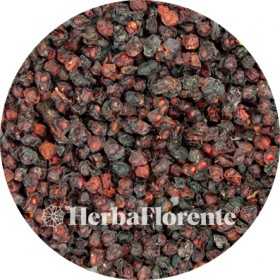
Magnolia Berry (Schisandra) - Schisandrae chinensis - Whole
Schisandra, also known as the schisandra berry (Schisandra chinensis), is a plant that has been used in traditional Chinese herbalism for over 2,000 years. The plant produces dark red berries, of which only the seeds are used. These are traditionally harvested after the first frost and then dried.
The schisandra berry naturally contains various plant compounds, including antioxidants. Due to its unique composition and long history, schisandra is often used in herbal blends and teas for traditional purposes.
Within traditional Chinese culture, schisandra is valued and frequently used in herbal formulas. Today, the berry is also used outside of Asia as an ingredient in various herbal preparations.
The schisandra berry naturally contains various plant compounds, including antioxidants. Due to its unique composition and long history, schisandra is often used in herbal blends and teas for traditional purposes.
Within traditional Chinese culture, schisandra is valued and frequently used in herbal formulas. Today, the berry is also used outside of Asia as an ingredient in various herbal preparations.
€6.95
From: €6.95
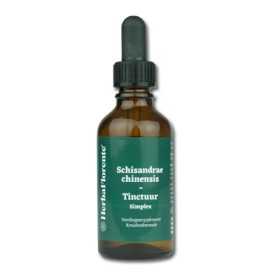
Magnolia Berry Tincture - Schisandrae chinensis Tincture
Single herbal tincture made with dried berries of Schisandrae chinensis (Magnolia Berry).
Schisandra, also known as the schisandra berry (Schisandra chinensis), is a plant that has been used in traditional Chinese herbalism for over 2,000 years. The plant produces dark red berries, of which only the seeds are used. These are traditionally harvested after the first frost and then dried.
The schisandra berry naturally contains various plant compounds, including antioxidants. Due to its unique composition and long history, schisandra is often used in herbal blends and teas for traditional purposes.
Within traditional Chinese culture, schisandra is valued and frequently used in herbal formulas. Today, the berry is also used outside of Asia as an ingredient in various herbal preparations.
Schisandra, also known as the schisandra berry (Schisandra chinensis), is a plant that has been used in traditional Chinese herbalism for over 2,000 years. The plant produces dark red berries, of which only the seeds are used. These are traditionally harvested after the first frost and then dried.
The schisandra berry naturally contains various plant compounds, including antioxidants. Due to its unique composition and long history, schisandra is often used in herbal blends and teas for traditional purposes.
Within traditional Chinese culture, schisandra is valued and frequently used in herbal formulas. Today, the berry is also used outside of Asia as an ingredient in various herbal preparations.
€12.95
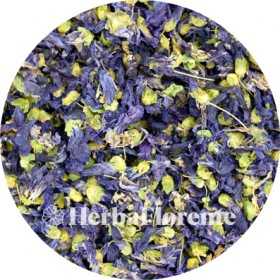
Mallow Large - Malvacea Sylvestris
Mallow (Malva) is a genus of herbaceous plants in the Malvaceae family. It comprises approximately thirty species found in temperate, subtropical, and tropical regions of Africa and Eurasia.
The flowers and leaves of mallow are highly recognizable and traditionally valued in various cultures. The plant produces mucilaginous substances, which were historically mentioned in botanical and folklore sources.
The fruit of the mallow is a schizocarp and owes its name to its flat, rounded shape, which resembles a small cheese. This fruit contains contiguous seeds and is a characteristic botanical element of the genus.
Mallow is primarily valued today for its botanical properties, its ornamental flowers, and its cultural significance in traditional botanical lore.
The flowers and leaves of mallow are highly recognizable and traditionally valued in various cultures. The plant produces mucilaginous substances, which were historically mentioned in botanical and folklore sources.
The fruit of the mallow is a schizocarp and owes its name to its flat, rounded shape, which resembles a small cheese. This fruit contains contiguous seeds and is a characteristic botanical element of the genus.
Mallow is primarily valued today for its botanical properties, its ornamental flowers, and its cultural significance in traditional botanical lore.
€8.00
From: €8.00
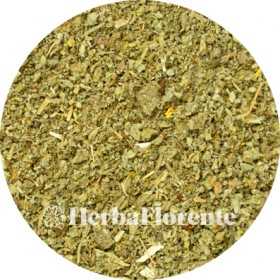
Marshmallow (Leaf) - Altheae officinalis
Marshmallow (Althaea officinalis) belongs to the mallow family (Malvaceae) and has been spread worldwide by human activity, especially to areas with suitable soil, humidity and climate.
The starch in the carrot, mixed with proteinaceous substances, was formerly used in making marshmallows and bacon. The leaves can be eaten cooked and the flowers can be used raw in salads.
The starch in the carrot, mixed with proteinaceous substances, was formerly used in making marshmallows and bacon. The leaves can be eaten cooked and the flowers can be used raw in salads.
€2.00
From: €2.00