



Trending
€57.50
€62.50
€35.95
€62.50
€62.50
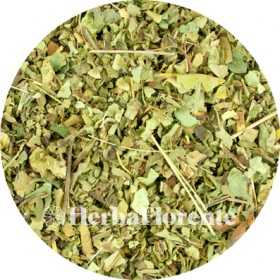
Lungwort - Pulmonaria officinalis
€5.91 €6.95 -15%
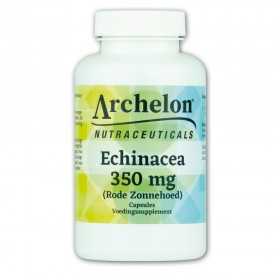
Echinacea (Red Coneflower) - 350 mg
€15.96 €19.95 -20%
Mood
There are 126 products.
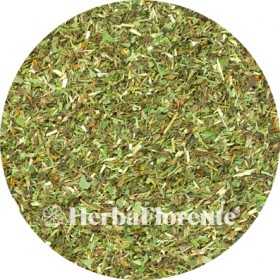
Lemon Balm - Melissa officinalis
Lemon balm (Melissa officinalis) is a perennial plant in the Lamiaceae family and is known for its fresh, lemony scent. The plant is native to Southern Europe but also grows easily in temperate regions such as the Netherlands and Belgium. Thanks to underground rhizomes, lemon balm overwinters easily. The plant typically reaches a height of about 50 centimeters.
Lemon balm has a long history of cultivation and was already documented in ancient times. It is likely that the plant was introduced to Europe by Arab cultures via Spain, after which monasteries played an important role in its further spread and cultivation. Historical sources often mention lemon balm for its aromatic and culinary value.
Lemon balm has a long history of cultivation and was already documented in ancient times. It is likely that the plant was introduced to Europe by Arab cultures via Spain, after which monasteries played an important role in its further spread and cultivation. Historical sources often mention lemon balm for its aromatic and culinary value.
€2.20
From: €2.20
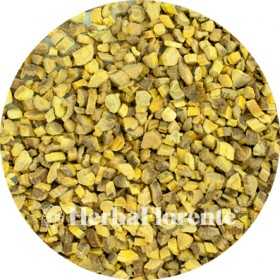
Licorice (Without Bark) - Glycyrrhiza glabra, Liquiritiae
Licorice (Glycyrrhiza glabra) is a versatile herb that has been used for centuries in various traditions, including Ayurvedic culture. The plant is cultivated in various parts of the world, such as Europe, Asia, and the Middle East, and can also grow in the Netherlands. The roots take three to four years to mature before they can be harvested.
Besides the roots, licorice leaves are also used, for example, in making tea. Licorice is known for its characteristic sweet flavor, which is due in part to the natural substance glycyrrhizin. It is widely used in foods and herbal preparations.
Besides the roots, licorice leaves are also used, for example, in making tea. Licorice is known for its characteristic sweet flavor, which is due in part to the natural substance glycyrrhizin. It is widely used in foods and herbal preparations.
€2.25
From: €2.25

Lime tree Tincture - Tiliae officinalis Tincture
Single herbal tincture made with dried flower of Tiliae officinalis (Lime tree).
The lime tree (Tilia) is native to the Benelux and is known for its remarkable lifespan, which can easily exceed 1000 years. This majestic tree can reach a height of 20 to 30 meters, depending on its growing conditions. The Latin name for the lime tree is Tilia.
Although the lime tree is widespread in Europe, it is not found in the northernmost and southernmost parts of the continent. Outside Europe, the lime is also found in parts of Asia, but to a much lesser extent.
The tree blooms in the months of June and July. The lime blossom produces a lot of honey, and the flowers can be used to make herbal tea.
The lime tree (Tilia) is native to the Benelux and is known for its remarkable lifespan, which can easily exceed 1000 years. This majestic tree can reach a height of 20 to 30 meters, depending on its growing conditions. The Latin name for the lime tree is Tilia.
Although the lime tree is widespread in Europe, it is not found in the northernmost and southernmost parts of the continent. Outside Europe, the lime is also found in parts of Asia, but to a much lesser extent.
The tree blooms in the months of June and July. The lime blossom produces a lot of honey, and the flowers can be used to make herbal tea.
€11.95
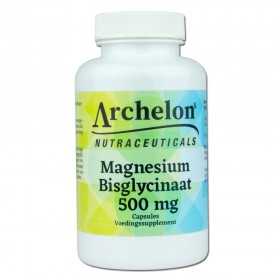
Magnesium Bisglycinate - 500 mg
Magnesium bisglycinate is an organic form of magnesium in which the mineral is bound to the amino acid glycine. This chelate bond creates a stable compound suitable for use in dietary supplements. Magnesium bisglycinate is widely used due to its composition and practical application within a daily diet.
€25.95
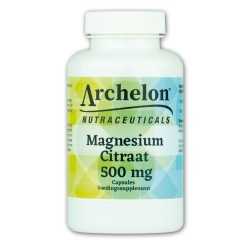
Magnesium Citrate - 500 mg
Magnesium is available in various organic forms, including magnesium citrate and magnesium malate. These forms are widely used in dietary supplements due to their chemical composition. Magnesium is an essential mineral involved in numerous processes in the body.
The mineral contributes to normal energy-yielding metabolism and supports the normal functioning of muscles and the nervous system. Magnesium also contributes to normal protein synthesis, proper electrolyte balance, and normal psychological function. Magnesium also plays a role in normal cell division and contributes to the maintenance of normal bones and teeth.
This makes magnesium an important mineral to supplement a varied and balanced diet.
The mineral contributes to normal energy-yielding metabolism and supports the normal functioning of muscles and the nervous system. Magnesium also contributes to normal protein synthesis, proper electrolyte balance, and normal psychological function. Magnesium also plays a role in normal cell division and contributes to the maintenance of normal bones and teeth.
This makes magnesium an important mineral to supplement a varied and balanced diet.
€17.95
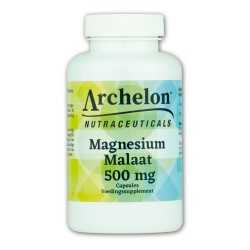
Magnesium Malate - 500 mg
Magnesium malate is an organic form of magnesium bound to malic acid (malate). This compound is widely used in dietary supplements due to its chemical stability and composition. Malic acid is a substance naturally found in fruits and plays a role in various biochemical processes.
Magnesium is an essential mineral found in all cells of the body. It contributes to normal energy-yielding metabolism and supports the normal functioning of muscles and the nervous system. Magnesium also contributes to proper electrolyte balance and normal protein synthesis. The mineral also plays a role in normal psychological function and normal cell division.
Magnesium is an essential mineral found in all cells of the body. It contributes to normal energy-yielding metabolism and supports the normal functioning of muscles and the nervous system. Magnesium also contributes to proper electrolyte balance and normal protein synthesis. The mineral also plays a role in normal psychological function and normal cell division.
€25.95
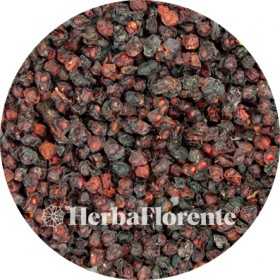
Magnolia Berry (Schisandra) - Schisandrae chinensis - Whole
Schisandra, also known as the schisandra berry (Schisandra chinensis), is a plant that has been used in traditional Chinese herbalism for over 2,000 years. The plant produces dark red berries, of which only the seeds are used. These are traditionally harvested after the first frost and then dried.
The schisandra berry naturally contains various plant compounds, including antioxidants. Due to its unique composition and long history, schisandra is often used in herbal blends and teas for traditional purposes.
Within traditional Chinese culture, schisandra is valued and frequently used in herbal formulas. Today, the berry is also used outside of Asia as an ingredient in various herbal preparations.
The schisandra berry naturally contains various plant compounds, including antioxidants. Due to its unique composition and long history, schisandra is often used in herbal blends and teas for traditional purposes.
Within traditional Chinese culture, schisandra is valued and frequently used in herbal formulas. Today, the berry is also used outside of Asia as an ingredient in various herbal preparations.
€6.95
From: €6.95
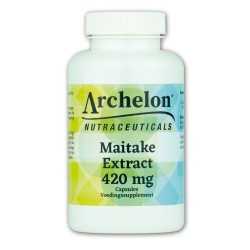
Maitake Extract - 420 mg
Maitake (Grifola frondosa), also known as oak hare, originates in the Far East and plays an important role in Chinese herbalism. This fungus, rich in various bioactive substances, is versatile for various applications. The name "maitake" comes from Japanese and literally means 'dancing mushroom', referring to the joy people experienced when finding it.
In nature, maitake mainly grows as a parasite on the roots or stumps of deciduous trees. For thousands of years, maitake has been valued in traditional Chinese herbalism for its nutritional value. This brown, lush fungus can sometimes weigh up to twenty kilos. With its delicious, aromatic flavor, maitake is a popular fungus in Japanese cuisine.
In nature, maitake mainly grows as a parasite on the roots or stumps of deciduous trees. For thousands of years, maitake has been valued in traditional Chinese herbalism for its nutritional value. This brown, lush fungus can sometimes weigh up to twenty kilos. With its delicious, aromatic flavor, maitake is a popular fungus in Japanese cuisine.
€34.95
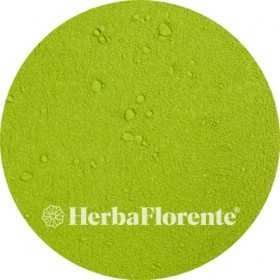
Moringa Tree - Moringa oleifera (Leaf Grounded)
Moringa oleifera, often called the "tree of life," is a plant native to parts of Africa and Asia. The leaves of the moringa tree contain various nutrients, such as vitamins, minerals, proteins, and antioxidants.
In many Asian and African cultures, moringa has been used for centuries as part of the daily diet. The leaves can be incorporated into meals or used as a supplement for their nutritional value.
In many Asian and African cultures, moringa has been used for centuries as part of the daily diet. The leaves can be incorporated into meals or used as a supplement for their nutritional value.
€3.20
From: €3.20
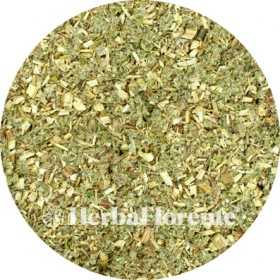
Mugwort - Artemisiae vulgaris - Cut
Mugwort (Artemisia vulgaris) is a plant in the Asteraceae family and is closely related to wormwood. It is a weakly aromatic plant with deeply incised leaves that are white and felt-like hairy on the underside. The stem can reach a length of approximately 60 to 120 centimeters and often exhibits a reddish discoloration.
Mugwort is common in the Netherlands and Belgium. The plant grows primarily in fallow land, along roads, and on other disturbed soil types. Mugwort thrives best in sandy soils and is known for its strong adaptability.
Mugwort is common in the Netherlands and Belgium. The plant grows primarily in fallow land, along roads, and on other disturbed soil types. Mugwort thrives best in sandy soils and is known for its strong adaptability.
€2.00
From: €2.00
Oregano - Origani cetici
Oregano (Origanum vulgare), also known as wild marjoram, is an aromatic herb that has been used for thousands of years in various cuisines and cultures. The herb belongs to the Lamiaceae family, which also includes rosemary, thyme, and mint.
Oregano naturally contains several plant compounds, including carvacrol, which is responsible for its characteristic spicy and slightly bitter flavor. This compound contributes to oregano's distinct aroma.
The most aromatic oregano grows naturally in Mediterranean mountain regions on calcareous soils. Wild oregano blooms in spring, after which it is traditionally harvested. Thanks to its flavor and composition, oregano is widely used in culinary applications and herbal teas.
Oregano naturally contains several plant compounds, including carvacrol, which is responsible for its characteristic spicy and slightly bitter flavor. This compound contributes to oregano's distinct aroma.
The most aromatic oregano grows naturally in Mediterranean mountain regions on calcareous soils. Wild oregano blooms in spring, after which it is traditionally harvested. Thanks to its flavor and composition, oregano is widely used in culinary applications and herbal teas.
€3.00
From: €3.00
Oregano - Origani vulgaris
Oregano (Origanum vulgare), also known as wild marjoram, is an aromatic herb that has been used for thousands of years in various cuisines and cultures. The herb belongs to the Lamiaceae family, which also includes rosemary, thyme, and mint.
Oregano naturally contains several plant compounds, including carvacrol, which is responsible for its characteristic spicy and slightly bitter flavor. This compound contributes to oregano's distinct aroma.
The most aromatic oregano grows naturally in Mediterranean mountain regions on calcareous soils. Wild oregano blooms in spring, after which it is traditionally harvested. Thanks to its flavor and composition, oregano is widely used in culinary applications and herbal teas.
Oregano naturally contains several plant compounds, including carvacrol, which is responsible for its characteristic spicy and slightly bitter flavor. This compound contributes to oregano's distinct aroma.
The most aromatic oregano grows naturally in Mediterranean mountain regions on calcareous soils. Wild oregano blooms in spring, after which it is traditionally harvested. Thanks to its flavor and composition, oregano is widely used in culinary applications and herbal teas.
€2.80
From: €2.80
Oregano Tincture - Oregano vulgaris Tincture
Single herbal tincture made with dried herb of Oregano vulgaris (Oregano).
Oregano (Origanum vulgare), also known as wild marjoram, is an aromatic herb that has been used for thousands of years in various cuisines and cultures. The herb belongs to the Lamiaceae family, which also includes rosemary, thyme, and mint.
Oregano naturally contains several plant compounds, including carvacrol, which is responsible for its characteristic spicy and slightly bitter flavor. This compound contributes to oregano's distinct aroma.
The most aromatic oregano grows naturally in Mediterranean mountain regions on calcareous soils. Wild oregano blooms in spring, after which it is traditionally harvested.
Oregano (Origanum vulgare), also known as wild marjoram, is an aromatic herb that has been used for thousands of years in various cuisines and cultures. The herb belongs to the Lamiaceae family, which also includes rosemary, thyme, and mint.
Oregano naturally contains several plant compounds, including carvacrol, which is responsible for its characteristic spicy and slightly bitter flavor. This compound contributes to oregano's distinct aroma.
The most aromatic oregano grows naturally in Mediterranean mountain regions on calcareous soils. Wild oregano blooms in spring, after which it is traditionally harvested.
€10.95
Passion Flower Tincture - Passiflora incarnata Tincture
Single herbal tincture made with dried herb of Passiflora incarnata (Passion Flower).
Passionflower (Passiflora incarnata) is a plant native to Central and North America. Various parts of the plant have long been used in diverse cultures. Today, passionflower is also found in other parts of the world.
The striking flowers of Passiflora incarnata are edible and prized for their distinctive appearance. In autumn, the plant produces fruit, and the leaves are also edible. These leaves naturally contain various plant compounds, including tannins, flavanols, saponins, and choline, as well as minerals such as magnesium.
Passionflower (Passiflora incarnata) is a plant native to Central and North America. Various parts of the plant have long been used in diverse cultures. Today, passionflower is also found in other parts of the world.
The striking flowers of Passiflora incarnata are edible and prized for their distinctive appearance. In autumn, the plant produces fruit, and the leaves are also edible. These leaves naturally contain various plant compounds, including tannins, flavanols, saponins, and choline, as well as minerals such as magnesium.
€11.95
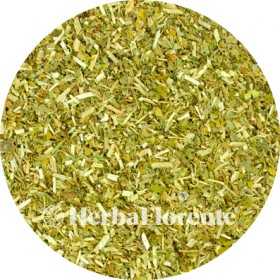
Passionflower - Passiflora incarnata
Passionflower (Passiflora incarnata) is a plant native to Central and North America. Various parts of the plant have long been used in diverse cultures. Today, passionflower is also found in other parts of the world.
The striking flowers of Passiflora incarnata are edible and prized for their distinctive appearance. In autumn, the plant produces fruit, and the leaves are also edible. These leaves naturally contain various plant compounds, including tannins, flavanols, saponins, and choline, as well as minerals such as magnesium.
Passionflower is traditionally used in herbal cultures and is often incorporated into herbal teas and other herbal preparations.
The striking flowers of Passiflora incarnata are edible and prized for their distinctive appearance. In autumn, the plant produces fruit, and the leaves are also edible. These leaves naturally contain various plant compounds, including tannins, flavanols, saponins, and choline, as well as minerals such as magnesium.
Passionflower is traditionally used in herbal cultures and is often incorporated into herbal teas and other herbal preparations.
€2.60
From: €2.60
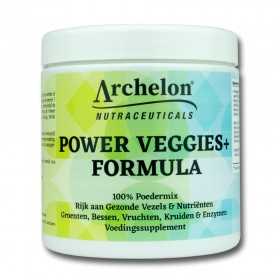
Power Veggies+ Formula
Power Veggies+ Formula is a carefully formulated powder mix containing a combination of vegetables, berries, fruits, herbs, vitamins, and enzymes. The formula also contains polyphenols, phytonutrients, and antioxidants and was developed to complement a varied diet and a healthy lifestyle.
The ingredients have been selected with an eye for balance and coherence, making Power Veggies+ Formula easy to take and flexible to fit into your daily routine. The powder form makes it easy to mix with water, juice, or smoothies.
Power Veggies+ Formula is suitable for vegans and vegetarians, and contains no additives or preservatives.
The ingredients have been selected with an eye for balance and coherence, making Power Veggies+ Formula easy to take and flexible to fit into your daily routine. The powder form makes it easy to mix with water, juice, or smoothies.
Power Veggies+ Formula is suitable for vegans and vegetarians, and contains no additives or preservatives.
€59.50
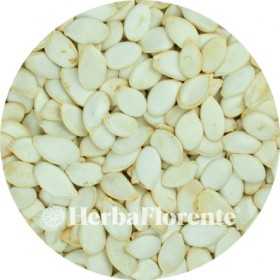
Pumpkin Seeds - Cucurbitae incortis
Pumpkin seeds are rich in nutrients and calories, with a particularly high fat content (especially linoleic acid and oleic acid), protein, dietary fiber and numerous micronutrients. Pumpkin seeds are a common ingredient in Mexican cuisine and are also roasted and served as a snack.
€2.00
From: €2.00
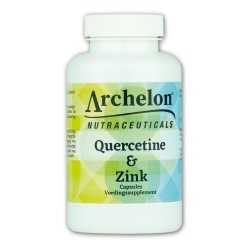
Quercetin & Zinc
Quercetin is a flavonoid (also called a bioflavonoid) that occurs naturally in various plants, fruits, and vegetables. Flavonoids are responsible for the vibrant colors in plants and contribute to various biochemical processes, such as regulating growth and protecting against UV light, oxidation, and heat.
Zinc is available in different forms. Zinc bisglycinate has a very good bioavailability. It is a chelated form of zinc bound to two (bis) molecules of the amino acid glycine which has more benefits for the body. Zinc has a very wide range of action and is involved in many body processes. Zinc is essential for the activity of more than 300 enzymes that have the zinc ion as a cofactor.
Zinc is available in different forms. Zinc bisglycinate has a very good bioavailability. It is a chelated form of zinc bound to two (bis) molecules of the amino acid glycine which has more benefits for the body. Zinc has a very wide range of action and is involved in many body processes. Zinc is essential for the activity of more than 300 enzymes that have the zinc ion as a cofactor.
€34.95
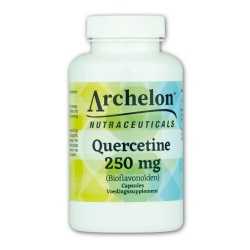
Quercetin - 250 mg
Quercetin is a flavonoid (also called a bioflavonoid) that occurs naturally in various plants, fruits, and vegetables. Flavonoids are responsible for the vibrant colors in plants and contribute to various biochemical processes, such as regulating growth and protecting against UV light, oxidation, and heat.
€27.95
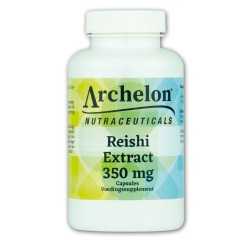
Reishi Extract - 350 mg
Reishi (Ganoderma lucidum) is a mushroom that has been used in Japanese and Chinese herbalism for over two thousand years. Today, reishi is cultivated under controlled conditions in greenhouses, ensuring consistent quality comparable to wild reishi. The mushroom contains various natural compounds, including polysaccharides, triterpenes, peptides, antioxidants, iron, and selenium. Reishi is often used in powders, capsules, and other food products because of this composition.
€34.95
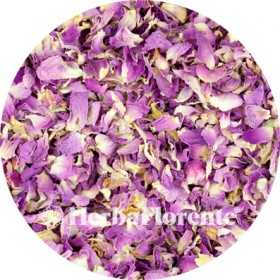
Rose - Rosae damascena
Rosae damascena, also known as the damask rose, is a versatile flower with many names, including the Iranian rose, Bulgarian rose, Taif rose, Ispahan rose and Castile rose.
These flowers are known for their delicate fragrance and are grown commercially for rose oil, both "rose otto" and "rose absolute", which is widely used in perfumery. They are also used to make rose water and "rose concrete". The petals are even edible and are used to flavor dishes, as a garnish, to make herbal tea and to preserve gulkand in sugar. Moreover, the damask rose is the national flower of Iran.
These flowers are known for their delicate fragrance and are grown commercially for rose oil, both "rose otto" and "rose absolute", which is widely used in perfumery. They are also used to make rose water and "rose concrete". The petals are even edible and are used to flavor dishes, as a garnish, to make herbal tea and to preserve gulkand in sugar. Moreover, the damask rose is the national flower of Iran.
€12.50
From: €12.50
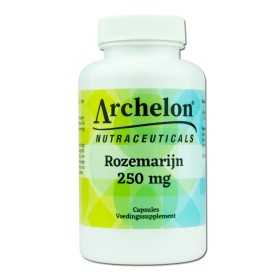
Rosemary - 250 mg
Rosemary (Rosmarinus officinalis L.) is a fragrant, compact shrub from the Lamiaceae family. This versatile herb has been used for centuries in cooking and for various purposes. Native to Mediterranean regions, rosemary blooms in spring with small, lavender-blue flowers.
The name "rosemary" comes from the Latin ros ("dew") and marinus ("sea"), which together mean "dew of the sea." Rosemary contains various natural plant compounds and aromas that contribute to its characteristic scent and flavor. It is used in herb blends, teas, and food products.
The name "rosemary" comes from the Latin ros ("dew") and marinus ("sea"), which together mean "dew of the sea." Rosemary contains various natural plant compounds and aromas that contribute to its characteristic scent and flavor. It is used in herb blends, teas, and food products.
€19.95
Rosemary - Rosmarini officinalis
Rosemary (Rosmarinus officinalis L.) is a fragrant, compact shrub from the Lamiaceae family. Native to the Mediterranean region, it is known for its aromatic leaves and lavender-blue flowers that appear in spring.
The name "rosemary" derives from the Latin: ros meaning "dew" and marinus meaning "sea," together meaning "dew of the sea." Rosemary has been prized for centuries in diverse cultures, from the ancient Greeks to the Romans, and is used in culinary dishes and herbal teas.
Rosemary naturally contains plant compounds, including aromatic oils and antioxidants, which contribute to the herb's characteristic aroma and flavor. It is used in a wide variety of dishes, from meat and fish dishes to sauces and marinades, and is also popular in aromatic oils and spice blends.
The name "rosemary" derives from the Latin: ros meaning "dew" and marinus meaning "sea," together meaning "dew of the sea." Rosemary has been prized for centuries in diverse cultures, from the ancient Greeks to the Romans, and is used in culinary dishes and herbal teas.
Rosemary naturally contains plant compounds, including aromatic oils and antioxidants, which contribute to the herb's characteristic aroma and flavor. It is used in a wide variety of dishes, from meat and fish dishes to sauces and marinades, and is also popular in aromatic oils and spice blends.
€2.00
From: €2.00
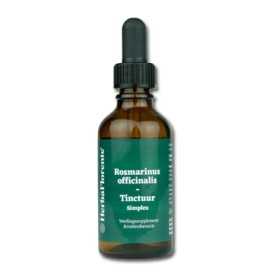
Rosemary Tincture - Rosmarinus officinalis Tincture
Single herbal tincture made with dried leaf of Rosmarinus officinalis (Rosemary).
Rosemary (Rosmarinus officinalis L.) is a fragrant, compact shrub from the Lamiaceae family. Native to the Mediterranean region, it is known for its aromatic leaves and lavender-blue flowers that appear in spring.
The name "rosemary" derives from the Latin: ros meaning "dew" and marinus meaning "sea," together meaning "dew of the sea." Rosemary has been prized for centuries in diverse cultures, from the ancient Greeks to the Romans, and is used in culinary dishes and herbal teas.
Rosemary (Rosmarinus officinalis L.) is a fragrant, compact shrub from the Lamiaceae family. Native to the Mediterranean region, it is known for its aromatic leaves and lavender-blue flowers that appear in spring.
The name "rosemary" derives from the Latin: ros meaning "dew" and marinus meaning "sea," together meaning "dew of the sea." Rosemary has been prized for centuries in diverse cultures, from the ancient Greeks to the Romans, and is used in culinary dishes and herbal teas.
€10.95