



Trending
€57.50
€62.50
€35.95
€62.50
€62.50
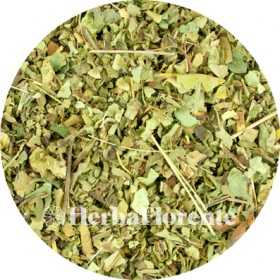
Lungwort - Pulmonaria officinalis
€5.91 €6.95 -15%
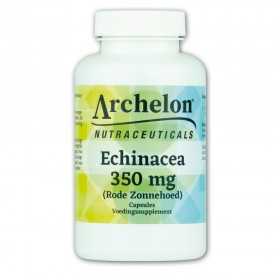
Echinacea (Red Coneflower) - 350 mg
€15.96 €19.95 -20%
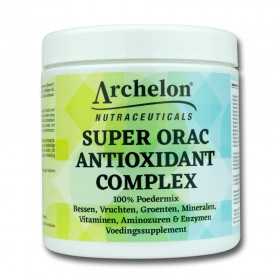
Mood
There are 126 products.
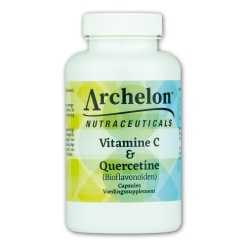
Vitamin C & Quercetin (Bioflavonoids)
Vitamin C (ascorbic acid) is the pure form of vitamin C. Buffered forms of ascorbic acid also exist, which are generally more easily tolerated by the gastrointestinal tract. Vitamin C is a water-soluble vitamin found naturally in various fruits and vegetables, such as citrus fruits, kiwi, bell peppers, and broccoli. Vitamin C is often added to dietary supplements in powder, tablet, or capsule form to supplement daily intake.
Quercetin is a flavonoid (also called a bioflavonoid) found naturally in various plants, fruits, and vegetables. Flavonoids are responsible for the vibrant colors in plants and contribute to various biochemical processes, such as regulating growth and protecting against UV light, oxidation, and heat.
Quercetin is a flavonoid (also called a bioflavonoid) found naturally in various plants, fruits, and vegetables. Flavonoids are responsible for the vibrant colors in plants and contribute to various biochemical processes, such as regulating growth and protecting against UV light, oxidation, and heat.
€29.95
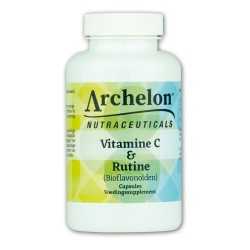
Vitamin C & Rutin (Bioflavonoids)
Vitamin C (ascorbic acid) is the pure form of vitamin C. Buffered forms of ascorbic acid also exist, which are generally more easily tolerated by the gastrointestinal tract. Vitamin C is a water-soluble vitamin found naturally in various fruits and vegetables, such as citrus fruits, kiwi, bell peppers, and broccoli. Vitamin C is often added to dietary supplements in powder, tablet, or capsule form to supplement daily intake.
Rutin is also a flavonoid found in citrus fruits, grapes, apple and pear peel, apricots, raspberries, onions, asparagus, tea, rhubarb, blueberries, and elderberries. Like other flavonoids, rutin contributes to the color and pigmentation of plants and plays a role in their metabolism and protection against environmental influences.
Rutin is also a flavonoid found in citrus fruits, grapes, apple and pear peel, apricots, raspberries, onions, asparagus, tea, rhubarb, blueberries, and elderberries. Like other flavonoids, rutin contributes to the color and pigmentation of plants and plays a role in their metabolism and protection against environmental influences.
€29.95
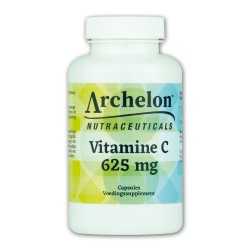
Vitamin C (Sodium Ascorbic Acid) - 625 mg
Vitamin C (ascorbic acid) is the pure form of vitamin C. There are also buffered forms of ascorbic acid, which are generally more easily tolerated by the gastrointestinal tract. Vitamin C is a water-soluble vitamin found naturally in various fruits and vegetables, such as citrus fruits, kiwi, bell peppers, and broccoli. Vitamin C is often added to dietary supplements in powder, tablet, or capsule form to supplement daily intake.
€17.95
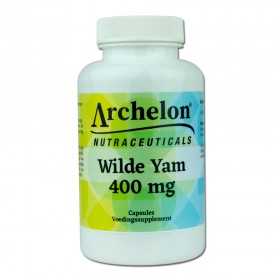
Wild Yam - 400 mg
Wild yam (Dioscorea villosa) is a plant native to Central America. The tuber of the wild yam can grow up to two meters long and is used as a food in South America and Africa, similar to the potato in the Netherlands. The root contains various natural nutrients, including vitamins and minerals. Wild yam is used in foods, powders, and supplements and is a versatile plant with both culinary and traditional uses.
€19.95
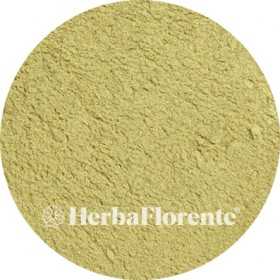
Wormwood Herb - Artemisia absinthium
Absinthe wormwood (Artemisia absinthium) is a plant from the composite family (Asteraceae). This species is on the Dutch Red List of plants as quite rare and moderately reduced in numbers. It is a perennial plant that grows naturally on dry, calcareous, nitrogen-rich and cultivated soils in temperate regions of Europe, Asia and North Africa. The genus name Artemisia is derived from the Greek hunting goddess Artemis.
The bitter extract of these buds is an important ingredient in drinks such as vermouth and classic absinthe. The most important flavorings are absinthine and the menthol-smelling terpene thujone.
The bitter extract of these buds is an important ingredient in drinks such as vermouth and classic absinthe. The most important flavorings are absinthine and the menthol-smelling terpene thujone.
€2.00
From: €2.00
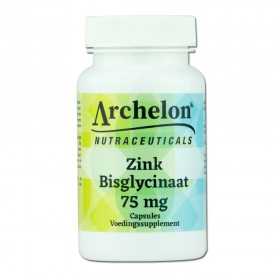
Zinc Bisglycinate - 75 mg
Zinc bisglycinate is a chelated form of zinc, in which the mineral is bound to two molecules of the amino acid glycine. This form is known for its good bioavailability. Zinc occurs naturally in foods such as meat, fish, nuts, seeds, and whole grains, and is available in various supplement forms. Zinc bisglycinate is a stable, easily absorbed source of zinc.
€16.95