



Trending
€57.50
€62.50


€35.95
€62.50
€62.50
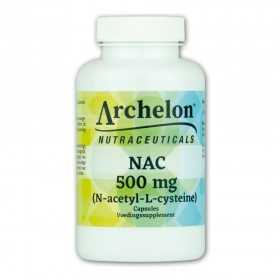
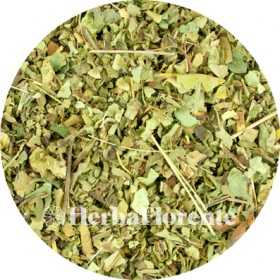
Lungwort - Pulmonaria officinalis
€5.91 €6.95 -15%
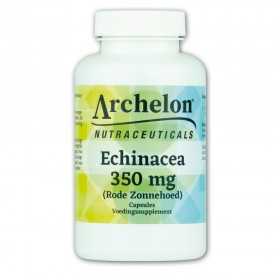
Echinacea (Red Coneflower) - 350 mg
€15.96 €19.95 -20%
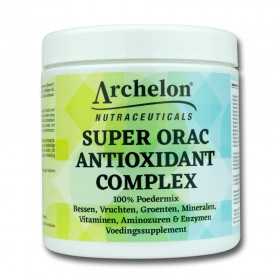
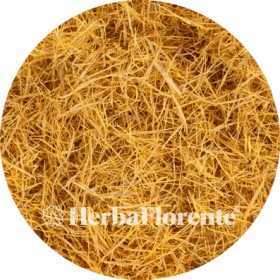
U, V, W, X, Y, Z
There are 6 products.
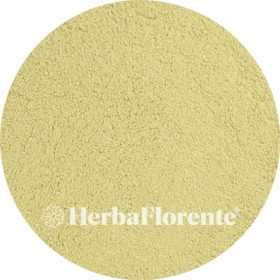
Ashwagandha - Withania somnifera
Ashwagandha, officially known as Withania somnifera, is a plant that has been used for centuries in the Ayurvedic tradition of India. Within this traditional teaching, ashwagandha is referred to as a rasayana, a term used in Ayurveda for herbs with special cultural and historical significance.
The plant belongs to the Magnoliophyta family and is also known as Indian ginseng and winter cherry. The root of the plant is traditionally used most often.
The name ashwagandha literally means "horse scent," a reference to the characteristic, earthy aroma of the fresh root. In Indian culture, the herb is often symbolically associated with strength and vitality, similar to that of a horse.
The plant belongs to the Magnoliophyta family and is also known as Indian ginseng and winter cherry. The root of the plant is traditionally used most often.
The name ashwagandha literally means "horse scent," a reference to the characteristic, earthy aroma of the fresh root. In Indian culture, the herb is often symbolically associated with strength and vitality, similar to that of a horse.
€4.40
From: €4.40
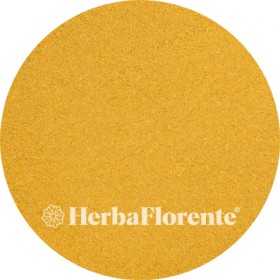
Cat's Claw - Uncaria tomentosa
Cat's claw (Uncaria tomentosa), also known as cat's claw, is a climbing plant native to the Amazon region of Brazil and Peru, among other places. The plant grows in rainforests and can cling to trees with its characteristic, claw-shaped thorns. These thorns, located at the base of the leaves, give the plant its name and enable it to climb to great heights.
In the Peruvian Amazon, cat's claw has special cultural significance and is considered part of traditional plant knowledge. Due to its origins and ecological importance, the species is a protected plant in certain regions.
In the Peruvian Amazon, cat's claw has special cultural significance and is considered part of traditional plant knowledge. Due to its origins and ecological importance, the species is a protected plant in certain regions.
€2.60
From: €2.60
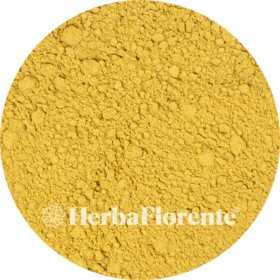
Ginger - Zingiberis Thiz. Mund. officinalis
Ginger comes from the root of the ginger plant (Zingiber officinale) and is used worldwide as a spice for its characteristic flavor. The root contains natural compounds such as gingerol, shogaol, and zingiberene, which contribute to ginger's characteristic aromas and flavors.
Ginger is a versatile plant used in cuisines around the world, both fresh and dried, and can be incorporated into teas, spice blends, or dishes.
Ginger is a versatile plant used in cuisines around the world, both fresh and dried, and can be incorporated into teas, spice blends, or dishes.
€2.40
From: €2.40
Nettle - Urticae dioica
Nettle (Urtica dioica) is a herbaceous plant found in many places and known for its stinging hairs when touched. Despite this characteristic, the plant has long been valued and used in various cultures. Nettle is used in culinary preparations such as soup and herbal tea.
The plant is native to large parts of Europe, Asia, and Africa. The Latin name Urtica dioica refers to the plant's stinging properties. Historical and botanical sources describe both the leaves and the roots as being traditionally collected and processed.
Both nettle leaf and root hold a firm place in herbal tradition. Due to their natural composition and long history, these parts of the plant have been mentioned for centuries in ethnobotanical and historical accounts.
The plant is native to large parts of Europe, Asia, and Africa. The Latin name Urtica dioica refers to the plant's stinging properties. Historical and botanical sources describe both the leaves and the roots as being traditionally collected and processed.
Both nettle leaf and root hold a firm place in herbal tradition. Due to their natural composition and long history, these parts of the plant have been mentioned for centuries in ethnobotanical and historical accounts.
€2.40
From: €2.40
Slippery Elm - Ulmi pubescent - Ulmus rubra
The Slippery Elm (Ulmus rubra), also known as the Slippery Elm, is a deciduous tree native to the humid highlands of eastern North America. Initially, in 1753, this species was mistaken for Ulmus americana, but in 1793 it was determined to be a distinct species, after which the name Ulmus rubra was assigned.
In North America, the slippery elm has a long history of practical use. The tree grows rapidly and produces sturdy, rot-resistant wood. Traditionally, the tree's fibers were used for making wire, rope, and other applications.
In North America, the slippery elm has a long history of practical use. The tree grows rapidly and produces sturdy, rot-resistant wood. Traditionally, the tree's fibers were used for making wire, rope, and other applications.
€12.60
From: €12.60
Valerian - Valerianae officinalis
Valerian (Valeriana officinalis) is a plant with a long history of use in Europe. It is still common in the Netherlands and prefers airy, moist soil. The roots of the plant, in particular, are known for their strong and distinctive odor, which attracts cats, among other things.
Valerian has been used in folk customs and traditions since ancient times. Our ancestors employed the herb in rituals and symbolic practices, for example, to ward off evil. Brides and grooms wore wreaths of valerian leaves, and farmers used the herb in traditional agricultural practices.
Valerian's distinct scent is due to the natural plant compounds found in the root. Today, valerian is primarily valued for its characteristic properties and historical significance.
Valerian has been used in folk customs and traditions since ancient times. Our ancestors employed the herb in rituals and symbolic practices, for example, to ward off evil. Brides and grooms wore wreaths of valerian leaves, and farmers used the herb in traditional agricultural practices.
Valerian's distinct scent is due to the natural plant compounds found in the root. Today, valerian is primarily valued for its characteristic properties and historical significance.
€3.70
From: €3.70