



Trending
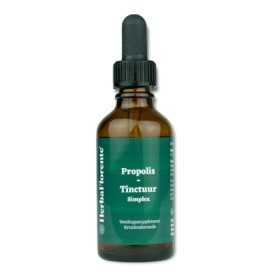
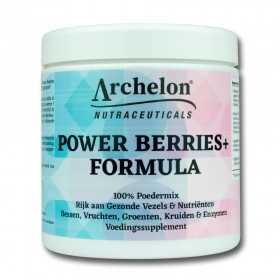
€57.50
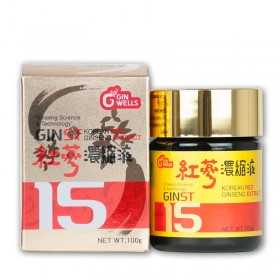
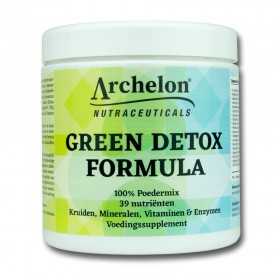
€62.50

€35.95
€62.50
€62.50
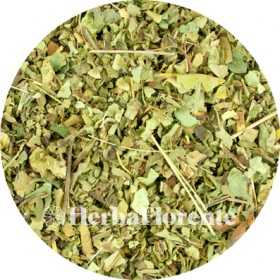
Lungwort - Pulmonaria officinalis
€5.91 €6.95 -15%
Echinacea (Red Coneflower) - 350 mg
€15.96 €19.95 -20%
Latest Blog


Best sellers
There are 368 products.
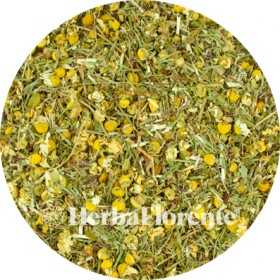
Bladder Herbal Tea
Herbal tea composed of various herbs
€3.95
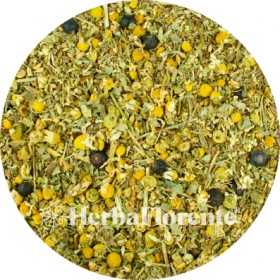
Menstrual Cramp Herbal Tea
Herbal tea composed of various herbs
€3.95
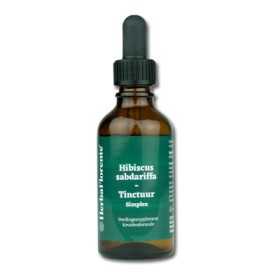
Hibiscus Tincture - Hibiscus sabdariffa Tincture
Single herbal tincture made with dried flower of Hibiscus sabdariffa (Hibiscus).
Hibiscus (Hibiscus sabdariffa), also known as roselle, is used worldwide in both hot and cold beverages and as a natural flavoring and coloring agent in the food industry. The plant is especially prized for its fresh, tart flavor and striking deep red color.
Hibiscus sabdariffa L. is an annual shrub that can reach a height of over two meters. The plant typically has smooth, red-tinged stems and creamy to light yellow flowers that turn pink at the end of the day. After flowering, a characteristic red calyx develops, which is fleshy, crisp, and juicy. When this calyx fully develops and dries, it turns brown and bursts open.
Hibiscus (Hibiscus sabdariffa), also known as roselle, is used worldwide in both hot and cold beverages and as a natural flavoring and coloring agent in the food industry. The plant is especially prized for its fresh, tart flavor and striking deep red color.
Hibiscus sabdariffa L. is an annual shrub that can reach a height of over two meters. The plant typically has smooth, red-tinged stems and creamy to light yellow flowers that turn pink at the end of the day. After flowering, a characteristic red calyx develops, which is fleshy, crisp, and juicy. When this calyx fully develops and dries, it turns brown and bursts open.
€9.95
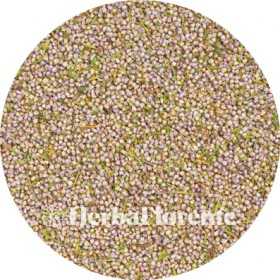
Shrub Heather (Flower) - Erica vulgaris
The Heather (Erica vulgaris - Calluna vulgaris) belongs to the heath family (Ericaceae) and grows throughout Europe, especially in Central and Northern Europe. It even reaches Western Siberia in the east. In the nineteenth century, Scottish immigrants brought the heather to Canada, from where it spread throughout North America. It is the only species in the genus Calluna, meaning it is a monotypic genus.
The shrub heath can grow to a height of 10-100 cm, sometimes even up to 150 cm in certain places. It has hermaphroditic, symmetrical flowers, with the calyx and petals being the same color. Purple flowers appear towards the end of the branches, creating the purple heaths from late July to early September.
The shrub heath can grow to a height of 10-100 cm, sometimes even up to 150 cm in certain places. It has hermaphroditic, symmetrical flowers, with the calyx and petals being the same color. Purple flowers appear towards the end of the branches, creating the purple heaths from late July to early September.
€2.80
From: €2.80
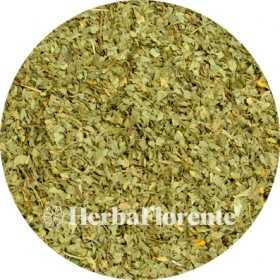
Parsley - Petroselini - Cut
Parsley (Petroselinum crispum) is a biennial, hardy herbaceous plant from the Apiaceae family. The herb is widely used in European, American, and Middle Eastern cuisine for its fresh, aromatic flavor.
In ancient times, parsley had symbolic meaning. For the ancient Greeks, the herb symbolized joy and was frequently used in rituals and traditions. The Romans spread the use of parsley throughout Western Europe. In the Middle Ages, parsley was eaten and cultivated as both an herb and a vegetable, including in the gardens of Charlemagne.
For culinary use, the leaves are primarily used, preferably just before serving. Parsley is often combined with garlic in herb butter, used in salads, and incorporated into a variety of dishes. The seeds can also be ground and used as a spice.
In ancient times, parsley had symbolic meaning. For the ancient Greeks, the herb symbolized joy and was frequently used in rituals and traditions. The Romans spread the use of parsley throughout Western Europe. In the Middle Ages, parsley was eaten and cultivated as both an herb and a vegetable, including in the gardens of Charlemagne.
For culinary use, the leaves are primarily used, preferably just before serving. Parsley is often combined with garlic in herb butter, used in salads, and incorporated into a variety of dishes. The seeds can also be ground and used as a spice.
€2.20
From: €2.20
Pau D'arco - Tabeuiae
Pau d’arco (Tabebuia avellanedae) is a tree native to the Amazon region. Traditionally, the inner layer of the bark is primarily used. This bark has a long history within various cultures in South America.
Pau d’arco bark naturally contains various plant compounds, including flavonoids and quinones. More than twenty different quinone compounds have been identified in the bark, including lapachol and beta-lapachone. These compounds contribute to the characteristic composition of pau d’arco.
Pau d’arco is traditionally made into tea or other herbal preparations and is valued for its natural origins and rich plant profile.
Pau d’arco bark naturally contains various plant compounds, including flavonoids and quinones. More than twenty different quinone compounds have been identified in the bark, including lapachol and beta-lapachone. These compounds contribute to the characteristic composition of pau d’arco.
Pau d’arco is traditionally made into tea or other herbal preparations and is valued for its natural origins and rich plant profile.
€2.60
From: €2.60
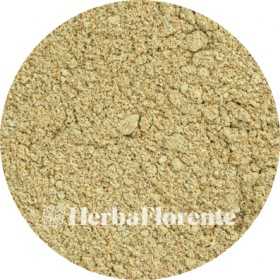
Milk Thistle (Seed) - Sylibum marianum, Cardui Mariae
Milk thistle (Silybum marianum), also known as milk thistle, is a spiny plant in the Asteraceae family. It originates in the Mediterranean region, but also grows in temperate regions such as the Netherlands and Belgium.
The plant is known for its striking, white-flecked leaves and purple flower heads. Milk thistle seeds contain natural compounds, including silymarin, a group of bioactive compounds considered antioxidants. Because of this composition, milk thistle is traditionally used in various food and herbal products.
The plant is known for its striking, white-flecked leaves and purple flower heads. Milk thistle seeds contain natural compounds, including silymarin, a group of bioactive compounds considered antioxidants. Because of this composition, milk thistle is traditionally used in various food and herbal products.
€2.00
From: €2.00
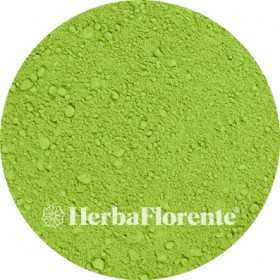
Barley grass - Hordeum vulgare
Barley grass is obtained by allowing barley to fully germinate and cutting off the green shoots when they are 20–30 cm tall. The grass is often dried and processed into powder.
Barley grass contains natural nutrients such as bioflavonoids, beta-carotene, a range of vitamins (A, B1, B2, B3, B6, B12, C, E, and K), and minerals such as calcium, phosphorus, potassium, iron, and zinc. It is also rich in chlorophyll and contains all the essential amino acids.
Barley grass contains natural nutrients such as bioflavonoids, beta-carotene, a range of vitamins (A, B1, B2, B3, B6, B12, C, E, and K), and minerals such as calcium, phosphorus, potassium, iron, and zinc. It is also rich in chlorophyll and contains all the essential amino acids.
€3.30
From: €3.30
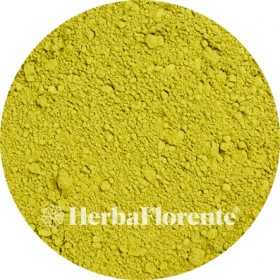
Damiana - Damianae mex. (Turnera diffusa) - Grounded
Damiana (Turnera diffusa) is a shrub native to southern Texas, Mexico, Central and South America, and the Caribbean. The plant belongs to the Passifloraceae family and is known for its aromatic leaves.
In Mexico and other parts of Latin America, damiana has been used for centuries in culinary and cultural traditions. The leaves are made into herbal teas and sometimes smoked, among other things. Damiana is also a traditional ingredient in Mexican liqueurs and is sometimes used in cocktails, such as margaritas, where it complements the flavor or replaces part of the liqueur.
Damiana leaves naturally contain various plant compounds, such as beta-sitosterol, arbutin, and various alkaloids.
In Mexico and other parts of Latin America, damiana has been used for centuries in culinary and cultural traditions. The leaves are made into herbal teas and sometimes smoked, among other things. Damiana is also a traditional ingredient in Mexican liqueurs and is sometimes used in cocktails, such as margaritas, where it complements the flavor or replaces part of the liqueur.
Damiana leaves naturally contain various plant compounds, such as beta-sitosterol, arbutin, and various alkaloids.
€4.40
From: €4.40
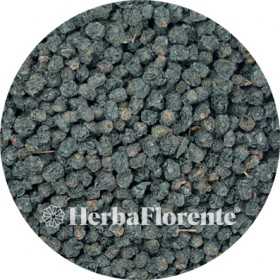
Aronia berry - Arnoia melanocarpa - Whole
Aronia berries, also known as black chokeberries, grow on compact bushes that reach a height of about 1 to 3 meters. The berries have a deep purple to black color and have long been used in various cultures.
The berries contain various natural plant compounds, including anthocyanins and polyphenols. These compounds contribute to the fruit's characteristic color and protect the seed inside. Compared to blueberries, aronia berries contain relatively high levels of anthocyanins.
Aronia berries are a popular ingredient in juices, teas, and jams, for example, because of their rich color and flavor.
The berries contain various natural plant compounds, including anthocyanins and polyphenols. These compounds contribute to the fruit's characteristic color and protect the seed inside. Compared to blueberries, aronia berries contain relatively high levels of anthocyanins.
Aronia berries are a popular ingredient in juices, teas, and jams, for example, because of their rich color and flavor.
€2.40
From: €2.40
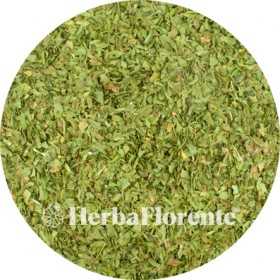
Lovage - Levisticum officinale
Lovage, also known as the maggi plant, is a perennial plant from the umbellifer family (Apiaceae). The name "maggi plant" refers to the strong smell, which is reminiscent of the maggi aroma. However, the herb is not an ingredient in the original Maggi recipe.
Originally from Southeast Asia and Iran, the Romans spread lovage throughout Europe during their conquests. Today, the plant grows in large parts of Europe and North America and occasionally occurs in northern Thailand.
Originally from Southeast Asia and Iran, the Romans spread lovage throughout Europe during their conquests. Today, the plant grows in large parts of Europe and North America and occasionally occurs in northern Thailand.
€3.50
From: €3.50
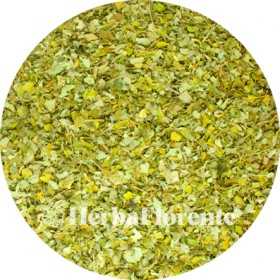
Moringa Tree - Moringa oleifera - (Leaf Cut)
Moringa oleifera, often called the "tree of life," is a plant native to parts of Africa and Asia. The leaves of the moringa tree contain various nutrients, such as vitamins, minerals, proteins, and antioxidants.
In many Asian and African cultures, moringa has been used for centuries as part of the daily diet. The leaves can be incorporated into meals or used as a supplement for their nutritional value.
In many Asian and African cultures, moringa has been used for centuries as part of the daily diet. The leaves can be incorporated into meals or used as a supplement for their nutritional value.
€2.95
From: €2.95
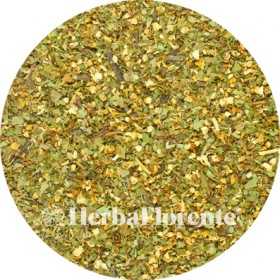
Hawthorn (Leaf & Flower) Cut - Crataegus laevigata, Crataegi
The two-styled hawthorn (Crataegus laevigata) is a thorny shrub or small tree native to much of Europe. In spring, it blooms with white flowers, while in autumn it produces dark red, spherical or egg-shaped berries, also known as "whitebeans."
The leaves, flowers, and berries of the hawthorn naturally contain a rich composition of plant compounds, including flavonoids, procyanidins, vitamin C, tannins, and glycosides. Because of this composition, hawthorn is traditionally used in various herbal products and supplements.
The leaves, flowers, and berries of the hawthorn naturally contain a rich composition of plant compounds, including flavonoids, procyanidins, vitamin C, tannins, and glycosides. Because of this composition, hawthorn is traditionally used in various herbal products and supplements.
€2.50
From: €2.50
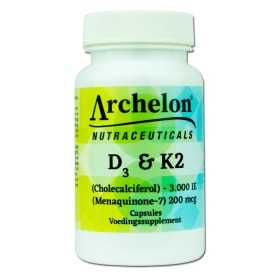
Vitamin D3 - 3,000 IU - 75 mcg & Vitamin K2 (Menaquinone-7) 200 mcg
Vitamin D is a fat-soluble vitamin that the body can produce naturally under the influence of sunlight (UV radiation). Vitamin D is also found in foods such as oily fish (herring, salmon, mackerel), meat, and eggs. The production and absorption of vitamin D can vary from person to person, depending on skin pigmentation, age, and sunlight exposure.
Vitamin K2, in the form of menaquinone-7, is a form of vitamin K that remains in the body for a long time. Vitamin K2 is available in foods such as fermented cheese, eggs, and meat.
Vitamin K2, in the form of menaquinone-7, is a form of vitamin K that remains in the body for a long time. Vitamin K2 is available in foods such as fermented cheese, eggs, and meat.
€32.95
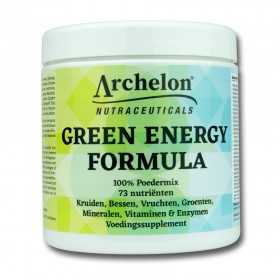
Green Energy Formula
Green Energy Formula is a carefully formulated powder mix with no fewer than 72 nutrients. The formula contains a wide combination of herbs, berries, fruits, vegetables, vitamins, minerals, and enzymes and was developed to complement a varied diet and a healthy lifestyle.
The ingredients were selected with a focus on variety and coherence. Thanks to its comprehensive composition, Green Energy Formula fits into daily routines that focus on nutrition and lifestyle. The powder form makes the product easy to use and flexible to integrate into your day.
Green Energy Formula is suitable for people looking for a complete, plant-based formula without unnecessary additives.
The ingredients were selected with a focus on variety and coherence. Thanks to its comprehensive composition, Green Energy Formula fits into daily routines that focus on nutrition and lifestyle. The powder form makes the product easy to use and flexible to integrate into your day.
Green Energy Formula is suitable for people looking for a complete, plant-based formula without unnecessary additives.
€72.50
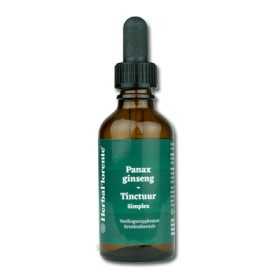
Korean ginseng Tincture - Panax ginseng Tincture
Single herbal tincture made with dried root of Panax ginseng (Korean ginseng).
Panax ginseng is a plant with a slow-growing, sturdy root and belongs to the Araliaceae family. It is one of the most well-known plants in traditional Chinese medicine and has been used in Asia for thousands of years.
The name "Panax" comes from the Greek word for "all-healer," referring to the plant's historical reputation in traditional medicine. Panax ginseng contains unique compounds called ginsenosides, which are found only in this plant.
Panax ginseng is a plant with a slow-growing, sturdy root and belongs to the Araliaceae family. It is one of the most well-known plants in traditional Chinese medicine and has been used in Asia for thousands of years.
The name "Panax" comes from the Greek word for "all-healer," referring to the plant's historical reputation in traditional medicine. Panax ginseng contains unique compounds called ginsenosides, which are found only in this plant.
€14.95
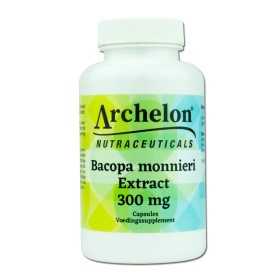
Bacopa monnieri Extract - 300 mg
Bacopa monnieri is a plant that has been used for thousands of years in the Ayurvedic tradition. In India, the herb is known as Brahmi, a Sanskrit term that refers to awareness and wisdom.
Our Bacopa monnieri capsules contain an extract standardized to 50% bacosides, the characteristic plant compounds of Bacopa monnieri. The extract is carefully produced to ensure a consistent composition.
Bacopa monnieri is a herb native to humid regions and is traditionally valued in various herbal systems.
Our Bacopa monnieri capsules contain an extract standardized to 50% bacosides, the characteristic plant compounds of Bacopa monnieri. The extract is carefully produced to ensure a consistent composition.
Bacopa monnieri is a herb native to humid regions and is traditionally valued in various herbal systems.
€26.95
Marshmallow - Althaea officinalis
Marshmallow (Althaea officinalis) belongs to the mallow family (Malvaceae) and has been spread worldwide by human activity, especially to areas with suitable soil, humidity and climate.
The starch in the carrot, mixed with proteinaceous substances, was formerly used in making marshmallows and bacon. The leaves can be eaten cooked and the flowers can be used raw in salads.
The starch in the carrot, mixed with proteinaceous substances, was formerly used in making marshmallows and bacon. The leaves can be eaten cooked and the flowers can be used raw in salads.
€2.75
From: €2.75
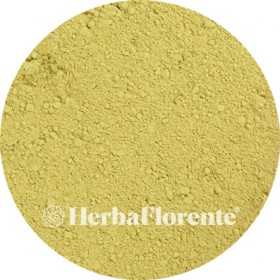
Thyme - Thymii vulgaris
Thyme is a herb valued in both cooking and traditional applications. It is recognizable by its distinctive aroma and can be used in teas, spice blends, syrups, or as a seasoning in dishes.
Thyme grows naturally in Europe, Asia, and Africa, forming hardy shrubs approximately 40 centimeters tall. The herb thrives in dry and stony soils. Both the leaves and flowers of thyme contain various plant compounds, including essential oils and flavonoids.
Thyme was used by the Greeks and Romans since ancient times, primarily for its aroma and culinary uses. Today, thyme is still valued for its fragrance and flavor.
Thyme grows naturally in Europe, Asia, and Africa, forming hardy shrubs approximately 40 centimeters tall. The herb thrives in dry and stony soils. Both the leaves and flowers of thyme contain various plant compounds, including essential oils and flavonoids.
Thyme was used by the Greeks and Romans since ancient times, primarily for its aroma and culinary uses. Today, thyme is still valued for its fragrance and flavor.
€2.20
From: €2.20
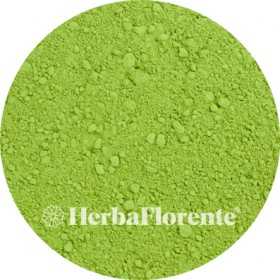
Wheatgrass - Triticum aestivum
Wheatgrass is a plant that naturally contains vitamins A, C, and E, as well as minerals like calcium, magnesium, and iron. It also contains chlorophyll and natural enzymes. The chlorophyll content of wheatgrass is significant.
€2.00
From: €2.00
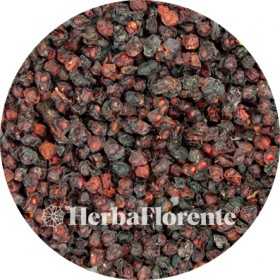
Magnolia Berry (Schisandra) - Schisandrae chinensis - Whole
Schisandra, also known as the schisandra berry (Schisandra chinensis), is a plant that has been used in traditional Chinese herbalism for over 2,000 years. The plant produces dark red berries, of which only the seeds are used. These are traditionally harvested after the first frost and then dried.
The schisandra berry naturally contains various plant compounds, including antioxidants. Due to its unique composition and long history, schisandra is often used in herbal blends and teas for traditional purposes.
Within traditional Chinese culture, schisandra is valued and frequently used in herbal formulas. Today, the berry is also used outside of Asia as an ingredient in various herbal preparations.
The schisandra berry naturally contains various plant compounds, including antioxidants. Due to its unique composition and long history, schisandra is often used in herbal blends and teas for traditional purposes.
Within traditional Chinese culture, schisandra is valued and frequently used in herbal formulas. Today, the berry is also used outside of Asia as an ingredient in various herbal preparations.
€6.95
From: €6.95
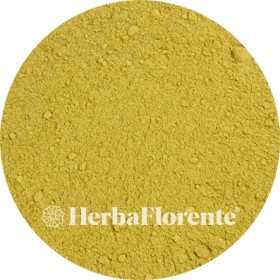
Oregano - Origani cetici
Oregano (Origanum vulgare), also known as wild marjoram, is an aromatic herb that has been used for thousands of years in various cuisines and cultures. The herb belongs to the Lamiaceae family, which also includes rosemary, thyme, and mint.
Oregano naturally contains several plant compounds, including carvacrol, which is responsible for its characteristic spicy and slightly bitter flavor. This compound contributes to oregano's distinct aroma.
The most aromatic oregano grows naturally in Mediterranean mountain regions on calcareous soils. Wild oregano blooms in spring, after which it is traditionally harvested. Thanks to its flavor and composition, oregano is widely used in culinary applications and herbal teas.
Oregano naturally contains several plant compounds, including carvacrol, which is responsible for its characteristic spicy and slightly bitter flavor. This compound contributes to oregano's distinct aroma.
The most aromatic oregano grows naturally in Mediterranean mountain regions on calcareous soils. Wild oregano blooms in spring, after which it is traditionally harvested. Thanks to its flavor and composition, oregano is widely used in culinary applications and herbal teas.
€3.00
From: €3.00
Kelp - Laminariales
Kelp, a member of the brown algae (Laminariales) family, thrives in the cold waters of the major oceans. This large species of seaweed is an excellent source of iodine, an essential element for healthy thyroid function in humans.
In Asia, especially Japan, seaweed has been an integral part of the daily diet for centuries. A well-known kelp species is kombu (Laminaria japonica), which is often cooked with rice for sushi. In addition to being one of the largest plants in the world, kelp is known for growing extremely quickly, sometimes up to three meters per day.
In Asia, especially Japan, seaweed has been an integral part of the daily diet for centuries. A well-known kelp species is kombu (Laminaria japonica), which is often cooked with rice for sushi. In addition to being one of the largest plants in the world, kelp is known for growing extremely quickly, sometimes up to three meters per day.
€2.70
From: €2.70
Geranium - Pelargonium sidoides
The Cape geranium (Pelargonium sidoides), known locally as "umckaloabo," is a native geranium species from South Africa. It grows wild among tall grasses and aromatic flower beds on the slopes of the Cape coast and in the grasslands of Lesotho.
The Cape geranium has soft, velvety gray-green leaves and deep magenta flowers. The plant's rhizomes turn dark red when dried and ground.
The Cape geranium has soft, velvety gray-green leaves and deep magenta flowers. The plant's rhizomes turn dark red when dried and ground.
€5.00
From: €5.00