



Trending
€57.50
€62.50
€35.95
€62.50
€62.50
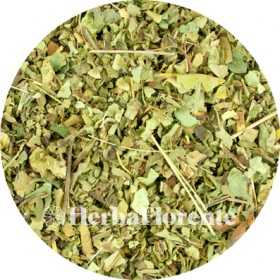
Lungwort - Pulmonaria officinalis
€5.91 €6.95 -15%
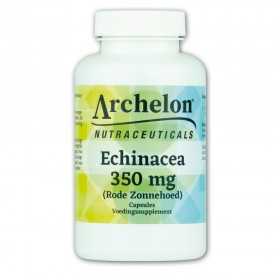
Echinacea (Red Coneflower) - 350 mg
€15.96 €19.95 -20%
Latest Blog


Best sellers
There are 368 products.
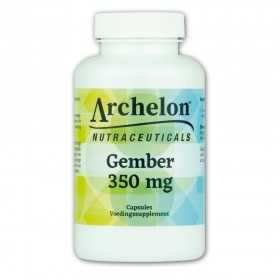
Ginger - 350 mg
Ginger (Zingiber officinale) is a plant whose rhizome is used worldwide as a spice and ingredient in various foods. The root is known for its distinct aroma and spicy flavor and is used in both traditional cuisines and modern food products.
Ginger root naturally contains several bioactive plant compounds, including gingerol, shogaol, and zingiberene. These compounds contribute to ginger's characteristic profile and are preserved through various processing methods.
Ginger root naturally contains several bioactive plant compounds, including gingerol, shogaol, and zingiberene. These compounds contribute to ginger's characteristic profile and are preserved through various processing methods.
€19.95
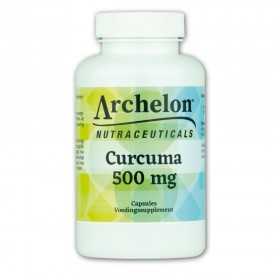
Curcuma - 500 mg
Turmeric, also known as yellow root, is a spice native to the tropical regions of India and Southeast Asia. The root powder is widely used in Asian cuisine and is known in the Netherlands as yellow root because of the striking yellow color it can impart to dishes like curry and mustard. Turmeric contains natural pigments and bioactive compounds and is used in nutritional supplements as part of a varied and balanced diet.
€19.95
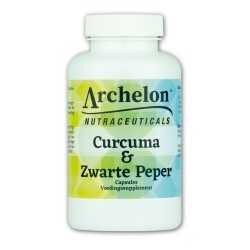
Curcuma 480 mg & Black Pepper 20 mg
Turmeric, also known as yellow root, is a spice native to the tropical regions of India and Southeast Asia. The root powder is widely used in Asian cuisine and is known in the Netherlands as yellow root because of the striking yellow color it can impart to dishes like curry and mustard. Turmeric contains natural pigments and bioactive compounds and is used in nutritional supplements as part of a varied and balanced diet.
€21.95
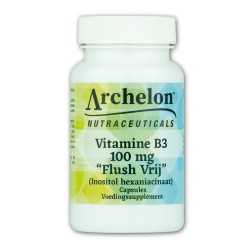
Vitamin B3 “Flush Free” (Inositol Hexaniacinate) - 100 mg
Vitamin B3 (niacin, niacinamide, inositol hexanicotinate) is a water-soluble vitamin found in foods such as meat, fish, grains, and legumes. It is a component of the coenzymes NAD and NADP, which play a role in various biochemical processes in cells. Vitamin B3 can be taken in several forms: niacin (nicotinic acid), niacinamide, and inositol hexanicotinate. Niacin can cause temporary redness and warmth of the skin, also known as a "flush," while niacinamide and inositol hexanicotinate do not have this effect.
€24.95

Pau D'arco - Tabeuiae - (Cut)
Pau d’arco (Tabebuia avellanedae) is a tree native to the Amazon region. Traditionally, the inner layer of the bark is primarily used. This bark has a long history within various cultures in South America.
Pau d’arco bark naturally contains various plant compounds, including flavonoids and quinones. More than twenty different quinone compounds have been identified in the bark, including lapachol and beta-lapachone. These compounds contribute to the characteristic composition of pau d’arco.
Pau d’arco is traditionally made into tea or other herbal preparations and is valued for its natural origins and rich plant profile.
Pau d’arco bark naturally contains various plant compounds, including flavonoids and quinones. More than twenty different quinone compounds have been identified in the bark, including lapachol and beta-lapachone. These compounds contribute to the characteristic composition of pau d’arco.
Pau d’arco is traditionally made into tea or other herbal preparations and is valued for its natural origins and rich plant profile.
€2.50
From: €2.50
Olive - Olea europaea
Out-of-Stock
Olive leaves come from the wild olive tree (Olea europaea) and naturally contain antioxidants. These trees are native to Western Asia, Egypt, and Syria, and are now also found in the Mediterranean, South America, the southern United States, southern Australia, and the tropics.
Olive leaves have been used for centuries in the Mediterranean region, for example, as a tea. They contain various plant compounds, including oleuropein, secoiridoids, and flavonoids. Olive leaves have a rich history in traditional cuisine and folk herbalism and are often associated with the olive tree, also known as the "tree of life."
Olive leaves have been used for centuries in the Mediterranean region, for example, as a tea. They contain various plant compounds, including oleuropein, secoiridoids, and flavonoids. Olive leaves have a rich history in traditional cuisine and folk herbalism and are often associated with the olive tree, also known as the "tree of life."
€2.25
From: €2.25
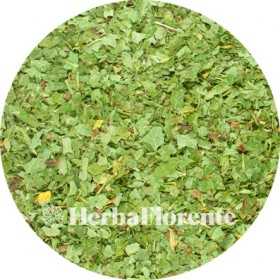
Blackcurrant - Ribes nigrum
The blackcurrant (Ribes nigrum L.) is a plant native to Northern Asia, Northern Europe, and Central Europe. The name "nigrum" refers to the dark color of the berries, while "ribes" refers to the berries themselves.
The blackcurrant thrives in moist, nutrient-rich soil and is resistant to cold and humidity. It is common in the Netherlands and Belgium.
Various parts of the plant are traditionally used, including the berries, seeds, and leaves. The berries contain vitamins and minerals, while the leaves are rich in natural plant compounds such as bioflavonoids, anthocyanins, and tannins. The use of blackcurrant leaf (Folium Ribis nigri) has a long history in culinary and traditional applications.
The blackcurrant thrives in moist, nutrient-rich soil and is resistant to cold and humidity. It is common in the Netherlands and Belgium.
Various parts of the plant are traditionally used, including the berries, seeds, and leaves. The berries contain vitamins and minerals, while the leaves are rich in natural plant compounds such as bioflavonoids, anthocyanins, and tannins. The use of blackcurrant leaf (Folium Ribis nigri) has a long history in culinary and traditional applications.
€2.95
From: €2.95
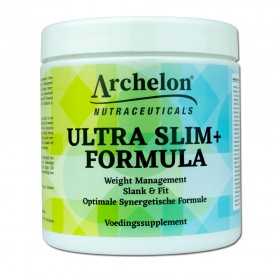
Ultra Slim+ Formula
Ultra Slim+ Formula is a carefully formulated powder mix containing a combination of herbs, vitamins, minerals, and enzymes. The formula was developed to complement a varied diet and a healthy lifestyle.
The ingredients have been selected with an eye for balance and cohesion, making Ultra Slim+ Formula easy to take and flexible to fit into your daily routine. The powder form makes it easy to mix with water, juice, or smoothies.
Ultra Slim+ Formula is suitable for vegans and vegetarians, and contains no additives or preservatives.
The ingredients have been selected with an eye for balance and cohesion, making Ultra Slim+ Formula easy to take and flexible to fit into your daily routine. The powder form makes it easy to mix with water, juice, or smoothies.
Ultra Slim+ Formula is suitable for vegans and vegetarians, and contains no additives or preservatives.
€79.95
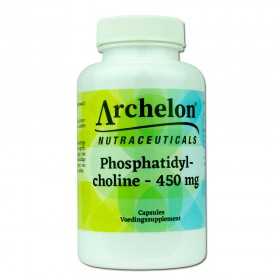
Phosphatidylcholine - 450 mg
Phosphatidylcholine is a concentrated form of lecithin and is more stable and has a longer shelf life than lecithin alone. It is a phospholipid that occurs naturally in cell membranes and in foods such as eggs, soy, and certain nuts. Phosphatidylcholine provides choline, a nutrient recognized as essential by the Dutch Health Council. In the body, it is primarily found in the outer leaflet of cell membranes and can be transported by specific proteins, such as phosphatidylcholine transfer protein (PCTP).
€39.95
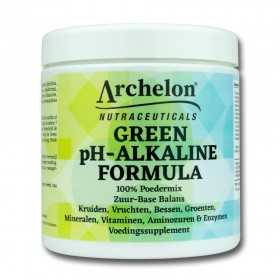
Green pH-Alkaline Formula
Green pH-Alkaline Formula is a carefully formulated powder mix with a broad combination of herbs, fruits, berries, vegetables, vitamins, minerals, amino acids, and enzymes. The formula was developed to complement a varied diet and a conscious lifestyle.
The mix includes wheat and barley grass, along with various herbal ingredients that work synergistically within a single, complete powder mix. The powder form makes it easy to mix with your favorite drink or smoothie, making it flexible and practical to use.
Green pH-Alkaline Formula is suitable for vegetarians. No additives or preservatives have been used, ensuring a pure and natural supplement.
The mix includes wheat and barley grass, along with various herbal ingredients that work synergistically within a single, complete powder mix. The powder form makes it easy to mix with your favorite drink or smoothie, making it flexible and practical to use.
Green pH-Alkaline Formula is suitable for vegetarians. No additives or preservatives have been used, ensuring a pure and natural supplement.
€45.50
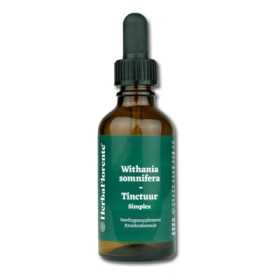
Ashwagandha (Winter Cherry) Tincture - Withania somnifera Tincture
Single herbal tincture made with dried root of Withania somnifera (Ashwagandha/Winter Cherry).
Ashwagandha, officially known as Withania somnifera, is a plant that has been used for centuries in the Ayurvedic tradition of India. Within this traditional teaching, ashwagandha is referred to as a rasayana, a term used in Ayurveda for herbs with special cultural and historical significance.
The plant belongs to the Magnoliophyta family and is also known as Indian ginseng and winter cherry. The root of the plant is traditionally used most often.
The name ashwagandha literally means "horse scent," a reference to the characteristic, earthy aroma of the fresh root.
Ashwagandha, officially known as Withania somnifera, is a plant that has been used for centuries in the Ayurvedic tradition of India. Within this traditional teaching, ashwagandha is referred to as a rasayana, a term used in Ayurveda for herbs with special cultural and historical significance.
The plant belongs to the Magnoliophyta family and is also known as Indian ginseng and winter cherry. The root of the plant is traditionally used most often.
The name ashwagandha literally means "horse scent," a reference to the characteristic, earthy aroma of the fresh root.
€10.95
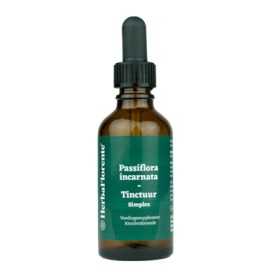
Passion Flower Tincture - Passiflora incarnata Tincture
Single herbal tincture made with dried herb of Passiflora incarnata (Passion Flower).
Passionflower (Passiflora incarnata) is a plant native to Central and North America. Various parts of the plant have long been used in diverse cultures. Today, passionflower is also found in other parts of the world.
The striking flowers of Passiflora incarnata are edible and prized for their distinctive appearance. In autumn, the plant produces fruit, and the leaves are also edible. These leaves naturally contain various plant compounds, including tannins, flavanols, saponins, and choline, as well as minerals such as magnesium.
Passionflower (Passiflora incarnata) is a plant native to Central and North America. Various parts of the plant have long been used in diverse cultures. Today, passionflower is also found in other parts of the world.
The striking flowers of Passiflora incarnata are edible and prized for their distinctive appearance. In autumn, the plant produces fruit, and the leaves are also edible. These leaves naturally contain various plant compounds, including tannins, flavanols, saponins, and choline, as well as minerals such as magnesium.
€11.95
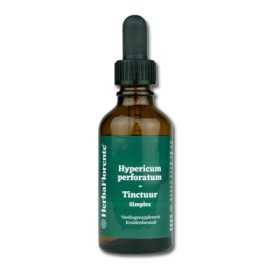
St. John's Wort Tincture - Hypericum perforatum Tincture
Single herbal tincture made with dried herb of Hypericum perforatum (St John's wort).
St. John's wort (Hypericum perforatum) is a plant that has been used for centuries in European herbal medicine. Its use dates back to the time of the Ancient Greeks. Traditionally, it is harvested between June 21st and 24th, the feast of St. John's Day, in both pagan and Christian traditions.
The plant contains bioflavonoids, tannins, and essential oils. In folk medicine, St. John's wort is used in oils, tinctures, or supplements.
St. John's wort (Hypericum perforatum) is a plant that has been used for centuries in European herbal medicine. Its use dates back to the time of the Ancient Greeks. Traditionally, it is harvested between June 21st and 24th, the feast of St. John's Day, in both pagan and Christian traditions.
The plant contains bioflavonoids, tannins, and essential oils. In folk medicine, St. John's wort is used in oils, tinctures, or supplements.
€10.95
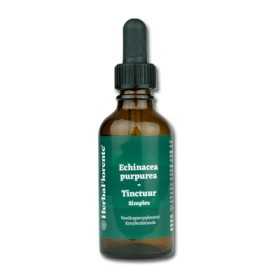
Red Coneflower Tincture - Echinacea purpurea Tincture
Single herbal tincture made with dried herb & root of Echinacea purpurea (Red Coneflower).
The purple coneflower (Echinacea purpurea) is a perennial plant belonging to the Asteraceae family. The genus name Echinacea is derived from the Greek word echinos, meaning "hedgehog," and refers to the spiky flower cone that characterizes this plant.
Echinacea purpurea is native to North America and is now cultivated worldwide. The plant has striking purplish-pink flowers and is valued for its ornamental appearance and botanical properties. Since the early twentieth century, there has been considerable interest in this species in Europe, leading to extensive botanical and historical research.
The purple coneflower (Echinacea purpurea) is a perennial plant belonging to the Asteraceae family. The genus name Echinacea is derived from the Greek word echinos, meaning "hedgehog," and refers to the spiky flower cone that characterizes this plant.
Echinacea purpurea is native to North America and is now cultivated worldwide. The plant has striking purplish-pink flowers and is valued for its ornamental appearance and botanical properties. Since the early twentieth century, there has been considerable interest in this species in Europe, leading to extensive botanical and historical research.
€12.95
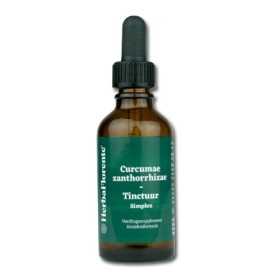
Tumeric zanthorrhiza Tincture - Curcumae zanthorrhizae Tincture
Single herbal tincture made with dried root of Curcumae zanthorrhizae (Tumeric).
Turmeric, also known as Javanese ginger (Curcuma xanthorrhiza), is a tropical plant native to India and Southeast Asia. The root of this plant has been used for centuries and is best known in powdered form. In the Netherlands, turmeric is also known as yellow root (gelukkigroot) because of its intense yellow color, which is used in curry mixtures and mustard, among other things.
Turmeric plays an important role in various Asian cuisines, where it is valued for its color, aroma, and characteristic flavor. Besides its culinary uses, turmeric is traditionally described in historical and cultural sources from India and Indonesia, where the root played an integral role in daily life.
Turmeric, also known as Javanese ginger (Curcuma xanthorrhiza), is a tropical plant native to India and Southeast Asia. The root of this plant has been used for centuries and is best known in powdered form. In the Netherlands, turmeric is also known as yellow root (gelukkigroot) because of its intense yellow color, which is used in curry mixtures and mustard, among other things.
Turmeric plays an important role in various Asian cuisines, where it is valued for its color, aroma, and characteristic flavor. Besides its culinary uses, turmeric is traditionally described in historical and cultural sources from India and Indonesia, where the root played an integral role in daily life.
€9.95
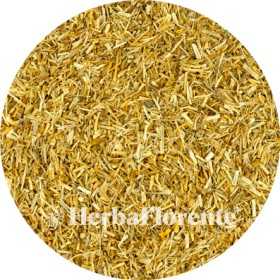
Centaury - Centaurium erythraea
Centaury is the Dutch name for various herbaceous plants from the genus Centaurium (synonym: Erythraea), belonging to the gentian family (Gentianaceae). The genus contains approximately fifty species. The botanical name is often associated with the centaur Chiron from Greek mythology, who was known for his knowledge of plants. Another explanation refers to the Latin centum (hundred) and aurum (gold), possibly indicating the historical value attributed to the herb.
Centaury is native to large parts of Europe and the Mediterranean region. The plants prefer sunny and slightly moist locations, such as dunes, grasslands, forest edges, and meadows.
Centaury is native to large parts of Europe and the Mediterranean region. The plants prefer sunny and slightly moist locations, such as dunes, grasslands, forest edges, and meadows.
€2.50
From: €2.50
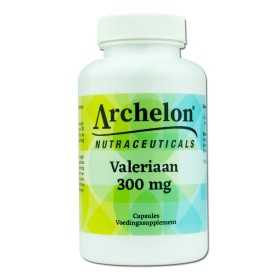
Valerian - 300 mg
Valerian (Valeriana officinalis) is a perennial plant native to the Netherlands, particularly in well-drained, moist soil. The roots have a distinctive, strong odor. The name "valerian" may derive from the Latin valere, meaning "strong." Historically, valerian was used in various traditions: bridal couples wore wreaths of valerian leaves, while farmers associated the herb with protecting their livestock. The aroma of the roots is due to various natural compounds found in the plant. Valerian is often prepared in dried roots, powders, and supplements.
€19.95
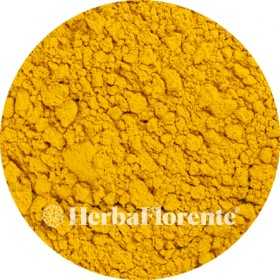
Tumeric zanth. - Curcumae zanthorrhizae
Turmeric, also known as Javanese ginger (Curcuma xanthorrhiza), is a tropical plant native to India and Southeast Asia. The root of this plant has been used for centuries and is best known in powdered form. In the Netherlands, turmeric is also known as yellow root (gelukkigroot) because of its intense yellow color, which is used in curry mixtures and mustard, among other things.
Turmeric plays an important role in various Asian cuisines, where it is valued for its color, aroma, and characteristic flavor. Besides its culinary uses, turmeric is traditionally described in historical and cultural sources from India and Indonesia, where the root played an integral role in daily life.
Turmeric plays an important role in various Asian cuisines, where it is valued for its color, aroma, and characteristic flavor. Besides its culinary uses, turmeric is traditionally described in historical and cultural sources from India and Indonesia, where the root played an integral role in daily life.
€2.40
From: €2.40
Fennel - Foeniculum vulgare - Grounded
Fennel (Foeniculum vulgare) is a plant that belongs to the Apiaceae family. The plant has a characteristic, anise-like flavor. Both the thread-like leaves and the seeds are used as herbs and spices in various cuisines.
Fennel originates from Asia and the Mediterranean and was introduced to Europe via medieval trade routes. Fennel is particularly widely cultivated in Southern Europe, where it is frequently used in salads and cooked dishes.
Fennel seed has a long history of traditional use. In the past, chewing fennel seeds was part of certain customs and rituals, including religious traditions.
Fennel originates from Asia and the Mediterranean and was introduced to Europe via medieval trade routes. Fennel is particularly widely cultivated in Southern Europe, where it is frequently used in salads and cooked dishes.
Fennel seed has a long history of traditional use. In the past, chewing fennel seeds was part of certain customs and rituals, including religious traditions.
€2.60
From: €2.60
Rose Root - Rhodiola rosea
Out-of-Stock
Rhodiola rosea (Rhodiola rosea), also known as "golden root," is a succulent plant that grows naturally in cold, rocky regions around the world. The plant's roots have a distinctive scent reminiscent of roses.
Rhodiola rosea is traditionally used in various cultures and is incorporated into herbal preparations. The root naturally contains several plant compounds, including rosavin and salidroside. These compounds are part of the root's composition and contribute to the herb's characteristic properties.
Rhodiola rosea can be used in herbal teas and other herbal products and is prized for its natural origins and rich composition.
Rhodiola rosea is traditionally used in various cultures and is incorporated into herbal preparations. The root naturally contains several plant compounds, including rosavin and salidroside. These compounds are part of the root's composition and contribute to the herb's characteristic properties.
Rhodiola rosea can be used in herbal teas and other herbal products and is prized for its natural origins and rich composition.
€20.00
From: €20.00
Aronia berry - Arnoia melanocarpa
Aronia berries, also known as black chokeberries, grow on compact bushes that reach a height of about 1 to 3 meters. The berries have a deep purple to black color and have long been used in various cultures.
The berries contain various natural plant compounds, including anthocyanins and polyphenols. These compounds contribute to the fruit's characteristic color and protect the seed inside. Compared to blueberries, aronia berries contain relatively high levels of anthocyanins.
Aronia berries are a popular ingredient in juices, teas, and jams, for example, because of their rich color and flavor.
The berries contain various natural plant compounds, including anthocyanins and polyphenols. These compounds contribute to the fruit's characteristic color and protect the seed inside. Compared to blueberries, aronia berries contain relatively high levels of anthocyanins.
Aronia berries are a popular ingredient in juices, teas, and jams, for example, because of their rich color and flavor.
€2.90
From: €2.90
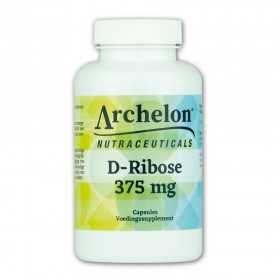
D-Ribose - 375 mg
D-Ribose is a simple sugar (monosaccharide) with five carbon atoms, also known as a pentose sugar. It occurs naturally in foods such as red meat, poultry, fish, and nuts. D-Ribose is produced in the body and is a component of cellular structures such as DNA and RNA. D-Ribose is offered in dietary supplements as part of a varied and balanced diet.
€21.95
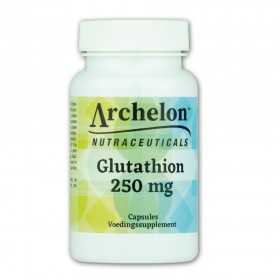
L-Glutathione - 250 mg
Glutathione is a tripeptide composed of the amino acids glutamic acid, glycine, and cysteine. It occurs naturally in foods such as meat, fish, dairy, legumes, grains, and certain vegetables like spinach and broccoli. In supplement form, glutathione is produced through fermentation or chemical synthesis, resulting in a stable and easily digestible form.
Our glutathione supplement is available in capsules and contains pure glutathione in a recognizable, natural tripeptide form. It can be easily incorporated into your daily diet as part of a varied diet. The product's composition is tailored for maximum stability and digestibility, making it suitable for various food and supplement applications.
Our glutathione supplement is available in capsules and contains pure glutathione in a recognizable, natural tripeptide form. It can be easily incorporated into your daily diet as part of a varied diet. The product's composition is tailored for maximum stability and digestibility, making it suitable for various food and supplement applications.
€42.95
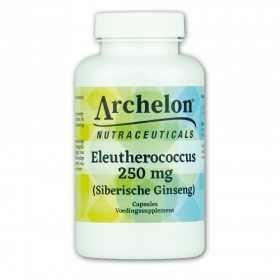
Eleutherococcus (Siberian Ginseng) - 250 mg
Siberian ginseng is a perennial plant native to Russia, Japan, Korea, and China. The roots of the plant have been used in traditional herbal medicine for centuries. Siberian ginseng is often used in supplements and herbal preparations. It is important not to confuse this species with Korean ginseng (Panax ginseng) or American ginseng (Panax quinquefolius), as they are different plants.
€14.36
€17.95