



Trending
€57.50
€62.50

€35.95
€62.50
€62.50
Lungwort - Pulmonaria officinalis
€5.91 €6.95 -15%
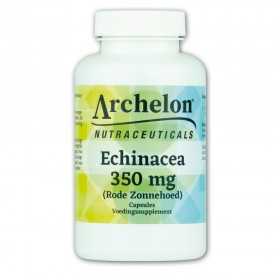
Echinacea (Red Coneflower) - 350 mg
€15.96 €19.95 -20%
Latest Blog


Best sellers
There are 368 products.
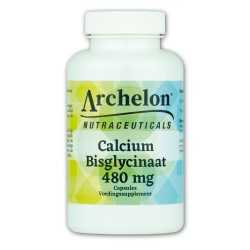
Calcium Bisglycinate - 480 mg
Calcium is an essential mineral found in the body and involved in various normal bodily processes. Calcium bisglycinate is a mineral-amino acid chelate in which calcium is bound to two glycine molecules. This form is known for its good bioavailability and is efficiently absorbed in the digestive system. Calcium bisglycinate is often chosen as part of a balanced diet and a healthy lifestyle.
€23.95
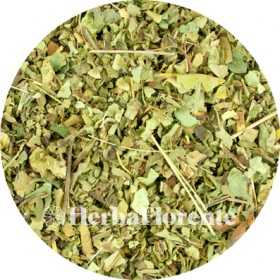
Lungwort - Pulmonaria officinalis
Lungwort belongs to the genus Pulmonaria within the borage family (Boraginaceae). The botanical name is derived from the Latin word pulmo, meaning "lung." This name refers to the striking leaf markings of some species, such as spotted lungwort, which were once compared to the appearance of human lungs.
This association played an important role in the theory of signatures, a traditional doctrine in which it was believed that a plant's appearance provided clues to its intended use. Based on this line of thought, lungwort was historically used for conditions associated with the lungs.
The Dutch name lungwort is derived directly from the botanical name. Similar names also appear in other Western European languages, indicating the plant's wide cultural and historical renown.
This association played an important role in the theory of signatures, a traditional doctrine in which it was believed that a plant's appearance provided clues to its intended use. Based on this line of thought, lungwort was historically used for conditions associated with the lungs.
The Dutch name lungwort is derived directly from the botanical name. Similar names also appear in other Western European languages, indicating the plant's wide cultural and historical renown.
€5.91
€6.95
From: €5.91
Black Walnut - Juglandis nigrum
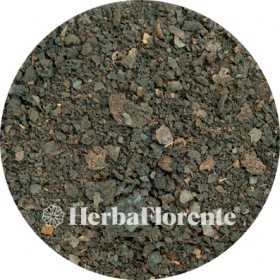
The shell of the black walnut (Juglans nigra) is obtained from the immature fruit of the tree. The black walnut, also known as the "black nut," is a type of walnut native to the United States and Canada. The tree belongs to the walnut family.
The black walnut fruit is dark brown and has a distinctive aroma that differs from that of European walnuts. They are sometimes processed into extracts or tinctures, preserving their natural compounds. The fruit is edible and contains polyphenols, tannins, juglone, tannins, and omega fatty acids, among other nutrients.
The common walnut (Juglans regia) is widely used in food and culinary applications for its edible nuts.
The black walnut fruit is dark brown and has a distinctive aroma that differs from that of European walnuts. They are sometimes processed into extracts or tinctures, preserving their natural compounds. The fruit is edible and contains polyphenols, tannins, juglone, tannins, and omega fatty acids, among other nutrients.
The common walnut (Juglans regia) is widely used in food and culinary applications for its edible nuts.
€2.50
From: €2.50
Wormwood Herb - Artemisia absinthium - Cut
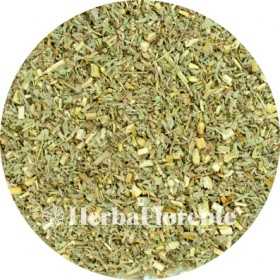
Absinthe wormwood (Artemisia absinthium) is a plant from the composite family (Asteraceae). This species is on the Dutch Red List of plants as quite rare and moderately reduced in numbers. It is a perennial plant that grows naturally on dry, calcareous, nitrogen-rich and cultivated soils in temperate regions of Europe, Asia and North Africa. The genus name Artemisia is derived from the Greek hunting goddess Artemis.
The bitter extract of these buds is an important ingredient in drinks such as vermouth and classic absinthe. The most important flavorings are absinthine and the menthol-smelling terpene thujone.
The bitter extract of these buds is an important ingredient in drinks such as vermouth and classic absinthe. The most important flavorings are absinthine and the menthol-smelling terpene thujone.
€2.00
From: €2.00
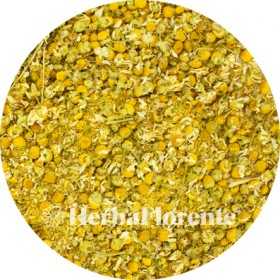
Chamomile (Flower) - Matricaria recutita, Chamomillae europ. - Whole
Chamomile (Matricaria chamomilla, synonym Matricaria recutita) is an annual, aromatic plant from the Asteraceae family. Originally native to large parts of Europe, it is now widely cultivated, including in Hungary and several Eastern European countries.
Chamomile has a long cultural and historical background. In ancient Egypt, the plant was symbolically worshipped and associated with the sun god Ra. Throughout the centuries, chamomile has been frequently described in botanical and historical sources, contributing to its fame and spread.
Chamomile has a long cultural and historical background. In ancient Egypt, the plant was symbolically worshipped and associated with the sun god Ra. Throughout the centuries, chamomile has been frequently described in botanical and historical sources, contributing to its fame and spread.
€3.20
From: €3.20
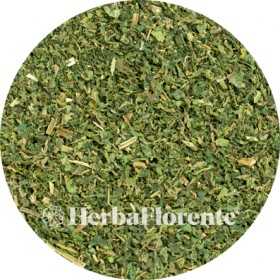
Nettle (Herb) - Urticae dioica
Nettle (Urtica dioica) is a herbaceous plant found in many places and known for its stinging hairs when touched. Despite this characteristic, the plant has long been valued and used in various cultures. Nettle is used in culinary preparations such as soup and herbal tea.
The plant is native to large parts of Europe, Asia, and Africa. The Latin name Urtica dioica refers to the plant's stinging properties. Historical and botanical sources describe both the leaves and the roots as being traditionally collected and processed.
Both nettle leaf and root hold a firm place in herbal tradition. Due to their natural composition and long history, these parts of the plant have been mentioned for centuries in ethnobotanical and historical accounts.
The plant is native to large parts of Europe, Asia, and Africa. The Latin name Urtica dioica refers to the plant's stinging properties. Historical and botanical sources describe both the leaves and the roots as being traditionally collected and processed.
Both nettle leaf and root hold a firm place in herbal tradition. Due to their natural composition and long history, these parts of the plant have been mentioned for centuries in ethnobotanical and historical accounts.
€2.00
From: €2.00
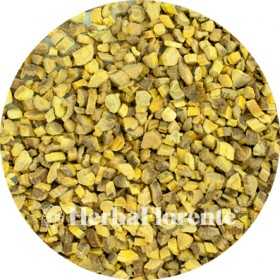
Licorice (Without Bark) - Glycyrrhiza glabra, Liquiritiae
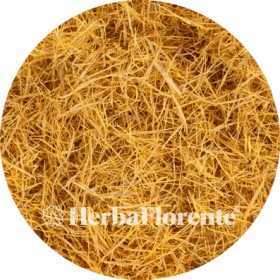
Licorice (Glycyrrhiza glabra) is a versatile herb that has been used for centuries in various traditions, including Ayurvedic culture. The plant is cultivated in various parts of the world, such as Europe, Asia, and the Middle East, and can also grow in the Netherlands. The roots take three to four years to mature before they can be harvested.
Besides the roots, licorice leaves are also used, for example, in making tea. Licorice is known for its characteristic sweet flavor, which is due in part to the natural substance glycyrrhizin. It is widely used in foods and herbal preparations.
Besides the roots, licorice leaves are also used, for example, in making tea. Licorice is known for its characteristic sweet flavor, which is due in part to the natural substance glycyrrhizin. It is widely used in foods and herbal preparations.
€2.25
From: €2.25
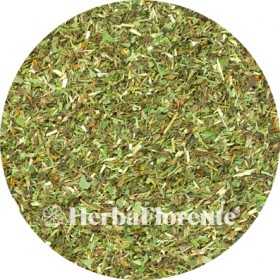
Lemon Balm - Melissa officinalis
Lemon balm (Melissa officinalis) is a perennial plant in the Lamiaceae family and is known for its fresh, lemony scent. The plant is native to Southern Europe but also grows easily in temperate regions such as the Netherlands and Belgium. Thanks to underground rhizomes, lemon balm overwinters easily. The plant typically reaches a height of about 50 centimeters.
Lemon balm has a long history of cultivation and was already documented in ancient times. It is likely that the plant was introduced to Europe by Arab cultures via Spain, after which monasteries played an important role in its further spread and cultivation. Historical sources often mention lemon balm for its aromatic and culinary value.
Lemon balm has a long history of cultivation and was already documented in ancient times. It is likely that the plant was introduced to Europe by Arab cultures via Spain, after which monasteries played an important role in its further spread and cultivation. Historical sources often mention lemon balm for its aromatic and culinary value.
€2.20
From: €2.20
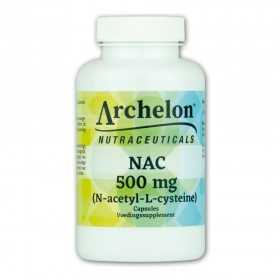
NAC (N-Acetyl-L-Cysteine) - 500 mg
N-acetyl-cysteine (NAC) is a form of the sulfur-containing semi-essential amino acid L-cysteine. It is found in dairy, meat, fruit and vegetables, but this is often insufficient and can best be supplemented through supplementation. The advantage that N-acetyl-cysteine has over cysteine is that it is better and more easily absorbed by our body. Furthermore, N-acetyl-cysteine supports production of the important tripeptide glutathione in our body. Glutathione plays a role in protecting our cells against oxidative stress.
€24.95
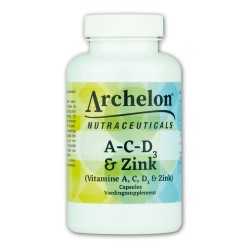
A-C-D3 & Zinc
A combination of vitamins A, C, D3, and zinc that supplements your daily diet. This supplement contains nutrients that contribute to the normal functioning of the immune system, the maintenance of bones, teeth, skin, and muscles, and various metabolic processes. Suitable as part of a varied diet.
€35.95
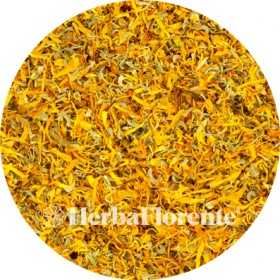
Marygold (Calendula) - Calendulae officinalis
The marigold, or Calendula officinalis, belongs to the Asteraceae family (Compositae) and is often cultivated in ornamental gardens. It originates from Southern Europe.
It is an annual plant with usually orange flowers, sometimes yellow, that can reach a height of 30–45 cm. The flowering period runs from May to November, and the fruits are often curved and boat-shaped.
Both fresh and dried flowers can be used in soups and as a natural coloring for cheese, butter, and other foods. Historically, the petals were also used to simulate saffron.
In addition, marigold petals are used in products such as ointments and tinctures. The flowers contain essential oils that are used in the processing of these products.
It is an annual plant with usually orange flowers, sometimes yellow, that can reach a height of 30–45 cm. The flowering period runs from May to November, and the fruits are often curved and boat-shaped.
Both fresh and dried flowers can be used in soups and as a natural coloring for cheese, butter, and other foods. Historically, the petals were also used to simulate saffron.
In addition, marigold petals are used in products such as ointments and tinctures. The flowers contain essential oils that are used in the processing of these products.
€2.60
From: €2.60
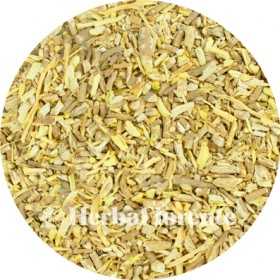
Ashwagandha - Withania somnifera - Cut
Ashwagandha, officially known as Withania somnifera, is a plant that has been used for centuries in the Ayurvedic tradition of India. Within this traditional teaching, ashwagandha is referred to as a rasayana, a term used in Ayurveda for herbs with special cultural and historical significance.
The plant belongs to the Magnoliophyta family and is also known as Indian ginseng and winter cherry. The root of the plant is traditionally used most often.
The name ashwagandha literally means "horse scent," a reference to the characteristic, earthy aroma of the fresh root. In Indian culture, the herb is often symbolically associated with strength and vitality, similar to that of a horse.
The plant belongs to the Magnoliophyta family and is also known as Indian ginseng and winter cherry. The root of the plant is traditionally used most often.
The name ashwagandha literally means "horse scent," a reference to the characteristic, earthy aroma of the fresh root. In Indian culture, the herb is often symbolically associated with strength and vitality, similar to that of a horse.
€3.00
From: €3.00
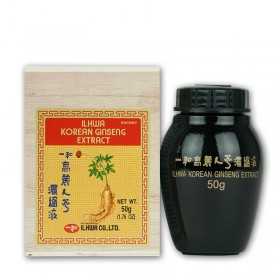
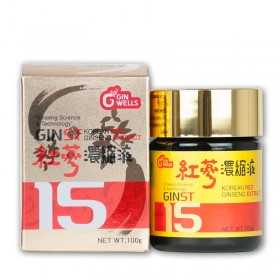
ILHWA Korean Ginseng Extract
This product contains 100% pure, concentrated Panax Ginseng root extract, with a high ginsenoside content. The extract is manufactured using a special low-temperature vacuum process developed by ILHWA, which preserves the essential components (read more “ILHWA Methods").
Panax Ginseng is a slow-growing plant with a robust root and has a long history in traditional Chinese medicine. It is recognized worldwide for its long-standing use in food and supplements.
Panax Ginseng is a slow-growing plant with a robust root and has a long history in traditional Chinese medicine. It is recognized worldwide for its long-standing use in food and supplements.
€53.50
From: €53.50
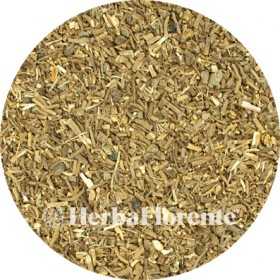
Valerian - Valerianae officinalis - Cut
Valerian (Valeriana officinalis) is a plant with a long history of use in Europe. It is still common in the Netherlands and prefers airy, moist soil. The roots of the plant, in particular, are known for their strong and distinctive odor, which attracts cats, among other things.
Valerian has been used in folk customs and traditions since ancient times. Our ancestors employed the herb in rituals and symbolic practices, for example, to ward off evil. Brides and grooms wore wreaths of valerian leaves, and farmers used the herb in traditional agricultural practices.
Valerian's distinct scent is due to the natural plant compounds found in the root. Today, valerian is primarily valued for its characteristic properties and historical significance.
Valerian has been used in folk customs and traditions since ancient times. Our ancestors employed the herb in rituals and symbolic practices, for example, to ward off evil. Brides and grooms wore wreaths of valerian leaves, and farmers used the herb in traditional agricultural practices.
Valerian's distinct scent is due to the natural plant compounds found in the root. Today, valerian is primarily valued for its characteristic properties and historical significance.
€2.40
From: €2.40
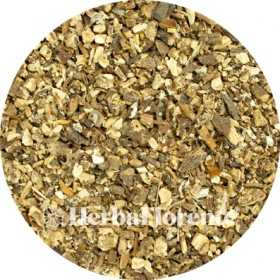
Dandelion (Root) - Taraxum officinale
Dandelion (Taraxacum officinale) is a plant that has been used for centuries in various cultures. Both the root and the aerial parts of the plant are used and are known for their versatile uses.
The young leaves of the dandelion are traditionally used in dishes such as salads, especially in spring. The yellow flowers can be used as decoration and are also suitable for drying and making into herbal tea.
Dandelions naturally contain various plant compounds, including bitter substances, flavonoids, and fatty acids. They are also a source of vitamins, such as B vitamins and vitamin C, and contain minerals such as calcium, magnesium, zinc, and manganese.
The young leaves of the dandelion are traditionally used in dishes such as salads, especially in spring. The yellow flowers can be used as decoration and are also suitable for drying and making into herbal tea.
Dandelions naturally contain various plant compounds, including bitter substances, flavonoids, and fatty acids. They are also a source of vitamins, such as B vitamins and vitamin C, and contain minerals such as calcium, magnesium, zinc, and manganese.
€2.70
From: €2.70
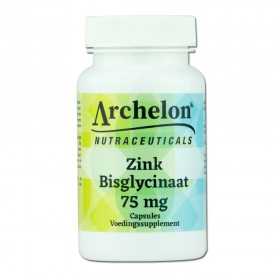
Zinc Bisglycinate - 75 mg
Zinc bisglycinate is a chelated form of zinc, in which the mineral is bound to two molecules of the amino acid glycine. This form is known for its good bioavailability. Zinc occurs naturally in foods such as meat, fish, nuts, seeds, and whole grains, and is available in various supplement forms. Zinc bisglycinate is a stable, easily absorbed source of zinc.
€16.95
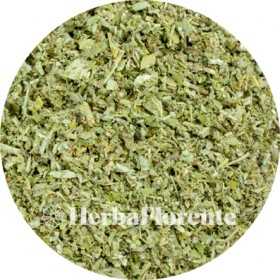
Sage - Salviae officinalis - Cut
Common sage (Salvia officinalis L.) is a well-known herb that has been used for centuries, from China to ancient Rome. Symbolic and magical properties were even attributed to the purple flowers.
Sage belongs to the Lamiaceae family and is prized for its aromatic leaves and characteristic scent. The herb naturally contains various plant compounds, including antioxidants, which contribute to sage's characteristic properties.
Sage is traditionally used in culinary applications, such as sauces, meat dishes, and herbal teas. The leaves can be used fresh or dried and are also popular in aromatic oils and spice blends.
Sage belongs to the Lamiaceae family and is prized for its aromatic leaves and characteristic scent. The herb naturally contains various plant compounds, including antioxidants, which contribute to sage's characteristic properties.
Sage is traditionally used in culinary applications, such as sauces, meat dishes, and herbal teas. The leaves can be used fresh or dried and are also popular in aromatic oils and spice blends.
€2.30
From: €2.30
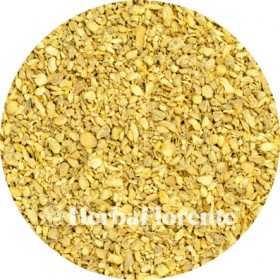
Ginger - Zingiberis Thiz. Mund. officinalis - Cut
Ginger comes from the root of the ginger plant (Zingiber officinale) and is used worldwide as a spice for its characteristic flavor. The root contains natural compounds such as gingerol, shogaol, and zingiberene, which contribute to ginger's characteristic aromas and flavors.
Ginger is a versatile plant used in cuisines around the world, both fresh and dried, and can be incorporated into teas, spice blends, or dishes.
Ginger is a versatile plant used in cuisines around the world, both fresh and dried, and can be incorporated into teas, spice blends, or dishes.
€2.40
From: €2.40
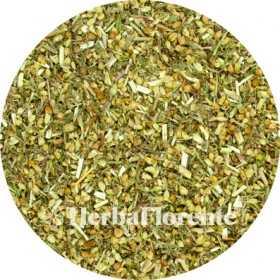
Yarrow - Achillea millefolii
Yarrow (Achillea millefolium) is a herbaceous plant in the daisy family (Asteraceae). It is a hardy perennial species common in the Netherlands and other parts of Europe. The plant is recognizable by its finely divided, feathery leaves and small flower heads, which are usually white but sometimes have a light pink tinge.
Yarrow has a long history and has been described in botanical and historical sources for centuries. The plant is named after the Greek hero Achilles, who, according to tradition, used yarrow, contributing to the herb's fame in classical antiquity.
Yarrow has a long history and has been described in botanical and historical sources for centuries. The plant is named after the Greek hero Achilles, who, according to tradition, used yarrow, contributing to the herb's fame in classical antiquity.
€2.00
From: €2.00
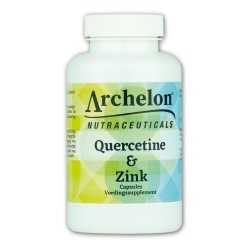
Quercetin & Zinc
Quercetin is a flavonoid (also called a bioflavonoid) that occurs naturally in various plants, fruits, and vegetables. Flavonoids are responsible for the vibrant colors in plants and contribute to various biochemical processes, such as regulating growth and protecting against UV light, oxidation, and heat.
Zinc is available in different forms. Zinc bisglycinate has a very good bioavailability. It is a chelated form of zinc bound to two (bis) molecules of the amino acid glycine which has more benefits for the body. Zinc has a very wide range of action and is involved in many body processes. Zinc is essential for the activity of more than 300 enzymes that have the zinc ion as a cofactor.
Zinc is available in different forms. Zinc bisglycinate has a very good bioavailability. It is a chelated form of zinc bound to two (bis) molecules of the amino acid glycine which has more benefits for the body. Zinc has a very wide range of action and is involved in many body processes. Zinc is essential for the activity of more than 300 enzymes that have the zinc ion as a cofactor.
€34.95
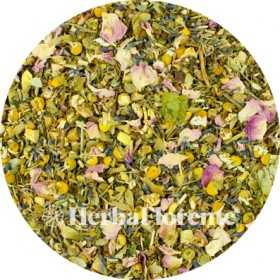
Sleep Tight Herbal Tea
Herbal tea composed of various herbs
Nice before going to sleep
Nice before going to sleep
€3.95
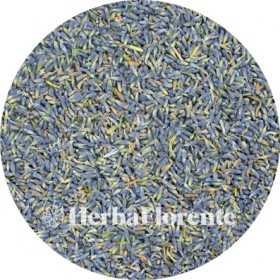
Lavender - Lavendula angustifolia
Lavender (Lavandula) is a genus of aromatic dwarf shrubs belonging to the Lamiaceae family. These plants are especially beloved for their characteristic purple flowers and pleasant fragrance and are widely planted in gardens, borders, and lavender fields.
An important use of lavender is the extraction of lavender oil from the flowering tops. This essential oil is widely used as a fragrance in cosmetic products such as soaps, creams, and perfumes, and also plays a role in aromatic applications.
Lavender also finds its way into the kitchen. The flowers, both fresh and dried, are used as a flavoring and are included in Provençal herb blends, among other things. Lavender can be added to dishes such as cheeses, vegetables, and sweet preparations.
An important use of lavender is the extraction of lavender oil from the flowering tops. This essential oil is widely used as a fragrance in cosmetic products such as soaps, creams, and perfumes, and also plays a role in aromatic applications.
Lavender also finds its way into the kitchen. The flowers, both fresh and dried, are used as a flavoring and are included in Provençal herb blends, among other things. Lavender can be added to dishes such as cheeses, vegetables, and sweet preparations.
€5.00
From: €5.00
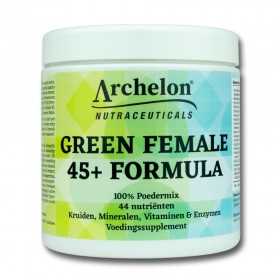
Green Female 45+ Formula
Green Female 45+ Formula is a carefully formulated powder mix containing 43 nutrients, including herbs, vitamins, minerals, and enzymes. The formula was developed to complement a varied diet and a conscious lifestyle for women aged 45 and over.
The ingredients have been selected with a focus on balance and coherence, making Green Female 45+ Formula a complete and user-friendly formula. The powder form makes it easy to take and integrate flexibly into your daily routine.
Green Female 45+ Formula is suitable for women who value a comprehensive, plant-based formula without unnecessary additives.
The ingredients have been selected with a focus on balance and coherence, making Green Female 45+ Formula a complete and user-friendly formula. The powder form makes it easy to take and integrate flexibly into your daily routine.
Green Female 45+ Formula is suitable for women who value a comprehensive, plant-based formula without unnecessary additives.
€62.50
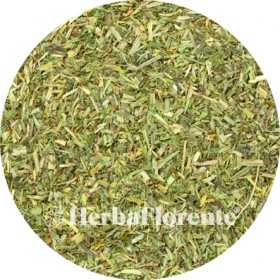
Woddruff Sweet - Galium aparine
Woddruff Sweet (Galium aparine) belongs to the star-leaved family (Rubiaceae). This plant is known for its ability to cling to objects it comes into contact with, thanks to the numerous hooks on both the stem and fruits. This causes plants and fruits to get caught in the fur of animals, resulting in widespread dispersal over great distances.
Cleaver leaves are widest above the middle and have one central vein. They grow together in whorls of seven. These leaves also have hooks, albeit less than the rest of the plant. The stem is thickened at the tips.
Cleaver leaves are widest above the middle and have one central vein. They grow together in whorls of seven. These leaves also have hooks, albeit less than the rest of the plant. The stem is thickened at the tips.
€2.50
From: €2.50