



Trending
€57.50
€62.50
€35.95
€62.50
€62.50
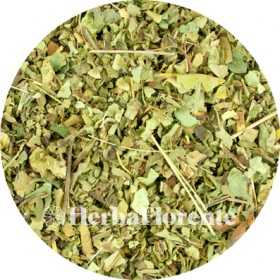
Lungwort - Pulmonaria officinalis
€5.91 €6.95 -15%
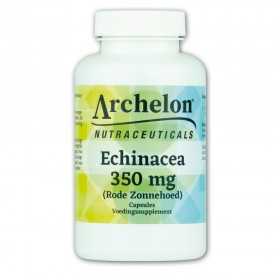
Echinacea (Red Coneflower) - 350 mg
€15.96 €19.95 -20%
Latest Blog


Best sellers
There are 368 products.
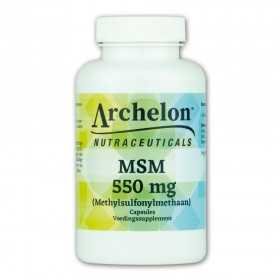
MSM (Methylsulfonylmethane) - 550mg
MSM, short for methylsulfonylmethane, is an organic sulfur compound that occurs naturally in small amounts in the human body and in various foods. It is an odorless, white, crystalline powder that is highly soluble in water. MSM is used in dietary supplements as a source of sulfur, an element that is a structural component of various bodily substances.
Sulfur is present in amino acids, enzymes, and other compounds involved in various biochemical processes. MSM is often described as a highly absorbable form of sulfur and is therefore used in supplements aimed at supplementing the daily dietary intake of this element.
Sulfur is present in amino acids, enzymes, and other compounds involved in various biochemical processes. MSM is often described as a highly absorbable form of sulfur and is therefore used in supplements aimed at supplementing the daily dietary intake of this element.
€23.95
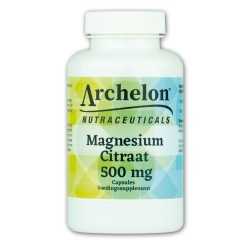
Magnesium Citrate - 500 mg
Magnesium is available in various organic forms, including magnesium citrate and magnesium malate. These forms are widely used in dietary supplements due to their chemical composition. Magnesium is an essential mineral involved in numerous processes in the body.
The mineral contributes to normal energy-yielding metabolism and supports the normal functioning of muscles and the nervous system. Magnesium also contributes to normal protein synthesis, proper electrolyte balance, and normal psychological function. Magnesium also plays a role in normal cell division and contributes to the maintenance of normal bones and teeth.
This makes magnesium an important mineral to supplement a varied and balanced diet.
The mineral contributes to normal energy-yielding metabolism and supports the normal functioning of muscles and the nervous system. Magnesium also contributes to normal protein synthesis, proper electrolyte balance, and normal psychological function. Magnesium also plays a role in normal cell division and contributes to the maintenance of normal bones and teeth.
This makes magnesium an important mineral to supplement a varied and balanced diet.
€17.95
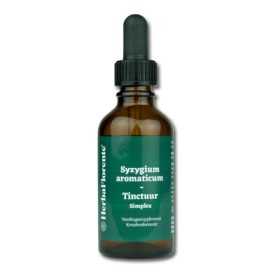
Clove Tincture - Syzygium aromaticum Tincture
Single herbal tincture made with dried flower of Syzygium aromaticum (Clove).
Cloves are the dried flower buds of the clove tree (Syzygium aromaticum), an evergreen tree native to the Moluccas. The flower buds are harvested before they fully open and then dried. This drying process gives them their characteristic dark color and intensely aromatic scent.
The spice is characterized by its strong flavor and warm, spicy aroma. These properties are primarily due to the presence of essential oils, of which eugenol is the most important component. Eugenol largely determines the scent and flavor profile of cloves and contributes to the stability of the product.
Cloves are the dried flower buds of the clove tree (Syzygium aromaticum), an evergreen tree native to the Moluccas. The flower buds are harvested before they fully open and then dried. This drying process gives them their characteristic dark color and intensely aromatic scent.
The spice is characterized by its strong flavor and warm, spicy aroma. These properties are primarily due to the presence of essential oils, of which eugenol is the most important component. Eugenol largely determines the scent and flavor profile of cloves and contributes to the stability of the product.
€10.95
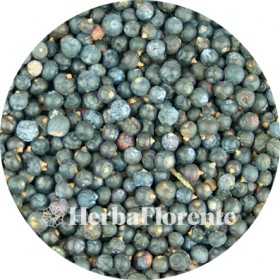
Juniper Berries - Juniper communis - Whole
The juniper (Juniperus communis) is a conifer native to Europe, Asia, and North America. The plant bears both flowers and berries, which vary in color from green to black as they ripen. The name Juniperus derives from the Celtic word juneprus, meaning rough, prickly, or bitter, while communis means "common."
The black berries of the juniper have a characteristically bitter and aromatic flavor. It takes about three years for the berries to fully ripen: in the first year, the flowers appear, in the second year they turn green, and in the third year they turn blue and then black or dark purple.
The black berries of the juniper have a characteristically bitter and aromatic flavor. It takes about three years for the berries to fully ripen: in the first year, the flowers appear, in the second year they turn green, and in the third year they turn blue and then black or dark purple.
€2.40
From: €2.40
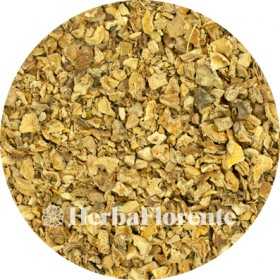
Devil's Claw - Harpagophytum procumbems
Devil's claw (Harpagophytum procumbens) owes its name to the striking, claw-like spines that cover its fruits. The botanical name is derived from the Greek word harpagos, meaning "anchor," and refers to the characteristic shape of these spines.
The plant grows naturally in dry regions of southern Africa, particularly in the Kalahari Desert, which extends across parts of Namibia, Botswana, and South Africa. Devil's claw is a distant relative of the sesame plant and blooms with striking, trumpet-shaped flowers in shades of red to purple.
Botanical and ethnographic descriptions primarily focus on the underground parts of the plant, such as the tubers and roots.
The plant grows naturally in dry regions of southern Africa, particularly in the Kalahari Desert, which extends across parts of Namibia, Botswana, and South Africa. Devil's claw is a distant relative of the sesame plant and blooms with striking, trumpet-shaped flowers in shades of red to purple.
Botanical and ethnographic descriptions primarily focus on the underground parts of the plant, such as the tubers and roots.
€2.60
From: €2.60
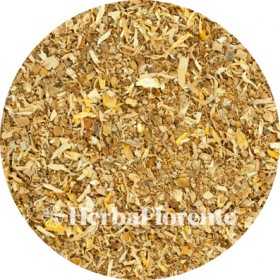
Birch - Butla alba, Betulae (Bark Cut)
The birch (Betula) is a tree that has held a special place in European cultures and traditions for centuries. Historically, the birch was sometimes seen as a symbolic or even sacred tree, partly due to its role in seasonal rituals and folk customs.
In early spring, just before the tree begins to bud, birch sap can be tapped. This time coincides with the period when the sap flow is most active. Young birch leaves are also traditionally collected during this phase. Both the sap and the leaves are part of ancient customs and have long been described in botanical and herbal sources.
Birch leaves naturally contain various plant compounds, including flavonoids, saponins, and tannins.
In early spring, just before the tree begins to bud, birch sap can be tapped. This time coincides with the period when the sap flow is most active. Young birch leaves are also traditionally collected during this phase. Both the sap and the leaves are part of ancient customs and have long been described in botanical and herbal sources.
Birch leaves naturally contain various plant compounds, including flavonoids, saponins, and tannins.
€2.00
From: €2.00
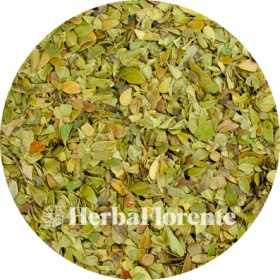
Bearberry - Arctostaphylos uva-ursi - Cut
The bearberry (Arctostaphylos uva-ursi) is a low-growing, evergreen plant in the heather family (Ericaceae). The Dutch name "berendruif" (bear grape) refers to an old folk belief that bears enjoy eating the fruit of this plant.
The scientific name is a tautology, composed of both Greek and Latin words. Arktos (Greek) and ursus (Latin) both mean "bear," while staphyle and uva both mean "grape." The name thus emphasizes the same meaning twice.
Bearberry has been mentioned in historical herbals since the Middle Ages and is part of the European herbal tradition. Within this context, the plant was described and valued for its special place in traditional use.
The scientific name is a tautology, composed of both Greek and Latin words. Arktos (Greek) and ursus (Latin) both mean "bear," while staphyle and uva both mean "grape." The name thus emphasizes the same meaning twice.
Bearberry has been mentioned in historical herbals since the Middle Ages and is part of the European herbal tradition. Within this context, the plant was described and valued for its special place in traditional use.
€2.40
From: €2.40
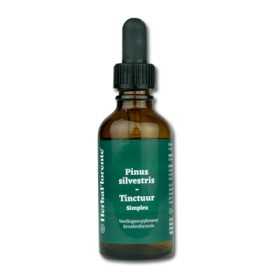
Pine Tincture - Pinus silvestris Tincture
Single herbal tincture made with dried needle of Pinus silvestris (Pine).
The Scots pine (Pinus sylvestris) belongs to the pine family (Pinaceae) and can reach an age of 200 to 300 years. This tree is known for its rich resin content and characteristic pine scent.
The needles and buds of the Scots pine contain natural compounds such as tannins, flavonoids, and vitamins. The tree's resin contains turpentine and a large number of monoterpenes, including α-pinene, β-pinene, and limonene, which are components of the tree's essential oil.
Scots pine is traditionally used in various applications, such as in aromatic products and in the production of pine oil.
The Scots pine (Pinus sylvestris) belongs to the pine family (Pinaceae) and can reach an age of 200 to 300 years. This tree is known for its rich resin content and characteristic pine scent.
The needles and buds of the Scots pine contain natural compounds such as tannins, flavonoids, and vitamins. The tree's resin contains turpentine and a large number of monoterpenes, including α-pinene, β-pinene, and limonene, which are components of the tree's essential oil.
Scots pine is traditionally used in various applications, such as in aromatic products and in the production of pine oil.
€9.95
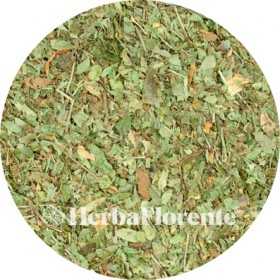
Sweet Woodruff - Asperula odorata
Sweet woodruff (Galium odoratum; synonym: Asperula odorata) is a perennial, hardy herbaceous plant in the Rubiaceae family. It grows naturally in deciduous woodlands and shady areas and is known for its delicate fragrance, which becomes more pronounced after drying.
The plant has a thin, creeping root with numerous stolons. The upright, square stem is delicate, unbranched, and typically grows 10 to 30 cm tall. The leaves are arranged in whorls of six to nine and are lance-shaped, 1 to 4 cm long. Botanically, only two of these are true leaves; the others are stipules that resemble each other in shape and function and together form a star-shaped cluster.
The plant has a thin, creeping root with numerous stolons. The upright, square stem is delicate, unbranched, and typically grows 10 to 30 cm tall. The leaves are arranged in whorls of six to nine and are lance-shaped, 1 to 4 cm long. Botanically, only two of these are true leaves; the others are stipules that resemble each other in shape and function and together form a star-shaped cluster.
€6.40
From: €6.40
Cat's Claw - Uncaria tomentosa - Cut
Cat's claw (Uncaria tomentosa), also known as cat's claw, is a climbing plant native to the Amazon region of Brazil and Peru, among other places. The plant grows in rainforests and can cling to trees with its characteristic, claw-shaped thorns. These thorns, located at the base of the leaves, give the plant its name and enable it to climb to great heights.
In the Peruvian Amazon, cat's claw has special cultural significance and is considered part of traditional plant knowledge. Due to its origins and ecological importance, the species is a protected plant in certain regions.
In the Peruvian Amazon, cat's claw has special cultural significance and is considered part of traditional plant knowledge. Due to its origins and ecological importance, the species is a protected plant in certain regions.
€2.40
From: €2.40
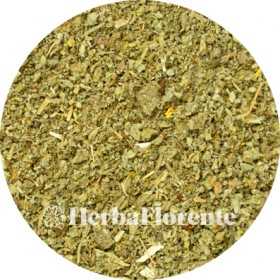
Marshmallow (Leaf) - Altheae officinalis
Marshmallow (Althaea officinalis) belongs to the mallow family (Malvaceae) and has been spread worldwide by human activity, especially to areas with suitable soil, humidity and climate.
The starch in the carrot, mixed with proteinaceous substances, was formerly used in making marshmallows and bacon. The leaves can be eaten cooked and the flowers can be used raw in salads.
The starch in the carrot, mixed with proteinaceous substances, was formerly used in making marshmallows and bacon. The leaves can be eaten cooked and the flowers can be used raw in salads.
€2.00
From: €2.00
Ashwagandha - Withania somnifera
Ashwagandha, officially known as Withania somnifera, is a plant that has been used for centuries in the Ayurvedic tradition of India. Within this traditional teaching, ashwagandha is referred to as a rasayana, a term used in Ayurveda for herbs with special cultural and historical significance.
The plant belongs to the Magnoliophyta family and is also known as Indian ginseng and winter cherry. The root of the plant is traditionally used most often.
The name ashwagandha literally means "horse scent," a reference to the characteristic, earthy aroma of the fresh root. In Indian culture, the herb is often symbolically associated with strength and vitality, similar to that of a horse.
The plant belongs to the Magnoliophyta family and is also known as Indian ginseng and winter cherry. The root of the plant is traditionally used most often.
The name ashwagandha literally means "horse scent," a reference to the characteristic, earthy aroma of the fresh root. In Indian culture, the herb is often symbolically associated with strength and vitality, similar to that of a horse.
€4.40
From: €4.40
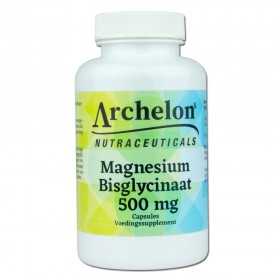
Magnesium Bisglycinate - 500 mg
Magnesium bisglycinate is an organic form of magnesium in which the mineral is bound to the amino acid glycine. This chelate bond creates a stable compound suitable for use in dietary supplements. Magnesium bisglycinate is widely used due to its composition and practical application within a daily diet.
€25.95
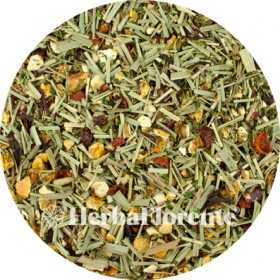
Citrus Blend Herbal Tea
Herbal tea composed of various herbs
Delicious for every moment
Delicious for every moment
€3.95
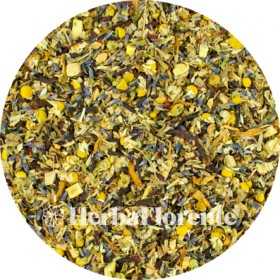
Relax Herbal Tea
Herbal tea composed of various herbs
Nice for a relaxing moment
Nice for a relaxing moment
€3.95
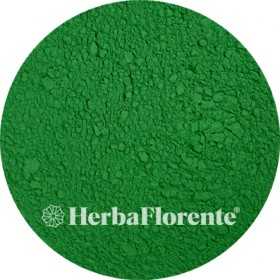
Spirulina - Spirulina platensis
Spirulina is a type of single-celled algae that contains both chlorophyll (a green pigment) and phycocyanin (a blue pigment). The algae forms spiral-shaped microscopic strands and grows naturally in warm, freshwater.
Spirulina contains various nutrients, including protein, vitamins (such as B-complex and E), carotenoids, iron, manganese, zinc, and some fatty acids. Because of this composition, spirulina is often used as part of a varied diet.
The algae can grow in warm environments and retain many of their nutrients, even during processing at higher temperatures..
Spirulina contains various nutrients, including protein, vitamins (such as B-complex and E), carotenoids, iron, manganese, zinc, and some fatty acids. Because of this composition, spirulina is often used as part of a varied diet.
The algae can grow in warm environments and retain many of their nutrients, even during processing at higher temperatures..
€2.80
From: €2.80
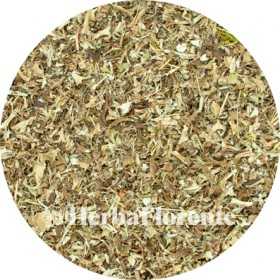
Iceland moss - Cetraria islandicus
Iceland moss (Cetraria islandica), also known by the basic name Lichen islandicus, is a shrubby lichen belonging to the Parmeliaceae family (shell mosses). The species is native to cold and mountainous regions and is extremely rare in the Netherlands. For this reason, Iceland moss is listed on the Dutch Red List as critically endangered.
Iceland moss has a long cultural and historical background. Botanical and historical sources from the 17th century describe the lichen as part of the botanical knowledge of the time. During that period, the lichen was collected whole and used in traditional practices. These uses are part of historical and folklore.
Iceland moss has a long cultural and historical background. Botanical and historical sources from the 17th century describe the lichen as part of the botanical knowledge of the time. During that period, the lichen was collected whole and used in traditional practices. These uses are part of historical and folklore.
€3.00
From: €3.00
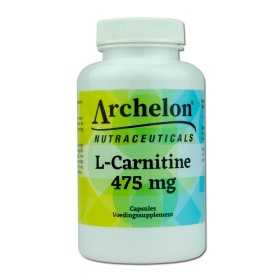
L-Carnitine - 475 mg
L-Carnitine is a natural compound often classified as an amino acid due to its similar molecular structure. It occurs naturally in the body and in foods, particularly meat and animal products. Plant sources generally contain very little L-Carnitine. The body can produce L-Carnitine from the amino acids lysine and methionine, but this production depends on factors such as age, gender, and diet.
Men generally have a higher daily requirement for L-Carnitine than women because the body uses it primarily in tissues with high energy demands, such as the heart and skeletal muscle. L-Carnitine is closely related to the B vitamins and is present in all cells of the body. It is stored in skeletal muscle, cardiac muscle, and liver, with concentrations varying depending on age, diet, and body mass.
Men generally have a higher daily requirement for L-Carnitine than women because the body uses it primarily in tissues with high energy demands, such as the heart and skeletal muscle. L-Carnitine is closely related to the B vitamins and is present in all cells of the body. It is stored in skeletal muscle, cardiac muscle, and liver, with concentrations varying depending on age, diet, and body mass.
€24.95
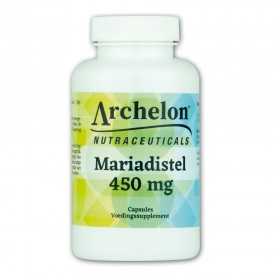
Milk Thistle - 450 mg
Milk thistle (Silybum marianum), also known as milk thistle, is a spiny plant from the Asteraceae family that is native to the Mediterranean region but also grows in other parts of Europe. The plant is best known for its characteristic purple-pink flowers and spotted leaves.
The seeds of the milk thistle are primarily used for supplements. These seeds naturally contain silymarin, a complex of flavonolignans found naturally in this plant. Silymarin is a plant compound often used in dietary supplements based on herbal extracts.
The seeds of the milk thistle are primarily used for supplements. These seeds naturally contain silymarin, a complex of flavonolignans found naturally in this plant. Silymarin is a plant compound often used in dietary supplements based on herbal extracts.
€17.95
Echinacea (Red Coneflower) - 350 mg
Purple coneflower is a perennial plant native to North America and cultivated worldwide. The Latin name Echinacea refers to the Greek word echinos, meaning "hedgehog," because of its spiky flower cone. Indigenous tribes used the plant traditionally, and knowledge about it was later adopted by colonists. Today, Echinacea purpurea is often used in supplements and herbal preparations.
€15.96
€19.95
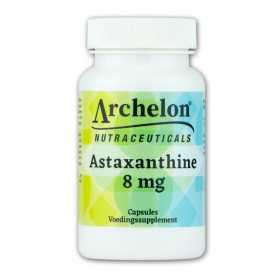
Astaxanthin - 8 mg
Astaxanthin is a naturally occurring carotenoid found in algae (Haematococcus pluvialis), as well as in various vegetables, fruits, herbs, and plants. It is a deep red pigment that belongs to the carotenoid group.
The algae Haematococcus pluvialis is known for its high natural astaxanthin content and is also called "blood rain algae" because of its color. Aquatic animals that consume this algae, such as krill, salmon, char, shrimp, lobster, and crab, acquire their characteristic pinkish-red color from it.
Astaxanthin is used as a colorant and ingredient in foods and supplements and is naturally derived.
The algae Haematococcus pluvialis is known for its high natural astaxanthin content and is also called "blood rain algae" because of its color. Aquatic animals that consume this algae, such as krill, salmon, char, shrimp, lobster, and crab, acquire their characteristic pinkish-red color from it.
Astaxanthin is used as a colorant and ingredient in foods and supplements and is naturally derived.
€32.95
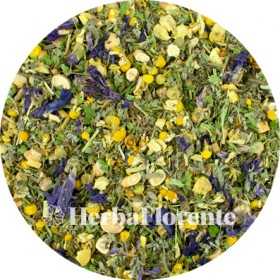
Flu/Immune Herbal Tea
Herbal tea composed of various herbs
€3.95
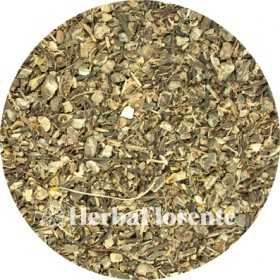
Black Cohosh - Cimicifuga Racemosa
Black cohosh (Cimicifuga racemosa), also known as black cohosh, is a plant that has been used for centuries in traditional North American herbal medicine. The roots were used by various North American tribes and are known as "squawroot."
The plant is known today for its long history of use and cultural significance. Black cohosh is increasingly sold in the Netherlands, especially as an ingredient in herbal teas, supplements, and traditional herbal blends.
The plant is known today for its long history of use and cultural significance. Black cohosh is increasingly sold in the Netherlands, especially as an ingredient in herbal teas, supplements, and traditional herbal blends.
€9.80
From: €9.80
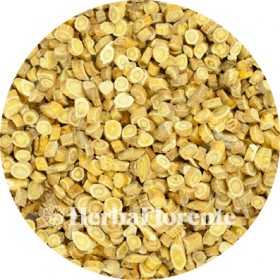
Astragalus - Astragalus chinensis membranus - Cut
Astragalus, also known as fleshy box pod (Astragalus membranaceus), is a plant native to Asia. The root of the plant has been used in traditional Chinese culture for thousands of years.
Astragalus holds an important place in this tradition and is associated with the concept of "qi," which represents life energy. Astragalus is used in a variety of applications, such as herbal teas, powders, and other herbal preparations.
The root contains various natural plant compounds and is valued for its long history of traditional use.
Astragalus holds an important place in this tradition and is associated with the concept of "qi," which represents life energy. Astragalus is used in a variety of applications, such as herbal teas, powders, and other herbal preparations.
The root contains various natural plant compounds and is valued for its long history of traditional use.
€2.60
From: €2.60