



Trending
€57.50
€62.50

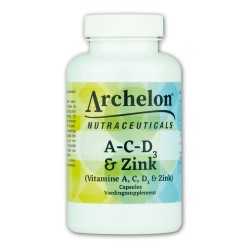
€35.95
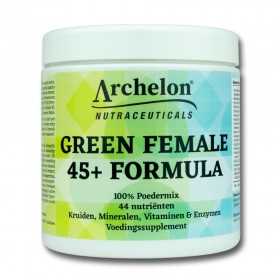
€62.50
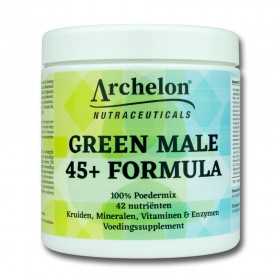
€62.50
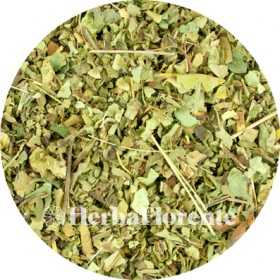
Lungwort - Pulmonaria officinalis
€5.91 €6.95 -15%
Echinacea (Red Coneflower) - 350 mg
€15.96 €19.95 -20%
Latest Blog


Best sellers
There are 368 products.
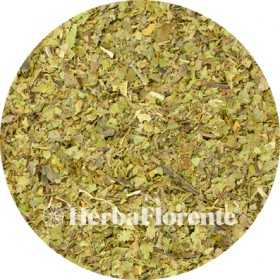
Walnut - Juglans regia
The Juglans regia, also known as walnut, walnut or walnut, belongs to the walnut family (Juglandaceae). This species is also known as common walnut or Persian walnut, to avoid confusion with the genus Juglans. Other species in the genus Juglans include the white walnut and the black walnut.
This deciduous tree can reach a height of up to 30 meters with a crown that can be more than 10 meters wide. The leaves are odd-pinnate and can be 25-40 cm long, consisting of five to nine leaflets per compound leaf. The three largest leaflets are located at the end of the leaf and measure 10-18 cm long and 6-8 cm wide. The leaflets at the base of the leaf are smaller, usually 5-8 cm long.
This deciduous tree can reach a height of up to 30 meters with a crown that can be more than 10 meters wide. The leaves are odd-pinnate and can be 25-40 cm long, consisting of five to nine leaflets per compound leaf. The three largest leaflets are located at the end of the leaf and measure 10-18 cm long and 6-8 cm wide. The leaflets at the base of the leaf are smaller, usually 5-8 cm long.
€2.00
From: €2.00
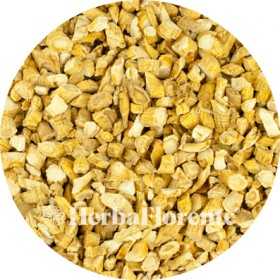
Ginseng (Panax) - Ginseng Panax - Cut
Panax ginseng is a plant with a slow-growing, sturdy root and belongs to the Araliaceae family. It is one of the most well-known plants in traditional Chinese medicine and has been used in Asia for thousands of years.
The name "Panax" comes from the Greek word for "all-healer," referring to the plant's historical reputation in traditional medicine. Panax ginseng contains unique compounds called ginsenosides, which are found only in this plant.
Other plants with "ginseng" in their names, such as Siberian ginseng (Eleutherococcus senticosus) or Indian ginseng/Ashwagandha (Withania somnifera), belong to different plant families and do not contain these specific ginsenosides.
The name "Panax" comes from the Greek word for "all-healer," referring to the plant's historical reputation in traditional medicine. Panax ginseng contains unique compounds called ginsenosides, which are found only in this plant.
Other plants with "ginseng" in their names, such as Siberian ginseng (Eleutherococcus senticosus) or Indian ginseng/Ashwagandha (Withania somnifera), belong to different plant families and do not contain these specific ginsenosides.
€16.00
From: €16.00
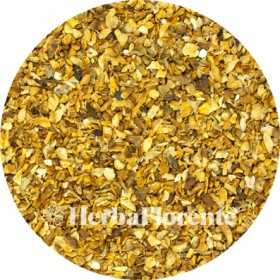
Chicory (Root) - Cichorium Intybus - Cut
Chicory (Cichorium) belongs to the composite family (Compositae or Asteraceae) and includes well-known vegetables such as chicory and endive. It is mainly consumed for health reasons.
Since the late years of the twentieth century, chicory roots have been cultivated not only for chicory, but also for the production of inulin and sweeteners, especially fructose. Both inulin (a dietary fiber) and fructose are widely used in the food industry.
Roasted chicory root is used as a coffee substitute or as an ingredient in coffee brewing. In the past, this was done out of necessity, such as during the Napoleonic blockade during the French occupation.
Since the late years of the twentieth century, chicory roots have been cultivated not only for chicory, but also for the production of inulin and sweeteners, especially fructose. Both inulin (a dietary fiber) and fructose are widely used in the food industry.
Roasted chicory root is used as a coffee substitute or as an ingredient in coffee brewing. In the past, this was done out of necessity, such as during the Napoleonic blockade during the French occupation.
€2.00
From: €2.00
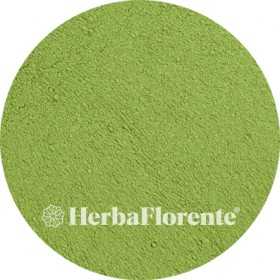
Nettle - Urticae dioica
Nettle (Urtica dioica) is a herbaceous plant found in many places and known for its stinging hairs when touched. Despite this characteristic, the plant has long been valued and used in various cultures. Nettle is used in culinary preparations such as soup and herbal tea.
The plant is native to large parts of Europe, Asia, and Africa. The Latin name Urtica dioica refers to the plant's stinging properties. Historical and botanical sources describe both the leaves and the roots as being traditionally collected and processed.
Both nettle leaf and root hold a firm place in herbal tradition. Due to their natural composition and long history, these parts of the plant have been mentioned for centuries in ethnobotanical and historical accounts.
The plant is native to large parts of Europe, Asia, and Africa. The Latin name Urtica dioica refers to the plant's stinging properties. Historical and botanical sources describe both the leaves and the roots as being traditionally collected and processed.
Both nettle leaf and root hold a firm place in herbal tradition. Due to their natural composition and long history, these parts of the plant have been mentioned for centuries in ethnobotanical and historical accounts.
€2.40
From: €2.40
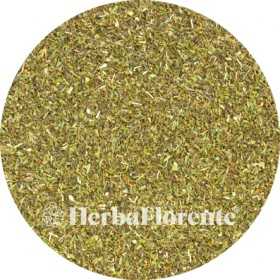
Savory Wort - Satureja hortensis
Savory (Satureja), also known as winter or summer savory, belongs to the Lamiaceae or Labiatae family. The scientific name is derived from the Latin word "satyr."
Historical and Cultural Context
During Roman times, savory was often used in rituals and cultural practices. It was incorporated into wreaths and jewelry and featured in traditional dishes. Historical sources describe it as playing an important role in Roman cuisine.
Culinary Uses
Savory is traditionally used as a seasoning in a variety of dishes. In ancient times, it was used in sauces for fish and meat, stuffings for veal, and in sausages or pork pies. Over the centuries, chefs have developed their own recipes using this aromatic herb.
Historical and Cultural Context
During Roman times, savory was often used in rituals and cultural practices. It was incorporated into wreaths and jewelry and featured in traditional dishes. Historical sources describe it as playing an important role in Roman cuisine.
Culinary Uses
Savory is traditionally used as a seasoning in a variety of dishes. In ancient times, it was used in sauces for fish and meat, stuffings for veal, and in sausages or pork pies. Over the centuries, chefs have developed their own recipes using this aromatic herb.
€2.00
From: €2.00
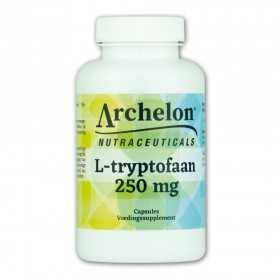
L-Tryptophan - 250 mg
Tryptophan is an essential amino acid, which means that the body cannot produce it itself and must therefore get it from food or supplementation. Tryptophan is found in meat, vegetables and fruit, among other things. Tryptophan is the only precursor of the neurotransmitter serotonin. Tryptophan also has several other functions.
€24.95
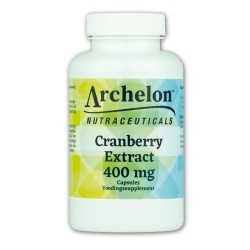
Cranberry Extract - 400 mg
Cranberry (Vaccinium macrocarpon). Cranberries are small, red berries that naturally contain anthocyanins, pigments belonging to the flavonoid family and responsible for their vibrant color. Anthocyanins are found in many vegetables, fruits, and herbs. Cranberries also provide a wide range of nutrients, including vitamins, minerals, and antioxidants, and are often included in dietary supplements as part of a varied and balanced diet.
€34.95
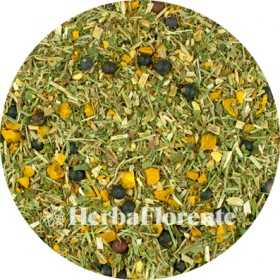
Joints Herbal Tea
Herbal tea composed of various herbs
€3.95
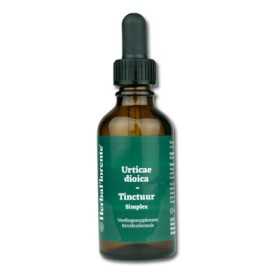
Nettle Tincture - Urticae dioica Tincture
Single herbal tincture made with dried herb of Urticae dioica (Nettle).
The stinging nettle (Urtica dioica) is a herbaceous plant found in many places and known for its stinging hairs, which cause a tingling sensation when touched. Despite this characteristic, the plant has been valued and used in various cultures for centuries. It is used in culinary preparations such as soup and herbal tea.
The plant is native to large parts of Europe, Asia, and Africa. The Latin name Urtica dioica refers to the plant's pungent nature. Historical and botanical sources describe both the leaves and roots as being traditionally collected and processed.
The stinging nettle (Urtica dioica) is a herbaceous plant found in many places and known for its stinging hairs, which cause a tingling sensation when touched. Despite this characteristic, the plant has been valued and used in various cultures for centuries. It is used in culinary preparations such as soup and herbal tea.
The plant is native to large parts of Europe, Asia, and Africa. The Latin name Urtica dioica refers to the plant's pungent nature. Historical and botanical sources describe both the leaves and roots as being traditionally collected and processed.
€10.95
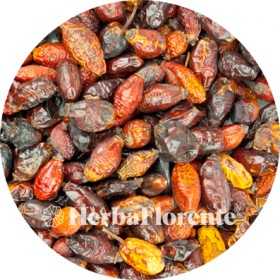
Dogrose - Rosa canina
The dog rose (Rosa canina) is a native rose species in the Benelux region and is native to Europe, Northwest Africa, and West Asia. It was later introduced to North America. The plant often grows along forest edges, hedgerows, and thickets.
It is a large, upright shrub that can reach a height of approximately 1 to 4 meters. The long, arching branches can partially arch. The glandless leaves and branches are green and sometimes have a reddish tinge.
Flowering occurs from June to July. The flowers are usually light pink, sometimes white, and are approximately 3.5 to 4.5 centimeters in diameter. They appear singly or in small clusters of one to ten flowers.
It is a large, upright shrub that can reach a height of approximately 1 to 4 meters. The long, arching branches can partially arch. The glandless leaves and branches are green and sometimes have a reddish tinge.
Flowering occurs from June to July. The flowers are usually light pink, sometimes white, and are approximately 3.5 to 4.5 centimeters in diameter. They appear singly or in small clusters of one to ten flowers.
€2.00
From: €2.00
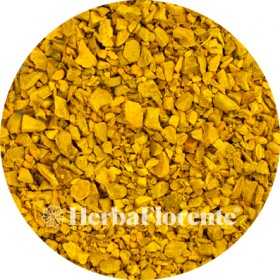
Tumeric zanth. - Curcumae zanthorrhizae - Cut
Turmeric, also known as Javanese ginger (Curcuma xanthorrhiza), is a tropical plant native to India and Southeast Asia. The root of this plant has been used for centuries and is best known in powdered form. In the Netherlands, turmeric is also known as yellow root (gelukkigroot) because of its intense yellow color, which is used in curry mixtures and mustard, among other things.
Turmeric plays an important role in various Asian cuisines, where it is valued for its color, aroma, and characteristic flavor. Besides its culinary uses, turmeric is traditionally described in historical and cultural sources from India and Indonesia, where the root played an integral role in daily life.
Turmeric plays an important role in various Asian cuisines, where it is valued for its color, aroma, and characteristic flavor. Besides its culinary uses, turmeric is traditionally described in historical and cultural sources from India and Indonesia, where the root played an integral role in daily life.
€2.00
From: €2.00
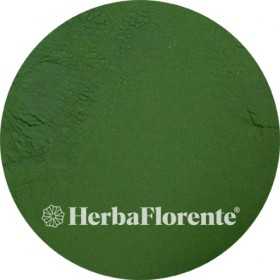
Chlorella - Chlorella
Chlorella is a single-celled green algae belonging to the green algae group. This microscopic algae occurs naturally in freshwater environments such as lakes and rivers and is cultivated worldwide. The name chlorella is derived from the Greek words chloros (green) and ella (small), which refers to its color and size.
Chlorella is known for its natural composition and is described in nutritional and botanical sources as an algae that naturally contains various nutrients, including proteins, vitamins, minerals, and fatty acids. In addition, chlorella contains chlorophyll, the green pigment that plays an essential role in photosynthesis.
Furthermore, descriptions of chlorella often mention plant-based compounds such as beta-carotene and lutein.
Chlorella is known for its natural composition and is described in nutritional and botanical sources as an algae that naturally contains various nutrients, including proteins, vitamins, minerals, and fatty acids. In addition, chlorella contains chlorophyll, the green pigment that plays an essential role in photosynthesis.
Furthermore, descriptions of chlorella often mention plant-based compounds such as beta-carotene and lutein.
€4.60
From: €4.60
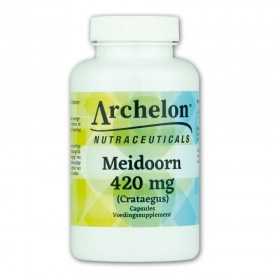
Hawthorn (Crataegus) - 420 mg
The two-styled hawthorn (Crataegus laevigata) is a thorny shrub or small tree native to large parts of Europe. The plant is recognizable by its white blossoms in spring and red berries in autumn, which are also known as "whitebeams" due to their texture.
The leaves and flowering tops of the hawthorn are primarily used in dietary supplements. These parts naturally contain a broad spectrum of plant compounds, including flavonoids, procyanidins, tannins, glycosides, vitamin C, and other natural antioxidants. The berries also contain these compounds to a lesser extent.
The leaves and flowering tops of the hawthorn are primarily used in dietary supplements. These parts naturally contain a broad spectrum of plant compounds, including flavonoids, procyanidins, tannins, glycosides, vitamin C, and other natural antioxidants. The berries also contain these compounds to a lesser extent.
€19.95
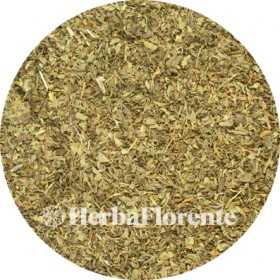
Spearmint - Mentha spicata
Spearmint, also known as green mint (Mentha spicata), is an aromatic perennial plant from the Lamiaceae family. This plant originally comes from Central and Southern Europe, where it regularly establishes itself as a feral plant. Peppermint (Mentha ×piperata), a commonly used variety in food and care products, originated from a cross between spearmint and water mint (Mentha aquatica).
The leaves of spearmint contain a wealth of essential oils, with carvone being the most important. This component is also found in caraway, which gives the mint its characteristic scent. However, the leaves contain little menthol, which makes the taste milder than that of peppermint.
The leaves of spearmint contain a wealth of essential oils, with carvone being the most important. This component is also found in caraway, which gives the mint its characteristic scent. However, the leaves contain little menthol, which makes the taste milder than that of peppermint.
€2.20
From: €2.20
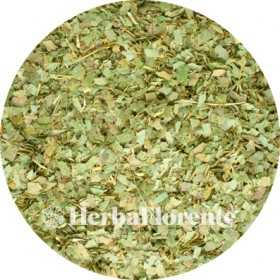
Horny Goat Herb - Yin Yang Huo - Epimedium brevicornum
Epimedium, commonly known as fairy flower, is a genus of approximately 25 species of perennial plants in the barberry family (Berberidaceae). These plants are native to southern Europe and parts of Asia, including Central, South, and East Asia.
Epimedium species are perennial and have striking, graceful flowers that appear in spring or early summer. The delicate, spidery flowers consist of four petals and add a unique touch to any garden.
In China, the plant is known as "yin yang huo." According to ancient stories, it was given this name after a goat herder noticed his animals eating the plant.
Epimedium species are perennial and have striking, graceful flowers that appear in spring or early summer. The delicate, spidery flowers consist of four petals and add a unique touch to any garden.
In China, the plant is known as "yin yang huo." According to ancient stories, it was given this name after a goat herder noticed his animals eating the plant.
€9.95
From: €9.95
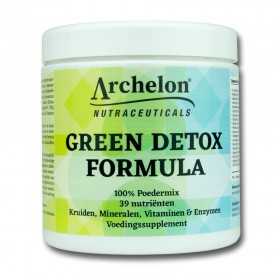
Green Detox Formula
Green Detox Formula is a carefully formulated powder mix for a 30-day treatment. The formula contains a combination of 38 nutrients, including herbs, vitamins, minerals, and enzymes, and was developed to complement a varied diet and a conscious lifestyle.
The ingredients have been selected with a focus on balance and coherence. Thanks to its broad composition, Green Detox Formula fits into routines focused on nutrition, lifestyle, and daily body care. The powder form makes the product easy to dose and integrate into your daily routine.
Green Detox Formula is suitable for people who value a complete formula without unnecessary additives.
The ingredients have been selected with a focus on balance and coherence. Thanks to its broad composition, Green Detox Formula fits into routines focused on nutrition, lifestyle, and daily body care. The powder form makes the product easy to dose and integrate into your daily routine.
Green Detox Formula is suitable for people who value a complete formula without unnecessary additives.
€62.50
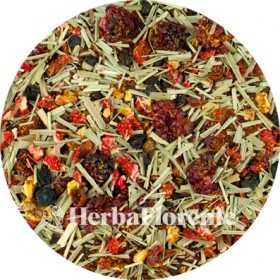
Fruits Herbal Tea
Herbal tea composed of various herbs
Delicious for every moment
Delicious for every moment
€3.95
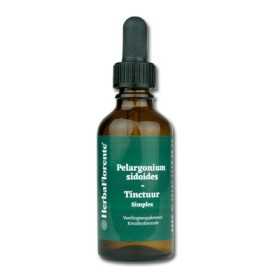
Geranium Tincture - Pelargonium sidoides Tincture
Single herbal tincture made with dried root of Pelargonium sidoides (Cape geranium).
The Cape geranium (Pelargonium sidoides), known locally as "umckaloabo," is a native geranium species from South Africa. It grows wild among tall grasses and aromatic flower beds on the slopes of the Cape coast and in the grasslands of Lesotho.
The Cape geranium has soft, velvety gray-green leaves and deep magenta flowers. The plant's rhizomes turn dark red when dried and ground.
The Cape geranium (Pelargonium sidoides), known locally as "umckaloabo," is a native geranium species from South Africa. It grows wild among tall grasses and aromatic flower beds on the slopes of the Cape coast and in the grasslands of Lesotho.
The Cape geranium has soft, velvety gray-green leaves and deep magenta flowers. The plant's rhizomes turn dark red when dried and ground.
€10.95
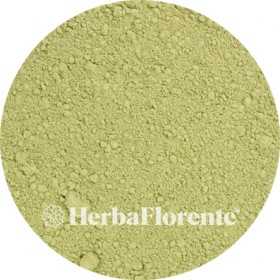
Dandelion (Herb & Root) - Taraxum officinale
Dandelion (Taraxacum officinale) is a plant that has been used for centuries in various cultures. Both the root and the aerial parts of the plant are used and are known for their versatile uses.
The young leaves of the dandelion are traditionally used in dishes such as salads, especially in spring. The yellow flowers can be used as decoration and are also suitable for drying and making into herbal tea.
Dandelions naturally contain various plant compounds, including bitter substances, flavonoids, and fatty acids. They are also a source of vitamins, such as B vitamins and vitamin C, and contain minerals such as calcium, magnesium, zinc, and manganese. Because of this composition, the dandelion is valued as an edible wild plant in herbal culture.
The young leaves of the dandelion are traditionally used in dishes such as salads, especially in spring. The yellow flowers can be used as decoration and are also suitable for drying and making into herbal tea.
Dandelions naturally contain various plant compounds, including bitter substances, flavonoids, and fatty acids. They are also a source of vitamins, such as B vitamins and vitamin C, and contain minerals such as calcium, magnesium, zinc, and manganese. Because of this composition, the dandelion is valued as an edible wild plant in herbal culture.
€2.40
From: €2.40
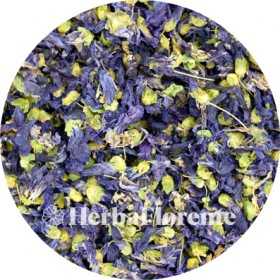
Mallow Large - Malvacea Sylvestris
Mallow (Malva) is a genus of herbaceous plants in the Malvaceae family. It comprises approximately thirty species found in temperate, subtropical, and tropical regions of Africa and Eurasia.
The flowers and leaves of mallow are highly recognizable and traditionally valued in various cultures. The plant produces mucilaginous substances, which were historically mentioned in botanical and folklore sources.
The fruit of the mallow is a schizocarp and owes its name to its flat, rounded shape, which resembles a small cheese. This fruit contains contiguous seeds and is a characteristic botanical element of the genus.
Mallow is primarily valued today for its botanical properties, its ornamental flowers, and its cultural significance in traditional botanical lore.
The flowers and leaves of mallow are highly recognizable and traditionally valued in various cultures. The plant produces mucilaginous substances, which were historically mentioned in botanical and folklore sources.
The fruit of the mallow is a schizocarp and owes its name to its flat, rounded shape, which resembles a small cheese. This fruit contains contiguous seeds and is a characteristic botanical element of the genus.
Mallow is primarily valued today for its botanical properties, its ornamental flowers, and its cultural significance in traditional botanical lore.
€8.00
From: €8.00
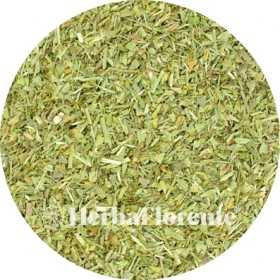
Shepherds Purse - Capsella Bursa postoris
Shepherd's purse (Capsella bursa-pastoris) is a plant in the Brassicaceae family. It is an annual or biennial, upright-growing plant that can reach a height of approximately 5 to 60 centimeters. The plant is winter-hardy and usually has a woody taproot. The sinuously serrated leaves form a rosette around the spindle-shaped root.
Shepherd's purse is common in temperate regions and grows in a variety of locations, such as fields, roadsides, and fallow land. Its distinctive heart-shaped seed pods make the plant easy to identify.
In historical and folklore sources, shepherd's purse is mentioned as part of traditional plant knowledge. The young rosette leaves are also used in culinary dishes. They can be used raw in salads or added to soups and other hot dishes.
Shepherd's purse is common in temperate regions and grows in a variety of locations, such as fields, roadsides, and fallow land. Its distinctive heart-shaped seed pods make the plant easy to identify.
In historical and folklore sources, shepherd's purse is mentioned as part of traditional plant knowledge. The young rosette leaves are also used in culinary dishes. They can be used raw in salads or added to soups and other hot dishes.
€2.00
From: €2.00
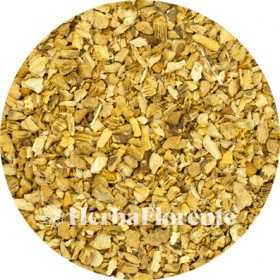
Gentian (Yellow) - Gentiana lutea
The great yellow gentian, also known as Gentiana lutea, is a perennial plant in the gentian family (Gentianaceae). It grows naturally in European mountains, primarily at altitudes up to 2200 meters.
The plant can reach a height of 0.5–1.5 meters. Its opposite leaves have five to seven arching veins. The large yellow flowers appear in clusters of three to ten in the axils of the upper leaves, but the plant only blooms after seven to ten years and can then live for 40 to 60 years.
The rhizome of the great yellow gentian can grow up to 1 meter long and is fleshy and thickened to 5 cm. The root contains sugars such as gentiobiose and natural bitter substances, as well as phytosterols, phenolic acids, oligosaccharides, and pectins.
The plant can reach a height of 0.5–1.5 meters. Its opposite leaves have five to seven arching veins. The large yellow flowers appear in clusters of three to ten in the axils of the upper leaves, but the plant only blooms after seven to ten years and can then live for 40 to 60 years.
The rhizome of the great yellow gentian can grow up to 1 meter long and is fleshy and thickened to 5 cm. The root contains sugars such as gentiobiose and natural bitter substances, as well as phytosterols, phenolic acids, oligosaccharides, and pectins.
€4.80
From: €4.80
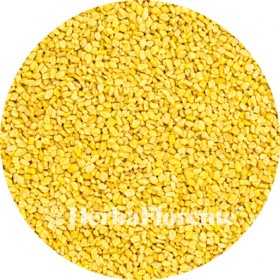
Fenugreek - Foenugraeci graecum - Whole
Fenugreek (Trigonella foenum-graecum), also known as fenugreek, fenugreek, or Greek hay, is a versatile plant native to the Mediterranean and later became popular in parts of Asia.
The aromatic seeds and leaves are widely used as a spice in Indian cuisine and can help soften bitter flavors in dishes or products. Fenugreek contains minerals such as iron and copper, and naturally occurring compounds like saponins and coumarins, the latter contributing to its characteristic hay-like aroma.
The aromatic seeds and leaves are widely used as a spice in Indian cuisine and can help soften bitter flavors in dishes or products. Fenugreek contains minerals such as iron and copper, and naturally occurring compounds like saponins and coumarins, the latter contributing to its characteristic hay-like aroma.
€1.95
From: €1.95
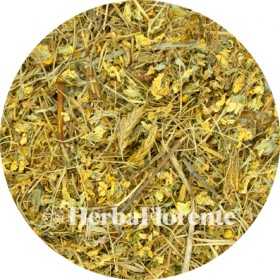
Pansy, Herb trinit (Flower) - Viola tricolor
Out-of-Stock
The pansy (Viola tricolor), also known as the wild violet, is an ornamental plant that has been part of European botanical knowledge for centuries. The tricolor violet belongs to the pansy family (Violaceae) and is native to Europe, from Lapland to the Mediterranean, and even to Siberia.
This plant, which is annual but can sometimes be perennial, grows to a height of 30 cm and has roots that can reach depths of up to 45 cm. Its flowering period extends from May to October. The flowers are at least 1 cm wide, but usually larger, with an average diameter of 1.5 cm. The plant was first described by the renowned botanist Rembert Dodoens in 1554.
This plant, which is annual but can sometimes be perennial, grows to a height of 30 cm and has roots that can reach depths of up to 45 cm. Its flowering period extends from May to October. The flowers are at least 1 cm wide, but usually larger, with an average diameter of 1.5 cm. The plant was first described by the renowned botanist Rembert Dodoens in 1554.
€7.00
From: €7.00