



Trending
€57.50

€62.50


€35.95

€62.50

€62.50

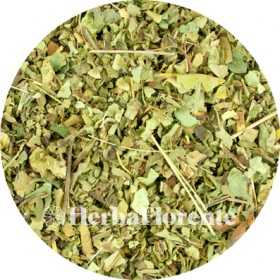
Lungwort - Pulmonaria officinalis
€5.91 €6.95 -15%
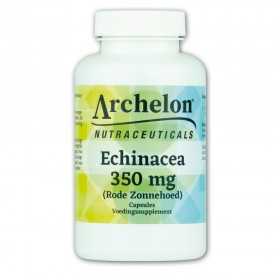
Echinacea (Red Coneflower) - 350 mg
€15.96 €19.95 -20%
Latest Blog


Best sellers
There are 368 products.
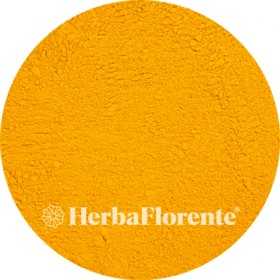
Tumeric long. - Curcumae longae
Turmeric, also known as turmeric (Curcuma longa), is a tropical plant native to India and Southeast Asia. The root has been used for centuries and is best known in powdered form. In the Netherlands, it is often called "geelwortel" (yellow root) because of its bright yellow color, which is used in curry mixtures, mustard, and other culinary preparations.
Turmeric plays an important role in various Asian cuisines, where it is valued for its color, aroma, and distinctive flavor. The root is found in historical and cultural sources and was traditionally incorporated into dishes and spice blends.
Turmeric plays an important role in various Asian cuisines, where it is valued for its color, aroma, and distinctive flavor. The root is found in historical and cultural sources and was traditionally incorporated into dishes and spice blends.
€2.00
From: €2.00

Ashwagandha - 320 mg
Ashwagandha, officially known as Withania somnifera, is a plant native to India and belongs to the Magnoliophyta family. The herb is also known as "Indian ginseng" and "winter cherry."
The name ashwagandha derives from Sanskrit and literally means "horse scent," a reference to the root's characteristic, earthy aroma. In the Ayurvedic tradition, ashwagandha is classified as a "rasayana," a term used within this tradition for certain plants.
The Latin species name somnifera means "sleep-bearing" and refers to the plant's historical name. Ashwagandha has been used in traditional herbal preparations for centuries.
The name ashwagandha derives from Sanskrit and literally means "horse scent," a reference to the root's characteristic, earthy aroma. In the Ayurvedic tradition, ashwagandha is classified as a "rasayana," a term used within this tradition for certain plants.
The Latin species name somnifera means "sleep-bearing" and refers to the plant's historical name. Ashwagandha has been used in traditional herbal preparations for centuries.
€17.95

Vitamin B12 (Cyano- & Methylcoblamin) - 1,000 mcg
Vitamin B12 is a water-soluble vitamin found naturally in foods such as meat, fish, eggs, and dairy. It's a nutrient absorbed by the body through food or supplements. Vitamin B12 is stored in the liver and can be transported to cells via the bloodstream, where it becomes part of the natural composition of nutrients.
€19.95
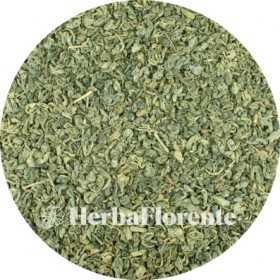
Green Tea - Gun Powder - Camellia sinensis
Gunpowder (zhūchá) is a Chinese green tea that gets its name from the grey-green, tightly rolled leaves that are reminiscent of 18th century gunpowder. Another possible explanation is that "freshly brewed" sounds like *gun-pao-da* in Chinese.
When steeped in hot water, the leaves unfold, giving the tea its characteristic grassy and sometimes smoky flavour.
In China, this tea is also known as pearl tea (珠茶). Gunpowder is mainly produced in the Ningbo region and is one of the most popular Chinese export teas. Nowadays, the balls are rolled by machine, except for the higher quality varieties, which are still made by hand.
When steeped in hot water, the leaves unfold, giving the tea its characteristic grassy and sometimes smoky flavour.
In China, this tea is also known as pearl tea (珠茶). Gunpowder is mainly produced in the Ningbo region and is one of the most popular Chinese export teas. Nowadays, the balls are rolled by machine, except for the higher quality varieties, which are still made by hand.
€2.95
From: €2.95
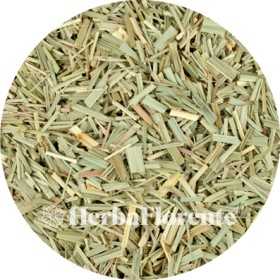
Lemongrass - Cymbopogon citratus
Lemongrass, also known as sereh (Cymbopogon citratus), belongs to the grass family (Poaceae). This plant is widely used in Asian cuisine, especially in dishes from Thailand, India, Vietnam and Indonesia. Lemongrass thrives in several regions, including India, Africa, Vietnam, Australia and America. In Indonesia it is known as sereh, and this name is also often used in the Netherlands.
The leaves of the lemongrass plant are the culinary stars. They have a refreshing, lemony taste and are not consumed raw. Pieces of lemongrass are often added to dishes during cooking or stewing, after which they are removed before serving.
The leaves of the lemongrass plant are the culinary stars. They have a refreshing, lemony taste and are not consumed raw. Pieces of lemongrass are often added to dishes during cooking or stewing, after which they are removed before serving.
€2.00
From: €2.00

Vitamine K2 (Menaquinone-7) - 200 mcg
Vitamin K2 in the form of menaquinone-7 is a form of vitamin K that remains in the body for a long time. Vitamin K2 is found in foods such as fermented cheese, eggs, and meat.
€24.95
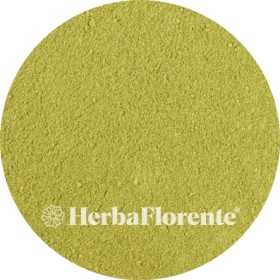
Artichoke - Cynaria scolmycus
The artichoke (Cynara scolymus) is a plant native to the Mediterranean region. The green or purple flower buds are often eaten as a vegetable and are known for their slightly bitter, aromatic flavor. The plant has been used for centuries in various cuisines and preparations.
Artichokes contain a wide range of nutrients and phytonutrients. These include beta-carotene, vitamin C, vitamin B, and minerals such as calcium, magnesium, and potassium. They also contain flavonoids, enzymes, and tannins, which contribute to the characteristic color and flavor of the flower buds.
Thanks to their rich flavor and unique texture, artichokes are popular in salads, soups, pastas, and various culinary dishes.
Artichokes contain a wide range of nutrients and phytonutrients. These include beta-carotene, vitamin C, vitamin B, and minerals such as calcium, magnesium, and potassium. They also contain flavonoids, enzymes, and tannins, which contribute to the characteristic color and flavor of the flower buds.
Thanks to their rich flavor and unique texture, artichokes are popular in salads, soups, pastas, and various culinary dishes.
€3.30
From: €3.30
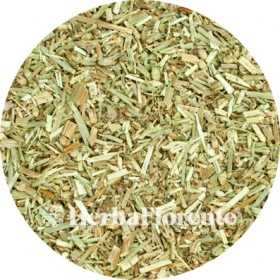
Chicory (Herb) - Cichorium Intybus
Chicory (Cichorium) belongs to the composite family (Compositae or Asteraceae) and includes well-known vegetables such as chicory and endive. It is mainly consumed for health reasons.
Since the late years of the twentieth century, chicory roots have been cultivated not only for chicory, but also for the production of inulin and sweeteners, especially fructose. Both inulin (a dietary fiber) and fructose are widely used in the food industry.
Roasted chicory root is used as a coffee substitute or as an ingredient in coffee brewing. In the past, this was done out of necessity, such as during the Napoleonic blockade during the French occupation.
Since the late years of the twentieth century, chicory roots have been cultivated not only for chicory, but also for the production of inulin and sweeteners, especially fructose. Both inulin (a dietary fiber) and fructose are widely used in the food industry.
Roasted chicory root is used as a coffee substitute or as an ingredient in coffee brewing. In the past, this was done out of necessity, such as during the Napoleonic blockade during the French occupation.
€2.00
From: €2.00
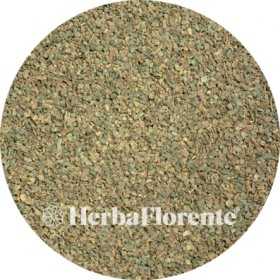
Bladderwrack Fine - Fucus vesiculosus
Bladderwrack (Fucus vesiculosus) is a species of brown algae in the genus Fucus. It is found along the northern coasts of the Atlantic and Pacific Oceans and in the North Sea and Baltic Sea, often in kelp forests. The plant is notable for the air bladders that some varieties possess, which serve as flotation devices; however, there are also varieties without these bladders.
Bladderwrack belongs to the brown algae and naturally contains various polyphenols, including phlorotannins. The plant also contains minerals such as iodine, potassium, magnesium, calcium, and iron. Because of this natural composition, bladderwrack has been included in botanical and historical descriptions of seaweeds.
Bladderwrack belongs to the brown algae and naturally contains various polyphenols, including phlorotannins. The plant also contains minerals such as iodine, potassium, magnesium, calcium, and iron. Because of this natural composition, bladderwrack has been included in botanical and historical descriptions of seaweeds.
€2.50
From: €2.50
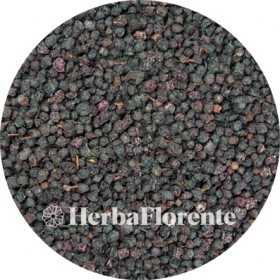
Blue Berrie - Vaccinium mytrillus, Frucus myrtilli
Out-of-Stock
The bilberry (Vaccinium myrtillus) is a small, dark blue berry native to wooded areas of Europe and Northern Asia. The plant belongs to the heather family (Ericaceae) and is known for its characteristic flavor and wide range of uses in food.
Bilberries have long been valued in culinary traditions and are used in products such as jams, juices, desserts, and baked goods. Their deep color and natural composition make them a familiar ingredient in both traditional and modern cuisines.
The berries naturally contain various plant compounds, including flavonoids and anthocyanins, as well as fiber and other nutritional components. This composition is often mentioned in botanical and nutritional descriptions of the plant.
Bilberries have long been valued in culinary traditions and are used in products such as jams, juices, desserts, and baked goods. Their deep color and natural composition make them a familiar ingredient in both traditional and modern cuisines.
The berries naturally contain various plant compounds, including flavonoids and anthocyanins, as well as fiber and other nutritional components. This composition is often mentioned in botanical and nutritional descriptions of the plant.
€8.20
From: €8.20
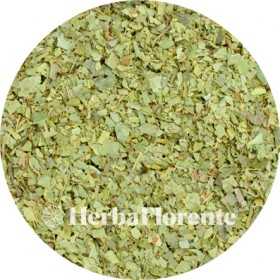
Boldoblad - Peumus boldus
Boldo (Peumus boldus) is an evergreen tree native to South America and other warmer regions, including Chile, Peru, Brazil, Ecuador, Argentina, and North Africa. It prefers sunny, dry locations and can reach a height of 8 meters and a width of 5 meters. Female trees produce drupes that were traditionally used as a spice.
Boldo leaves naturally contain various plant compounds, such as alkaloids, essential oils, flavonoids, and tannins. In Chile, the leaves have been mentioned in traditional customs for centuries and described in historical texts. Today, boldo is valued worldwide for its distinctive leaves, botanical characteristics, and cultural significance.
Boldo leaves naturally contain various plant compounds, such as alkaloids, essential oils, flavonoids, and tannins. In Chile, the leaves have been mentioned in traditional customs for centuries and described in historical texts. Today, boldo is valued worldwide for its distinctive leaves, botanical characteristics, and cultural significance.
€2.60
From: €2.60
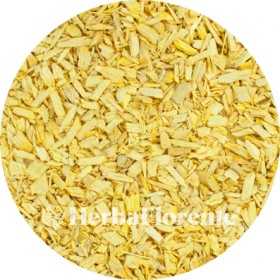
Quassia - Quassiae - Cut
Bitterwood, known in Suriname as kwasibita, is the heartwood of Quassia amara, a plant species in the Quassia genus, belonging to the Simaroubaceae family. The plant is native to tropical South America.
Quassia amara is a small, evergreen shrub found in regions including the Guyanas, northern Brazil, and Venezuela. The plant grows primarily in the rainforest understory. Its striking bright red flowers, which are primarily pollinated by hummingbirds, are a striking feature. Because of these decorative flowers, the plant is also cultivated outside its natural habitat as an ornamental.
Quassia amara is a small, evergreen shrub found in regions including the Guyanas, northern Brazil, and Venezuela. The plant grows primarily in the rainforest understory. Its striking bright red flowers, which are primarily pollinated by hummingbirds, are a striking feature. Because of these decorative flowers, the plant is also cultivated outside its natural habitat as an ornamental.
€2.40
From: €2.40
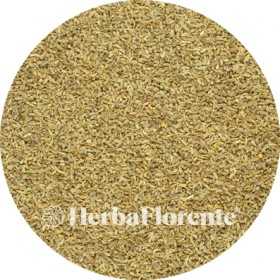
Anise - Pimpinella anisum
Anise seed has a naturally sweet, warm taste reminiscent of licorice. It is a versatile seasoning that can be used in both sweet and savory dishes. All over the world, anise seed is used in confectionery, and it is also often added to liqueurs, such as Ouzo.
You can add anise seeds to bread, pastries, cookies, fruit and gingerbread. In Indian cuisine, anise is indispensable in curries and fish dishes, and it gives a delicious flavor to vegetables such as pumpkin and carrot. In the Netherlands it is a tradition to use anise seed on rusk with mice at birth.
Anise seed tea has a warm, mild flavor and is popular as an after-dinner tea.
You can add anise seeds to bread, pastries, cookies, fruit and gingerbread. In Indian cuisine, anise is indispensable in curries and fish dishes, and it gives a delicious flavor to vegetables such as pumpkin and carrot. In the Netherlands it is a tradition to use anise seed on rusk with mice at birth.
Anise seed tea has a warm, mild flavor and is popular as an after-dinner tea.
€2.95
From: €2.95
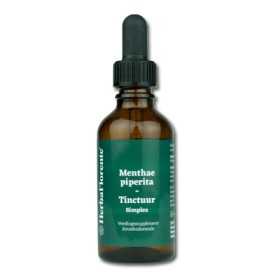
Peppermint Tincture - Menthae piperita Tincture
Single herbal tincture made with dried herb of Menthae piperita (Peppermint).
Peppermint oil is extracted from the leaves of the peppermint plant (Mentha piperita), a cross between water mint (Mentha aquatica) and spearmint (Mentha spicata). Peppermint belongs to the Lamiaceae family, which also includes other aromatic herbs such as basil and rosemary.
The plant was recognized as a distinct species in England in the 17th century and has been widely cultivated ever since. Peppermint naturally contains several essential oils, including menthol, menthone, and cineole, which together contribute to its characteristic fresh scent and flavor.
Peppermint oil is extracted from the leaves of the peppermint plant (Mentha piperita), a cross between water mint (Mentha aquatica) and spearmint (Mentha spicata). Peppermint belongs to the Lamiaceae family, which also includes other aromatic herbs such as basil and rosemary.
The plant was recognized as a distinct species in England in the 17th century and has been widely cultivated ever since. Peppermint naturally contains several essential oils, including menthol, menthone, and cineole, which together contribute to its characteristic fresh scent and flavor.
€11.95
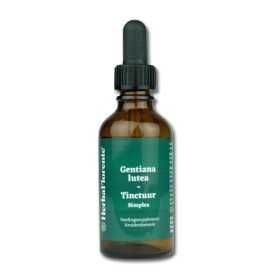
Gentian Large Yellow Tincture - Gentiana lutea Tincture
Single herbal tincture made with dried root of Gentiana lutea (Gentian Large Yellow).
The great yellow gentian, also known as Gentiana lutea, is a perennial plant in the gentian family (Gentianaceae). It grows naturally in European mountains, primarily at altitudes up to 2200 meters.
The plant can reach a height of 0.5–1.5 meters. Its opposite leaves have five to seven arching veins. The large yellow flowers appear in clusters of three to ten in the axils of the upper leaves, but the plant only blooms after seven to ten years and can then live for 40 to 60 years.
The great yellow gentian, also known as Gentiana lutea, is a perennial plant in the gentian family (Gentianaceae). It grows naturally in European mountains, primarily at altitudes up to 2200 meters.
The plant can reach a height of 0.5–1.5 meters. Its opposite leaves have five to seven arching veins. The large yellow flowers appear in clusters of three to ten in the axils of the upper leaves, but the plant only blooms after seven to ten years and can then live for 40 to 60 years.
€11.95

Iodine - 1,000 mcg
Iodine is an essential mineral required for the normal production of thyroid hormones and normal thyroid function. Thyroid hormones play a key role in various bodily processes.
Iodine contributes to normal energy-yielding metabolism and also supports the normal functioning of the nervous system. Iodine also contributes to normal cognitive function and the maintenance of normal skin.
This supplement is intended as a supplement to a varied, balanced diet and a healthy lifestyle.
Iodine contributes to normal energy-yielding metabolism and also supports the normal functioning of the nervous system. Iodine also contributes to normal cognitive function and the maintenance of normal skin.
This supplement is intended as a supplement to a varied, balanced diet and a healthy lifestyle.
€29.95
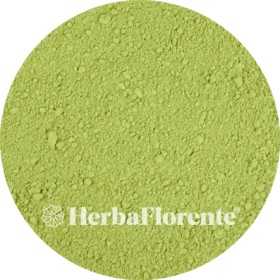
Field Horsetail - Equisetum arvense
Horsetail (Equisetum arvense), also known as horsetail because of its characteristic appearance, belongs to the horsetail family (Equisetaceae). The plant is common in Europe and grows in a variety of locations, such as meadows, along roads, on fallow land, and on slopes.
Horsetail is one of the oldest plant species on earth, having existed for approximately 390 million years. The plant is distinguished by its deep root system, which allows it to absorb nutrients from deeper soil layers. As a result, horsetail naturally contains various plant compounds, including minerals, fiber, and silicon.
Horsetail is one of the oldest plant species on earth, having existed for approximately 390 million years. The plant is distinguished by its deep root system, which allows it to absorb nutrients from deeper soil layers. As a result, horsetail naturally contains various plant compounds, including minerals, fiber, and silicon.
€4.75
From: €4.75
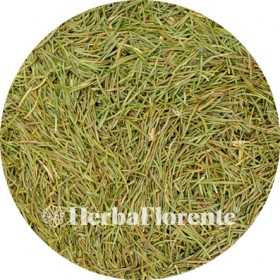
Spruce - Picea Abies
The Norway spruce (Picea abies) belongs to the pine family (Pinaceae) and is native to Northern and Central Europe. It is an imposing conifer that can grow up to 50 meters high.
This tree is monoecious and has a narrow, cone-shaped crown. Spruce trees that grow at lower elevations tend to have wider crowns to be less affected by snow accumulation. The twigs are reddish to orange-brown, while the buds are smooth, brown and pointed. The needles are dark green on all sides and surround the twigs. They are stiff, sharply pointed, square in cross-section and can grow 1 to 2.5 cm long. The lifespan of the needles can be up to 5 to 7 years.
This tree is monoecious and has a narrow, cone-shaped crown. Spruce trees that grow at lower elevations tend to have wider crowns to be less affected by snow accumulation. The twigs are reddish to orange-brown, while the buds are smooth, brown and pointed. The needles are dark green on all sides and surround the twigs. They are stiff, sharply pointed, square in cross-section and can grow 1 to 2.5 cm long. The lifespan of the needles can be up to 5 to 7 years.
€2.00
From: €2.00
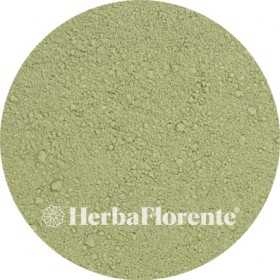
Ribwort Plantain - Plantaginis lanceolata
Ribwort plantain (Plantago lanceolata) is a native plant found in Europe, parts of Asia, North Africa, and North America. It prefers moist, sandy soil and can be found in grasslands, along roads and railways, and even between paving stones.
Ribwort plantain can reach a height of about 75 centimeters and has long, narrow leaves. Starting in May, the plant blooms with light green flower spikes bearing striking white stamens.
The young leaves contain various natural plant compounds, including mucilage, tannins, bitter substances, and flavonoids, as well as minerals such as potassium and zinc. Ribwort plantain has a long history of traditional and folklore uses and is often considered a common wild plant.
Ribwort plantain can reach a height of about 75 centimeters and has long, narrow leaves. Starting in May, the plant blooms with light green flower spikes bearing striking white stamens.
The young leaves contain various natural plant compounds, including mucilage, tannins, bitter substances, and flavonoids, as well as minerals such as potassium and zinc. Ribwort plantain has a long history of traditional and folklore uses and is often considered a common wild plant.
€2.40
From: €2.40
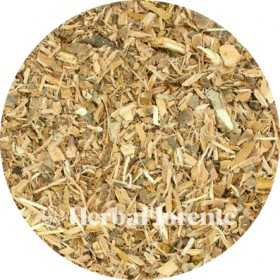
copy of Witch Hazel (Bark) - Hamamelis virginiana
The American witch hazel (Hamamelis virginiana) is a shrub belonging to the family Hamamelidaceae, native to North America from Nova Scotia to Minnesota, and from southern and central Florida to eastern Texas.
The shrub can reach a height of 6 to sometimes even 10 meters, with a bushy growth thanks to the many branches that arise just above the ground. The bark is light brown, smooth but somewhat flaky, and shows a reddish-purple color on the inside.
Blooming from September through October, the flowers of the American witch hazel display clusters of 4 stamens. They usually range from pale yellow to bright yellow, although orange or red hues also occur. The petals are ribbon-shaped and measure 10-20 mm in length.
The shrub can reach a height of 6 to sometimes even 10 meters, with a bushy growth thanks to the many branches that arise just above the ground. The bark is light brown, smooth but somewhat flaky, and shows a reddish-purple color on the inside.
Blooming from September through October, the flowers of the American witch hazel display clusters of 4 stamens. They usually range from pale yellow to bright yellow, although orange or red hues also occur. The petals are ribbon-shaped and measure 10-20 mm in length.
€5.20
From: €5.20
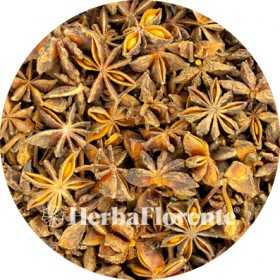
Star Anise - Anisi stell.
Star anise is a tree or shrub whose fruits serve as a spice. Originally from southern China and Vietnam, it is now also grown in Cambodia, Laos, Japan and the Philippines. Best known for its eight-armed fruits, this tree has been known as a spice in Europe since the 17th century, but is best known for its Asian flavor profile. Star anise thrives in warm tropical areas.
The fruits are often used whole or ground into an easily dosed powder. The spicy taste is not in the seeds, but in the lignified peel of the fruit. Star anise has an intense scent of anise due to the large amount of anethole in the essential oil. The taste of the fruit is richer and firmer than that of the anise plant.
The fruits are often used whole or ground into an easily dosed powder. The spicy taste is not in the seeds, but in the lignified peel of the fruit. Star anise has an intense scent of anise due to the large amount of anethole in the essential oil. The taste of the fruit is richer and firmer than that of the anise plant.
€6.00
From: €6.00
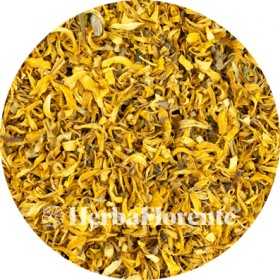
Flowers Sweet - Citrus aurantium dulce
Out-of-Stock
Orange blossom is a delicious addition to tea, which gives a subtle sweet taste.
Orange blossom, from Citrus aurantium dulce, adds a delicious sweet touch to your favorite tea. It is the ideal way to enrich your tea experience.
Orange blossom, from Citrus aurantium dulce, adds a delicious sweet touch to your favorite tea. It is the ideal way to enrich your tea experience.
€20.00
From: €20.00
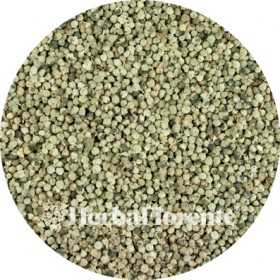
Monk's Pepper - Vitex agnus castus
Chasteberry (Vitex agnus castus L.), also known as chaste tree berries, is a plant native to the Mediterranean region. The name "chasteberry" refers to its historical use by monks, who used the herb for its supposed effects on physical desire.
Today, chasteberry is widely used in herbal products and supplements. The plant's fruits contain various plant compounds, including flavonoids and iridoids, which give the herb its unique properties. Chasteberry is popular in traditional herbalism and is valued for its long history of use.
Today, chasteberry is widely used in herbal products and supplements. The plant's fruits contain various plant compounds, including flavonoids and iridoids, which give the herb its unique properties. Chasteberry is popular in traditional herbalism and is valued for its long history of use.
€2.00
From: €2.00
Ginkgo (Maidenhair tree) - Ginkgo bilobae
The Ginkgo biloba (Maidenhair tree), also known as the Japanese temple tree, is a unique deciduous tree with a very long history. The species has been mentioned for centuries in botanical and cultural sources from East Asia and is native to China.
Ginkgo biloba is unique within the plant kingdom and is considered a species with no direct relatives. For this reason, Charles Darwin called the ginkgo a "living fossil." The tree has existed for approximately 250 million years and has survived several mass extinctions. Today, it is planted worldwide as an ornamental and avenue tree.
Ginkgo biloba is unique within the plant kingdom and is considered a species with no direct relatives. For this reason, Charles Darwin called the ginkgo a "living fossil." The tree has existed for approximately 250 million years and has survived several mass extinctions. Today, it is planted worldwide as an ornamental and avenue tree.
€3.20
From: €3.20