



Trending
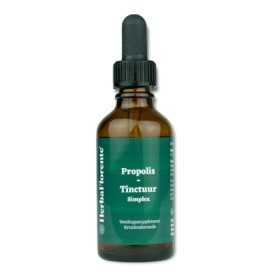
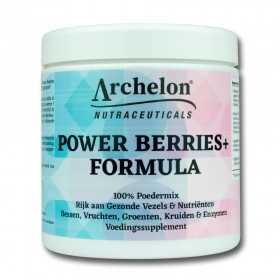
€57.50
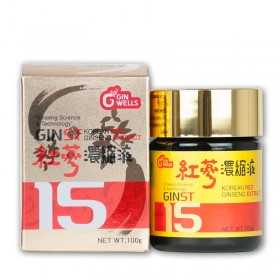
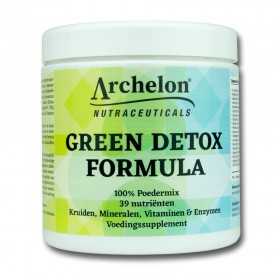
€62.50

€35.95
€62.50
€62.50
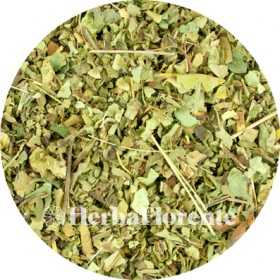
Lungwort - Pulmonaria officinalis
€5.91 €6.95 -15%
Echinacea (Red Coneflower) - 350 mg
€15.96 €19.95 -20%
Blood vessels
There are 205 products.
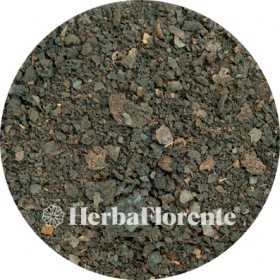
Black Walnut - Juglandis nigrum
The shell of the black walnut (Juglans nigra) is obtained from the immature fruit of the tree. The black walnut, also known as the "black nut," is a type of walnut native to the United States and Canada. The tree belongs to the walnut family.
The black walnut fruit is dark brown and has a distinctive aroma that differs from that of European walnuts. They are sometimes processed into extracts or tinctures, preserving their natural compounds. The fruit is edible and contains polyphenols, tannins, juglone, tannins, and omega fatty acids, among other nutrients.
The common walnut (Juglans regia) is widely used in food and culinary applications for its edible nuts.
The black walnut fruit is dark brown and has a distinctive aroma that differs from that of European walnuts. They are sometimes processed into extracts or tinctures, preserving their natural compounds. The fruit is edible and contains polyphenols, tannins, juglone, tannins, and omega fatty acids, among other nutrients.
The common walnut (Juglans regia) is widely used in food and culinary applications for its edible nuts.
€2.50
From: €2.50
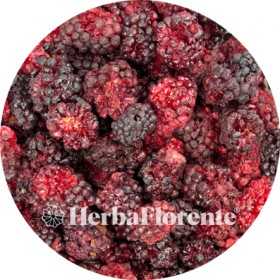
Blackberry (Fruit) - Rubus fructicosus, Frucus Rubi
Out-of-Stock
Blackberries are the dark purple to black fruits of plants in the Rubus genus. They grow naturally in temperate regions and are common along forest edges, hedgerows, and open fields. The berries are known for their full flavor and are prized worldwide in a wide variety of culinary applications.
Blackberries are traditionally used in jams, juices, desserts, pastries, and sauces, among other things. They are also eaten fresh or used as an ingredient in both classic and modern recipes. Their deep color and characteristic flavor have earned them a permanent place in the kitchen.
The striking purple color of blackberries is due to the presence of natural plant pigments, including anthocyanins.
Blackberries are traditionally used in jams, juices, desserts, pastries, and sauces, among other things. They are also eaten fresh or used as an ingredient in both classic and modern recipes. Their deep color and characteristic flavor have earned them a permanent place in the kitchen.
The striking purple color of blackberries is due to the presence of natural plant pigments, including anthocyanins.
€10.00
From: €10.00
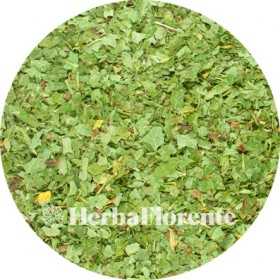
Blackcurrant - Ribes nigrum
The blackcurrant (Ribes nigrum L.) is a plant native to Northern Asia, Northern Europe, and Central Europe. The name "nigrum" refers to the dark color of the berries, while "ribes" refers to the berries themselves.
The blackcurrant thrives in moist, nutrient-rich soil and is resistant to cold and humidity. It is common in the Netherlands and Belgium.
Various parts of the plant are traditionally used, including the berries, seeds, and leaves. The berries contain vitamins and minerals, while the leaves are rich in natural plant compounds such as bioflavonoids, anthocyanins, and tannins. The use of blackcurrant leaf (Folium Ribis nigri) has a long history in culinary and traditional applications.
The blackcurrant thrives in moist, nutrient-rich soil and is resistant to cold and humidity. It is common in the Netherlands and Belgium.
Various parts of the plant are traditionally used, including the berries, seeds, and leaves. The berries contain vitamins and minerals, while the leaves are rich in natural plant compounds such as bioflavonoids, anthocyanins, and tannins. The use of blackcurrant leaf (Folium Ribis nigri) has a long history in culinary and traditional applications.
€2.95
From: €2.95
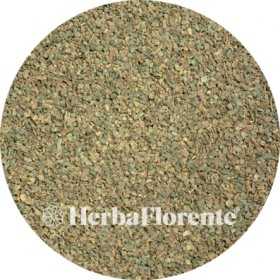
Bladderwrack Fine - Fucus vesiculosus
Bladderwrack (Fucus vesiculosus) is a species of brown algae in the genus Fucus. It is found along the northern coasts of the Atlantic and Pacific Oceans and in the North Sea and Baltic Sea, often in kelp forests. The plant is notable for the air bladders that some varieties possess, which serve as flotation devices; however, there are also varieties without these bladders.
Bladderwrack belongs to the brown algae and naturally contains various polyphenols, including phlorotannins. The plant also contains minerals such as iodine, potassium, magnesium, calcium, and iron. Because of this natural composition, bladderwrack has been included in botanical and historical descriptions of seaweeds.
Bladderwrack belongs to the brown algae and naturally contains various polyphenols, including phlorotannins. The plant also contains minerals such as iodine, potassium, magnesium, calcium, and iron. Because of this natural composition, bladderwrack has been included in botanical and historical descriptions of seaweeds.
€2.50
From: €2.50
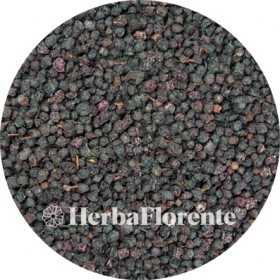
Blue Berrie - Vaccinium mytrillus, Frucus myrtilli
Out-of-Stock
The bilberry (Vaccinium myrtillus) is a small, dark blue berry native to wooded areas of Europe and Northern Asia. The plant belongs to the heather family (Ericaceae) and is known for its characteristic flavor and wide range of uses in food.
Bilberries have long been valued in culinary traditions and are used in products such as jams, juices, desserts, and baked goods. Their deep color and natural composition make them a familiar ingredient in both traditional and modern cuisines.
The berries naturally contain various plant compounds, including flavonoids and anthocyanins, as well as fiber and other nutritional components. This composition is often mentioned in botanical and nutritional descriptions of the plant.
Bilberries have long been valued in culinary traditions and are used in products such as jams, juices, desserts, and baked goods. Their deep color and natural composition make them a familiar ingredient in both traditional and modern cuisines.
The berries naturally contain various plant compounds, including flavonoids and anthocyanins, as well as fiber and other nutritional components. This composition is often mentioned in botanical and nutritional descriptions of the plant.
€8.20
From: €8.20
Calcium Bisglycinate - 480 mg
Calcium is an essential mineral found in the body and involved in various normal bodily processes. Calcium bisglycinate is a mineral-amino acid chelate in which calcium is bound to two glycine molecules. This form is known for its good bioavailability and is efficiently absorbed in the digestive system. Calcium bisglycinate is often chosen as part of a balanced diet and a healthy lifestyle.
€23.95
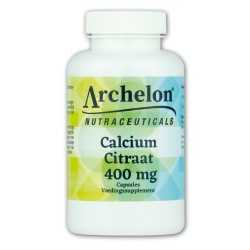
Calcium Citrate - 400 mg
Calcium is a mineral available in various forms, including calcium citrate and calcium bisglycinate. Calcium bisglycinate is a chelated form of calcium, bound to two glycine molecules, and is known for its good bioavailability. This form is widely used in dietary supplements and can be included as part of a varied and balanced diet.
€17.95
Cat's Claw - Uncaria tomentosa
Cat's claw (Uncaria tomentosa), also known as cat's claw, is a climbing plant native to the Amazon region of Brazil and Peru, among other places. The plant grows in rainforests and can cling to trees with its characteristic, claw-shaped thorns. These thorns, located at the base of the leaves, give the plant its name and enable it to climb to great heights.
In the Peruvian Amazon, cat's claw has special cultural significance and is considered part of traditional plant knowledge. Due to its origins and ecological importance, the species is a protected plant in certain regions.
In the Peruvian Amazon, cat's claw has special cultural significance and is considered part of traditional plant knowledge. Due to its origins and ecological importance, the species is a protected plant in certain regions.
€2.60
From: €2.60
Cat's Claw - Uncaria tomentosa - Cut
Cat's claw (Uncaria tomentosa), also known as cat's claw, is a climbing plant native to the Amazon region of Brazil and Peru, among other places. The plant grows in rainforests and can cling to trees with its characteristic, claw-shaped thorns. These thorns, located at the base of the leaves, give the plant its name and enable it to climb to great heights.
In the Peruvian Amazon, cat's claw has special cultural significance and is considered part of traditional plant knowledge. Due to its origins and ecological importance, the species is a protected plant in certain regions.
In the Peruvian Amazon, cat's claw has special cultural significance and is considered part of traditional plant knowledge. Due to its origins and ecological importance, the species is a protected plant in certain regions.
€2.40
From: €2.40
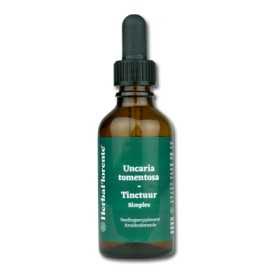
Cat's Claw Tincture - Uncaria tomentosa Tincture
Single herbal tincture made with dried bark of Uncaria tomentosa (Cat's Claw).
Cat's claw (Uncaria tomentosa), also known as cat's claw, is a climbing plant native to the Amazon region of Brazil and Peru, among other places. The plant grows in rainforests and can cling to trees with its characteristic, claw-shaped thorns. These thorns, located at the base of the leaves, give the plant its name and enable it to climb to great heights.
In the Peruvian Amazon, cat's claw has special cultural significance and is considered part of traditional plant knowledge. Due to its origins and ecological importance, the species is a protected plant in certain regions.
Cat's claw (Uncaria tomentosa), also known as cat's claw, is a climbing plant native to the Amazon region of Brazil and Peru, among other places. The plant grows in rainforests and can cling to trees with its characteristic, claw-shaped thorns. These thorns, located at the base of the leaves, give the plant its name and enable it to climb to great heights.
In the Peruvian Amazon, cat's claw has special cultural significance and is considered part of traditional plant knowledge. Due to its origins and ecological importance, the species is a protected plant in certain regions.
€9.95
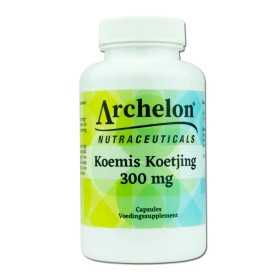
Cat's whiskers - Koemis Koetjing - 300 mg
Cat's whiskers (Orthosiphon aristatus), also known as Kumis Kutjing or koemis koetjing, is a plant traditionally used in various herbal cultures in Southeast Asia. The plant belongs to the Lamiaceae family and grows naturally in tropical and subtropical regions, particularly in countries such as Malaysia and Indonesia (Java). Orthosiphon aristatus is particularly prevalent in moist habitats such as riverbanks, wetlands, and swampy areas.
The Dutch name "kattensnor" (cat's whiskers) refers to the striking appearance of the flowers. These are white to light purple in color and have long, thread-like stamens that can resemble a cat's whiskers.
The Dutch name "kattensnor" (cat's whiskers) refers to the striking appearance of the flowers. These are white to light purple in color and have long, thread-like stamens that can resemble a cat's whiskers.
€19.95
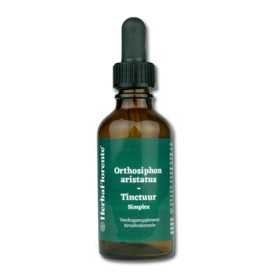
Cat's whiskers Tincture - Orthosiphon aristatus Tincture
Single herbal tincture made with dried herb of Orthosiphon aristatus (Cat's whiskers).
Cat's whiskers, also known as Kumis Kutjing, is a plant traditionally used in various Asian herbal traditions. The species belongs to the Lamiaceae family and is native to tropical and subtropical regions, particularly Southeast Asia, including Malaysia and Java.
The plant prefers moist habitats, such as wetlands, riverbanks, and swampy areas. Cat's whiskers is most recognizable by its white to pale lilac flowers with strikingly long, thread-like stamens that can grow up to approximately three centimeters long. These characteristics have led to the Dutch name "kattensnor" (cat's whiskers).
Cat's whiskers, also known as Kumis Kutjing, is a plant traditionally used in various Asian herbal traditions. The species belongs to the Lamiaceae family and is native to tropical and subtropical regions, particularly Southeast Asia, including Malaysia and Java.
The plant prefers moist habitats, such as wetlands, riverbanks, and swampy areas. Cat's whiskers is most recognizable by its white to pale lilac flowers with strikingly long, thread-like stamens that can grow up to approximately three centimeters long. These characteristics have led to the Dutch name "kattensnor" (cat's whiskers).
€10.95
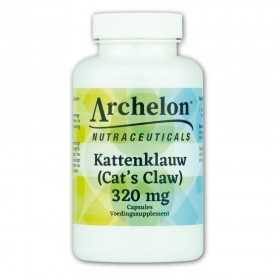
Cat’s Claw - 320 mg
Cat's claw (Uncaria tomentosa) is a woody vine native to the Amazon region of Peru, Brazil, and other parts of the world. The plant grows in tropical rainforests and can cling to trees with small, hooked thorns. These thorns, which resemble cat claws, give the plant its name. Cat's claw can reach great heights and is part of the rainforest's rich biodiversity.
Among indigenous cultures in the Amazon region, the bark and root of Uncaria tomentosa have been used for centuries in traditional herbal preparations. The plant is considered culturally valuable there and is protected in some regions.
Among indigenous cultures in the Amazon region, the bark and root of Uncaria tomentosa have been used for centuries in traditional herbal preparations. The plant is considered culturally valuable there and is protected in some regions.
€19.95
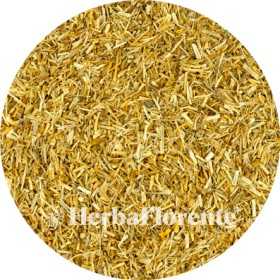
Centaury - Centaurium erythraea
Centaury is the Dutch name for various herbaceous plants from the genus Centaurium (synonym: Erythraea), belonging to the gentian family (Gentianaceae). The genus contains approximately fifty species. The botanical name is often associated with the centaur Chiron from Greek mythology, who was known for his knowledge of plants. Another explanation refers to the Latin centum (hundred) and aurum (gold), possibly indicating the historical value attributed to the herb.
Centaury is native to large parts of Europe and the Mediterranean region. The plants prefer sunny and slightly moist locations, such as dunes, grasslands, forest edges, and meadows.
Centaury is native to large parts of Europe and the Mediterranean region. The plants prefer sunny and slightly moist locations, such as dunes, grasslands, forest edges, and meadows.
€2.50
From: €2.50
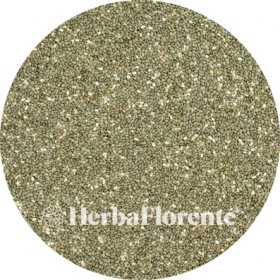
Chia seeds - Salviae Sem. Hispanica nigri albi
Chia, also known as Salvia hispanica, is a plant from the Lamiaceae family, originally from central and southern Mexico and Guatemala. The Aztecs cultivated this plant even before Columbus discovered America, and chia seeds were used as currency to the rulers. Today, chia is still prized in Mexico and Guatemala; the ground seeds are used in dishes, while whole seeds are often added to nutritious drinks.
The main purpose of growing chia is for its seeds, which are rich in omega-3 fatty acids. About 25-30% of the seed contains vegetable oil, including alpha-linolenic acid (ALA). Chia seeds are small and oval, about 1 mm in diameter, and have a color palette of brown, gray-black and white.
The main purpose of growing chia is for its seeds, which are rich in omega-3 fatty acids. About 25-30% of the seed contains vegetable oil, including alpha-linolenic acid (ALA). Chia seeds are small and oval, about 1 mm in diameter, and have a color palette of brown, gray-black and white.
€2.00
From: €2.00
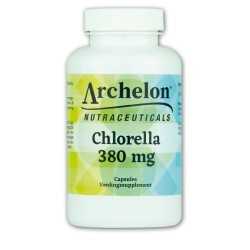
Chlorella - 380 mg
Chlorella is a single-celled green algae from the green algae family, native to lakes and rivers in Southeast Asia. The name "chlorella" comes from the Greek words chloros (green) and ella (small).
This microscopic algae naturally contains a broad spectrum of nutrients, including proteins, vitamins (such as A, B1, C, E, and K), trace elements, beta-carotene, lutein, omega-3 fatty acids, and chlorophyll. Chlorella is often used as an ingredient in nutritional supplements and is suitable for a varied and balanced diet, including vegetarians and vegans.
This microscopic algae naturally contains a broad spectrum of nutrients, including proteins, vitamins (such as A, B1, C, E, and K), trace elements, beta-carotene, lutein, omega-3 fatty acids, and chlorophyll. Chlorella is often used as an ingredient in nutritional supplements and is suitable for a varied and balanced diet, including vegetarians and vegans.
€17.95
Chlorella - Chlorella
Chlorella is a single-celled green algae belonging to the green algae group. This microscopic algae occurs naturally in freshwater environments such as lakes and rivers and is cultivated worldwide. The name chlorella is derived from the Greek words chloros (green) and ella (small), which refers to its color and size.
Chlorella is known for its natural composition and is described in nutritional and botanical sources as an algae that naturally contains various nutrients, including proteins, vitamins, minerals, and fatty acids. In addition, chlorella contains chlorophyll, the green pigment that plays an essential role in photosynthesis.
Furthermore, descriptions of chlorella often mention plant-based compounds such as beta-carotene and lutein.
Chlorella is known for its natural composition and is described in nutritional and botanical sources as an algae that naturally contains various nutrients, including proteins, vitamins, minerals, and fatty acids. In addition, chlorella contains chlorophyll, the green pigment that plays an essential role in photosynthesis.
Furthermore, descriptions of chlorella often mention plant-based compounds such as beta-carotene and lutein.
€4.60
From: €4.60
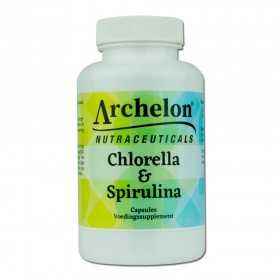
Chlorella 200 mg & Spirulina 200 mg
This dietary supplement combines chlorella and spirulina, two single-celled algae naturally rich in nutrients such as protein, vitamins, and minerals. Together, they form a natural source of diverse nutrients and can be included as part of a varied and balanced diet.
€19.95
Cinnamon - Cinnamomi ceylon
Cinnamon (Cinnamomum ceylon) is an ancient spice extracted from the bark of the cinnamon tree. A section of the bark is carefully cut away, after which the rough outer layer is removed. The familiar cinnamon sticks or cinnamon powder are created from the inner layer of the bark. Cinnamon has been valued for centuries for its culinary and cultural uses.
In Asian and other cultures, cinnamon is traditionally used for various purposes, with its delightful aroma playing a significant role. This aroma is primarily determined by the volatile oil cinnamaldehyde. Cinnamon also naturally contains substances such as eugenol, coumarins, tannins, OPCs, and terpenes.
In Asian and other cultures, cinnamon is traditionally used for various purposes, with its delightful aroma playing a significant role. This aroma is primarily determined by the volatile oil cinnamaldehyde. Cinnamon also naturally contains substances such as eugenol, coumarins, tannins, OPCs, and terpenes.
€2.95
From: €2.95
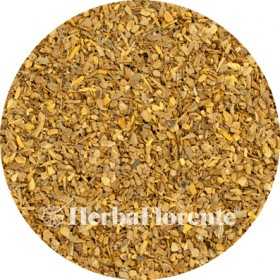
Cinnamon - Cinnamomi ceylon - Cut
Cinnamon (Cinnamomum ceylon) is an ancient spice extracted from the bark of the cinnamon tree. A section of the bark is carefully cut away, after which the rough outer layer is removed. The familiar cinnamon sticks or cinnamon powder are created from the inner layer of the bark. Cinnamon has been valued for centuries for its culinary and cultural uses.
In Asian and other cultures, cinnamon is traditionally used for various purposes, with its delightful aroma playing a significant role. This aroma is primarily determined by the volatile oil cinnamaldehyde. Cinnamon also naturally contains substances such as eugenol, coumarins, tannins, OPCs, and terpenes.
In Asian and other cultures, cinnamon is traditionally used for various purposes, with its delightful aroma playing a significant role. This aroma is primarily determined by the volatile oil cinnamaldehyde. Cinnamon also naturally contains substances such as eugenol, coumarins, tannins, OPCs, and terpenes.
€3.00
From: €3.00
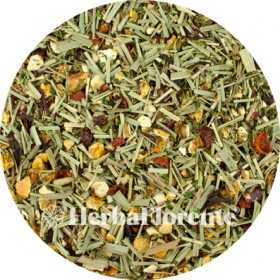
Citrus Blend Herbal Tea
Herbal tea composed of various herbs
Delicious for every moment
Delicious for every moment
€3.95
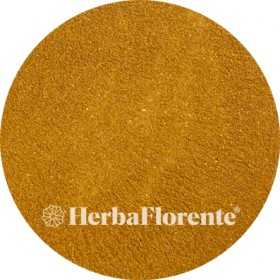
Clove - Syzygium aromaticum
Cloves are the dried flower buds of the clove tree (Syzygium aromaticum), an evergreen tree native to the Moluccas. The flower buds are harvested before they fully open and then dried. This drying process gives them their characteristic dark color and intensely aromatic scent.
The spice is characterized by its strong flavor and warm, spicy aroma. These properties are primarily due to the presence of essential oils, of which eugenol is the most important component. Eugenol largely determines the scent and flavor profile of cloves and contributes to the stability of the product.
The spice is characterized by its strong flavor and warm, spicy aroma. These properties are primarily due to the presence of essential oils, of which eugenol is the most important component. Eugenol largely determines the scent and flavor profile of cloves and contributes to the stability of the product.
€3.10
From: €3.10
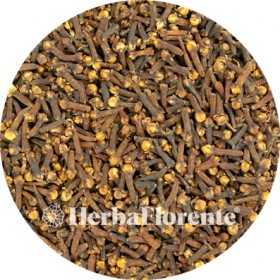
Clove - Syzygium aromaticum - Whole
Cloves are the dried flower buds of the clove tree (Syzygium aromaticum), an evergreen tree native to the Moluccas. The flower buds are harvested before they fully open and then dried. This drying process gives them their characteristic dark color and intensely aromatic scent.
The spice is characterized by its strong flavor and warm, spicy aroma. These properties are primarily due to the presence of essential oils, of which eugenol is the most important component. Eugenol largely determines the scent and flavor profile of cloves and contributes to the stability of the product.
The spice is characterized by its strong flavor and warm, spicy aroma. These properties are primarily due to the presence of essential oils, of which eugenol is the most important component. Eugenol largely determines the scent and flavor profile of cloves and contributes to the stability of the product.
€3.00
From: €3.00
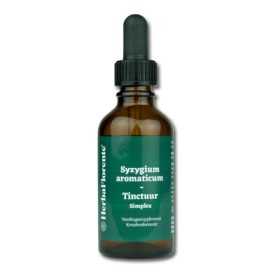
Clove Tincture - Syzygium aromaticum Tincture
Single herbal tincture made with dried flower of Syzygium aromaticum (Clove).
Cloves are the dried flower buds of the clove tree (Syzygium aromaticum), an evergreen tree native to the Moluccas. The flower buds are harvested before they fully open and then dried. This drying process gives them their characteristic dark color and intensely aromatic scent.
The spice is characterized by its strong flavor and warm, spicy aroma. These properties are primarily due to the presence of essential oils, of which eugenol is the most important component. Eugenol largely determines the scent and flavor profile of cloves and contributes to the stability of the product.
Cloves are the dried flower buds of the clove tree (Syzygium aromaticum), an evergreen tree native to the Moluccas. The flower buds are harvested before they fully open and then dried. This drying process gives them their characteristic dark color and intensely aromatic scent.
The spice is characterized by its strong flavor and warm, spicy aroma. These properties are primarily due to the presence of essential oils, of which eugenol is the most important component. Eugenol largely determines the scent and flavor profile of cloves and contributes to the stability of the product.
€10.95