



Trending

€57.50

€62.50


€35.95
€62.50
€62.50


Lungwort - Pulmonaria officinalis
€5.91 €6.95 -15%

Echinacea (Red Coneflower) - 350 mg
€15.96 €19.95 -20%

HerbaFlorente
There are 287 products.
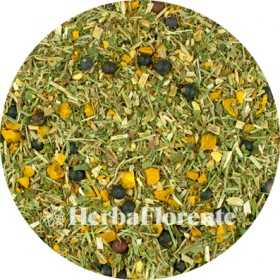
Joints Herbal Tea
Herbal tea composed of various herbs
€3.95

Juniper Berries - Juniper communis
The juniper (Juniperus communis) is a conifer native to Europe, Asia, and North America. The plant bears both flowers and berries, which vary in color from green to black as they ripen. The name Juniperus derives from the Celtic word juneprus, meaning rough, prickly, or bitter, while communis means "common."
The black berries of the juniper have a characteristically bitter and aromatic flavor. It takes about three years for the berries to fully ripen: in the first year, the flowers appear, in the second year they turn green, and in the third year they turn blue and then black or dark purple.
The black berries of the juniper have a characteristically bitter and aromatic flavor. It takes about three years for the berries to fully ripen: in the first year, the flowers appear, in the second year they turn green, and in the third year they turn blue and then black or dark purple.
€2.80
From: €2.80
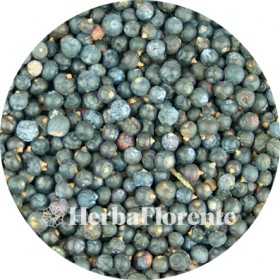
Juniper Berries - Juniper communis - Whole
The juniper (Juniperus communis) is a conifer native to Europe, Asia, and North America. The plant bears both flowers and berries, which vary in color from green to black as they ripen. The name Juniperus derives from the Celtic word juneprus, meaning rough, prickly, or bitter, while communis means "common."
The black berries of the juniper have a characteristically bitter and aromatic flavor. It takes about three years for the berries to fully ripen: in the first year, the flowers appear, in the second year they turn green, and in the third year they turn blue and then black or dark purple.
The black berries of the juniper have a characteristically bitter and aromatic flavor. It takes about three years for the berries to fully ripen: in the first year, the flowers appear, in the second year they turn green, and in the third year they turn blue and then black or dark purple.
€2.40
From: €2.40
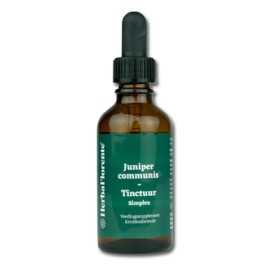
Juniper Tincture - Juniper communis Tincture
Single herbal tincture made with dried berries of Juniper communis (Juniper).
The juniper (Juniperus communis) is a conifer native to Europe, Asia, and North America. The plant bears both flowers and berries, which vary in color from green to black as they ripen. The name Juniperus derives from the Celtic word juneprus, meaning rough, prickly, or bitter, while communis means "common."
The black berries of the juniper have a characteristically bitter and aromatic flavor. It takes about three years for the berries to fully ripen: in the first year, the flowers appear, in the second year they turn green, and in the third year they turn blue and then black or dark purple.
The juniper (Juniperus communis) is a conifer native to Europe, Asia, and North America. The plant bears both flowers and berries, which vary in color from green to black as they ripen. The name Juniperus derives from the Celtic word juneprus, meaning rough, prickly, or bitter, while communis means "common."
The black berries of the juniper have a characteristically bitter and aromatic flavor. It takes about three years for the berries to fully ripen: in the first year, the flowers appear, in the second year they turn green, and in the third year they turn blue and then black or dark purple.
€9.95
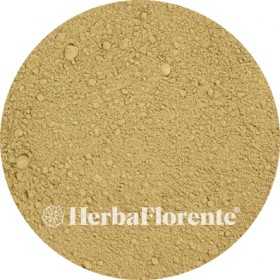
Kelp - Laminariales
Kelp, a member of the brown algae (Laminariales) family, thrives in the cold waters of the major oceans. This large species of seaweed is an excellent source of iodine, an essential element for healthy thyroid function in humans.
In Asia, especially Japan, seaweed has been an integral part of the daily diet for centuries. A well-known kelp species is kombu (Laminaria japonica), which is often cooked with rice for sushi. In addition to being one of the largest plants in the world, kelp is known for growing extremely quickly, sometimes up to three meters per day.
In Asia, especially Japan, seaweed has been an integral part of the daily diet for centuries. A well-known kelp species is kombu (Laminaria japonica), which is often cooked with rice for sushi. In addition to being one of the largest plants in the world, kelp is known for growing extremely quickly, sometimes up to three meters per day.
€2.70
From: €2.70
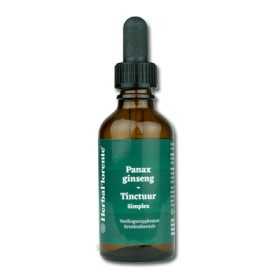
Korean ginseng Tincture - Panax ginseng Tincture
Single herbal tincture made with dried root of Panax ginseng (Korean ginseng).
Panax ginseng is a plant with a slow-growing, sturdy root and belongs to the Araliaceae family. It is one of the most well-known plants in traditional Chinese medicine and has been used in Asia for thousands of years.
The name "Panax" comes from the Greek word for "all-healer," referring to the plant's historical reputation in traditional medicine. Panax ginseng contains unique compounds called ginsenosides, which are found only in this plant.
Panax ginseng is a plant with a slow-growing, sturdy root and belongs to the Araliaceae family. It is one of the most well-known plants in traditional Chinese medicine and has been used in Asia for thousands of years.
The name "Panax" comes from the Greek word for "all-healer," referring to the plant's historical reputation in traditional medicine. Panax ginseng contains unique compounds called ginsenosides, which are found only in this plant.
€14.95
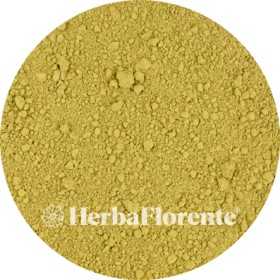
Kumis Kutjing - Cat's whiskers - Orthosiphon aristatus
Cat's whiskers (Orthosiphon aristatus), also known as Kumis Kutjing, is a plant traditionally used in various Asian herbal traditions. The species belongs to the Lamiaceae family and is native to tropical and subtropical regions, particularly Southeast Asia, including Malaysia and Java.
The plant prefers moist habitats, such as wetlands, riverbanks, and swampy areas. Cat's whiskers are particularly recognizable by their white to pale lilac flowers with conspicuously long, thread-like stamens that can grow up to approximately three centimeters long. These characteristics have led to the Dutch name "kattensnor" (cat's whiskers).
The plant prefers moist habitats, such as wetlands, riverbanks, and swampy areas. Cat's whiskers are particularly recognizable by their white to pale lilac flowers with conspicuously long, thread-like stamens that can grow up to approximately three centimeters long. These characteristics have led to the Dutch name "kattensnor" (cat's whiskers).
€2.30
From: €2.30
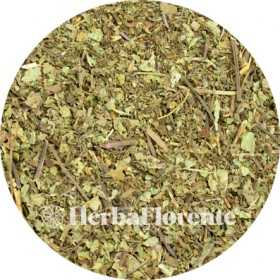
Kumis Kutjing - Cat's whiskers - Orthosiphon aristatus - Cut
Cat's whiskers (Orthosiphon aristatus), also known as Kumis Kutjing, is a plant traditionally used in various Asian herbal traditions. The species belongs to the Lamiaceae family and is native to tropical and subtropical regions, particularly Southeast Asia, including Malaysia and Java.
The plant prefers moist habitats, such as wetlands, riverbanks, and swampy areas. Cat's whiskers are particularly recognizable by their white to pale lilac flowers with conspicuously long, thread-like stamens that can grow up to approximately three centimeters long. These characteristics have led to the Dutch name "kattensnor" (cat's whiskers).
The plant prefers moist habitats, such as wetlands, riverbanks, and swampy areas. Cat's whiskers are particularly recognizable by their white to pale lilac flowers with conspicuously long, thread-like stamens that can grow up to approximately three centimeters long. These characteristics have led to the Dutch name "kattensnor" (cat's whiskers).
€4.50
From: €4.50
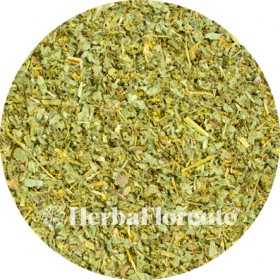
Lady's Mantle - Alchemilla vulgaris
Lady's mantle (Alchemilla vulgaris) belongs to a genus of approximately one thousand species of perennial herbaceous and shrubby plants within the rose family (Rosaceae). The plant is primarily found in Europe and Asia, with some species in mountainous regions of Africa and North and South America. It prefers to grow in damp and disturbed places, such as forest edges, wet grasslands, and roadsides.
€2.50
From: €2.50
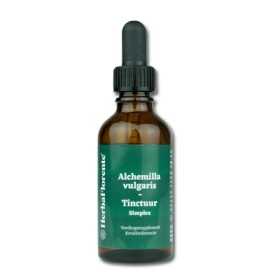
Lady's Mantle Tincture - Alchemilla vulgaris Tincture
Single herbal tincture made with dried herb of Alchemilla vulgaris (Lady's Mantle).
Lady's mantle (Alchemilla vulgaris) belongs to a genus of approximately one thousand species of perennial herbaceous and shrubby plants within the rose family (Rosaceae). The plant is primarily found in Europe and Asia, with some species in mountainous regions of Africa and North and South America. It prefers to grow in damp and disturbed places, such as forest edges, wet grasslands, and roadsides.
Lady's mantle (Alchemilla vulgaris) belongs to a genus of approximately one thousand species of perennial herbaceous and shrubby plants within the rose family (Rosaceae). The plant is primarily found in Europe and Asia, with some species in mountainous regions of Africa and North and South America. It prefers to grow in damp and disturbed places, such as forest edges, wet grasslands, and roadsides.
€12.95
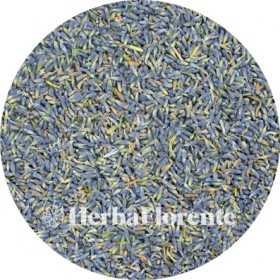
Lavender - Lavendula angustifolia
Lavender (Lavandula) is a genus of aromatic dwarf shrubs belonging to the Lamiaceae family. These plants are especially beloved for their characteristic purple flowers and pleasant fragrance and are widely planted in gardens, borders, and lavender fields.
An important use of lavender is the extraction of lavender oil from the flowering tops. This essential oil is widely used as a fragrance in cosmetic products such as soaps, creams, and perfumes, and also plays a role in aromatic applications.
Lavender also finds its way into the kitchen. The flowers, both fresh and dried, are used as a flavoring and are included in Provençal herb blends, among other things. Lavender can be added to dishes such as cheeses, vegetables, and sweet preparations.
An important use of lavender is the extraction of lavender oil from the flowering tops. This essential oil is widely used as a fragrance in cosmetic products such as soaps, creams, and perfumes, and also plays a role in aromatic applications.
Lavender also finds its way into the kitchen. The flowers, both fresh and dried, are used as a flavoring and are included in Provençal herb blends, among other things. Lavender can be added to dishes such as cheeses, vegetables, and sweet preparations.
€5.00
From: €5.00
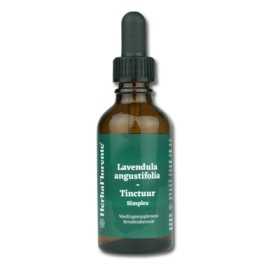
Lavender Tincture - Lavendula angustifolia Tincture
Single herbal tincture made with dried flower of Lavendula angustifolia (Lavender).
Lavender (Lavandula) is a genus of aromatic dwarf shrubs belonging to the Lamiaceae family. These plants are especially beloved for their characteristic purple flowers and pleasant fragrance and are widely planted in gardens, borders, and lavender fields.
An important use of lavender is the extraction of lavender oil from the flowering tops. This essential oil is widely used as a fragrance in cosmetic products such as soaps, creams, and perfumes, and also plays a role in aromatic applications.
Lavender (Lavandula) is a genus of aromatic dwarf shrubs belonging to the Lamiaceae family. These plants are especially beloved for their characteristic purple flowers and pleasant fragrance and are widely planted in gardens, borders, and lavender fields.
An important use of lavender is the extraction of lavender oil from the flowering tops. This essential oil is widely used as a fragrance in cosmetic products such as soaps, creams, and perfumes, and also plays a role in aromatic applications.
€12.95
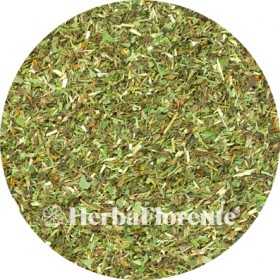
Lemon Balm - Melissa officinalis
Lemon balm (Melissa officinalis) is a perennial plant in the Lamiaceae family and is known for its fresh, lemony scent. The plant is native to Southern Europe but also grows easily in temperate regions such as the Netherlands and Belgium. Thanks to underground rhizomes, lemon balm overwinters easily. The plant typically reaches a height of about 50 centimeters.
Lemon balm has a long history of cultivation and was already documented in ancient times. It is likely that the plant was introduced to Europe by Arab cultures via Spain, after which monasteries played an important role in its further spread and cultivation. Historical sources often mention lemon balm for its aromatic and culinary value.
Lemon balm has a long history of cultivation and was already documented in ancient times. It is likely that the plant was introduced to Europe by Arab cultures via Spain, after which monasteries played an important role in its further spread and cultivation. Historical sources often mention lemon balm for its aromatic and culinary value.
€2.20
From: €2.20
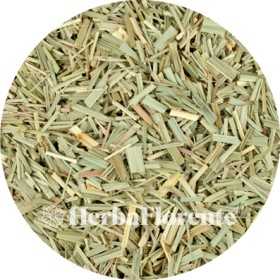
Lemongrass - Cymbopogon citratus
Lemongrass, also known as sereh (Cymbopogon citratus), belongs to the grass family (Poaceae). This plant is widely used in Asian cuisine, especially in dishes from Thailand, India, Vietnam and Indonesia. Lemongrass thrives in several regions, including India, Africa, Vietnam, Australia and America. In Indonesia it is known as sereh, and this name is also often used in the Netherlands.
The leaves of the lemongrass plant are the culinary stars. They have a refreshing, lemony taste and are not consumed raw. Pieces of lemongrass are often added to dishes during cooking or stewing, after which they are removed before serving.
The leaves of the lemongrass plant are the culinary stars. They have a refreshing, lemony taste and are not consumed raw. Pieces of lemongrass are often added to dishes during cooking or stewing, after which they are removed before serving.
€2.00
From: €2.00
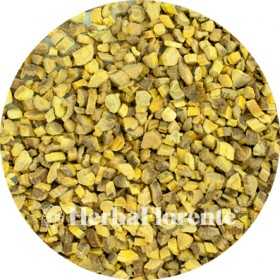
Licorice (Without Bark) - Glycyrrhiza glabra, Liquiritiae
Licorice (Glycyrrhiza glabra) is a versatile herb that has been used for centuries in various traditions, including Ayurvedic culture. The plant is cultivated in various parts of the world, such as Europe, Asia, and the Middle East, and can also grow in the Netherlands. The roots take three to four years to mature before they can be harvested.
Besides the roots, licorice leaves are also used, for example, in making tea. Licorice is known for its characteristic sweet flavor, which is due in part to the natural substance glycyrrhizin. It is widely used in foods and herbal preparations.
Besides the roots, licorice leaves are also used, for example, in making tea. Licorice is known for its characteristic sweet flavor, which is due in part to the natural substance glycyrrhizin. It is widely used in foods and herbal preparations.
€2.25
From: €2.25
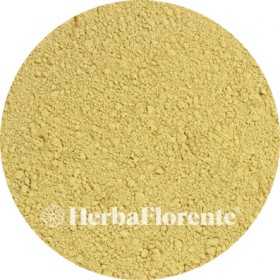
Licorice - Glycyrrhiza glabra, Liquiritiae
Licorice (Glycyrrhiza glabra) is a versatile herb that has been used for centuries in various traditions, including Ayurvedic culture. The plant is cultivated in various parts of the world, such as Europe, Asia, and the Middle East, and can also grow in the Netherlands. The roots take three to four years to mature before they can be harvested.
Besides the roots, licorice leaves are also used, for example, in making tea. Licorice is known for its characteristic sweet flavor, which is due in part to the natural substance glycyrrhizin. It is widely used in foods and herbal preparations.
Besides the roots, licorice leaves are also used, for example, in making tea. Licorice is known for its characteristic sweet flavor, which is due in part to the natural substance glycyrrhizin. It is widely used in foods and herbal preparations.
€2.40
From: €2.40
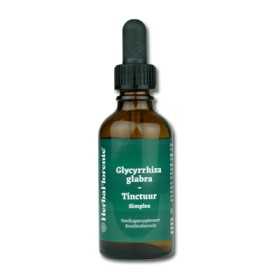
Licorice Tincture - Glycyrrhiza glabra Tincture
Single herbal tincture made with dried root of Glycyrrhiza glabra (Licorice).
Licorice (Glycyrrhiza glabra) is a versatile herb that has been used for centuries in various traditions, including Ayurvedic culture. The plant is cultivated in various parts of the world, such as Europe, Asia, and the Middle East, and can also grow in the Netherlands. The roots take three to four years to mature before they can be harvested.
Besides the roots, licorice leaves are also used, for example, in making tea. Licorice is known for its characteristic sweet flavor, which is due in part to the natural substance glycyrrhizin. It is widely used in foods and herbal preparations.
Licorice (Glycyrrhiza glabra) is a versatile herb that has been used for centuries in various traditions, including Ayurvedic culture. The plant is cultivated in various parts of the world, such as Europe, Asia, and the Middle East, and can also grow in the Netherlands. The roots take three to four years to mature before they can be harvested.
Besides the roots, licorice leaves are also used, for example, in making tea. Licorice is known for its characteristic sweet flavor, which is due in part to the natural substance glycyrrhizin. It is widely used in foods and herbal preparations.
€9.95
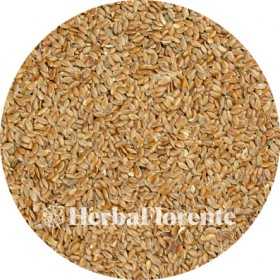
Lijnzaad - Linum usitatissimum
Flaxseed is a nutritious seed known for its rich composition of fatty acids and other natural components. It contains a high level of omega-3 fatty acids, of which approximately 55% consists of alpha-linolenic acid (ALA). In addition, approximately 20% of the fatty acid profile consists of omega-9 (oleic acid).
In addition to fatty acids, flaxseed also contains lignans (phytosterols), as well as tocopherols, carotenoids, and various minerals. This combination makes flaxseed a valuable plant-based food source.
According to the Netherlands Nutrition Centre, omega-3 fatty acids contribute to the maintenance of normal cardiovascular function when consumed as part of a varied and balanced diet.
In addition to fatty acids, flaxseed also contains lignans (phytosterols), as well as tocopherols, carotenoids, and various minerals. This combination makes flaxseed a valuable plant-based food source.
According to the Netherlands Nutrition Centre, omega-3 fatty acids contribute to the maintenance of normal cardiovascular function when consumed as part of a varied and balanced diet.
€2.00
From: €2.00
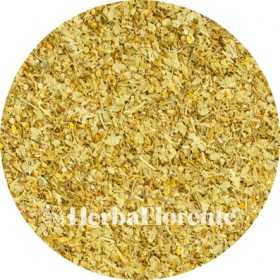
Lime tree Blossom - Tiliae officinalis
The lime tree (Tilia) is native to the Benelux and is known for its remarkable lifespan, which can easily exceed 1000 years. This majestic tree can reach a height of 20 to 30 meters, depending on its growing conditions. The Latin name for the lime tree is Tilia.
Although the lime tree is widespread in Europe, it is not found in the northernmost and southernmost parts of the continent. Outside Europe, the lime is also found in parts of Asia, but to a much lesser extent.
The tree blooms in the months of June and July. The lime blossom produces a lot of honey, and the flowers can be used to make herbal tea.
Although the lime tree is widespread in Europe, it is not found in the northernmost and southernmost parts of the continent. Outside Europe, the lime is also found in parts of Asia, but to a much lesser extent.
The tree blooms in the months of June and July. The lime blossom produces a lot of honey, and the flowers can be used to make herbal tea.
€5.00
From: €5.00

Lime tree Tincture - Tiliae officinalis Tincture
Single herbal tincture made with dried flower of Tiliae officinalis (Lime tree).
The lime tree (Tilia) is native to the Benelux and is known for its remarkable lifespan, which can easily exceed 1000 years. This majestic tree can reach a height of 20 to 30 meters, depending on its growing conditions. The Latin name for the lime tree is Tilia.
Although the lime tree is widespread in Europe, it is not found in the northernmost and southernmost parts of the continent. Outside Europe, the lime is also found in parts of Asia, but to a much lesser extent.
The tree blooms in the months of June and July. The lime blossom produces a lot of honey, and the flowers can be used to make herbal tea.
The lime tree (Tilia) is native to the Benelux and is known for its remarkable lifespan, which can easily exceed 1000 years. This majestic tree can reach a height of 20 to 30 meters, depending on its growing conditions. The Latin name for the lime tree is Tilia.
Although the lime tree is widespread in Europe, it is not found in the northernmost and southernmost parts of the continent. Outside Europe, the lime is also found in parts of Asia, but to a much lesser extent.
The tree blooms in the months of June and July. The lime blossom produces a lot of honey, and the flowers can be used to make herbal tea.
€11.95
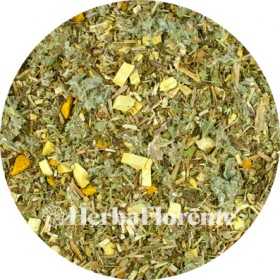
Liver Herbal Tea
Herbal tea composed of various herbs
€4.95
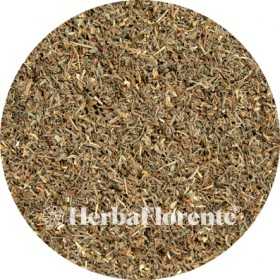
Long Leaved Sundew - Droserae longifolia
The long sundew (Drosera longifolia) is a perennial carnivorous plant belonging to the sundew family (Droseraceae).
The plant grows to a height of 5-20 cm and forms a rosette of leaves. The leaves have long stems and are upright, oblong to lanceolate, with the widest point above the center. They are covered with numerous red, sticky tentacles containing glandular tissue. These tentacles catch small insects such as Simuliidae. Once an insect touches the tentacles, the leaf coils around the insect and secretes digestive enzymes. The released nutrients, including nitrogen, are absorbed by the plant.
The plant grows to a height of 5-20 cm and forms a rosette of leaves. The leaves have long stems and are upright, oblong to lanceolate, with the widest point above the center. They are covered with numerous red, sticky tentacles containing glandular tissue. These tentacles catch small insects such as Simuliidae. Once an insect touches the tentacles, the leaf coils around the insect and secretes digestive enzymes. The released nutrients, including nitrogen, are absorbed by the plant.
€5.40
From: €5.40
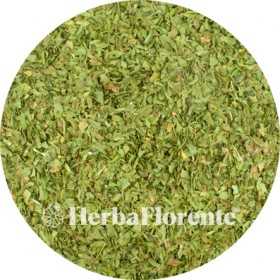
Lovage - Levisticum officinale
Lovage, also known as the maggi plant, is a perennial plant from the umbellifer family (Apiaceae). The name "maggi plant" refers to the strong smell, which is reminiscent of the maggi aroma. However, the herb is not an ingredient in the original Maggi recipe.
Originally from Southeast Asia and Iran, the Romans spread lovage throughout Europe during their conquests. Today, the plant grows in large parts of Europe and North America and occasionally occurs in northern Thailand.
Originally from Southeast Asia and Iran, the Romans spread lovage throughout Europe during their conquests. Today, the plant grows in large parts of Europe and North America and occasionally occurs in northern Thailand.
€3.50
From: €3.50
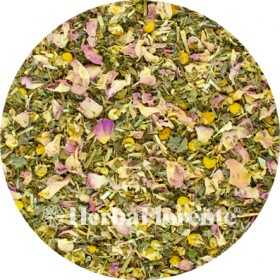
Lucid Dream Herbal Tea
Herbal tea composed of various herbs
Nice before going to sleep
Nice before going to sleep
€3.95