



Trending
€57.50
€62.50
€35.95
€62.50
€62.50
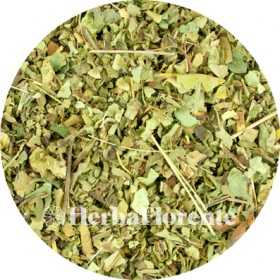
Lungwort - Pulmonaria officinalis
€5.91 €6.95 -15%
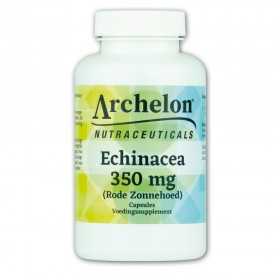
Echinacea (Red Coneflower) - 350 mg
€15.96 €19.95 -20%
Home
There are 406 products.
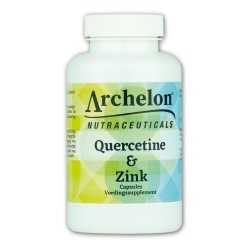
Quercetin & Zinc
Quercetin is a flavonoid (also called a bioflavonoid) that occurs naturally in various plants, fruits, and vegetables. Flavonoids are responsible for the vibrant colors in plants and contribute to various biochemical processes, such as regulating growth and protecting against UV light, oxidation, and heat.
Zinc is available in different forms. Zinc bisglycinate has a very good bioavailability. It is a chelated form of zinc bound to two (bis) molecules of the amino acid glycine which has more benefits for the body. Zinc has a very wide range of action and is involved in many body processes. Zinc is essential for the activity of more than 300 enzymes that have the zinc ion as a cofactor.
Zinc is available in different forms. Zinc bisglycinate has a very good bioavailability. It is a chelated form of zinc bound to two (bis) molecules of the amino acid glycine which has more benefits for the body. Zinc has a very wide range of action and is involved in many body processes. Zinc is essential for the activity of more than 300 enzymes that have the zinc ion as a cofactor.
€34.95
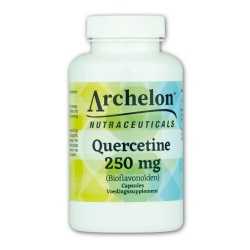
Quercetin - 250 mg
Quercetin is a flavonoid (also called a bioflavonoid) that occurs naturally in various plants, fruits, and vegetables. Flavonoids are responsible for the vibrant colors in plants and contribute to various biochemical processes, such as regulating growth and protecting against UV light, oxidation, and heat.
€27.95
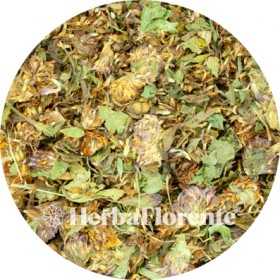
Red Clover (Flower) - Trifolii Rubr. pratense - Whole
Red clover (Trifolium pratense) is a plant native to Europe and Central Asia. It is characterized by its compound leaves, which usually consist of three leaflets, and its light purple flower heads.
Red clover flower heads naturally contain various plant compounds, including isoflavones. Isoflavones belong to the polyphenol group and are part of the plant's natural composition. Red clover also contains vitamins such as vitamin C, B1, B2, B3, beta-carotene, and choline.
Red clover has a long history of use in various cultures and is now incorporated into a variety of herbal preparations, such as teas and other plant products.
Red clover flower heads naturally contain various plant compounds, including isoflavones. Isoflavones belong to the polyphenol group and are part of the plant's natural composition. Red clover also contains vitamins such as vitamin C, B1, B2, B3, beta-carotene, and choline.
Red clover has a long history of use in various cultures and is now incorporated into a variety of herbal preparations, such as teas and other plant products.
€3.60
From: €3.60
Red Clover - Trifolii Rubr. pratense
Red clover (Trifolium pratense) is a plant native to Europe and Central Asia. It is characterized by its compound leaves, which usually consist of three leaflets, and its light purple flower heads.
Red clover flower heads naturally contain various plant compounds, including isoflavones. Isoflavones belong to the polyphenol group and are part of the plant's natural composition. Red clover also contains vitamins such as vitamin C, B1, B2, B3, beta-carotene, and choline.
Red clover has a long history of use in various cultures and is now incorporated into a variety of herbal preparations, such as teas and other plant products.
Red clover flower heads naturally contain various plant compounds, including isoflavones. Isoflavones belong to the polyphenol group and are part of the plant's natural composition. Red clover also contains vitamins such as vitamin C, B1, B2, B3, beta-carotene, and choline.
Red clover has a long history of use in various cultures and is now incorporated into a variety of herbal preparations, such as teas and other plant products.
€4.20
From: €4.20
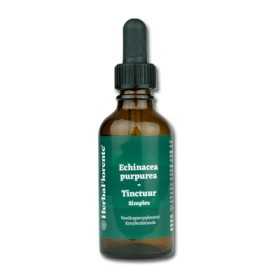
Red Coneflower Tincture - Echinacea purpurea Tincture
Single herbal tincture made with dried herb & root of Echinacea purpurea (Red Coneflower).
The purple coneflower (Echinacea purpurea) is a perennial plant belonging to the Asteraceae family. The genus name Echinacea is derived from the Greek word echinos, meaning "hedgehog," and refers to the spiky flower cone that characterizes this plant.
Echinacea purpurea is native to North America and is now cultivated worldwide. The plant has striking purplish-pink flowers and is valued for its ornamental appearance and botanical properties. Since the early twentieth century, there has been considerable interest in this species in Europe, leading to extensive botanical and historical research.
The purple coneflower (Echinacea purpurea) is a perennial plant belonging to the Asteraceae family. The genus name Echinacea is derived from the Greek word echinos, meaning "hedgehog," and refers to the spiky flower cone that characterizes this plant.
Echinacea purpurea is native to North America and is now cultivated worldwide. The plant has striking purplish-pink flowers and is valued for its ornamental appearance and botanical properties. Since the early twentieth century, there has been considerable interest in this species in Europe, leading to extensive botanical and historical research.
€12.95
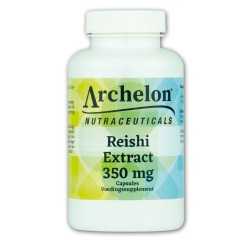
Reishi Extract - 350 mg
Reishi (Ganoderma lucidum) is a mushroom that has been used in Japanese and Chinese herbalism for over two thousand years. Today, reishi is cultivated under controlled conditions in greenhouses, ensuring consistent quality comparable to wild reishi. The mushroom contains various natural compounds, including polysaccharides, triterpenes, peptides, antioxidants, iron, and selenium. Reishi is often used in powders, capsules, and other food products because of this composition.
€34.95
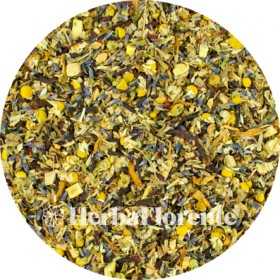
Relax Herbal Tea
Herbal tea composed of various herbs
Nice for a relaxing moment
Nice for a relaxing moment
€3.95
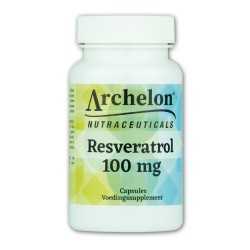
Resveratrol - 100 mg
Reishi (Ganoderma lucidum) is a mushroom that has been used in Japanese and Chinese herbalism for over two thousand years. Today, reishi is cultivated under controlled conditions in greenhouses, ensuring consistent quality comparable to wild reishi. The mushroom contains various natural compounds, including polysaccharides, triterpenes, peptides, antioxidants, iron, and selenium. Reishi is often used in powders, capsules, and other food products because of this composition.
€32.95
Ribwort Plantain - Plantaginis lanceolata
Ribwort plantain (Plantago lanceolata) is a native plant found in Europe, parts of Asia, North Africa, and North America. It prefers moist, sandy soil and can be found in grasslands, along roads and railways, and even between paving stones.
Ribwort plantain can reach a height of about 75 centimeters and has long, narrow leaves. Starting in May, the plant blooms with light green flower spikes bearing striking white stamens.
The young leaves contain various natural plant compounds, including mucilage, tannins, bitter substances, and flavonoids, as well as minerals such as potassium and zinc. Ribwort plantain has a long history of traditional and folklore uses and is often considered a common wild plant.
Ribwort plantain can reach a height of about 75 centimeters and has long, narrow leaves. Starting in May, the plant blooms with light green flower spikes bearing striking white stamens.
The young leaves contain various natural plant compounds, including mucilage, tannins, bitter substances, and flavonoids, as well as minerals such as potassium and zinc. Ribwort plantain has a long history of traditional and folklore uses and is often considered a common wild plant.
€2.40
From: €2.40
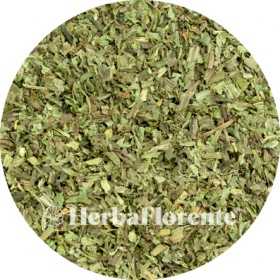
Ribwort Plantain - Plantaginis lanceolata - Cut
Ribwort plantain (Plantago lanceolata) is a native plant found in Europe, parts of Asia, North Africa, and North America. It prefers moist, sandy soil and can be found in grasslands, along roads and railways, and even between paving stones.
Ribwort plantain can reach a height of about 75 centimeters and has long, narrow leaves. Starting in May, the plant blooms with light green flower spikes bearing striking white stamens.
The young leaves contain various natural plant compounds, including mucilage, tannins, bitter substances, and flavonoids, as well as minerals such as potassium and zinc. Ribwort plantain has a long history of traditional and folklore uses and is often considered a common wild plant.
Ribwort plantain can reach a height of about 75 centimeters and has long, narrow leaves. Starting in May, the plant blooms with light green flower spikes bearing striking white stamens.
The young leaves contain various natural plant compounds, including mucilage, tannins, bitter substances, and flavonoids, as well as minerals such as potassium and zinc. Ribwort plantain has a long history of traditional and folklore uses and is often considered a common wild plant.
€2.00
From: €2.00
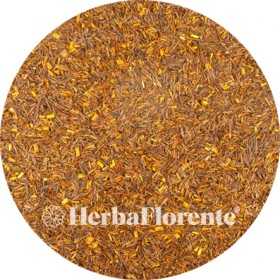
Rooibos - Aspalathi linearis
Rooibos (Aspalathus linearis) is a plant in the legume family (Leguminosae) that grows naturally in the fynbos around the Cederberg Mountains in South Africa. Since around 1930, the plant has been cultivated for the production of rooibos tea. The leaves are picked, crushed, and left in the sun to oxidize, giving them their characteristic reddish-brown color.
The name 'rooibos' comes from Afrikaans and means "red forest," derived from the Dutch word.
Rooibos is traditionally used in South Africa as a spice and is used in both beverages and cosmetics. It is naturally caffeine-free and low in tannins, giving it a mild, slightly sweet flavor. Rooibos leaves contain various plant compounds, including antioxidants and minerals such as calcium and iron.
The name 'rooibos' comes from Afrikaans and means "red forest," derived from the Dutch word.
Rooibos is traditionally used in South Africa as a spice and is used in both beverages and cosmetics. It is naturally caffeine-free and low in tannins, giving it a mild, slightly sweet flavor. Rooibos leaves contain various plant compounds, including antioxidants and minerals such as calcium and iron.
€2.50
From: €2.50
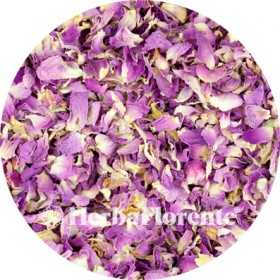
Rose - Rosae damascena
Rosae damascena, also known as the damask rose, is a versatile flower with many names, including the Iranian rose, Bulgarian rose, Taif rose, Ispahan rose and Castile rose.
These flowers are known for their delicate fragrance and are grown commercially for rose oil, both "rose otto" and "rose absolute", which is widely used in perfumery. They are also used to make rose water and "rose concrete". The petals are even edible and are used to flavor dishes, as a garnish, to make herbal tea and to preserve gulkand in sugar. Moreover, the damask rose is the national flower of Iran.
These flowers are known for their delicate fragrance and are grown commercially for rose oil, both "rose otto" and "rose absolute", which is widely used in perfumery. They are also used to make rose water and "rose concrete". The petals are even edible and are used to flavor dishes, as a garnish, to make herbal tea and to preserve gulkand in sugar. Moreover, the damask rose is the national flower of Iran.
€12.50
From: €12.50
Rose Root - Rhodiola rosea
Out-of-Stock
Rhodiola rosea (Rhodiola rosea), also known as "golden root," is a succulent plant that grows naturally in cold, rocky regions around the world. The plant's roots have a distinctive scent reminiscent of roses.
Rhodiola rosea is traditionally used in various cultures and is incorporated into herbal preparations. The root naturally contains several plant compounds, including rosavin and salidroside. These compounds are part of the root's composition and contribute to the herb's characteristic properties.
Rhodiola rosea can be used in herbal teas and other herbal products and is prized for its natural origins and rich composition.
Rhodiola rosea is traditionally used in various cultures and is incorporated into herbal preparations. The root naturally contains several plant compounds, including rosavin and salidroside. These compounds are part of the root's composition and contribute to the herb's characteristic properties.
Rhodiola rosea can be used in herbal teas and other herbal products and is prized for its natural origins and rich composition.
€20.00
From: €20.00
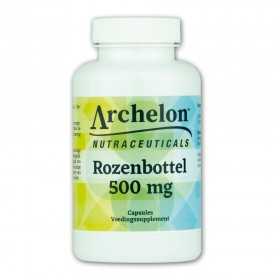
Rosehip - 500 mg
The dog rose (Rosa canina) is a native rose species in the Benelux, found in Europe, Northwest Africa and West Asia. This species has been introduced into North America.
After flowering, a rose hip develops, a fleshy flower base with nutty fruits inside. The rose hip is oval or ovoid, red-orange in color, and measures 1-2.5 cm long and 1-1.8 cm wide.
Rose hips are often used for making jam because of their high vitamin C content. They also contain carotene, vitamin B1 and vitamin B2.
After flowering, a rose hip develops, a fleshy flower base with nutty fruits inside. The rose hip is oval or ovoid, red-orange in color, and measures 1-2.5 cm long and 1-1.8 cm wide.
Rose hips are often used for making jam because of their high vitamin C content. They also contain carotene, vitamin B1 and vitamin B2.
€19.95
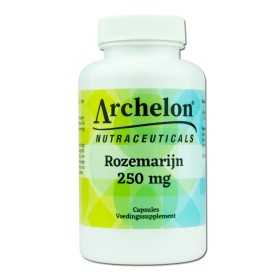
Rosemary - 250 mg
Rosemary (Rosmarinus officinalis L.) is a fragrant, compact shrub from the Lamiaceae family. This versatile herb has been used for centuries in cooking and for various purposes. Native to Mediterranean regions, rosemary blooms in spring with small, lavender-blue flowers.
The name "rosemary" comes from the Latin ros ("dew") and marinus ("sea"), which together mean "dew of the sea." Rosemary contains various natural plant compounds and aromas that contribute to its characteristic scent and flavor. It is used in herb blends, teas, and food products.
The name "rosemary" comes from the Latin ros ("dew") and marinus ("sea"), which together mean "dew of the sea." Rosemary contains various natural plant compounds and aromas that contribute to its characteristic scent and flavor. It is used in herb blends, teas, and food products.
€19.95
Rosemary - Rosmarini officinalis
Rosemary (Rosmarinus officinalis L.) is a fragrant, compact shrub from the Lamiaceae family. Native to the Mediterranean region, it is known for its aromatic leaves and lavender-blue flowers that appear in spring.
The name "rosemary" derives from the Latin: ros meaning "dew" and marinus meaning "sea," together meaning "dew of the sea." Rosemary has been prized for centuries in diverse cultures, from the ancient Greeks to the Romans, and is used in culinary dishes and herbal teas.
Rosemary naturally contains plant compounds, including aromatic oils and antioxidants, which contribute to the herb's characteristic aroma and flavor. It is used in a wide variety of dishes, from meat and fish dishes to sauces and marinades, and is also popular in aromatic oils and spice blends.
The name "rosemary" derives from the Latin: ros meaning "dew" and marinus meaning "sea," together meaning "dew of the sea." Rosemary has been prized for centuries in diverse cultures, from the ancient Greeks to the Romans, and is used in culinary dishes and herbal teas.
Rosemary naturally contains plant compounds, including aromatic oils and antioxidants, which contribute to the herb's characteristic aroma and flavor. It is used in a wide variety of dishes, from meat and fish dishes to sauces and marinades, and is also popular in aromatic oils and spice blends.
€2.00
From: €2.00
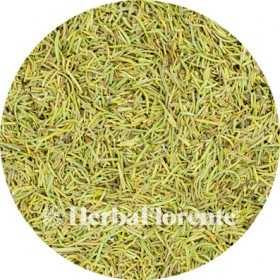
Rosemary - Rosmarini officinalis - Cut
Rosemary (Rosmarinus officinalis L.) is a fragrant, compact shrub from the Lamiaceae family. Native to the Mediterranean region, it is known for its aromatic leaves and lavender-blue flowers that appear in spring.
The name "rosemary" derives from the Latin: ros meaning "dew" and marinus meaning "sea," together meaning "dew of the sea." Rosemary has been prized for centuries in diverse cultures, from the ancient Greeks to the Romans, and is used in culinary dishes and herbal teas.
Rosemary naturally contains plant compounds, including aromatic oils and antioxidants, which contribute to the herb's characteristic aroma and flavor. It is used in a wide variety of dishes, from meat and fish dishes to sauces and marinades, and is also popular in aromatic oils and spice blends.
The name "rosemary" derives from the Latin: ros meaning "dew" and marinus meaning "sea," together meaning "dew of the sea." Rosemary has been prized for centuries in diverse cultures, from the ancient Greeks to the Romans, and is used in culinary dishes and herbal teas.
Rosemary naturally contains plant compounds, including aromatic oils and antioxidants, which contribute to the herb's characteristic aroma and flavor. It is used in a wide variety of dishes, from meat and fish dishes to sauces and marinades, and is also popular in aromatic oils and spice blends.
€2.00
From: €2.00
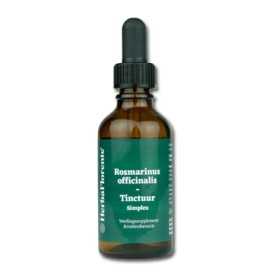
Rosemary Tincture - Rosmarinus officinalis Tincture
Single herbal tincture made with dried leaf of Rosmarinus officinalis (Rosemary).
Rosemary (Rosmarinus officinalis L.) is a fragrant, compact shrub from the Lamiaceae family. Native to the Mediterranean region, it is known for its aromatic leaves and lavender-blue flowers that appear in spring.
The name "rosemary" derives from the Latin: ros meaning "dew" and marinus meaning "sea," together meaning "dew of the sea." Rosemary has been prized for centuries in diverse cultures, from the ancient Greeks to the Romans, and is used in culinary dishes and herbal teas.
Rosemary (Rosmarinus officinalis L.) is a fragrant, compact shrub from the Lamiaceae family. Native to the Mediterranean region, it is known for its aromatic leaves and lavender-blue flowers that appear in spring.
The name "rosemary" derives from the Latin: ros meaning "dew" and marinus meaning "sea," together meaning "dew of the sea." Rosemary has been prized for centuries in diverse cultures, from the ancient Greeks to the Romans, and is used in culinary dishes and herbal teas.
€10.95
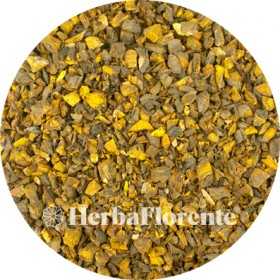
Russian / Chinese Rhubarb - Rheum palmatum / Rheum officinalis
Rheum officinale, also known as Chinese rhubarb or Russian rhubarb, belongs to the knotweed family (Polygonaceae). The plant is native to mountainous regions of western and northwestern China, India, Tibet, Russia, and Turkey, at altitudes between 1,200 and 4,000 meters. Rheum officinale can reach a height of 1.5 to 2 meters.
The stems of the plant are often used as food, while the leaves contain oxalic acid and are therefore unsuitable for consumption.
The stems of the plant are often used as food, while the leaves contain oxalic acid and are therefore unsuitable for consumption.
€2.50
From: €2.50
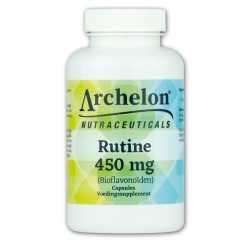
Rutin - 450 mg
Rutin, also known as a flavonoid or bioflavonoid, is a naturally occurring substance in vegetables, fruits, herbs, and plants. It is known for its vibrant pigmentation and can appear in various colors. Rutin plays several important roles in plants, such as regulating growth, protecting against UV radiation, oxidation, and heat, and maintaining the plant's metabolism.
€29.95
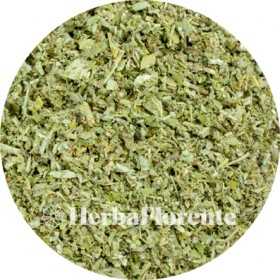
Sage - Salviae officinalis - Cut
Common sage (Salvia officinalis L.) is a well-known herb that has been used for centuries, from China to ancient Rome. Symbolic and magical properties were even attributed to the purple flowers.
Sage belongs to the Lamiaceae family and is prized for its aromatic leaves and characteristic scent. The herb naturally contains various plant compounds, including antioxidants, which contribute to sage's characteristic properties.
Sage is traditionally used in culinary applications, such as sauces, meat dishes, and herbal teas. The leaves can be used fresh or dried and are also popular in aromatic oils and spice blends.
Sage belongs to the Lamiaceae family and is prized for its aromatic leaves and characteristic scent. The herb naturally contains various plant compounds, including antioxidants, which contribute to sage's characteristic properties.
Sage is traditionally used in culinary applications, such as sauces, meat dishes, and herbal teas. The leaves can be used fresh or dried and are also popular in aromatic oils and spice blends.
€2.30
From: €2.30
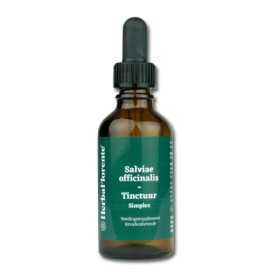
Sage Tincture - Salviae officinalis Tincture
Single herbal tincture made with dried herb of Salviae officinalis (Sage).
Common sage (Salvia officinalis L.) is a well-known herb that has been used for centuries, from China to ancient Rome. Symbolic and magical properties were even attributed to the purple flowers.
Sage belongs to the Lamiaceae family and is prized for its aromatic leaves and characteristic scent. The herb naturally contains various plant compounds, including antioxidants, which contribute to sage's characteristic properties.
Sage is traditionally used in culinary applications, such as sauces, meat dishes, and herbal teas. The leaves can be used fresh or dried and are also popular in aromatic oils and spice blends.
Common sage (Salvia officinalis L.) is a well-known herb that has been used for centuries, from China to ancient Rome. Symbolic and magical properties were even attributed to the purple flowers.
Sage belongs to the Lamiaceae family and is prized for its aromatic leaves and characteristic scent. The herb naturally contains various plant compounds, including antioxidants, which contribute to sage's characteristic properties.
Sage is traditionally used in culinary applications, such as sauces, meat dishes, and herbal teas. The leaves can be used fresh or dried and are also popular in aromatic oils and spice blends.
€11.95
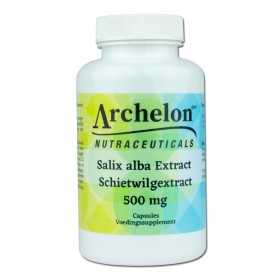
Salix alba Extract - Willow Extract (Salicin) - 500 mg
Goat willow extract (Salix alba L.) is extracted from the bark of the white willow tree. The bark naturally contains salicin, a glycoside found only in plants. Salicin was first studied in 1828 by the German pharmacist Johann Andreas Buchner. Goat willow extract is used in nutritional products and supplements and is known for its presence. The white willow is a common tree species in the Netherlands.
€26.95
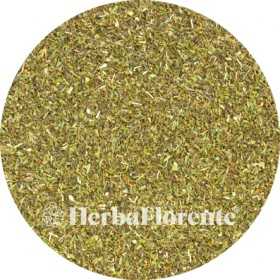
Savory Wort - Satureja hortensis
Savory (Satureja), also known as winter or summer savory, belongs to the Lamiaceae or Labiatae family. The scientific name is derived from the Latin word "satyr."
Historical and Cultural Context
During Roman times, savory was often used in rituals and cultural practices. It was incorporated into wreaths and jewelry and featured in traditional dishes. Historical sources describe it as playing an important role in Roman cuisine.
Culinary Uses
Savory is traditionally used as a seasoning in a variety of dishes. In ancient times, it was used in sauces for fish and meat, stuffings for veal, and in sausages or pork pies. Over the centuries, chefs have developed their own recipes using this aromatic herb.
Historical and Cultural Context
During Roman times, savory was often used in rituals and cultural practices. It was incorporated into wreaths and jewelry and featured in traditional dishes. Historical sources describe it as playing an important role in Roman cuisine.
Culinary Uses
Savory is traditionally used as a seasoning in a variety of dishes. In ancient times, it was used in sauces for fish and meat, stuffings for veal, and in sausages or pork pies. Over the centuries, chefs have developed their own recipes using this aromatic herb.
€2.00
From: €2.00