



Trending
€57.50
€62.50
€35.95
€62.50
€62.50
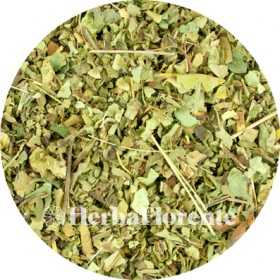
Lungwort - Pulmonaria officinalis
€5.91 €6.95 -15%
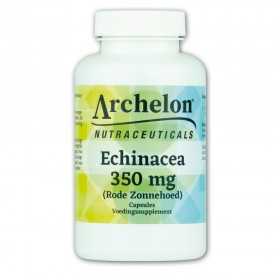
Echinacea (Red Coneflower) - 350 mg
€15.96 €19.95 -20%
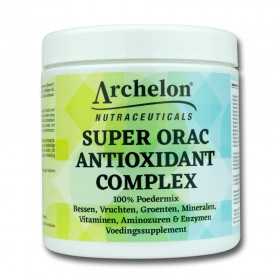
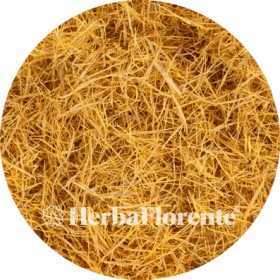
Immune system
There are 212 products.
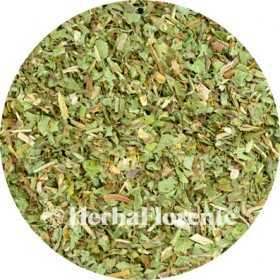
Dandelion (Herb) - Taraxum officinale - Cut
Dandelion (Taraxacum officinale) is a plant that has been used for centuries in various cultures. Both the root and the aerial parts of the plant are used and are known for their versatile uses.
The young leaves of the dandelion are traditionally used in dishes such as salads, especially in spring. The yellow flowers can be used as decoration and are also suitable for drying and making into herbal tea.
Dandelions naturally contain various plant compounds, including bitter substances, flavonoids, and fatty acids. They are also a source of vitamins, such as B vitamins and vitamin C, and contain minerals such as calcium, magnesium, zinc, and manganese. Because of this composition, the dandelion is valued as an edible wild plant in herbal culture.
The young leaves of the dandelion are traditionally used in dishes such as salads, especially in spring. The yellow flowers can be used as decoration and are also suitable for drying and making into herbal tea.
Dandelions naturally contain various plant compounds, including bitter substances, flavonoids, and fatty acids. They are also a source of vitamins, such as B vitamins and vitamin C, and contain minerals such as calcium, magnesium, zinc, and manganese. Because of this composition, the dandelion is valued as an edible wild plant in herbal culture.
€2.50
From: €2.50
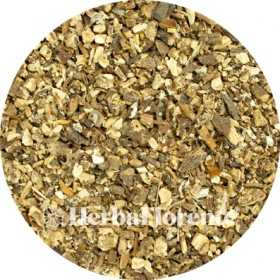
Dandelion (Root) - Taraxum officinale
Dandelion (Taraxacum officinale) is a plant that has been used for centuries in various cultures. Both the root and the aerial parts of the plant are used and are known for their versatile uses.
The young leaves of the dandelion are traditionally used in dishes such as salads, especially in spring. The yellow flowers can be used as decoration and are also suitable for drying and making into herbal tea.
Dandelions naturally contain various plant compounds, including bitter substances, flavonoids, and fatty acids. They are also a source of vitamins, such as B vitamins and vitamin C, and contain minerals such as calcium, magnesium, zinc, and manganese.
The young leaves of the dandelion are traditionally used in dishes such as salads, especially in spring. The yellow flowers can be used as decoration and are also suitable for drying and making into herbal tea.
Dandelions naturally contain various plant compounds, including bitter substances, flavonoids, and fatty acids. They are also a source of vitamins, such as B vitamins and vitamin C, and contain minerals such as calcium, magnesium, zinc, and manganese.
€2.70
From: €2.70
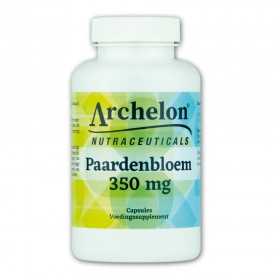
Dandelion - 350 mg
Dandelion (Taraxacum officinale) is a plant known for centuries and used both in its wild form and in nutritional supplements. Both the root and the above-ground parts contain a wide range of natural substances. Dandelion contains bitter substances, phytosterols, fatty acids such as linoleic acid, linolenic acid, palmitic acid, and oleic acid, flavonoids, various B vitamins, vitamin C, beta-carotene, and minerals such as calcium, chromium, magnesium, zinc, manganese, selenium, and sulfur.
€19.95
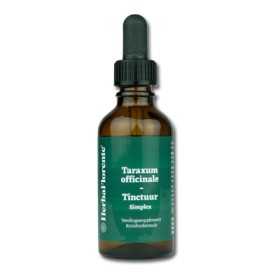
Dandelion Tincture - Taraxum officinale Tincture
Single herbal tincture made with dried herb & root of Taraxum officinale (Dandelion).
Dandelion (Taraxacum officinale) is a plant that has been used for centuries in various cultures. Both the root and the aerial parts of the plant are used and are known for their versatile uses.
The young leaves of the dandelion are traditionally used in dishes such as salads, especially in spring. The yellow flowers can be used as decoration and are also suitable for drying and making into herbal tea.
Dandelion (Taraxacum officinale) is a plant that has been used for centuries in various cultures. Both the root and the aerial parts of the plant are used and are known for their versatile uses.
The young leaves of the dandelion are traditionally used in dishes such as salads, especially in spring. The yellow flowers can be used as decoration and are also suitable for drying and making into herbal tea.
€9.95
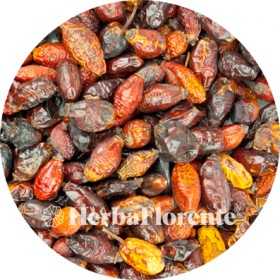
Dogrose - Rosa canina
The dog rose (Rosa canina) is a native rose species in the Benelux region and is native to Europe, Northwest Africa, and West Asia. It was later introduced to North America. The plant often grows along forest edges, hedgerows, and thickets.
It is a large, upright shrub that can reach a height of approximately 1 to 4 meters. The long, arching branches can partially arch. The glandless leaves and branches are green and sometimes have a reddish tinge.
Flowering occurs from June to July. The flowers are usually light pink, sometimes white, and are approximately 3.5 to 4.5 centimeters in diameter. They appear singly or in small clusters of one to ten flowers.
It is a large, upright shrub that can reach a height of approximately 1 to 4 meters. The long, arching branches can partially arch. The glandless leaves and branches are green and sometimes have a reddish tinge.
Flowering occurs from June to July. The flowers are usually light pink, sometimes white, and are approximately 3.5 to 4.5 centimeters in diameter. They appear singly or in small clusters of one to ten flowers.
€2.00
From: €2.00
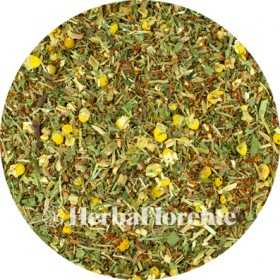
Early Morning Herbal Tea
Herbal tea composed of various herbs
Nice for early morning
Nice for early morning
€3.95
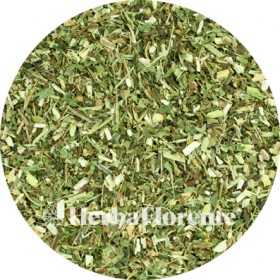
Echinacea (Coneflower) (Herb) - Echinaceae purp.
The purple coneflower (Echinacea purpurea) is a perennial plant belonging to the Asteraceae family. The genus name Echinacea is derived from the Greek word echinos, meaning "hedgehog," and refers to the spiky flower cone that characterizes this plant.
Echinacea purpurea is native to North America and is now cultivated worldwide. The plant has striking purplish-pink flowers and is valued for its ornamental appearance and botanical properties. Since the early twentieth century, there has been considerable interest in this species in Europe, leading to extensive botanical and historical research.
Echinacea purpurea is native to North America and is now cultivated worldwide. The plant has striking purplish-pink flowers and is valued for its ornamental appearance and botanical properties. Since the early twentieth century, there has been considerable interest in this species in Europe, leading to extensive botanical and historical research.
€2.00
From: €2.00
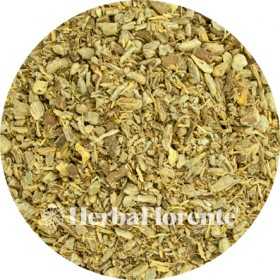
Echinacea (Coneflower) (Root) - Echinaceae purp.
The purple coneflower (Echinacea purpurea) is a perennial plant belonging to the Asteraceae family. The genus name Echinacea is derived from the Greek word echinos, meaning "hedgehog," and refers to the spiky flower cone that characterizes this plant.
Echinacea purpurea is native to North America and is now cultivated worldwide. The plant has striking purplish-pink flowers and is valued for its ornamental appearance and botanical properties. Since the early twentieth century, there has been considerable interest in this species in Europe, leading to extensive botanical and historical research.
Echinacea purpurea is native to North America and is now cultivated worldwide. The plant has striking purplish-pink flowers and is valued for its ornamental appearance and botanical properties. Since the early twentieth century, there has been considerable interest in this species in Europe, leading to extensive botanical and historical research.
€3.00
From: €3.00
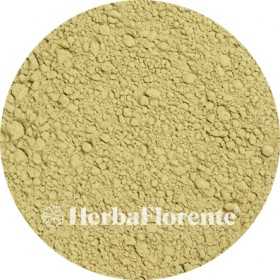
Echinacea (Coneflower) - Echinaceae purp.
The purple coneflower (Echinacea purpurea) is a perennial plant belonging to the Asteraceae family. The genus name Echinacea is derived from the Greek word echinos, meaning "hedgehog," and refers to the spiky flower cone that characterizes this plant.
Echinacea purpurea is native to North America and is now cultivated worldwide. The plant has striking purplish-pink flowers and is valued for its ornamental appearance and botanical properties. Since the early twentieth century, there has been considerable interest in this species in Europe, leading to extensive botanical and historical research.
Echinacea purpurea is native to North America and is now cultivated worldwide. The plant has striking purplish-pink flowers and is valued for its ornamental appearance and botanical properties. Since the early twentieth century, there has been considerable interest in this species in Europe, leading to extensive botanical and historical research.
€4.00
From: €4.00
Echinacea (Red Coneflower) - 350 mg
Purple coneflower is a perennial plant native to North America and cultivated worldwide. The Latin name Echinacea refers to the Greek word echinos, meaning "hedgehog," because of its spiky flower cone. Indigenous tribes used the plant traditionally, and knowledge about it was later adopted by colonists. Today, Echinacea purpurea is often used in supplements and herbal preparations.
€15.96
€19.95
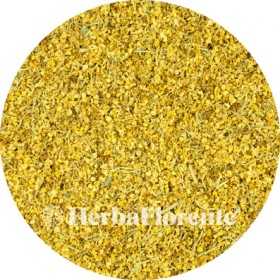
Elder - Sambuci nigri
The elderberry (Sambucus nigra L.) is a native tree or shrub that grows widely in the Netherlands. It grows in a variety of locations, such as along roads, in forest edges, and in gardens.
At the end of May, the elderberry blooms with large umbels of small, creamy-white flowers that exude a sweet, floral fragrance. These blossoms are traditionally used to make elderflower liqueur, syrup, and pancakes, among other things.
The flowers contain various natural plant compounds, including flavonoids such as rutin, quercetin, and astragalin. They also contain tannins, triterpenes, fatty acids, and essential oils.
At the end of May, the elderberry blooms with large umbels of small, creamy-white flowers that exude a sweet, floral fragrance. These blossoms are traditionally used to make elderflower liqueur, syrup, and pancakes, among other things.
The flowers contain various natural plant compounds, including flavonoids such as rutin, quercetin, and astragalin. They also contain tannins, triterpenes, fatty acids, and essential oils.
€3.60
From: €3.60
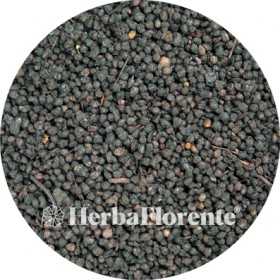
Elder - Sambuci nigri
The elderberry (Sambucus nigra L.) is a native tree or shrub that grows widely in the Netherlands. It grows in a variety of locations, such as along roads, in forest edges, and in gardens.
At the end of May, the elderberry blooms with large umbels of small, creamy-white flowers that exude a sweet, floral fragrance. These blossoms are traditionally used to make elderflower liqueur, syrup, and pancakes, among other things.
The flowers contain various natural plant compounds, including flavonoids such as rutin, quercetin, and astragalin. They also contain tannins, triterpenes, fatty acids, and essential oils.
At the end of May, the elderberry blooms with large umbels of small, creamy-white flowers that exude a sweet, floral fragrance. These blossoms are traditionally used to make elderflower liqueur, syrup, and pancakes, among other things.
The flowers contain various natural plant compounds, including flavonoids such as rutin, quercetin, and astragalin. They also contain tannins, triterpenes, fatty acids, and essential oils.
€3.00
From: €3.00
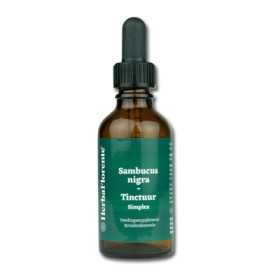
Elderberry Tincture - Sambucus nigra Tincture
Single herbal tincture made with dried blossom herb of Sambucus nigra (elderberry).
The elderberry (Sambucus nigra L.) is a native tree or shrub that grows widely in the Netherlands. It grows in a variety of locations, such as along roads, in forest edges, and in gardens.
At the end of May, the elderberry blooms with large umbels of small, creamy-white flowers that exude a sweet, floral fragrance. These blossoms are traditionally used to make elderflower liqueur, syrup, and pancakes, among other things.
The flowers contain various natural plant compounds, including flavonoids such as rutin, quercetin, and astragalin. They also contain tannins, triterpenes, fatty acids, and essential oils.
The elderberry (Sambucus nigra L.) is a native tree or shrub that grows widely in the Netherlands. It grows in a variety of locations, such as along roads, in forest edges, and in gardens.
At the end of May, the elderberry blooms with large umbels of small, creamy-white flowers that exude a sweet, floral fragrance. These blossoms are traditionally used to make elderflower liqueur, syrup, and pancakes, among other things.
The flowers contain various natural plant compounds, including flavonoids such as rutin, quercetin, and astragalin. They also contain tannins, triterpenes, fatty acids, and essential oils.
€10.95
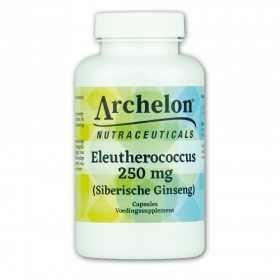
Eleutherococcus (Siberian Ginseng) - 250 mg
Siberian ginseng is a perennial plant native to Russia, Japan, Korea, and China. The roots of the plant have been used in traditional herbal medicine for centuries. Siberian ginseng is often used in supplements and herbal preparations. It is important not to confuse this species with Korean ginseng (Panax ginseng) or American ginseng (Panax quinquefolius), as they are different plants.
€14.36
€17.95
Eleutherococcus (Siberian Ginseng) - Eleutherococcus
Siberian ginseng (Eleutherococcus senticosus) is a shrubby plant native to parts of Russia, China, Korea, and Japan. The plant belongs to the Araliaceae family and is botanically related to, but distinct from, the better-known Panax species such as Korean ginseng (Panax ginseng) and American ginseng (Panax quinquefolius).
The roots of Siberian ginseng have long been mentioned in East Asian and Russian botanical literature. These historical and cultural sources describe the plant as part of traditional practices. This long history of use has also led to Siberian ginseng becoming known beyond its native range.
The roots of Siberian ginseng have long been mentioned in East Asian and Russian botanical literature. These historical and cultural sources describe the plant as part of traditional practices. This long history of use has also led to Siberian ginseng becoming known beyond its native range.
€2.80
From: €2.80
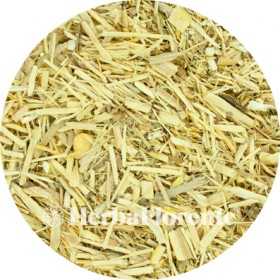
Eleutherococcus (Siberian Ginseng) - Eleutherococcus - Cut
Siberian ginseng (Eleutherococcus senticosus) is a shrubby plant native to parts of Russia, China, Korea, and Japan. The plant belongs to the Araliaceae family and is botanically related to, but distinct from, the better-known Panax species such as Korean ginseng (Panax ginseng) and American ginseng (Panax quinquefolius).
The roots of Siberian ginseng have long been mentioned in East Asian and Russian botanical literature. These historical and cultural sources describe the plant as part of traditional practices. This long history of use has also led to Siberian ginseng becoming known beyond its native range.
The roots of Siberian ginseng have long been mentioned in East Asian and Russian botanical literature. These historical and cultural sources describe the plant as part of traditional practices. This long history of use has also led to Siberian ginseng becoming known beyond its native range.
€2.20
From: €2.20
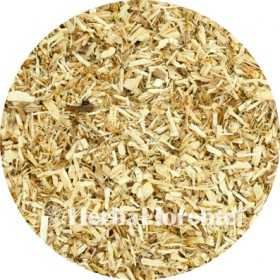
Elm - Ulmi camp. - Cut
The elm (Ulmus), also known as olm, is a genus of deciduous trees. These trees have feather-veined leaves with a serrate or double-serrate leaf edge. They bloom before the leaves appear, with small green perianths whose petals are fused together. Above the perianths are the stamens with purple anthers and the pistil. The seeds of the elm are flattened and have a broad, winged edge. Elms thrive best in fairly nutrient-rich, moist and calcareous soil.
€2.00
From: €2.00
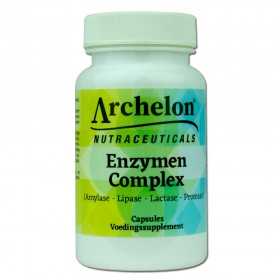
Enzymes - Complex
Our Enzyme Complex is a dietary supplement containing five plant-based enzymes: protease, amylase, lactase, lipase, and cellulase. The enzyme complex is derived from DigeZyme® and consists entirely of natural plant-based ingredients.
Enzymes occur naturally in the body and in foods. This supplement contains a combination of enzymes that are also found in food sources.
Enzymes occur naturally in the body and in foods. This supplement contains a combination of enzymes that are also found in food sources.
€32.95
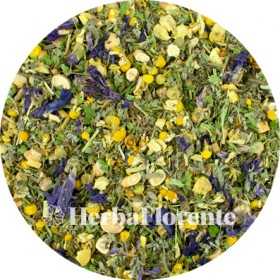
Flu/Immune Herbal Tea
Herbal tea composed of various herbs
€3.95
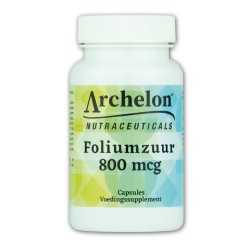
Folic Acid - 800 mcg
Folic acid, also known as vitamin B9 or B11, is a water-soluble vitamin found naturally in green leafy vegetables, legumes, nuts, and whole grains. It plays a role in the formation of cells and tissues and is involved in processes such as cell division and blood formation.
Folic acid is especially important for women who are trying to conceive or are pregnant, as timely intake can contribute to the normal development of the unborn child. It is recommended to start taking folic acid several weeks before conception and continue this throughout the first few weeks of pregnancy.
Folic acid is especially important for women who are trying to conceive or are pregnant, as timely intake can contribute to the normal development of the unborn child. It is recommended to start taking folic acid several weeks before conception and continue this throughout the first few weeks of pregnancy.
€14.95
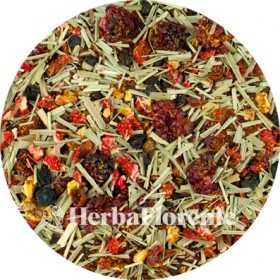
Fruits Herbal Tea
Herbal tea composed of various herbs
Delicious for every moment
Delicious for every moment
€3.95
Garlic (Fine) - Allium sativi
Garlic (Allium sativum) belongs to the Alliaceae family and is one of the oldest cultivated plants in the world. The plant develops a leafy, round flower shaft from the bulb in spring. Garlic is prized worldwide for both its characteristic flavor and distinct aroma.
The use of garlic has a long history in various cultures. Since ancient times, the plant has been part of traditional cuisines and herbal lore. Its intense aroma makes garlic a common ingredient in a wide variety of dishes.
The use of garlic has a long history in various cultures. Since ancient times, the plant has been part of traditional cuisines and herbal lore. Its intense aroma makes garlic a common ingredient in a wide variety of dishes.
€2.00
From: €2.00
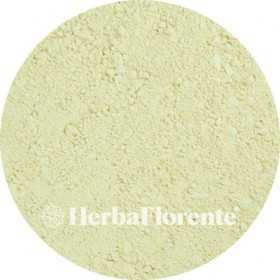
Garlic - Allium sativi
Garlic (Allium sativum) belongs to the Alliaceae family and is one of the oldest cultivated plants in the world. The plant develops a leafy, round flower shaft from the bulb in spring. Garlic is prized worldwide for both its characteristic flavor and distinct aroma.
The use of garlic has a long history in various cultures. Since ancient times, the plant has been part of traditional cuisines and herbal lore. Its intense aroma makes garlic a common ingredient in a wide variety of dishes.
The use of garlic has a long history in various cultures. Since ancient times, the plant has been part of traditional cuisines and herbal lore. Its intense aroma makes garlic a common ingredient in a wide variety of dishes.
€2.00
From: €2.00
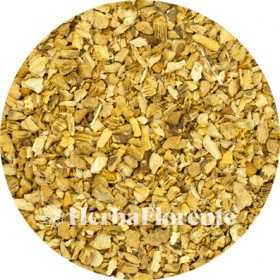
Gentian (Yellow) - Gentiana lutea
The great yellow gentian, also known as Gentiana lutea, is a perennial plant in the gentian family (Gentianaceae). It grows naturally in European mountains, primarily at altitudes up to 2200 meters.
The plant can reach a height of 0.5–1.5 meters. Its opposite leaves have five to seven arching veins. The large yellow flowers appear in clusters of three to ten in the axils of the upper leaves, but the plant only blooms after seven to ten years and can then live for 40 to 60 years.
The rhizome of the great yellow gentian can grow up to 1 meter long and is fleshy and thickened to 5 cm. The root contains sugars such as gentiobiose and natural bitter substances, as well as phytosterols, phenolic acids, oligosaccharides, and pectins.
The plant can reach a height of 0.5–1.5 meters. Its opposite leaves have five to seven arching veins. The large yellow flowers appear in clusters of three to ten in the axils of the upper leaves, but the plant only blooms after seven to ten years and can then live for 40 to 60 years.
The rhizome of the great yellow gentian can grow up to 1 meter long and is fleshy and thickened to 5 cm. The root contains sugars such as gentiobiose and natural bitter substances, as well as phytosterols, phenolic acids, oligosaccharides, and pectins.
€4.80
From: €4.80