



Trending
€57.50
€62.50
€35.95
€62.50
€62.50
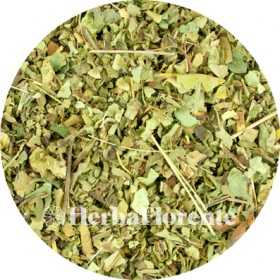
Lungwort - Pulmonaria officinalis
€5.91 €6.95 -15%
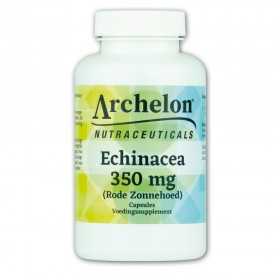
Echinacea (Red Coneflower) - 350 mg
€15.96 €19.95 -20%
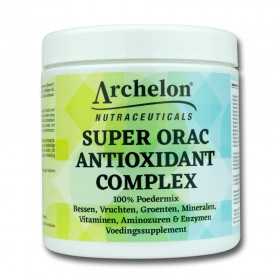
Liver
There are 178 products.
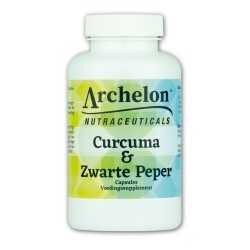
Curcuma 480 mg & Black Pepper 20 mg
Turmeric, also known as yellow root, is a spice native to the tropical regions of India and Southeast Asia. The root powder is widely used in Asian cuisine and is known in the Netherlands as yellow root because of the striking yellow color it can impart to dishes like curry and mustard. Turmeric contains natural pigments and bioactive compounds and is used in nutritional supplements as part of a varied and balanced diet.
€21.95
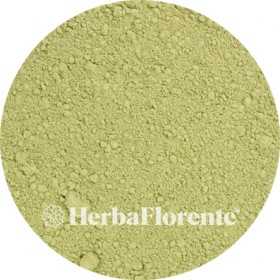
Dandelion (Herb & Root) - Taraxum officinale
Dandelion (Taraxacum officinale) is a plant that has been used for centuries in various cultures. Both the root and the aerial parts of the plant are used and are known for their versatile uses.
The young leaves of the dandelion are traditionally used in dishes such as salads, especially in spring. The yellow flowers can be used as decoration and are also suitable for drying and making into herbal tea.
Dandelions naturally contain various plant compounds, including bitter substances, flavonoids, and fatty acids. They are also a source of vitamins, such as B vitamins and vitamin C, and contain minerals such as calcium, magnesium, zinc, and manganese. Because of this composition, the dandelion is valued as an edible wild plant in herbal culture.
The young leaves of the dandelion are traditionally used in dishes such as salads, especially in spring. The yellow flowers can be used as decoration and are also suitable for drying and making into herbal tea.
Dandelions naturally contain various plant compounds, including bitter substances, flavonoids, and fatty acids. They are also a source of vitamins, such as B vitamins and vitamin C, and contain minerals such as calcium, magnesium, zinc, and manganese. Because of this composition, the dandelion is valued as an edible wild plant in herbal culture.
€2.40
From: €2.40
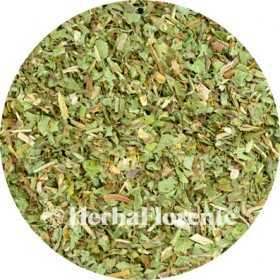
Dandelion (Herb) - Taraxum officinale - Cut
Dandelion (Taraxacum officinale) is a plant that has been used for centuries in various cultures. Both the root and the aerial parts of the plant are used and are known for their versatile uses.
The young leaves of the dandelion are traditionally used in dishes such as salads, especially in spring. The yellow flowers can be used as decoration and are also suitable for drying and making into herbal tea.
Dandelions naturally contain various plant compounds, including bitter substances, flavonoids, and fatty acids. They are also a source of vitamins, such as B vitamins and vitamin C, and contain minerals such as calcium, magnesium, zinc, and manganese. Because of this composition, the dandelion is valued as an edible wild plant in herbal culture.
The young leaves of the dandelion are traditionally used in dishes such as salads, especially in spring. The yellow flowers can be used as decoration and are also suitable for drying and making into herbal tea.
Dandelions naturally contain various plant compounds, including bitter substances, flavonoids, and fatty acids. They are also a source of vitamins, such as B vitamins and vitamin C, and contain minerals such as calcium, magnesium, zinc, and manganese. Because of this composition, the dandelion is valued as an edible wild plant in herbal culture.
€2.20
From: €2.20
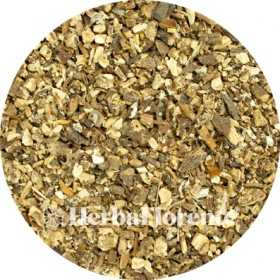
Dandelion (Root) - Taraxum officinale
Dandelion (Taraxacum officinale) is a plant that has been used for centuries in various cultures. Both the root and the aerial parts of the plant are used and are known for their versatile uses.
The young leaves of the dandelion are traditionally used in dishes such as salads, especially in spring. The yellow flowers can be used as decoration and are also suitable for drying and making into herbal tea.
Dandelions naturally contain various plant compounds, including bitter substances, flavonoids, and fatty acids. They are also a source of vitamins, such as B vitamins and vitamin C, and contain minerals such as calcium, magnesium, zinc, and manganese.
The young leaves of the dandelion are traditionally used in dishes such as salads, especially in spring. The yellow flowers can be used as decoration and are also suitable for drying and making into herbal tea.
Dandelions naturally contain various plant compounds, including bitter substances, flavonoids, and fatty acids. They are also a source of vitamins, such as B vitamins and vitamin C, and contain minerals such as calcium, magnesium, zinc, and manganese.
€2.50
From: €2.50
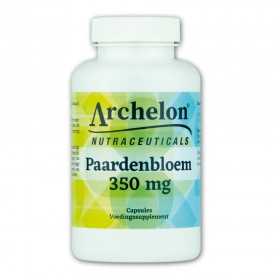
Dandelion - 350 mg
Dandelion (Taraxacum officinale) is a plant known for centuries and used both in its wild form and in nutritional supplements. Both the root and the above-ground parts contain a wide range of natural substances. Dandelion contains bitter substances, phytosterols, fatty acids such as linoleic acid, linolenic acid, palmitic acid, and oleic acid, flavonoids, various B vitamins, vitamin C, beta-carotene, and minerals such as calcium, chromium, magnesium, zinc, manganese, selenium, and sulfur.
€19.95
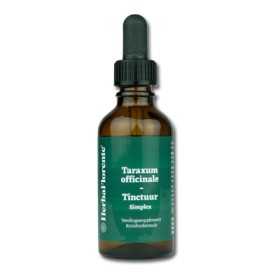
Dandelion Tincture - Taraxum officinale Tincture
Single herbal tincture made with dried herb & root of Taraxum officinale (Dandelion).
Dandelion (Taraxacum officinale) is a plant that has been used for centuries in various cultures. Both the root and the aerial parts of the plant are used and are known for their versatile uses.
The young leaves of the dandelion are traditionally used in dishes such as salads, especially in spring. The yellow flowers can be used as decoration and are also suitable for drying and making into herbal tea.
Dandelion (Taraxacum officinale) is a plant that has been used for centuries in various cultures. Both the root and the aerial parts of the plant are used and are known for their versatile uses.
The young leaves of the dandelion are traditionally used in dishes such as salads, especially in spring. The yellow flowers can be used as decoration and are also suitable for drying and making into herbal tea.
€9.95
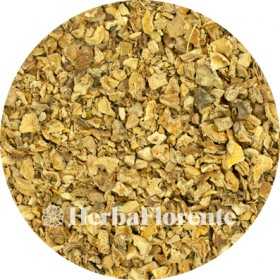
Devil's Claw - Harpagophytum procumbems
Devil's claw (Harpagophytum procumbens) owes its name to the striking, claw-like spines that cover its fruits. The botanical name is derived from the Greek word harpagos, meaning "anchor," and refers to the characteristic shape of these spines.
The plant grows naturally in dry regions of southern Africa, particularly in the Kalahari Desert, which extends across parts of Namibia, Botswana, and South Africa. Devil's claw is a distant relative of the sesame plant and blooms with striking, trumpet-shaped flowers in shades of red to purple.
Botanical and ethnographic descriptions primarily focus on the underground parts of the plant, such as the tubers and roots.
The plant grows naturally in dry regions of southern Africa, particularly in the Kalahari Desert, which extends across parts of Namibia, Botswana, and South Africa. Devil's claw is a distant relative of the sesame plant and blooms with striking, trumpet-shaped flowers in shades of red to purple.
Botanical and ethnographic descriptions primarily focus on the underground parts of the plant, such as the tubers and roots.
€2.60
From: €2.60
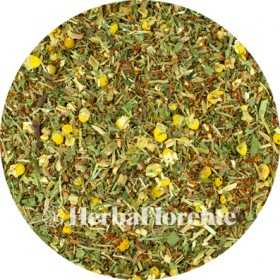
Early Morning Herbal Tea
Herbal tea composed of various herbs
Nice for early morning
Nice for early morning
€3.95
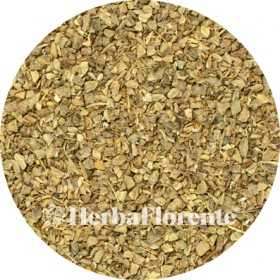
Elecampane - Inula helenium
The Elecampane (Inula helenium) is a perennial plant that belongs to the composite family (Compositae or Asteraceae). This plant is naturally found in Western and Central Asia and has been known for its culinary and medicinal uses since ancient times.
The ancient Greeks called the plant helenion, which means "the radiant, the splendid." This name is related to hèlios, which means "sun". There are several myths surrounding the naming. The Romans adopted the Greek name and called the plant inula. When Linnaeus introduced the scientific Latin name Inula helenium in 1753, he combined the Roman genus name with the Greek specific name.
The ancient Greeks called the plant helenion, which means "the radiant, the splendid." This name is related to hèlios, which means "sun". There are several myths surrounding the naming. The Romans adopted the Greek name and called the plant inula. When Linnaeus introduced the scientific Latin name Inula helenium in 1753, he combined the Roman genus name with the Greek specific name.
€2.20
From: €2.20
Eleutherococcus (Siberian Ginseng) - Eleutherococcus
Siberian ginseng (Eleutherococcus senticosus) is a shrubby plant native to parts of Russia, China, Korea, and Japan. The plant belongs to the Araliaceae family and is botanically related to, but distinct from, the better-known Panax species such as Korean ginseng (Panax ginseng) and American ginseng (Panax quinquefolius).
The roots of Siberian ginseng have long been mentioned in East Asian and Russian botanical literature. These historical and cultural sources describe the plant as part of traditional practices. This long history of use has also led to Siberian ginseng becoming known beyond its native range.
The roots of Siberian ginseng have long been mentioned in East Asian and Russian botanical literature. These historical and cultural sources describe the plant as part of traditional practices. This long history of use has also led to Siberian ginseng becoming known beyond its native range.
€2.80
From: €2.80
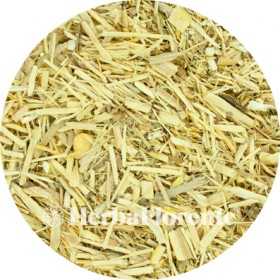
Eleutherococcus (Siberian Ginseng) - Eleutherococcus - Cut
Siberian ginseng (Eleutherococcus senticosus) is a shrubby plant native to parts of Russia, China, Korea, and Japan. The plant belongs to the Araliaceae family and is botanically related to, but distinct from, the better-known Panax species such as Korean ginseng (Panax ginseng) and American ginseng (Panax quinquefolius).
The roots of Siberian ginseng have long been mentioned in East Asian and Russian botanical literature. These historical and cultural sources describe the plant as part of traditional practices. This long history of use has also led to Siberian ginseng becoming known beyond its native range.
The roots of Siberian ginseng have long been mentioned in East Asian and Russian botanical literature. These historical and cultural sources describe the plant as part of traditional practices. This long history of use has also led to Siberian ginseng becoming known beyond its native range.
€2.20
From: €2.20
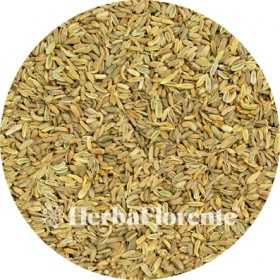
Fennel - Foeniculum vulgare - Whole
Fennel (Foeniculum vulgare) is a plant that belongs to the Apiaceae family. The plant has a characteristic, anise-like flavor. Both the thread-like leaves and the seeds are used as herbs and spices in various cuisines.
Fennel originates from Asia and the Mediterranean and was introduced to Europe via medieval trade routes. Fennel is particularly widely cultivated in Southern Europe, where it is frequently used in salads and cooked dishes.
Fennel seed has a long history of traditional use. In the past, chewing fennel seeds was part of certain customs and rituals, including religious traditions.
Fennel seeds are used in a variety of applications, such as spice blends, teas, and aromatic extracts. Fennel oil, which is used for its characteristic aroma, can also be extracted from the seeds.
Fennel originates from Asia and the Mediterranean and was introduced to Europe via medieval trade routes. Fennel is particularly widely cultivated in Southern Europe, where it is frequently used in salads and cooked dishes.
Fennel seed has a long history of traditional use. In the past, chewing fennel seeds was part of certain customs and rituals, including religious traditions.
Fennel seeds are used in a variety of applications, such as spice blends, teas, and aromatic extracts. Fennel oil, which is used for its characteristic aroma, can also be extracted from the seeds.
€2.00
From: €2.00
Fenugreek - Foenugraeci graecum
Fenugreek (Trigonella foenum-graecum), also known as fenugreek, fenugreek, or Greek hay, is a versatile plant native to the Mediterranean and later became popular in parts of Asia.
The aromatic seeds and leaves are widely used as a spice in Indian cuisine and can help soften bitter flavors in dishes or products. Fenugreek contains minerals such as iron and copper, and naturally occurring compounds like saponins and coumarins, the latter contributing to its characteristic hay-like aroma.
The aromatic seeds and leaves are widely used as a spice in Indian cuisine and can help soften bitter flavors in dishes or products. Fenugreek contains minerals such as iron and copper, and naturally occurring compounds like saponins and coumarins, the latter contributing to its characteristic hay-like aroma.
€2.00
From: €2.00
Fenugreek - Foenugraeci graecum - Whole
Fenugreek (Trigonella foenum-graecum), also known as fenugreek, fenugreek, or Greek hay, is a versatile plant native to the Mediterranean and later became popular in parts of Asia.
The aromatic seeds and leaves are widely used as a spice in Indian cuisine and can help soften bitter flavors in dishes or products. Fenugreek contains minerals such as iron and copper, and naturally occurring compounds like saponins and coumarins, the latter contributing to its characteristic hay-like aroma.
The aromatic seeds and leaves are widely used as a spice in Indian cuisine and can help soften bitter flavors in dishes or products. Fenugreek contains minerals such as iron and copper, and naturally occurring compounds like saponins and coumarins, the latter contributing to its characteristic hay-like aroma.
€1.95
From: €1.95
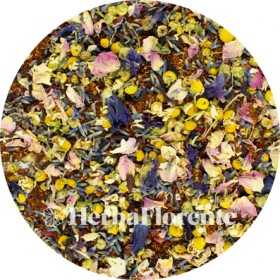
Flowers Herbal Tea
Herbal tea composed of various herbs
Nice for a floral moment
Nice for a floral moment
€3.95
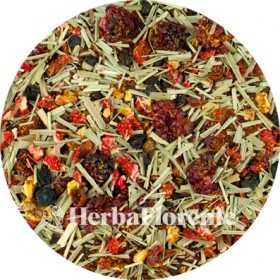
Fruits Herbal Tea
Herbal tea composed of various herbs
Delicious for every moment
Delicious for every moment
€3.95
Garlic (Fine) - Allium sativi
Garlic (Allium sativum) belongs to the Alliaceae family and is one of the oldest cultivated plants in the world. The plant develops a leafy, round flower shaft from the bulb in spring. Garlic is prized worldwide for both its characteristic flavor and distinct aroma.
The use of garlic has a long history in various cultures. Since ancient times, the plant has been part of traditional cuisines and herbal lore. Its intense aroma makes garlic a common ingredient in a wide variety of dishes.
The use of garlic has a long history in various cultures. Since ancient times, the plant has been part of traditional cuisines and herbal lore. Its intense aroma makes garlic a common ingredient in a wide variety of dishes.
€2.00
From: €2.00
Garlic - Allium sativi
Garlic (Allium sativum) belongs to the Alliaceae family and is one of the oldest cultivated plants in the world. The plant develops a leafy, round flower shaft from the bulb in spring. Garlic is prized worldwide for both its characteristic flavor and distinct aroma.
The use of garlic has a long history in various cultures. Since ancient times, the plant has been part of traditional cuisines and herbal lore. Its intense aroma makes garlic a common ingredient in a wide variety of dishes.
The use of garlic has a long history in various cultures. Since ancient times, the plant has been part of traditional cuisines and herbal lore. Its intense aroma makes garlic a common ingredient in a wide variety of dishes.
€2.00
From: €2.00
Gentian (Yellow) - Gentiana lutea
The great yellow gentian, also known as Gentiana lutea, is a perennial plant in the gentian family (Gentianaceae). It grows naturally in European mountains, primarily at altitudes up to 2200 meters.
The plant can reach a height of 0.5–1.5 meters. Its opposite leaves have five to seven arching veins. The large yellow flowers appear in clusters of three to ten in the axils of the upper leaves, but the plant only blooms after seven to ten years and can then live for 40 to 60 years.
The rhizome of the great yellow gentian can grow up to 1 meter long and is fleshy and thickened to 5 cm. The root contains sugars such as gentiobiose and natural bitter substances, as well as phytosterols, phenolic acids, oligosaccharides, and pectins.
The plant can reach a height of 0.5–1.5 meters. Its opposite leaves have five to seven arching veins. The large yellow flowers appear in clusters of three to ten in the axils of the upper leaves, but the plant only blooms after seven to ten years and can then live for 40 to 60 years.
The rhizome of the great yellow gentian can grow up to 1 meter long and is fleshy and thickened to 5 cm. The root contains sugars such as gentiobiose and natural bitter substances, as well as phytosterols, phenolic acids, oligosaccharides, and pectins.
€4.80
From: €4.80
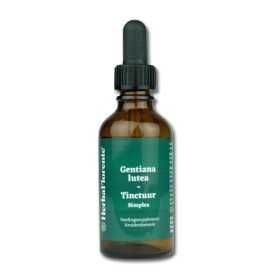
Gentian Large Yellow Tincture - Gentiana lutea Tincture
Single herbal tincture made with dried root of Gentiana lutea (Gentian Large Yellow).
The great yellow gentian, also known as Gentiana lutea, is a perennial plant in the gentian family (Gentianaceae). It grows naturally in European mountains, primarily at altitudes up to 2200 meters.
The plant can reach a height of 0.5–1.5 meters. Its opposite leaves have five to seven arching veins. The large yellow flowers appear in clusters of three to ten in the axils of the upper leaves, but the plant only blooms after seven to ten years and can then live for 40 to 60 years.
The great yellow gentian, also known as Gentiana lutea, is a perennial plant in the gentian family (Gentianaceae). It grows naturally in European mountains, primarily at altitudes up to 2200 meters.
The plant can reach a height of 0.5–1.5 meters. Its opposite leaves have five to seven arching veins. The large yellow flowers appear in clusters of three to ten in the axils of the upper leaves, but the plant only blooms after seven to ten years and can then live for 40 to 60 years.
€11.95
Ginger - Zingiberis Thiz. Mund. officinalis
Ginger comes from the root of the ginger plant (Zingiber officinale) and is used worldwide as a spice for its characteristic flavor. The root contains natural compounds such as gingerol, shogaol, and zingiberene, which contribute to ginger's characteristic aromas and flavors.
Ginger is a versatile plant used in cuisines around the world, both fresh and dried, and can be incorporated into teas, spice blends, or dishes.
Ginger is a versatile plant used in cuisines around the world, both fresh and dried, and can be incorporated into teas, spice blends, or dishes.
€2.40
From: €2.40
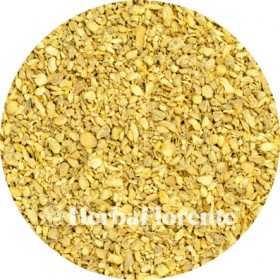
Ginger - Zingiberis Thiz. Mund. officinalis - Cut
Ginger comes from the root of the ginger plant (Zingiber officinale) and is used worldwide as a spice for its characteristic flavor. The root contains natural compounds such as gingerol, shogaol, and zingiberene, which contribute to ginger's characteristic aromas and flavors.
Ginger is a versatile plant used in cuisines around the world, both fresh and dried, and can be incorporated into teas, spice blends, or dishes.
Ginger is a versatile plant used in cuisines around the world, both fresh and dried, and can be incorporated into teas, spice blends, or dishes.
€2.40
From: €2.40
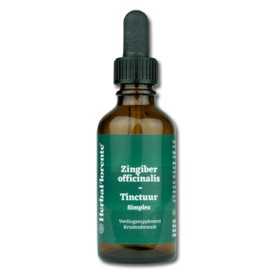
Ginger Tincture - Zingiber officinalis Tincture
Single herbal tincture made with dried root of Zingiber officinalis (Ginger).
Ginger comes from the root of the ginger plant (Zingiber officinale) and is used worldwide as a spice for its characteristic flavor. The root contains natural compounds such as gingerol, shogaol, and zingiberene, which contribute to ginger's characteristic aromas and flavors.
Ginger is a versatile plant used in cuisines around the world, both fresh and dried, and can be incorporated into teas, spice blends, or dishes.
Ginger comes from the root of the ginger plant (Zingiber officinale) and is used worldwide as a spice for its characteristic flavor. The root contains natural compounds such as gingerol, shogaol, and zingiberene, which contribute to ginger's characteristic aromas and flavors.
Ginger is a versatile plant used in cuisines around the world, both fresh and dried, and can be incorporated into teas, spice blends, or dishes.
€10.95
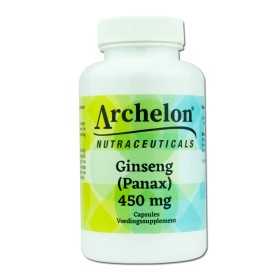
Ginseng (Panax) - 450 mg
Panax Ginseng is a slow-growing plant with a sturdy root, native to the mountainous regions of East Asia. This root has been used for thousands of years in traditional Chinese herbal practice and is considered one of the best-known and most researched ginseng varieties in the world. The name "Panax" comes from the Greek word "panacea," meaning "all-healer," and refers to the root's versatile uses in historical sources.
Panax Ginseng root contains a unique composition of bioactive compounds, the most characteristic of which are ginsenosides. These steroid-like compounds are found exclusively in true Panax Ginseng.
Panax Ginseng root contains a unique composition of bioactive compounds, the most characteristic of which are ginsenosides. These steroid-like compounds are found exclusively in true Panax Ginseng.
€42.95