



Trending
€57.50
€62.50
€35.95
€62.50
€62.50
Lungwort - Pulmonaria officinalis
€5.91 €6.95 -15%
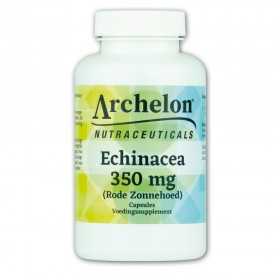
Echinacea (Red Coneflower) - 350 mg
€15.96 €19.95 -20%
Metabolism
There are 166 products.
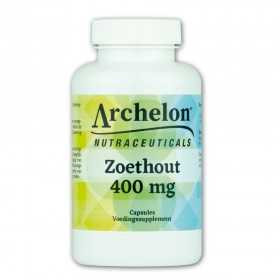
Licorice Root - 400 mg
Licorice (Glycyrrhiza glabra) is a versatile herb traditionally used in various traditional healing methods, including Ayurvedic medicine. It is cultivated worldwide, including in Europe, Asia, and the Middle East, and is a hardy plant that can also grow in the Netherlands. The roots of the plant take three to four years to mature before they can be harvested. Licorice is used in culinary applications as well as in dietary supplements and pharmaceuticals for its natural sweetness. This sweetness is due to the substance glycyrrhizin, which is naturally present in the roots. The leaves can also be used, for example, to make tea.
€17.95
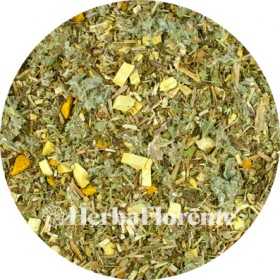
Liver Herbal Tea
Herbal tea composed of various herbs
€4.95
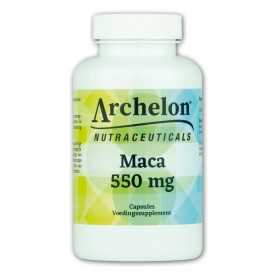
Maca - 550 mg
Maca (Lepidium meyenii) is a herbaceous biennial plant that grows naturally in the central Andes of Peru, at altitudes of over 4,000 meters. The plant is best known for its tuber, which has been harvested and used as a food source by local people for centuries.
The maca tuber naturally contains various nutrients, including vitamins, minerals, and other plant compounds. This composition makes maca suitable for supplementing the diet via capsules, powders, or extracts. Maca is used in supplements to support the easy absorption of these plant compounds into the daily diet.
The maca tuber naturally contains various nutrients, including vitamins, minerals, and other plant compounds. This composition makes maca suitable for supplementing the diet via capsules, powders, or extracts. Maca is used in supplements to support the easy absorption of these plant compounds into the daily diet.
€21.95
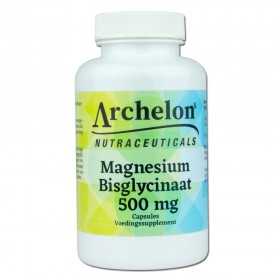
Magnesium Bisglycinate - 500 mg
Magnesium bisglycinate is an organic form of magnesium in which the mineral is bound to the amino acid glycine. This chelate bond creates a stable compound suitable for use in dietary supplements. Magnesium bisglycinate is widely used due to its composition and practical application within a daily diet.
€25.95
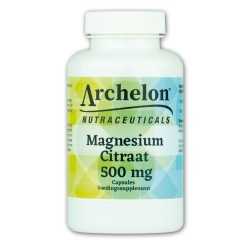
Magnesium Citrate - 500 mg
Magnesium is available in various organic forms, including magnesium citrate and magnesium malate. These forms are widely used in dietary supplements due to their chemical composition. Magnesium is an essential mineral involved in numerous processes in the body.
The mineral contributes to normal energy-yielding metabolism and supports the normal functioning of muscles and the nervous system. Magnesium also contributes to normal protein synthesis, proper electrolyte balance, and normal psychological function. Magnesium also plays a role in normal cell division and contributes to the maintenance of normal bones and teeth.
This makes magnesium an important mineral to supplement a varied and balanced diet.
The mineral contributes to normal energy-yielding metabolism and supports the normal functioning of muscles and the nervous system. Magnesium also contributes to normal protein synthesis, proper electrolyte balance, and normal psychological function. Magnesium also plays a role in normal cell division and contributes to the maintenance of normal bones and teeth.
This makes magnesium an important mineral to supplement a varied and balanced diet.
€17.95
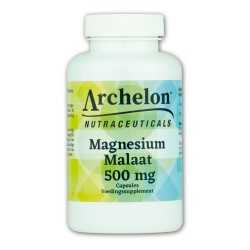
Magnesium Malate - 500 mg
Magnesium malate is an organic form of magnesium bound to malic acid (malate). This compound is widely used in dietary supplements due to its chemical stability and composition. Malic acid is a substance naturally found in fruits and plays a role in various biochemical processes.
Magnesium is an essential mineral found in all cells of the body. It contributes to normal energy-yielding metabolism and supports the normal functioning of muscles and the nervous system. Magnesium also contributes to proper electrolyte balance and normal protein synthesis. The mineral also plays a role in normal psychological function and normal cell division.
Magnesium is an essential mineral found in all cells of the body. It contributes to normal energy-yielding metabolism and supports the normal functioning of muscles and the nervous system. Magnesium also contributes to proper electrolyte balance and normal protein synthesis. The mineral also plays a role in normal psychological function and normal cell division.
€25.95
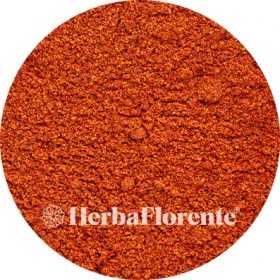
Magnolia Berry (Schisandra) - Schisandrae chinensis
Schisandra, also known as the schisandra berry (Schisandra chinensis), is a plant that has been used in traditional Chinese herbalism for over 2,000 years. The plant produces dark red berries, of which only the seeds are used. These are traditionally harvested after the first frost and then dried.
The schisandra berry naturally contains various plant compounds, including antioxidants. Due to its unique composition and long history, schisandra is often used in herbal blends and teas for traditional purposes.
Within traditional Chinese culture, schisandra is valued and frequently used in herbal formulas. Today, the berry is also used outside of Asia as an ingredient in various herbal preparations.
The schisandra berry naturally contains various plant compounds, including antioxidants. Due to its unique composition and long history, schisandra is often used in herbal blends and teas for traditional purposes.
Within traditional Chinese culture, schisandra is valued and frequently used in herbal formulas. Today, the berry is also used outside of Asia as an ingredient in various herbal preparations.
€7.50
From: €7.50
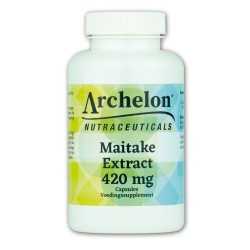
Maitake Extract - 420 mg
Maitake (Grifola frondosa), also known as oak hare, originates in the Far East and plays an important role in Chinese herbalism. This fungus, rich in various bioactive substances, is versatile for various applications. The name "maitake" comes from Japanese and literally means 'dancing mushroom', referring to the joy people experienced when finding it.
In nature, maitake mainly grows as a parasite on the roots or stumps of deciduous trees. For thousands of years, maitake has been valued in traditional Chinese herbalism for its nutritional value. This brown, lush fungus can sometimes weigh up to twenty kilos. With its delicious, aromatic flavor, maitake is a popular fungus in Japanese cuisine.
In nature, maitake mainly grows as a parasite on the roots or stumps of deciduous trees. For thousands of years, maitake has been valued in traditional Chinese herbalism for its nutritional value. This brown, lush fungus can sometimes weigh up to twenty kilos. With its delicious, aromatic flavor, maitake is a popular fungus in Japanese cuisine.
€34.95
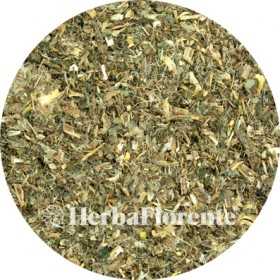
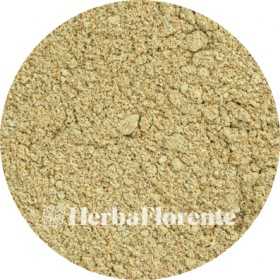
Milk Thistle (Herb) - Sylibum marianum, Cardui Mariae - Cut
Milk thistle (Silybum marianum), also known as milk thistle, is a spiny plant in the Asteraceae family. It originates in the Mediterranean region, but also grows in temperate regions such as the Netherlands and Belgium.
The plant is known for its striking, white-flecked leaves and purple flower heads. Milk thistle seeds contain natural compounds, including silymarin, a group of bioactive compounds considered antioxidants. Because of this composition, milk thistle is traditionally used in various food and herbal products.
The plant is known for its striking, white-flecked leaves and purple flower heads. Milk thistle seeds contain natural compounds, including silymarin, a group of bioactive compounds considered antioxidants. Because of this composition, milk thistle is traditionally used in various food and herbal products.
€2.20
From: €2.20
Milk Thistle (Seed) - Sylibum marianum, Cardui Mariae
Milk thistle (Silybum marianum), also known as milk thistle, is a spiny plant in the Asteraceae family. It originates in the Mediterranean region, but also grows in temperate regions such as the Netherlands and Belgium.
The plant is known for its striking, white-flecked leaves and purple flower heads. Milk thistle seeds contain natural compounds, including silymarin, a group of bioactive compounds considered antioxidants. Because of this composition, milk thistle is traditionally used in various food and herbal products.
The plant is known for its striking, white-flecked leaves and purple flower heads. Milk thistle seeds contain natural compounds, including silymarin, a group of bioactive compounds considered antioxidants. Because of this composition, milk thistle is traditionally used in various food and herbal products.
€2.00
From: €2.00
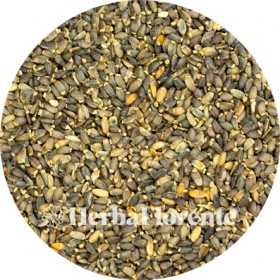
Milk Thistle (Seed) - Sylibum marianum, Cardui Mariae - Whole
Milk thistle (Silybum marianum), also known as milk thistle, is a spiny plant in the Asteraceae family. It originates in the Mediterranean region, but also grows in temperate regions such as the Netherlands and Belgium.
The plant is known for its striking, white-flecked leaves and purple flower heads. Milk thistle seeds contain natural compounds, including silymarin, a group of bioactive compounds considered antioxidants. Because of this composition, milk thistle is traditionally used in various food and herbal products.
The plant is known for its striking, white-flecked leaves and purple flower heads. Milk thistle seeds contain natural compounds, including silymarin, a group of bioactive compounds considered antioxidants. Because of this composition, milk thistle is traditionally used in various food and herbal products.
€2.00
From: €2.00
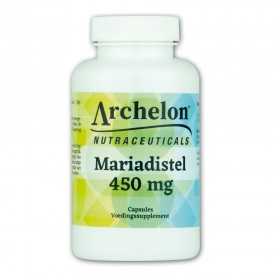
Milk Thistle - 450 mg
Milk thistle (Silybum marianum), also known as milk thistle, is a spiny plant from the Asteraceae family that is native to the Mediterranean region but also grows in other parts of Europe. The plant is best known for its characteristic purple-pink flowers and spotted leaves.
The seeds of the milk thistle are primarily used for supplements. These seeds naturally contain silymarin, a complex of flavonolignans found naturally in this plant. Silymarin is a plant compound often used in dietary supplements based on herbal extracts.
The seeds of the milk thistle are primarily used for supplements. These seeds naturally contain silymarin, a complex of flavonolignans found naturally in this plant. Silymarin is a plant compound often used in dietary supplements based on herbal extracts.
€17.95
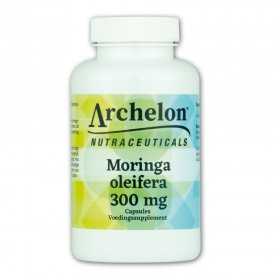
Moringa oleifera - 300 mg
Moringa oleifera is a fast-growing tree native to parts of Africa and Asia. Also known as the "moringa tree," it is traditionally used as a food source in various cultures. The leaves, in particular, are valued for their diverse range of natural nutrients.
Moringa leaves naturally contain a variety of nutrients, including plant proteins, fiber, vitamins, minerals, amino acids, and plant compounds such as polyphenols and carotenoids. This versatile composition means moringa is used worldwide in powders, capsules, and other food products.
Moringa leaves naturally contain a variety of nutrients, including plant proteins, fiber, vitamins, minerals, amino acids, and plant compounds such as polyphenols and carotenoids. This versatile composition means moringa is used worldwide in powders, capsules, and other food products.
€19.95
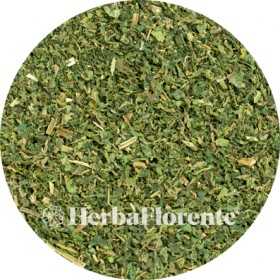
Nettle (Herb) - Urticae dioica
Nettle (Urtica dioica) is a herbaceous plant found in many places and known for its stinging hairs when touched. Despite this characteristic, the plant has long been valued and used in various cultures. Nettle is used in culinary preparations such as soup and herbal tea.
The plant is native to large parts of Europe, Asia, and Africa. The Latin name Urtica dioica refers to the plant's stinging properties. Historical and botanical sources describe both the leaves and the roots as being traditionally collected and processed.
Both nettle leaf and root hold a firm place in herbal tradition. Due to their natural composition and long history, these parts of the plant have been mentioned for centuries in ethnobotanical and historical accounts.
The plant is native to large parts of Europe, Asia, and Africa. The Latin name Urtica dioica refers to the plant's stinging properties. Historical and botanical sources describe both the leaves and the roots as being traditionally collected and processed.
Both nettle leaf and root hold a firm place in herbal tradition. Due to their natural composition and long history, these parts of the plant have been mentioned for centuries in ethnobotanical and historical accounts.
€2.00
From: €2.00
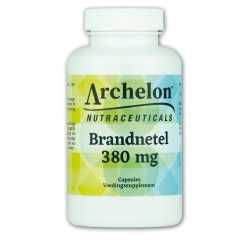
Nettle - 380 mg
Nettle is a versatile plant that has been used for centuries in European herbal traditions. Both the leaves and the roots are used in herbal preparations. Nettle is valued for its wide range of uses and natural composition, making it a suitable addition to a varied and balanced diet. The plant is also widely used in teas and culinary applications, such as soups.
€17.95
Nettle - Urticae dioica
Nettle (Urtica dioica) is a herbaceous plant found in many places and known for its stinging hairs when touched. Despite this characteristic, the plant has long been valued and used in various cultures. Nettle is used in culinary preparations such as soup and herbal tea.
The plant is native to large parts of Europe, Asia, and Africa. The Latin name Urtica dioica refers to the plant's stinging properties. Historical and botanical sources describe both the leaves and the roots as being traditionally collected and processed.
Both nettle leaf and root hold a firm place in herbal tradition. Due to their natural composition and long history, these parts of the plant have been mentioned for centuries in ethnobotanical and historical accounts.
The plant is native to large parts of Europe, Asia, and Africa. The Latin name Urtica dioica refers to the plant's stinging properties. Historical and botanical sources describe both the leaves and the roots as being traditionally collected and processed.
Both nettle leaf and root hold a firm place in herbal tradition. Due to their natural composition and long history, these parts of the plant have been mentioned for centuries in ethnobotanical and historical accounts.
€2.40
From: €2.40
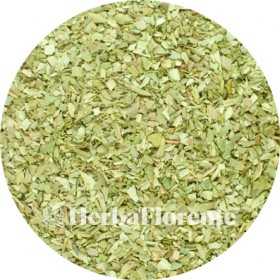
Olive - Olea europaea
Out-of-Stock
Olive leaves come from the wild olive tree (Olea europaea) and naturally contain antioxidants. These trees are native to Western Asia, Egypt, and Syria, and are now also found in the Mediterranean, South America, the southern United States, southern Australia, and the tropics.
Olive leaves have been used for centuries in the Mediterranean region, for example, as a tea. They contain various plant compounds, including oleuropein, secoiridoids, and flavonoids. Olive leaves have a rich history in traditional cuisine and folk herbalism and are often associated with the olive tree, also known as the "tree of life."
Olive leaves have been used for centuries in the Mediterranean region, for example, as a tea. They contain various plant compounds, including oleuropein, secoiridoids, and flavonoids. Olive leaves have a rich history in traditional cuisine and folk herbalism and are often associated with the olive tree, also known as the "tree of life."
€2.25
From: €2.25
Oregano - Origani cetici
Oregano (Origanum vulgare), also known as wild marjoram, is an aromatic herb that has been used for thousands of years in various cuisines and cultures. The herb belongs to the Lamiaceae family, which also includes rosemary, thyme, and mint.
Oregano naturally contains several plant compounds, including carvacrol, which is responsible for its characteristic spicy and slightly bitter flavor. This compound contributes to oregano's distinct aroma.
The most aromatic oregano grows naturally in Mediterranean mountain regions on calcareous soils. Wild oregano blooms in spring, after which it is traditionally harvested. Thanks to its flavor and composition, oregano is widely used in culinary applications and herbal teas.
Oregano naturally contains several plant compounds, including carvacrol, which is responsible for its characteristic spicy and slightly bitter flavor. This compound contributes to oregano's distinct aroma.
The most aromatic oregano grows naturally in Mediterranean mountain regions on calcareous soils. Wild oregano blooms in spring, after which it is traditionally harvested. Thanks to its flavor and composition, oregano is widely used in culinary applications and herbal teas.
€3.00
From: €3.00
Oregano - Origani vulgaris
Oregano (Origanum vulgare), also known as wild marjoram, is an aromatic herb that has been used for thousands of years in various cuisines and cultures. The herb belongs to the Lamiaceae family, which also includes rosemary, thyme, and mint.
Oregano naturally contains several plant compounds, including carvacrol, which is responsible for its characteristic spicy and slightly bitter flavor. This compound contributes to oregano's distinct aroma.
The most aromatic oregano grows naturally in Mediterranean mountain regions on calcareous soils. Wild oregano blooms in spring, after which it is traditionally harvested. Thanks to its flavor and composition, oregano is widely used in culinary applications and herbal teas.
Oregano naturally contains several plant compounds, including carvacrol, which is responsible for its characteristic spicy and slightly bitter flavor. This compound contributes to oregano's distinct aroma.
The most aromatic oregano grows naturally in Mediterranean mountain regions on calcareous soils. Wild oregano blooms in spring, after which it is traditionally harvested. Thanks to its flavor and composition, oregano is widely used in culinary applications and herbal teas.
€2.80
From: €2.80
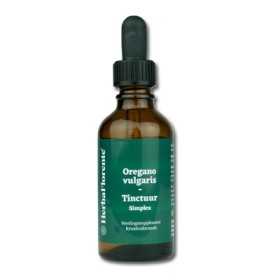
Oregano Tincture - Oregano vulgaris Tincture
Single herbal tincture made with dried herb of Oregano vulgaris (Oregano).
Oregano (Origanum vulgare), also known as wild marjoram, is an aromatic herb that has been used for thousands of years in various cuisines and cultures. The herb belongs to the Lamiaceae family, which also includes rosemary, thyme, and mint.
Oregano naturally contains several plant compounds, including carvacrol, which is responsible for its characteristic spicy and slightly bitter flavor. This compound contributes to oregano's distinct aroma.
The most aromatic oregano grows naturally in Mediterranean mountain regions on calcareous soils. Wild oregano blooms in spring, after which it is traditionally harvested.
Oregano (Origanum vulgare), also known as wild marjoram, is an aromatic herb that has been used for thousands of years in various cuisines and cultures. The herb belongs to the Lamiaceae family, which also includes rosemary, thyme, and mint.
Oregano naturally contains several plant compounds, including carvacrol, which is responsible for its characteristic spicy and slightly bitter flavor. This compound contributes to oregano's distinct aroma.
The most aromatic oregano grows naturally in Mediterranean mountain regions on calcareous soils. Wild oregano blooms in spring, after which it is traditionally harvested.
€10.95
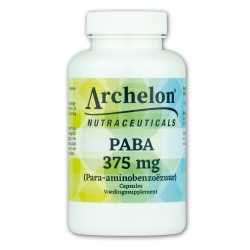
PABA (Para-Aminobenzoic Acid) - 375 mg
PABA (para-aminobenzoic acid) is a vitamin-like substance belonging to the B vitamin complex. It occurs naturally in foods such as wheat germ, bran, yogurt, and organ meats. PABA is available as a dietary supplement and can be included as part of a varied diet.
€22.95
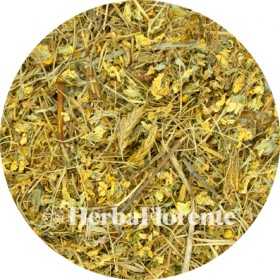
Pansy, Herb trinit (Flower) - Viola tricolor
Out-of-Stock
The pansy (Viola tricolor), also known as the wild violet, is an ornamental plant that has been part of European botanical knowledge for centuries. The tricolor violet belongs to the pansy family (Violaceae) and is native to Europe, from Lapland to the Mediterranean, and even to Siberia.
This plant, which is annual but can sometimes be perennial, grows to a height of 30 cm and has roots that can reach depths of up to 45 cm. Its flowering period extends from May to October. The flowers are at least 1 cm wide, but usually larger, with an average diameter of 1.5 cm. The plant was first described by the renowned botanist Rembert Dodoens in 1554.
This plant, which is annual but can sometimes be perennial, grows to a height of 30 cm and has roots that can reach depths of up to 45 cm. Its flowering period extends from May to October. The flowers are at least 1 cm wide, but usually larger, with an average diameter of 1.5 cm. The plant was first described by the renowned botanist Rembert Dodoens in 1554.
€7.00
From: €7.00
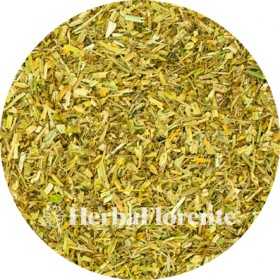
Pansy, Herb trinit Herb - Viola tricolor - Cut
The pansy (Viola tricolor), also known as the wild violet, is an ornamental plant that has been part of European botanical knowledge for centuries. The tricolor violet belongs to the pansy family (Violaceae) and is native to Europe, from Lapland to the Mediterranean, and even to Siberia.
This plant, which is annual but can sometimes be perennial, grows to a height of 30 cm and has roots that can reach depths of up to 45 cm. Its flowering period extends from May to October. The flowers are at least 1 cm wide, but usually larger, with an average diameter of 1.5 cm. The plant was first described by the renowned botanist Rembert Dodoens in 1554.
This plant, which is annual but can sometimes be perennial, grows to a height of 30 cm and has roots that can reach depths of up to 45 cm. Its flowering period extends from May to October. The flowers are at least 1 cm wide, but usually larger, with an average diameter of 1.5 cm. The plant was first described by the renowned botanist Rembert Dodoens in 1554.
€2.00
From: €2.00
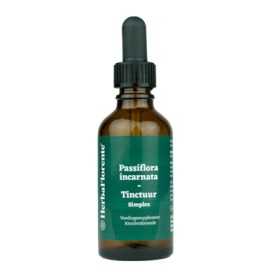
Passion Flower Tincture - Passiflora incarnata Tincture
Single herbal tincture made with dried herb of Passiflora incarnata (Passion Flower).
Passionflower (Passiflora incarnata) is a plant native to Central and North America. Various parts of the plant have long been used in diverse cultures. Today, passionflower is also found in other parts of the world.
The striking flowers of Passiflora incarnata are edible and prized for their distinctive appearance. In autumn, the plant produces fruit, and the leaves are also edible. These leaves naturally contain various plant compounds, including tannins, flavanols, saponins, and choline, as well as minerals such as magnesium.
Passionflower (Passiflora incarnata) is a plant native to Central and North America. Various parts of the plant have long been used in diverse cultures. Today, passionflower is also found in other parts of the world.
The striking flowers of Passiflora incarnata are edible and prized for their distinctive appearance. In autumn, the plant produces fruit, and the leaves are also edible. These leaves naturally contain various plant compounds, including tannins, flavanols, saponins, and choline, as well as minerals such as magnesium.
€11.95