



Trending
€57.50
€62.50
€35.95
€62.50
€62.50
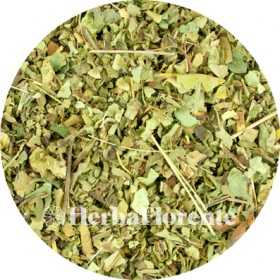
Lungwort - Pulmonaria officinalis
€5.91 €6.95 -15%
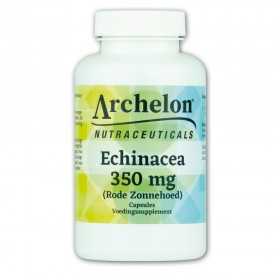
Echinacea (Red Coneflower) - 350 mg
€15.96 €19.95 -20%
Night rest
There are 94 products.
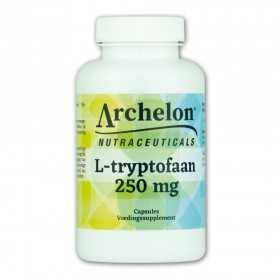
L-Tryptophan - 250 mg
Tryptophan is an essential amino acid, which means that the body cannot produce it itself and must therefore get it from food or supplementation. Tryptophan is found in meat, vegetables and fruit, among other things. Tryptophan is the only precursor of the neurotransmitter serotonin. Tryptophan also has several other functions.
€24.95
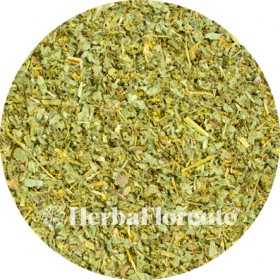
Lady's Mantle - Alchemilla vulgaris
Lady's mantle (Alchemilla vulgaris) belongs to a genus of approximately one thousand species of perennial herbaceous and shrubby plants within the rose family (Rosaceae). The plant is primarily found in Europe and Asia, with some species in mountainous regions of Africa and North and South America. It prefers to grow in damp and disturbed places, such as forest edges, wet grasslands, and roadsides.
€2.50
From: €2.50
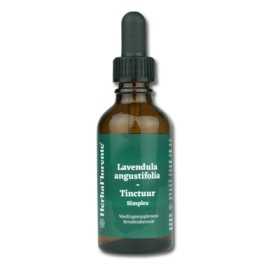
Lavender Tincture - Lavendula angustifolia Tincture
Single herbal tincture made with dried flower of Lavendula angustifolia (Lavender).
Lavender (Lavandula) is a genus of aromatic dwarf shrubs belonging to the Lamiaceae family. These plants are especially beloved for their characteristic purple flowers and pleasant fragrance and are widely planted in gardens, borders, and lavender fields.
An important use of lavender is the extraction of lavender oil from the flowering tops. This essential oil is widely used as a fragrance in cosmetic products such as soaps, creams, and perfumes, and also plays a role in aromatic applications.
Lavender (Lavandula) is a genus of aromatic dwarf shrubs belonging to the Lamiaceae family. These plants are especially beloved for their characteristic purple flowers and pleasant fragrance and are widely planted in gardens, borders, and lavender fields.
An important use of lavender is the extraction of lavender oil from the flowering tops. This essential oil is widely used as a fragrance in cosmetic products such as soaps, creams, and perfumes, and also plays a role in aromatic applications.
€12.95
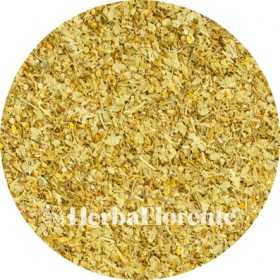
Lime tree Blossom - Tiliae officinalis
The lime tree (Tilia) is native to the Benelux and is known for its remarkable lifespan, which can easily exceed 1000 years. This majestic tree can reach a height of 20 to 30 meters, depending on its growing conditions. The Latin name for the lime tree is Tilia.
Although the lime tree is widespread in Europe, it is not found in the northernmost and southernmost parts of the continent. Outside Europe, the lime is also found in parts of Asia, but to a much lesser extent.
The tree blooms in the months of June and July. The lime blossom produces a lot of honey, and the flowers can be used to make herbal tea.
Although the lime tree is widespread in Europe, it is not found in the northernmost and southernmost parts of the continent. Outside Europe, the lime is also found in parts of Asia, but to a much lesser extent.
The tree blooms in the months of June and July. The lime blossom produces a lot of honey, and the flowers can be used to make herbal tea.
€5.00
From: €5.00
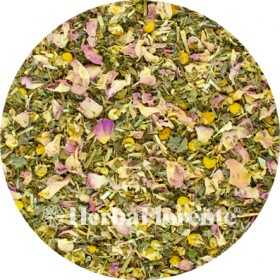
Lucid Dream Herbal Tea
Herbal tea composed of various herbs
Nice before going to sleep
Nice before going to sleep
€3.95
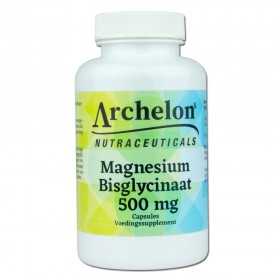
Magnesium Bisglycinate - 500 mg
Magnesium bisglycinate is an organic form of magnesium in which the mineral is bound to the amino acid glycine. This chelate bond creates a stable compound suitable for use in dietary supplements. Magnesium bisglycinate is widely used due to its composition and practical application within a daily diet.
€25.95
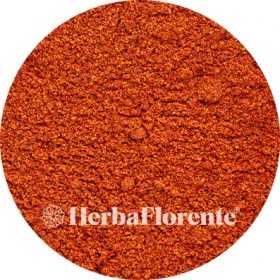
Magnolia Berry (Schisandra) - Schisandrae chinensis
Schisandra, also known as the schisandra berry (Schisandra chinensis), is a plant that has been used in traditional Chinese herbalism for over 2,000 years. The plant produces dark red berries, of which only the seeds are used. These are traditionally harvested after the first frost and then dried.
The schisandra berry naturally contains various plant compounds, including antioxidants. Due to its unique composition and long history, schisandra is often used in herbal blends and teas for traditional purposes.
Within traditional Chinese culture, schisandra is valued and frequently used in herbal formulas. Today, the berry is also used outside of Asia as an ingredient in various herbal preparations.
The schisandra berry naturally contains various plant compounds, including antioxidants. Due to its unique composition and long history, schisandra is often used in herbal blends and teas for traditional purposes.
Within traditional Chinese culture, schisandra is valued and frequently used in herbal formulas. Today, the berry is also used outside of Asia as an ingredient in various herbal preparations.
€7.50
From: €7.50
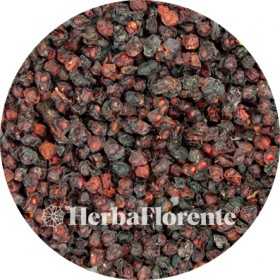
Magnolia Berry (Schisandra) - Schisandrae chinensis - Whole
Schisandra, also known as the schisandra berry (Schisandra chinensis), is a plant that has been used in traditional Chinese herbalism for over 2,000 years. The plant produces dark red berries, of which only the seeds are used. These are traditionally harvested after the first frost and then dried.
The schisandra berry naturally contains various plant compounds, including antioxidants. Due to its unique composition and long history, schisandra is often used in herbal blends and teas for traditional purposes.
Within traditional Chinese culture, schisandra is valued and frequently used in herbal formulas. Today, the berry is also used outside of Asia as an ingredient in various herbal preparations.
The schisandra berry naturally contains various plant compounds, including antioxidants. Due to its unique composition and long history, schisandra is often used in herbal blends and teas for traditional purposes.
Within traditional Chinese culture, schisandra is valued and frequently used in herbal formulas. Today, the berry is also used outside of Asia as an ingredient in various herbal preparations.
€6.95
From: €6.95
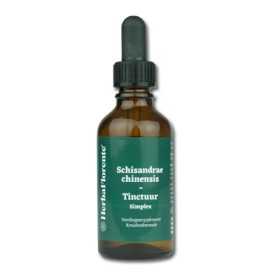
Magnolia Berry Tincture - Schisandrae chinensis Tincture
Single herbal tincture made with dried berries of Schisandrae chinensis (Magnolia Berry).
Schisandra, also known as the schisandra berry (Schisandra chinensis), is a plant that has been used in traditional Chinese herbalism for over 2,000 years. The plant produces dark red berries, of which only the seeds are used. These are traditionally harvested after the first frost and then dried.
The schisandra berry naturally contains various plant compounds, including antioxidants. Due to its unique composition and long history, schisandra is often used in herbal blends and teas for traditional purposes.
Within traditional Chinese culture, schisandra is valued and frequently used in herbal formulas. Today, the berry is also used outside of Asia as an ingredient in various herbal preparations.
Schisandra, also known as the schisandra berry (Schisandra chinensis), is a plant that has been used in traditional Chinese herbalism for over 2,000 years. The plant produces dark red berries, of which only the seeds are used. These are traditionally harvested after the first frost and then dried.
The schisandra berry naturally contains various plant compounds, including antioxidants. Due to its unique composition and long history, schisandra is often used in herbal blends and teas for traditional purposes.
Within traditional Chinese culture, schisandra is valued and frequently used in herbal formulas. Today, the berry is also used outside of Asia as an ingredient in various herbal preparations.
€12.95
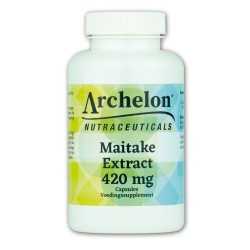
Maitake Extract - 420 mg
Maitake (Grifola frondosa), also known as oak hare, originates in the Far East and plays an important role in Chinese herbalism. This fungus, rich in various bioactive substances, is versatile for various applications. The name "maitake" comes from Japanese and literally means 'dancing mushroom', referring to the joy people experienced when finding it.
In nature, maitake mainly grows as a parasite on the roots or stumps of deciduous trees. For thousands of years, maitake has been valued in traditional Chinese herbalism for its nutritional value. This brown, lush fungus can sometimes weigh up to twenty kilos. With its delicious, aromatic flavor, maitake is a popular fungus in Japanese cuisine.
In nature, maitake mainly grows as a parasite on the roots or stumps of deciduous trees. For thousands of years, maitake has been valued in traditional Chinese herbalism for its nutritional value. This brown, lush fungus can sometimes weigh up to twenty kilos. With its delicious, aromatic flavor, maitake is a popular fungus in Japanese cuisine.
€34.95
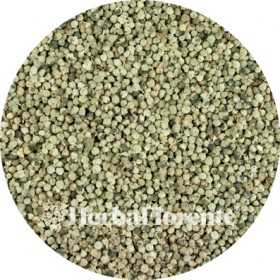
Monk's Pepper - Vitex agnus castus
Chasteberry (Vitex agnus castus L.), also known as chaste tree berries, is a plant native to the Mediterranean region. The name "chasteberry" refers to its historical use by monks, who used the herb for its supposed effects on physical desire.
Today, chasteberry is widely used in herbal products and supplements. The plant's fruits contain various plant compounds, including flavonoids and iridoids, which give the herb its unique properties. Chasteberry is popular in traditional herbalism and is valued for its long history of use.
Today, chasteberry is widely used in herbal products and supplements. The plant's fruits contain various plant compounds, including flavonoids and iridoids, which give the herb its unique properties. Chasteberry is popular in traditional herbalism and is valued for its long history of use.
€2.00
From: €2.00
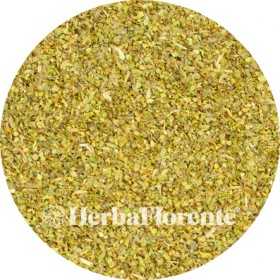
Oregano - Origani vulgaris
Oregano (Origanum vulgare), also known as wild marjoram, is an aromatic herb that has been used for thousands of years in various cuisines and cultures. The herb belongs to the Lamiaceae family, which also includes rosemary, thyme, and mint.
Oregano naturally contains several plant compounds, including carvacrol, which is responsible for its characteristic spicy and slightly bitter flavor. This compound contributes to oregano's distinct aroma.
The most aromatic oregano grows naturally in Mediterranean mountain regions on calcareous soils. Wild oregano blooms in spring, after which it is traditionally harvested. Thanks to its flavor and composition, oregano is widely used in culinary applications and herbal teas.
Oregano naturally contains several plant compounds, including carvacrol, which is responsible for its characteristic spicy and slightly bitter flavor. This compound contributes to oregano's distinct aroma.
The most aromatic oregano grows naturally in Mediterranean mountain regions on calcareous soils. Wild oregano blooms in spring, after which it is traditionally harvested. Thanks to its flavor and composition, oregano is widely used in culinary applications and herbal teas.
€2.80
From: €2.80
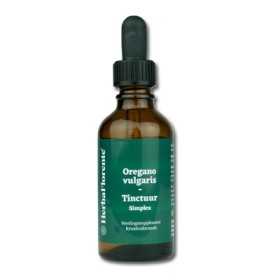
Oregano Tincture - Oregano vulgaris Tincture
Single herbal tincture made with dried herb of Oregano vulgaris (Oregano).
Oregano (Origanum vulgare), also known as wild marjoram, is an aromatic herb that has been used for thousands of years in various cuisines and cultures. The herb belongs to the Lamiaceae family, which also includes rosemary, thyme, and mint.
Oregano naturally contains several plant compounds, including carvacrol, which is responsible for its characteristic spicy and slightly bitter flavor. This compound contributes to oregano's distinct aroma.
The most aromatic oregano grows naturally in Mediterranean mountain regions on calcareous soils. Wild oregano blooms in spring, after which it is traditionally harvested.
Oregano (Origanum vulgare), also known as wild marjoram, is an aromatic herb that has been used for thousands of years in various cuisines and cultures. The herb belongs to the Lamiaceae family, which also includes rosemary, thyme, and mint.
Oregano naturally contains several plant compounds, including carvacrol, which is responsible for its characteristic spicy and slightly bitter flavor. This compound contributes to oregano's distinct aroma.
The most aromatic oregano grows naturally in Mediterranean mountain regions on calcareous soils. Wild oregano blooms in spring, after which it is traditionally harvested.
€10.95
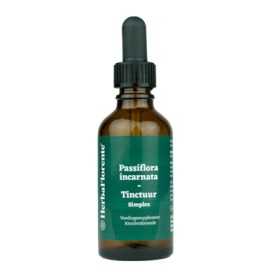
Passion Flower Tincture - Passiflora incarnata Tincture
Single herbal tincture made with dried herb of Passiflora incarnata (Passion Flower).
Passionflower (Passiflora incarnata) is a plant native to Central and North America. Various parts of the plant have long been used in diverse cultures. Today, passionflower is also found in other parts of the world.
The striking flowers of Passiflora incarnata are edible and prized for their distinctive appearance. In autumn, the plant produces fruit, and the leaves are also edible. These leaves naturally contain various plant compounds, including tannins, flavanols, saponins, and choline, as well as minerals such as magnesium.
Passionflower (Passiflora incarnata) is a plant native to Central and North America. Various parts of the plant have long been used in diverse cultures. Today, passionflower is also found in other parts of the world.
The striking flowers of Passiflora incarnata are edible and prized for their distinctive appearance. In autumn, the plant produces fruit, and the leaves are also edible. These leaves naturally contain various plant compounds, including tannins, flavanols, saponins, and choline, as well as minerals such as magnesium.
€11.95
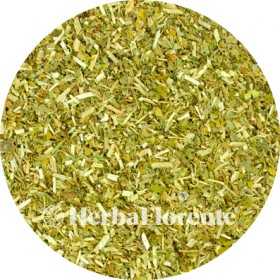
Passionflower - Passiflora incarnata
Passionflower (Passiflora incarnata) is a plant native to Central and North America. Various parts of the plant have long been used in diverse cultures. Today, passionflower is also found in other parts of the world.
The striking flowers of Passiflora incarnata are edible and prized for their distinctive appearance. In autumn, the plant produces fruit, and the leaves are also edible. These leaves naturally contain various plant compounds, including tannins, flavanols, saponins, and choline, as well as minerals such as magnesium.
Passionflower is traditionally used in herbal cultures and is often incorporated into herbal teas and other herbal preparations.
The striking flowers of Passiflora incarnata are edible and prized for their distinctive appearance. In autumn, the plant produces fruit, and the leaves are also edible. These leaves naturally contain various plant compounds, including tannins, flavanols, saponins, and choline, as well as minerals such as magnesium.
Passionflower is traditionally used in herbal cultures and is often incorporated into herbal teas and other herbal preparations.
€2.60
From: €2.60
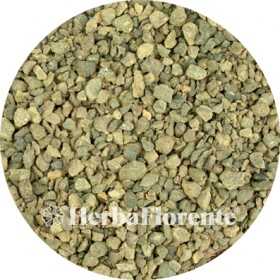
Propolis - Propolis
Propolis is a natural, reddish-brown substance produced by honeybees. Within the hive, bees use propolis as a building and sealing material, among other things, to close openings and strengthen the hive's structure.
Honeybees collect propolis starting in the summer on warm days by gathering resins from the buds and leaves of trees and other plants. These resins are mixed with beeswax and processed with saliva and the bees' legs, creating propolis.
Propolis consists of a combination of plant resins, beeswax, essential oils, and pollen, along with small amounts of vitamins and minerals. The composition can vary depending on the plants in the hive's environment.
Honeybees collect propolis starting in the summer on warm days by gathering resins from the buds and leaves of trees and other plants. These resins are mixed with beeswax and processed with saliva and the bees' legs, creating propolis.
Propolis consists of a combination of plant resins, beeswax, essential oils, and pollen, along with small amounts of vitamins and minerals. The composition can vary depending on the plants in the hive's environment.
€44.00
From: €44.00
Propolis Tincture - Propolis Tincture
Single tincture made with Propolis.
Propolis is a natural, reddish-brown substance produced by honeybees. Within the hive, bees use propolis as a building and sealing material, among other things, to close openings and strengthen the hive's structure.
Honeybees collect propolis starting in the summer on warm days by gathering resins from the buds and leaves of trees and other plants. These resins are mixed with beeswax and processed with saliva and the bees' legs, creating propolis.
Propolis is a natural, reddish-brown substance produced by honeybees. Within the hive, bees use propolis as a building and sealing material, among other things, to close openings and strengthen the hive's structure.
Honeybees collect propolis starting in the summer on warm days by gathering resins from the buds and leaves of trees and other plants. These resins are mixed with beeswax and processed with saliva and the bees' legs, creating propolis.
€20.95
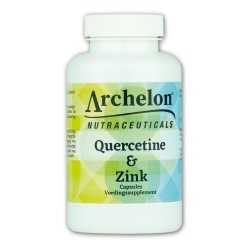
Quercetin & Zinc
Quercetin is a flavonoid (also called a bioflavonoid) that occurs naturally in various plants, fruits, and vegetables. Flavonoids are responsible for the vibrant colors in plants and contribute to various biochemical processes, such as regulating growth and protecting against UV light, oxidation, and heat.
Zinc is available in different forms. Zinc bisglycinate has a very good bioavailability. It is a chelated form of zinc bound to two (bis) molecules of the amino acid glycine which has more benefits for the body. Zinc has a very wide range of action and is involved in many body processes. Zinc is essential for the activity of more than 300 enzymes that have the zinc ion as a cofactor.
Zinc is available in different forms. Zinc bisglycinate has a very good bioavailability. It is a chelated form of zinc bound to two (bis) molecules of the amino acid glycine which has more benefits for the body. Zinc has a very wide range of action and is involved in many body processes. Zinc is essential for the activity of more than 300 enzymes that have the zinc ion as a cofactor.
€34.95
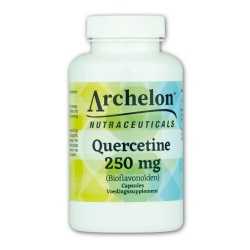
Quercetin - 250 mg
Quercetin is a flavonoid (also called a bioflavonoid) that occurs naturally in various plants, fruits, and vegetables. Flavonoids are responsible for the vibrant colors in plants and contribute to various biochemical processes, such as regulating growth and protecting against UV light, oxidation, and heat.
€27.95
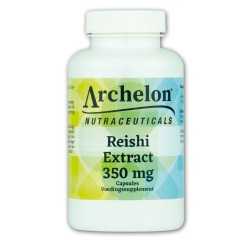
Reishi Extract - 350 mg
Reishi (Ganoderma lucidum) is a mushroom that has been used in Japanese and Chinese herbalism for over two thousand years. Today, reishi is cultivated under controlled conditions in greenhouses, ensuring consistent quality comparable to wild reishi. The mushroom contains various natural compounds, including polysaccharides, triterpenes, peptides, antioxidants, iron, and selenium. Reishi is often used in powders, capsules, and other food products because of this composition.
€34.95
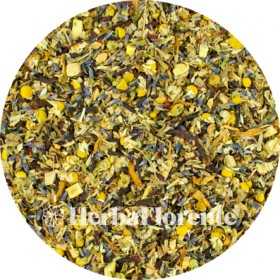
Relax Herbal Tea
Herbal tea composed of various herbs
Nice for a relaxing moment
Nice for a relaxing moment
€3.95
Rose Root - Rhodiola rosea
Out-of-Stock
Rhodiola rosea (Rhodiola rosea), also known as "golden root," is a succulent plant that grows naturally in cold, rocky regions around the world. The plant's roots have a distinctive scent reminiscent of roses.
Rhodiola rosea is traditionally used in various cultures and is incorporated into herbal preparations. The root naturally contains several plant compounds, including rosavin and salidroside. These compounds are part of the root's composition and contribute to the herb's characteristic properties.
Rhodiola rosea can be used in herbal teas and other herbal products and is prized for its natural origins and rich composition.
Rhodiola rosea is traditionally used in various cultures and is incorporated into herbal preparations. The root naturally contains several plant compounds, including rosavin and salidroside. These compounds are part of the root's composition and contribute to the herb's characteristic properties.
Rhodiola rosea can be used in herbal teas and other herbal products and is prized for its natural origins and rich composition.
€20.00
From: €20.00
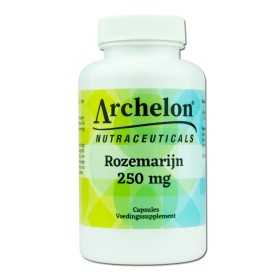
Rosemary - 250 mg
Rosemary (Rosmarinus officinalis L.) is a fragrant, compact shrub from the Lamiaceae family. This versatile herb has been used for centuries in cooking and for various purposes. Native to Mediterranean regions, rosemary blooms in spring with small, lavender-blue flowers.
The name "rosemary" comes from the Latin ros ("dew") and marinus ("sea"), which together mean "dew of the sea." Rosemary contains various natural plant compounds and aromas that contribute to its characteristic scent and flavor. It is used in herb blends, teas, and food products.
The name "rosemary" comes from the Latin ros ("dew") and marinus ("sea"), which together mean "dew of the sea." Rosemary contains various natural plant compounds and aromas that contribute to its characteristic scent and flavor. It is used in herb blends, teas, and food products.
€19.95
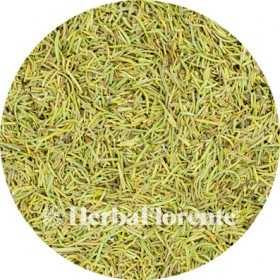
Rosemary - Rosmarini officinalis - Cut
Rosemary (Rosmarinus officinalis L.) is a fragrant, compact shrub from the Lamiaceae family. Native to the Mediterranean region, it is known for its aromatic leaves and lavender-blue flowers that appear in spring.
The name "rosemary" derives from the Latin: ros meaning "dew" and marinus meaning "sea," together meaning "dew of the sea." Rosemary has been prized for centuries in diverse cultures, from the ancient Greeks to the Romans, and is used in culinary dishes and herbal teas.
Rosemary naturally contains plant compounds, including aromatic oils and antioxidants, which contribute to the herb's characteristic aroma and flavor. It is used in a wide variety of dishes, from meat and fish dishes to sauces and marinades, and is also popular in aromatic oils and spice blends.
The name "rosemary" derives from the Latin: ros meaning "dew" and marinus meaning "sea," together meaning "dew of the sea." Rosemary has been prized for centuries in diverse cultures, from the ancient Greeks to the Romans, and is used in culinary dishes and herbal teas.
Rosemary naturally contains plant compounds, including aromatic oils and antioxidants, which contribute to the herb's characteristic aroma and flavor. It is used in a wide variety of dishes, from meat and fish dishes to sauces and marinades, and is also popular in aromatic oils and spice blends.
€2.00
From: €2.00