



Trending
€57.50
€62.50
€35.95
€62.50
€62.50
Lungwort - Pulmonaria officinalis
€5.91 €6.95 -15%
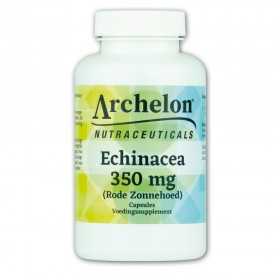
Echinacea (Red Coneflower) - 350 mg
€15.96 €19.95 -20%
Stomach
There are 228 products.
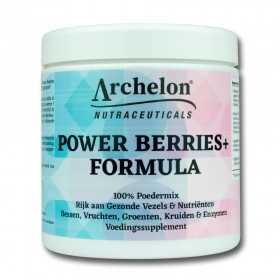
Power Berries+ Formula
Power Berries+ Formula is a carefully formulated powder mix with a broad combination of berries, fruits, vegetables, herbs, vitamins, and enzymes. The formula also contains polyphenols, phytonutrients, and antioxidants and was developed to complement a varied diet and a healthy lifestyle.
The ingredients have been selected with an eye for balance and coherence, making Power Berries+ Formula easy to take and flexible to fit into your daily routine. The powder form makes it easy to mix with water, juice, or smoothies.
Power Berries+ Formula is suitable for vegans and vegetarians, and contains no additives or preservatives.
The ingredients have been selected with an eye for balance and coherence, making Power Berries+ Formula easy to take and flexible to fit into your daily routine. The powder form makes it easy to mix with water, juice, or smoothies.
Power Berries+ Formula is suitable for vegans and vegetarians, and contains no additives or preservatives.
€57.50
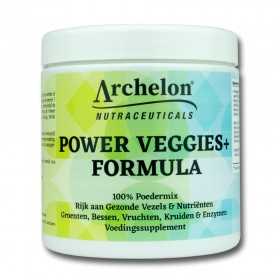
Power Veggies+ Formula
Power Veggies+ Formula is a carefully formulated powder mix containing a combination of vegetables, berries, fruits, herbs, vitamins, and enzymes. The formula also contains polyphenols, phytonutrients, and antioxidants and was developed to complement a varied diet and a healthy lifestyle.
The ingredients have been selected with an eye for balance and coherence, making Power Veggies+ Formula easy to take and flexible to fit into your daily routine. The powder form makes it easy to mix with water, juice, or smoothies.
Power Veggies+ Formula is suitable for vegans and vegetarians, and contains no additives or preservatives.
The ingredients have been selected with an eye for balance and coherence, making Power Veggies+ Formula easy to take and flexible to fit into your daily routine. The powder form makes it easy to mix with water, juice, or smoothies.
Power Veggies+ Formula is suitable for vegans and vegetarians, and contains no additives or preservatives.
€59.50
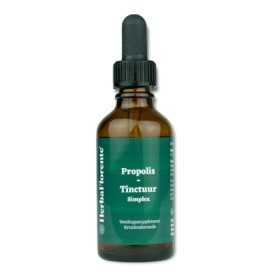
Propolis Tincture - Propolis Tincture
Single tincture made with Propolis.
Propolis is a natural, reddish-brown substance produced by honeybees. Within the hive, bees use propolis as a building and sealing material, among other things, to close openings and strengthen the hive's structure.
Honeybees collect propolis starting in the summer on warm days by gathering resins from the buds and leaves of trees and other plants. These resins are mixed with beeswax and processed with saliva and the bees' legs, creating propolis.
Propolis is a natural, reddish-brown substance produced by honeybees. Within the hive, bees use propolis as a building and sealing material, among other things, to close openings and strengthen the hive's structure.
Honeybees collect propolis starting in the summer on warm days by gathering resins from the buds and leaves of trees and other plants. These resins are mixed with beeswax and processed with saliva and the bees' legs, creating propolis.
€20.95
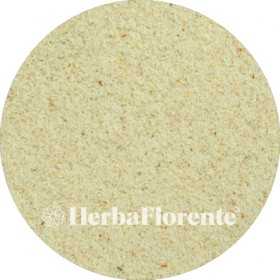
Psyllium husks (Premium Psyllium Fiber) - Psylli flavum Testa
Psyllium husk comes from the seeds of the Plantago psyllium plant. These seeds are largely fiber-rich and are often used as an ingredient in nutritional products and supplements. Psyllium contains both soluble and insoluble fiber.
The seed consists of over 80% fiber, of which approximately 70% is soluble and 30% is insoluble. When psyllium husk comes into contact with water, it forms a gel-like substance that can absorb a significant amount of fluid. Therefore, it is important to drink plenty of water when using psyllium.
Because of these properties, psyllium is often used in products intended to supplement daily fiber intake.
The seed consists of over 80% fiber, of which approximately 70% is soluble and 30% is insoluble. When psyllium husk comes into contact with water, it forms a gel-like substance that can absorb a significant amount of fluid. Therefore, it is important to drink plenty of water when using psyllium.
Because of these properties, psyllium is often used in products intended to supplement daily fiber intake.
€2.80
From: €2.80
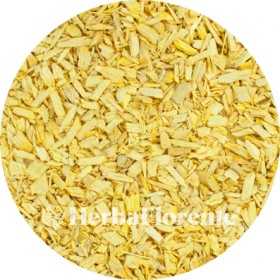
Quassia - Quassiae - Cut
Bitterwood, known in Suriname as kwasibita, is the heartwood of Quassia amara, a plant species in the Quassia genus, belonging to the Simaroubaceae family. The plant is native to tropical South America.
Quassia amara is a small, evergreen shrub found in regions including the Guyanas, northern Brazil, and Venezuela. The plant grows primarily in the rainforest understory. Its striking bright red flowers, which are primarily pollinated by hummingbirds, are a striking feature. Because of these decorative flowers, the plant is also cultivated outside its natural habitat as an ornamental.
Quassia amara is a small, evergreen shrub found in regions including the Guyanas, northern Brazil, and Venezuela. The plant grows primarily in the rainforest understory. Its striking bright red flowers, which are primarily pollinated by hummingbirds, are a striking feature. Because of these decorative flowers, the plant is also cultivated outside its natural habitat as an ornamental.
€2.40
From: €2.40
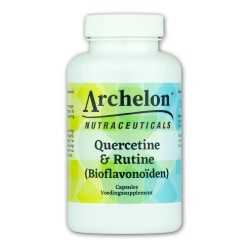
Quercetin & Rutin (Bioflavonoids)
Quercetin is a flavonoid (also called a bioflavonoid) that occurs naturally in various plants, fruits, and vegetables. Flavonoids are responsible for the vibrant colors in plants and contribute to various biochemical processes, such as regulating growth and protecting against UV light, oxidation, and heat.
Rutin is also a flavonoid found in citrus fruits, grapes, apple and pear peels, apricots, raspberries, onions, asparagus, tea, rhubarb, blueberries, and elderberries. Like other flavonoids, rutin contributes to the color and pigmentation of plants and plays a role in their metabolism and protection from environmental influences.
Quercetin and rutin are often studied together because of their presence in many fruits and vegetables and their role as natural plant compounds.
Rutin is also a flavonoid found in citrus fruits, grapes, apple and pear peels, apricots, raspberries, onions, asparagus, tea, rhubarb, blueberries, and elderberries. Like other flavonoids, rutin contributes to the color and pigmentation of plants and plays a role in their metabolism and protection from environmental influences.
Quercetin and rutin are often studied together because of their presence in many fruits and vegetables and their role as natural plant compounds.
€32.95
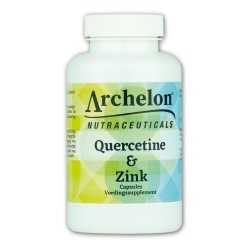
Quercetin & Zinc
Quercetin is a flavonoid (also called a bioflavonoid) that occurs naturally in various plants, fruits, and vegetables. Flavonoids are responsible for the vibrant colors in plants and contribute to various biochemical processes, such as regulating growth and protecting against UV light, oxidation, and heat.
Zinc is available in different forms. Zinc bisglycinate has a very good bioavailability. It is a chelated form of zinc bound to two (bis) molecules of the amino acid glycine which has more benefits for the body. Zinc has a very wide range of action and is involved in many body processes. Zinc is essential for the activity of more than 300 enzymes that have the zinc ion as a cofactor.
Zinc is available in different forms. Zinc bisglycinate has a very good bioavailability. It is a chelated form of zinc bound to two (bis) molecules of the amino acid glycine which has more benefits for the body. Zinc has a very wide range of action and is involved in many body processes. Zinc is essential for the activity of more than 300 enzymes that have the zinc ion as a cofactor.
€34.95
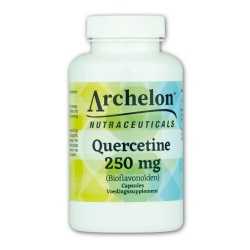
Quercetin - 250 mg
Quercetin is a flavonoid (also called a bioflavonoid) that occurs naturally in various plants, fruits, and vegetables. Flavonoids are responsible for the vibrant colors in plants and contribute to various biochemical processes, such as regulating growth and protecting against UV light, oxidation, and heat.
€27.95
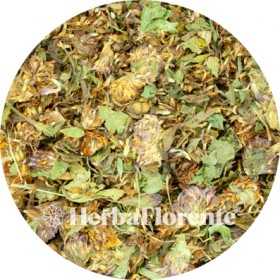
Red Clover (Flower) - Trifolii Rubr. pratense - Whole
Red clover (Trifolium pratense) is a plant native to Europe and Central Asia. It is characterized by its compound leaves, which usually consist of three leaflets, and its light purple flower heads.
Red clover flower heads naturally contain various plant compounds, including isoflavones. Isoflavones belong to the polyphenol group and are part of the plant's natural composition. Red clover also contains vitamins such as vitamin C, B1, B2, B3, beta-carotene, and choline.
Red clover has a long history of use in various cultures and is now incorporated into a variety of herbal preparations, such as teas and other plant products.
Red clover flower heads naturally contain various plant compounds, including isoflavones. Isoflavones belong to the polyphenol group and are part of the plant's natural composition. Red clover also contains vitamins such as vitamin C, B1, B2, B3, beta-carotene, and choline.
Red clover has a long history of use in various cultures and is now incorporated into a variety of herbal preparations, such as teas and other plant products.
€3.60
From: €3.60
Red Clover - Trifolii Rubr. pratense
Red clover (Trifolium pratense) is a plant native to Europe and Central Asia. It is characterized by its compound leaves, which usually consist of three leaflets, and its light purple flower heads.
Red clover flower heads naturally contain various plant compounds, including isoflavones. Isoflavones belong to the polyphenol group and are part of the plant's natural composition. Red clover also contains vitamins such as vitamin C, B1, B2, B3, beta-carotene, and choline.
Red clover has a long history of use in various cultures and is now incorporated into a variety of herbal preparations, such as teas and other plant products.
Red clover flower heads naturally contain various plant compounds, including isoflavones. Isoflavones belong to the polyphenol group and are part of the plant's natural composition. Red clover also contains vitamins such as vitamin C, B1, B2, B3, beta-carotene, and choline.
Red clover has a long history of use in various cultures and is now incorporated into a variety of herbal preparations, such as teas and other plant products.
€4.20
From: €4.20
Ribwort Plantain - Plantaginis lanceolata
Ribwort plantain (Plantago lanceolata) is a native plant found in Europe, parts of Asia, North Africa, and North America. It prefers moist, sandy soil and can be found in grasslands, along roads and railways, and even between paving stones.
Ribwort plantain can reach a height of about 75 centimeters and has long, narrow leaves. Starting in May, the plant blooms with light green flower spikes bearing striking white stamens.
The young leaves contain various natural plant compounds, including mucilage, tannins, bitter substances, and flavonoids, as well as minerals such as potassium and zinc. Ribwort plantain has a long history of traditional and folklore uses and is often considered a common wild plant.
Ribwort plantain can reach a height of about 75 centimeters and has long, narrow leaves. Starting in May, the plant blooms with light green flower spikes bearing striking white stamens.
The young leaves contain various natural plant compounds, including mucilage, tannins, bitter substances, and flavonoids, as well as minerals such as potassium and zinc. Ribwort plantain has a long history of traditional and folklore uses and is often considered a common wild plant.
€2.40
From: €2.40
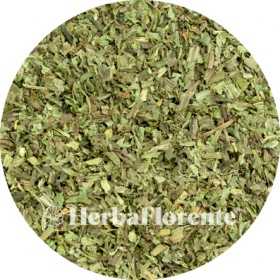
Ribwort Plantain - Plantaginis lanceolata - Cut
Ribwort plantain (Plantago lanceolata) is a native plant found in Europe, parts of Asia, North Africa, and North America. It prefers moist, sandy soil and can be found in grasslands, along roads and railways, and even between paving stones.
Ribwort plantain can reach a height of about 75 centimeters and has long, narrow leaves. Starting in May, the plant blooms with light green flower spikes bearing striking white stamens.
The young leaves contain various natural plant compounds, including mucilage, tannins, bitter substances, and flavonoids, as well as minerals such as potassium and zinc. Ribwort plantain has a long history of traditional and folklore uses and is often considered a common wild plant.
Ribwort plantain can reach a height of about 75 centimeters and has long, narrow leaves. Starting in May, the plant blooms with light green flower spikes bearing striking white stamens.
The young leaves contain various natural plant compounds, including mucilage, tannins, bitter substances, and flavonoids, as well as minerals such as potassium and zinc. Ribwort plantain has a long history of traditional and folklore uses and is often considered a common wild plant.
€2.00
From: €2.00
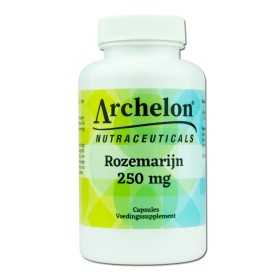
Rosemary - 250 mg
Rosemary (Rosmarinus officinalis L.) is a fragrant, compact shrub from the Lamiaceae family. This versatile herb has been used for centuries in cooking and for various purposes. Native to Mediterranean regions, rosemary blooms in spring with small, lavender-blue flowers.
The name "rosemary" comes from the Latin ros ("dew") and marinus ("sea"), which together mean "dew of the sea." Rosemary contains various natural plant compounds and aromas that contribute to its characteristic scent and flavor. It is used in herb blends, teas, and food products.
The name "rosemary" comes from the Latin ros ("dew") and marinus ("sea"), which together mean "dew of the sea." Rosemary contains various natural plant compounds and aromas that contribute to its characteristic scent and flavor. It is used in herb blends, teas, and food products.
€19.95
Rosemary - Rosmarini officinalis
Rosemary (Rosmarinus officinalis L.) is a fragrant, compact shrub from the Lamiaceae family. Native to the Mediterranean region, it is known for its aromatic leaves and lavender-blue flowers that appear in spring.
The name "rosemary" derives from the Latin: ros meaning "dew" and marinus meaning "sea," together meaning "dew of the sea." Rosemary has been prized for centuries in diverse cultures, from the ancient Greeks to the Romans, and is used in culinary dishes and herbal teas.
Rosemary naturally contains plant compounds, including aromatic oils and antioxidants, which contribute to the herb's characteristic aroma and flavor. It is used in a wide variety of dishes, from meat and fish dishes to sauces and marinades, and is also popular in aromatic oils and spice blends.
The name "rosemary" derives from the Latin: ros meaning "dew" and marinus meaning "sea," together meaning "dew of the sea." Rosemary has been prized for centuries in diverse cultures, from the ancient Greeks to the Romans, and is used in culinary dishes and herbal teas.
Rosemary naturally contains plant compounds, including aromatic oils and antioxidants, which contribute to the herb's characteristic aroma and flavor. It is used in a wide variety of dishes, from meat and fish dishes to sauces and marinades, and is also popular in aromatic oils and spice blends.
€2.00
From: €2.00
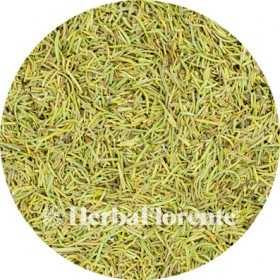
Rosemary - Rosmarini officinalis - Cut
Rosemary (Rosmarinus officinalis L.) is a fragrant, compact shrub from the Lamiaceae family. Native to the Mediterranean region, it is known for its aromatic leaves and lavender-blue flowers that appear in spring.
The name "rosemary" derives from the Latin: ros meaning "dew" and marinus meaning "sea," together meaning "dew of the sea." Rosemary has been prized for centuries in diverse cultures, from the ancient Greeks to the Romans, and is used in culinary dishes and herbal teas.
Rosemary naturally contains plant compounds, including aromatic oils and antioxidants, which contribute to the herb's characteristic aroma and flavor. It is used in a wide variety of dishes, from meat and fish dishes to sauces and marinades, and is also popular in aromatic oils and spice blends.
The name "rosemary" derives from the Latin: ros meaning "dew" and marinus meaning "sea," together meaning "dew of the sea." Rosemary has been prized for centuries in diverse cultures, from the ancient Greeks to the Romans, and is used in culinary dishes and herbal teas.
Rosemary naturally contains plant compounds, including aromatic oils and antioxidants, which contribute to the herb's characteristic aroma and flavor. It is used in a wide variety of dishes, from meat and fish dishes to sauces and marinades, and is also popular in aromatic oils and spice blends.
€2.00
From: €2.00
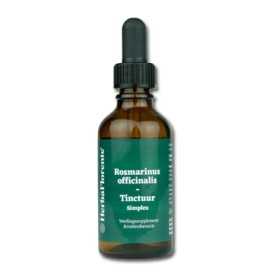
Rosemary Tincture - Rosmarinus officinalis Tincture
Single herbal tincture made with dried leaf of Rosmarinus officinalis (Rosemary).
Rosemary (Rosmarinus officinalis L.) is a fragrant, compact shrub from the Lamiaceae family. Native to the Mediterranean region, it is known for its aromatic leaves and lavender-blue flowers that appear in spring.
The name "rosemary" derives from the Latin: ros meaning "dew" and marinus meaning "sea," together meaning "dew of the sea." Rosemary has been prized for centuries in diverse cultures, from the ancient Greeks to the Romans, and is used in culinary dishes and herbal teas.
Rosemary (Rosmarinus officinalis L.) is a fragrant, compact shrub from the Lamiaceae family. Native to the Mediterranean region, it is known for its aromatic leaves and lavender-blue flowers that appear in spring.
The name "rosemary" derives from the Latin: ros meaning "dew" and marinus meaning "sea," together meaning "dew of the sea." Rosemary has been prized for centuries in diverse cultures, from the ancient Greeks to the Romans, and is used in culinary dishes and herbal teas.
€10.95
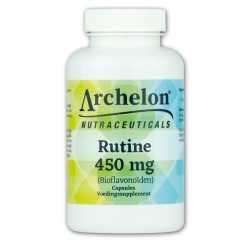
Rutin - 450 mg
Rutin, also known as a flavonoid or bioflavonoid, is a naturally occurring substance in vegetables, fruits, herbs, and plants. It is known for its vibrant pigmentation and can appear in various colors. Rutin plays several important roles in plants, such as regulating growth, protecting against UV radiation, oxidation, and heat, and maintaining the plant's metabolism.
€29.95
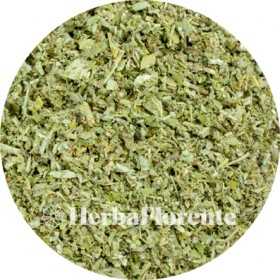
Sage - Salviae officinalis - Cut
Common sage (Salvia officinalis L.) is a well-known herb that has been used for centuries, from China to ancient Rome. Symbolic and magical properties were even attributed to the purple flowers.
Sage belongs to the Lamiaceae family and is prized for its aromatic leaves and characteristic scent. The herb naturally contains various plant compounds, including antioxidants, which contribute to sage's characteristic properties.
Sage is traditionally used in culinary applications, such as sauces, meat dishes, and herbal teas. The leaves can be used fresh or dried and are also popular in aromatic oils and spice blends.
Sage belongs to the Lamiaceae family and is prized for its aromatic leaves and characteristic scent. The herb naturally contains various plant compounds, including antioxidants, which contribute to sage's characteristic properties.
Sage is traditionally used in culinary applications, such as sauces, meat dishes, and herbal teas. The leaves can be used fresh or dried and are also popular in aromatic oils and spice blends.
€2.30
From: €2.30
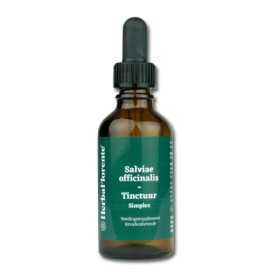
Sage Tincture - Salviae officinalis Tincture
Single herbal tincture made with dried herb of Salviae officinalis (Sage).
Common sage (Salvia officinalis L.) is a well-known herb that has been used for centuries, from China to ancient Rome. Symbolic and magical properties were even attributed to the purple flowers.
Sage belongs to the Lamiaceae family and is prized for its aromatic leaves and characteristic scent. The herb naturally contains various plant compounds, including antioxidants, which contribute to sage's characteristic properties.
Sage is traditionally used in culinary applications, such as sauces, meat dishes, and herbal teas. The leaves can be used fresh or dried and are also popular in aromatic oils and spice blends.
Common sage (Salvia officinalis L.) is a well-known herb that has been used for centuries, from China to ancient Rome. Symbolic and magical properties were even attributed to the purple flowers.
Sage belongs to the Lamiaceae family and is prized for its aromatic leaves and characteristic scent. The herb naturally contains various plant compounds, including antioxidants, which contribute to sage's characteristic properties.
Sage is traditionally used in culinary applications, such as sauces, meat dishes, and herbal teas. The leaves can be used fresh or dried and are also popular in aromatic oils and spice blends.
€11.95
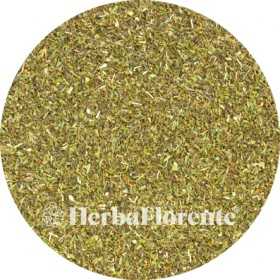
Savory Wort - Satureja hortensis
Savory (Satureja), also known as winter or summer savory, belongs to the Lamiaceae or Labiatae family. The scientific name is derived from the Latin word "satyr."
Historical and Cultural Context
During Roman times, savory was often used in rituals and cultural practices. It was incorporated into wreaths and jewelry and featured in traditional dishes. Historical sources describe it as playing an important role in Roman cuisine.
Culinary Uses
Savory is traditionally used as a seasoning in a variety of dishes. In ancient times, it was used in sauces for fish and meat, stuffings for veal, and in sausages or pork pies. Over the centuries, chefs have developed their own recipes using this aromatic herb.
Historical and Cultural Context
During Roman times, savory was often used in rituals and cultural practices. It was incorporated into wreaths and jewelry and featured in traditional dishes. Historical sources describe it as playing an important role in Roman cuisine.
Culinary Uses
Savory is traditionally used as a seasoning in a variety of dishes. In ancient times, it was used in sauces for fish and meat, stuffings for veal, and in sausages or pork pies. Over the centuries, chefs have developed their own recipes using this aromatic herb.
€2.00
From: €2.00
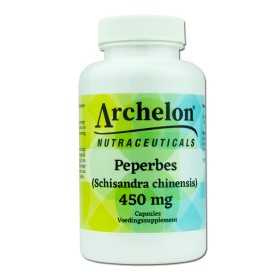
Schisandra chinensis - 450 mg
Schisandra (Schisandra chinensis), also known as the Schisandra berry, is a plant that has been used in traditional Chinese herbal medicine for over 2,000 years. Only the berries and their seeds are harvested, preferably after the first frost, and then dried in the sun. Schisandra berries contain various natural compounds, such as lignans and antioxidants, and are used in supplements, teas, and herbal blends. The berries are dark red and prized for their versatile uses in herbal culture. Our Schisandra product is carefully prepared to preserve the natural composition of the berries and is completely plant-based, suitable for vegetarians and vegans. It can easily be incorporated into a varied diet as part of a daily routine.
€28.95
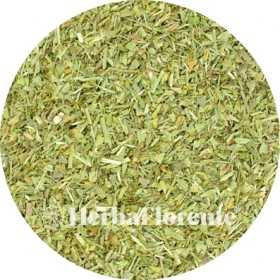
Shepherds Purse - Capsella Bursa postoris
Shepherd's purse (Capsella bursa-pastoris) is a plant in the Brassicaceae family. It is an annual or biennial, upright-growing plant that can reach a height of approximately 5 to 60 centimeters. The plant is winter-hardy and usually has a woody taproot. The sinuously serrated leaves form a rosette around the spindle-shaped root.
Shepherd's purse is common in temperate regions and grows in a variety of locations, such as fields, roadsides, and fallow land. Its distinctive heart-shaped seed pods make the plant easy to identify.
In historical and folklore sources, shepherd's purse is mentioned as part of traditional plant knowledge. The young rosette leaves are also used in culinary dishes. They can be used raw in salads or added to soups and other hot dishes.
Shepherd's purse is common in temperate regions and grows in a variety of locations, such as fields, roadsides, and fallow land. Its distinctive heart-shaped seed pods make the plant easy to identify.
In historical and folklore sources, shepherd's purse is mentioned as part of traditional plant knowledge. The young rosette leaves are also used in culinary dishes. They can be used raw in salads or added to soups and other hot dishes.
€2.00
From: €2.00
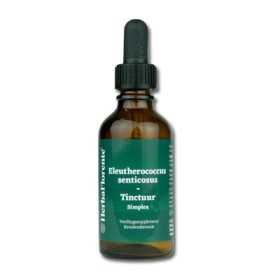
Siberian Ginseng Tincture - Eleutherococcus senticosus Tincture
Single herbal tincture made with dried root of Eleutherococcus senticosus (Siberian ginseng).
Siberian ginseng (Eleutherococcus senticosus) is a shrubby plant native to parts of Russia, China, Korea, and Japan. The plant belongs to the Araliaceae family and is botanically related to, but distinct from, the better-known Panax species such as Korean ginseng (Panax ginseng) and American ginseng (Panax quinquefolius).
The roots of Siberian ginseng have long been mentioned in East Asian and Russian botanical literature. These historical and cultural sources describe the plant as part of traditional practices. This long history of use has also led to Siberian ginseng becoming known beyond its native range.
Siberian ginseng (Eleutherococcus senticosus) is a shrubby plant native to parts of Russia, China, Korea, and Japan. The plant belongs to the Araliaceae family and is botanically related to, but distinct from, the better-known Panax species such as Korean ginseng (Panax ginseng) and American ginseng (Panax quinquefolius).
The roots of Siberian ginseng have long been mentioned in East Asian and Russian botanical literature. These historical and cultural sources describe the plant as part of traditional practices. This long history of use has also led to Siberian ginseng becoming known beyond its native range.
€9.95
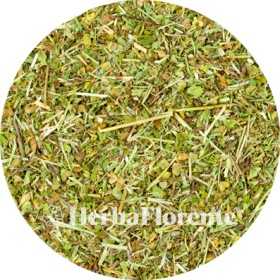
Speedwell - Veronica officinalis
Speedwell (Veronica officinalis) is a perennial plant that forms a dense sward and belongs to the plantain family (Plantaginaceae). This plant occurs naturally in Eurasia.
The plant reaches a height of 10-50 cm and has stems that spread horizontally and then grow upwards. The stems are evenly hairy. The leaves, short-stalked, are elliptical or obovate in shape, with slightly toothed or serrate edges.
Male speedwell blooms from May to August with light blue flowers, which are darkly veined and have a size of 6-8 mm. There are also variants of the plant with dark blue, pink or white flowers. The flowers grow in bunches.
The plant reaches a height of 10-50 cm and has stems that spread horizontally and then grow upwards. The stems are evenly hairy. The leaves, short-stalked, are elliptical or obovate in shape, with slightly toothed or serrate edges.
Male speedwell blooms from May to August with light blue flowers, which are darkly veined and have a size of 6-8 mm. There are also variants of the plant with dark blue, pink or white flowers. The flowers grow in bunches.
€3.80
From: €3.80