



Trending
€57.50
€62.50
€35.95
€62.50
€62.50
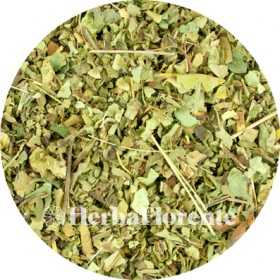
Lungwort - Pulmonaria officinalis
€5.91 €6.95 -15%
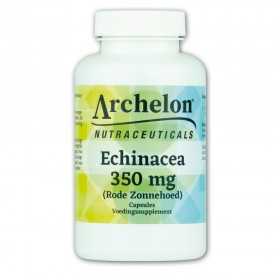
Echinacea (Red Coneflower) - 350 mg
€15.96 €19.95 -20%
Airways
There are 159 products.
Clove - Syzygium aromaticum
Cloves are the dried flower buds of the clove tree (Syzygium aromaticum), an evergreen tree native to the Moluccas. The flower buds are harvested before they fully open and then dried. This drying process gives them their characteristic dark color and intensely aromatic scent.
The spice is characterized by its strong flavor and warm, spicy aroma. These properties are primarily due to the presence of essential oils, of which eugenol is the most important component. Eugenol largely determines the scent and flavor profile of cloves and contributes to the stability of the product.
The spice is characterized by its strong flavor and warm, spicy aroma. These properties are primarily due to the presence of essential oils, of which eugenol is the most important component. Eugenol largely determines the scent and flavor profile of cloves and contributes to the stability of the product.
€3.10
From: €3.10
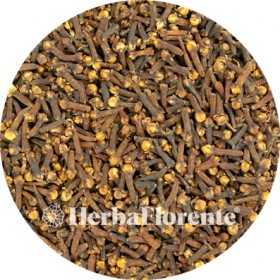
Clove - Syzygium aromaticum - Whole
Cloves are the dried flower buds of the clove tree (Syzygium aromaticum), an evergreen tree native to the Moluccas. The flower buds are harvested before they fully open and then dried. This drying process gives them their characteristic dark color and intensely aromatic scent.
The spice is characterized by its strong flavor and warm, spicy aroma. These properties are primarily due to the presence of essential oils, of which eugenol is the most important component. Eugenol largely determines the scent and flavor profile of cloves and contributes to the stability of the product.
The spice is characterized by its strong flavor and warm, spicy aroma. These properties are primarily due to the presence of essential oils, of which eugenol is the most important component. Eugenol largely determines the scent and flavor profile of cloves and contributes to the stability of the product.
€3.00
From: €3.00
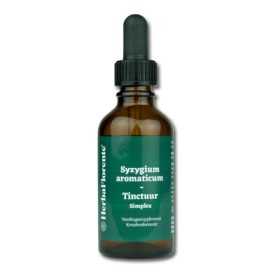
Clove Tincture - Syzygium aromaticum Tincture
Single herbal tincture made with dried flower of Syzygium aromaticum (Clove).
Cloves are the dried flower buds of the clove tree (Syzygium aromaticum), an evergreen tree native to the Moluccas. The flower buds are harvested before they fully open and then dried. This drying process gives them their characteristic dark color and intensely aromatic scent.
The spice is characterized by its strong flavor and warm, spicy aroma. These properties are primarily due to the presence of essential oils, of which eugenol is the most important component. Eugenol largely determines the scent and flavor profile of cloves and contributes to the stability of the product.
Cloves are the dried flower buds of the clove tree (Syzygium aromaticum), an evergreen tree native to the Moluccas. The flower buds are harvested before they fully open and then dried. This drying process gives them their characteristic dark color and intensely aromatic scent.
The spice is characterized by its strong flavor and warm, spicy aroma. These properties are primarily due to the presence of essential oils, of which eugenol is the most important component. Eugenol largely determines the scent and flavor profile of cloves and contributes to the stability of the product.
€10.95
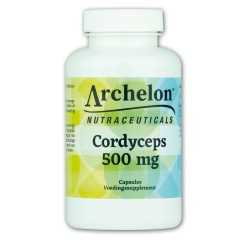
Cordyceps - 500 mg
Cordyceps (Cordyceps sinensis) is a mushroom native to the Far East and belongs to the fungus family. This fungus lives as a parasite on the caterpillars of certain moths, from which the characteristic club-shaped fruiting bodies develop. The name "Cordyceps" is derived from the Latin "cordy" (club) and "ceps" (head), while "sinensis" means "Chinese." In the Netherlands, this mushroom is also known as "caterpillar fungus" or "Chinese caterpillar killer." Cordyceps is offered in nutritional supplements as part of a varied and balanced diet.
€34.95
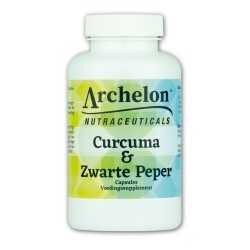
Curcuma 480 mg & Black Pepper 20 mg
Turmeric, also known as yellow root, is a spice native to the tropical regions of India and Southeast Asia. The root powder is widely used in Asian cuisine and is known in the Netherlands as yellow root because of the striking yellow color it can impart to dishes like curry and mustard. Turmeric contains natural pigments and bioactive compounds and is used in nutritional supplements as part of a varied and balanced diet.
€21.95
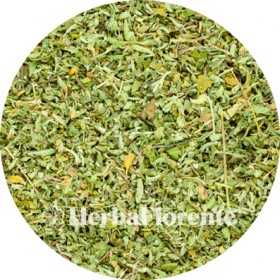
Damiana - Damianae mex. (Turnera diffusa) - Cut
Damiana (Turnera diffusa) is a shrub native to southern Texas, Mexico, Central and South America, and the Caribbean. The plant belongs to the Passifloraceae family and is known for its aromatic leaves.
In Mexico and other parts of Latin America, damiana has been used for centuries in culinary and cultural traditions. The leaves are made into herbal teas and sometimes smoked, among other things. Damiana is also a traditional ingredient in Mexican liqueurs and is sometimes used in cocktails, such as margaritas, where it complements the flavor or replaces part of the liqueur.
Damiana leaves naturally contain various plant compounds, such as beta-sitosterol, arbutin, and various alkaloids.
In Mexico and other parts of Latin America, damiana has been used for centuries in culinary and cultural traditions. The leaves are made into herbal teas and sometimes smoked, among other things. Damiana is also a traditional ingredient in Mexican liqueurs and is sometimes used in cocktails, such as margaritas, where it complements the flavor or replaces part of the liqueur.
Damiana leaves naturally contain various plant compounds, such as beta-sitosterol, arbutin, and various alkaloids.
€4.60
From: €4.60
Damiana - Damianae mex. (Turnera diffusa) - Grounded
Damiana (Turnera diffusa) is a shrub native to southern Texas, Mexico, Central and South America, and the Caribbean. The plant belongs to the Passifloraceae family and is known for its aromatic leaves.
In Mexico and other parts of Latin America, damiana has been used for centuries in culinary and cultural traditions. The leaves are made into herbal teas and sometimes smoked, among other things. Damiana is also a traditional ingredient in Mexican liqueurs and is sometimes used in cocktails, such as margaritas, where it complements the flavor or replaces part of the liqueur.
Damiana leaves naturally contain various plant compounds, such as beta-sitosterol, arbutin, and various alkaloids.
In Mexico and other parts of Latin America, damiana has been used for centuries in culinary and cultural traditions. The leaves are made into herbal teas and sometimes smoked, among other things. Damiana is also a traditional ingredient in Mexican liqueurs and is sometimes used in cocktails, such as margaritas, where it complements the flavor or replaces part of the liqueur.
Damiana leaves naturally contain various plant compounds, such as beta-sitosterol, arbutin, and various alkaloids.
€4.40
From: €4.40
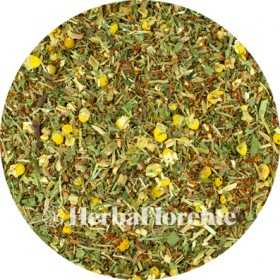
Early Morning Herbal Tea
Herbal tea composed of various herbs
Nice for early morning
Nice for early morning
€3.95
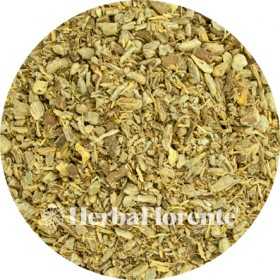
Echinacea (Coneflower) (Root) - Echinaceae purp.
The purple coneflower (Echinacea purpurea) is a perennial plant belonging to the Asteraceae family. The genus name Echinacea is derived from the Greek word echinos, meaning "hedgehog," and refers to the spiky flower cone that characterizes this plant.
Echinacea purpurea is native to North America and is now cultivated worldwide. The plant has striking purplish-pink flowers and is valued for its ornamental appearance and botanical properties. Since the early twentieth century, there has been considerable interest in this species in Europe, leading to extensive botanical and historical research.
Echinacea purpurea is native to North America and is now cultivated worldwide. The plant has striking purplish-pink flowers and is valued for its ornamental appearance and botanical properties. Since the early twentieth century, there has been considerable interest in this species in Europe, leading to extensive botanical and historical research.
€3.00
From: €3.00
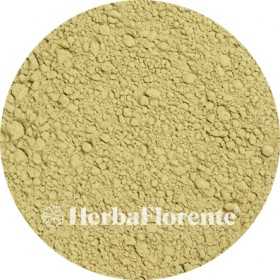
Echinacea (Coneflower) - Echinaceae purp.
The purple coneflower (Echinacea purpurea) is a perennial plant belonging to the Asteraceae family. The genus name Echinacea is derived from the Greek word echinos, meaning "hedgehog," and refers to the spiky flower cone that characterizes this plant.
Echinacea purpurea is native to North America and is now cultivated worldwide. The plant has striking purplish-pink flowers and is valued for its ornamental appearance and botanical properties. Since the early twentieth century, there has been considerable interest in this species in Europe, leading to extensive botanical and historical research.
Echinacea purpurea is native to North America and is now cultivated worldwide. The plant has striking purplish-pink flowers and is valued for its ornamental appearance and botanical properties. Since the early twentieth century, there has been considerable interest in this species in Europe, leading to extensive botanical and historical research.
€4.00
From: €4.00
Echinacea (Red Coneflower) - 350 mg
Purple coneflower is a perennial plant native to North America and cultivated worldwide. The Latin name Echinacea refers to the Greek word echinos, meaning "hedgehog," because of its spiky flower cone. Indigenous tribes used the plant traditionally, and knowledge about it was later adopted by colonists. Today, Echinacea purpurea is often used in supplements and herbal preparations.
€15.96
€19.95
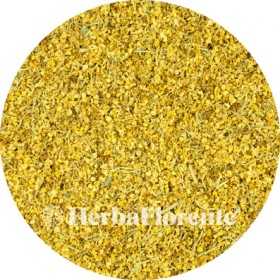
Elder - Sambuci nigri
The elderberry (Sambucus nigra L.) is a native tree or shrub that grows widely in the Netherlands. It grows in a variety of locations, such as along roads, in forest edges, and in gardens.
At the end of May, the elderberry blooms with large umbels of small, creamy-white flowers that exude a sweet, floral fragrance. These blossoms are traditionally used to make elderflower liqueur, syrup, and pancakes, among other things.
The flowers contain various natural plant compounds, including flavonoids such as rutin, quercetin, and astragalin. They also contain tannins, triterpenes, fatty acids, and essential oils.
At the end of May, the elderberry blooms with large umbels of small, creamy-white flowers that exude a sweet, floral fragrance. These blossoms are traditionally used to make elderflower liqueur, syrup, and pancakes, among other things.
The flowers contain various natural plant compounds, including flavonoids such as rutin, quercetin, and astragalin. They also contain tannins, triterpenes, fatty acids, and essential oils.
€3.60
From: €3.60
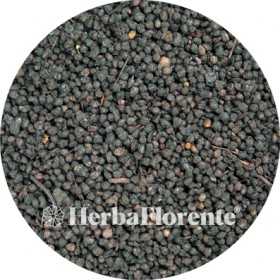
Elder - Sambuci nigri
The elderberry (Sambucus nigra L.) is a native tree or shrub that grows widely in the Netherlands. It grows in a variety of locations, such as along roads, in forest edges, and in gardens.
At the end of May, the elderberry blooms with large umbels of small, creamy-white flowers that exude a sweet, floral fragrance. These blossoms are traditionally used to make elderflower liqueur, syrup, and pancakes, among other things.
The flowers contain various natural plant compounds, including flavonoids such as rutin, quercetin, and astragalin. They also contain tannins, triterpenes, fatty acids, and essential oils.
At the end of May, the elderberry blooms with large umbels of small, creamy-white flowers that exude a sweet, floral fragrance. These blossoms are traditionally used to make elderflower liqueur, syrup, and pancakes, among other things.
The flowers contain various natural plant compounds, including flavonoids such as rutin, quercetin, and astragalin. They also contain tannins, triterpenes, fatty acids, and essential oils.
€3.00
From: €3.00
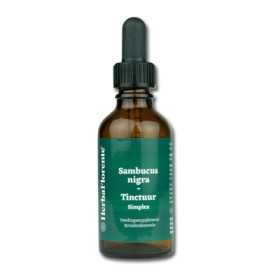
Elderberry Tincture - Sambucus nigra Tincture
Single herbal tincture made with dried blossom herb of Sambucus nigra (elderberry).
The elderberry (Sambucus nigra L.) is a native tree or shrub that grows widely in the Netherlands. It grows in a variety of locations, such as along roads, in forest edges, and in gardens.
At the end of May, the elderberry blooms with large umbels of small, creamy-white flowers that exude a sweet, floral fragrance. These blossoms are traditionally used to make elderflower liqueur, syrup, and pancakes, among other things.
The flowers contain various natural plant compounds, including flavonoids such as rutin, quercetin, and astragalin. They also contain tannins, triterpenes, fatty acids, and essential oils.
The elderberry (Sambucus nigra L.) is a native tree or shrub that grows widely in the Netherlands. It grows in a variety of locations, such as along roads, in forest edges, and in gardens.
At the end of May, the elderberry blooms with large umbels of small, creamy-white flowers that exude a sweet, floral fragrance. These blossoms are traditionally used to make elderflower liqueur, syrup, and pancakes, among other things.
The flowers contain various natural plant compounds, including flavonoids such as rutin, quercetin, and astragalin. They also contain tannins, triterpenes, fatty acids, and essential oils.
€10.95
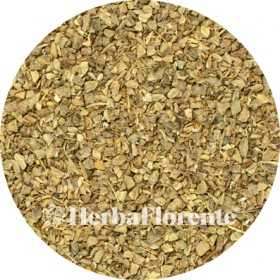
Elecampane - Inula helenium
The Elecampane (Inula helenium) is a perennial plant that belongs to the composite family (Compositae or Asteraceae). This plant is naturally found in Western and Central Asia and has been known for its culinary and medicinal uses since ancient times.
The ancient Greeks called the plant helenion, which means "the radiant, the splendid." This name is related to hèlios, which means "sun". There are several myths surrounding the naming. The Romans adopted the Greek name and called the plant inula. When Linnaeus introduced the scientific Latin name Inula helenium in 1753, he combined the Roman genus name with the Greek specific name.
The ancient Greeks called the plant helenion, which means "the radiant, the splendid." This name is related to hèlios, which means "sun". There are several myths surrounding the naming. The Romans adopted the Greek name and called the plant inula. When Linnaeus introduced the scientific Latin name Inula helenium in 1753, he combined the Roman genus name with the Greek specific name.
€2.20
From: €2.20
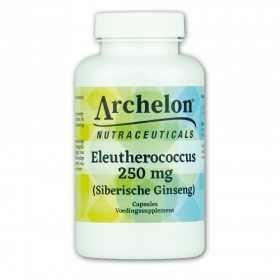
Eleutherococcus (Siberian Ginseng) - 250 mg
Siberian ginseng is a perennial plant native to Russia, Japan, Korea, and China. The roots of the plant have been used in traditional herbal medicine for centuries. Siberian ginseng is often used in supplements and herbal preparations. It is important not to confuse this species with Korean ginseng (Panax ginseng) or American ginseng (Panax quinquefolius), as they are different plants.
€14.36
€17.95
Eleutherococcus (Siberian Ginseng) - Eleutherococcus
Siberian ginseng (Eleutherococcus senticosus) is a shrubby plant native to parts of Russia, China, Korea, and Japan. The plant belongs to the Araliaceae family and is botanically related to, but distinct from, the better-known Panax species such as Korean ginseng (Panax ginseng) and American ginseng (Panax quinquefolius).
The roots of Siberian ginseng have long been mentioned in East Asian and Russian botanical literature. These historical and cultural sources describe the plant as part of traditional practices. This long history of use has also led to Siberian ginseng becoming known beyond its native range.
The roots of Siberian ginseng have long been mentioned in East Asian and Russian botanical literature. These historical and cultural sources describe the plant as part of traditional practices. This long history of use has also led to Siberian ginseng becoming known beyond its native range.
€2.80
From: €2.80
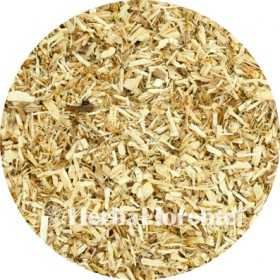
Elm - Ulmi camp. - Cut
The elm (Ulmus), also known as olm, is a genus of deciduous trees. These trees have feather-veined leaves with a serrate or double-serrate leaf edge. They bloom before the leaves appear, with small green perianths whose petals are fused together. Above the perianths are the stamens with purple anthers and the pistil. The seeds of the elm are flattened and have a broad, winged edge. Elms thrive best in fairly nutrient-rich, moist and calcareous soil.
€2.00
From: €2.00
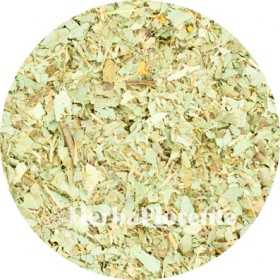
Eucalyptus - Eucalypti globulus
Eucalyptus belongs to the myrtle family (Myrtaceae) and is native to Australia and adjacent areas. A few specimens were brought to Europe by Joseph Banks during Captain Cook's expedition.
In Europe, eucalyptus is primarily planted in the Mediterranean region. Some species can also grow on the west coast of England and Scotland, although only a few are winter-hardy.
Early oil is extracted from the leaves of several eucalyptus species. The best-known species for this purpose are Eucalyptus globulus and Eucalyptus odorata.
In Europe, eucalyptus is primarily planted in the Mediterranean region. Some species can also grow on the west coast of England and Scotland, although only a few are winter-hardy.
Early oil is extracted from the leaves of several eucalyptus species. The best-known species for this purpose are Eucalyptus globulus and Eucalyptus odorata.
€2.40
From: €2.40
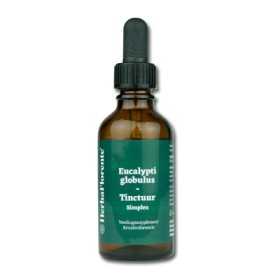
Eucalyptus Tincture - Eucalypti globulus Tincture
Single herbal tincture made with dried leaf of Eucalypti globulus (Eucalyptus).
Eucalyptus belongs to the myrtle family (Myrtaceae) and is native to Australia and adjacent areas. A few specimens were brought to Europe by Joseph Banks during Captain Cook's expedition.
In Europe, eucalyptus is primarily planted in the Mediterranean region. Some species can also grow on the west coast of England and Scotland, although only a few are winter-hardy.
Early oil is extracted from the leaves of several eucalyptus species. The best-known species for this purpose are Eucalyptus globulus and Eucalyptus odorata.
Eucalyptus belongs to the myrtle family (Myrtaceae) and is native to Australia and adjacent areas. A few specimens were brought to Europe by Joseph Banks during Captain Cook's expedition.
In Europe, eucalyptus is primarily planted in the Mediterranean region. Some species can also grow on the west coast of England and Scotland, although only a few are winter-hardy.
Early oil is extracted from the leaves of several eucalyptus species. The best-known species for this purpose are Eucalyptus globulus and Eucalyptus odorata.
€10.95
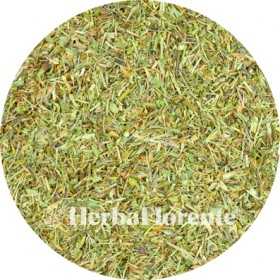
Eyebright - Euphrasia officinalis
The Eyebright (Euphrasia officinalis) belongs to the broomrape family (Orobanchaceae) and mainly thrives in France, with the exception of the Mediterranean region. This plant can also be found in other parts of Europe, such as Germany, Austria and Scotland.
The Eyebright is an annual plant that usually grows between 10 and 25 cm high and is covered with numerous long glandular hairs. From May to September the plant blooms with white flowers that often have a light purple upper lip and a yellow spot on the lower lip.
The Eyebright is an annual plant that usually grows between 10 and 25 cm high and is covered with numerous long glandular hairs. From May to September the plant blooms with white flowers that often have a light purple upper lip and a yellow spot on the lower lip.
€5.00
From: €5.00
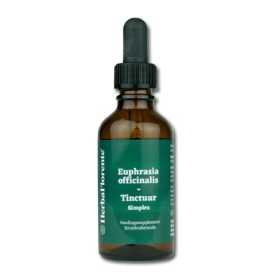
Eyebright Tincture - Euphrasia officinalis Tincture
Single herbal tincture made with dried herb of Euphrasia officinalis (Eyebright).
The Eyebright (Euphrasia officinalis) belongs to the broomrape family (Orobanchaceae) and mainly thrives in France, with the exception of the Mediterranean region. This plant can also be found in other parts of Europe, such as Germany, Austria and Scotland.
The Eyebright is an annual plant that usually grows between 10 and 25 cm high and is covered with numerous long glandular hairs. From May to September the plant blooms with white flowers that often have a light purple upper lip and a yellow spot on the lower lip.
The Eyebright (Euphrasia officinalis) belongs to the broomrape family (Orobanchaceae) and mainly thrives in France, with the exception of the Mediterranean region. This plant can also be found in other parts of Europe, such as Germany, Austria and Scotland.
The Eyebright is an annual plant that usually grows between 10 and 25 cm high and is covered with numerous long glandular hairs. From May to September the plant blooms with white flowers that often have a light purple upper lip and a yellow spot on the lower lip.
€10.95
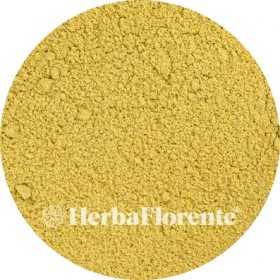
Fennel - Foeniculum vulgare - Grounded
Fennel (Foeniculum vulgare) is a plant that belongs to the Apiaceae family. The plant has a characteristic, anise-like flavor. Both the thread-like leaves and the seeds are used as herbs and spices in various cuisines.
Fennel originates from Asia and the Mediterranean and was introduced to Europe via medieval trade routes. Fennel is particularly widely cultivated in Southern Europe, where it is frequently used in salads and cooked dishes.
Fennel seed has a long history of traditional use. In the past, chewing fennel seeds was part of certain customs and rituals, including religious traditions.
Fennel originates from Asia and the Mediterranean and was introduced to Europe via medieval trade routes. Fennel is particularly widely cultivated in Southern Europe, where it is frequently used in salads and cooked dishes.
Fennel seed has a long history of traditional use. In the past, chewing fennel seeds was part of certain customs and rituals, including religious traditions.
€2.60
From: €2.60
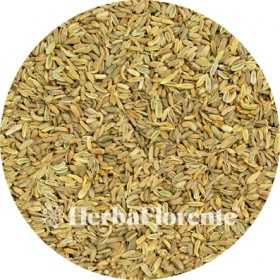
Fennel - Foeniculum vulgare - Whole
Fennel (Foeniculum vulgare) is a plant that belongs to the Apiaceae family. The plant has a characteristic, anise-like flavor. Both the thread-like leaves and the seeds are used as herbs and spices in various cuisines.
Fennel originates from Asia and the Mediterranean and was introduced to Europe via medieval trade routes. Fennel is particularly widely cultivated in Southern Europe, where it is frequently used in salads and cooked dishes.
Fennel seed has a long history of traditional use. In the past, chewing fennel seeds was part of certain customs and rituals, including religious traditions.
Fennel seeds are used in a variety of applications, such as spice blends, teas, and aromatic extracts. Fennel oil, which is used for its characteristic aroma, can also be extracted from the seeds.
Fennel originates from Asia and the Mediterranean and was introduced to Europe via medieval trade routes. Fennel is particularly widely cultivated in Southern Europe, where it is frequently used in salads and cooked dishes.
Fennel seed has a long history of traditional use. In the past, chewing fennel seeds was part of certain customs and rituals, including religious traditions.
Fennel seeds are used in a variety of applications, such as spice blends, teas, and aromatic extracts. Fennel oil, which is used for its characteristic aroma, can also be extracted from the seeds.
€2.00
From: €2.00