



Trending
€57.50
€62.50

€35.95
€62.50
€62.50
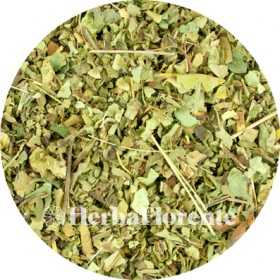
Lungwort - Pulmonaria officinalis
€5.91 €6.95 -15%
Echinacea (Red Coneflower) - 350 mg
€15.96 €19.95 -20%
Latest Blog


Best sellers
There are 368 products.
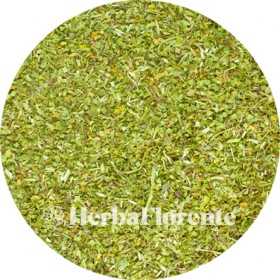
American Skullcap - Scutellaria lateriflora
Skullcap (Scutellaria) is a versatile genus of both annual and perennial plants, belonging to the Lamiaceae family. The genus includes about two hundred species, all of which are characterized by their characteristic, calyx-shaped flowers. These flowers are distinguished by clearly visible upper and lower lips. The name "Scutellaria" is derived from the Latin word "scutella", which means "small shield" or "saucer", and refers to the shape of the calyx.
€6.25
From: €6.25
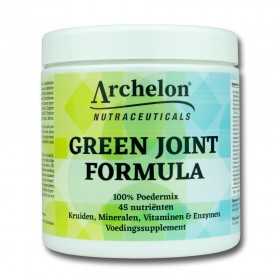
Green Joint Formula
Green Joint Formula is a carefully formulated powder mix containing 45 nutrients, including herbs, vitamins, minerals, enzymes, and the patented Peptan® collagen. The formula was developed to complement a varied diet and a healthy lifestyle.
The ingredients were selected with an eye for balance and coherence, making Green Joint Formula easy to integrate into your daily routine. The powder form makes it flexible and suitable for people with an active lifestyle.
Green Joint Formula is intended for anyone who values a complete, plant-based formula without unnecessary additives.
The ingredients were selected with an eye for balance and coherence, making Green Joint Formula easy to integrate into your daily routine. The powder form makes it flexible and suitable for people with an active lifestyle.
Green Joint Formula is intended for anyone who values a complete, plant-based formula without unnecessary additives.
€72.50
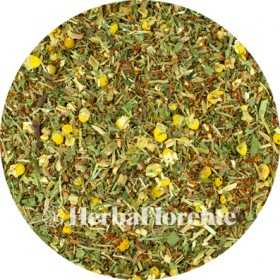
Early Morning Herbal Tea
Herbal tea composed of various herbs
Nice for early morning
Nice for early morning
€3.95
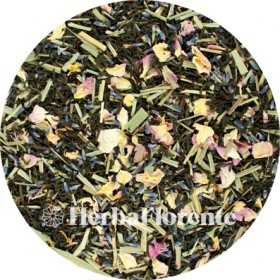
Black Tea - Flowers Herbal Tea
Herbal tea composed of various herbs
Delicious for every moment
Delicious for every moment
€3.95
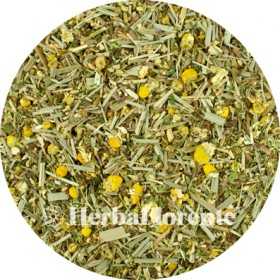
Stomach Herbal Tea
Herbal tea composed of various herbs
€3.95
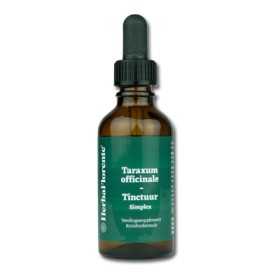
Dandelion Tincture - Taraxum officinale Tincture
Single herbal tincture made with dried herb & root of Taraxum officinale (Dandelion).
Dandelion (Taraxacum officinale) is a plant that has been used for centuries in various cultures. Both the root and the aerial parts of the plant are used and are known for their versatile uses.
The young leaves of the dandelion are traditionally used in dishes such as salads, especially in spring. The yellow flowers can be used as decoration and are also suitable for drying and making into herbal tea.
Dandelion (Taraxacum officinale) is a plant that has been used for centuries in various cultures. Both the root and the aerial parts of the plant are used and are known for their versatile uses.
The young leaves of the dandelion are traditionally used in dishes such as salads, especially in spring. The yellow flowers can be used as decoration and are also suitable for drying and making into herbal tea.
€9.95
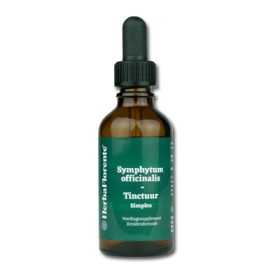
Comfrey Tincture - Symphytum officinalis Tincture
Single herbal tincture made with dried root of Symphytum officinalis (Comfrey).
Common comfrey (Symphytum officinale) is common in the Netherlands and Belgium. It belongs to the Boraginaceae family, a genus of primarily perennial herbs. The flowers have a calyx that is quarter- or completely incised, while the leaves are oblong to lance-shaped and spread out along the stem.
Traditionally, comfrey was used in folk medicine to make ointments, poultices, and compresses.
Common comfrey (Symphytum officinale) is common in the Netherlands and Belgium. It belongs to the Boraginaceae family, a genus of primarily perennial herbs. The flowers have a calyx that is quarter- or completely incised, while the leaves are oblong to lance-shaped and spread out along the stem.
Traditionally, comfrey was used in folk medicine to make ointments, poultices, and compresses.
€12.95
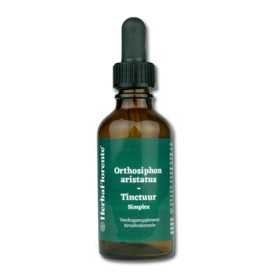
Cat's whiskers Tincture - Orthosiphon aristatus Tincture
Single herbal tincture made with dried herb of Orthosiphon aristatus (Cat's whiskers).
Cat's whiskers, also known as Kumis Kutjing, is a plant traditionally used in various Asian herbal traditions. The species belongs to the Lamiaceae family and is native to tropical and subtropical regions, particularly Southeast Asia, including Malaysia and Java.
The plant prefers moist habitats, such as wetlands, riverbanks, and swampy areas. Cat's whiskers is most recognizable by its white to pale lilac flowers with strikingly long, thread-like stamens that can grow up to approximately three centimeters long. These characteristics have led to the Dutch name "kattensnor" (cat's whiskers).
Cat's whiskers, also known as Kumis Kutjing, is a plant traditionally used in various Asian herbal traditions. The species belongs to the Lamiaceae family and is native to tropical and subtropical regions, particularly Southeast Asia, including Malaysia and Java.
The plant prefers moist habitats, such as wetlands, riverbanks, and swampy areas. Cat's whiskers is most recognizable by its white to pale lilac flowers with strikingly long, thread-like stamens that can grow up to approximately three centimeters long. These characteristics have led to the Dutch name "kattensnor" (cat's whiskers).
€10.95
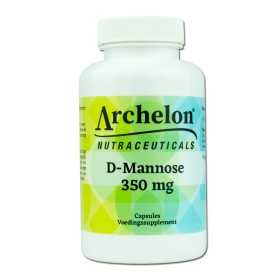
D-Mannose - 350mg
D-mannose is a simple sugar (monosaccharide) structurally related to glucose. In dietary supplements, D-mannose is often combined with cranberry extract as part of a varied and balanced diet.
€21.95
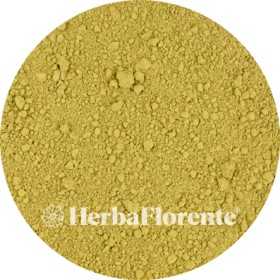
Kumis Kutjing - Cat's whiskers - Orthosiphon aristatus
Cat's whiskers (Orthosiphon aristatus), also known as Kumis Kutjing, is a plant traditionally used in various Asian herbal traditions. The species belongs to the Lamiaceae family and is native to tropical and subtropical regions, particularly Southeast Asia, including Malaysia and Java.
The plant prefers moist habitats, such as wetlands, riverbanks, and swampy areas. Cat's whiskers are particularly recognizable by their white to pale lilac flowers with conspicuously long, thread-like stamens that can grow up to approximately three centimeters long. These characteristics have led to the Dutch name "kattensnor" (cat's whiskers).
The plant prefers moist habitats, such as wetlands, riverbanks, and swampy areas. Cat's whiskers are particularly recognizable by their white to pale lilac flowers with conspicuously long, thread-like stamens that can grow up to approximately three centimeters long. These characteristics have led to the Dutch name "kattensnor" (cat's whiskers).
€2.30
From: €2.30
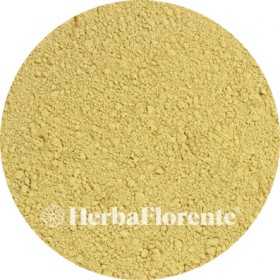
Licorice - Glycyrrhiza glabra, Liquiritiae
Licorice (Glycyrrhiza glabra) is a versatile herb that has been used for centuries in various traditions, including Ayurvedic culture. The plant is cultivated in various parts of the world, such as Europe, Asia, and the Middle East, and can also grow in the Netherlands. The roots take three to four years to mature before they can be harvested.
Besides the roots, licorice leaves are also used, for example, in making tea. Licorice is known for its characteristic sweet flavor, which is due in part to the natural substance glycyrrhizin. It is widely used in foods and herbal preparations.
Besides the roots, licorice leaves are also used, for example, in making tea. Licorice is known for its characteristic sweet flavor, which is due in part to the natural substance glycyrrhizin. It is widely used in foods and herbal preparations.
€2.40
From: €2.40
Vlezige Hokjespeul (Astragalus) - Astragalus chinensis membranus
Astragalus, also known as fleshy box pod (Astragalus membranaceus), is a plant native to Asia. The root of the plant has been used in traditional Chinese culture for thousands of years.
Astragalus holds an important place in this tradition and is associated with the concept of "qi," which represents life energy. Astragalus is used in a variety of applications, such as herbal teas, powders, and other herbal preparations.
The root contains various natural plant compounds and is valued for its long history of traditional use.
Astragalus holds an important place in this tradition and is associated with the concept of "qi," which represents life energy. Astragalus is used in a variety of applications, such as herbal teas, powders, and other herbal preparations.
The root contains various natural plant compounds and is valued for its long history of traditional use.
€2.90
From: €2.90
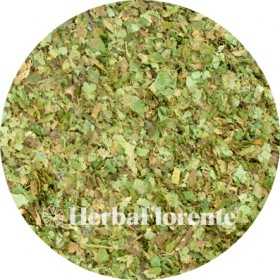
Witch Hazel (Leaf) - Hamamelis virginiana
The American witch hazel (Hamamelis virginiana) is a shrub belonging to the family Hamamelidaceae, native to North America from Nova Scotia to Minnesota, and from southern and central Florida to eastern Texas.
The shrub can reach a height of 6 to sometimes even 10 meters, with a bushy growth thanks to the many branches that arise just above the ground. The bark is light brown, smooth but somewhat flaky, and shows a reddish-purple color on the inside.
Blooming from September through October, the flowers of the American witch hazel display clusters of 4 stamens. They usually range from pale yellow to bright yellow, although orange or red hues also occur. The petals are ribbon-shaped and measure 10-20 mm in length.
The shrub can reach a height of 6 to sometimes even 10 meters, with a bushy growth thanks to the many branches that arise just above the ground. The bark is light brown, smooth but somewhat flaky, and shows a reddish-purple color on the inside.
Blooming from September through October, the flowers of the American witch hazel display clusters of 4 stamens. They usually range from pale yellow to bright yellow, although orange or red hues also occur. The petals are ribbon-shaped and measure 10-20 mm in length.
€5.00
From: €5.00
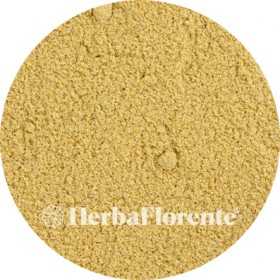
Coriander - Coriandrum sativum
Coriander seeds have been used for thousands of years in various cultures and cuisines worldwide. Traditionally, the seeds are part of spice blends and are prized for their warm, slightly citrusy, and spicy aroma. This long-standing use has led to coriander seeds holding a permanent place in both culinary and traditional herbal practices to this day.
Coriander (Coriandrum sativum) is a versatile plant, with both the leaves and seeds used. The seeds are distinguished by their specific composition and concentrated aromatic compounds. They naturally contain various vitamins and minerals, including vitamins A, C, and K, folic acid, and minerals such as iron, manganese, potassium, magnesium, and calcium.
Coriander (Coriandrum sativum) is a versatile plant, with both the leaves and seeds used. The seeds are distinguished by their specific composition and concentrated aromatic compounds. They naturally contain various vitamins and minerals, including vitamins A, C, and K, folic acid, and minerals such as iron, manganese, potassium, magnesium, and calcium.
€2.00
From: €2.00
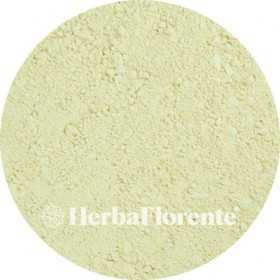
Garlic - Allium sativi
Garlic (Allium sativum) belongs to the Alliaceae family and is one of the oldest cultivated plants in the world. The plant develops a leafy, round flower shaft from the bulb in spring. Garlic is prized worldwide for both its characteristic flavor and distinct aroma.
The use of garlic has a long history in various cultures. Since ancient times, the plant has been part of traditional cuisines and herbal lore. Its intense aroma makes garlic a common ingredient in a wide variety of dishes.
The use of garlic has a long history in various cultures. Since ancient times, the plant has been part of traditional cuisines and herbal lore. Its intense aroma makes garlic a common ingredient in a wide variety of dishes.
€2.00
From: €2.00
Cat's Claw - Uncaria tomentosa
Cat's claw (Uncaria tomentosa), also known as cat's claw, is a climbing plant native to the Amazon region of Brazil and Peru, among other places. The plant grows in rainforests and can cling to trees with its characteristic, claw-shaped thorns. These thorns, located at the base of the leaves, give the plant its name and enable it to climb to great heights.
In the Peruvian Amazon, cat's claw has special cultural significance and is considered part of traditional plant knowledge. Due to its origins and ecological importance, the species is a protected plant in certain regions.
In the Peruvian Amazon, cat's claw has special cultural significance and is considered part of traditional plant knowledge. Due to its origins and ecological importance, the species is a protected plant in certain regions.
€2.60
From: €2.60
Cinnamon - Cinnamomi ceylon
Cinnamon (Cinnamomum ceylon) is an ancient spice extracted from the bark of the cinnamon tree. A section of the bark is carefully cut away, after which the rough outer layer is removed. The familiar cinnamon sticks or cinnamon powder are created from the inner layer of the bark. Cinnamon has been valued for centuries for its culinary and cultural uses.
In Asian and other cultures, cinnamon is traditionally used for various purposes, with its delightful aroma playing a significant role. This aroma is primarily determined by the volatile oil cinnamaldehyde. Cinnamon also naturally contains substances such as eugenol, coumarins, tannins, OPCs, and terpenes.
In Asian and other cultures, cinnamon is traditionally used for various purposes, with its delightful aroma playing a significant role. This aroma is primarily determined by the volatile oil cinnamaldehyde. Cinnamon also naturally contains substances such as eugenol, coumarins, tannins, OPCs, and terpenes.
€2.95
From: €2.95
Echinacea (Coneflower) - Echinaceae purp.
The purple coneflower (Echinacea purpurea) is a perennial plant belonging to the Asteraceae family. The genus name Echinacea is derived from the Greek word echinos, meaning "hedgehog," and refers to the spiky flower cone that characterizes this plant.
Echinacea purpurea is native to North America and is now cultivated worldwide. The plant has striking purplish-pink flowers and is valued for its ornamental appearance and botanical properties. Since the early twentieth century, there has been considerable interest in this species in Europe, leading to extensive botanical and historical research.
Echinacea purpurea is native to North America and is now cultivated worldwide. The plant has striking purplish-pink flowers and is valued for its ornamental appearance and botanical properties. Since the early twentieth century, there has been considerable interest in this species in Europe, leading to extensive botanical and historical research.
€4.00
From: €4.00
Basil - Basilici
Basil (Ocimum basilicum) is an aromatic plant in the Lamiaceae family. The name basil is derived from the Ancient Greek word basileus, meaning "king." This origin also underlies the alternative name "king's herb." Basil is native to regions between Central Africa and Southeast Asia, where it has long been valued.
Basil appears in various traditional systems and historical sources as part of cultural and herbal uses. Ancient texts and pharmacopoeias mention the plant in a variety of contexts, giving it a special place in the history of herbal traditions.
Basil is recognizable by its soft, green leaves and characteristic aroma. The plant naturally contains various aromatic and plant compounds, including essential oils and polyphenols.
Basil appears in various traditional systems and historical sources as part of cultural and herbal uses. Ancient texts and pharmacopoeias mention the plant in a variety of contexts, giving it a special place in the history of herbal traditions.
Basil is recognizable by its soft, green leaves and characteristic aroma. The plant naturally contains various aromatic and plant compounds, including essential oils and polyphenols.
€2.00
From: €2.00
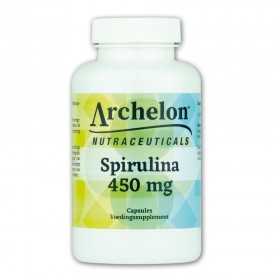
Spirulina - 450 mg
Spirulina is a blue-green, single-celled algae that grows in warm, freshwater. This microscopic algae has spiral-shaped strands and contains natural pigments such as chlorophyll (green) and phycocyanin (blue).
Spirulina naturally contains a broad spectrum of nutrients, including protein, B-complex vitamins, vitamin E, carotenoids, iron, manganese, zinc, and essential fatty acids such as gamma-linolenic acid. It is known as a rich source of beta-carotene and other carotenoids. Spirulina is often included in nutritional supplements and can be included as part of a varied and balanced diet.
Spirulina naturally contains a broad spectrum of nutrients, including protein, B-complex vitamins, vitamin E, carotenoids, iron, manganese, zinc, and essential fatty acids such as gamma-linolenic acid. It is known as a rich source of beta-carotene and other carotenoids. Spirulina is often included in nutritional supplements and can be included as part of a varied and balanced diet.
€19.95
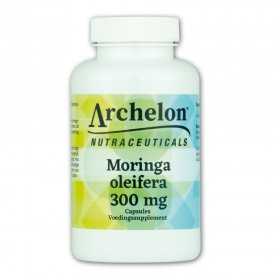
Moringa oleifera - 300 mg
Moringa oleifera is a fast-growing tree native to parts of Africa and Asia. Also known as the "moringa tree," it is traditionally used as a food source in various cultures. The leaves, in particular, are valued for their diverse range of natural nutrients.
Moringa leaves naturally contain a variety of nutrients, including plant proteins, fiber, vitamins, minerals, amino acids, and plant compounds such as polyphenols and carotenoids. This versatile composition means moringa is used worldwide in powders, capsules, and other food products.
Moringa leaves naturally contain a variety of nutrients, including plant proteins, fiber, vitamins, minerals, amino acids, and plant compounds such as polyphenols and carotenoids. This versatile composition means moringa is used worldwide in powders, capsules, and other food products.
€19.95
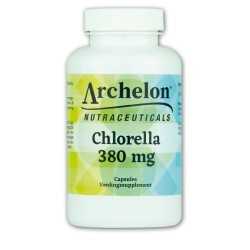
Chlorella - 380 mg
Chlorella is a single-celled green algae from the green algae family, native to lakes and rivers in Southeast Asia. The name "chlorella" comes from the Greek words chloros (green) and ella (small).
This microscopic algae naturally contains a broad spectrum of nutrients, including proteins, vitamins (such as A, B1, C, E, and K), trace elements, beta-carotene, lutein, omega-3 fatty acids, and chlorophyll. Chlorella is often used as an ingredient in nutritional supplements and is suitable for a varied and balanced diet, including vegetarians and vegans.
This microscopic algae naturally contains a broad spectrum of nutrients, including proteins, vitamins (such as A, B1, C, E, and K), trace elements, beta-carotene, lutein, omega-3 fatty acids, and chlorophyll. Chlorella is often used as an ingredient in nutritional supplements and is suitable for a varied and balanced diet, including vegetarians and vegans.
€17.95
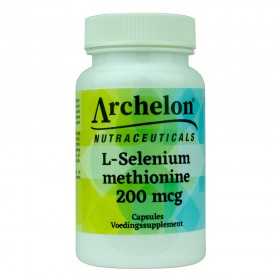
L-Selenium methionine - 200 mcg
Selenium is an essential mineral that occurs naturally in food, both in plant and animal sources. The amount in plants depends on the selenium concentration in the soil. Our L-selenomethionine supplement provides a standardized source of selenium, reducing the impact of dietary variation.
L-selenomethionine is an organic form of selenium, bound to the amino acid methionine, which is readily absorbed during protein metabolism. Compared to some other forms, such as selenium from yeast, L-selenomethionine is absorbed directly as part of amino acid combinations. The capsules are easy to take and can be incorporated into a varied diet.
L-selenomethionine is an organic form of selenium, bound to the amino acid methionine, which is readily absorbed during protein metabolism. Compared to some other forms, such as selenium from yeast, L-selenomethionine is absorbed directly as part of amino acid combinations. The capsules are easy to take and can be incorporated into a varied diet.
€17.95
Green Tea Mint Herbal Tea
Herbal tea composed of various herbs
Delicious for every moment
Delicious for every moment
€4.95